
Miscellaneous Class group
Yakutian Laika
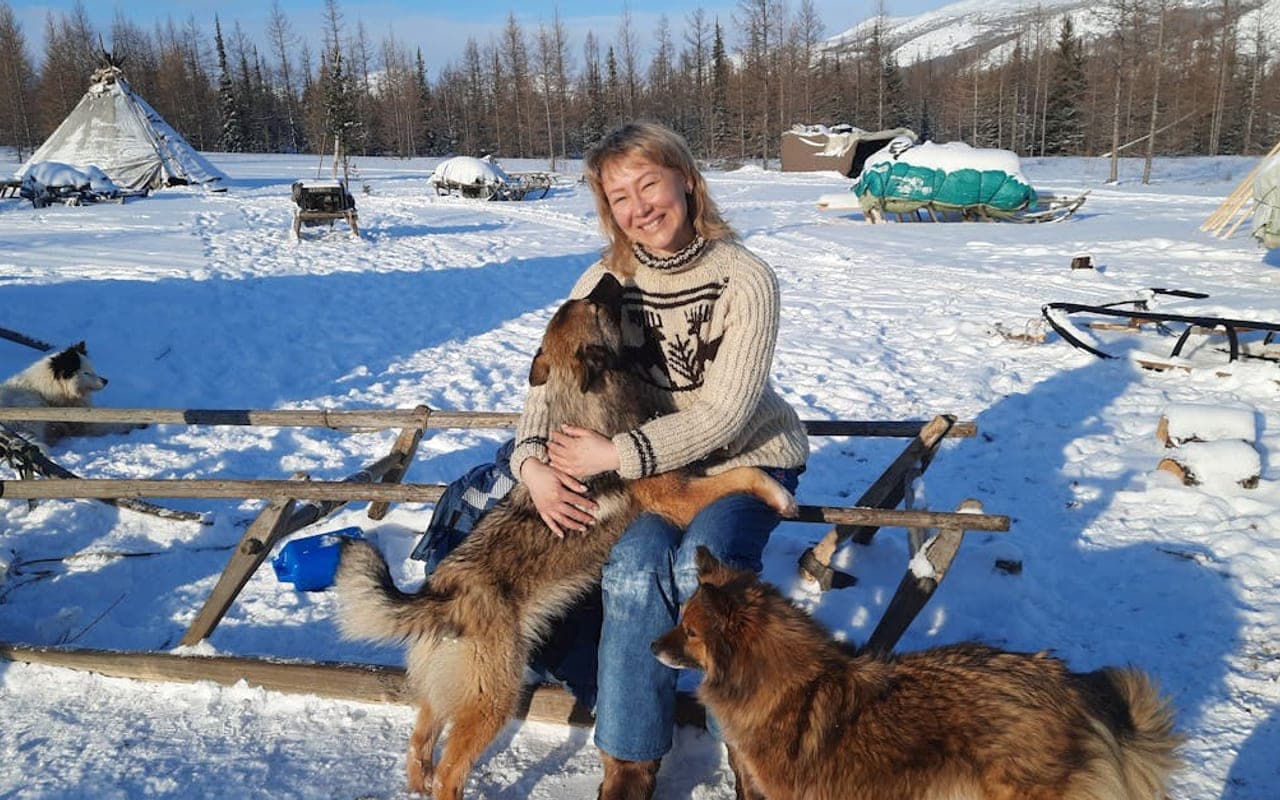
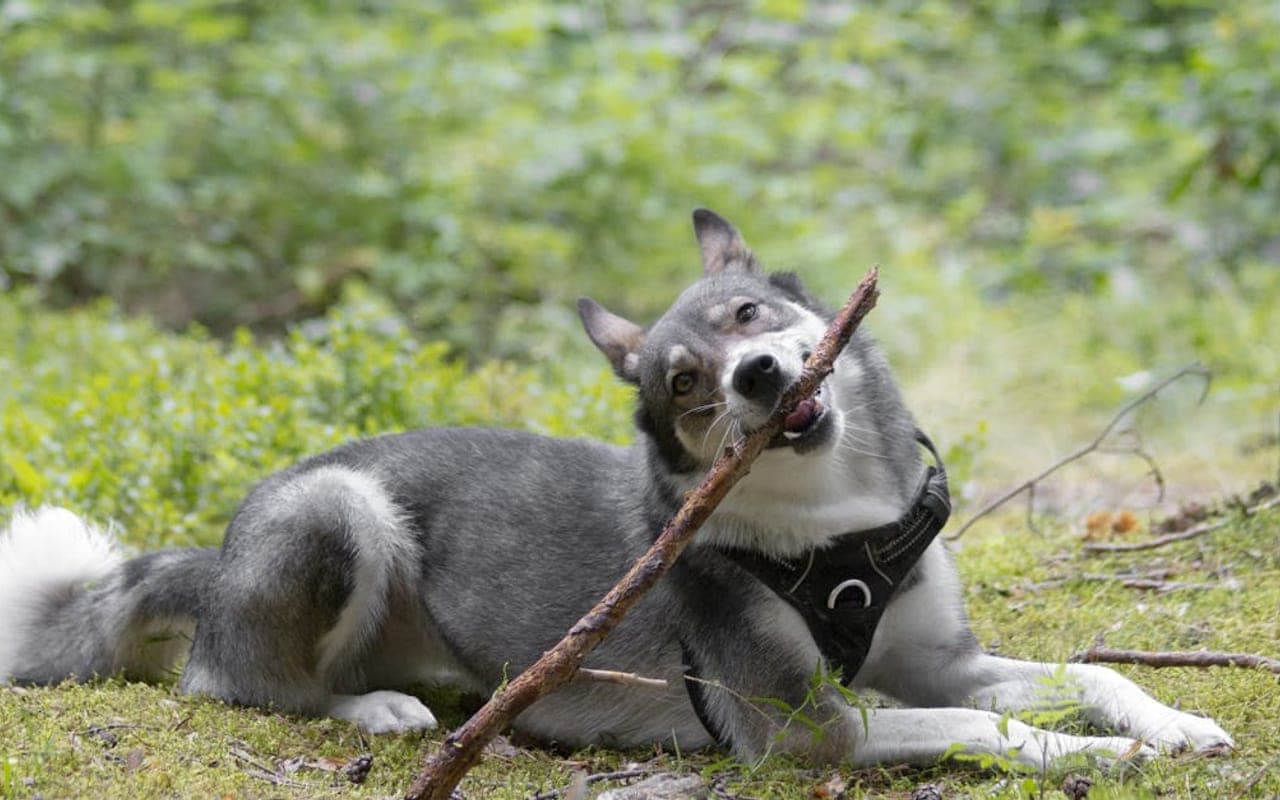
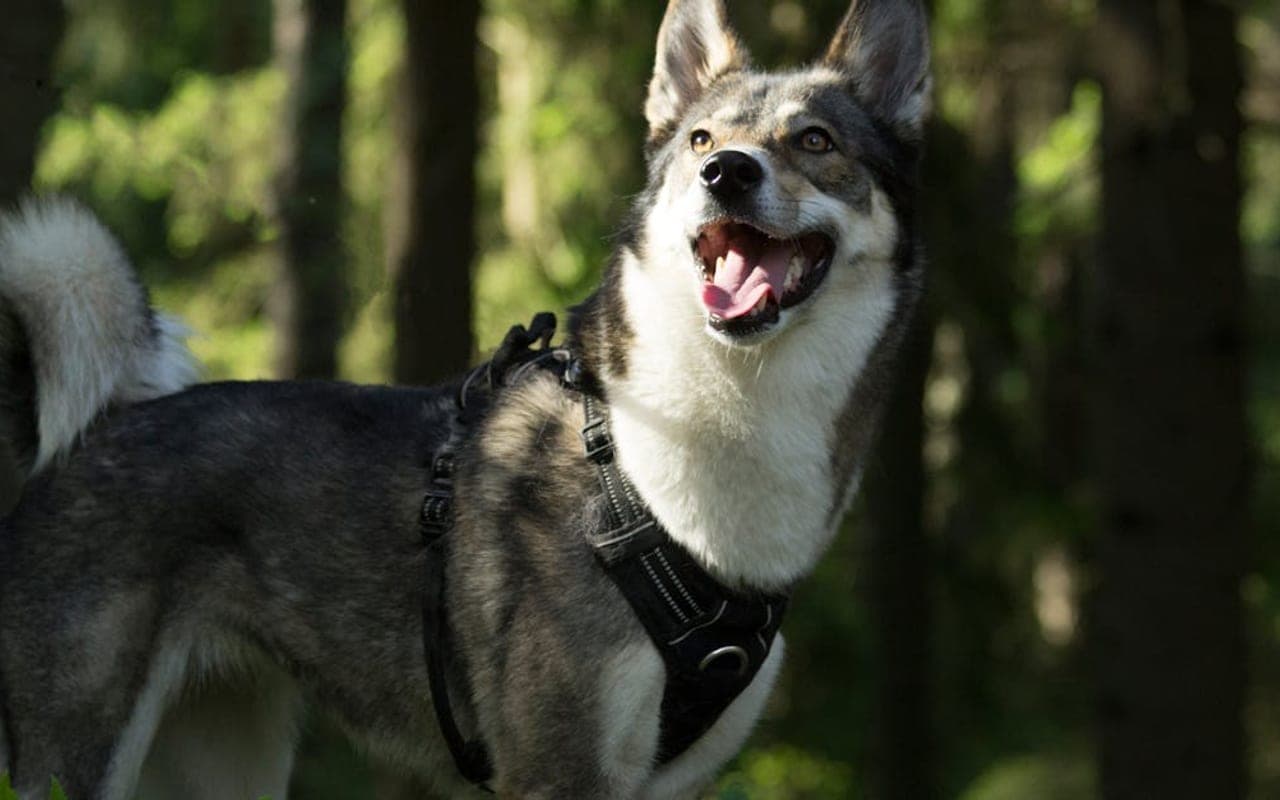
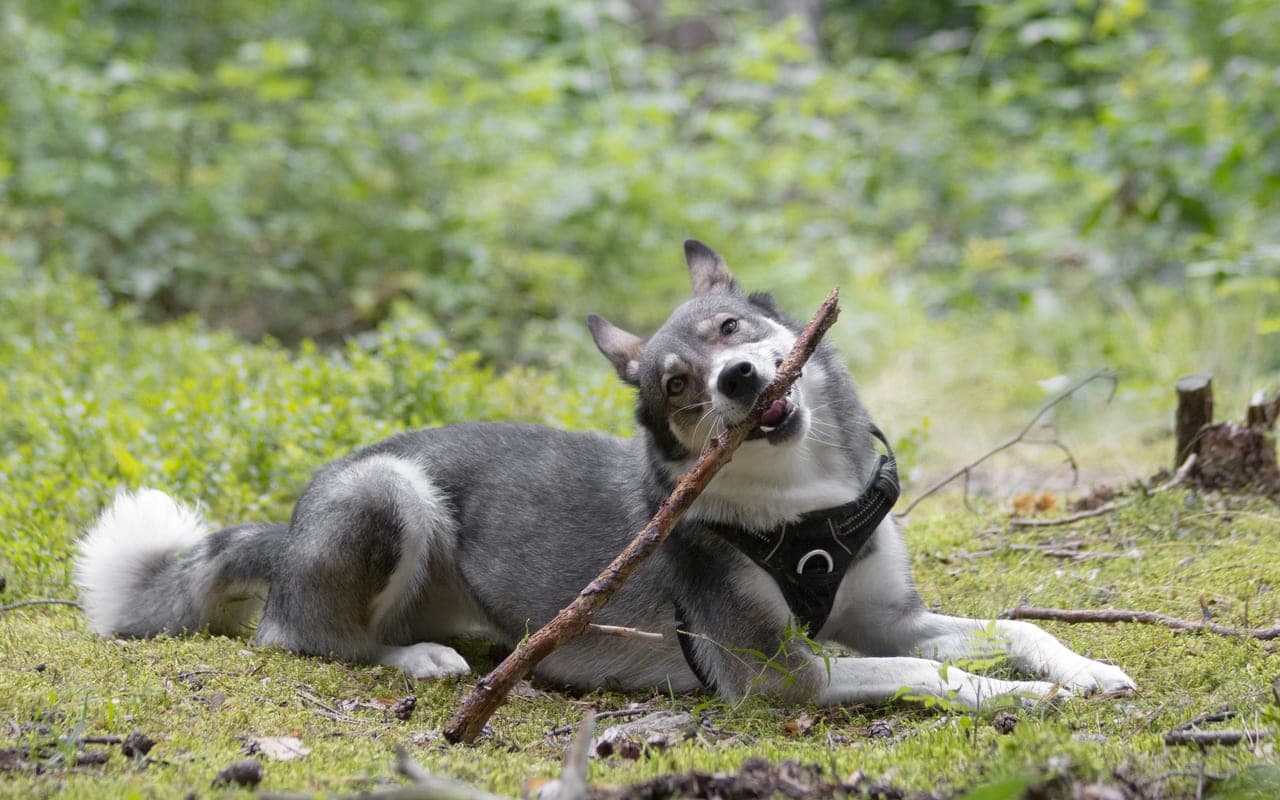
The Yakutian Laika is an ancient Arctic working dog from the Sakha (Yakutia) region of northeastern Siberia — a medium-sized, dense-coated spitz of roughly 18-25 kg (40-55 lb) and 53-59 cm at the shoulder, bred for centuries by the Indigenous peoples of one of the coldest inhabited places on earth to pull sleds, hunt, and herd reindeer.
Size
37-55 lb
Lifespan
10-12 years
Exercise
30-60 minutes
Shedding
Moderate
Experience
Match to owner routine
Decision first
Is a Yakutian Laika right for you?
Start with fit before history or trivia. These are ownership signals, not guarantees about any individual dog.
Best suited for
- Households with children.
- Homes with other compatible pets.
- Apartment homes with a consistent routine.
- Owners seeking a manageable daily exercise routine.
Think carefully if
- You need a dog with almost no daily routine.
- You cannot keep up with grooming and preventive care.
- The dog will spend most days alone without support.
Conditional fit
Apartment fit depends on exercise, enrichment, noise management, and outdoor access.
Daily reality
Yakutian Laika commitment snapshot
Daily exercise
30-60 minutes
Match activity to age, health, weather, and training goals.
Coat care
Moderate
Grooming needs vary by coat, shedding, and lifestyle.
Time alone
Needs planning
Most dogs need gradual alone-time conditioning and support.
Structured facts
Yakutian Laika at a glance
The measurements and traits that most affect day-to-day life with this breed.
Group
Miscellaneous Class
Weight
37-55 lb
Height
21-23 in
Lifespan
10-12 years
Temperament
Affectionate | Intelligent | Active
View all characteristics and methodology
Lifestyle fit
- Apartment suitability
- Likely fit
- Child friendliness
- Often good, with socialisation and supervision
- Other-pet fit
- Often compatible with careful introductions
Owner commitment
- Exercise
- 30-60 minutes
- Grooming
- Moderate
- Shedding
- Moderate
- Training
- Moderate
Environment and health
- Health risk
- Needs planning
Ratings combine structured breed data, visible breed fields, and editorial context. They are planning aids, not predictions for an individual dog.
Daily life
Yakutian Laika temperament and behavior
The Yakutian Laika is an ancient Arctic working dog from the Sakha (Yakutia) region of northeastern Siberia — a medium-sized, dense-coated spitz of roughly 18-25 kg (40-55 lb) and 53-59 cm at the shoulder, bred for centuries by the Indigenous peoples of one of the coldest inhabited places on earth to pull sleds, hunt, and herd reindeer. Unusually for an Arctic breed, it was selected as much for affection and biddability as for work, because it lived inside the family dwelling and worked in close cooperation with people. That dual heritage — hard Arctic worker plus genuinely people-bonded companion — is the key to the dog you get. In practice the Yakutian Laika is affectionate, gentle, and notably good with children, sociable with other dogs (it was bred to work in sled teams), intelligent, and far more handler-oriented than most primitive northern breeds. It is not a guardian — its friendliness disqualifies it from protection work. The honest trade-offs are these: it retains a real prey drive (it was also a hunting dog), it has high stamina and needs substantial daily work, it is vocal (barks and 'talks'), and the dense double coat sheds heavily and demands climate awareness. The coat is a thick, weatherproof Arctic double coat — low-grooming most of the year but a major shed twice annually. Lifespan is a modest 10-12 years. Health-wise the Yakutian Laika is a hardy Arctic landrace with a relatively limited inherited-disease list — a real strength — but it has specific documented eye and joint risks that responsible breeders screen for and that owners should plan around. Who the Yakutian Laika is right for: an active owner in a cool or temperate climate who wants an affectionate, dog-social, family-friendly working dog and will commit to high daily exercise, secure containment, and heavy seasonal shedding. Who it is wrong for: hot climates, sedentary households, owners wanting a guard dog, or homes with free-roaming small pets.
Affectionate | Intelligent | Active
Affectionate
A common Yakutian Laika temperament descriptor that should be interpreted alongside training, exercise, and household fit.
Intelligent
A common Yakutian Laika temperament descriptor that should be interpreted alongside training, exercise, and household fit.
Active
A common Yakutian Laika temperament descriptor that should be interpreted alongside training, exercise, and household fit.
Owner note
Temperament labels are starting points, not guarantees. Meet the individual dog and ask about behavior history whenever possible.
Care essentials
How to care for a Yakutian Laika
What looking after one actually involves: exercise, grooming, food, training, and routine health.
ExerciseAs needed
- Moderately active breed needing 30-60 minutes of daily exercise.
GroomingAs needed
- Brush 2-3 times per week.
TrainingAs needed
- Consistent, patient training works best.
NutritionAs needed
- Feed high-quality dog food appropriate for age, size, and activity level.
Veterinary CareAs needed
- Annual wellness exams, vaccinations, dental care, and parasite prevention.
Health planning
Yakutian Laika health risks and screening
Every breed has individual health variation. Use this profile for planning and discuss medical decisions with a veterinarian.
Responsible ownership
Finding a Yakutian Laika responsibly
What to ask a breeder or rescue is the same conversation for every breed, so we keep it in one place and keep it current.
Health documentation, meeting the parents or foster, contracts and return support, and the warning signs worth walking away from.
Original purpose
Yakutian Laika history
History is useful when it explains today's behavior, coat, exercise needs, and training style.
Read the breed history
The Yakutian Laika is one of the oldest aboriginal dog types of the Arctic, used for at least several centuries — with far older regional roots — by the Indigenous peoples of the Sakha Republic (Yakutia) in northeastern Siberia. In one of the harshest climates on the planet it served as an all-purpose survival partner: pulling sleds in large cooperative teams, hunting for the family's food, and herding reindeer. Critically, it was bred to live in close contact with people, often inside the dwelling, and human aggression was deliberately culled — which is why the breed is affectionate and biddable rather than aloof like many primitive northern dogs. The breed nearly disappeared in the 20th century as mechanized transport replaced working dogs, then was deliberately recovered from surviving stock through dedicated Russian breeding programs late in the century. It is now recognized internationally and recorded by the American Kennel Club through its Foundation Stock Service. The Arctic-survival origin explains the dense weatherproof coat, stamina, prey drive, dog-social temperament, and heat sensitivity; the in-dwelling working history explains the unusual affection and trainability.
Gallery
Yakutian Laika photos
Images are cropped consistently and loaded progressively to keep the page responsive.
Lower-page context
Yakutian Laikas in culture
Where the breed shows up in film, sport, work and folklore — the enjoyable part, once the practical questions are answered.
Fun facts
- The Yakutian Laika belongs to the Foundation Stock Service.
- The average lifespan of a Yakutian Laika is 10 to 12 years.
- Yakutian Laika dogs are valued for their affectionate, intelligent, active nature.
Yakutian Laika FAQs
Is a Yakutian Laika a good guard dog?
No, and this surprises owners drawn to its wolfish Arctic look. The breed was deliberately bred over generations to be friendly and people-bonded, with human aggression actively culled because it lived inside the family dwelling. A Yakutian Laika will typically bark to announce a visitor and then want to greet them — it alerts but does not guard or protect. If you specifically want a protection or guarding dog, this is the wrong breed; if you want an affectionate, dog-social family worker, that same trait is exactly its strength.
Are Yakutian Laikas good with children and other dogs?
Yes on both, and it is one of the breed's best features. The Yakutian Laika is noted for being gentle and forming especially close bonds with children, and because it was bred to work in cooperative sled teams it is generally very dog-social and integrates well with an existing dog. The honest caveats: supervise around toddlers as with any active medium dog, socialize early, and remember the breed retains a real prey drive — free-roaming small pets like cats or rabbits are a genuine risk without careful, raised-together introduction and supervision.
How much exercise does a Yakutian Laika really need?
A lot — plan 60-90 minutes of vigorous daily activity plus mental work. This is a sled, hunting, and herding breed with serious working stamina; a couple of short walks will not satisfy it. It excels at and benefits from canicross, sledding, hiking, agility, and similar high-output activities, ideally with company. Under-exercised, an Arctic working dog of this drive becomes vocal, restless, destructive, and escape-prone. Owners who pick the breed for its looks and underestimate the exercise load consistently end up with behavior problems.
How bad is the shedding and can this breed handle warm climates?
Shedding is significant and seasonal. The dense weatherproof double coat is low-maintenance most of the year — about a 10-15 minute weekly brush — but it blows out heavily twice annually, when daily brushing for two to three weeks is realistic. On climate: this is a genuinely heat-sensitive Arctic breed. It does best in cool or temperate conditions; in hot climates you must restrict midday exercise, provide shade and water, and never clip the coat, which insulates against heat as well as cold. Hot, humid regions are a poor match.
What inherited health problems should I screen for in this breed?
The Yakutian Laika is a hardy Arctic landrace with a relatively limited inherited-disease list, but two areas have documented breed risk and should be screened. First, eyes: hereditary cataracts and progressive retinal atrophy (PRA) both occur, so insist on ophthalmic-screened parents and treat any cloudiness or vision change as significant. Second, joints: hip and elbow dysplasia occur, so look for OFA-type hip and elbow clearances on the parents. Buying from a breeder who screens for these removes most of the breed's predictable health risk before purchase.
How long do Yakutian Laikas live and what should I budget for?
Expect about 10-12 years. Routine costs are moderate — the coat is low-maintenance outside shedding season and the breed's inherited-disease burden is comparatively limited — but budget for the breed's specific risks: possible cataract surgery or lifelong management of progressive retinal atrophy, and orthopedic management or surgery for hip or elbow dysplasia. The cheapest protection is upfront: buy from eye- and hip/elbow-screened parents, keep the dog lean and well-exercised, and manage heat exposure to avoid emergency hyperthermia costs.
Sources
These are the published sources this page draws on. Each opens in a new tab so you can check it yourself.
American Kennel Club
Yakutian Laika — breed standard and profile(opens in a new tab)Supports: Breed standard and recognition details.
Similar breeds to consider
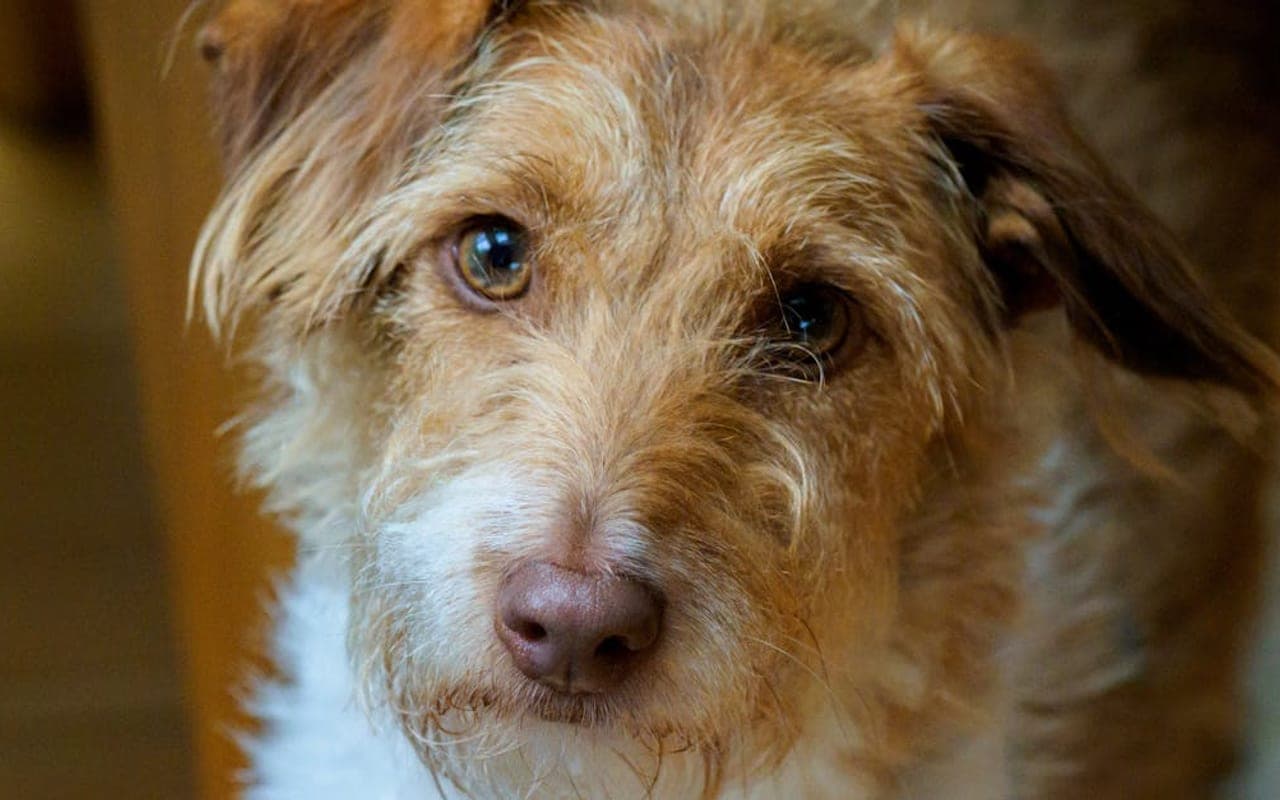
Portuguese Podengo
Also in the Miscellaneous Class group, with different care and temperament tradeoffs.
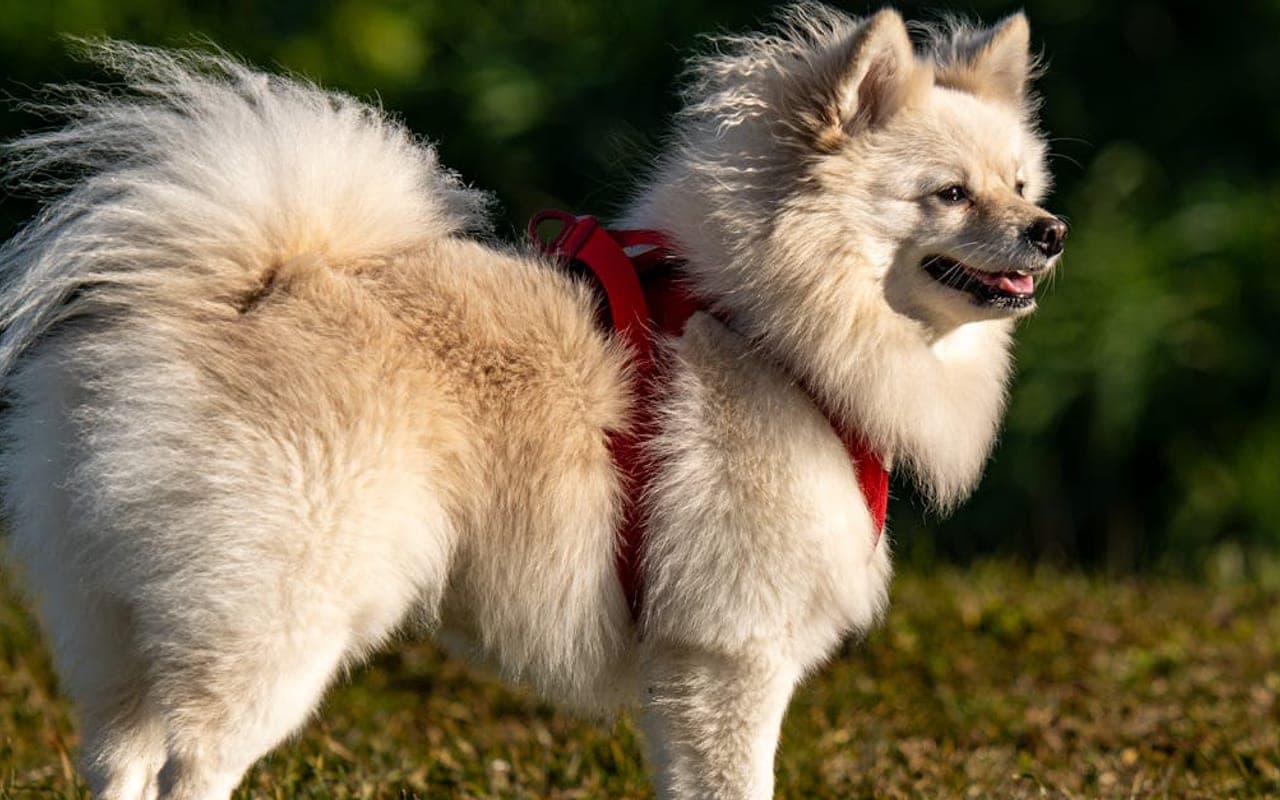
German Spitz
Also in the Miscellaneous Class group, with different care and temperament tradeoffs.
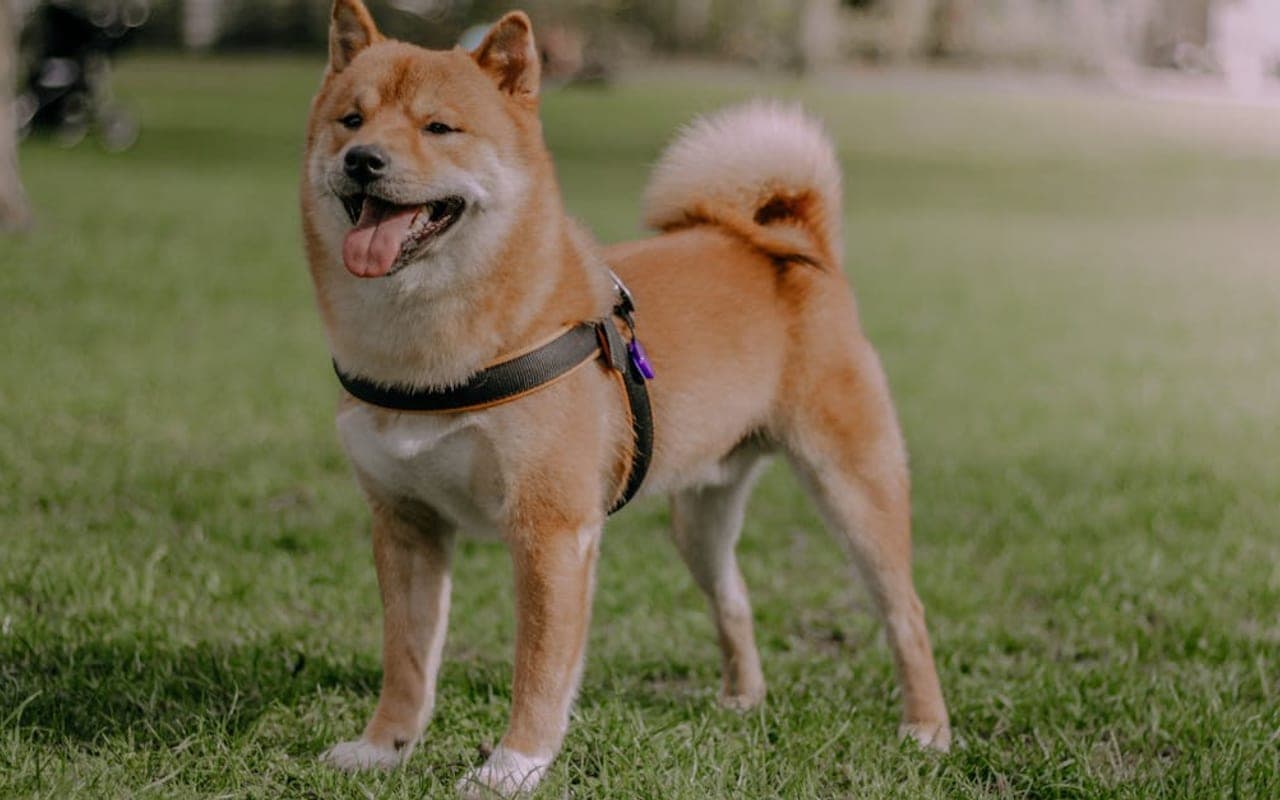
Kai Ken
Also in the Miscellaneous Class group, with different care and temperament tradeoffs.
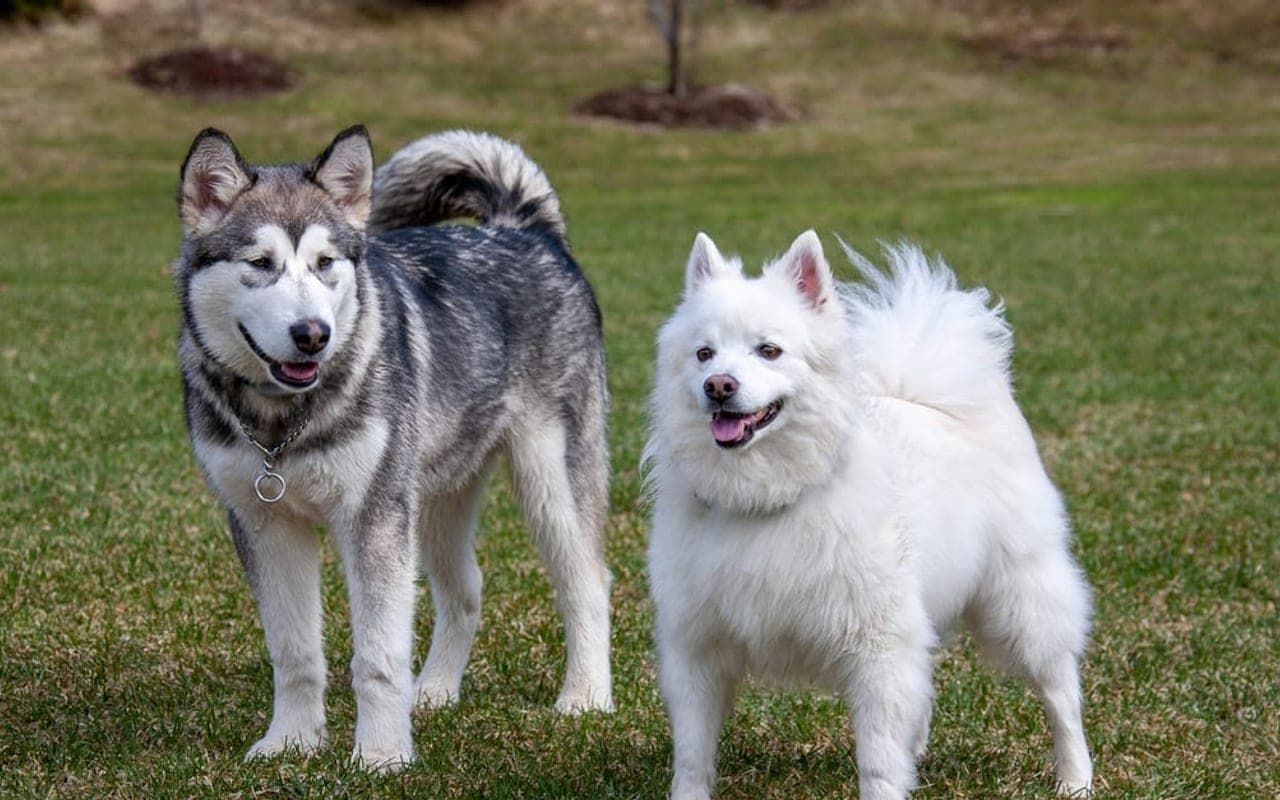
Alaskan Klee Kai
Also in the Miscellaneous Class group, with different care and temperament tradeoffs.
Explore More About Yakutian Laika
Dive deeper into everything Yakutian Laika — costs, care, and expert insights.
Considering a cat instead?
Browse Cats