
Australian Shepherd vs Border Collie
A side-by-side breed comparison to help you decide which fits your lifestyle.
At a Glance
| Attribute | Australian Shepherd | Border Collie |
|---|---|---|
| Origin | United States | United Kingdom |
| Breed Group | Herding | Herding |
| Life Span | 12–15 yrs | 12–15 yrs |
| Weight | 16–29 kg | 13.6–22.7 kg |
| Height | 45.7–58.4 cm | 45.7–55.9 cm |
| Temperament | Smart, work-oriented, and exuberant | Intelligent, athletic, and energetic |
| Exercise Needs | Very High (90+ min/day) | Very High (90+ min/day) |
| Grooming | moderate | moderate |
| Shedding | high | high |
| Good with Children | Yes | Yes |
| Apartment Friendly | No | No |
Temperament Comparison
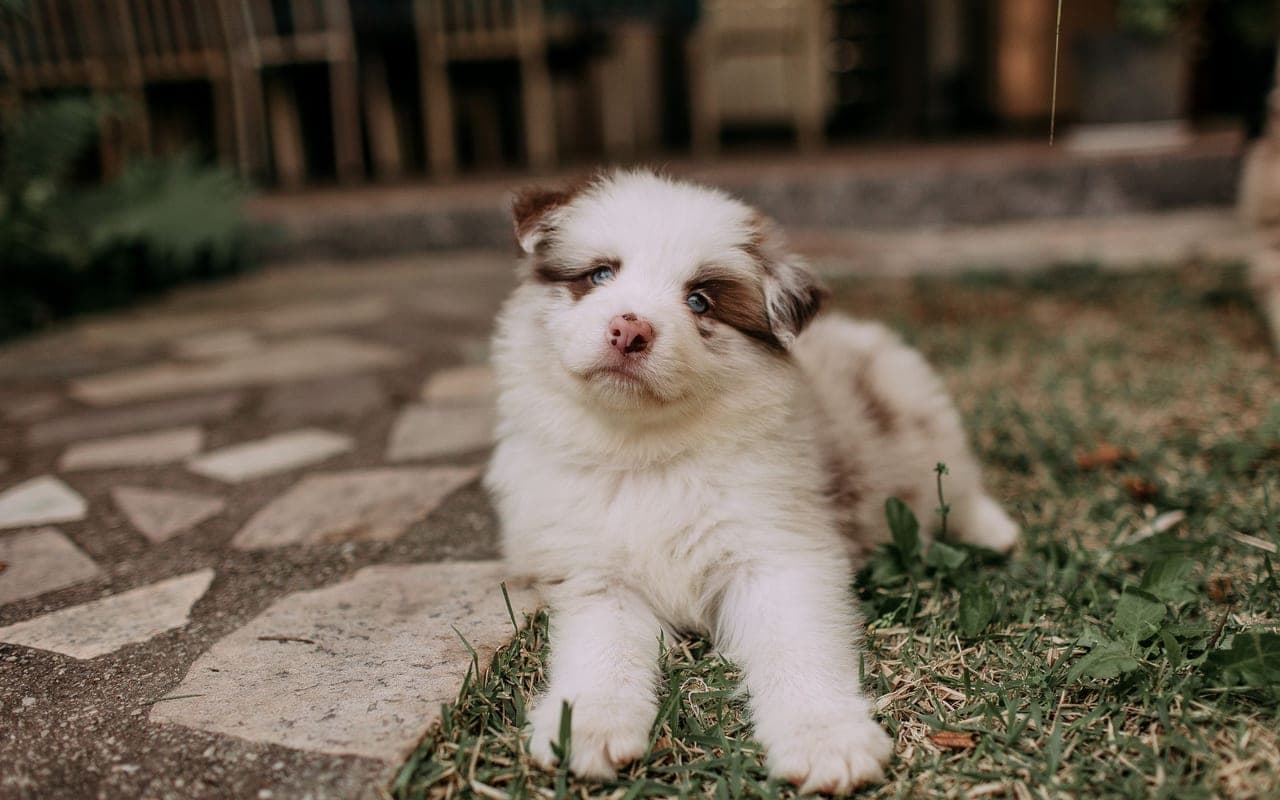
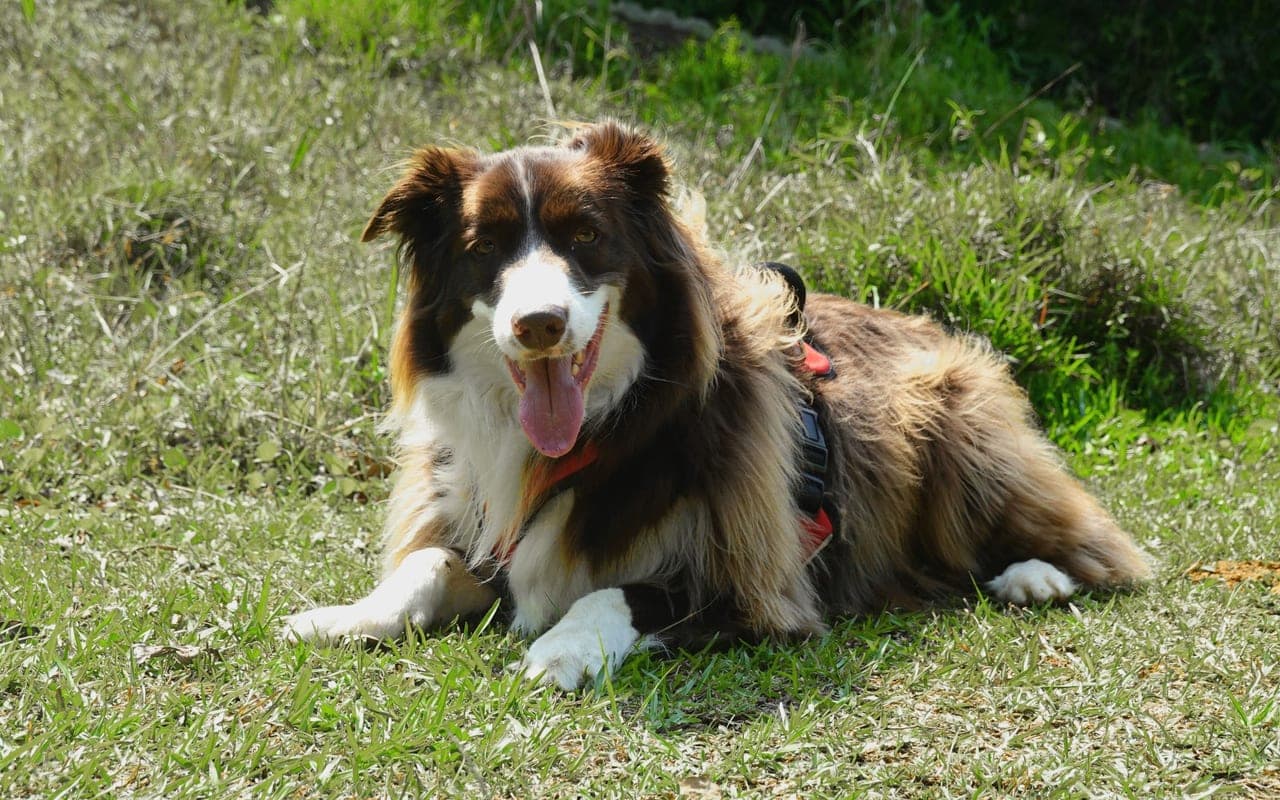
The Australian Shepherd is known for being smart, work-oriented, and exuberant, while the Border Collie tends to be intelligent, athletic, and energetic.
Australian Shepherd
Border Collie
Family Suitability
Australian Shepherd
- Good with children: Yes
- Good with other pets: No
- Apartment friendly: No
- Exercise: very high
Border Collie
- Good with children: Yes
- Good with other pets: No
- Apartment friendly: No
- Exercise: very high
Training & Exercise
When it comes to daily activity, the Australian Shepherd requires very high (90+ min/day) exercise, compared to the Border Collie which needs very high (90+ min/day).
Australian Shepherd
- Exercise
- very high
- Grooming
- moderate
- Shedding
- high
Border Collie
- Exercise
- very high
- Grooming
- moderate
- Shedding
- high
Cost Comparison
Understanding the financial commitment of each breed helps you plan for a lifetime of care.
| Cost | Australian Shepherd | Border Collie |
|---|---|---|
| Purchase Price | $800 – $2,500 | $600 – $2,500 |
| Monthly Cost | ~$120/mo | ~$110/mo |
| Est. Lifetime Cost | ~$17,280+ | ~$15,840+ |
Health Considerations
Both breeds have breed-specific health considerations. Being aware of these helps you plan for preventive care and vet visits.
Australian Shepherd
Life span: 12–15 yrs
- MDR1 (multidrug resistance 1) gene mutation — a high-frequency inherited defect in the blood-brain barrier transporter that causes severe, sometimes fatal neurotoxic reactions to ordinary doses of common drugs including ivermectin, loperamide, and certain anaesthetics and chemotherapy agents. A ~$50 cheek-swab DNA test gives the dog's lifetime status; every Aussie owner should know it before any veterinary treatment.
- Collie eye anomaly (CEA) — an inherited developmental defect of the retina, choroid and optic disc present at birth, ranging from mild to sight-threatening; a DNA test exists and both parents should be screened before breeding.
- Hip dysplasia — a malformed hip joint causing laxity, arthritis and pain; risk is reduced (not eliminated) by OFA/PennHIP-screened parents and lifelong lean body condition.
- Idiopathic epilepsy — recurrent seizures with no identifiable structural cause, typically first appearing between 6 months and 5 years; manageable with lifelong anticonvulsant medication and committed monitoring, but a real ongoing cost.
- Cataracts (including hereditary cataract) — clouding of the lens that can progress to vision loss; relatively common in the breed and a reason for routine ophthalmic screening of breeding dogs.
- Double-merle / merle-to-merle breeding defects — when two merle-coated dogs are bred together, a proportion of puppies are 'double merle' with congenital deafness and/or serious eye defects including blindness; this is preventable and is a direct reason to know a breeder's colour-pairing practices.
- High exercise and work-drive deficit — not a disease but the breed's defining failure mode: an under-stimulated Australian Shepherd reliably develops anxiety, hyper-vigilance, compulsive herding/nipping and destructiveness. The drive that makes it an elite working and sport dog is the same trait that makes it unlivable in a low-activity home — a non-negotiable trade-off.
Border Collie
Life span: 12–15 yrs
- Collie eye anomaly (CEA) — an inherited developmental defect of the eye affecting the retina, choroid and optic disc, present at birth and ranging from mild (vision unaffected) to severe (retinal detachment and blindness). A DNA test exists; both parents should be tested before breeding.
- MDR1 (multidrug resistance 1) gene mutation — a genetic defect in the blood-brain barrier transporter that causes severe, sometimes fatal neurotoxic reactions to ordinary doses of common drugs including ivermectin, loperamide, and certain anesthetics and chemotherapy agents. A ~$50 cheek-swab DNA test identifies affected dogs; every Border Collie owner should know the dog's MDR1 status before any vet treatment.
- Hip dysplasia — a malformed hip joint leading to laxity, arthritis, pain and reduced mobility; risk is reduced (not eliminated) by buying from OFA/PennHIP-screened parents and keeping the dog lean.
- Idiopathic epilepsy — recurrent seizures with no identifiable structural cause, typically first appearing between 6 months and 5 years; manageable lifelong with anticonvulsant medication but requires committed monitoring and ongoing cost.
- Neuronal ceroid lipofuscinosis (NCL) — a fatal inherited neurodegenerative storage disease causing progressive loss of vision, coordination and cognition in young dogs; uniformly fatal, but a DNA test lets breeders avoid producing affected puppies entirely.
- Trapped neutrophil syndrome (TNS) — an inherited immune-deficiency disease where neutrophils are produced but trapped in the bone marrow, leaving puppies unable to fight infection; fatal in early life, fully preventable through DNA testing of breeding stock.
- Exercise and mental-stimulation deficit — not a disease but the breed's defining failure mode: an under-worked Border Collie reliably develops compulsive behaviors (spinning, light-chasing, flank-biting), anxiety and destructiveness. The 'trade-off' is real and non-negotiable — the intelligence that makes the breed exceptional is the same trait that makes it unlivable in the wrong home.
Which Breed is Right for You?
Choose the Australian Shepherd if you want a breed that's smart and work-oriented, especially with a family.
Choose the Border Collie if you prefer a breed that's intelligent and athletic, great with kids.
Explore More About Australian Shepherd
Dive deeper into everything Australian Shepherd — costs, care, and expert insights.
How Much Does a Australian Shepherd Cost?
Purchase price, monthly costs, and lifetime expenses
Australian Shepherd Care Guide
Despite the name, the Australian Shepherd was not developed in...
Is a Dog DNA Test Worth It? Embark, Wisdom Panel, and Rescue Dogs
Dog DNA tests can help mixed-breed and rescue-dog owners understand breed mix, traits, size clues,...
Dog Park Etiquette: 12 Rules Every Owner Should Follow
Dog parks are only fun when everyone follows the rules. 12 essential etiquette guidelines for safe,...
Can Dogs Eat Watermelon? Summer Treat Safety Guide
Watermelon is a safe, hydrating summer treat for dogs — just remove the seeds and rind first. Learn...
Considering a cat instead?
Browse Cats