
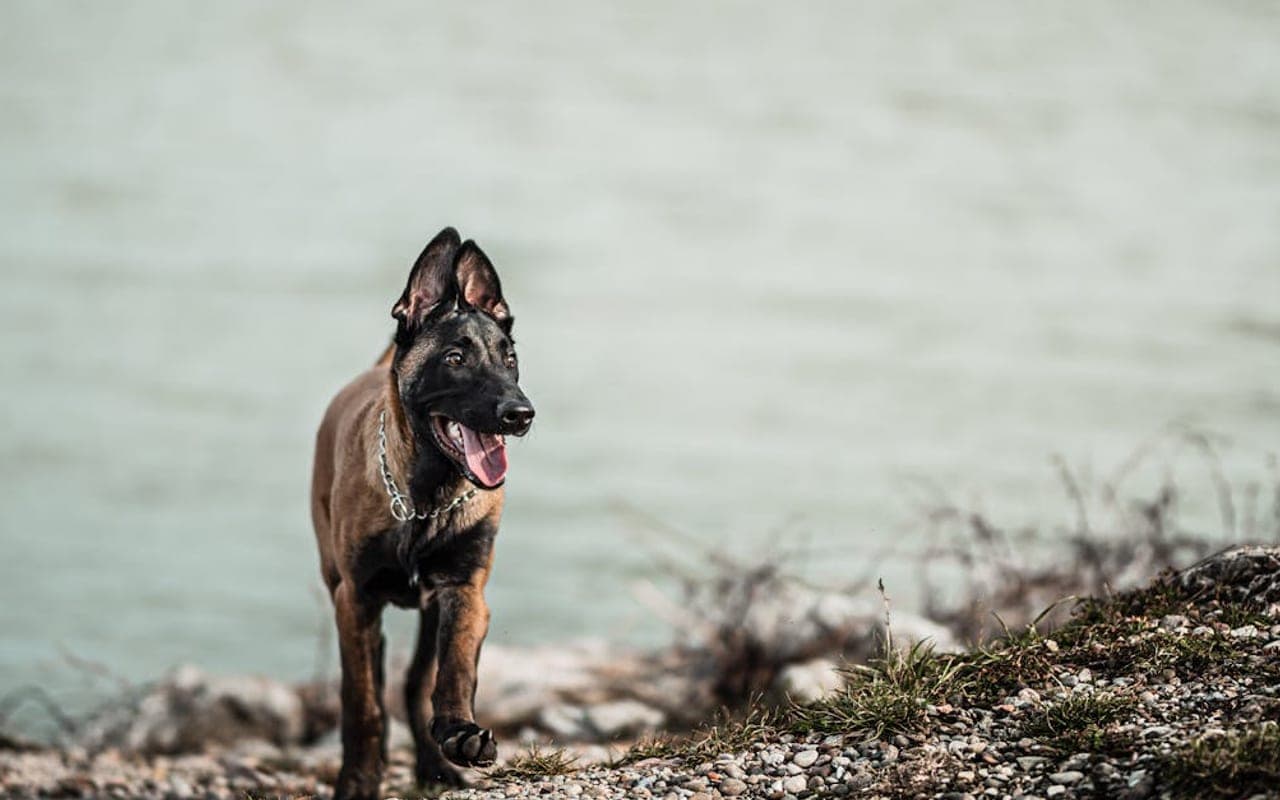
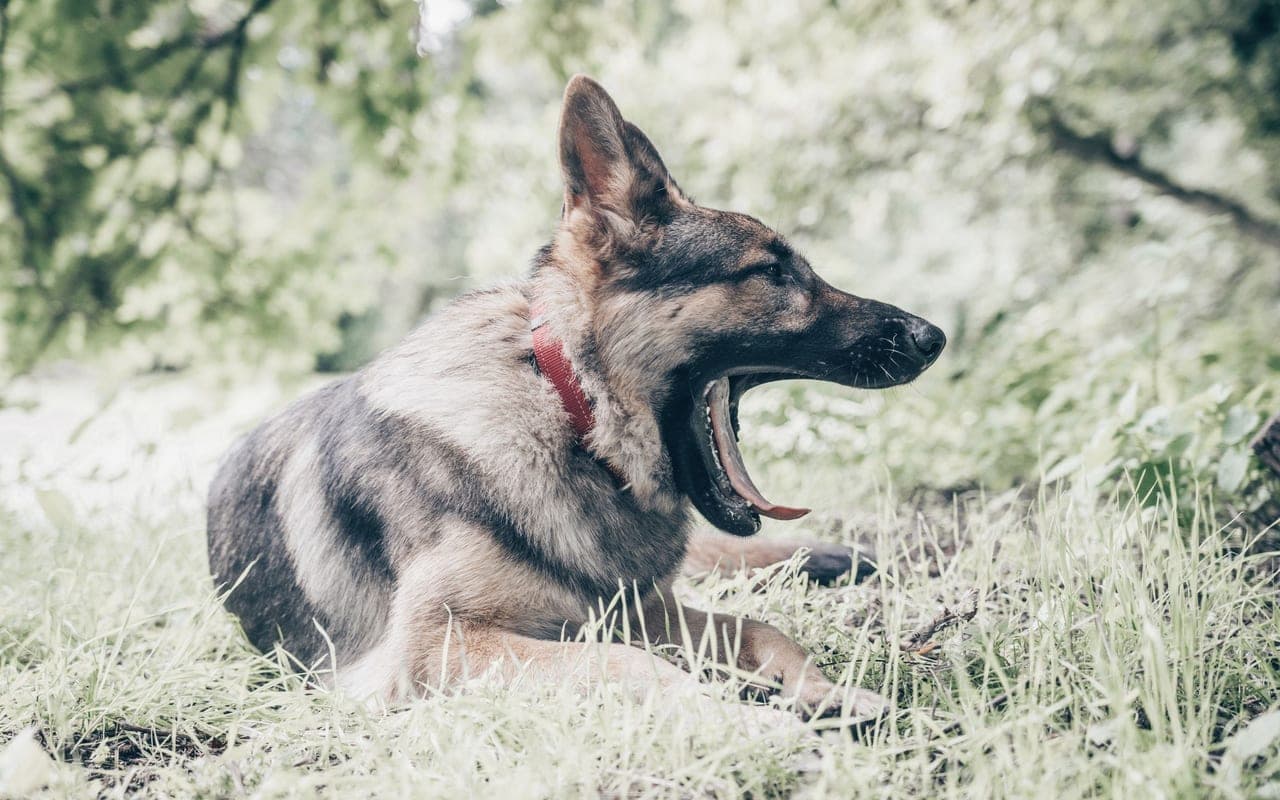
Belgian Malinois vs German Shepherd
A side-by-side breed comparison to help you decide which fits your lifestyle.
At a Glance
| Attribute | Belgian Malinois | German Shepherd |
|---|---|---|
| Origin | — | Germany |
| Breed Group | Herding | Herding |
| Life Span | 14–16 yrs | 9–13 yrs |
| Weight | 18.1–36.3 kg | 22–40 kg |
| Height | 55.9–66 cm | 55–65 cm |
| Temperament | Confident, Smart, Hardworking | Confident, courageous, smart |
| Exercise Needs | Moderate (30-60 min/day) | Very High (90+ min/day) |
| Grooming | moderate | moderate |
| Shedding | moderate | high |
| Good with Children | Yes | Yes |
| Apartment Friendly | Yes | No |
Temperament Comparison
The Belgian Malinois is known for being confident, smart, hardworking, while the German Shepherd tends to be confident, courageous, smart.
Belgian Malinois
German Shepherd
Family Suitability
Belgian Malinois
- Good with children: Yes
- Good with other pets: Yes
- Apartment friendly: Yes
- Exercise: moderate
German Shepherd
- Good with children: Yes
- Good with other pets: No
- Apartment friendly: No
- Exercise: very high
Training & Exercise
When it comes to daily activity, the Belgian Malinois requires moderate (30-60 min/day) exercise, compared to the German Shepherd which needs very high (90+ min/day).
Belgian Malinois
- Exercise
- moderate
- Grooming
- moderate
- Shedding
- moderate
German Shepherd
- Exercise
- very high
- Grooming
- moderate
- Shedding
- high
Cost Comparison
Understanding the financial commitment of each breed helps you plan for a lifetime of care.
| Cost | Belgian Malinois | German Shepherd |
|---|---|---|
| Purchase Price | — – — | $1,000 – $3,500 |
| Monthly Cost | — | ~$160/mo |
Health Considerations
Both breeds have breed-specific health considerations. Being aware of these helps you plan for preventive care and vet visits.
Belgian Malinois
Life span: 14–16 yrs
- Hip dysplasia and elbow dysplasia — inherited malformation of the hip and elbow joints causing arthritis and lameness; the Belgian Malinois Club of America's CHIC program requires OFA or PennHIP hip clearance and OFA elbow clearance on breeding dogs.
- Progressive retinal atrophy (PRA) — an inherited degeneration of the retina that typically begins in younger dogs and progresses to blindness; an eye clearance is part of the breed's CHIC requirements.
- Cataracts — clouding of the lens that can progress to blindness; the breed is predisposed and breeding stock should have annual ophthalmologist eye exams.
- Anesthesia sensitivity — Malinois are documented to react more strongly to anesthetic agents than average; vets should be told the breed and use conservative, breed-appropriate protocols before any sedation or surgery.
- Gastric dilatation-volvulus (bloat) — the deep-chested build predisposes the breed to life-threatening stomach distension and torsion; an unproductive retch with a hard, swelling abdomen is an immediate surgical emergency.
- Epilepsy and hypothyroidism — inherited idiopathic seizures and underactive thyroid (causing lethargy, weight gain, and coat changes) are both reported in the breed and managed with lifelong medication.
German Shepherd
Life span: 9–13 yrs
- Hip and elbow dysplasia — malformed joints leading to arthritis and lameness; one of the most dysplasia-affected breeds, which is why OFA or PennHIP clearances on both parents are essential and why exercise is staged until growth plates close.
- Degenerative myelopathy (DM) — a progressive, incurable spinal-cord disease causing hind-limb weakness and eventual paralysis, usually after age 8; a genetic test exists and responsible breeders screen for it.
- Gastric dilatation-volvulus (GDV / bloat) — the deep chest predisposes the stomach to twisting, a true same-day emergency; prophylactic gastropexy is commonly recommended in this breed.
- Exocrine pancreatic insufficiency (EPI) — the pancreas fails to produce digestive enzymes, causing severe weight loss despite a big appetite; lifelong enzyme supplementation is required and German Shepherds are the classic breed for it.
- Hemangiosarcoma and other cancers — an aggressive blood-vessel cancer (often splenic or cardiac) with higher incidence in the breed; sudden collapse or pale gums in an older Shepherd is an emergency.
- Anal furunculosis (perianal fistulas) — painful chronic tunneling infections around the anus seen disproportionately in German Shepherds, requiring long-term immunosuppressive management.
- Panosteitis ('growing pains') — self-limiting but painful long-bone inflammation in adolescent Shepherds causing shifting lameness, often confused with dysplasia.
Which Breed is Right for You?
Choose the Belgian Malinois if you want a breed that's confident and smart and works well in apartments, especially with a family.
Choose the German Shepherd if you prefer a breed that's confident and courageous, great with kids.
Explore More About Belgian Malinois
Dive deeper into everything Belgian Malinois — costs, care, and expert insights.
How Much Does a Belgian Malinois Cost?
Purchase price, monthly costs, and lifetime expenses
Belgian Malinois Care Guide
This Belgian Malinois care guide gives owners a practical plan...
Considering a cat instead?
Browse Cats