
Herding group
Belgian Malinois
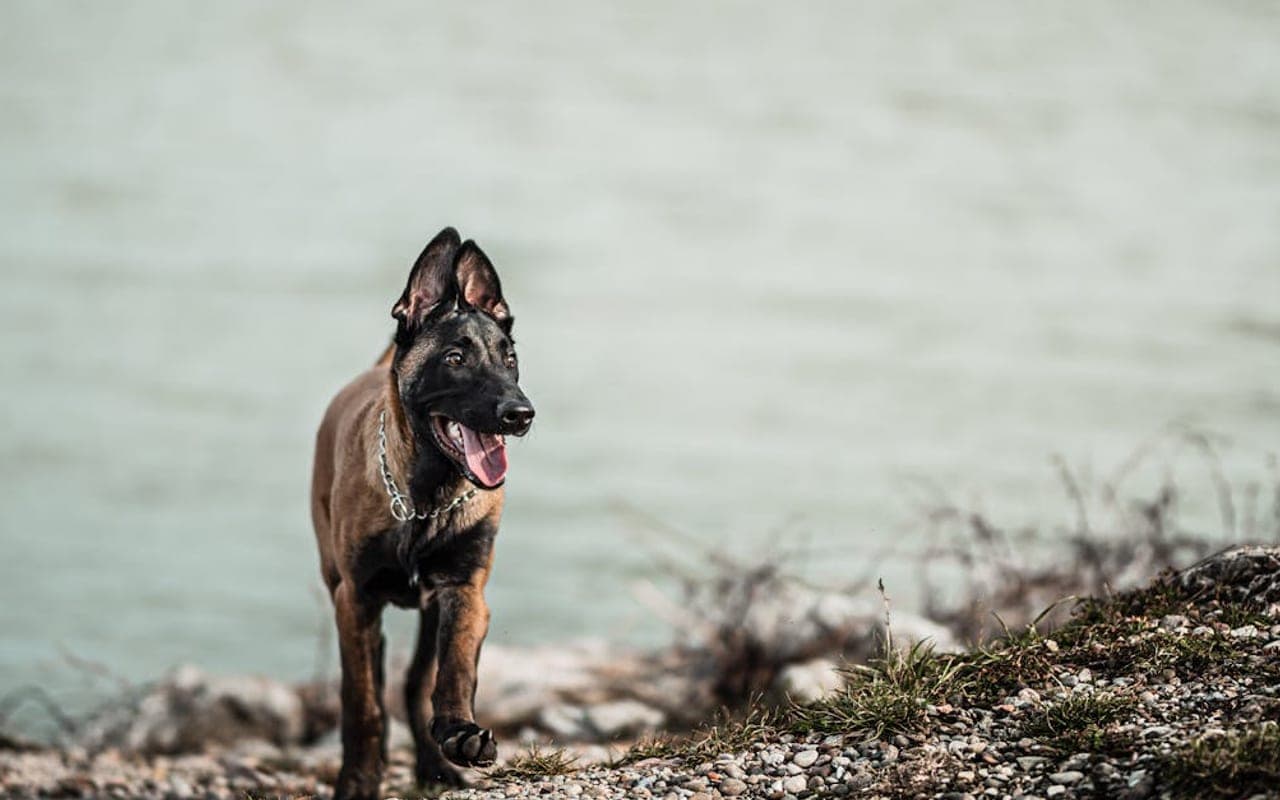
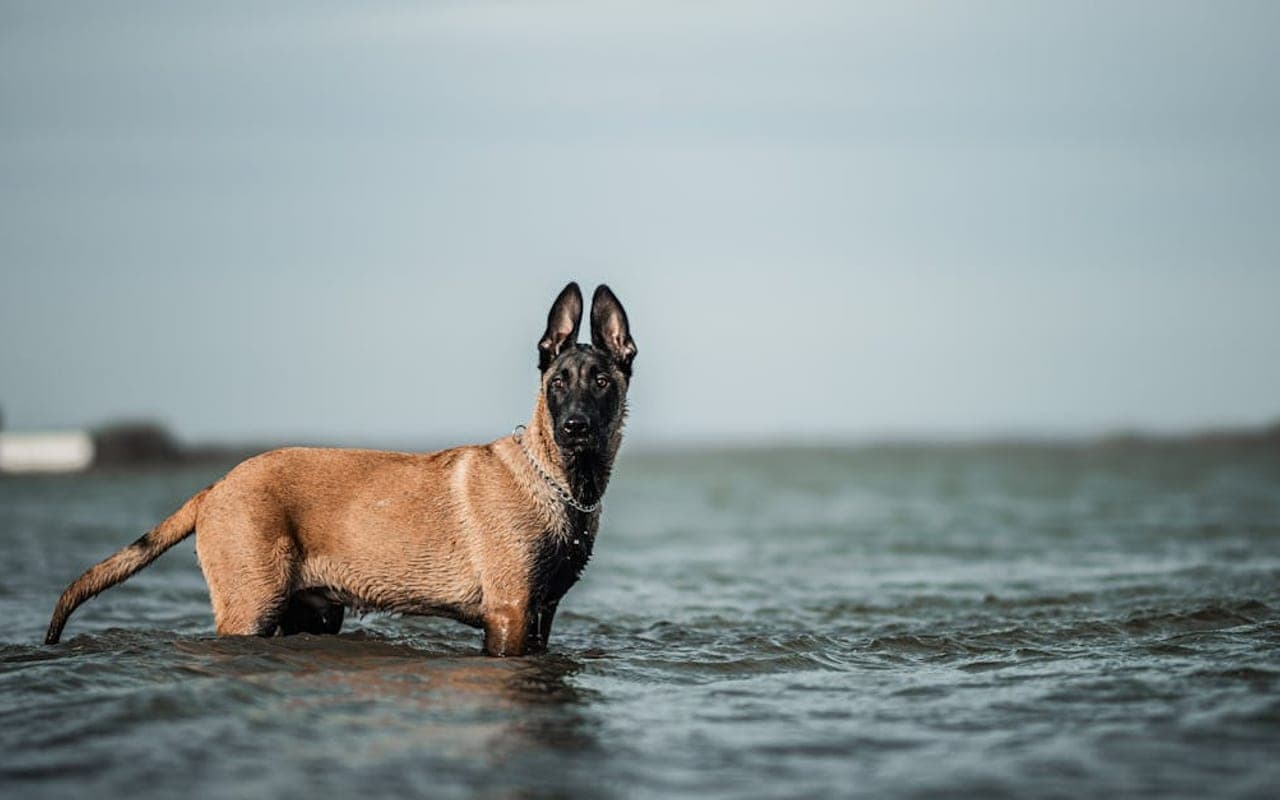
The Belgian Malinois is a 22-to-26-inch, 40-to-80-pound herding dog that the world knows as a police and military working dog — and that reputation is the most important buying caution there is.
Size
40-80 lb
Lifespan
14-16 years
Exercise
30-60 minutes
Shedding
Moderate
Experience
Match to owner routine
Decision first
Is a Belgian Malinois right for you?
Start with fit before history or trivia. These are ownership signals, not guarantees about any individual dog.
Best suited for
- Households with children.
- Homes with other compatible pets.
- Apartment homes with a consistent routine.
- Owners seeking a manageable daily exercise routine.
Think carefully if
- You need a dog with almost no daily routine.
- You cannot keep up with grooming and preventive care.
- The dog will spend most days alone without support.
Conditional fit
Apartment fit depends on exercise, enrichment, noise management, and outdoor access.
Daily reality
Belgian Malinois commitment snapshot
Daily exercise
30-60 minutes
Match activity to age, health, weather, and training goals.
Coat care
Moderate
Grooming needs vary by coat, shedding, and lifestyle.
Time alone
Needs planning
Most dogs need gradual alone-time conditioning and support.
Structured facts
Belgian Malinois at a glance
The measurements and traits that most affect day-to-day life with this breed.
Group
Herding
Weight
40-80 lb
Height
22-26 in
Lifespan
14-16 years
Temperament
Confident | Smart | Hardworking
View all characteristics and methodology
Lifestyle fit
- Apartment suitability
- Likely fit
- Child friendliness
- Often good, with socialisation and supervision
- Other-pet fit
- Often compatible with careful introductions
Owner commitment
- Exercise
- 30-60 minutes
- Grooming
- Moderate
- Shedding
- Moderate
- Training
- Moderate
Environment and health
- Health risk
- Needs planning
Ratings combine structured breed data, visible breed fields, and editorial context. They are planning aids, not predictions for an individual dog.
Daily life
Belgian Malinois temperament and behavior
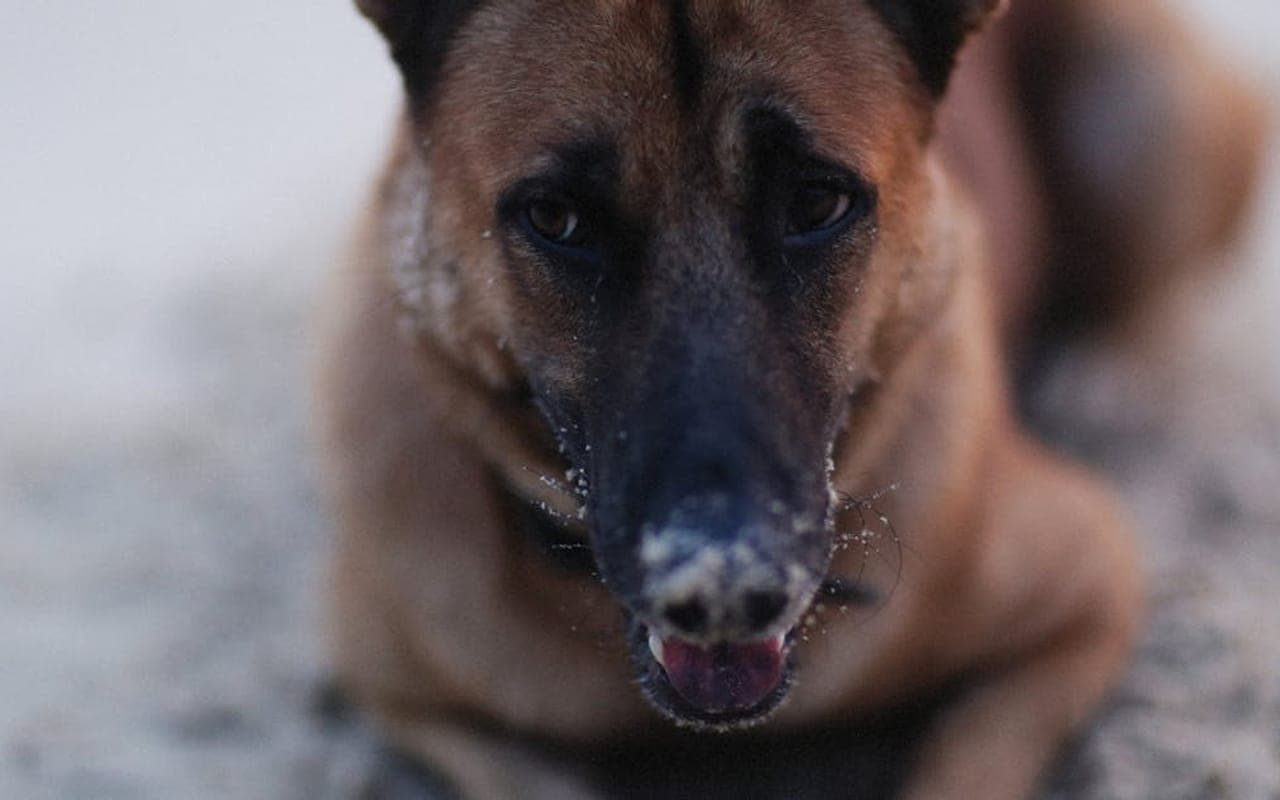
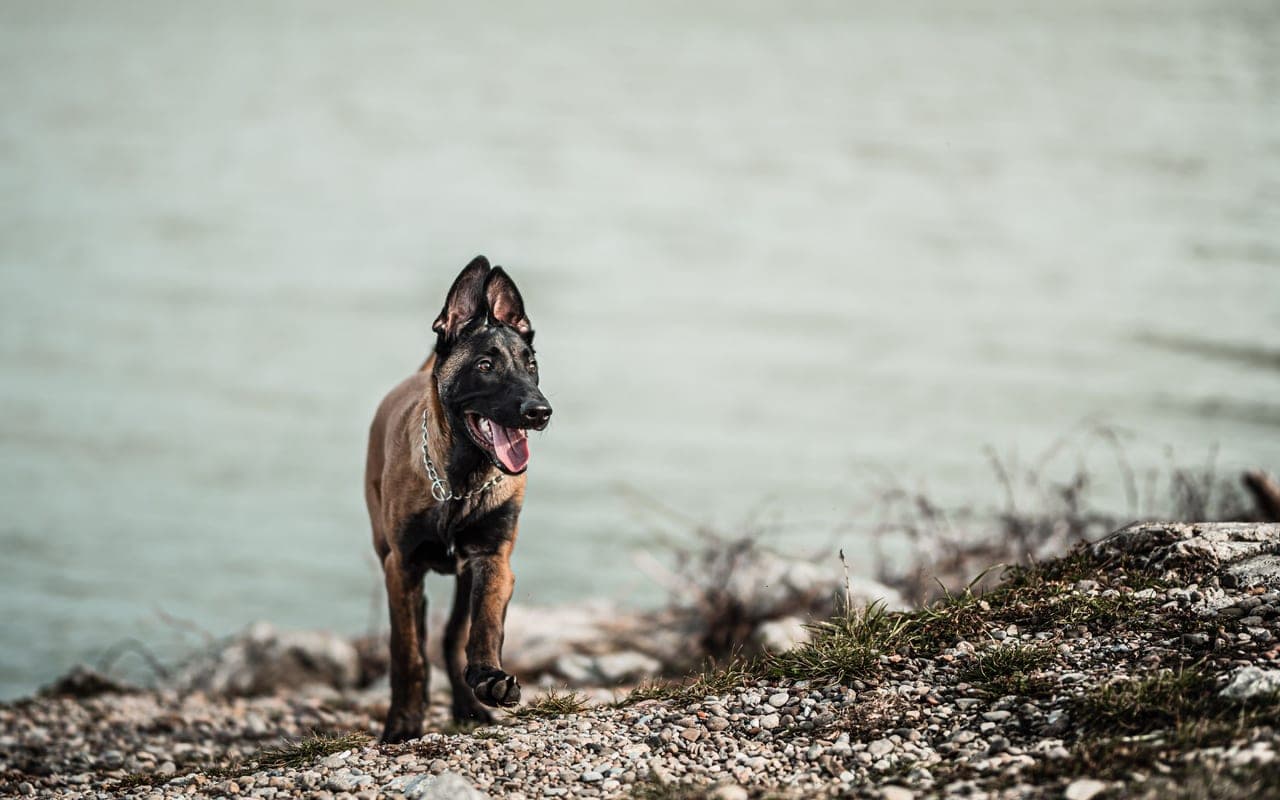
The Belgian Malinois is a 22-to-26-inch, 40-to-80-pound herding dog that the world knows as a police and military working dog — and that reputation is the most important buying caution there is. The Malinois is not a high-drive German Shepherd alternative or a sleeker family pet. It is a relentlessly driven working animal that needs a job, hours of structured outlet, and an experienced handler. The single biggest mistake people make is acquiring one on the strength of a TV special and discovering, two months in, that they own an under-employed, hyper-vigilant dog that is dismantling the house and nipping the children. If you cannot give this dog 2+ hours of structured physical and mental work every single day for 12-14 years, it is the wrong breed for you — full stop. Physically the Malinois is square, athletic, and lean rather than bulky, built for endurance and explosive movement. The short fawn-to-mahogany coat with a black mask and ears is low-maintenance. This is a dog whose value is in its engine, not its grooming. Temperament is intense and binary: brilliant, biddable, and almost telepathically responsive to a handler it respects — and obsessive, mouthy, and anxious without that structure. Malinois bond hard to their person, are naturally protective, and can be wary or sharp with strangers and other dogs without deliberate, early, ongoing socialization. They herd by nipping, which without training means heels and ankles, including children's. Who the Malinois is right for: experienced, active owners doing real dog sport, protection, detection, or serious daily training. Who it is wrong for: first-time owners, families wanting a calm companion, anyone with a sedentary schedule, or anyone hoping to 'tire it out' on a couple of walks. This breed punishes under-commitment.
Confident | Smart | Hardworking
Confident
A common Belgian Malinois temperament descriptor that should be interpreted alongside training, exercise, and household fit.
Smart
A common Belgian Malinois temperament descriptor that should be interpreted alongside training, exercise, and household fit.
Hardworking
A common Belgian Malinois temperament descriptor that should be interpreted alongside training, exercise, and household fit.
Owner note
Temperament labels are starting points, not guarantees. Meet the individual dog and ask about behavior history whenever possible.
Care essentials
How to care for a Belgian Malinois
What looking after one actually involves: exercise, grooming, food, training, and routine health.
ExerciseAs needed
- Moderately active breed needing 30-60 minutes of daily exercise through walks, play, and mental stimulation.
GroomingAs needed
- Regular grooming needed — brush 2-3 times per week and bathe monthly.
TrainingAs needed
- Moderately trainable — consistent, patient training with positive methods works best.
NutritionAs needed
- Feed a high-quality dog food appropriate for their age, size, and activity level. Monitor portions to prevent obesity.
Veterinary CareAs needed
- Annual wellness exams, core vaccinations, dental care, and parasite prevention. Breed-specific health screenings as recommended by your vet.
Health planning
Belgian Malinois health risks and screening
Every breed has individual health variation. Use this profile for planning and discuss medical decisions with a veterinarian.
Responsible ownership
Finding a Belgian Malinois responsibly
What to ask a breeder or rescue is the same conversation for every breed, so we keep it in one place and keep it current.
Health documentation, meeting the parents or foster, contracts and return support, and the warning signs worth walking away from.
Original purpose
Belgian Malinois history
History is useful when it explains today's behavior, coat, exercise needs, and training style.
Read the breed history
The Belgian Malinois is one of four varieties of Belgian Shepherd Dog, all developed in Belgium in the late 1800s from regional herding stock. The Malinois — named for the city of Malines (Mechelen) — is the short-haired fawn variety and was bred and selected by working stockmen who prioritized stamina, biddability, and intensity over coat or show points. As mechanized farming reduced demand for herding dogs, the Malinois's exceptional drive, trainability, and athleticism made it the breed of choice for police, military, and protection work across Europe and later worldwide. It dominates modern detection, patrol, and high-level dog sport (notably French Ring and Mondioring) and has been used by elite military units. This working selection — generation after generation chosen for drive rather than for being an easy companion — is exactly why the pet version remains so demanding and is repeatedly mis-sold to unprepared owners.
Gallery
Belgian Malinois photos
Images are cropped consistently and loaded progressively to keep the page responsive.
Lower-page context
Belgian Malinois dogs in culture
Where the breed shows up in film, sport, work and folklore — the enjoyable part, once the practical questions are answered.
Fun facts
- The Belgian Malinois belongs to the Herding Group.
- With proper care, Belgian Malinois dogs can live up to 16 years or more.
- Belgian Malinois dogs are valued for their confident, smart, hardworking nature.
Belgian Malinois FAQs
Is a Belgian Malinois a good family pet?
For most families, no. The Malinois is a working dog that needs 2+ hours of structured physical and mental work daily and an experienced, consistent handler. Under-exercised, it becomes anxious, destructive, and prone to herding-nipping at children's heels. It can be a superb family dog for an active, dog-savvy household that genuinely commits to training and exercise — but it is one of the most commonly returned breeds precisely because people underestimate it.
How much exercise does a Belgian Malinois really need?
A minimum of two hours a day, and walks alone will not cut it. The need is split: hard physical output (running, biking alongside, fetch, agility) plus trained mental work (obedience, scent, bite-sport). This is daily, for the dog's whole life, not a puppy phase. Owners who try to 'tire it out' with leash walks end up with a frustrated, destructive dog — the mental work is as essential as the physical.
Belgian Malinois vs German Shepherd — which should I get?
If you want a working partner for sport, detection, or protection and you have the experience and time, the Malinois is faster, lighter, and more intense. If you want a more biddable general-purpose companion that tolerates a normal household with less constant work, the German Shepherd is the more forgiving choice. The Malinois has higher drive and a lower tolerance for under-stimulation — pick based on how much structured work you will truly do daily.
Why does my Belgian Malinois nip and herd people?
Herding by nipping at heels is hardwired in this breed — it is how the dog moved livestock. Without training and adequate work it redirects onto running children, joggers, and bikes. The fix is twofold: give the dog a legitimate daily outlet for its drive, and train an incompatible behavior plus impulse control from puppyhood. It is manageable but only with proactive work; it is not a phase that resolves on its own.
How long do Belgian Malinois live?
Typically 12-14 years, which is long for a dog of this size and a sign of the breed's working soundness. Lifespan is most often shortened by preventable issues: gastric bloat (feed two measured meals, avoid hard exercise around feeding) and joint disease from dysplasia worsened by excess weight. Buy from CHIC-screened lines and keep the dog lean and well-conditioned to get the full span.
Does the breed need anything special at the vet?
Yes — flag the breed's documented anesthesia sensitivity before any sedation, dental, or surgery, and confirm your vet uses a conservative, breed-appropriate protocol. Also screen for the breed's hereditary issues: hip and elbow radiographs and annual eye exams matter most. Keeping a working dog lean is itself preventive care, since excess weight accelerates the arthritis that follows hip and elbow dysplasia.
Sources
These are the published sources this page draws on. Each opens in a new tab so you can check it yourself.
American Kennel Club
Belgian Malinois — breed standard and profile(opens in a new tab)Supports: Breed standard and recognition details.
Similar breeds to consider
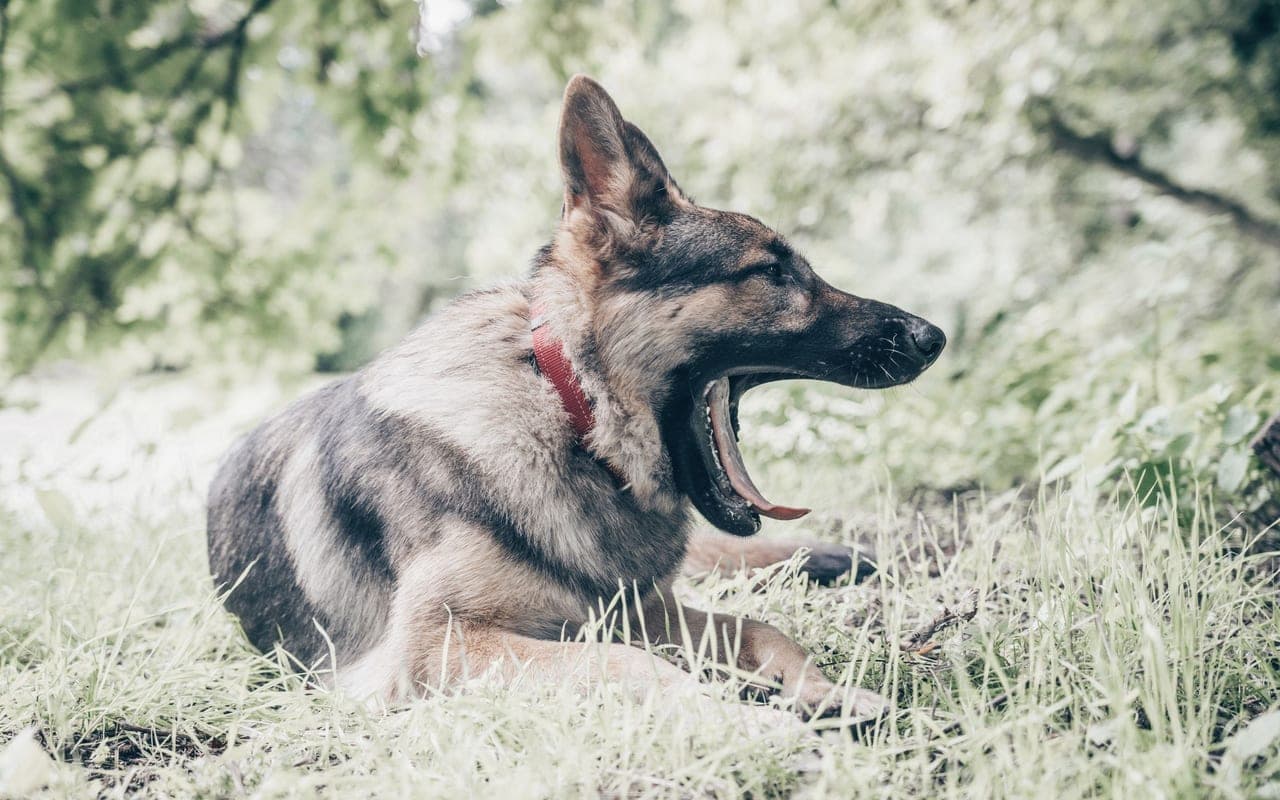
German Shepherd
Also in the Herding group, with different care and temperament tradeoffs.
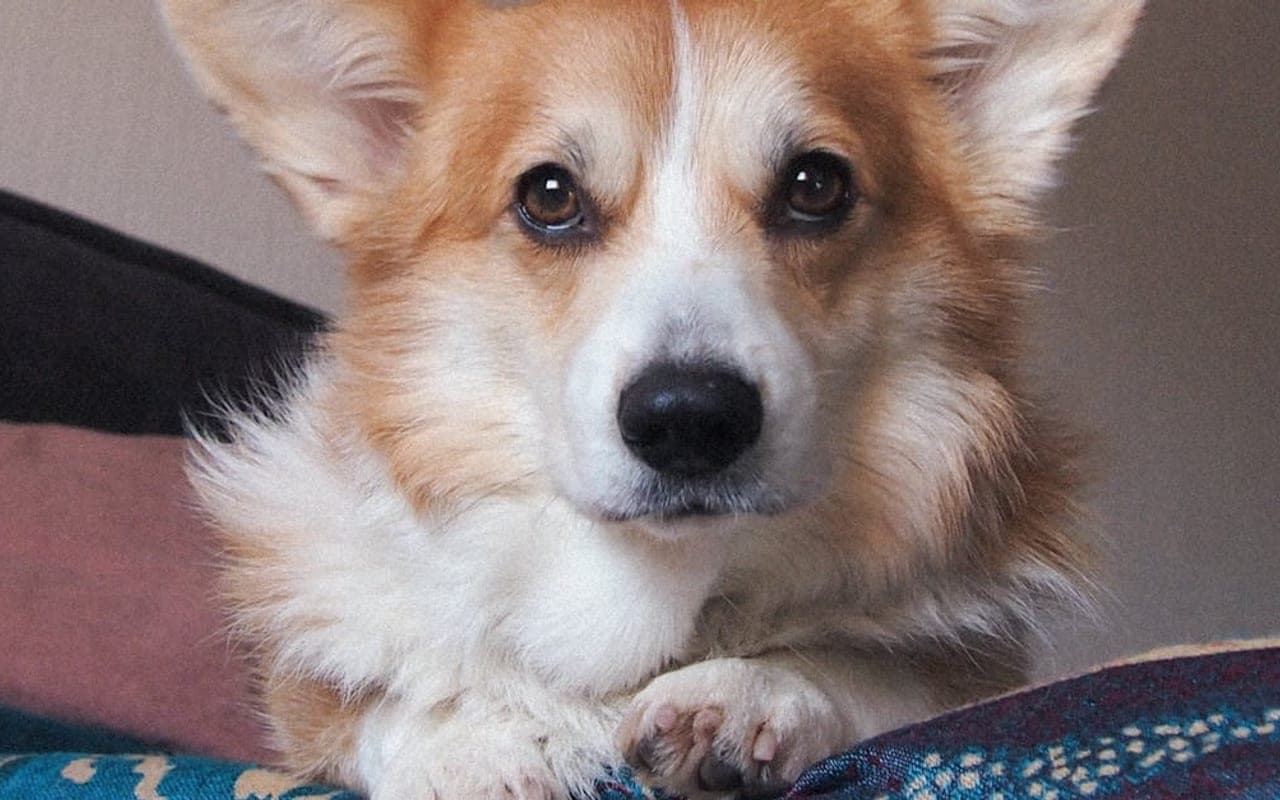
Pembroke Welsh Corgi
Also in the Herding group, with different care and temperament tradeoffs.
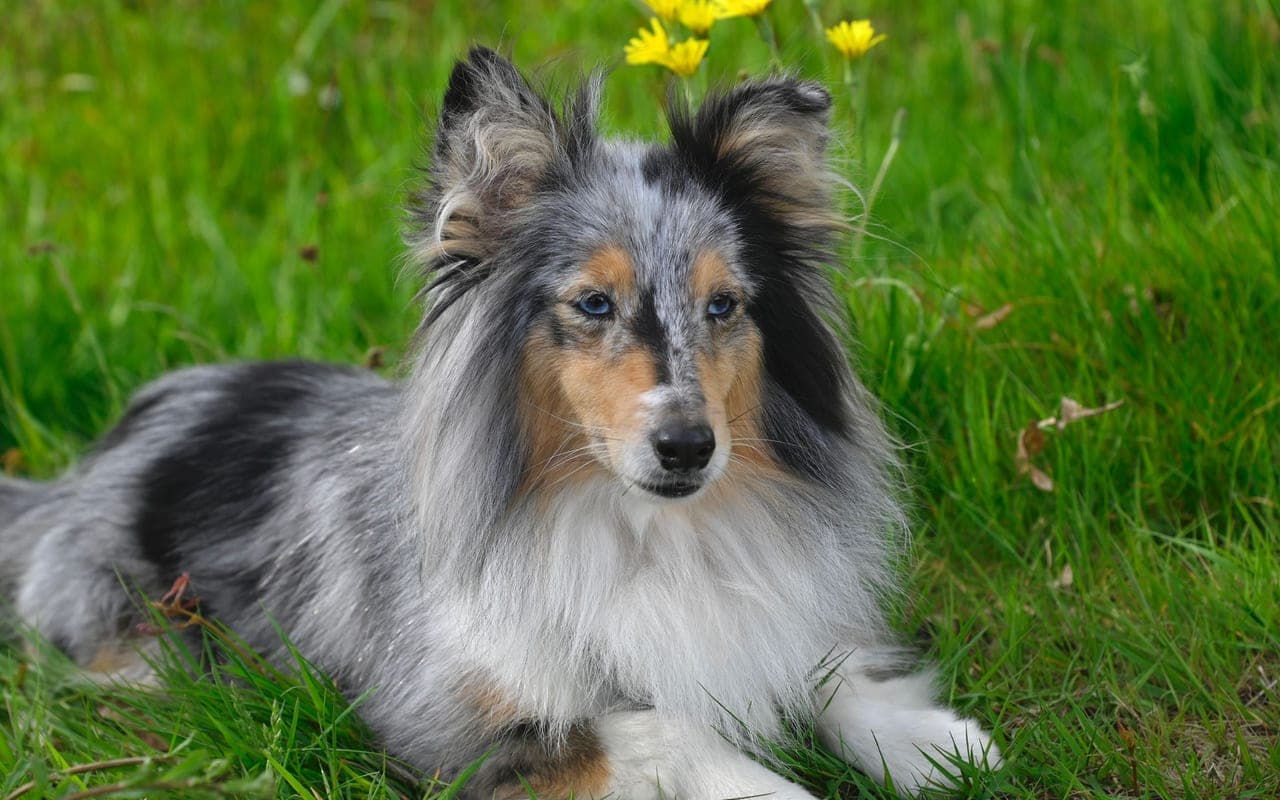
Shetland Sheepdog
Also in the Herding group, with different care and temperament tradeoffs.
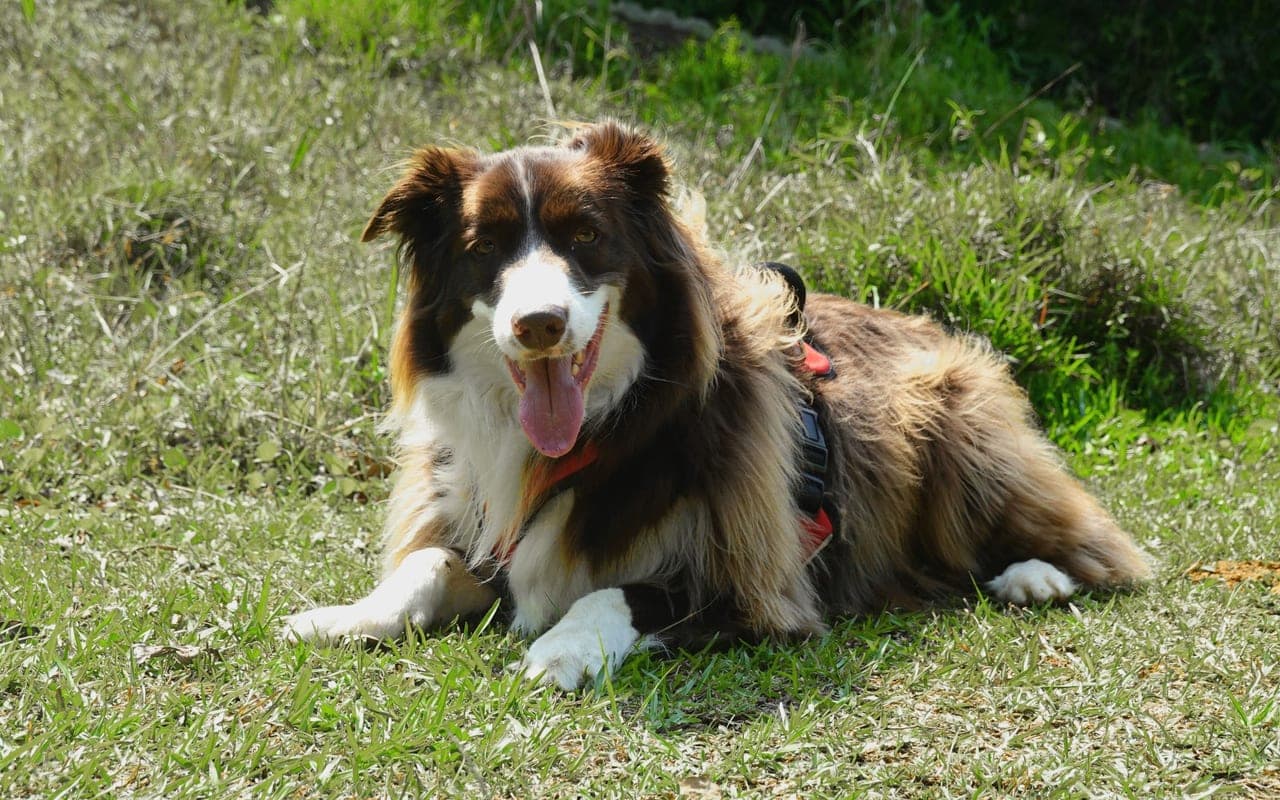
Border Collie
Also in the Herding group, with different care and temperament tradeoffs.
Explore More About Belgian Malinois
Dive deeper into everything Belgian Malinois — costs, care, and expert insights.
Considering a cat instead?
Browse Cats