

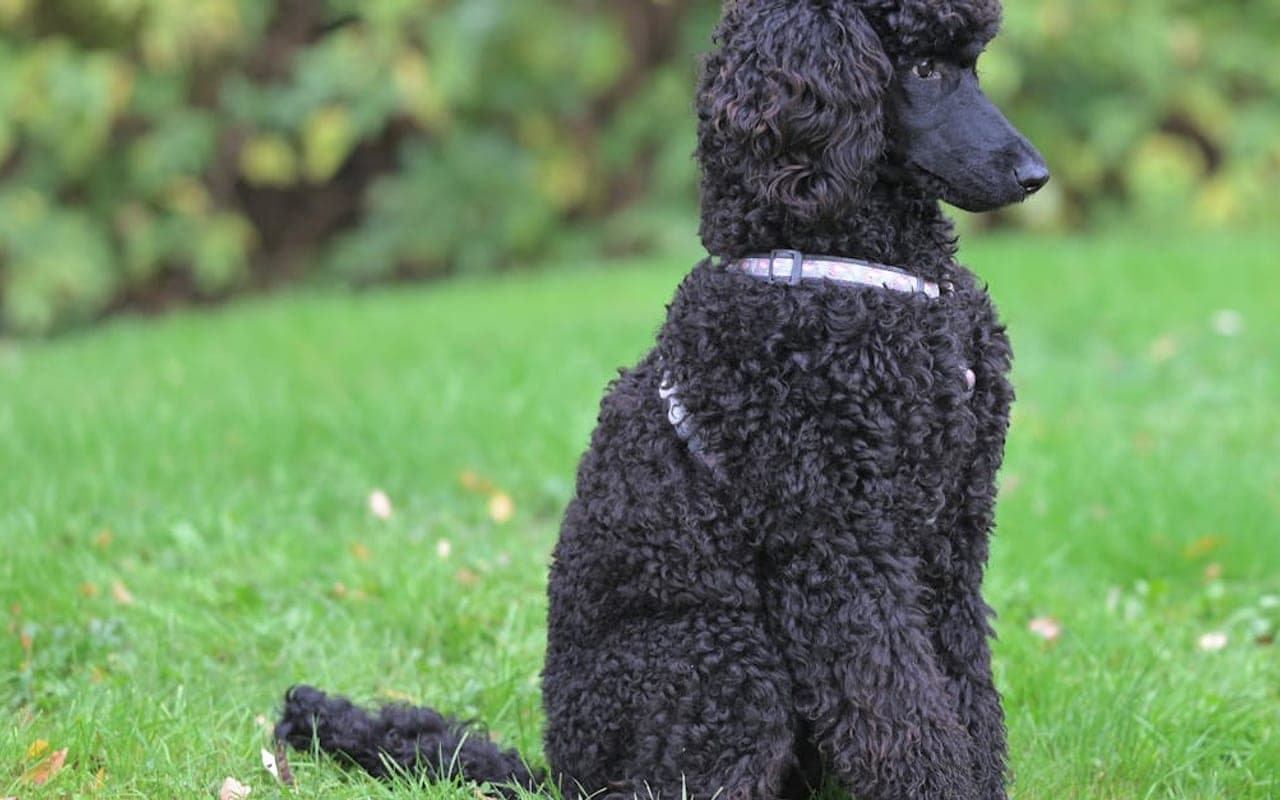
Bichon Frise vs Poodle
A side-by-side breed comparison to help you decide which fits your lifestyle.
At a Glance
| Attribute | Bichon Frise | Poodle |
|---|---|---|
| Origin | France | Germany |
| Breed Group | Non-Sporting | Non-Sporting |
| Life Span | 10–14 yrs | 12–15 yrs |
| Weight | 5–8 kg | 2.7–32 kg |
| Height | 23–29 cm | 24–60 cm |
| Temperament | Playful, Curious, Affectionate | Active, intelligent, and elegant |
| Exercise Needs | Moderate (30-60 min/day) | High (60-90 min/day) |
| Grooming | high | high |
| Shedding | low | low |
| Good with Children | Yes | Yes |
| Apartment Friendly | Yes | Yes |
Temperament Comparison
The Bichon Frise is known for being playful, curious, affectionate, while the Poodle tends to be active, intelligent, and elegant.
Bichon Frise
Poodle
Family Suitability
Bichon Frise
- Good with children: Yes
- Good with other pets: Yes
- Apartment friendly: Yes
- Exercise: moderate
Poodle
- Good with children: Yes
- Good with other pets: Yes
- Apartment friendly: Yes
- Exercise: high
Training & Exercise
When it comes to daily activity, the Bichon Frise requires moderate (30-60 min/day) exercise, compared to the Poodle which needs high (60-90 min/day).
Bichon Frise
- Exercise
- moderate
- Grooming
- high
- Shedding
- low
Poodle
- Exercise
- high
- Grooming
- high
- Shedding
- low
Cost Comparison
Understanding the financial commitment of each breed helps you plan for a lifetime of care.
| Cost | Bichon Frise | Poodle |
|---|---|---|
| Purchase Price | $700 – $2,500 | $1,000 – $3,000 |
| Monthly Cost | ~$90/mo | ~$130/mo |
| Est. Lifetime Cost | ~$10,800+ | ~$18,720+ |
Health Considerations
Both breeds have breed-specific health considerations. Being aware of these helps you plan for preventive care and vet visits.
Bichon Frise
Life span: 10–14 yrs
- Patellar luxation — the kneecap slips out of its groove, common in small breeds, causing an intermittent skipping or hopping lameness; lower grades are managed conservatively, higher grades require surgical correction to prevent arthritis.
- Urolithiasis (bladder stones) — the breed is predisposed to forming bladder stones, causing straining, bloody urine, and risk of obstruction; managed with diet, hydration, monitoring, and sometimes surgery, and a urinary blockage is an emergency.
- Allergic / atopic dermatitis — the Bichon is prone to environmental and contact allergies causing chronic itching, recurrent ear and skin infections, and paw licking; typically a lifelong condition managed with diet, bathing, and medication.
- Periodontal (dental) disease — small, crowded mouths predispose the breed to early and significant dental disease, which is painful and a systemic health risk; requires routine home brushing and periodic professional cleaning.
- Cataracts — inherited clouding of the lens causing progressive vision impairment and potential blindness; identified on ophthalmic exam and, in suitable cases, surgically correctable.
- Legg-Calvé-Perthes disease — degeneration of the femoral head from disrupted blood supply in young small-breed dogs, causing hind-limb pain and lameness; typically requires surgical treatment followed by rehabilitation.
Poodle
Life span: 12–15 yrs
- Progressive retinal atrophy (PRA) — inherited degeneration of the retina causing night blindness then total blindness; a DNA test (prcd-PRA) exists, so screened breeding lines can avoid it and breeders should provide clear parental results.
- Hip dysplasia — abnormal hip development leading to pain and arthritis, relevant in this larger size; choose OFA/PennHIP-screened parents and keep the dog lean to delay onset.
- Sebaceous adenitis — a breed-associated immune-mediated skin disease destroying the oil glands, causing scaling, hair loss, and secondary infection; lifelong topical and management therapy, and a reason to source from skin-screened lines.
- Addison's disease (hypoadrenocorticism) — under-production of adrenal hormones, over-represented in Standard Poodles, causing vague signs (lethargy, vomiting, collapse) that mimic other illness; lifelong but very manageable with hormone replacement once diagnosed.
- Gastric dilatation-volvulus (bloat/GDV) — the deep chest predisposes the Standard to life-threatening stomach twisting; an acute surgical emergency, and a reason to discuss prophylactic gastropexy with a vet for at-risk dogs.
- Idiopathic epilepsy — inherited seizure disorder usually emerging between 6 months and 5 years; controlled, not cured, with lifelong anticonvulsant medication.
- Hypothyroidism — common under-active thyroid causing weight gain, lethargy, and coat changes; diagnosed by blood panel and inexpensively managed with daily levothyroxine.
Which Breed is Right for You?
Choose the Bichon Frise if you want a breed that's playful and curious and works well in apartments, especially with a family.
Choose the Poodle if you prefer a breed that's active and intelligent and adapts to smaller spaces, great with kids.
Explore More About Bichon Frise
Dive deeper into everything Bichon Frise — costs, care, and expert insights.
How Much Does a Bichon Frise Cost?
Purchase price, monthly costs, and lifetime expenses
Large Dog Care Guide: Everything Over 50 lbs
Owning a large or giant breed dog means accepting one of biology's...
Puppy Teething & Biting: Timeline and What Actually Works
A puppy has all 28 deciduous ("baby") teeth by roughly eight weeks of age, and...
Considering a cat instead?
Browse Cats