
Non-Sporting group
Bichon Frise
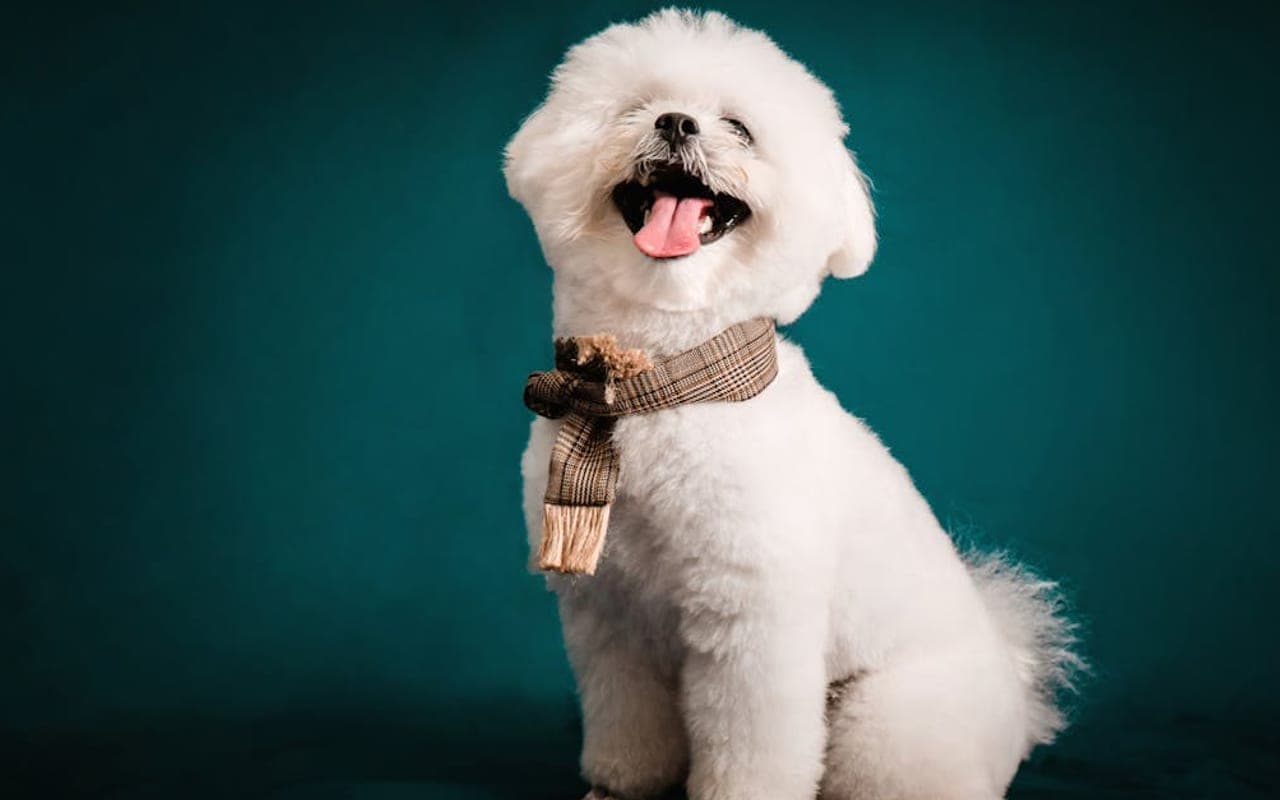
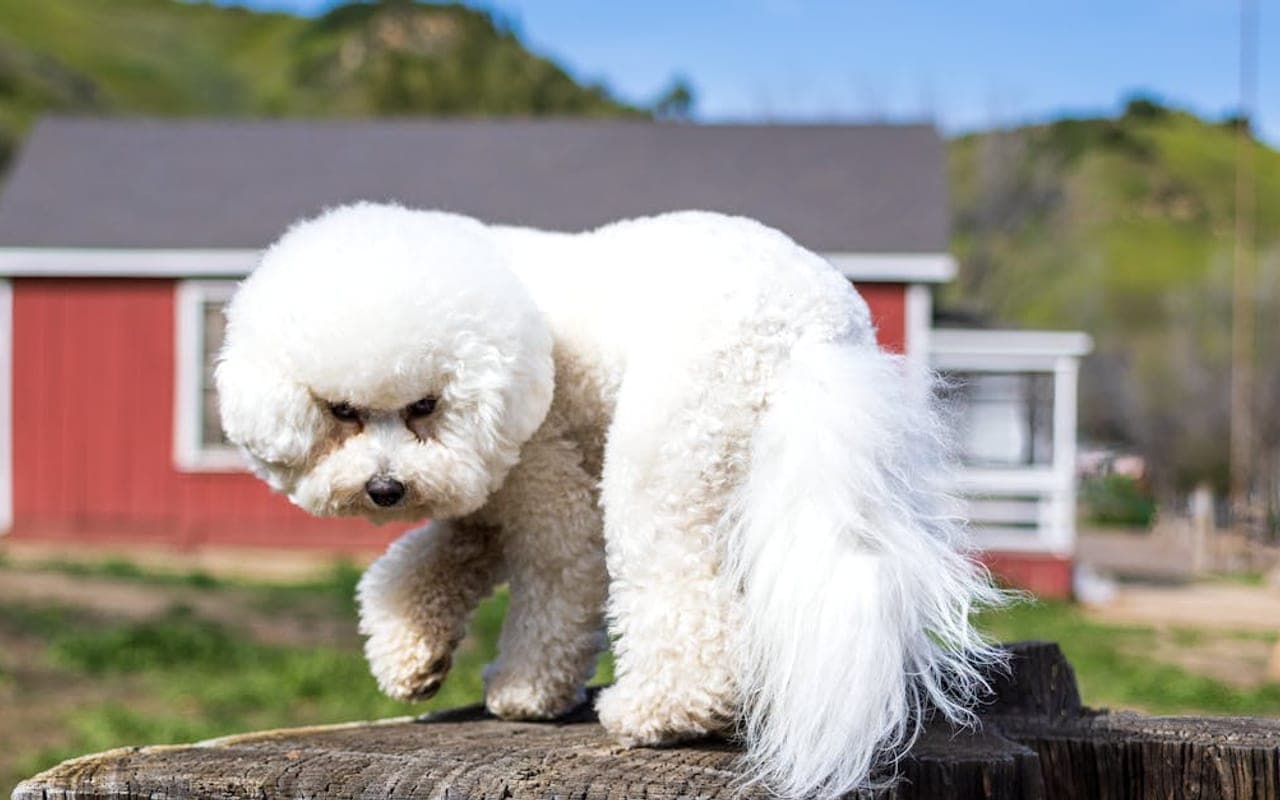
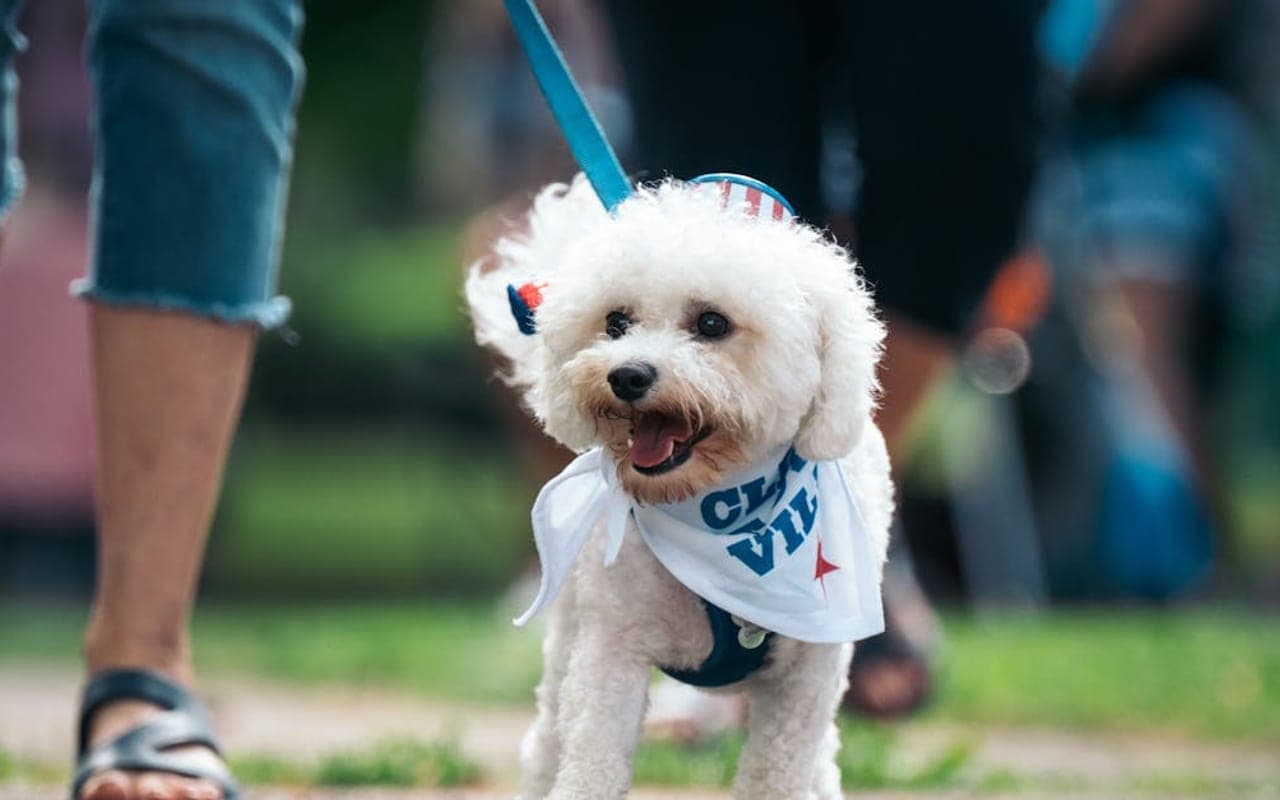
The Bichon Frise is a 23-30 cm, 5-8 kg companion breed from the Mediterranean — a small, cheerful, powder-puff dog bred for one job: being good company.
Size
11-18 lb
Lifespan
10-14 years
Exercise
30-60 minutes
Shedding
Low
Experience
Match to owner routine
Decision first
Is a Bichon Frise right for you?
Start with fit before history or trivia. These are ownership signals, not guarantees about any individual dog.
Best suited for
- Households with children.
- Homes with other compatible pets.
- Apartment homes with a consistent routine.
- Owners seeking a manageable daily exercise routine.
Think carefully if
- You need a dog with almost no daily routine.
- You cannot keep up with grooming and preventive care.
- The dog will spend most days alone without support.
Conditional fit
Apartment fit depends on exercise, enrichment, noise management, and outdoor access.
Daily reality
Bichon Frise commitment snapshot
Daily exercise
30-60 minutes
Match activity to age, health, weather, and training goals.
Coat care
High
Grooming needs vary by coat, shedding, and lifestyle.
Time alone
Needs planning
Most dogs need gradual alone-time conditioning and support.
Structured facts
Bichon Frise at a glance
The measurements and traits that most affect day-to-day life with this breed.
Origin
France
Group
Non-Sporting
Weight
11-18 lb
Height
9-11 in
Lifespan
10-14 years
Temperament
Playful | Curious | Affectionate | Gentle | Cheerful
View all characteristics and methodology
Lifestyle fit
- Apartment suitability
- Likely fit
- Child friendliness
- Often good, with socialisation and supervision
- Other-pet fit
- Often compatible with careful introductions
- Adaptability
- Very high
Owner commitment
- Exercise
- 30-60 minutes
- Grooming
- High
- Shedding
- Low
- Training
- High
Environment and health
- Health risk
- Needs planning
Ratings combine structured breed data, visible breed fields, and editorial context. They are planning aids, not predictions for an individual dog.
Daily life
Bichon Frise temperament and behavior
The Bichon Frise is a 23-30 cm, 5-8 kg companion breed from the Mediterranean — a small, cheerful, powder-puff dog bred for one job: being good company. Honest framing here is less about a single dramatic disease and more about two costs buyers routinely underestimate — the grooming bill and the separation-anxiety risk — plus a cluster of small-breed health conditions worth knowing before, not after, you commit. Start with the coat, because it is the breed's biggest hidden cost. The Bichon's signature white double coat is low-shedding and often called 'hypoallergenic,' which sells the dog — but that coat does not shed out, so it mats relentlessly without constant care. A Bichon needs professional grooming roughly every 4-6 weeks plus home brushing several times a week. Skip it and you get painful pelting, skin infection, and an emergency shave-down. Realistically, plan for grooming as a permanent monthly expense; this is the cost most new owners did not budget for. Second, temperament. Bichons are affectionate, playful, gentle, and genuinely people-loving — excellent with children, seniors, and other pets. The flip side of that sociability is a real predisposition to separation anxiety: this breed is bred to be with people and does poorly left alone for long stretches, where it can become barky, destructive, or anxious. It is a wonderful companion for a home that is around; a poor fit for one that is empty all day. Health-wise the Bichon is reasonably long-lived (around 10-14 years) but carries the familiar small-breed cluster: kneecap problems, bladder stones, allergic skin disease, dental disease, and some inherited eye and hip conditions. None is exotic, but all are real recurring vet costs that 'small and cheap to keep' buyers tend to discount. Who the Bichon Frise is right for: someone home often who wants a cheerful, affectionate, low-shedding companion and will commit to ongoing grooming and dental care. Who it is wrong for: a frequently-empty household, a no-grooming-budget owner, or anyone who reads 'hypoallergenic' as 'low-maintenance.'
Playful | Curious | Affectionate | Gentle | Cheerful
Playful
A common Bichon Frise temperament descriptor that should be interpreted alongside training, exercise, and household fit.
Curious
A common Bichon Frise temperament descriptor that should be interpreted alongside training, exercise, and household fit.
Affectionate
A common Bichon Frise temperament descriptor that should be interpreted alongside training, exercise, and household fit.
Gentle
A common Bichon Frise temperament descriptor that should be interpreted alongside training, exercise, and household fit.
Owner note
Temperament labels are starting points, not guarantees. Meet the individual dog and ask about behavior history whenever possible.
Care essentials
How to care for a Bichon Frise
What looking after one actually involves: exercise, grooming, food, training, and routine health.
HealthAs needed
- Common health concerns include allergies, bladder stones, patellar luxation, and dental disease. Regular vet checkups every 6-12 months are important. Keep up with vaccinations and dental cleanings.
ExerciseAs needed
- Bichons need moderate daily exercise — about 30 minutes of walks and playtime. They enjoy short walks, indoor play sessions, and interactive games. Their small size makes them well-suited for apartment living.
GroomingAs needed
- The Bichon's white powder-puff coat requires daily brushing to prevent matting and professional grooming every 4-6 weeks. Regular eye cleaning helps prevent tear staining. Brush teeth 2-3 times per week and trim nails monthly.
TrainingAs needed
- Bichons are intelligent and eager to please, making them relatively easy to train. Use positive reinforcement methods. They can be challenging to housebreak, so consistency and patience are key. Early socialization helps them become well-rounded adults.
NutritionAs needed
- Feed a high-quality small-breed dog food, about 1/2 to 1 cup daily divided into two meals. Bichons can be prone to allergies, so monitor for food sensitivities. Avoid overfeeding as they can gain weight easily.
Health planning
Bichon Frise health risks and screening
Every breed has individual health variation. Use this profile for planning and discuss medical decisions with a veterinarian.
Ownership cost
How much does a Bichon Frise cost?
Cost figures are structured so first-year and lifetime estimates do not conflict with the underlying line items.
| Acquisition | $700-$2,500 |
|---|---|
| Routine monthly | About $90/month |
| Routine annual | About $1,080/year |
| First-year estimate | $1,780-$3,580 |
| Lifetime routine estimate | $10,800-$15,120 routine costs |
Currency: USD. Region: United States. Typical ranges for this breed. Equipment, insurance, emergency veterinary care, boarding and training are NOT included: we hold no sourced figures for them, and estimating them would be a guess presented as data.
Responsible ownership
Finding a Bichon Frise responsibly
What to ask a breeder or rescue is the same conversation for every breed, so we keep it in one place and keep it current.
Health documentation, meeting the parents or foster, contracts and return support, and the warning signs worth walking away from.
Original purpose
Bichon Frise history
History is useful when it explains today's behavior, coat, exercise needs, and training style.
Read the breed history
The Bichon Frise descends from the ancient bichon-type lapdogs of the Mediterranean, small white companion dogs that traveled with sailors and traders and were particularly associated with the Canary island of Tenerife (the breed was long known as the Bichon Tenerife). From the Renaissance onward these dogs were favored companions of European nobility — appearing in Spanish, Italian, and French court paintings — before later falling from aristocratic fashion and surviving as the dog of street performers and organ grinders, whose trainable, crowd-pleasing temperament the breed retains today. French and Belgian breeders standardized and re-popularized the breed in the early 20th century, giving it the modern name 'Bichon à poil frisé' (curly-coated bichon). Its entire breeding history is as a companion rather than a working dog, which is the direct root of its defining modern traits: a people-centered temperament, strong sociability, and the corresponding tendency toward distress when left alone.
Gallery
Bichon Frise photos
Images are cropped consistently and loaded progressively to keep the page responsive.
Lower-page context
Bichon Frises in culture
Where the breed shows up in film, sport, work and folklore — the enjoyable part, once the practical questions are answered.
Fun facts
- Bichon Frises are considered hypoallergenic because they have hair instead of fur
- They were popular circus performers in the 19th century due to their intelligence and agility
- The name Bichon Frise means "curly lap dog" in French
- King Henry III of France was so devoted to his Bichons that he carried them in a basket around his neck
- Bichon Frises rarely shed, making them one of the best breeds for allergy sufferers
Bichon Frise FAQs
Are Bichon Frises really hypoallergenic and low-maintenance?
They are low-shedding and often tolerated better by allergy sufferers, but 'low-shed' is the opposite of 'low-maintenance' here. Because dead hair stays in the double coat instead of falling out, a Bichon mats quickly and needs thorough brushing several times a week plus professional grooming every 4-6 weeks. Neglect leads to painful pelting and an emergency shave-down. Budget grooming as a permanent monthly cost — it is the expense new owners most often overlook.
Do Bichon Frises have separation anxiety?
Many do — it is one of the breed's notable risks. Bichons were bred purely as companions and are strongly people-oriented, so they often struggle when left alone for long stretches, becoming barky, destructive, or anxious. They suit a household that is home often or can arrange daytime company, and do poorly in a home empty all workday. Building alone-time tolerance gradually from puppyhood, with enrichment, materially reduces the risk.
How much grooming and what does it cost?
A lot, and it is the breed's biggest recurring expense. Plan on combing the coat down to the skin 3-4 times a week and a professional groom every 4-6 weeks, plus daily face-wiping to control the breed's tear staining. Surface brushing alone hides mats that pelt against the skin and cause infection. Treat grooming as a fixed monthly line item from day one rather than an occasional cost — underbudgeting it is the most common Bichon mistake.
Are Bichon Frises good with children and other pets?
Generally yes. Bichons are affectionate, playful, gentle, and sociable, and they typically do well with respectful children, seniors, and other pets. As with any small dog, supervise interactions with young children to protect the dog from accidental rough handling, since small breeds are easily injured. Their people-loving nature is a strength for family life — the same trait that makes them poor candidates for being left alone all day.
How long do Bichon Frises live and what health costs should I expect?
They are reasonably long-lived, typically around 10-14 years. Expect recurring small-breed costs rather than one catastrophic risk: dental disease (routine cleanings), allergic skin disease (often lifelong management), and a predisposition to patellar luxation, bladder stones, and some inherited eye conditions. None is exotic, but together they make 'small dog, cheap to keep' an underestimate — budget for ongoing dental and dermatologic care, not just food and grooming.
Sources
These are the published sources this page draws on. Each opens in a new tab so you can check it yourself.
American Kennel Club
Bichon Frise — breed standard and profile(opens in a new tab)Supports: Breed standard and recognition details.
Similar breeds to consider
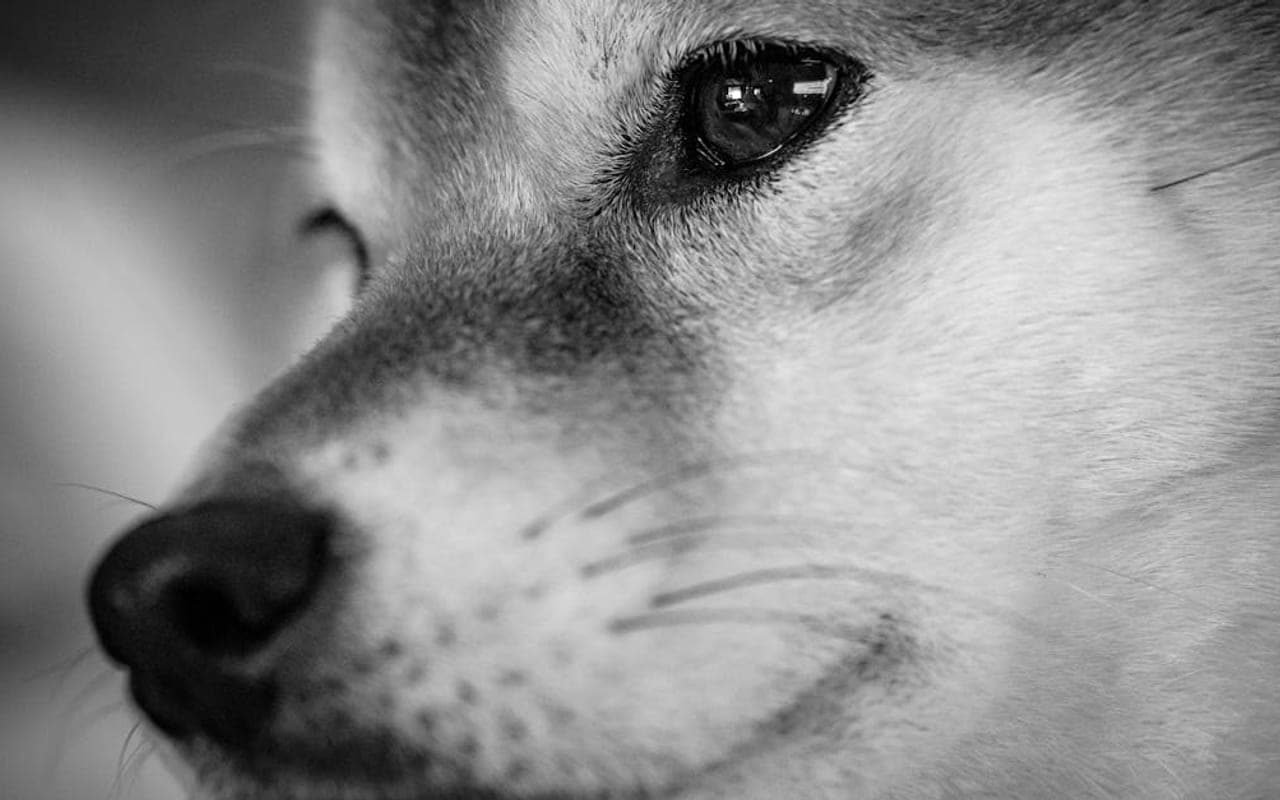
Shiba Inu
Also in the Non-Sporting group, with different care and temperament tradeoffs.
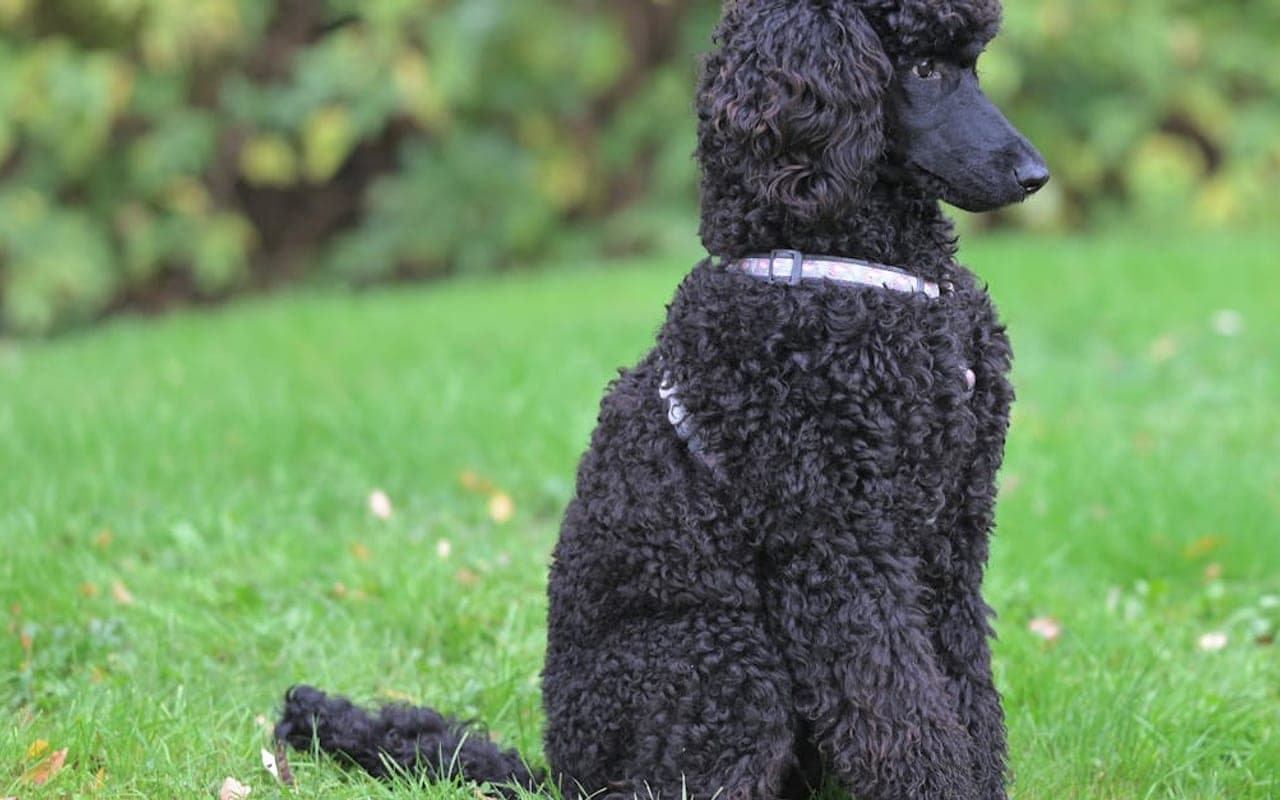
Poodle
Also in the Non-Sporting group, with different care and temperament tradeoffs.
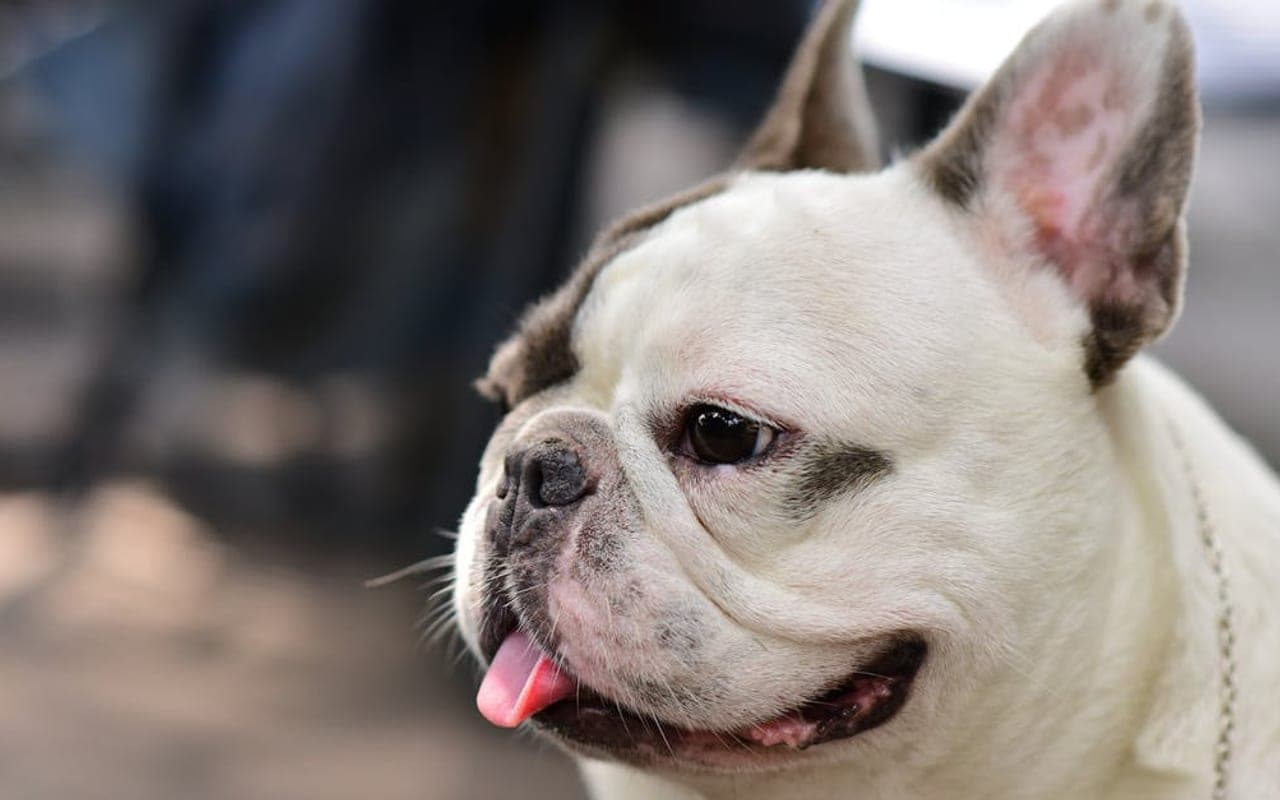
Bulldog
Also in the Non-Sporting group, with different care and temperament tradeoffs.
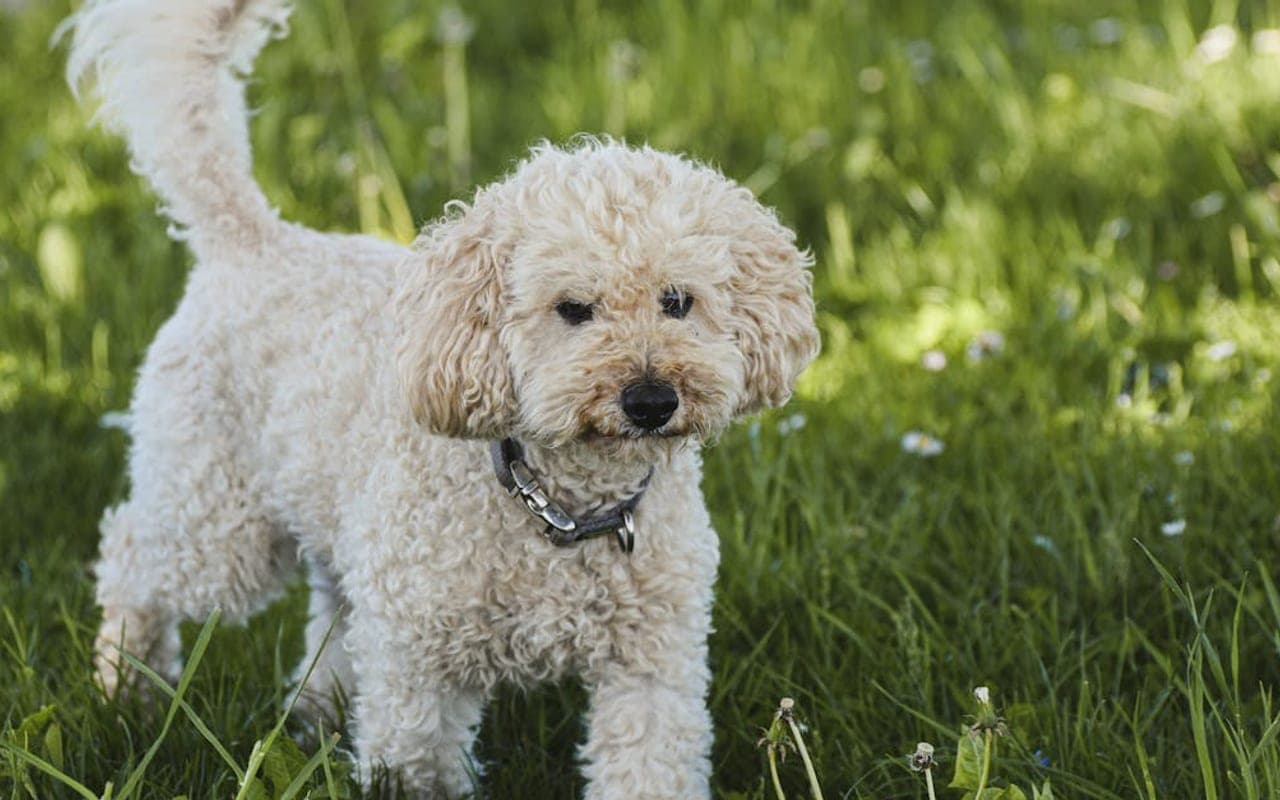
Poodle (Miniature)
Also in the Non-Sporting group, with different care and temperament tradeoffs.
Explore More About Bichon Frise
Dive deeper into everything Bichon Frise — costs, care, and expert insights.
How Much Does a Bichon Frise Cost?
Purchase price, monthly costs, and lifetime expenses
Large Dog Care Guide: Everything Over 50 lbs
Owning a large or giant breed dog means accepting one of biology's...
Puppy Teething & Biting: Timeline and What Actually Works
A puppy has all 28 deciduous ("baby") teeth by roughly eight weeks of age, and...
Considering a cat instead?
Browse Cats