
German Shepherd vs Belgian Malinois
A side-by-side breed comparison to help you decide which fits your lifestyle.
At a Glance
| Attribute | German Shepherd | Belgian Malinois |
|---|---|---|
| Origin | Germany | — |
| Breed Group | Herding | Herding |
| Life Span | 9–13 yrs | 14–16 yrs |
| Weight | 22–40 kg | 18.1–36.3 kg |
| Height | 55–65 cm | 55.9–66 cm |
| Temperament | Confident, courageous, smart | Confident, Smart, Hardworking |
| Exercise Needs | Very High (90+ min/day) | Moderate (30-60 min/day) |
| Grooming | moderate | moderate |
| Shedding | high | moderate |
| Good with Children | Yes | Yes |
| Apartment Friendly | No | Yes |
Temperament Comparison
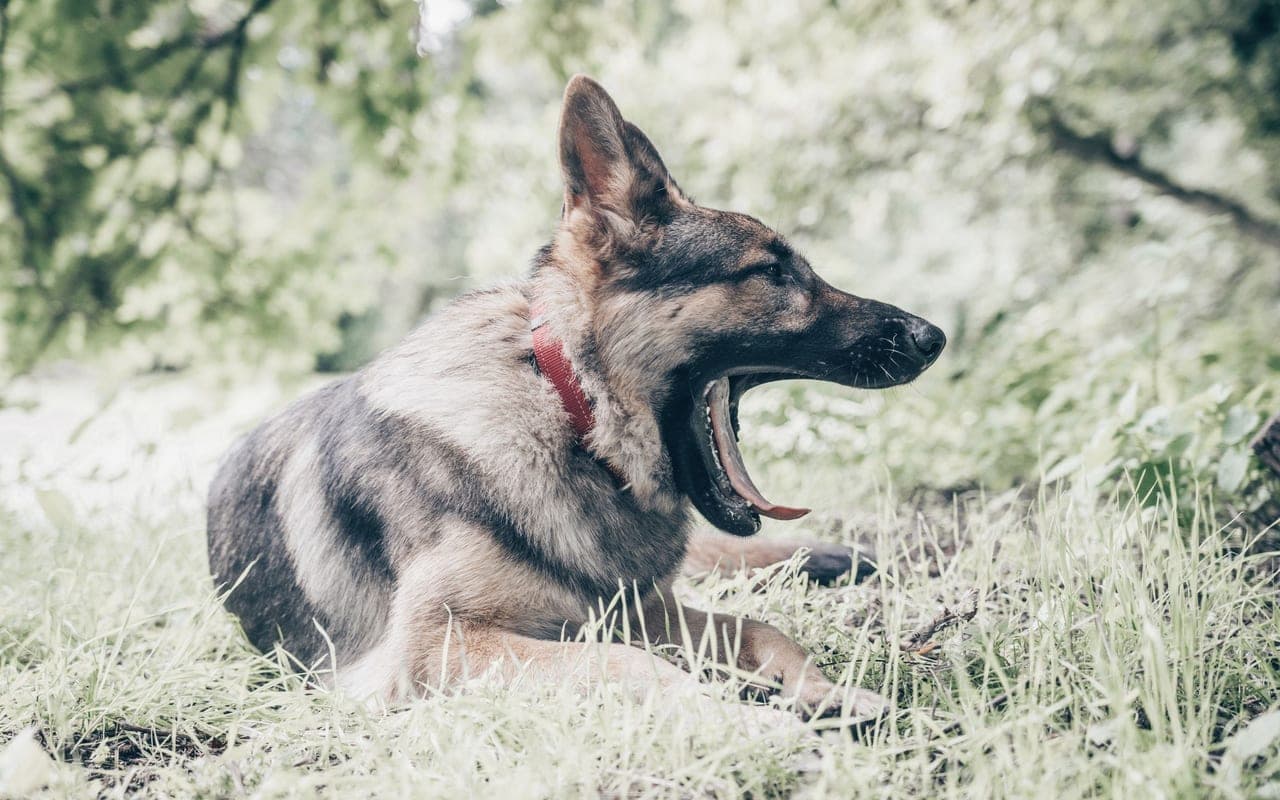
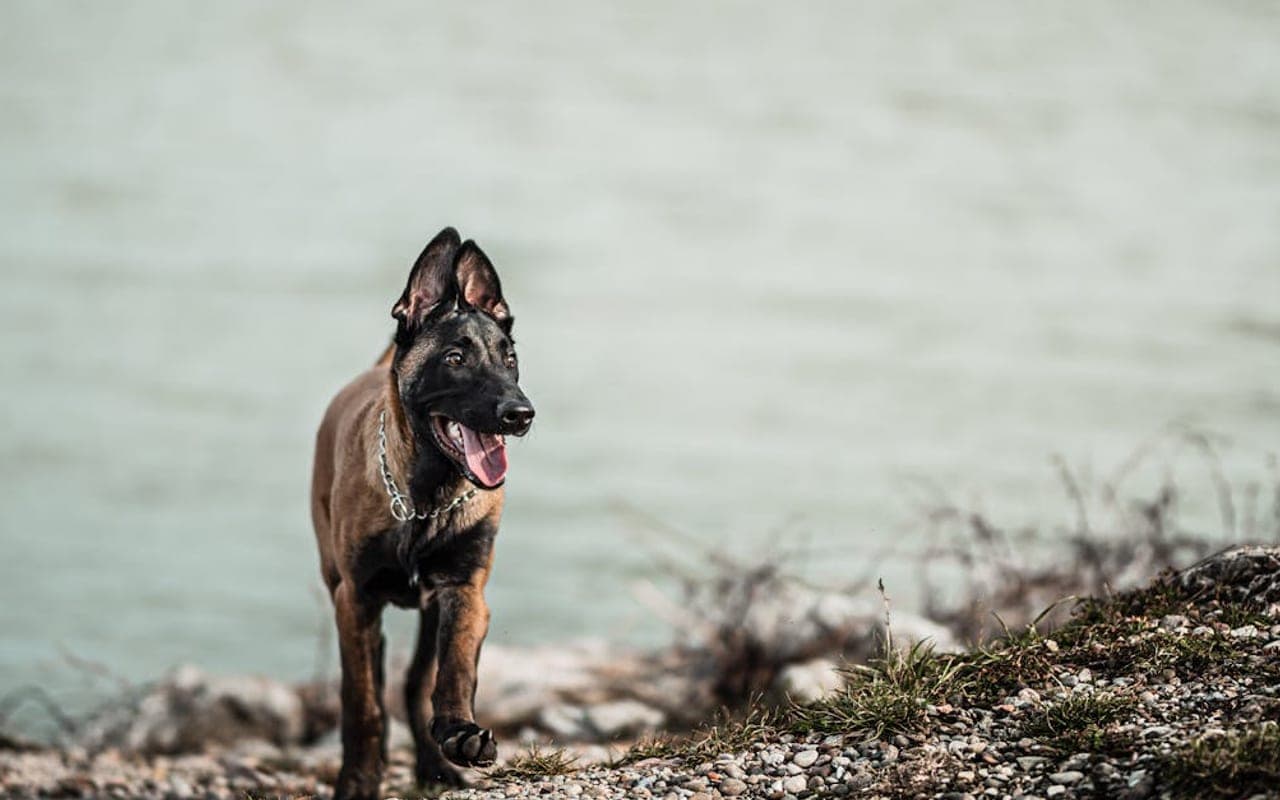
The German Shepherd is known for being confident, courageous, smart, while the Belgian Malinois tends to be confident, smart, hardworking.
German Shepherd
Belgian Malinois
Family Suitability
German Shepherd
- Good with children: Yes
- Good with other pets: No
- Apartment friendly: No
- Exercise: very high
Belgian Malinois
- Good with children: Yes
- Good with other pets: Yes
- Apartment friendly: Yes
- Exercise: moderate
Training & Exercise
When it comes to daily activity, the German Shepherd requires very high (90+ min/day) exercise, compared to the Belgian Malinois which needs moderate (30-60 min/day).
German Shepherd
- Exercise
- very high
- Grooming
- moderate
- Shedding
- high
Belgian Malinois
- Exercise
- moderate
- Grooming
- moderate
- Shedding
- moderate
Cost Comparison
Understanding the financial commitment of each breed helps you plan for a lifetime of care.
| Cost | German Shepherd | Belgian Malinois |
|---|---|---|
| Purchase Price | $1,000 – $3,500 | — – — |
| Monthly Cost | ~$160/mo | — |
Health Considerations
Both breeds have breed-specific health considerations. Being aware of these helps you plan for preventive care and vet visits.
German Shepherd
Life span: 9–13 yrs
- Hip and elbow dysplasia — malformed joints leading to arthritis and lameness; one of the most dysplasia-affected breeds, which is why OFA or PennHIP clearances on both parents are essential and why exercise is staged until growth plates close.
- Degenerative myelopathy (DM) — a progressive, incurable spinal-cord disease causing hind-limb weakness and eventual paralysis, usually after age 8; a genetic test exists and responsible breeders screen for it.
- Gastric dilatation-volvulus (GDV / bloat) — the deep chest predisposes the stomach to twisting, a true same-day emergency; prophylactic gastropexy is commonly recommended in this breed.
- Exocrine pancreatic insufficiency (EPI) — the pancreas fails to produce digestive enzymes, causing severe weight loss despite a big appetite; lifelong enzyme supplementation is required and German Shepherds are the classic breed for it.
- Hemangiosarcoma and other cancers — an aggressive blood-vessel cancer (often splenic or cardiac) with higher incidence in the breed; sudden collapse or pale gums in an older Shepherd is an emergency.
- Anal furunculosis (perianal fistulas) — painful chronic tunneling infections around the anus seen disproportionately in German Shepherds, requiring long-term immunosuppressive management.
- Panosteitis ('growing pains') — self-limiting but painful long-bone inflammation in adolescent Shepherds causing shifting lameness, often confused with dysplasia.
Belgian Malinois
Life span: 14–16 yrs
- Hip dysplasia and elbow dysplasia — inherited malformation of the hip and elbow joints causing arthritis and lameness; the Belgian Malinois Club of America's CHIC program requires OFA or PennHIP hip clearance and OFA elbow clearance on breeding dogs.
- Progressive retinal atrophy (PRA) — an inherited degeneration of the retina that typically begins in younger dogs and progresses to blindness; an eye clearance is part of the breed's CHIC requirements.
- Cataracts — clouding of the lens that can progress to blindness; the breed is predisposed and breeding stock should have annual ophthalmologist eye exams.
- Anesthesia sensitivity — Malinois are documented to react more strongly to anesthetic agents than average; vets should be told the breed and use conservative, breed-appropriate protocols before any sedation or surgery.
- Gastric dilatation-volvulus (bloat) — the deep-chested build predisposes the breed to life-threatening stomach distension and torsion; an unproductive retch with a hard, swelling abdomen is an immediate surgical emergency.
- Epilepsy and hypothyroidism — inherited idiopathic seizures and underactive thyroid (causing lethargy, weight gain, and coat changes) are both reported in the breed and managed with lifelong medication.
Which Breed is Right for You?
Choose the German Shepherd if you want a breed that's confident and courageous, especially with a family.
Choose the Belgian Malinois if you prefer a breed that's confident and smart and adapts to smaller spaces, great with kids.
Explore More About German Shepherd
Dive deeper into everything German Shepherd — costs, care, and expert insights.
How Much Does a German Shepherd Cost?
Purchase price, monthly costs, and lifetime expenses
Complete German Shepherd Care Guide
They move with a purpose that smaller dogs don't possess — a fluid, ground-covering trot that tells...
How to Start a Dog Breeding Business
Most guides to this business will tell you how to register an LLC. None of the six ranking guides...
Emergency Vet Costs: What 8 Common Emergencies Actually Cost (and How to Prepare)
What 8 common pet emergencies actually cost, how big an emergency fund needs to be, and what...
How Long Are Dogs Pregnant? A Week-by-Week Timeline (+ When to Call the Vet)
Dogs are pregnant about 63 days (range 58–68). A week-by-week timeline of what to expect, how to...
Considering a cat instead?
Browse Cats