
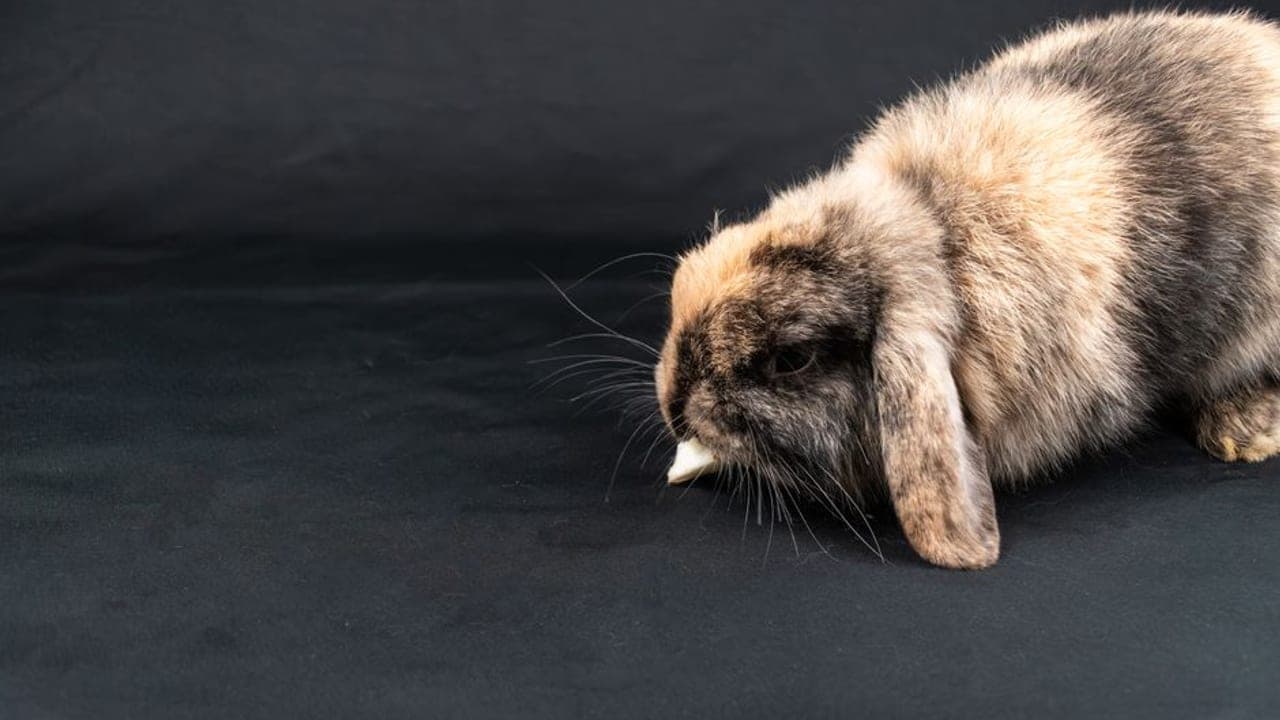
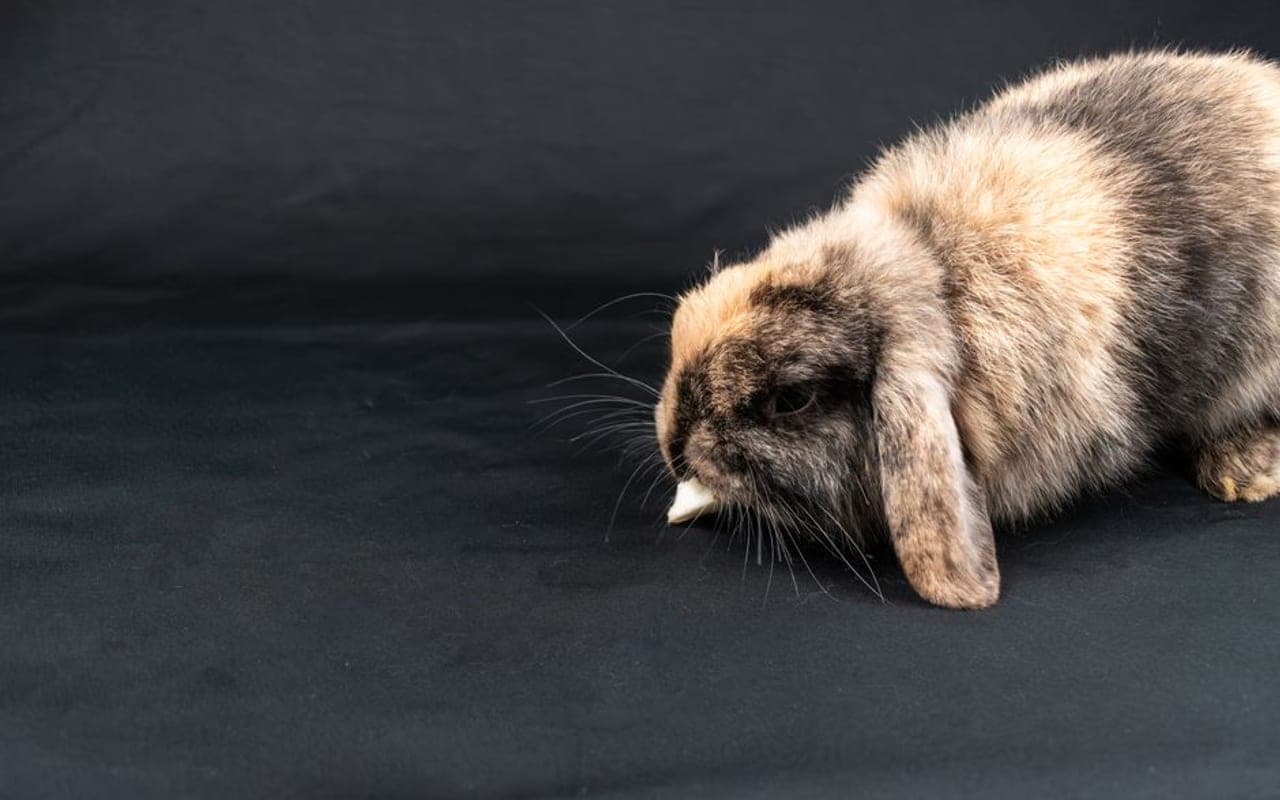
At a Glance
| Attribute | Mini Lop | Mini Rex |
|---|---|---|
| Origin | Netherlands | United States |
| Breed Group | Lop | Rex |
| Life Span | 8–11 yrs | 8–10 yrs |
| Weight | 2.3–2.7 kg | 1.4–2 kg |
| Height | 19–24 cm | 18–23 cm |
| Temperament | friendly, curious, alert | Gentle, Active, Intelligent |
| Exercise Needs | Moderate (30-60 min/day) | Moderate (30-60 min/day) |
| Grooming | low | low |
| Shedding | — | — |
| Good with Children | No | No |
| Apartment Friendly | No | No |
Temperament Comparison
The Mini Lop is known for being friendly, curious, alert, while the Mini Rex tends to be gentle, active, intelligent.
Mini Lop
Mini Rex
Family Suitability
Mini Lop
- Good with children: No
- Good with other pets: No
- Apartment friendly: No
- Exercise: moderate
Mini Rex
- Good with children: No
- Good with other pets: No
- Apartment friendly: No
- Exercise: moderate
Training & Exercise
When it comes to daily activity, the Mini Lop requires moderate (30-60 min/day) exercise, compared to the Mini Rex which needs moderate (30-60 min/day).
Mini Lop
- Exercise
- moderate
- Grooming
- low
- Shedding
- —
Mini Rex
- Exercise
- moderate
- Grooming
- low
- Shedding
- —
Cost Comparison
Understanding the financial commitment of each breed helps you plan for a lifetime of care.
| Cost | Mini Lop | Mini Rex |
|---|---|---|
| Purchase Price | $25 – $60 | $25 – $60 |
| Monthly Cost | ~$40/mo | ~$40/mo |
| Est. Lifetime Cost | ~$3,840+ | ~$3,840+ |
Health Considerations
Both breeds have breed-specific health considerations. Being aware of these helps you plan for preventive care and vet visits.
Mini Lop
Life span: 8–11 yrs
- Ear infections and ear mites — the breed-specific risk: lopped ears fold over the canal, trapping moisture and cutting airflow, which raises the chance of wax buildup, bacterial infection, and ear-canker mites; inspect and gently clean the ears weekly and act early on discharge, odor, head tilt, or repeated scratching, because the folded ear hides trouble until it is advanced.
- Dental malocclusion — the Mini Lop's relatively compact head can crowd continuously growing teeth, and while less severe than in dwarfs, misaligned or overgrown molars and incisors still occur; an unlimited grass-hay diet drives the side-to-side chewing that wears teeth down, and a vet should check the back teeth yearly, watching for drooling and weight loss.
- GI stasis — the gut slows or stops, triggered by a low-fiber diet, dehydration, pain, or stress; it is a genuine emergency, and any Mini Lop that stops eating or passing droppings for 12 hours needs same-day veterinary care to restart the gut before toxins accumulate.
- Heat stress — the lopped ears reduce a rabbit's main heat-dumping surface, so a Mini Lop overheats more easily than an upright-eared breed; keep indoor temperatures below about 26°C/80°F and provide shade, airflow, and frozen water bottles through summer.
- Uterine adenocarcinoma in unspayed does — uterine cancer is common in female rabbits over three years old; spaying before about age two protects long-term health and removes the hormonal and territorial behavior intact does often develop.
Mini Rex
Life span: 8–10 yrs
- Sore hocks (pododermatitis) — the breed-specific risk: the rex gene thins the protective fur on the soles of the feet, so pressure ulcers develop more readily than in ordinary-coated rabbits, especially on wire or hard flooring or in an overweight animal; prevent it with solid padded resting surfaces, clean dry bedding, a lean body weight, and weekly inspection of the foot pads for redness, hair loss, or scabbing.
- Dental malocclusion — Mini Rex carry Netherland Dwarf ancestry, and the compact face can crowd continuously growing teeth, leading to misaligned or overgrown molars and incisors; an unlimited grass-hay diet drives the side-to-side chewing that wears teeth down, and a vet should check the back teeth yearly, watching for drooling, a wet chin, or weight loss.
- GI stasis — the gut slows or stops, triggered by a low-fiber diet, dehydration, pain, or stress; it is a genuine emergency, and any Mini Rex that stops eating or passing droppings for 12 hours needs same-day veterinary care to restart the gut before toxins build up.
- Heat stroke — at 1.4 to 2.0 kg a Mini Rex has little thermal mass and cannot sweat, so it overheats quickly; keep indoor temperatures cool, ideally below about 21°C/70°F, and provide shade, airflow, and frozen water bottles through warm months.
- Uterine adenocarcinoma in unspayed does — uterine cancer is common in female rabbits over three years old; spaying before about age two protects long-term health and removes the hormonal and territorial behavior intact does often develop.
Which Breed is Right for You?
Choose the Mini Lop if you want a breed that's friendly and curious.
Choose the Mini Rex if you prefer a breed that's gentle and active.
Explore More About Mini Lop
Dive deeper into everything Mini Lop — costs, care, and expert insights.
How Much Does a Mini Lop Cost?
Purchase price, monthly costs, and lifetime expenses
Mini Lop Care Guide
This guide gives you a practical plan for living with a [Mini...
Considering a guinea pig instead?
Browse Guinea Pigs