
At a Glance
| Attribute | Ragdoll | Birman |
|---|---|---|
| Origin | United States | France |
| Breed Group | Longhair | Longhair |
| Life Span | 12–17 yrs | 14–15 yrs |
| Weight | 4.5–9.1 kg | 3.2–6.8 kg |
| Height | 23–38 cm | 20–30 cm |
| Temperament | Affectionate, Friendly, Gentle | Affectionate, Active, Gentle |
| Exercise Needs | Moderate (30-60 min/day) | Moderate (30-60 min/day) |
| Grooming | low | low |
| Shedding | moderate | moderate |
| Good with Children | Yes | Yes |
| Apartment Friendly | Yes | Yes |
Temperament Comparison
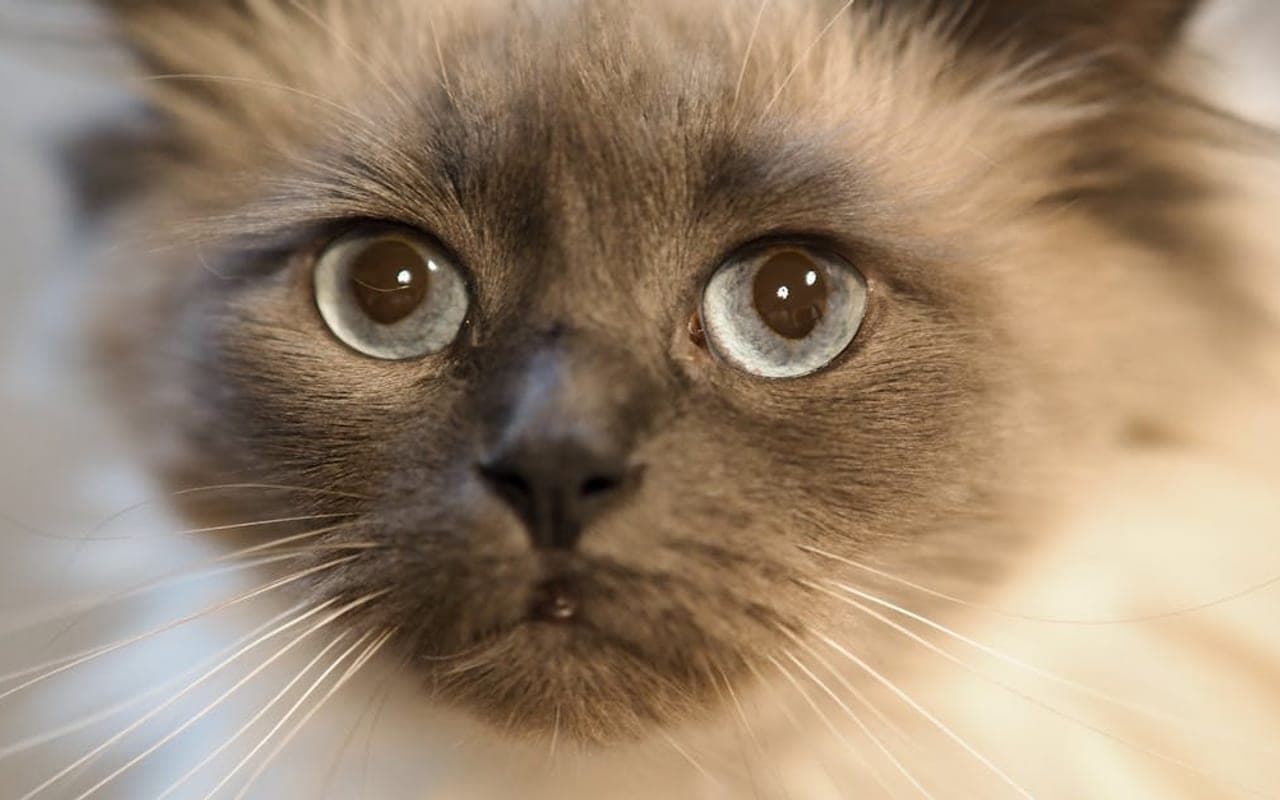
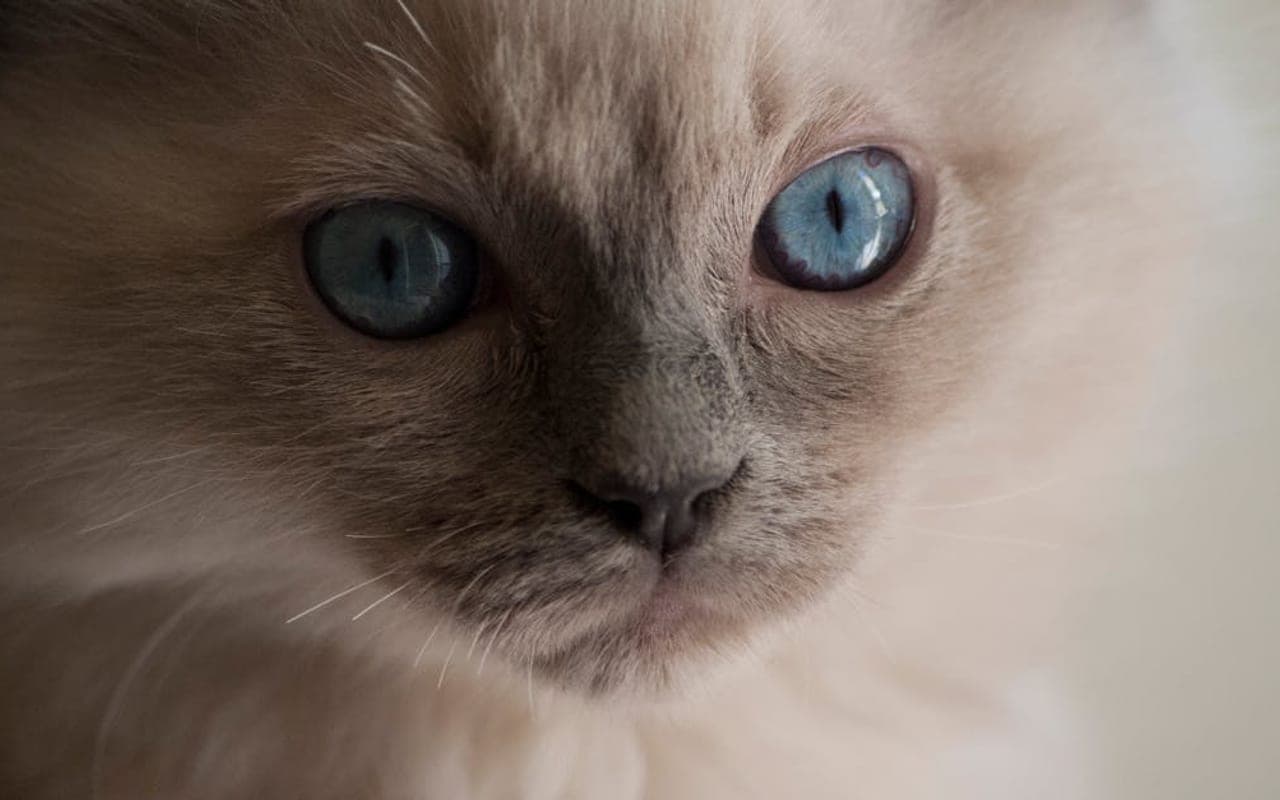
The Ragdoll is known for being affectionate, friendly, gentle, while the Birman tends to be affectionate, active, gentle.
Ragdoll
Birman
Family Suitability
Ragdoll
- Good with children: Yes
- Good with other pets: Yes
- Apartment friendly: Yes
- Exercise: moderate
Birman
- Good with children: Yes
- Good with other pets: Yes
- Apartment friendly: Yes
- Exercise: moderate
Training & Exercise
When it comes to daily activity, the Ragdoll requires moderate (30-60 min/day) exercise, compared to the Birman which needs moderate (30-60 min/day).
Ragdoll
- Exercise
- moderate
- Grooming
- low
- Shedding
- moderate
Birman
- Exercise
- moderate
- Grooming
- low
- Shedding
- moderate
Cost Comparison
Understanding the financial commitment of each breed helps you plan for a lifetime of care.
| Cost | Ragdoll | Birman |
|---|---|---|
| Purchase Price | $800 – $3,500 | $600 – $2,500 |
| Monthly Cost | ~$80/mo | ~$70/mo |
| Est. Lifetime Cost | ~$11,520+ | ~$11,760+ |
Health Considerations
Both breeds have breed-specific health considerations. Being aware of these helps you plan for preventive care and vet visits.
Ragdoll
Life span: 12–17 yrs
- Hypertrophic cardiomyopathy (HCM) — the most important Ragdoll health risk: thickening of the heart muscle that can cause heart failure, clots, or sudden death. A breed-specific MYBPC3 mutation is testable; responsible breeders also screen breeding cats by echocardiogram. Buy only from cardiac-screened lines.
- Polycystic kidney disease (PKD) — inherited fluid-filled cysts that enlarge and impair the kidneys over years; a DNA test exists and screened lines should be clear, so ask for the parents' PKD-negative results.
- Bladder/urinary stones and FLUTD — Ragdolls are reported prone to lower urinary tract disease and stones; signs are straining, blood in urine, or going outside the box. Adequate water intake and prompt vet care matter.
- Feline infectious peritonitis (FIP) susceptibility — Ragdolls (often acquired young from catteries) are over-represented in FIP cases, a coronavirus-related disease; minimize stress and crowding in kittens and source from low-density, hygienic breeders.
- Gastrointestinal sensitivity / hairball obstruction — the semi-long coat plus a relaxed groomer means ingested hair; regular brushing and a fiber or hairball diet reduce vomiting and rare obstruction.
- Obesity-related joint and cardiac strain — not breed-unique but amplified here because the breed is large, food-motivated, and low-energy, and excess weight worsens the heart and joint risks above.
Birman
Life span: 14–15 yrs
- Hypertrophic cardiomyopathy (HCM) — the most serious breed risk: abnormal thickening of the heart muscle that reduces cardiac function and can cause heart failure, sudden painful hind-limb paralysis from a clot, or sudden death. It is typically silent until advanced, so buying from cardiac-ultrasound-screened lines and periodic adult cardiac screening are the meaningful protections; management is lifelong with accumulating cost.
- Polycystic kidney disease (PKD) — inherited fluid-filled cysts that enlarge over years and progressively destroy kidney function, eventually causing chronic kidney disease with increased thirst, weight loss, and poor appetite. A DNA/ultrasound screen of breeding cats identifies carriers, making informed sourcing the primary preventive lever.
- Corneal dermoid — a congenital anomaly, reported with notable frequency in the breed, in which skin-like tissue (sometimes with hair) grows on the cornea, causing irritation and tearing; it generally requires surgical removal to relieve discomfort and protect vision.
- Congenital hypotrichosis — a rare inherited condition seen in the breed in which kittens are born with little or no hair and often a weakened immune system, leading to fragile health; affected kittens have a poor prognosis, and it is a question for any breeder about their lines.
- Dental (periodontal) disease — as in most cats, plaque and tartar progress to gingivitis, periodontal disease, and tooth loss; it is the most common avoidable problem in an otherwise sound breed and responds well to home dental care plus periodic professional cleaning.
- Obesity — not breed-specific but a realistic risk in a calm, food-interested indoor cat, and one that directly compounds the breed's cardiac and joint exposure, which is why measured feeding and monthly weight checks are emphasized.
Which Breed is Right for You?
Choose the Ragdoll if you want a breed that's affectionate and friendly and works well in apartments, especially with a family.
Choose the Birman if you prefer a breed that's affectionate and active and adapts to smaller spaces, great with kids.
Explore More About Ragdoll
Dive deeper into everything Ragdoll — costs, care, and expert insights.
How Much Does a Ragdoll Cost?
Purchase price, monthly costs, and lifetime expenses
Ragdoll Cat Care Guide: The Gentle Giant
Ragdolls are the gentle giants of the cat world — males reach 15-20 lbs, females 10-15 lbs, and...
Can Cats Eat This? The Complete Toxic & Safe Human-Foods List
A cat-specific list of which human foods are safe, which are risky, and which are an emergency —...
Litter-Robot 4 vs. PetSafe ScoopFree: Is the $700 Automatic Box Actually Worth It?
Litter-Robot 4 costs far more up front, while PetSafe ScoopFree keeps the first purchase lower....
ChomChom Roller Review: Best Reusable Pet Hair Remover?
The ChomChom Roller is a simple reusable pet hair remover for couches, bedding, and car seats. See...
Considering a dog instead?
Browse Dogs