
At a Glance
| Attribute | Siamese | Bengal |
|---|---|---|
| Origin | Thailand | United States |
| Breed Group | Shorthair | Shorthair |
| Life Span | 12–15 yrs | 12–15 yrs |
| Weight | 2.7–5.4 kg | 3.6–6.8 kg |
| Height | 23–30 cm | 33–41 cm |
| Temperament | Active, Agile, Clever | Alert, Agile, Energetic |
| Exercise Needs | Very High (90+ min/day) | Very High (90+ min/day) |
| Grooming | low | low |
| Shedding | low | moderate |
| Good with Children | Yes | Yes |
| Apartment Friendly | Yes | Yes |
Temperament Comparison
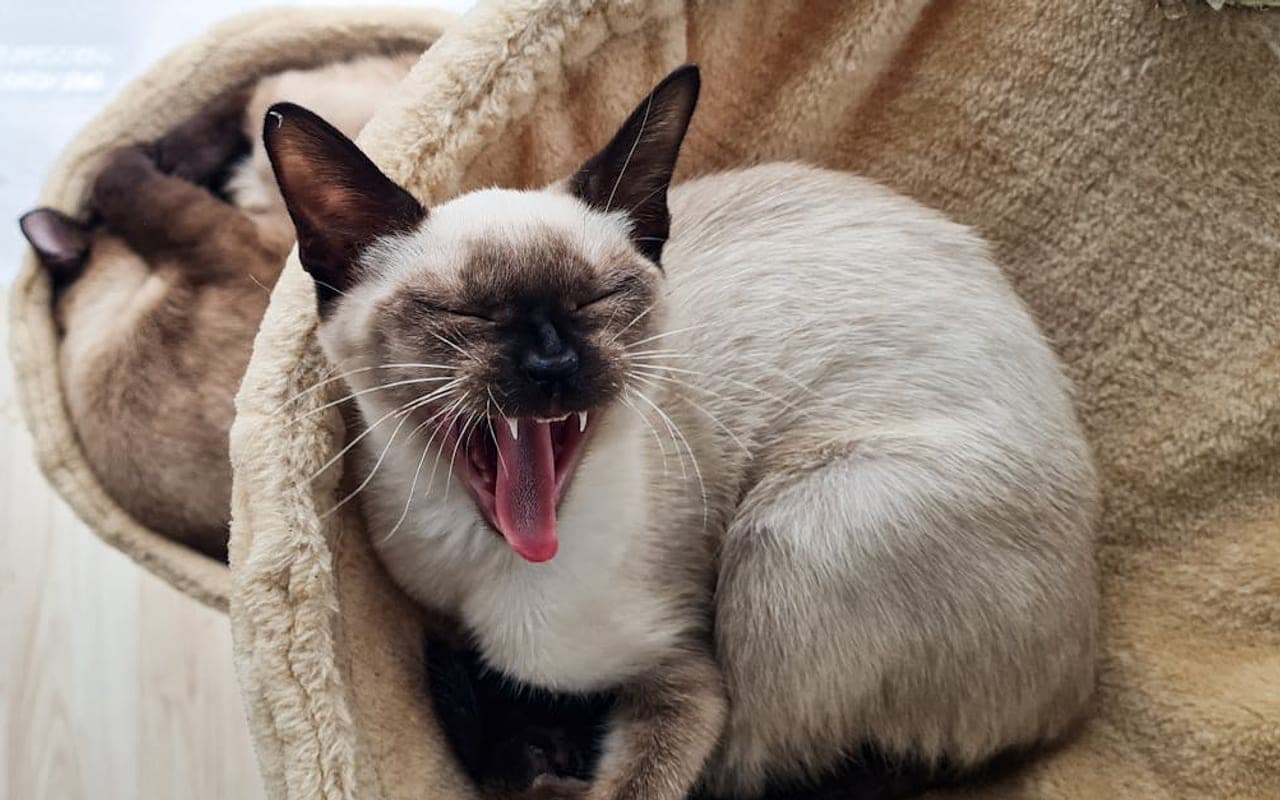
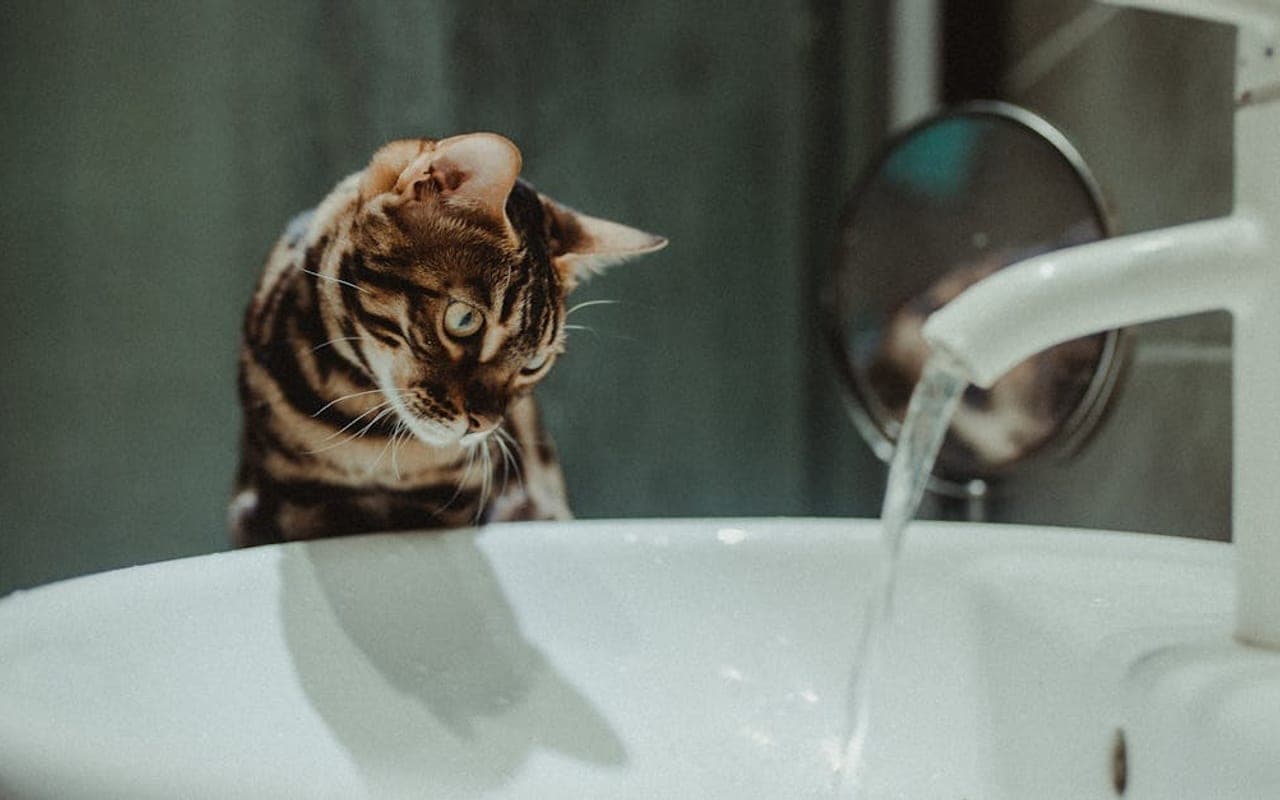
The Siamese is known for being active, agile, clever, while the Bengal tends to be alert, agile, energetic.
Siamese
Bengal
Family Suitability
Siamese
- Good with children: Yes
- Good with other pets: Yes
- Apartment friendly: Yes
- Exercise: very high
Bengal
- Good with children: Yes
- Good with other pets: Yes
- Apartment friendly: Yes
- Exercise: very high
Training & Exercise
When it comes to daily activity, the Siamese requires very high (90+ min/day) exercise, compared to the Bengal which needs very high (90+ min/day).
Siamese
- Exercise
- very high
- Grooming
- low
- Shedding
- low
Bengal
- Exercise
- very high
- Grooming
- low
- Shedding
- moderate
Cost Comparison
Understanding the financial commitment of each breed helps you plan for a lifetime of care.
| Cost | Siamese | Bengal |
|---|---|---|
| Purchase Price | $400 – $2,500 | $1,000 – $10,000 |
| Monthly Cost | ~$70/mo | ~$90/mo |
| Est. Lifetime Cost | ~$10,080+ | ~$12,960+ |
Health Considerations
Both breeds have breed-specific health considerations. Being aware of these helps you plan for preventive care and vet visits.
Siamese
Life span: 12–15 yrs
- Progressive retinal atrophy (PRA) — an inherited retinal degeneration causing gradual blindness; the Siamese is a classically affected breed and responsible breeders DNA- and exam-screen breeding cats.
- Amyloidosis (hepatic and renal) — abnormal amyloid protein deposits in the liver or kidneys leading to organ failure; a recognized familial problem in Siamese and Oriental lines and a defining breed health risk.
- Feline asthma / chronic bronchial disease — the Siamese is over-represented for allergic airway disease causing coughing and wheezing, often needing lifelong inhaled or oral medication.
- Progressive (Siamese-type) dental disease and gingivitis — the breed shows higher rates of early periodontal disease and gingivostomatitis, making routine dental care a recurring necessity rather than optional.
- Convergent strabismus and nystagmus — an inherited cross-eyed appearance and eye-flicker tied to the breed's pointed-coat genetics; usually cosmetic but a recognized breed trait.
- Vaccine-associated and mast cell tumors / mediastinal lymphoma — Siamese and related Oriental breeds show elevated rates of certain neoplasias, warranting prompt investigation of any new lump or breathing change.
Bengal
Life span: 12–15 yrs
- Hypertrophic cardiomyopathy (HCM) — the most serious Bengal health risk: thickening of the heart muscle that can cause heart failure, blood clots, or sudden death. There is no breed-specific Bengal DNA test, so insist on breeders who echocardiogram-screen breeding cats annually.
- Progressive retinal atrophy, Bengal type (PRA-b) — an inherited retinal degeneration causing progressive blindness; a specific DNA test exists, so screened lines can be cleared and breeders should provide parental results.
- Pyruvate kinase deficiency (PK-Def) — an inherited enzyme defect causing intermittent hemolytic anemia and lethargy; a DNA test exists and responsible breeders test to avoid producing affected kittens.
- Patellar luxation — the kneecap slips out of its groove causing a skipping gait or lameness; ranges from mild to surgically corrected, and screened breeding stock reduces incidence.
- Bengal progressive retinal atrophy / cataracts and other ocular issues — periodic ophthalmic examination of breeding cats helps reduce inherited eye disease beyond PRA-b alone.
- Lower urinary tract disease (FLUTD) — Bengals are reported prone to bladder issues and stones; signs are straining, blood in urine, or going outside the box, and adequate water intake plus prompt vet care matter.
- Obesity-related cardiac and joint strain — not breed-unique, but it directly compounds the HCM and patellar risks above, so lean body condition is a genuine health control in this breed.
Which Breed is Right for You?
Choose the Siamese if you want a breed that's active and agile and works well in apartments, especially with a family.
Choose the Bengal if you prefer a breed that's alert and agile and adapts to smaller spaces, great with kids.
Explore More About Siamese
Dive deeper into everything Siamese — costs, care, and expert insights.
How Much Does a Siamese Cost?
Purchase price, monthly costs, and lifetime expenses
Complete Siamese Cat Care Guide
Your Siamese doesn't meow — they have opinions. Loud, persistent, elaborately...
Can Cats Eat This? The Complete Toxic & Safe Human-Foods List
A cat-specific list of which human foods are safe, which are risky, and which are an emergency —...
Furbo vs Petcube: Which Pet Camera and Treat Dispenser Should You Buy?
Furbo and Petcube both make popular pet cameras, but they serve different buyers. Compare video...
Litter-Robot 4 vs. PetSafe ScoopFree: Is the $700 Automatic Box Actually Worth It?
Litter-Robot 4 costs far more up front, while PetSafe ScoopFree keeps the first purchase lower....
Considering a dog instead?
Browse Dogs