
Siberian Husky vs Alaskan Malamute
A side-by-side breed comparison to help you decide which fits your lifestyle.
At a Glance
| Attribute | Siberian Husky | Alaskan Malamute |
|---|---|---|
| Origin | Siberia | United States (Alaska) |
| Breed Group | Working | Working |
| Life Span | 12–14 yrs | 10–14 yrs |
| Weight | 16–27 kg | 34–39 kg |
| Height | 50–60 cm | 58.4–63.5 cm |
| Temperament | Outgoing, mischievous, and loyal | Affectionate, Loyal, Playful |
| Exercise Needs | Very High (90+ min/day) | High (60-90 min/day) |
| Grooming | — | moderate |
| Shedding | high | high |
| Good with Children | Yes | Yes |
| Apartment Friendly | No | No |
Temperament Comparison
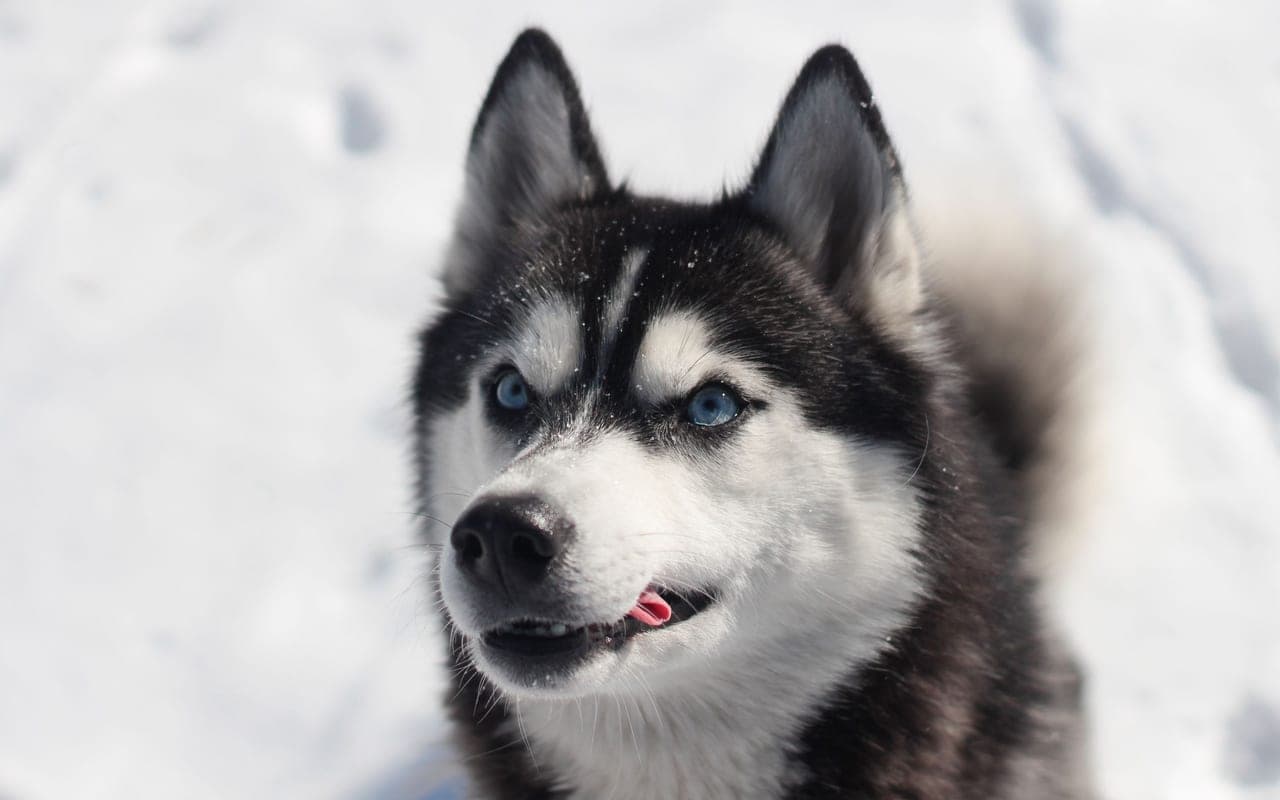
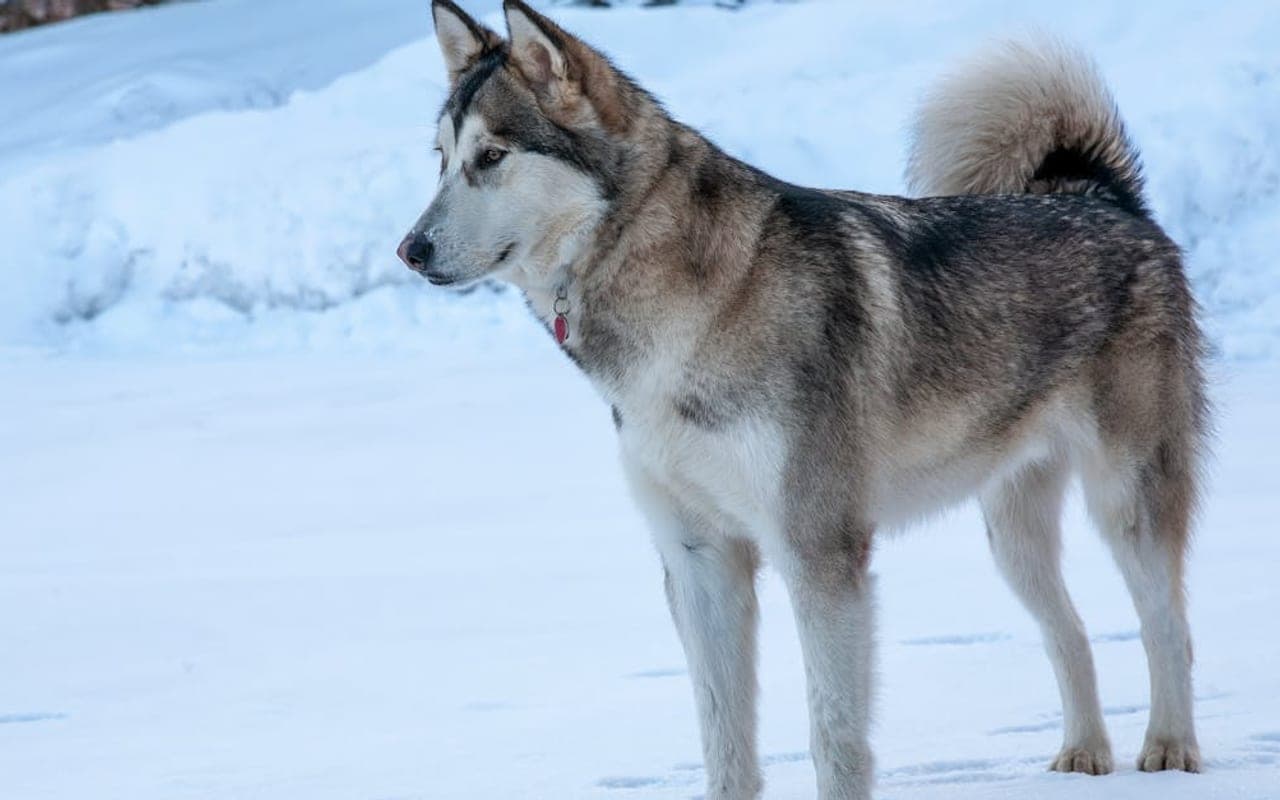
The Siberian Husky is known for being outgoing, mischievous, and loyal, while the Alaskan Malamute tends to be affectionate, loyal, playful.
Siberian Husky
Alaskan Malamute
Family Suitability
Siberian Husky
- Good with children: Yes
- Good with other pets: No
- Apartment friendly: No
- Exercise: very high
Alaskan Malamute
- Good with children: Yes
- Good with other pets: No
- Apartment friendly: No
- Exercise: high
Training & Exercise
When it comes to daily activity, the Siberian Husky requires very high (90+ min/day) exercise, compared to the Alaskan Malamute which needs high (60-90 min/day).
Siberian Husky
- Exercise
- very high
- Grooming
- —
- Shedding
- high
Alaskan Malamute
- Exercise
- high
- Grooming
- moderate
- Shedding
- high
Cost Comparison
Understanding the financial commitment of each breed helps you plan for a lifetime of care.
| Cost | Siberian Husky | Alaskan Malamute |
|---|---|---|
| Purchase Price | $800 – $2,500 | $1,000 – $3,000 |
| Monthly Cost | ~$130/mo | ~$150/mo |
| Est. Lifetime Cost | ~$18,720+ | ~$18,000+ |
Health Considerations
Both breeds have breed-specific health considerations. Being aware of these helps you plan for preventive care and vet visits.
Siberian Husky
Life span: 12–14 yrs
- Juvenile cataracts — an inherited clouding of the lens that can appear before 2 years of age and progress to vision loss; reputable breeders perform annual ophthalmologist (CER/OFA) eye exams on breeding stock.
- Progressive retinal atrophy (PRA) — inherited degeneration of the retina leading to night blindness and eventual total blindness; a DNA test exists for the X-linked form and screened lines should be clear.
- Corneal dystrophy — a breed-typical bilateral hazy deposit in the cornea; usually cosmetic and non-painful but occasionally affects vision and is monitored rather than treated.
- Hip dysplasia — abnormal hip joint development causing pain and arthritis; lower incidence than in giant breeds but present, so OFA/PennHIP-screened parents matter and lean body weight is protective.
- Zinc-responsive dermatosis — a breed-associated skin disorder where the dog cannot absorb dietary zinc efficiently, causing crusting and hair loss around the eyes, muzzle, and footpads; managed lifelong with veterinary zinc supplementation.
- Hypothyroidism — under-active thyroid causing weight gain, lethargy, and coat changes; common in the breed, diagnosed by blood panel and managed inexpensively with daily levothyroxine.
- Uveodermatologic syndrome — a rarer immune-mediated condition affecting the eyes and skin pigment; requires prompt veterinary management to preserve vision.
Alaskan Malamute
Life span: 10–14 yrs
- Hip dysplasia — the Malamute has an above-average rate of this inherited hip-joint malformation, worsened by rapid growth and excess weight; screened by OFA/PennHIP radiographs in breeding stock.
- Inherited (Alaskan Malamute) polyneuropathy — a breed-specific, sometimes severe neuromuscular disease (NDRG1 gene mutation) causing hind-limb weakness, a high-stepping or wobbly gait, exercise intolerance, and laryngeal/voice changes; a DNA test now allows breeders to avoid producing affected dogs.
- Chondrodysplasia (dwarfism) — an inherited skeletal disorder producing 'dwarfed,' deformed-limbed puppies; both parents must be carriers to produce affected pups, so carrier testing/known status of breeding stock matters.
- Hypothyroidism — an under-active thyroid that is notably common in the breed, causing weight gain, lethargy, and coat and skin changes; managed lifelong with daily thyroid medication.
- Zinc-responsive dermatosis — a Malamute-associated skin disease from a genetic defect in zinc absorption, causing crusting, scaling, and hair loss (often around the face and pressure points) that responds to zinc supplementation.
- Inherited cataracts and progressive retinal atrophy — recognized hereditary eye diseases in the breed; an annual board-certified ophthalmologist exam of breeding dogs is the standard screening.
Which Breed is Right for You?
Choose the Siberian Husky if you want a breed that's outgoing and mischievous, especially with a family.
Choose the Alaskan Malamute if you prefer a breed that's affectionate and loyal, great with kids.
Explore More About Siberian Husky
Dive deeper into everything Siberian Husky — costs, care, and expert insights.
How Much Does a Siberian Husky Cost?
Purchase price, monthly costs, and lifetime expenses
Siberian Husky Care Guide
The Siberian Husky...
ChomChom Roller Review: Best Reusable Pet Hair Remover?
The ChomChom Roller is a simple reusable pet hair remover for couches, bedding, and car seats. See...
Best Pet Grooming Vacuums for Heavy Shedders: The War on Pet Hair
Heavy-shedding dogs and cats can overwhelm a home fast. Compare pet grooming vacuums, undercoat...
How Often Should You Really Bathe Your Dog?
Bathing too often can harm your dog's skin. Here is how to find the right frequency for your dog's...
Considering a cat instead?
Browse Cats