
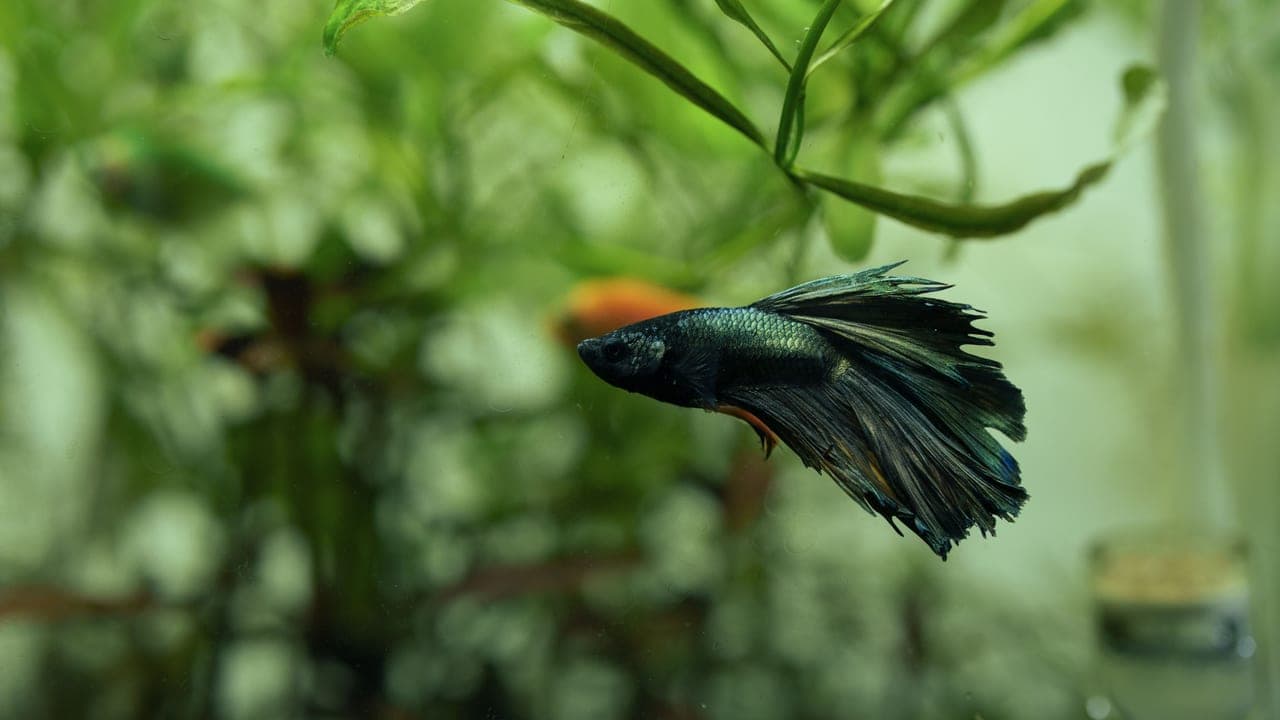
Betta Fish
Betta Fish, also called Siamese fighting fish, are small tropical freshwater fish whose intelligence, color, and individual behavior can make them rewarding aquarium residents.
Origin
Tropical Southeast Asia, especially the Mekong basin and Thailand; domestic ornamental lines have been selectively bred far beyond the wild-type form.
Overview
Betta Fish, also called Siamese fighting fish, are small tropical freshwater fish whose intelligence, color, and individual behavior can make them rewarding aquarium residents. They are also among the most routinely underestimated pets. A betta can take atmospheric air at the surface through a labyrinth organ, but this is an adaptation for surviving variable, low-oxygen habitats—not permission to keep the fish in cold, dirty, unfiltered water. Th…
Temperament
History
Betta splendens belongs to the labyrinth fishes, a group with a specialized organ that permits air breathing at the surface. FishBase records the species from tropical Asian freshwater in the Mekong basin, and University of Florida guidance describes wild habitat as shallow, quiet or standing water with heavy vegetation. Wild fish are much less ornate than many domestic bettas. The conspicuous colors, enlarged fins, and many named ornamental form…
Characteristics
Care Essentials
Diet
Use a reputable, species-appropriate betta pellet or granule as the nutritional foundation, chosen in a particle size the fish can swallow without repeated spitting or missed strikes. RSPCA Australia recommends feeding once daily and limiting the meal to what is consumed in under about two minutes; use that as a starting control rather than an excuse to keep adding food for the full interval. Pellet size and energy density differ, so a universal pellet count would be false precision. Watch body condition, waste production, and the amount left behind, then reduce the portion if food reaches the bottom or the abdomen remains persistently distended. Uneaten food is not harmless—it decomposes and increases the filtration burden. For variety and behavioral interest, occasional clean frozen or appropriately sourced live foods such as brine shrimp, daphnia, or suitable worms can complement the staple. University of Florida guidance stresses clean sources and correct storage because live feeds can introduce hazards, and it distinguishes larval or breeding diets from routine adult maintenance. Do not copy a high-protein grow-out formula or a breeder-conditioning routine into everyday pet feeding without expert rationale. RSPCA guidance warns against mammalian fats such as meat, offal, or beef heart because fish digest them poorly. Human snack food, bread, and unverified supplements do not belong in the ration. A varied menu does not mean an uncontrolled menu: consistent moderate intake, clean storage, and prompt removal of leftovers protect both nutrition and water quality. Loss of appetite is a health observation, not a reason to keep switching foods indefinitely; test the water and seek fish-experienced veterinary advice if refusal persists or accompanies abnormal behavior or lesions.
Health
Preventive care begins with environment, nutrition, sanitation, and biosecurity. University of Florida fish-health guidance emphasizes that disease often emerges through an interaction among a fish, potential pathogens, and stressors such as poor water quality or crowding. Keep dedicated aquarium tools, avoid sharing wet equipment between systems unless disinfected appropriately, and quarantine new animals or plants using a plan developed for the actual risk. Stable heat, 0 ammonia and nitrite, gentle filtration, suitable food, low aggression exposure, and safe furnishings are not optional background details; they are the first line of disease prevention. Learn the individual fish’s normal pattern. Warning changes include not eating, persistent lethargy or unresponsiveness, prolonged corner-hiding, uncontrolled floating or sinking, inability to stay upright, unusual gasping, repeated rubbing, clamped or increasingly ragged fins, wounds, ulcers, hemorrhage, swelling, protruding eyes, lumps, or abnormal fecal trails. Inspect long-finned fish especially carefully for tears, but do not infer a cause from appearance alone. Clear water is not proof of safe chemistry. When a problem appears, record temperature, ammonia, nitrite, pH, recent water changes, new animals or plants, food changes, and a timeline of signs. Test the aquarium before making major changes when the fish is stable enough to allow it; diagnostic guidance notes that a pre-change water sample can preserve useful information. Do not diagnose ‘fin rot,’ ich, a bacterial infection, or a parasite from a photograph or one sign. UF/IFAS specifically notes that white spots are not sufficient to diagnose ich and that confirmation relies on identifying the parasite microscopically; other conditions can look similar, and gill-only infection may lack visible spots. Contact a veterinarian experienced with fish promptly for rapid decline, respiratory distress, major wounds or bleeding, inability to maintain position, severe swelling, multiple affected fish, or signs that persist despite confirmed safe water. Provide the history and test log. University of Florida’s betta guidance warns that drugs and chemicals can do more harm than good when used inappropriately, and medication cannot substitute for correcting husbandry.
Housing
Use a rectangular, covered aquarium of at least 20 liters for one betta as the practical welfare target. The lid prevents jumping, but leave an accessible air space between the surface and cover because the fish must surface-breathe. Fit a reliable thermostatically controlled heater and separate thermometer, maintaining 24–26°C with minimal fluctuation. Normal room temperature is often too cool and variable. Install a correctly sized filter with adjustable or baffled low flow. Biological media supports bacteria that convert ammonia to nitrite and then nitrate; the labyrinth organ does not perform this waste-processing job. If surface movement and dissolved oxygen are inadequate, correct the equipment setup while preserving calm zones. Cycle the aquarium without a fish. Add a controlled ammonia source or safe established media under a recognized fishless-cycling method, test every other day during the process, and wait for the expected ammonia and nitrite rise followed by both returning to 0 mg/L before stocking. There is no calendar shortcut: RSPCA UK notes that cycling takes at least two weeks but has no exact duration. After stocking, keep ammonia and nitrite at 0, measure rather than guess, and manage nitrate through partial water changes and stocking/feeding control. Condition tap water for chlorine and chloramine according to the product label and match replacement-water temperature. Never rinse the whole biological filter clean, replace all media at once, or sterilize a stable tank for cosmetic reasons. Aim for pH 6.5–7.5 as the routine care target and avoid abrupt chemical chasing. FishBase records a broader pH range of 6.0–8.0, hardness of 5–19 dGH, and temperature of 24–30°C. Those database ranges describe where the species has been recorded or maintained; they do not prove that every point is equally desirable or that rapid movement within them is safe. There is no single hardness target, because the evidence gives a range rather than one number. Fresh water means 0 ppt routine salinity; salt is not a default tonic. Furnish the tank with smooth substrate, aquarium-safe live or soft artificial plants, visual barriers, at least one refuge, and broad leaves or another safe resting surface near the top. Retain an open route to the surface and swimming room rather than packing every centimeter. Avoid sharp plastic, narrow holes, rough wood points, bare exposure on all sides, direct window sun, and permanently bright light. Provide a regular day-night rhythm; RSPCA Australia suggests no more than 10 hours of aquarium light and at least eight hours of darkness — a timer set to 8 to 10 hours on, and the remainder off, satisfies both. For social housing, keep adult males apart with opaque visual separation where repeated display occurs. Do not assume a divider is safe if water, sight lines, or gaps permit chronic confrontation or physical contact. Female groups also carry aggression risk and are not a beginner default. A mixed-species community should be attempted only after researching every species’ temperature, chemistry, swimming level, group size, adult size, and fin-nipping or predation behavior. RSPCA Australia uses at least 40 liters for one betta with a shoal of small peaceful fish and recommends more volume for additional shoals, plant cover, and a backup tank. Even a technically compatible list cannot predict the individual betta. Watch both directions of harm and separate promptly if there is chasing, nipping, exclusion from food or surface access, persistent hiding, or injury.
Activity
A betta does not need forced exercise; it needs enough usable space and environmental choice to express normal movement, exploration, rest, and foraging. The 2024 ‘Life in a fishbowl’ experiment found that males in 0.5-liter bowls spent less time swimming than fish in 10-, 38-, and 208-liter aquaria, and concluded that at least 10 liters was required for full expression of swimming in that study. A separate 2024 experiment compared furnished tanks from 1.5 to 19.3 liters plus a barren 19.3-liter treatment. Fish were most active and foraged most in the large furnished treatment, while small or barren conditions were associated with more hovering, stereotypic swimming, or wall interaction. The second study was small and short, so it does not prove a universal optimum; together the studies make a strong case against cups and barren bowls. Provide open swimming lanes alongside dense-enough cover, broad or soft near-surface resting places, and a refuge. Use low or adjustable current: movement should not require the fish—especially a long-finned individual—to fight the filter continuously. Baffle or redirect excessive output rather than removing biological filtration. Avoid permanent mirror exposure and repeated forced flaring; RSPCA Australia warns that constant reflection can lead to stress and exhaustion. Small, gradual changes in safe furnishing position or flow direction may offer novelty, but enrichment should never involve chasing, tapping the glass, startling the fish, destabilizing the cycle, or repeatedly removing the fish. Judge the result through the individual’s behavior and water quality, not through how entertaining the setup looks to a person.
Breeding
Breeding Betta splendens is an advanced project, not an enrichment activity for a pet pair. Adult males and females can injure one another before or after spawning, so they should not be left together as companions. A breeder needs separate, cycled housing for adults, a controlled spawning setup with cover, an observation-and-separation plan, first foods for tiny larvae, grow-out space, and eventually many safe individual enclosures as young males become aggressive. RSPCA Australia explicitly warns that breeding requires substantial time, experience, resources, and tanks. The species is a bubble-nest builder. University of Florida guidance describes the male constructing and tending the nest, collecting falling eggs, and caring for eggs and newly hatched larvae; it reports about 300 eggs in a spawning event, but that is an approximate culture observation, not a promised clutch size. The same source describes removing the female after spawning and later separating developing males as aggression emerges. A bubble nest in a pet aquarium is normal reproductive behavior, but its presence alone does not validate tank size, water quality, freedom from stress, or overall ‘happiness.’ Conversely, absence of a nest does not prove illness. This guide does not give a step-by-step breeding protocol because the welfare, biosecurity, fry-placement, and housing obligations require a dedicated evidence-reviewed plan.
Daily Care
Start each day by looking before feeding. Confirm the heater and filter are operating, read the thermometer, and observe whether the betta is alert, responsive, able to hold a normal position, and moving without obvious effort. Note appetite, breathing pattern, fin carriage, skin surface, abdomen, eyes, and any new rubbing, hiding, floating, sinking, or repeated wall-tracing. A brief rest on a leaf or in cover can be normal; a persistent change from that individual’s baseline is more important than a single generic behavior. Feed a controlled portion, watch the fish eat, and remove uneaten food so it does not decay into additional ammonia. Keep a simple log of temperature, water test results, water changes, feeding, and observed changes. Test chemistry on a schedule appropriate to the system and immediately whenever behavior changes. In a newly established aquarium, species-specific RSPCA guidance suggests testing ammonia and nitrite every two to three days during the first six weeks; mature systems can be tested less often, but not abandoned. The stricter operational target used here is 0 mg/L ammonia and 0 mg/L nitrite, following RSPCA UK aquarium guidance. If either is detectable, read it as an environmental warning: confirm the result, reduce inputs, make a temperature-matched conditioned partial water change appropriate to the reading, and investigate cycling, overfeeding, crowding, dead material, or filter disruption. Do not hide a water-quality failure with unverified medication. Routine maintenance can include a 10–25% weekly partial change and substrate siphoning, adjusted to measured conditions. Never replace all water merely for tidiness, rinse biological media under chlorinated tap water, or use soap. Those actions can destabilize the microbial filter the fish depends on.
Maintenance
Betta Fish require no cosmetic grooming. Their fins, scales, and protective mucus layer should not be rubbed, brushed, clipped, or handled as routine care. The keeper’s role is to prevent damage: choose smooth gravel, silk or live plants, and decorations without sharp points; check openings so the fish cannot become trapped; keep filter intake and flow appropriate; and use a covered container or fish-safe transfer method only when movement is genuinely necessary. RSPCA Australia notes that long-finned males are particularly prone to fin tears and recommends smooth materials and edges. Inspect fins during the daily observation, comparing changes with photographs when useful. A split after contact with a sharp surface, progressive edge loss, clamping, discoloration, or tissue change can look similar to a non-specialist while having different causes. First check water quality and remove a proven physical hazard without tearing apart the entire stable environment. Do not trim fins at home or apply an over-the-counter treatment only because a label or forum names the appearance. A persistent or worsening lesion, reduced swimming, bleeding, swelling, or appetite change warrants fish-experienced veterinary advice.
Behavior And Enrichment
Formal training is not required for good Betta Fish care. A consistent, low-stress routine can help the keeper assess the fish: approach calmly, use a predictable feeding location or cue, and observe whether the fish responds and swims normally before food is offered. That response is useful as a baseline, not a performance demand. Never withhold necessary food to force a behavior, chase the fish with a tool, tap the glass, or repeatedly expose it to a mirror to provoke an aggressive display. The most useful ‘training’ is really training the household. Keep feeding portions and instructions written down so several people do not feed the same meal; label the dedicated aquarium bucket and tools; keep test dates and results in a log; and make sure every caretaker knows that surface breathing can be normal while sudden frantic gasping, loss of balance, or unresponsiveness is not. Predictability reduces accidental overfeeding and makes a genuine behavioral change easier to notice. Enrichment should remain voluntary: plants, refuges, open routes, gentle flow variation, and food presentation can invite exploration without forcing it.
Gallery
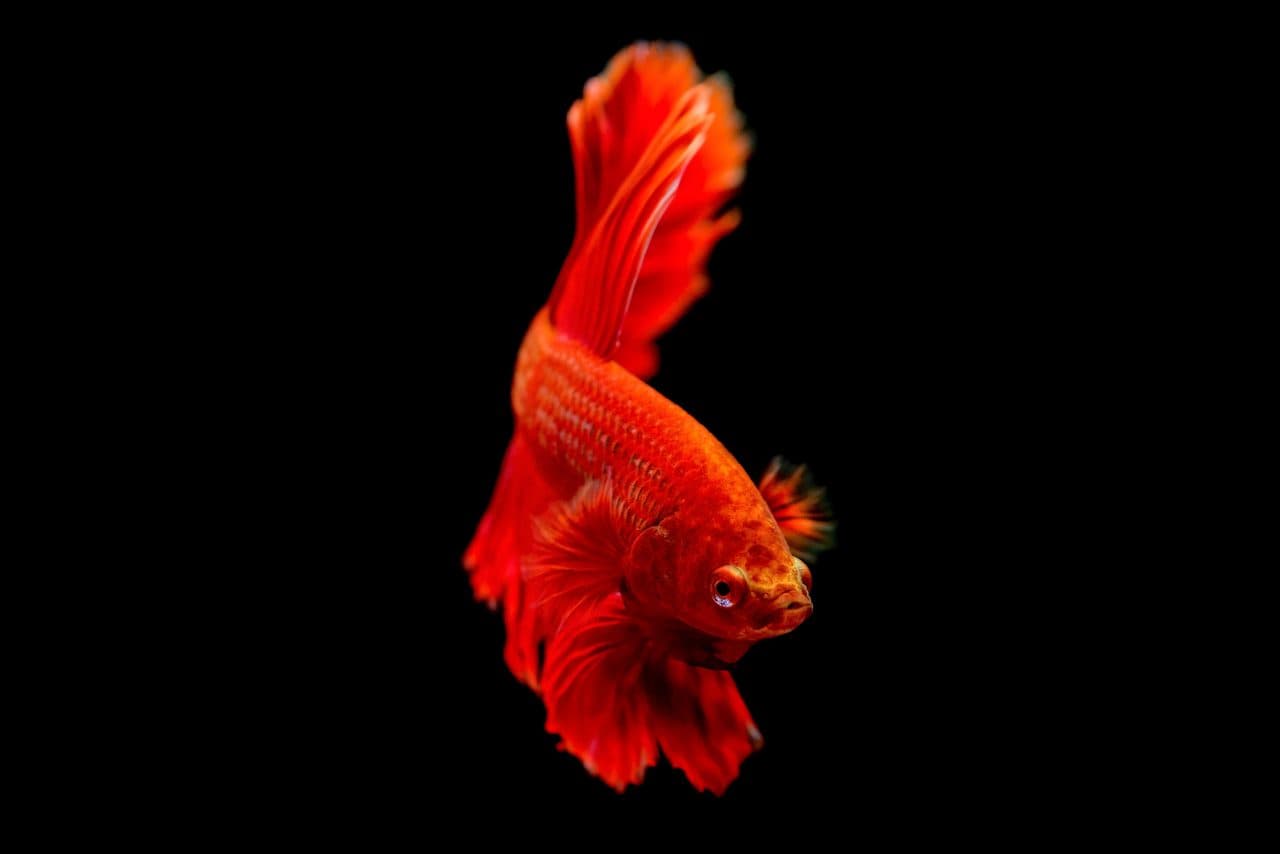
Frequently Asked Questions
Can a Betta Fish live in a bowl, and what tank size is actually appropriate?
What does cycling a Betta Fish tank mean, and what should ammonia and nitrite read?
Does a Betta Fish need a heater and filter if it can breathe air?
Can a Betta Fish live with other bettas or community fish?
How do I move a Betta Fish from a shop cup into a proper tank without shocking it?
What and how often should I feed a Betta Fish?
How long do Betta Fish live?
What signs suggest my Betta Fish is sick, and what should I do first?
Recommended for Betta Fish Owners
As an Amazon Associate, we earn from qualifying purchases made through these links, at no extra cost to you.
Related Breeds
- Aquatics
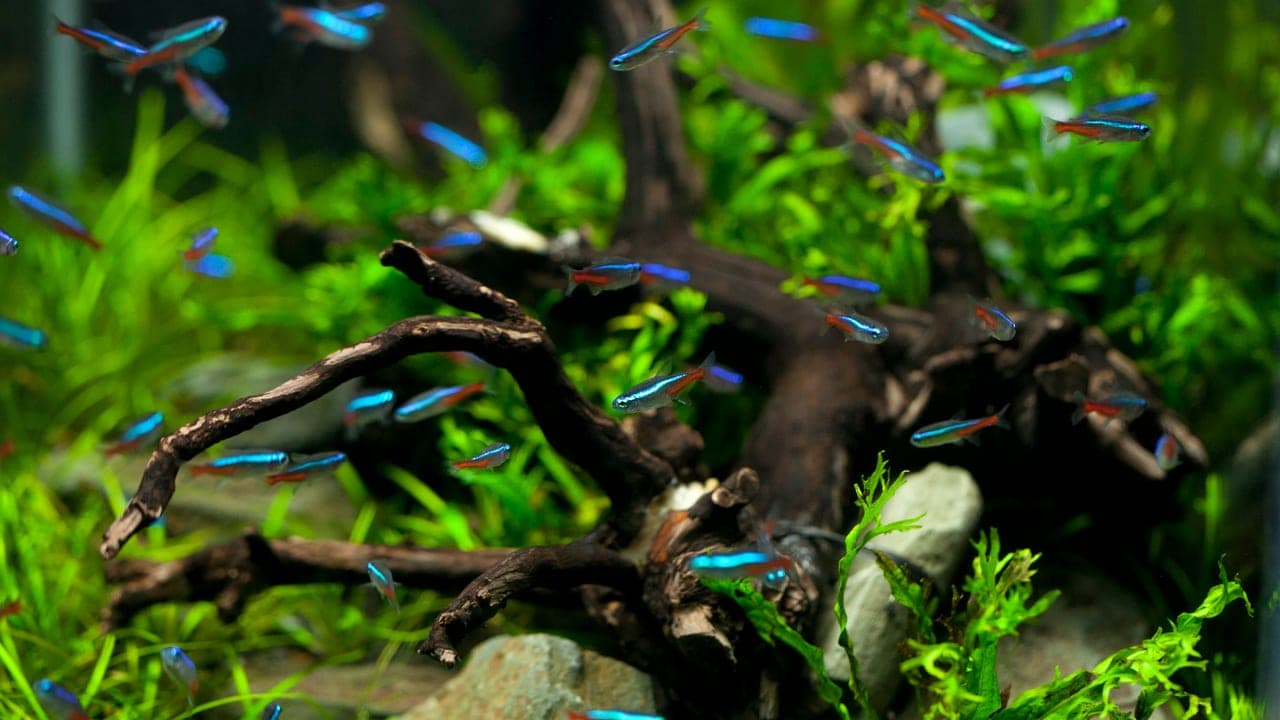
Neon Tetra
schooling
Tropical South America, especially blackwater and clearwater tributaries associated with the Solimoes River basin; most aquarium fish are commercially produced rather than collected from a single uniform wild habitat. - Aquatics
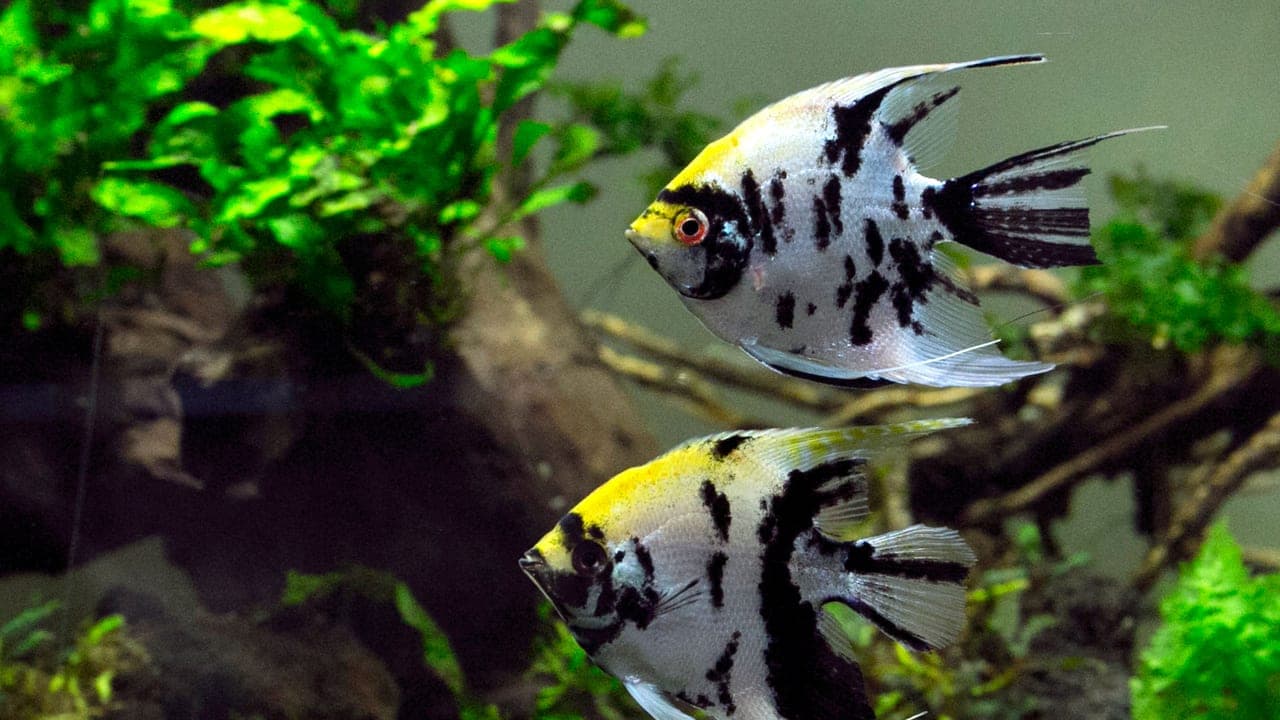
Freshwater Angelfish
socially complex
Tropical South America, principally the Amazon basin in Peru, Colombia, and Brazil, with records from the rivers of Amapá, the Oyapock drainage in French Guiana, and the Essequibo in Guyana. - Aquatics
Guppy
social
Trinidad and Tobago and northern South America, including Venezuela, Guyana, Suriname, and northern Brazil - Aquatics
Goldfish
generally peaceful
East Asia, with China as the historic center of goldfish domestication and ornamental selection
Betta Fish Care Summary
Prepare the aquarium before buying the fish. Choose at least 20 liters for one betta, fit a secure lid while preserving an air gap above the water, and install a thermostatically controlled heater, thermometer, and adjustable low-flow filter. Add smooth substrate, live or aquarium-safe soft plants, and refuges without sharp seams; preserve both shaded hiding/resting areas and an unobstructed route to the surface. Complete a fishless nitrogen cycle, confirming that added waste is being converted and that ammonia and nitrite have returned to 0 mg/L before the fish enters. Dechlorinate all tap water and avoid soap, detergents, or household cleaning equipment. Once stocked, check temperature and the fish’s posture, respiration, appetite, swimming, fins, skin, and response every day. Test ammonia and nitrite regularly rather than trusting visual clarity. Perform measured partial water changes—RSPCA Australia recommends 10–25% weekly as routine—while adapting frequency to test results, feeding, filtration, and actual waste load. Rinse filter media gently in removed aquarium water, not untreated tap water, so the beneficial bacterial colony is not stripped away. Feed once daily as a defensible starting routine, offering only what is eaten within about two minutes, then adjust conservatively for the individual and food size. Use a quality betta pellet or granule as the staple and occasional clean frozen or live invertebrate foods for variety. House adult males singly. Do not use mirrors as permanent enrichment and do not assume a bubble nest proves happiness. A community tank should begin around 40 liters under the RSPCA Australia guidance, use peaceful non-fin-nipping species that occupy other levels, include visual barriers, and have a fully cycled backup enclosure ready. Even then, compatibility depends on the individuals. If the betta stops eating, becomes persistently lethargic or unresponsive, cannot maintain normal position, gasps in a new or frantic pattern, rubs repeatedly, develops clamped or ragged fins, sores, swelling, protruding eyes, or unexplained white spots, test the water immediately and contact a fish-experienced veterinarian. White spots alone do not confirm ich, and medications cannot compensate for a failing environment.
Sources
These are the published sources this page draws on. Each opens in a new tab so you can check it yourself.
Ghent University Academic Bibliography
Potential Welfare Issues of the Siamese Fighting Fish (Betta splendens) at the Retailer and in the Hobbyist Aquarium(opens in a new tab)SPCA New Zealand
Fish Deserve 'Betta' than a Bowl(opens in a new tab)RSPCA Australia Knowledgebase
How Should I Care for My Siamese Fighting Fish?(opens in a new tab)RSPCA
Choosing an Aquarium for Pet Fish(opens in a new tab)FishBase
Betta splendens (Siamese Fighting Fish) Species Summary(opens in a new tab)Scottish Government
Welfare of Exotic Pets in Scotland: Evidence Scoping Review — Results(opens in a new tab)Cambridge University Press / Animal Welfare
Life beyond a Jar: Effects of Tank Size and Furnishings on the Behaviour and Welfare of Siamese Fighting Fish (Betta splendens)(opens in a new tab)Cambridge University Press / Animal Welfare
Life in a Fishbowl: Space and Environmental Enrichment Affect Behaviour of Betta splendens(opens in a new tab)Wiley
Pigmentary Keratitis and Mixed Chromatophoroma in a Betta Fish (Betta splendens)(opens in a new tab)UF/IFAS Extension
Ichthyophthirius multifiliis (White Spot) Infections in Fish(opens in a new tab)UF/IFAS Extension
Evolution, Culture, and Care for Betta splendens(opens in a new tab)UF/IFAS Extension
Introduction to Fish Health Management(opens in a new tab)UF/IFAS Extension
Submission of Fish for Diagnostic Evaluation(opens in a new tab)PetMD
Betta Fish Care Sheet(opens in a new tab)Merck Veterinary Manual
Common Signs of Illness in Fish(opens in a new tab)