
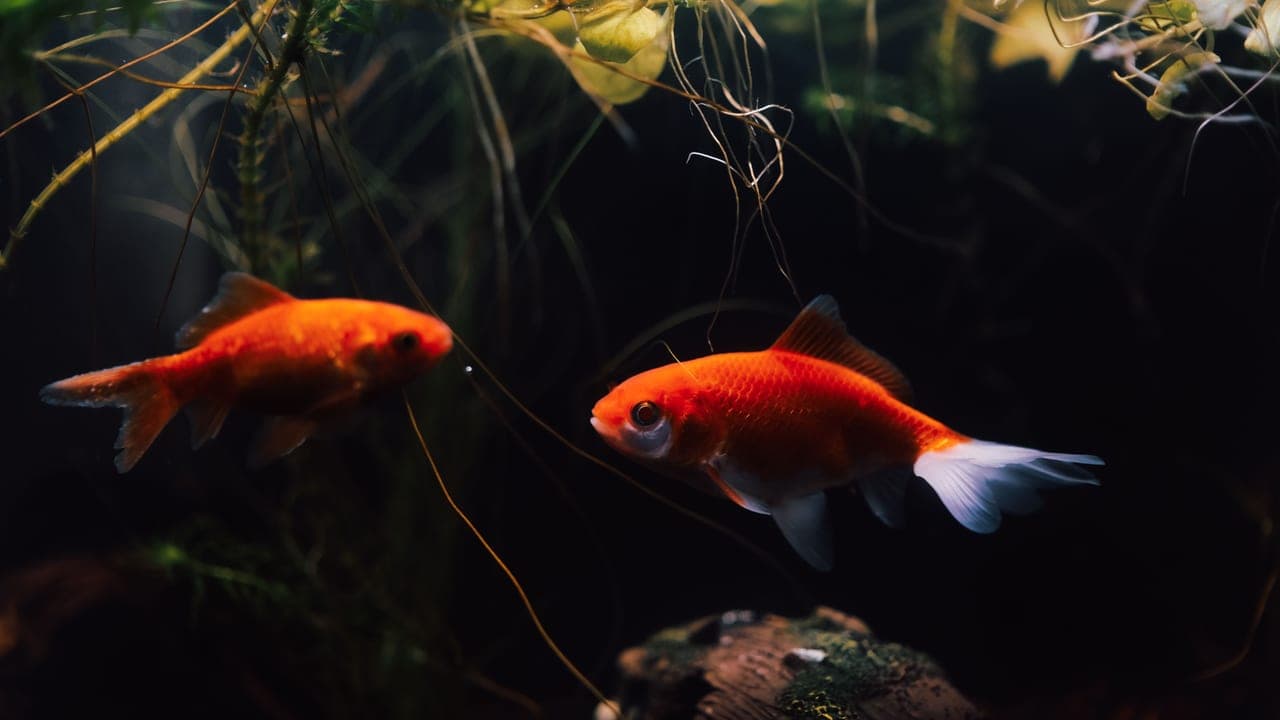
Goldfish
Goldfish are long-lived, social freshwater fish whose familiar image has been distorted by the tiny bowl.
Origin
🇨🇳 East Asia, with China as the historic center of goldfish domestication and ornamental selection
Overview
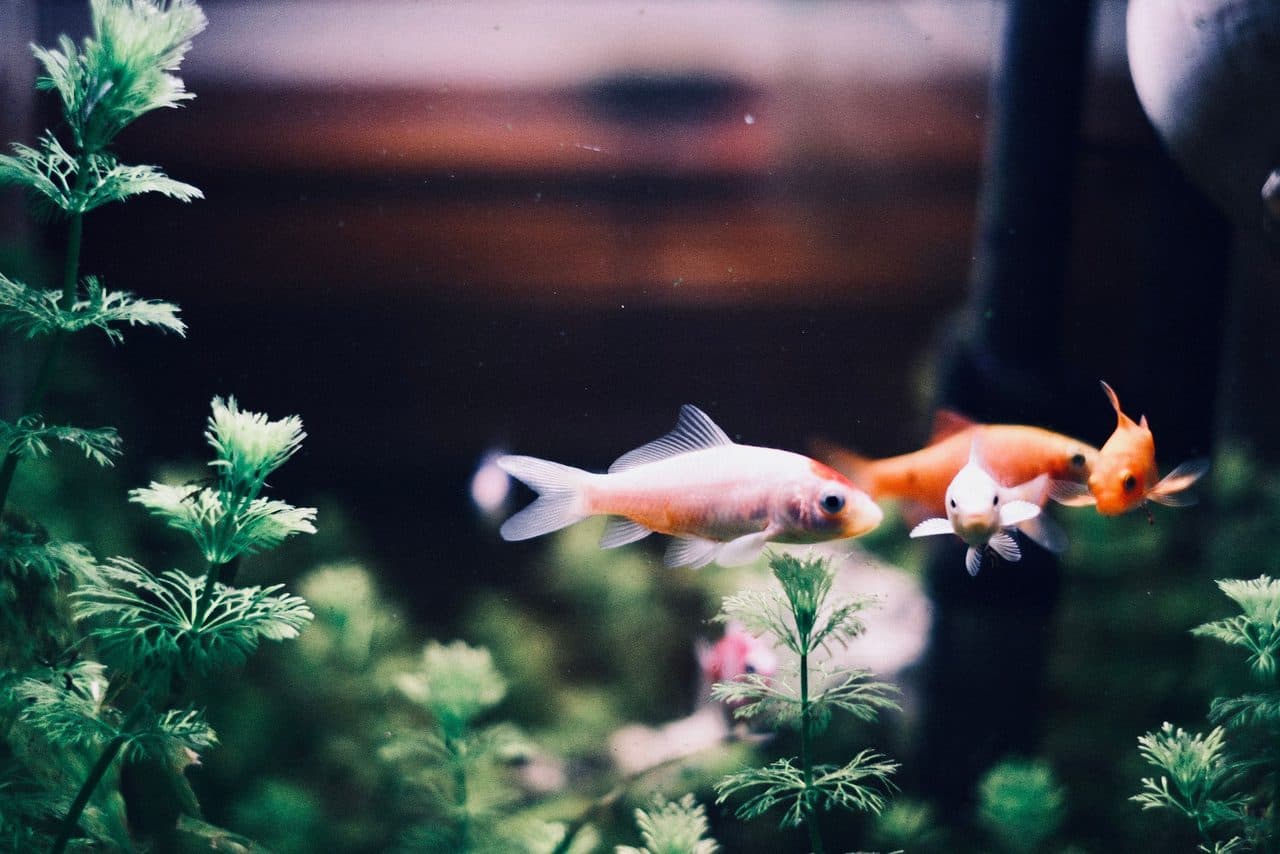
Goldfish are long-lived, social freshwater fish whose familiar image has been distorted by the tiny bowl. The species includes streamlined, single-tailed forms such as common goldfish, comets, and shubunkins, as well as compact, double-tailed fancy forms such as fantails. That distinction is a care decision, not a cosmetic footnote. Streamlined fish are strong, fast swimmers that commonly approach 30 to 33 centimeters and are usually best planned…
Temperament
History
Goldfish were domesticated in East Asia, with China as the historic center of ornamental selection. Long domestication and deliberate selection transformed a normally shaped carp-like fish into a wide range of colors, fin arrangements, eye forms, head growths, and body shapes. This history created remarkable diversity, but novelty has not always been benign. A normal, streamlined body with a dorsal fin supports efficient swimming, stable orientat…
Characteristics
Care Essentials
Diet
Goldfish are omnivores. Use a fresh, reputable, complete goldfish formulation as the nutritional foundation, stored as the manufacturer directs so heat, moisture, and age do not erode quality. Offer small portions once or twice daily, or otherwise in a little-and-often schedule suited to the individual system, and stop before food accumulates on the bottom. The useful measure is what all fish can consume promptly while maintaining healthy body condition and good water quality, not an arbitrary pinch. Appropriate plant and animal foods can add variety and foraging value, but extras should not displace the balanced staple. Watch access as carefully as ingredients: fast commons and comets can take food before slow, compact fancies, while impaired vision or heavy fins can make a fish miss floating food. Distribute food across more than one location or feed compatible body types separately when necessary. For a fancy fish that repeatedly takes in air at the surface or has a veterinarian-assessed buoyancy problem, an aquatic veterinarian may recommend changing pellet buoyancy or delivery; that is different from declaring every floating fish constipated. Do not use prolonged fasting, peas, salt, medication, or other popular remedies as universal treatment. First test water, review diet and intake, and seek a fish veterinarian when signs persist or the fish cannot feed normally.
Health
Prevention rests on stable water, oxygen, adequate space, balanced food, low stress, and biosecurity. Establish biological filtration without exposing fish to the ammonia and nitrite spike of a new system. Test chemistry rather than judging by clarity, maintain the filter without destroying its bacterial community, condition tap water, and match replacement water closely in temperature. Quarantine every new fish in a separate, fully supported tank for at least 30 days (guidance gives four weeks and 30 days; use the longer) before it shares water or equipment with the established group. Dedicated nets and siphons reduce cross-contamination. Warning signs include appetite or behavior change, abnormal breathing, surface gasping, isolation, flashing, clamped or damaged fins, skin or gill changes, ulcers, spots, swelling, wasting, and persistent buoyancy difficulty. Several diseases and husbandry failures can produce similar signs, so appearance alone rarely identifies a cause. If a fish floats, sinks, or lists, check temperature, ammonia, nitrite, nitrate, pH, oxygenation, recent feeding, and physical hazards. Contact an aquatic veterinarian the same day for surface gasping that continues after ammonia and nitrite both test zero, inability to right itself for more than 24 hours, an open ulcer or bleeding, protruding or clouded eyes, rapid one-sided gill movement, or two or more fish declining together. Contact within a few days for a buoyancy change that persists past 48 hours of confirmed-safe water, progressive weight loss, or a lesion that grows. Buoyancy is a function, and abnormal buoyancy is a symptom—not automatically a single swim-bladder disease. Never attach homemade weights or flotation devices, and do not give medication without a defensible diagnosis, exact system volume, and professional guidance.
Housing
Start with body form and adult size. Common, comet, and shubunkin goldfish are streamlined single-tails that commonly reach roughly 30 to 33 centimeters; a spacious, filtered pond with safe depth, shade, oxygenation, predator protection, and seasonal planning is usually the appropriate permanent home. If kept indoors, plan an unusually large, long aquarium—SPCA New Zealand specifically notes 200 liters or more for a common goldfish—rather than treating a juvenile tank as permanent. For moderate fancy forms, 75 liters for the first fish plus about 40 liters per additional fish is one published welfare rule; RSPCA Australia gives a 50-liter minimum and RSPCA UK gives at least 60 liters per goldfish. Use these figures as starting floors and increase volume for adult dimensions, number, activity, filter capacity, and maintenance reality. Favor at least four adult body lengths of tank length for fancies, strong surface gas exchange, and unobstructed turning room. Cycle the filter before stocking. Provide mechanical and biological filtration sized for a high-waste species, keep it running continuously, add aeration when surface movement or oxygen demand warrants it, and never place fish in an unfiltered bowl. Target stable pH around 6.5–7.5 where local source water permits, with ammonia and nitrite at zero. Temperature guidance ranges: 18–21°C is a practical general indoor band in SPCA New Zealand's myth guidance, its full guide lists 20–24°C, and RSPCA UK lists 10–21°C. This guide manages 18–24°C overall, typically 18–22°C for single-tails and 20–24°C for fancies. Choose a stable point inside that band to suit body type and acclimation, monitor it, and remember that warmer water carries less oxygen. Use conditioned water closely matched to the tank during partial changes. Many indoor rooms sit below 18°C or swing several degrees a day. Where the room cannot hold the chosen band, fit a thermostatically controlled aquarium heater set to the low end and verify it with a separate thermometer. Goldfish do not need tropical heat, but they do need a temperature that does not move. Fit a cover or a rim that leaves no open gap at the water line. Startled single-tails jump, and a fish found dry on the floor is a housing failure rather than an accident. For ponds, keep a margin of freeboard and secure netting where predators or jumping are a risk. Stock compatible fish with similar water and feeding needs; do not mix fast single-tails with slow fancies merely because both are goldfish. Quarantine additions for at least 30 days (guidance gives four weeks and 30 days; use the longer). Never release an unwanted goldfish into a waterway.
Activity
Goldfish exercise by swimming, exploring, foraging, choosing depth and current, and interacting with their surroundings. Provide a tank or pond long and wide enough for sustained forward movement and turning without repeated contact with walls or ornaments. A tall column with little horizontal footprint does not substitute for swim length or surface area. Streamlined single-tails need much more travel space and stronger-swimming companions; large pond planning is the humane default. Many fancies are slower and may tire in strong currents, so preserve high filtration capacity while diffusing the return or arranging calm zones. Enrichment can include robust live or fish-safe artificial plants, open swimming lanes, smooth cover, varied food placement, and periodic changes that remain predictable rather than startling. Every object must be evaluated against the actual fish: protruding eyes, fluid-filled eye sacs, long fins, head growth, or poor maneuverability make sharp edges, narrow openings, and abrasive surfaces more dangerous. Do not solve that vulnerability by consigning a fish to a tiny barren tank; choose safer complexity and reconsider whether an extreme body form should be bred or purchased.
Breeding
Goldfish are externally fertilizing egg scatterers. Seasonal and environmental cues can trigger females to release adhesive eggs over plants or similar structure while males release milt in the water. Adults do not provide dependable parental care and may eat eggs or fry, so intentional breeding requires a separate, cycled nursery system with protected filtration, appropriate cover, stable water, and food sized for developing fry. A crowded community tank is not a breeding plan. Before attempting a spawn, decide where potentially numerous offspring will live at adult size and whether suitable homes actually exist. Do not breed a fish whose absent dorsal fin, extreme body compression, eye sacs, obstructive head growth, impaired vision, poor swimming, chronic buoyancy difficulty, or other anatomy compromises normal function. Selecting two visually dramatic parents can perpetuate or intensify suffering in the next generation. Because sexing, conditioning, timing, egg care, and fry husbandry vary with fish and environment, seek an experienced welfare-focused breeder and aquatic veterinarian rather than manipulating temperature or diet from a generic recipe. This guide gives no breeding medication or hormone guidance.
Daily Care
Make observation the first daily task, before food changes behavior. Confirm that every fish is swimming with its normal effort, holding position and depth, breathing without obvious distress, responding to its environment, and reaching food. Look from both sides and above for new spots, ulcers, redness, frayed or clamped fins, swelling, abnormal thinness, eye changes, persistent surface gasping, bottom-sitting, isolation, or rubbing. Floating, sinking, listing, or rolling is a sign to investigate, not a diagnosis. Check temperature daily and verify that the filter and any aeration are running with their normal flow. Remove uneaten food and obvious debris without turning the habitat into a sterile box. Feed measured portions rather than pouring by habit; confirm that slower fish actually eat and that faster single-tails are not monopolizing food. Record unusual behavior, appetite, test results, maintenance, and additions so patterns are visible before a crisis. Test ammonia and nitrite immediately after any abnormal behavior and on a routine schedule even when the water looks clear. A mature system should read zero for both. Respond to a nonzero result with conditioned, temperature-matched partial water changes and a review of stocking, feeding, filter function, and cycling—not by assuming a bottled treatment will compensate for failing life support.
Maintenance
Goldfish do not need grooming, and routine handling is harmful rather than beneficial. Their skin, scales, fins, and protective mucus layer can be injured by dry hands, rough nets, contaminated tools, or unnecessary capture. Keep handling to the minimum required for transfer or veterinary care, use wet fish-safe equipment, support the body, and keep time out of water as short as possible. Habitat maintenance is not grooming the fish: siphon waste, remove uneaten food, manage algae without toxic household cleaners, and service mechanical filter media as its design requires. Preserve biological filtration by rinsing reusable media in removed tank water rather than untreated tap water, and never replace all mature media at once unless the manufacturer and an aquatic professional provide a safe transition plan. Clean little and predictably instead of conducting disruptive total tear-downs. Equipment used for quarantine should remain separate from the main system.
Seasonal Care
Single-tailed goldfish are pond-first fish, so seasonal management belongs in the care plan rather than in a footnote. Plan minimum depth for the local climate before building: SPCA New Zealand asks for a pond around 60 cm deep with at least 30 cm of available water, and Penn State Extension notes that a deeper pond is less likely to winterkill than a shallow one, comparing a 6-foot pond with a 3-foot pond of the same surface area. Through autumn, remove decaying leaves and dead plant material before freeze-up, because a bottom covered with leaves raises winterkill risk and decomposition keeps consuming oxygen under ice. Reduce feeding as the water cools and the fish slow, then stop while they can still clear what they have already eaten; digestion slows with temperature, and food left in the gut or on the bottom rots. The registered sources here do not publish one temperature at which that change should happen, so treat it as an observation-led decision confirmed with an aquatic veterinarian or a local pond authority rather than a threshold copied from a forum. In winter the goal is gas exchange, not a clear pond: ice blocks oxygen moving from air into water, so keep a small opening at the surface. Penn State Extension runs aeration to hold that open area while ice is present and turns it off once the pond is ice-free; position the air source to maintain the surface opening rather than to drive circulation down through the deepest, coldest water. Do not strike or break the ice above fish. Keep roughly 30 percent of the ice free of prolonged snow cover so enough light reaches the water for photosynthesis, and use a snow-clearing method only where the ice is genuinely safe for it. Net against leaf fall and against predators such as birds, which SPCA New Zealand pairs with fencing as a practical deterrent. Summer reverses the problem: warm water holds less dissolved oxygen, pond water at saturation carries only about 10 to 12 mg/L, levels below roughly 6 mg/L begin to harm pond life, and a summer algae die-off is the most common route to an oxygen crash and a fish kill. Increase aeration and shade through hot spells, and treat still warm water plus heavy feeding as the highest-risk combination of the year.
Behavior And Enrichment
The three-second-memory claim is false. Goldfish learn routines, respond to consistent feeding cues, and can use remembered information over far longer periods. Training should enrich the fish's day and support husbandry, not force stunts. A keeper can pair a gentle visual target or consistent station with a small portion of the normal ration, rewarding the fish for approaching voluntarily. Stationing can help confirm appetite, observe each individual, and deliver food fairly in a group. Keep sessions brief, predictable, and within the normal food allowance. Avoid tapping glass, sudden chasing, repeated capture, jumping tasks, starvation-based motivation, bright torches held against the glass, or any obstacle that risks eye sacs, fins, scales, or collision. Account for visual impairment and swimming ability: a slow or visually limited fancy may need a large, high-contrast target and a calm feeding area, whereas a streamlined fish can negotiate more current and distance. Success is voluntary engagement without frantic movement, gasping, collision, or loss of normal behavior.
Gallery
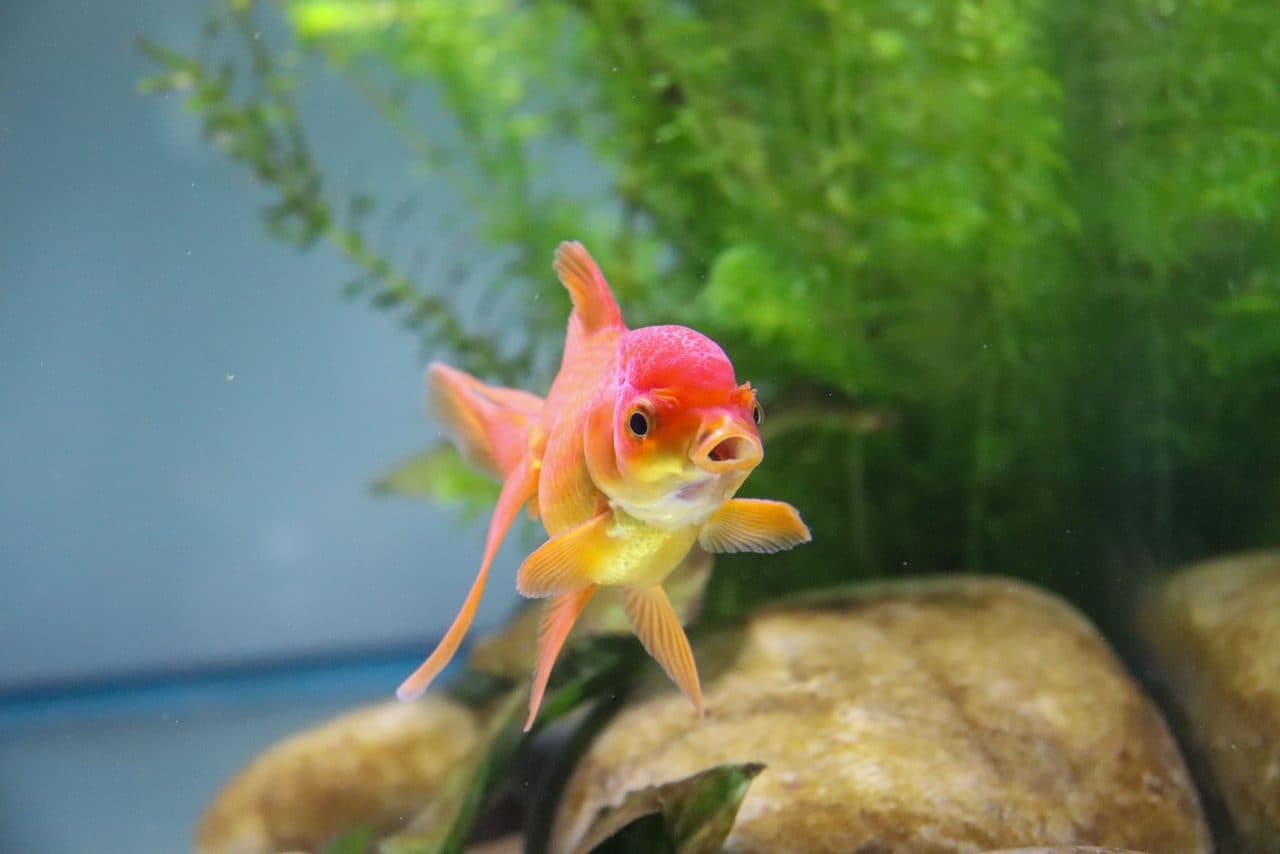
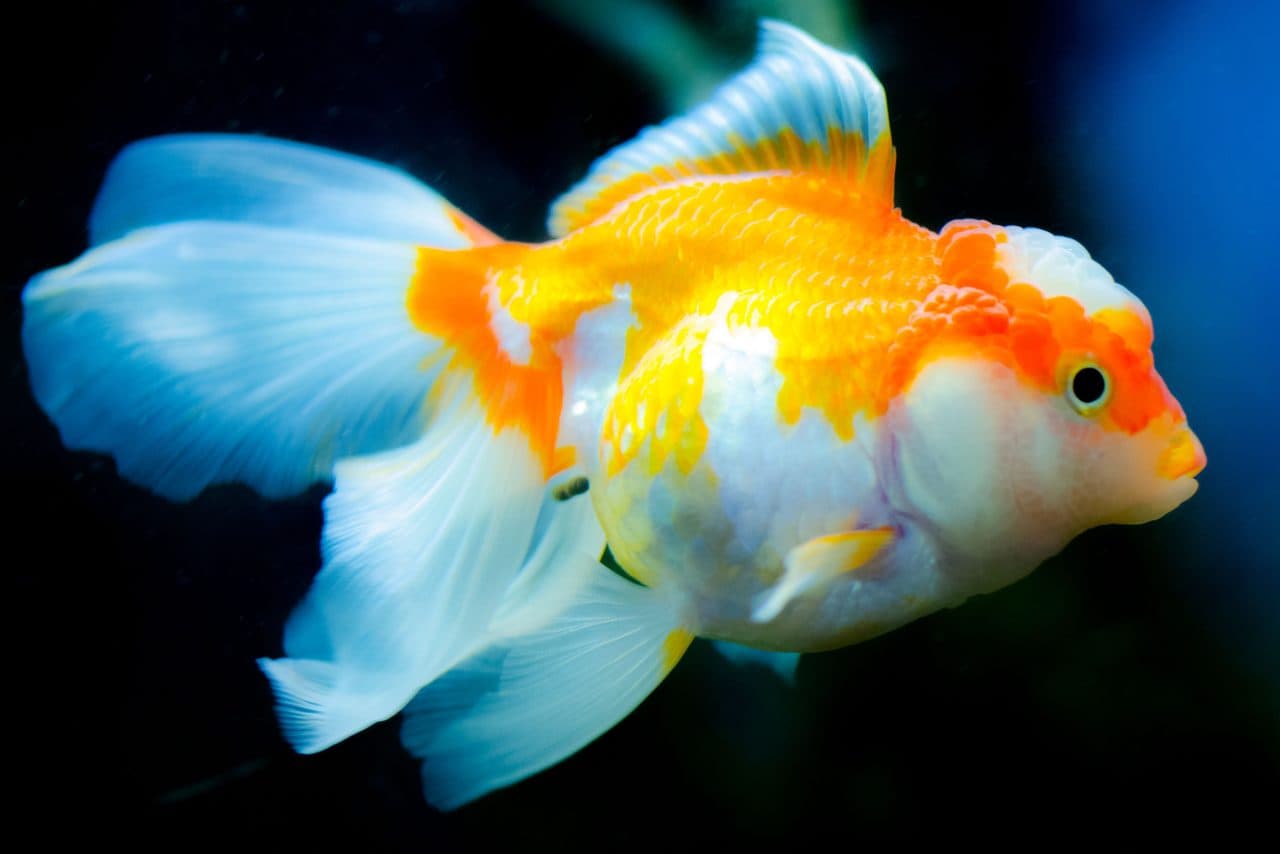
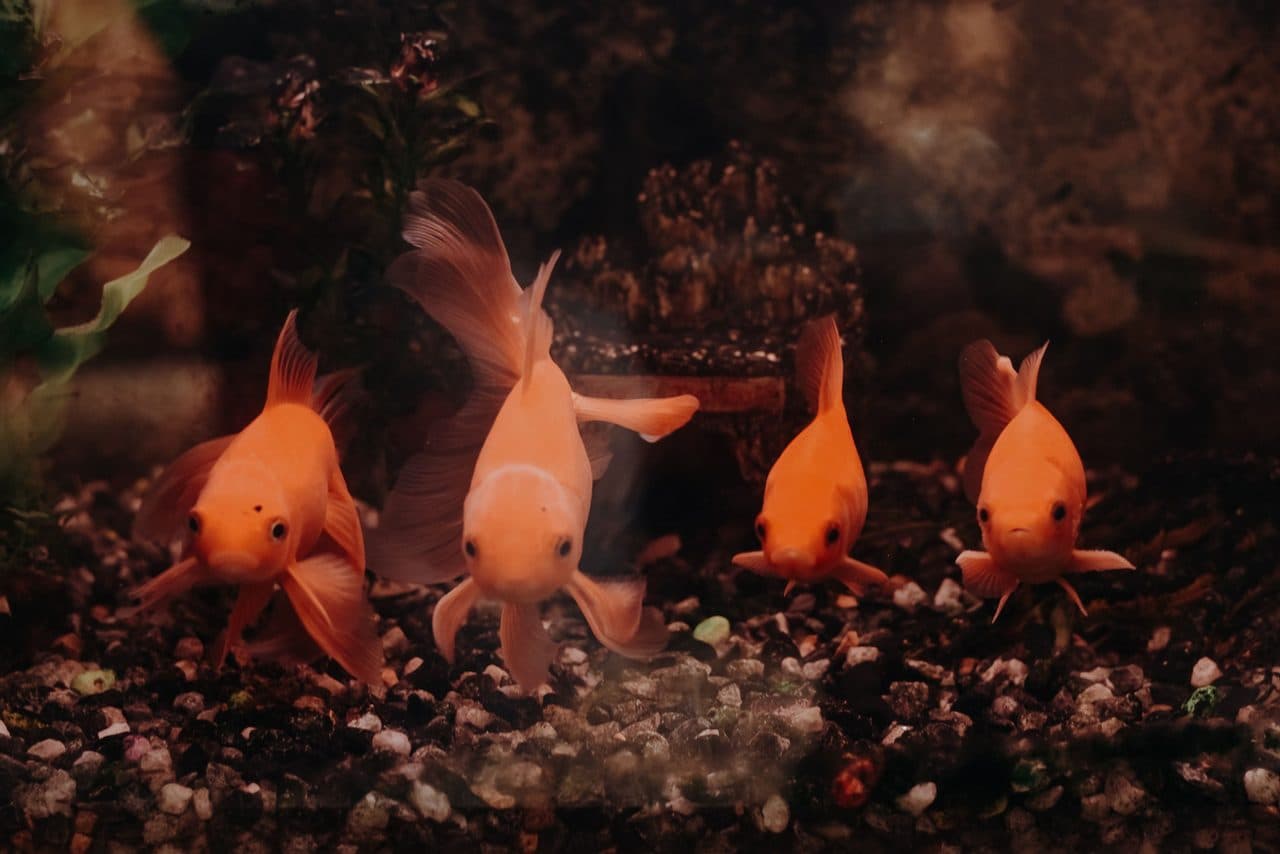
Frequently Asked Questions
What tank size does a goldfish really need?
Can goldfish live in a bowl, and will a small bowl keep them small?
Does my goldfish need a heater, and what happens to a pond in winter?
Can common, comet, or shubunkin goldfish live with fancy goldfish?
What temperature and water chemistry are best for goldfish?
What and how often should I feed a goldfish?
Why is my goldfish floating, sinking, or swimming on its side?
How long do goldfish live, and how do I protect an established group when adding one?
Recommended for Goldfish Owners
As an Amazon Associate, we earn from qualifying purchases made through these links, at no extra cost to you.
Related Breeds
- Aquatics
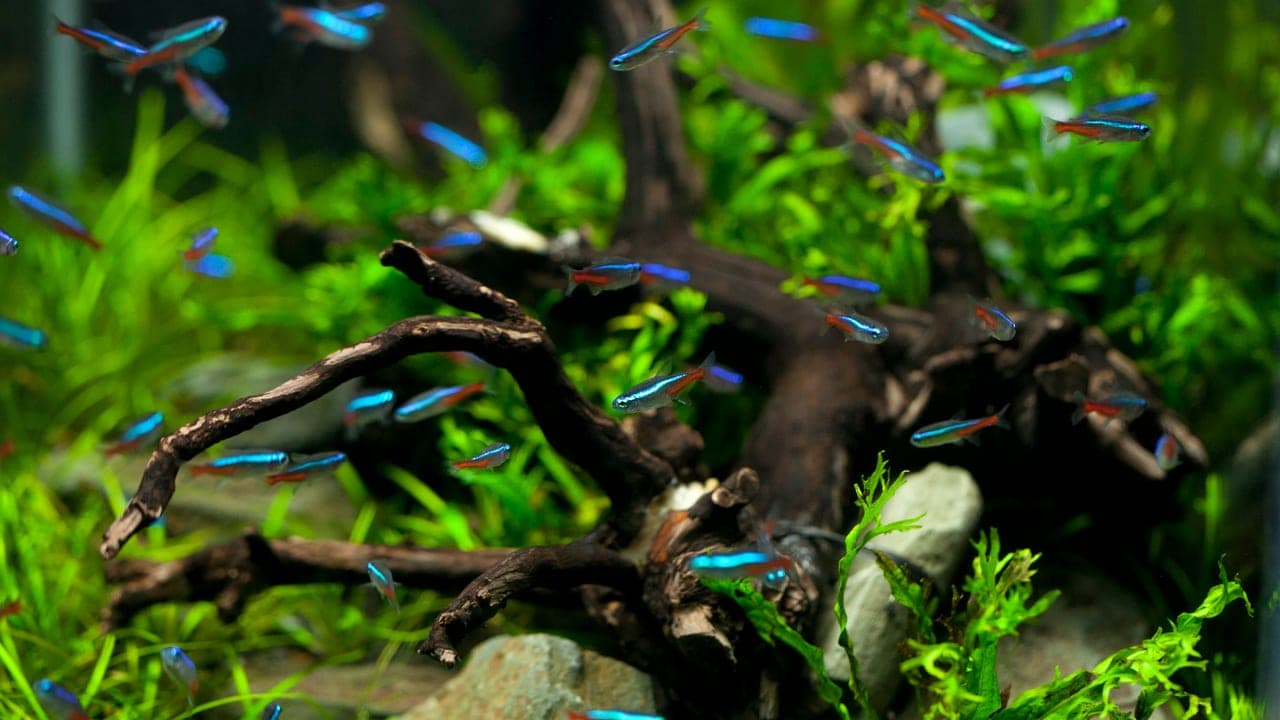
Neon Tetra
schooling
Tropical South America, especially blackwater and clearwater tributaries associated with the Solimoes River basin; most aquarium fish are commercially produced rather than collected from a single uniform wild habitat. - Aquatics
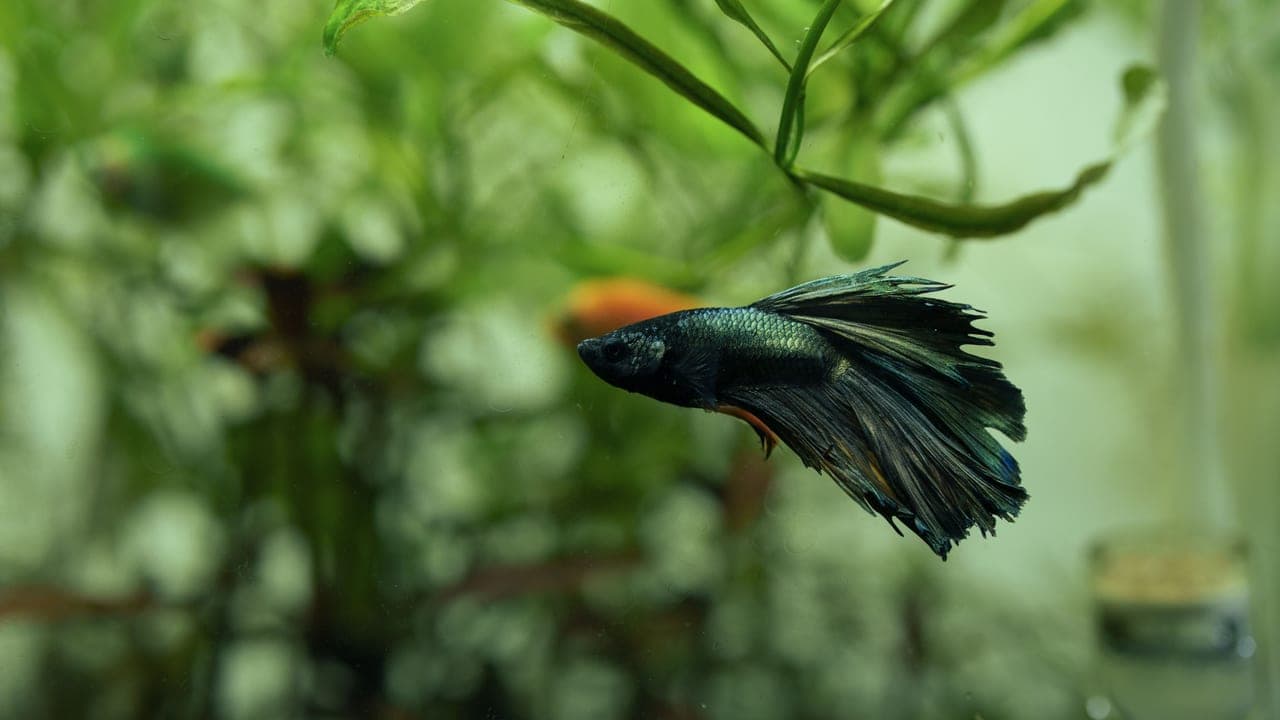
Betta Fish
inquisitive and individually variable
Tropical Southeast Asia, especially the Mekong basin and Thailand; domestic ornamental lines have been selectively bred far beyond the wild-type form. - Aquatics
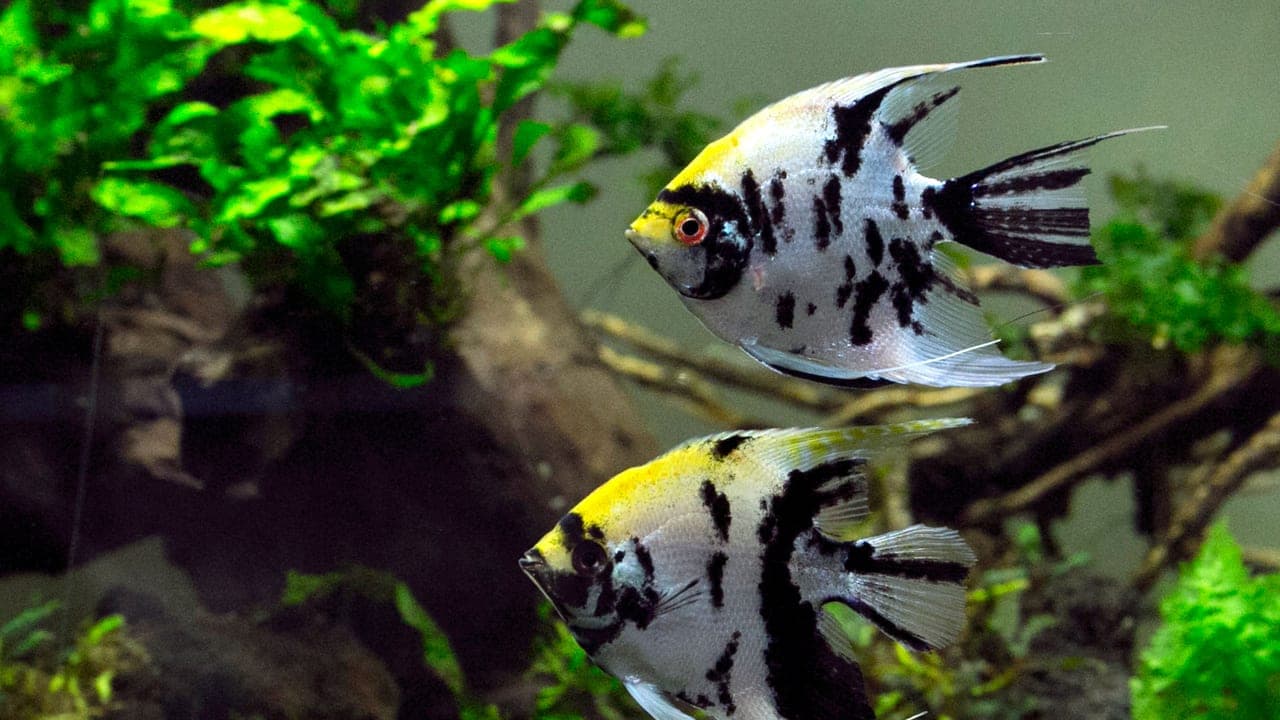
Freshwater Angelfish
socially complex
Tropical South America, principally the Amazon basin in Peru, Colombia, and Brazil, with records from the rivers of Amapá, the Oyapock drainage in French Guiana, and the Essequibo in Guyana. - Aquatics
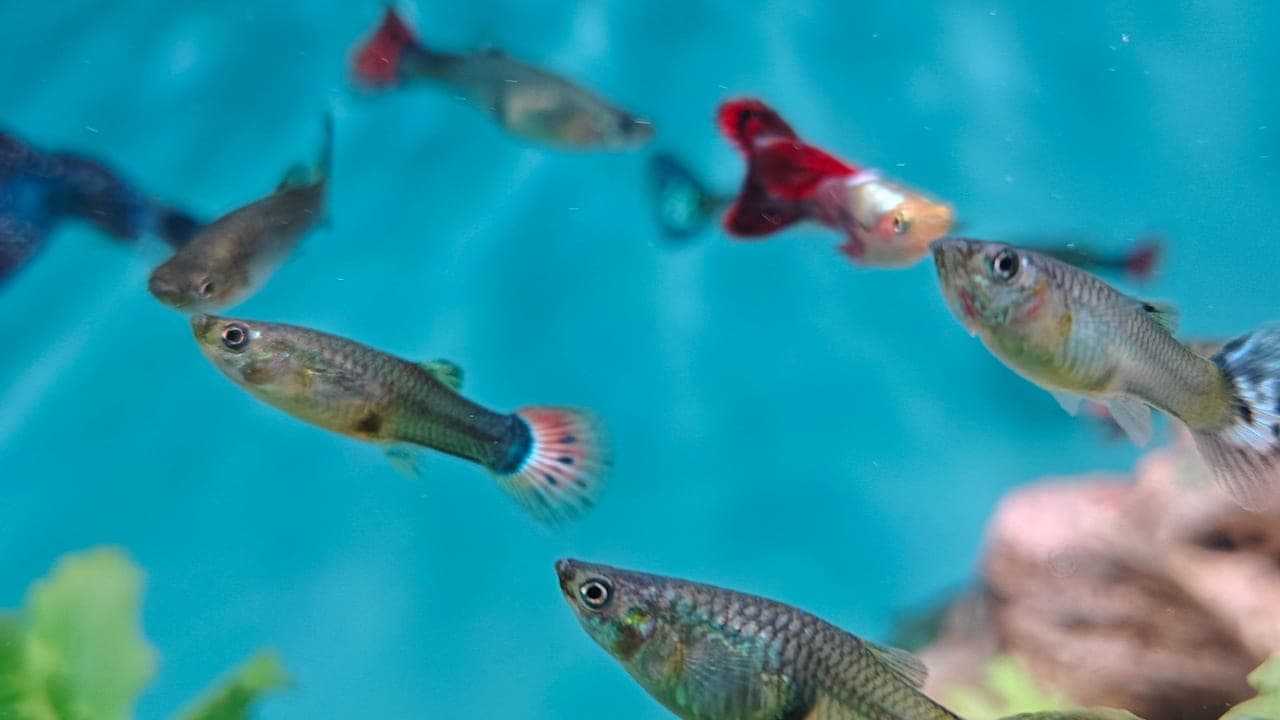
Guppy
social
Trinidad and Tobago and northern South America, including Venezuela, Guyana, Suriname, and northern Brazil
Goldfish Care Summary
Choose the permanent habitat before choosing the fish. For a single moderate fancy goldfish, SPCA New Zealand offers 75 liters as a starting rule, plus roughly 40 liters per additional fish, together with tank dimensions based on adult body length. RSPCA Australia publishes a lower 50-liter minimum, while RSPCA UK says goldfish require at least 60 liters each. Those figures are regional welfare floors, not proof that every goldfish thrives at one universal volume. Streamlined common, comet, and shubunkin goldfish are a different planning case: they commonly become about 30 to 33 centimeters and should be treated as pond-first fish; SPCA New Zealand notes that a common goldfish kept indoors may require 200 liters or more. Favor a long, wide system over a tall decorative one, because horizontal swimming room and surface gas exchange matter. Run an appropriately sized filter continuously, establish the nitrogen cycle before stocking, add aeration where needed, and use liquid tests rather than water clarity to assess safety. Keep ammonia and nitrite at zero or below the test's detectable range, control nitrate through stocking, plant growth, maintenance, and partial changes, and match conditioned replacement water closely for temperature. Feed a complete goldfish food in small measured portions, supplemented only with species-appropriate variety, and observe every fish daily. Quarantine newcomers separately for at least 30 days (guidance gives four weeks and 30 days; use the longer). Persistent floating, sinking, listing, appetite change, rapid breathing, clamped or damaged fins, lesions, color change, or isolation calls for water testing and an aquatic veterinarian—not a reflex diagnosis or improvised medication.
Sources
These are the published sources this page draws on. Each opens in a new tab so you can check it yourself.
SPCA New Zealand
Caring for Goldfish(opens in a new tab)RSPCA
Choosing an Aquarium for Pet Fish(opens in a new tab)SPCA New Zealand
Debunking Goldfish Myths(opens in a new tab)SPCA New Zealand
Implications of Breeding Goldfish(opens in a new tab)RSPCA Australia Knowledgebase
How Should I Care for My Goldfish?(opens in a new tab)Royal Veterinary College
Goldfish Care(opens in a new tab)Aquatic Veterinary Services of Northern California
Fancy Goldfish Buoyancy Help(opens in a new tab)FishBase
Carassius auratus (Goldfish) Species Summary(opens in a new tab)University of Michigan Museum of Zoology / Animal Diversity Web
Carassius auratus (Goldfish) Species Account(opens in a new tab)U.S. Geological Survey
Nonnative Fishes in the Upper Mississippi River System(opens in a new tab)UF/IFAS Extension
Submission of Fish for Diagnostic Evaluation(opens in a new tab)UF/IFAS Extension
Ichthyophthirius multifiliis (White Spot) Infections in Fish(opens in a new tab)UF/IFAS Extension
Introduction to Fish Health Management(opens in a new tab)Merck Veterinary Manual
Common Signs of Illness in Fish(opens in a new tab)Merck Veterinary Manual
Breeding and Reproduction of Fish(opens in a new tab)