
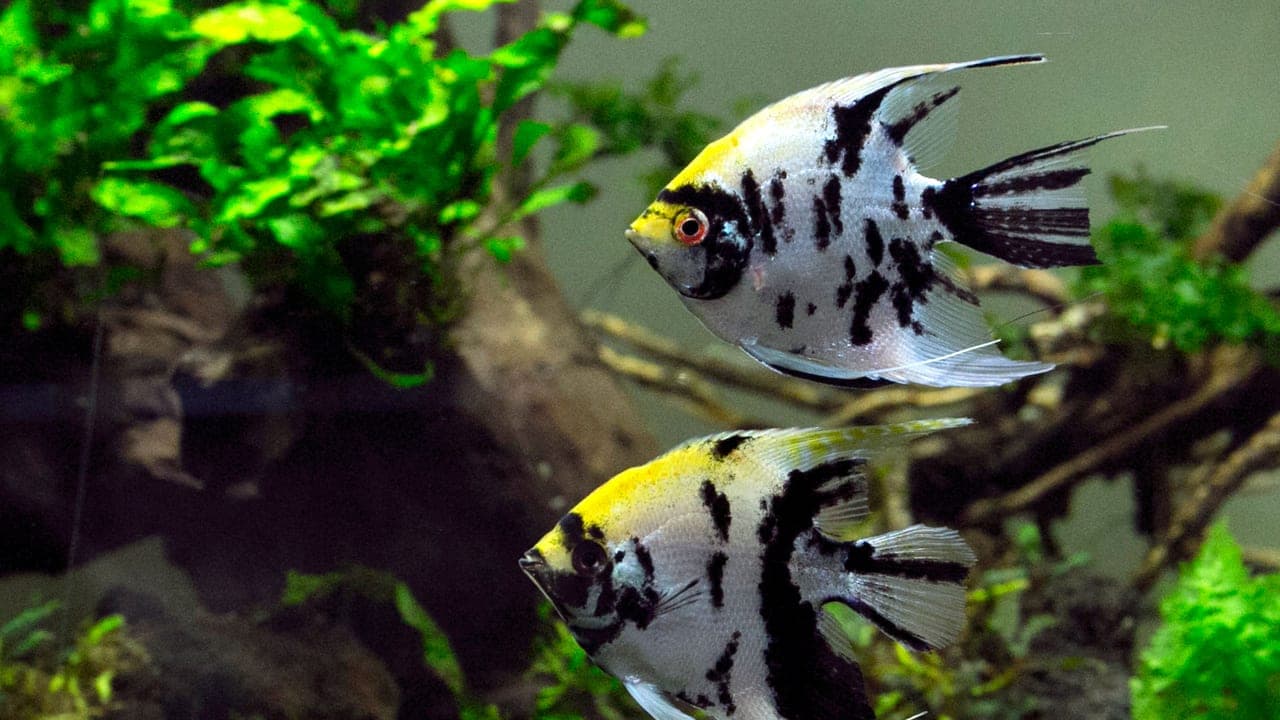
Freshwater Angelfish
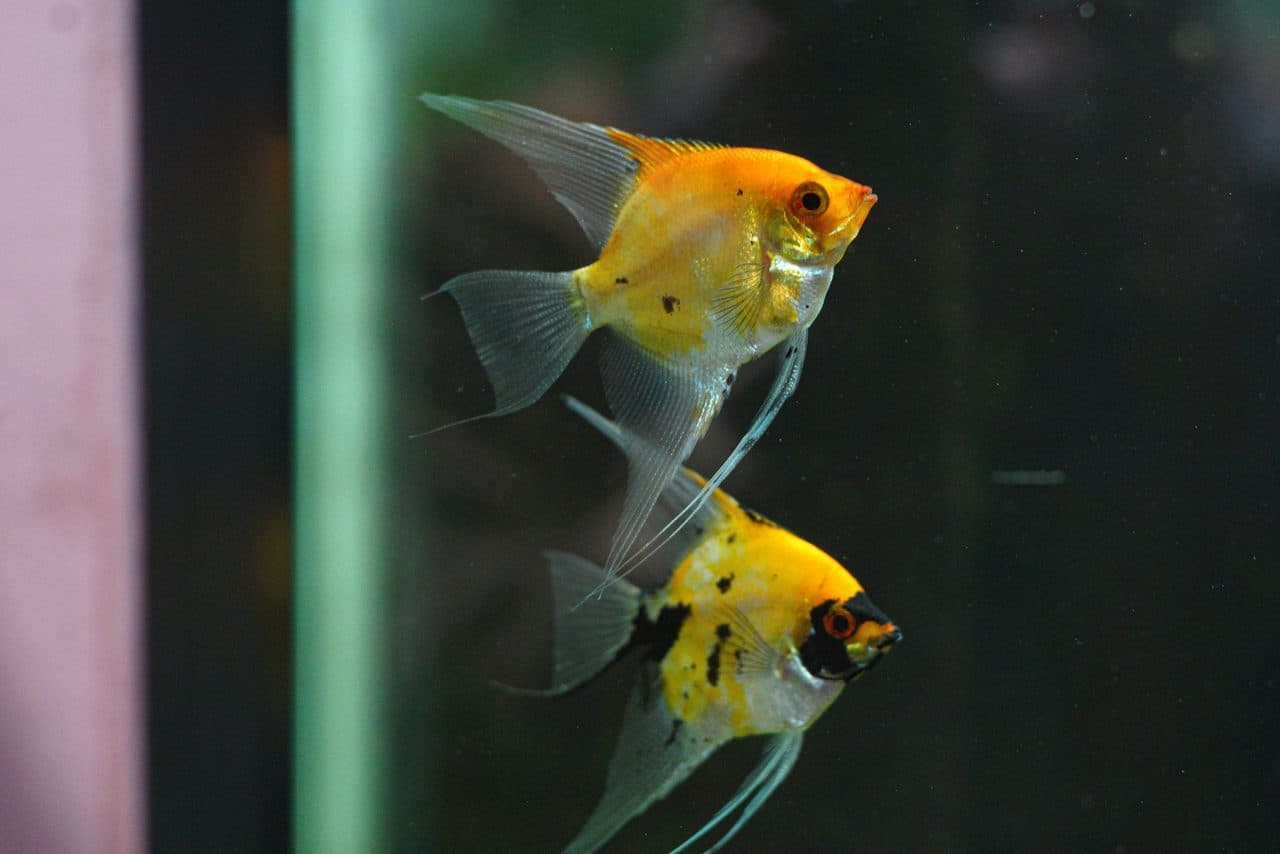
Freshwater Angelfish are tall-bodied South American cichlids, not delicate ornaments that can be fitted into any peaceful community aquarium.
Origin
🇧🇷 Tropical South America, principally the Amazon basin in Peru, Colombia, and Brazil, with records from the rivers of Amapá, the Oyapock drainage in French Guiana, and the Essequibo in Guyana.
Overview
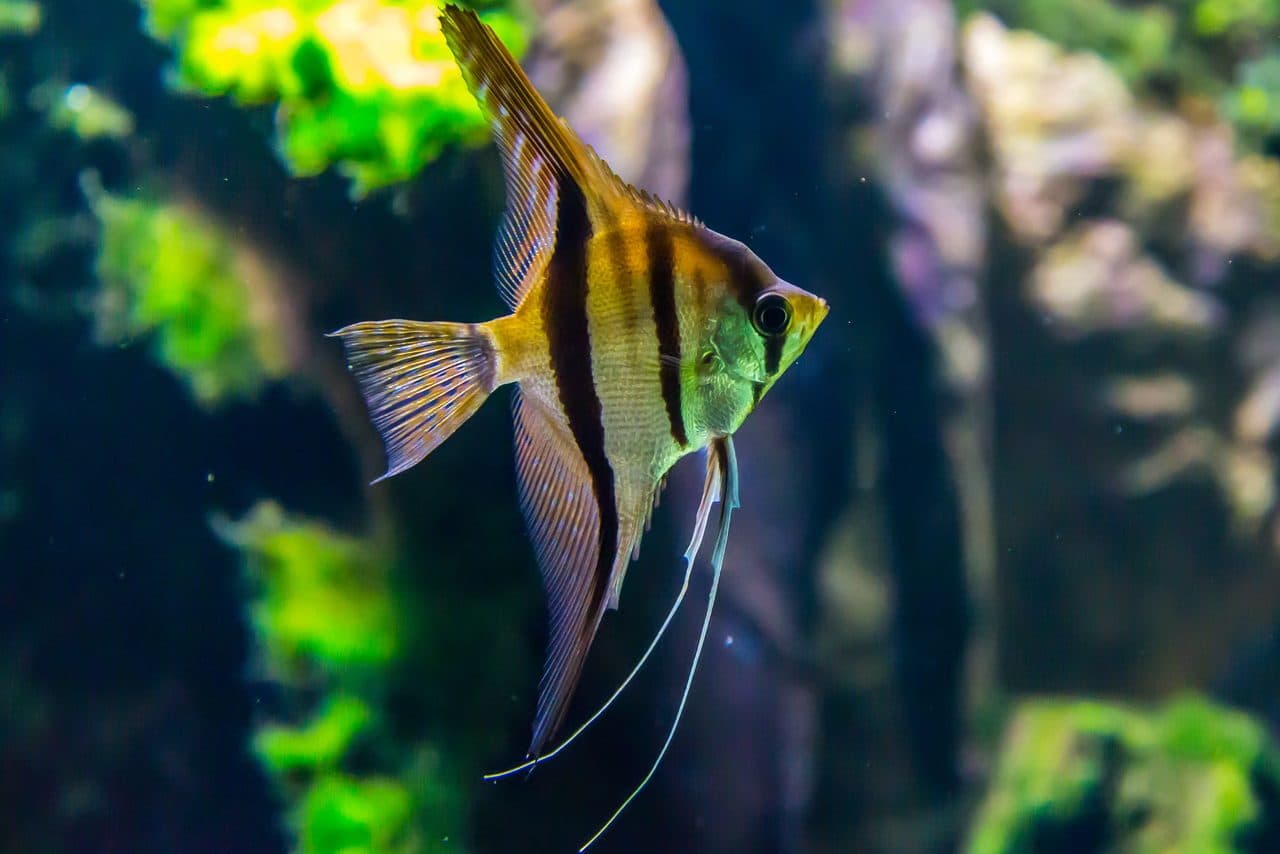
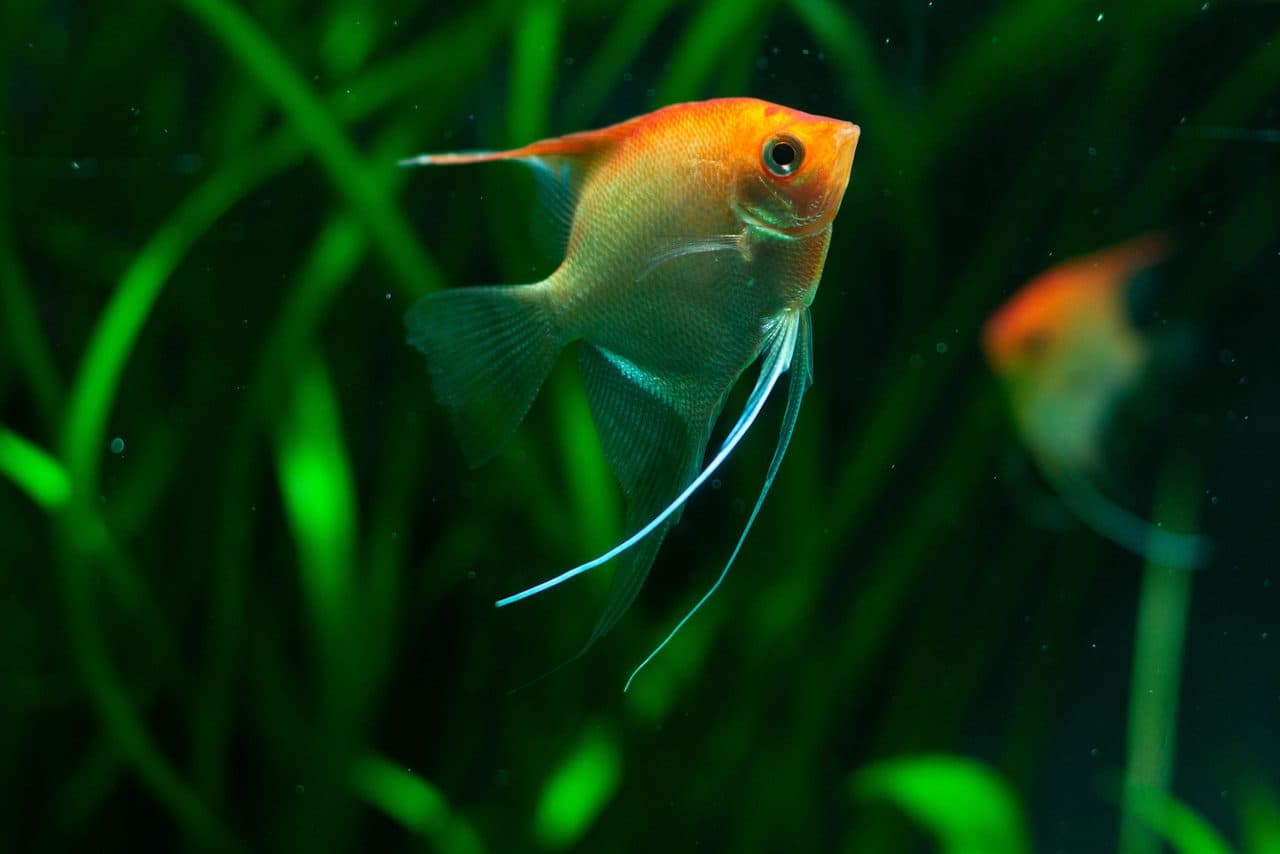
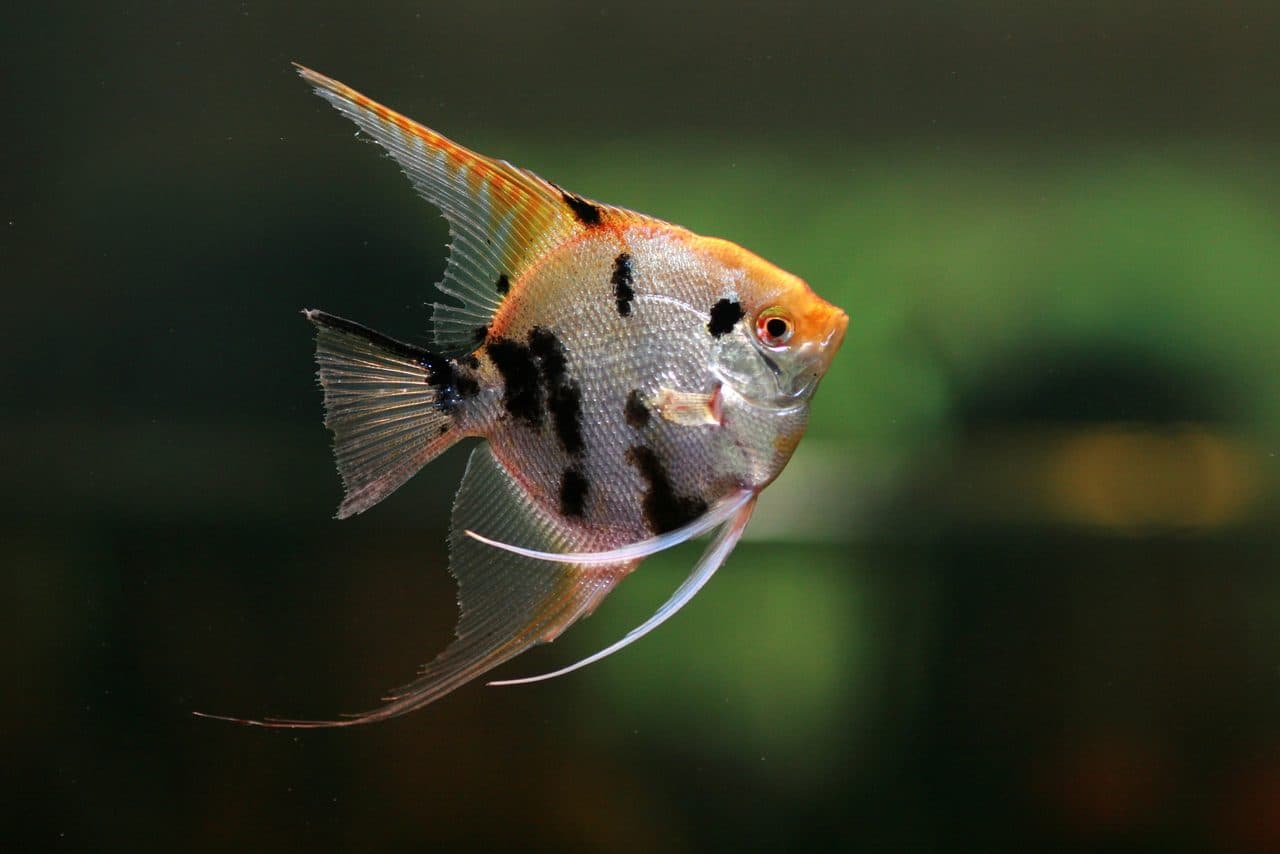
Freshwater Angelfish are tall-bodied South American cichlids, not delicate ornaments that can be fitted into any peaceful community aquarium. The long dorsal and anal fins can bring an adult to roughly 20 centimeters in total height even when body length is nearer 15 centimeters. That geometry changes the housing decision: liters alone are not enough. A suitable aquarium must be at least about 45 centimeters high, provide a long horizontal footpr…
Temperament
History
Pterophyllum scalare belongs to Cichlidae and is one of three recognized species in the genus Pterophyllum. FishBase records it from the Amazon basin in Peru, Colombia, and Brazil, including the Ucayali, Solimões, and Amazon rivers, as well as northern South American drainages. Adults are associated with swamps and seasonally flooded areas where dense aquatic and river-edge vegetation creates vertical structure in clear or silty water. The compre…
Characteristics
Care Essentials
Diet
Make a complete commercial food formulated for cichlids or tropical omnivores the dietary base. Choose a particle size each fish can take cleanly, and use sinking or slow-sinking formats when surface competition excludes a subordinate. One or two modest meals per day is a practical adult starting pattern from veterinary husbandry guidance, with only the amount consumed promptly. It is not a universal pellet count. Age, temperature, body condition, growth, reproductive state, food energy, and the number of competing fish all change an appropriate ration. Remove leftovers because excess food increases waste and can destabilize a system long before a fish looks overfed. Angelfish feed on animal material in nature and captive studies describe omnivory with a carnivorous tendency. Safely cultured or properly handled frozen invertebrate foods can provide variety and foraging opportunities. They should supplement rather than displace a complete staple. Avoid unverified wild-caught foods that may introduce contaminants or pathogens, thaw and handle frozen food hygienically, and discard spoiled product. Do not use mammal meat or one live prey item as a complete diet. Published studies of digestive function and experimental feeds demonstrate that life stage and formulation affect nutrient use, growth, and reproductive performance. They do not validate a home-made recipe from a study ingredient list, nor do they establish that more protein is always better. Judge feeding by longitudinal body condition, growth, behavior, access, and water-quality load. Persistent food refusal, wasting, a swollen abdomen, inability to swallow, or one fish repeatedly missing meals requires environmental and social review and, if persistent or severe, veterinary assessment.
Health
Disease prevention starts with a fishless-cycled aquarium, stable species-appropriate water, restrained stocking, complete nutrition, quarantine, and control of social injury. Merck’s aquarium-fish management guidance emphasizes environmental stability and biosecurity because pathogens, transport stress, crowding, toxins, nutrition, and handling interact. New fish should enter a separate heated, filtered quarantine system with dedicated nets, siphons, and containers. Observe appetite, swimming, respiration, skin, fins, and waste through a meaningful quarantine period chosen with a fish veterinarian or qualified aquatic-health source. Do not share quarantine water with the established aquarium. Act on a sustained change from a fish's own baseline, not on one odd moment. The warning-signs list in this profile names each change worth acting on. It covers breathing, balance, appetite, fins, skin, and body shape. These signs overlap among poor water quality, toxic exposure, trauma, aggression, nutrition problems, parasites, and bacterial disease. A visible pattern may narrow a professional differential diagnosis. It does not give a home keeper a confirmed cause. Check water quality first. Verify equipment, then test temperature, ammonia, nitrite, nitrate, and pH. Preserve a pre-change water sample when practical and document recent events. If ammonia or nitrite is present, make conditioned, temperature-matched partial water changes. Separate a victim from active aggression into already mature housing. Contact a fish-experienced veterinarian promptly for respiratory distress, severe injury, inability to swim normally, marked swelling, rapid deterioration, or several affected animals. Do not stack broad-spectrum products, use routine medication, or copy drug and dye instructions from old hatchery literature.
Housing
Use a level, structurally supported aquarium with at least 45 centimeters of usable water-column height and a long horizontal footprint. For a compatible pair, 110–120 liters is the veterinary care-sheet floor; for a group, 200 liters or more is the starting floor. FishBase also lists 100 centimeters as minimum aquarium length. Volume, length, and height describe different constraints, so none should be substituted for the others. Increase capacity for tankmates, very tall-finned forms, retained offspring, heavy planting that displaces swimming room, or a social arrangement that cannot establish several territories. Maintain 24–28°C with a thermostatically controlled heater and verify with a separate thermometer. Hold pH around 6.5–7.5 in soft to moderately hard water, adapting gradually to known source water and the fish’s history. FishBase’s 24–30°C, pH 6.0–8.0, and 5–13 dGH values are broad records, not instructions to oscillate between endpoints. Stability is preferable to frequent chemical correction. Condition municipal water, match temperature during partial changes, and never expose fish to soap or household cleaning products. Complete a fishless nitrogen cycle before arrival. Biological filtration must process expected waste so ammonia and nitrite remain at 0 mg/L. Use efficient mechanical filtration for solids and provide adequate surface movement and oxygen exchange, but diffuse a jet that forces tall fish to shelter continuously. Monitor nitrate as a tank-specific trend and schedule regular partial water changes based on tests, source water, feeding, stocking, and plant uptake. Rinse reusable media in removed aquarium water and stagger replacement so biological capacity is preserved. A calendar cannot replace measurements. Create several vertical visual boundaries with tall plants, broad leaves, wood, or aquarium-safe panels. Preserve open midwater lanes, a quiet refuge for each socially vulnerable fish, and access to the surface. Secure the lid because startled fish can jump. Protect heaters and intakes, stabilize wood and rock, and avoid narrow crevices that admit the body but trap extended fins. Use a regular photoperiod and a dark rest period; control strong reflections that provoke repeated display. Plan for failure before stocking. A second aquarium or divider must be mature, adequately heated and filtered, and large enough for more than emergency overnight confinement. It should not be a cold bowl assembled after an attack. Power-outage planning should address heat, oxygenation, and filter biology. Keep water conditioner, tests, a battery air option where outages are plausible, and dedicated quarantine equipment. Environmental resilience is part of the tank-size decision.
Activity
Angelfish exercise through cruising, turning, station-holding, exploring vertical structure, foraging, courtship, and social choice. Provide a tall aquarium with a long open midwater route rather than a high-volume cube packed so densely that the fins cannot clear the décor. Use plants and upright wood to create several visual territories, but leave wide routes around them. Secure hardscape and shield sharp edges, narrow slots, and filter intakes. A long-finned domestic form may need gentler current and more turning clearance than a shorter-finned fish. Do not create exercise by chasing, tapping, strong jets, or repeated netting. A fish continuously swimming into glass, pacing one boundary, hiding only behind the filter, or struggling to hold position may be responding to reflection, current, social exclusion, or stress rather than enjoying activity. Adjust the cause, then compare behavior over several calm observation periods. Experimental enrichment work used a package of sand, stones, plants, and interspecific social stimulation and found a difference in estimated telencephalic cell number compared with barren conditions. Because the features were combined, it cannot identify which object mattered most or prove a direct welfare outcome. The responsible application is to provide safe spatial complexity, novelty in moderation, and choice—not to copy the study density or add an unsuitable species merely as stimulation.
Breeding
Angelfish are substrate-spawning cichlids. A courtship pair cleans a broad leaf, slate, wood surface, or other vertical site; the female deposits adhesive eggs and the male fertilizes them in alternating passes. Both parents may fan, clean, guard, and later move the developing young. Territorial defense can intensify before eggs are visible and can turn a previously quiet community into a dangerous enclosure for other fish. The Texas Sea Grant bulletin uses at least 120 liters when a pair will rear fry and emphasizes separating a courting pair from aggression by or toward tankmates. That production figure is not a guarantee of welfare or enough capacity for every brood and layout. Do not force a breeding project by buying two fish and confining them together. External sex differences can be unreliable outside reproductive condition, and arbitrary pairs may fight. Starting with juveniles in a sufficiently large managed group allows natural social choice, but it also creates an obligation to move excluded fish and to house a pair separately when necessary. A cycled spare aquarium, appropriately protected filtration, food for fry, water-testing capacity, and responsible placement plan must exist before intentionally retaining eggs. Pair cooperation during a breeding cycle should not be described as marriage for life. The serial-monogamy study observed partner changes after breeding cycles under both semi-natural and experimental conditions. Domestic pairs may remain together for extended periods, change partners, or become aggressive after a failed spawn. Continue monitoring both individuals and provide separation when one fish cannot retreat, feed, or maintain normal behavior. The Sea Grant document includes older egg-removal chemicals and production practices. They are not repeated here. Egg loss, white eggs, parental egg-eating, or failed spawns can relate to fertilization, water, disturbance, parental experience, infection, or other factors and should not trigger improvised chemical treatment. Breeding should be optional, not framed as necessary for health, and surplus fish must never be released into natural water.
Daily Care
Observe the aquarium before food changes behavior. Confirm that the heater, thermometer, filter, and surface movement are functioning, then account for every angelfish. Compare each fish with its own baseline: position in the tank, orientation, fin carriage, breathing effort, color, response to the keeper, and willingness to leave cover. A subordinate fish that remains hidden, is pinned into a corner, or approaches food and is immediately displaced may be experiencing a social problem even when no wound is visible. Record repeated pursuit, lip-locking, charging, boundary defense, or a new pair occupying most of the tank. Do not wait for torn fins before creating distance or using prepared separation housing. Feed where all fish can be seen and distribute the ration so one dominant individual cannot take everything. Remove uneaten food and inspect waste without treating color or shape as a stand-alone diagnosis. Check plants, wood, intakes, and narrow gaps for a fish that has become trapped. Preserve a regular light-dark schedule and avoid striking the glass, sudden overhead movement, or abrupt room-light changes that can startle tall fish into lids or décor. Use objective water measurements whenever behavior changes. Test temperature, ammonia, nitrite, nitrate, and pH; review recent water changes, filter cleaning, power interruptions, new livestock, spawning activity, and feeding. Clear water is not proof of a working nitrogen cycle. In a mature system ammonia and nitrite should remain undetectable. A detectable result calls for confirmation, conditioned temperature-matched partial water changes appropriate to the situation, reduced waste input, and investigation of filter capacity or damage. Keep a dated log so a veterinarian can distinguish an isolated observation from a trend.
Maintenance
Freshwater Angelfish do not need handling, brushing, fin trimming, or removal from water for cosmetic care. Their skin and protective mucus layer are vulnerable to abrasion, dry contact, and unnecessary netting. The keeper’s equivalent of grooming is maintaining the environment and inspecting without pursuit: preserve clean stable water, remove decaying material, protect long fins from rough décor and uncovered intakes, and watch whether injury is being caused by another fish. If transfer is necessary, prepare the destination and route before capturing the fish. Use clean, appropriately sized equipment, minimize pursuit, support the tall body and fins in water as much as possible, and match temperature and chemistry. Never lift an angelfish for a routine photograph or cut a damaged fin at home. Ragged fins can result from aggression, objects, water-quality stress, or disease; correct obvious environmental hazards and seek veterinary advice when damage is severe, inflamed, progressing, or accompanied by systemic signs.
Behavior And Enrichment
Angelfish can learn routines and discriminate quantities and social stimuli, but training should support husbandry rather than entertainment. Use a consistent visual cue before feeding, place food at more than one station, and reward calm approach. Over time, a fish may learn to enter a clear container or approach a target, making observation or transfer less stressful. Keep sessions short, use part of the normal ration rather than extra calories, and stop when fish darken, flee, refuse food, or begin fighting over the station. Do not use mirrors, tapping, predatory images, or forced territorial displays as routine stimulation. Apparent boldness can reflect aggression or food anticipation rather than positive welfare. Familiarity and social status influence angelfish choices, so a technique that works for the dominant fish may suppress a subordinate. The useful outcome is that every fish can be counted, observed, and fed with less disturbance—not that it performs a trick on command.
Gallery
Frequently Asked Questions
What tank size does a Freshwater Angelfish need?
Should I keep one angelfish, a pair, or a group?
Can Freshwater Angelfish live with Neon Tetras or other community fish?
What temperature, pH, and water quality should I maintain?
What should Freshwater Angelfish eat?
Do Freshwater Angelfish mate for life, and how do they breed?
How long do Freshwater Angelfish live?
What illness warning signs matter, and what should I do first?
Recommended for Freshwater Angelfish Owners
As an Amazon Associate, we earn from qualifying purchases made through these links, at no extra cost to you.
Related Breeds
- Aquatics
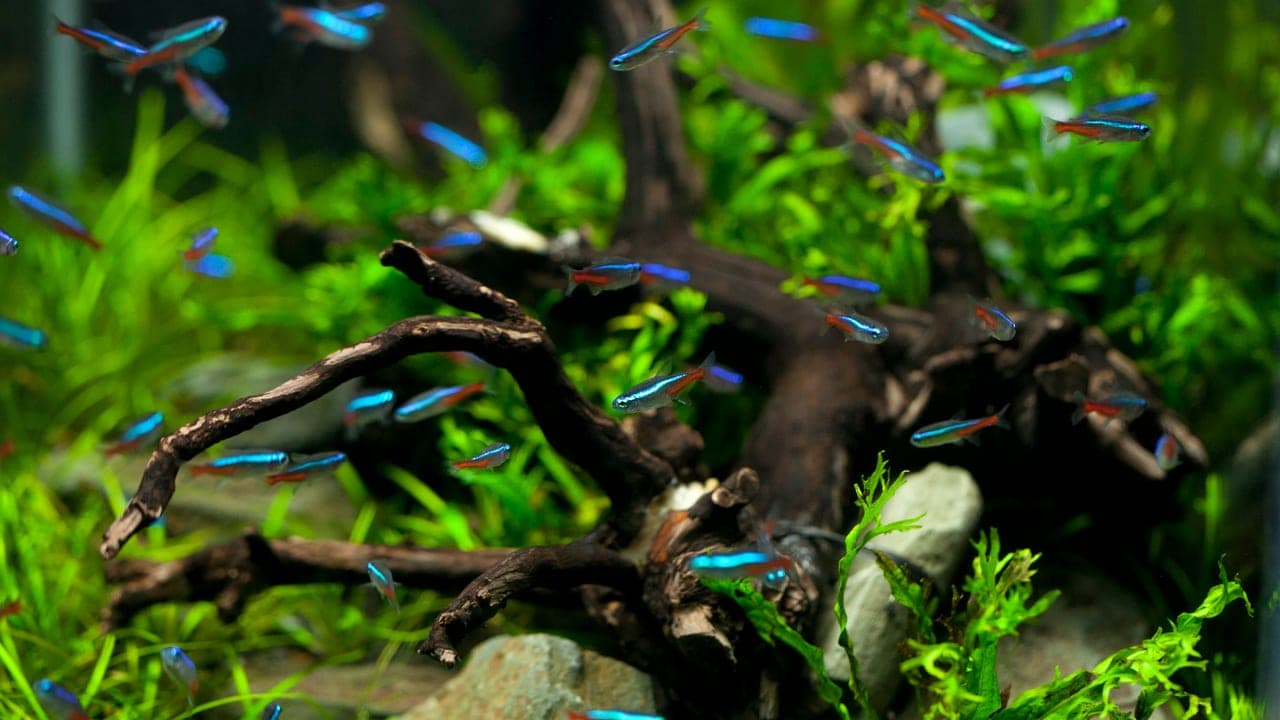
Neon Tetra
schooling
Tropical South America, especially blackwater and clearwater tributaries associated with the Solimoes River basin; most aquarium fish are commercially produced rather than collected from a single uniform wild habitat. - Aquatics
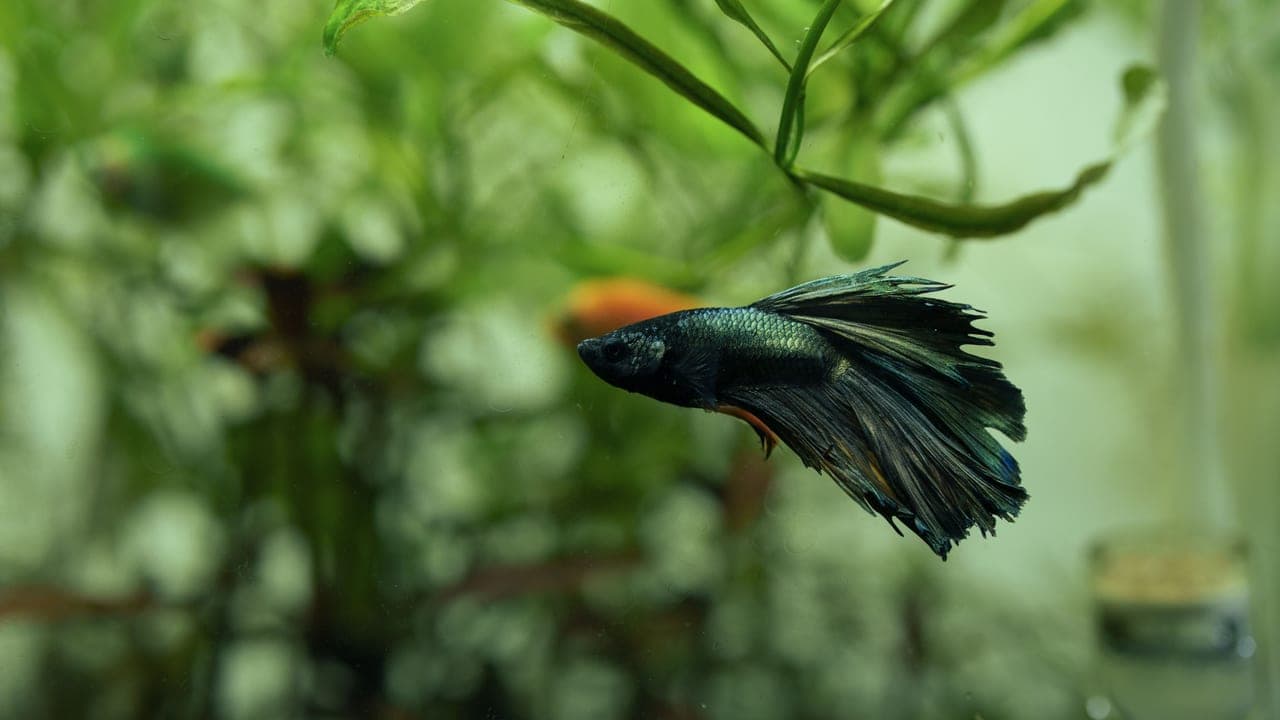
Betta Fish
inquisitive and individually variable
Tropical Southeast Asia, especially the Mekong basin and Thailand; domestic ornamental lines have been selectively bred far beyond the wild-type form. - Aquatics
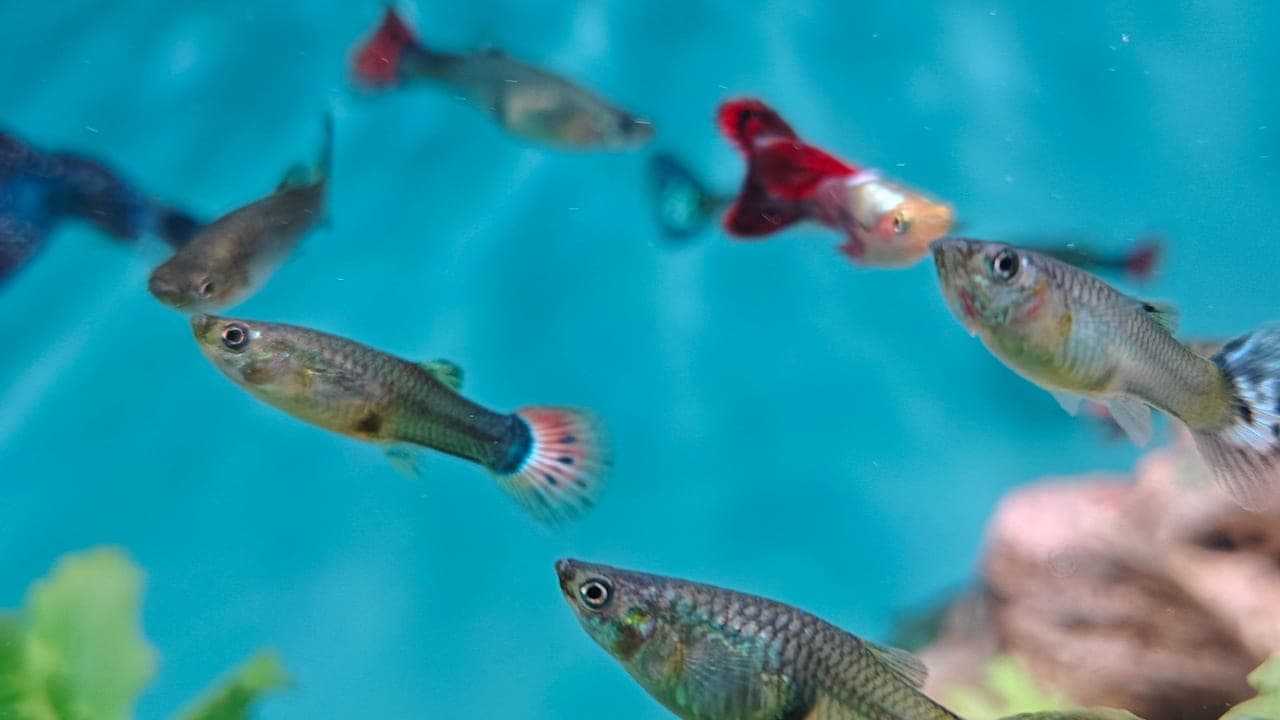
Guppy
social
Trinidad and Tobago and northern South America, including Venezuela, Guyana, Suriname, and northern Brazil - Aquatics
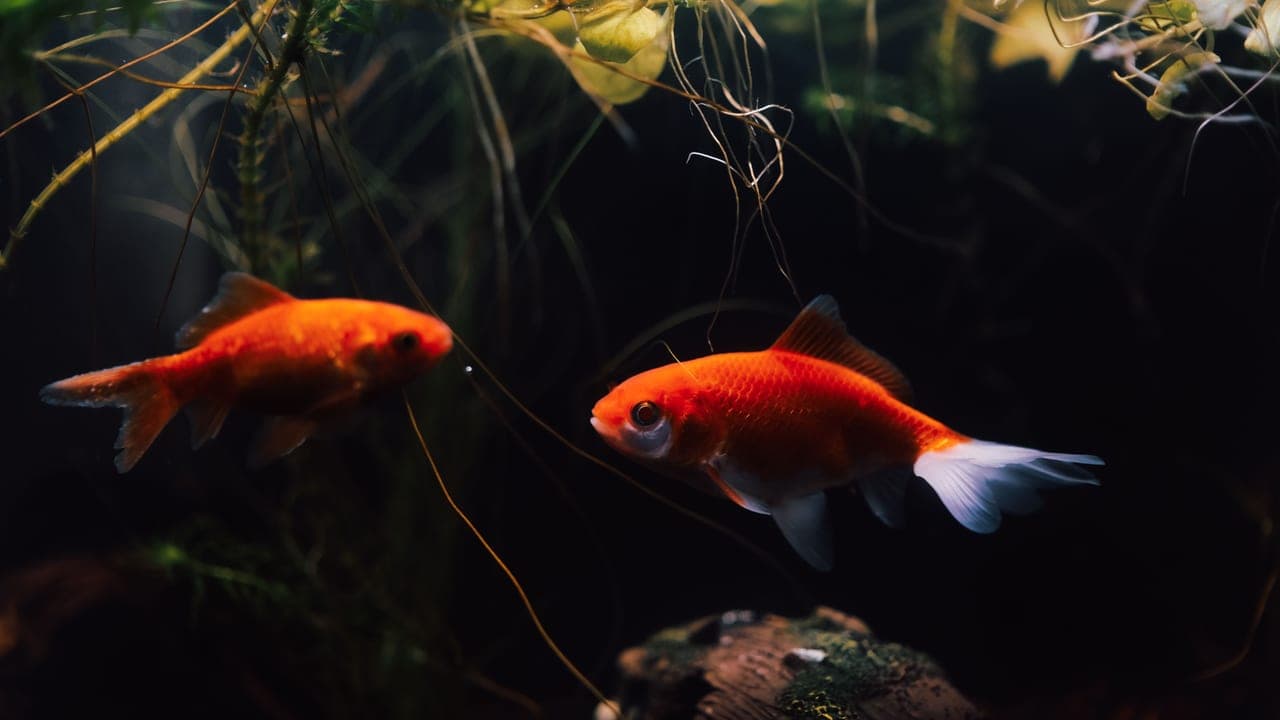
Goldfish
generally peaceful
East Asia, with China as the historic center of goldfish domestication and ornamental selection
Freshwater Angelfish Care Summary
Plan for adult height and social change before purchase. For a known compatible pair, use a mature aquarium of at least about 110–120 liters, at least 45 centimeters high, with a long side around 100 centimeters or more. For a group, begin at 200 liters or more and increase space as body size, tankmates, territorial layout, and filtration demand. These are planning floors, not capacity guarantees. Do not buy two unsexed juveniles and assume the word pair makes them compatible. For group housing, use at least five as a defensible husbandry starting convention, raise them with ample territories where possible, and prepare another cycled aquarium because a forming pair may attack or exclude others. Cycle the system without fish before stocking. Install reliable biological and mechanical filtration, a thermostatically controlled heater, a separate thermometer, and a secure lid. Maintain a stable 24–28°C and pH 6.5–7.5, using the source water and the fish’s established history to avoid abrupt chemistry changes. Keep ammonia and nitrite at 0 mg/L and follow nitrate as a trend rather than waiting for visible dirt. Condition tap water, match replacement-water temperature, and perform regular measured partial changes. Clean filter media gently in removed aquarium water when flow declines; never sterilize or replace all biological media together. Preserve surface movement and oxygen exchange while avoiding relentless high current. Build vertical structure with aquarium-safe plants, wood, broad leaves, and sight barriers, but preserve open midwater routes and room for the fins to turn without scraping. Secure heavy objects, cover sharp edges and filter intakes, and keep equipment where a startled fish cannot wedge behind it. Use a predictable light-dark cycle with a genuinely dark rest period. Introduce changes gradually, because sudden décor rearrangement can alter territorial boundaries as well as water stability. Feed a complete, reputable angelfish or cichlid pellet, granule, or flake as the staple. Offer modest portions once or twice daily as a practical starting pattern, distribute food across the surface or water column, and confirm that lower-ranking fish eat. Safely sourced frozen or cultured live foods such as brine shrimp can add variety and foraging opportunity, but they do not automatically make a diet complete. Remove leftovers and adjust intake to body condition, temperature, age, and water-quality trends. Published feed trials help show that diet formulation affects growth and reproduction; they should not be converted into household ingredient recipes or fixed protein prescriptions. Choose companions only after comparing adult size, mouth size, temperature, pH, hardness, feeding speed, current preference, and territorial behavior. Avoid tiny fish such as Neon Tetras as the default, avoid known fin-nippers, and avoid crowding several territorial species into one visual zone. Quarantine all arrivals in a separate suitable system with dedicated wet equipment. Once introduced, watch for repeated pursuit, cornering, unilateral food access, torn fins, darkening, or one fish spending the day behind equipment. Separate before injury becomes the evidence that the plan failed. At each feeding, observe posture, balance, respiration, eyes, skin, fins, abdomen, waste, appetite, and social position. Test water immediately after a change. Persistent gasping, loss of equilibrium, severe lethargy, refusal of food, swelling, protruding scales or eyes, pits or ulcers, bleeding, rapidly worsening fin damage, repeated rubbing, or multiple affected fish warrants prompt contact with a fish-experienced veterinarian. Visible spots, holes, swelling, or fin erosion are signs, not diagnoses. Do not combine shop medications, add routine antibiotics, or copy the prophylactic chemicals in old breeding literature. Stabilize the environment, preserve useful records, isolate when biosecurity requires it, and obtain a diagnosis.
Sources
These are the published sources this page draws on. Each opens in a new tab so you can check it yourself.
RSPCA Australia Knowledgebase
How Should I Care for My Tropical Fish?(opens in a new tab)Illinois-Indiana Sea Grant Program / Purdue University
Reproduction of Angelfish (Pterophyllum scalare)(opens in a new tab)Royal Veterinary Center (Macau)
Freshwater Angelfish Care Sheet(opens in a new tab)FishBase
Pterophyllum scalare (Freshwater Angelfish) Species Summary(opens in a new tab)PubMed / Brazilian Journal of Biology
Mating System of the Amazonian Cichlid Angelfish, Pterophyllum scalare(opens in a new tab)Embrapa Repository / Environmental Biology of Fishes
Environmental Enrichment Increases the Number of Telencephalic but Not Tectal Cells of Angelfish(opens in a new tab)Wiley / Journal of Fish Biology
Understanding Behaviour to Improve the Welfare of an Ornamental Fish(opens in a new tab)PubMed Central / Veterinary Research Forum
Growth and Reproductive Performance by Different Feed Types in Freshwater Angelfish(opens in a new tab)Elsevier / Applied Animal Behaviour Science
The Effect of Group Size on the Behaviour and Welfare of Four Fish Species Commonly Kept in Home Aquaria(opens in a new tab)Revista de Biología Tropical / SciELO Costa Rica
General Anatomy, Histology and Morphometry of the Digestive System of Pterophyllum scalare(opens in a new tab)PubMed Central / Frontiers in Veterinary Science
Social Behaviors as Welfare Indicators in Teleost Fish(opens in a new tab)Merck Veterinary Manual
Management of Aquarium Fish(opens in a new tab)Merck Veterinary Manual
Environmental Diseases of Aquatic Animals in Aquatic Systems(opens in a new tab)Merck Veterinary Manual
Disorders and Diseases of Fish(opens in a new tab)