
Long-haired type
Texel Guinea Pig
The Texel is the curly one, and the curls are the reason it is the hardest cavy in common keeping to look after.
Size
2-3 lb
Lifespan
5-7 years
Floor time
1+ hour floor time
Experience
Cavy-savvy planning
Decision first
Is a Texel Guinea Pig right for you?
Start with fit before history or trivia. These are ownership signals, not guarantees about any individual guinea pig.
Best suited for
- Owners prepared for hay, vitamin C, enclosure cleaning, and exotics-vet planning.
Think carefully if
- You need a pet with almost no daily feeding, bedding, social, or health-monitoring routine.
- You cannot keep up with bedding, grooming, vitamin C, and preventive care.
- You cannot access an exotic or cavy-savvy veterinarian for routine and urgent care.
Conditional fit
Apartment living may be difficult unless the owner can provide a large enclosure, daily floor time, and clean, low-dust bedding.
Daily reality
Texel Guinea Pig commitment snapshot
Daily floor time
1+ hour floor time
Match floor time, enrichment, companionship, vitamin C, and cleaning to age, health, and housing.
Coat care
High
Grooming needs vary by coat, shedding, and lifestyle.
Social needs
Needs planning
Most guinea pigs need companionship, daily appetite checks, clean bedding, and quick response to weight or breathing changes.
Structured facts
Texel Guinea Pig at a glance
The measurements and traits that most affect day-to-day life with this breed.
Group
Long-haired
Weight
2-3 lb
Lifespan
5-7 years
View all characteristics and methodology
Lifestyle fit
- Indoor housingWorks best with a large, ventilated enclosure and daily supervised floor time.
- Needs caution
- Child friendliness
- Needs caution
- Companion fit
- Individual match
- Handling styleGuinea pigs are prey animals and usually trust floor-level interaction first.
- Secure and gentle
Owner commitment
- Floor time
- 1+ hour floor time
- Grooming
- High
- Bedding routineClean bedding controls ammonia and makes appetite or urinary changes easier to see.
- Daily spot clean
- Vitamin CFresh foods or supplements must cover daily vitamin C needs.
- Daily
Behavior
- Sociability
- Very high
- Energy
- Moderate
- Handling
- Low-moderate
- Vocalization
- Expressive
Environment and health
- Dental and gut care
- Hay-first
- Air quality
- Low dust, low ammonia
- Health risk
- Needs planning
- Vet type
- Exotics or cavy-savvy
Ratings combine structured breed data, visible breed fields, and editorial context. They are planning aids, not predictions for an individual guinea pig.
Daily life
Texel Guinea Pig temperament and behavior
The Texel is the curly one, and the curls are the reason it is the hardest cavy in common keeping to look after. The British Cavy Council describes it exactly: "a rexoid, long-coated cavy, being the rexoid equivalent of the Sheltie". That sentence places it precisely. Take a Sheltie — the smooth-haired longhair, sold in North America as the Silkie — and add the rexoid gene, which turns straight hair into curl. Same coat length, same rearward-lying face hair, same absence of rosettes. What changes is texture: the standard asks for a coat springy in appearance and soft and springy to the touch, and for the belly to be "curly, woolly and dense". That belly clause is the one to sit with, because it is the only place in the Texel standard where a specific body area is singled out for a specific coat quality, and it happens to be the area you cannot see while the animal is sitting. Dense wool, on the underside, in the part of the enclosure that touches bedding. If you take one thing from this page, it is that a Texel is checked from underneath. The curls also work against you in a way people get backwards. Curled long hair mats faster than straight long hair, not slower. A curl gives loose hair somewhere to catch and hold instead of falling clear, so a missed day shows sooner on a Texel than on a Sheltie of the same length. Growth is the same circa one inch per month of age, and it does not stop. Best suited to an experienced owner who has kept a long-haired cavy before and wants to go further. Think twice if this would be your first cavy — the American or Abyssinian is a far kinder starting point.
Owner note
Temperament labels are starting points, not guarantees. Meet the individual guinea pig and ask about behavior history whenever possible.
Care essentials
How to care for a Texel Guinea Pig
What looking after one actually involves: diet, enclosure, floor time, bonding and routine health.
Trimming A Curled CoatAs needed
- Check length weekly and keep a pet Texel shorter than you would a straight-coated longhair, because every inch of curl is more surface for loose hair to catch on. Two inches is a workable pet length. Trim with blunt-nosed scissors in small sections, cutting with the curl rather than across it and never toward the skin — cavy skin is thin and tents up more than expected. Do not attempt to trim the belly wool short as a shortcut for grooming it; it is the coat quality the standard asks for, and taking it off does not remove the need to check the skin underneath, which is the actual job.
The Belly First, Every DayAs needed
- Lift the cavy and work the belly before anything else, daily. The standard requires the belly to be curly, woolly and dense, which is the only place it singles out a body area for a coat quality — and dense wool on the underside, against bedding, out of sight, is the precise recipe for a mat. Separate the wool with your fingers in small sections rather than combing it, checking the skin as you go. Then the rear, which drags and collects bedding, urine and droppings. A mat found here on the day it forms lifts out in seconds; the same mat found in a fortnight is a veterinary clipping job, usually under sedation.
Fingers Before Comb, And Never A BrushAs needed
- Work the top coat daily, and change your technique from what a straight coat needs. Separate curls with your fingers in small sections first, then follow with a wide-tooth comb from the tips upward, holding the hair above your working point. A comb dragged straight through curl pulls it out of shape and breaks the hair; a brush is worse, because it skims the tops of the curls and packs the loose hair underneath into the mat you were trying to prevent. The standard's presentation requirement is the test to aim for — clean, free of grease and unmatted, with no resistance to a comb — and on a Texel that is a higher bar than on a Sheltie of the same length.
Bathing A Curled Coat, And Why You Mostly Should NotAs needed
- Spot-clean the rear with a damp cloth whenever the daily check finds soiling, and reserve a full bath for a soiled rear that combing has not resolved or for a veterinary instruction. On a Texel there is a hazard beyond the usual one: a curled coat holds far more water than a straight coat of the same length, takes correspondingly longer to dry, and a damp cavy chills. Curl left to dry unattended also sets in its new position, so a coat towelled roughly and then left dries as a sheet of compacted wool rather than as separated curls. If you must bathe, work in a warm draught-free room, blot rather than rub, and separate the curls with your fingers as the coat dries rather than combing them straight. Never return a damp animal to its enclosure.
Buying: What Separates A Texel From A Merino Or A SheltieAs needed
- Check this before you commit, because all four SVCC breeds are sold under loose names. Run your hand over the forehead: a rosette there makes it a Merino, not a Texel. Run your hand over the rump: rosettes are the Texel's only Specific Disqualification, so rump rosettes mean a Peruvian or Alpaca or a cross. Then check the coat is genuinely rexoid rather than merely wavy — the standard permits slight waviness in a straight-coated Sheltie without penalty, so a wavy Sheltie is not a Texel. The belly settles it: on a true Texel it should be curly, woolly and dense rather than simply long.
Health planning
Texel Guinea Pig health risks and screening
Every guinea pig breed has individual health variation. Use this profile for planning and discuss vitamin C, hay intake, dental care, urinary signs, breathing, and urgent symptoms with an exotic or cavy-savvy veterinarian.
Ownership cost
How much does a Texel Guinea Pig cost?
Cost figures are structured so first-year and lifetime estimates do not conflict with the underlying line items.
| Acquisition | $40-$150 |
|---|---|
| Routine monthly | About $65/month |
| Routine annual | About $780/year |
| First-year estimate | $820-$930 |
| Lifetime routine estimate | $3,900-$5,460 routine costs |
Currency: USD. Region: United States. Updated: . Typical ranges for this breed. Equipment, insurance, emergency veterinary care, boarding and training are NOT included: we hold no sourced figures for them, and estimating them would be a guess presented as data.
Responsible ownership
Finding a Texel Guinea Pig responsibly
What to ask a breeder or rescue is the same conversation for every breed, so we keep it in one place and keep it current.
Health documentation, meeting the parents or foster, contracts and return support, and the warning signs worth walking away from.
Original purpose
Texel Guinea Pig history
History is useful when it explains today's behavior, coat, care needs, and temperament.
Read the breed history
What is documented about the Texel is its structural position, and this section keeps to that. The British Cavy Council's coat taxonomy defines the Longhair group as smooth-haired (Sheltie), crested smooth-haired (Coronet) or rosetted (Peruvian), plus rexoid variants of each — Texel, Merino and Alpaca respectively. The Texel is therefore the rexoid Sheltie, and the standard says so in as many words rather than leaving it to inference. That taxonomy is genuinely useful to a buyer, because it turns four confusingly similar breeds into a two-by-two grid. Crest or no crest, curl or no curl. No crest and straight is a Sheltie; crest and straight is a Coronet; no crest and curled is a Texel; crest and curled is a Merino. All four are covered by the same body, the Sheltie Varieties Cavy Club, which caters for the Sheltie, Coronet, Texel and Merino together. On geographic origins the name points to the Dutch island of Texel, and we have not located a primary source establishing that provenance. Rather than repeat a founding story we cannot check, the honest statement is that the breed's documented history here is its recognition and standardisation within the Council's framework. Texels may be shown in any colour or mixture of colours, so colour is a class distinction rather than a mark of quality.
Gallery
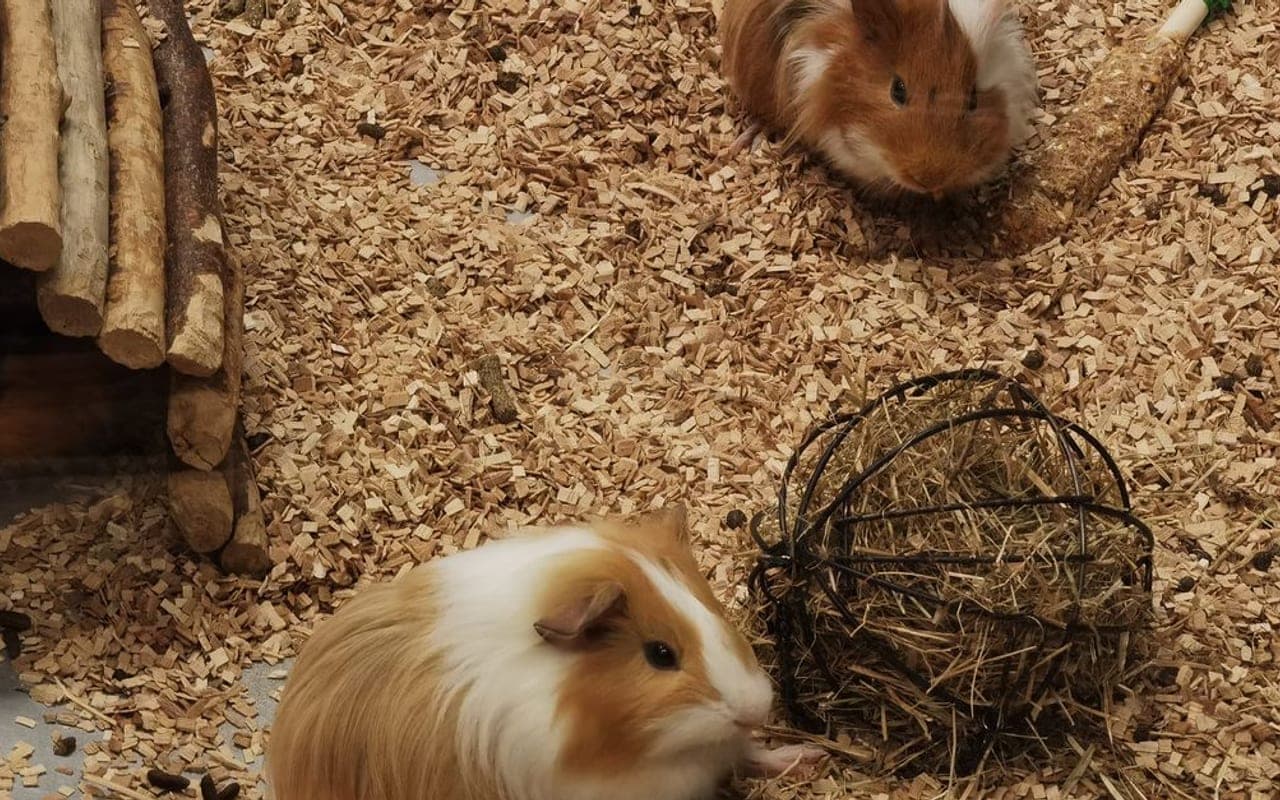
Texel Guinea Pig photos
Images are cropped consistently and loaded progressively to keep the page responsive.
Lower-page context
Texel Guinea Pigs in culture
Where the breed shows up in film, sport, work and folklore — the enjoyable part, once the practical questions are answered.
Fun facts
- The standard describes the Texel in one line as the rexoid equivalent of the Sheltie — one of the few places it defines a breed by reference to another.
- The belly is the only body area the Texel standard singles out for its own coat quality: curly, woolly and dense.
- Rosettes are the Texel's sole Specific Disqualification, and the standard lists no Specific Faults for the breed at all.
- The four Sheltie Varieties Cavy Club breeds form a two-by-two grid: crest or no crest, curl or no curl. The Texel is the no-crest, curled corner.
- Texels may be shown in any colour or mixture of colours, so colour carries no weight in the standard the breed is judged by.
Texel Guinea Pig FAQs
What is the difference between a Texel and a Silkie guinea pig?
Curl. The British Cavy Council describes the Texel as a rexoid, long-coated cavy, being the rexoid equivalent of the Sheltie — the breed sold in North America as the Silkie. Same length, same rearward-lying face hair, same absence of rosettes; the Texel's coat is springy and curled and its belly is required to be curly, woolly and dense.
Are Texel guinea pigs high maintenance?
Yes, and more so than a straight-coated longhair of the same length. Curl gives shed hair somewhere to catch instead of falling clear, so mats form faster. Add the standard's requirement for a curly, woolly and dense belly — dense wool on the underside, against bedding, out of sight — and the daily job is genuinely larger than a Silkie's.
Are Texel guinea pigs good for beginners?
No. This is the one long-haired cavy worth steering a first-time owner away from. If you like the look, keep in mind that a missed day shows sooner here than on any other breed, and consider starting with a smooth-coated American or an Abyssinian, whose coat the standard caps at 1.5 inches.
How do you groom a Texel guinea pig?
Belly first, then rear, then the top coat, every day. Separate curls with your fingers in small sections before any comb touches them, then work a wide-tooth comb from the tips upward. Never use a brush: it skims the tops of the curls and packs loose hair underneath into a mat.
Can a Texel have rosettes?
Not and remain a Texel. Rosettes are the breed's only Specific Disqualification. A rosette on the forehead makes the animal a Merino, which is the crested rexoid longhair, and rosettes on the rump point to a Peruvian, an Alpaca or a cross.
Is a wavy-coated guinea pig a Texel?
Not necessarily. The standard for the straight-coated Sheltie says that whilst the aim is a straight coat, slight waviness should not be punished — so a slightly wavy longhair may simply be a Sheltie. A Texel is genuinely rexoid: springy in appearance and to the touch, with a belly that is curly, woolly and dense.
Do Texel guinea pigs need haircuts?
As pets, almost always, and shorter than you would keep a straight-coated breed. The coat grows at circa 2.5 cm — one inch — per month of age and never stops, and every extra inch of curl is more surface for shed hair to catch on. Around two inches is a workable pet length.
Can Texel guinea pigs live alone?
No. The RSPCA is explicit that guinea pigs get lonely and should not be kept alone, and that they are happiest in pairs, with wild guinea pigs living in family groups of five to ten. Companionship means at least one other guinea pig; a rabbit, cat or dog does not meet the requirement and brings predation or disease risk with it. This is the heaviest grooming load of the cavy breeds, so a pair doubles it — be honest about whether you can keep two long curly coats mat-free before buying the second.
How long do Texel guinea pigs live?
VCA gives 5 to 6 years as typical for guinea pigs, with some reaching 8 to 10. Plan for the upper end, and find out what your nearest exotics practice charges before you need it, because not every veterinary practice treats guinea pigs and that cost decides whether an emergency is affordable.
Similar breeds to consider
Worth comparing if this breed appeals but you want a different fit on family life, size, temperament or care needs.
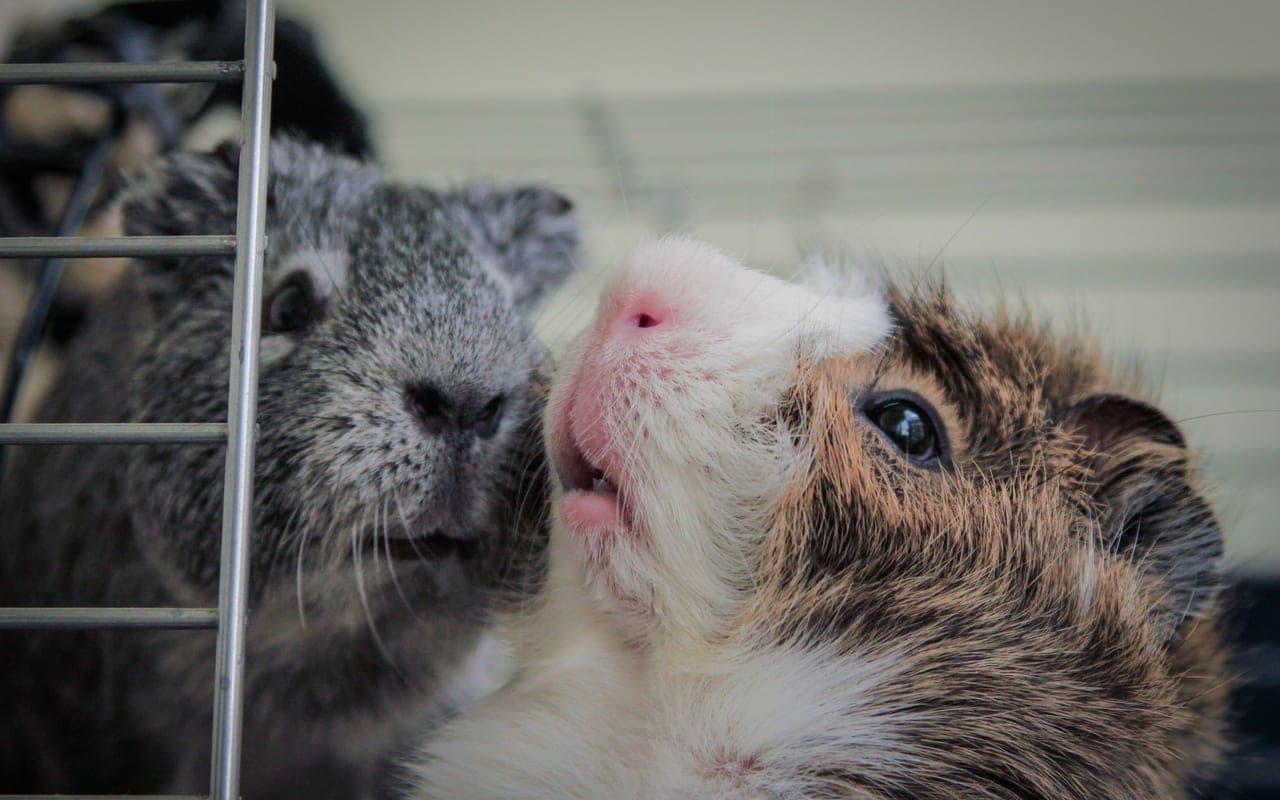
Silkie Guinea Pig
Also in the Long-haired group, with different coat care, handling, and companionship tradeoffs.
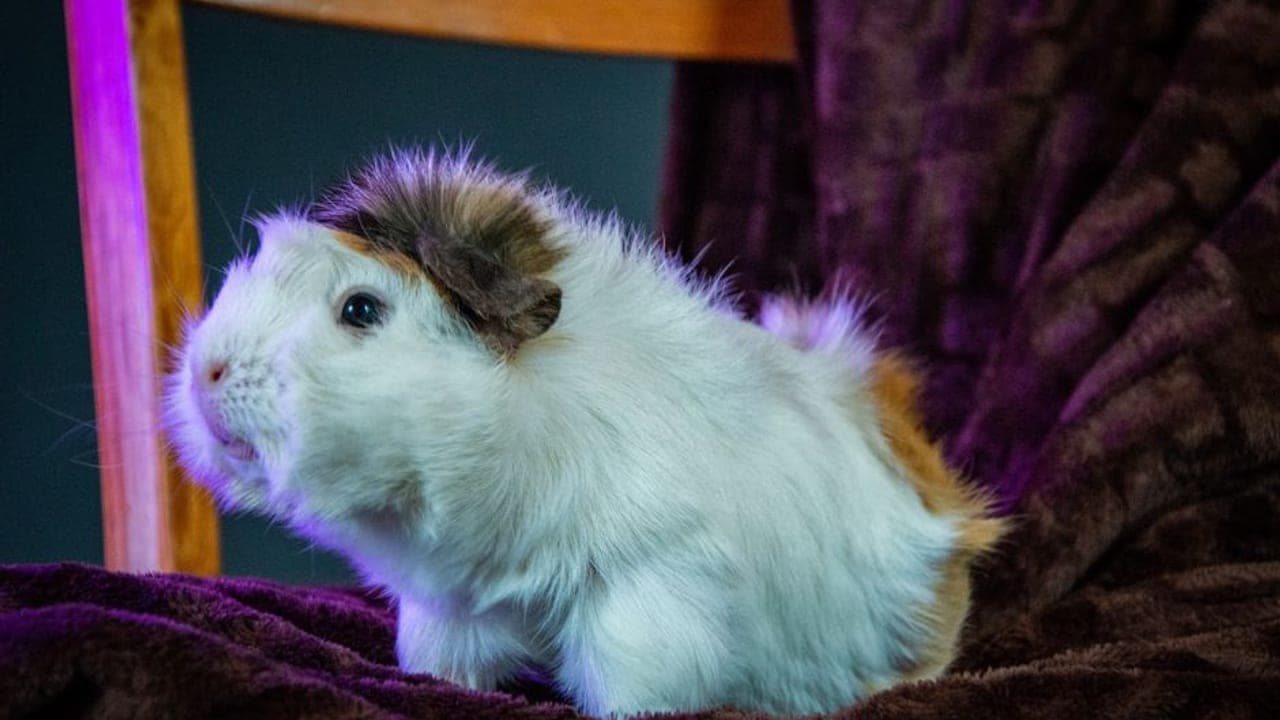
Coronet Guinea Pig
Also in the Long-haired group, with different coat care, handling, and companionship tradeoffs.
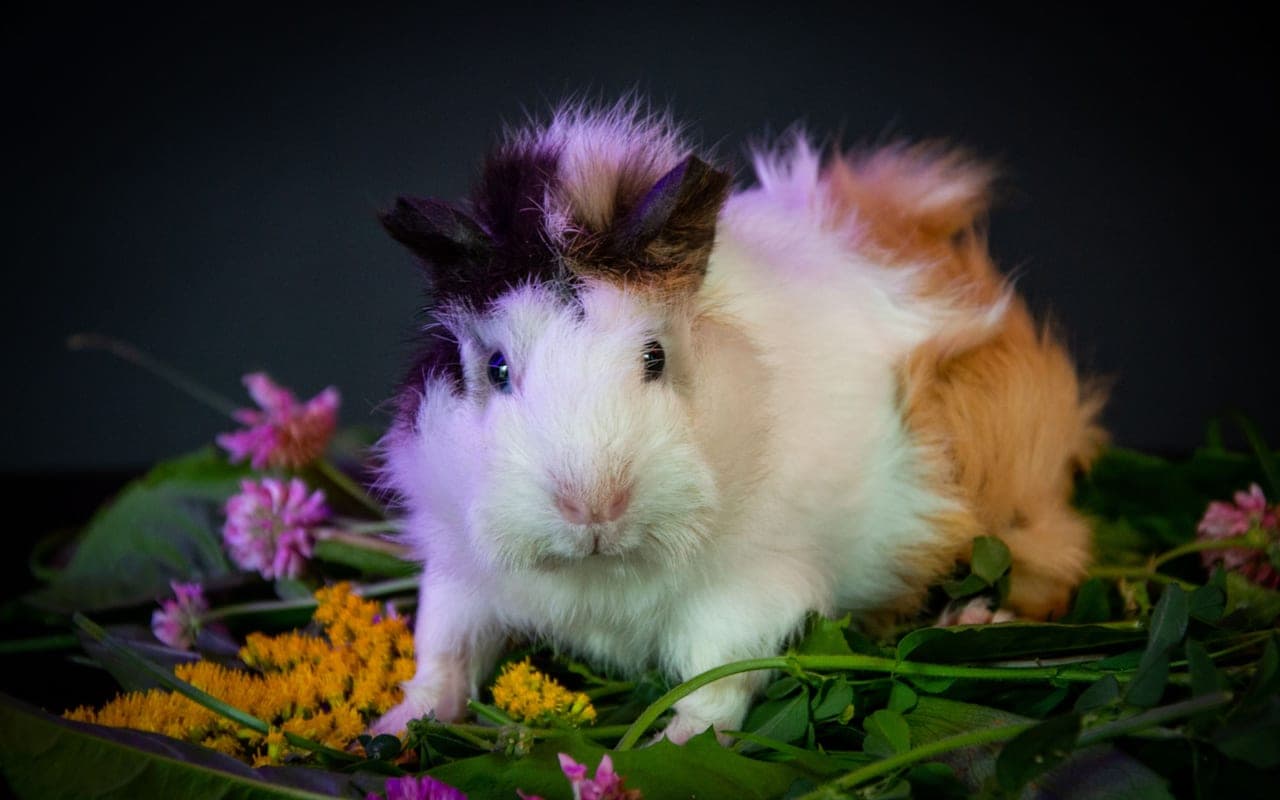
Lunkarya Guinea Pig
Also in the Long-haired group, with different coat care, handling, and companionship tradeoffs.
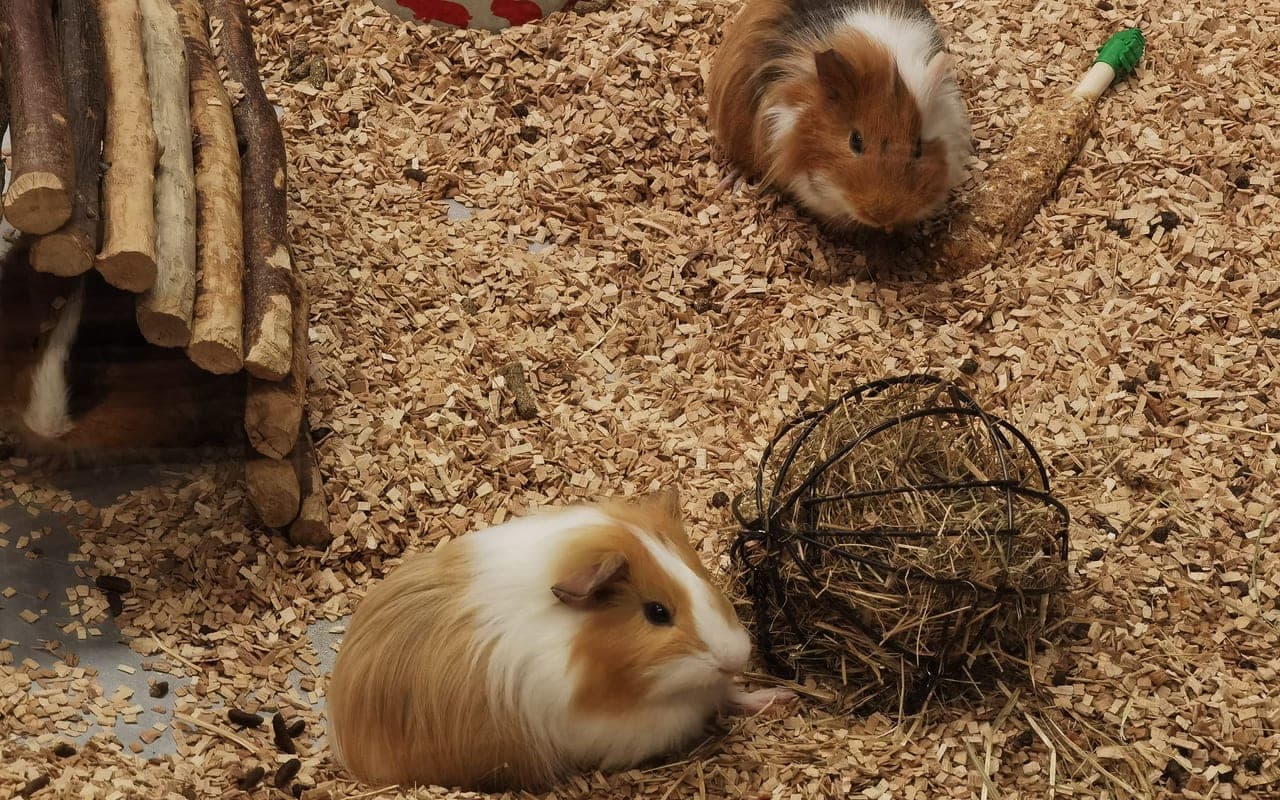
Merino Guinea Pig
Also in the Long-haired group, with different coat care, handling, and companionship tradeoffs.
Explore More About Texel Guinea Pig
Dive deeper into everything Texel Guinea Pig — costs, care, and expert insights.
Considering a rabbit instead?
Browse Rabbits