
American Bobtail Care Guide
Meet the American Bobtail The American Bobtail is a medium-to-large, powerfully built cat best known for its short, expressive "bobbed" tail. Unlike a docked tail, this bob is entirely natural: the br
In This Guide
Overview
Meet the American Bobtail
The American Bobtail is a medium-to-large, powerfully built cat best known for its short, expressive "bobbed" tail. Unlike a docked tail, this bob is entirely natural: the breed traces to a bobtailed brown tabby stray named Yodie, found in Arizona in the late 1960s and bred to a seal-point Siamese, which revealed that a dominant bobtail gene was already present in the free-roaming cat population (Cat Fanciers' Association; Cats.com). Breeders then developed the cat using feral bobtailed cats from across North America, and The International Cat Association first recognized it in 1989.
No two tails are alike. A Bobtail's tail runs roughly one-third to one-half the length of an ordinary cat's and may be straight, curved, slightly knotted, or dotted with small bumps (Wikipedia; CFA). The standard calls for a tail long enough to be visible above the back when the cat is alert (CFA).
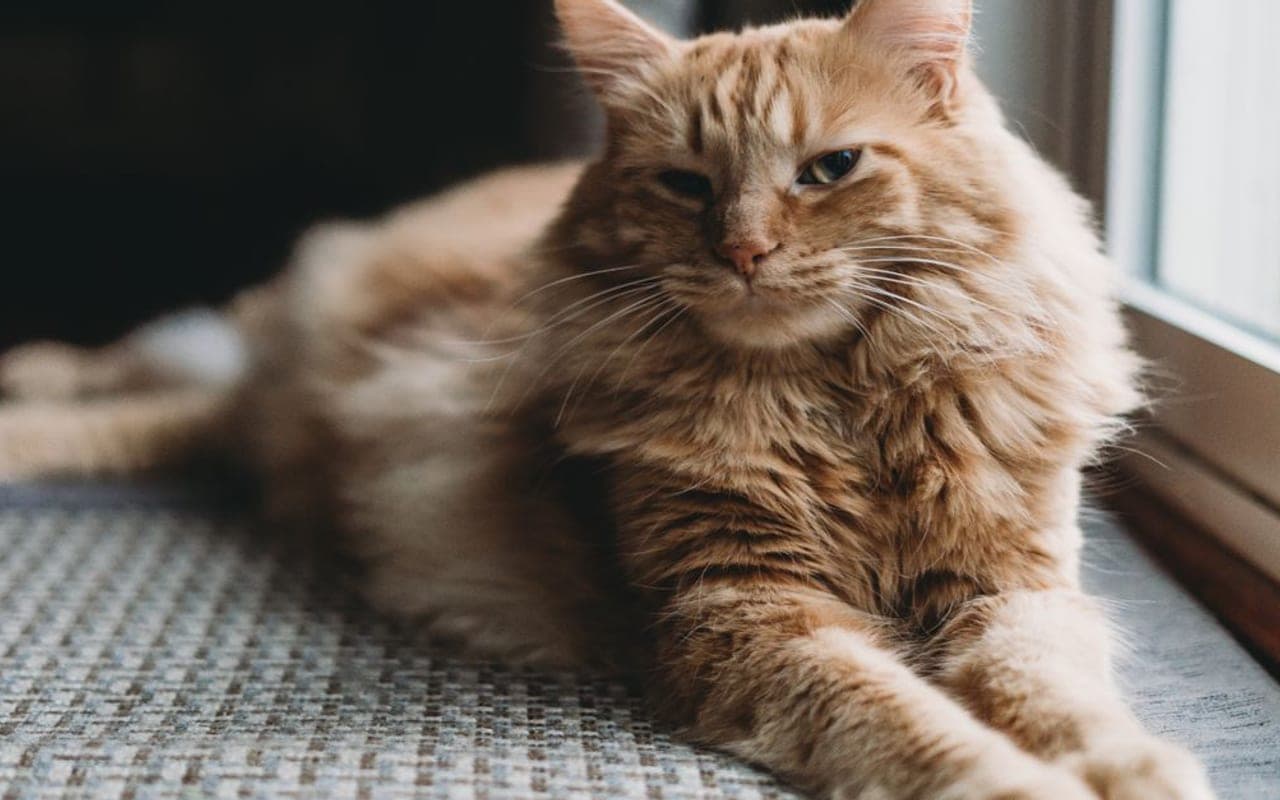
The build matches the wild look: a substantial, rectangular body, heavy boning, a broad chest, and a fleshy brow that gives the breed its signature "hunting gaze" (CFA). These cats mature slowly, often taking two to three years to reach full development.
Temperament is where the Bobtail wins hearts. CFA describes a mellow, highly intelligent, interactive cat that bonds closely with its family, gets along with children and dogs, and is often described as dog-like: many are easily leash-trained and enjoy walks, and they adapt well to travel (CFA; VCA Animal Hospitals). Relatively quiet, they trill, chirp, and click when engaged rather than meow insistently (CFA).
Exercise
Play, walks, and puzzles
The American Bobtail is an athletic, muscular cat that stays playful well into adulthood, and some individuals are genuinely energetic, especially as kittens (Wikipedia; CFA). Left under-stimulated, that hunting drive looks for its own outlet, so plan for daily interactive play: wand toys, feather teasers, and thrown toys suit a breed that famously enjoys a game of fetch (Cats.com). Their climbing and stalking instincts run high, so a tall cat tree and window perches give the "hunting gaze" somewhere to point.
This is also one of the breed's standout traits: many American Bobtails take to a harness and leash readily and enjoy neighborhood walks with their people (CFA; VCA Animal Hospitals). Introduce the harness slowly indoors, pair it with treats, and let the cat set the pace outside. Their adaptable, travel-tolerant nature makes them good companions for road trips and RV life once leash-confident (VCA).
Feed the brain as well as the body. Food-dispensing puzzles and foraging toys channel their high intelligence and slow down eager eaters, which also supports healthy weight (VCA). Short, varied sessions a couple of times a day tend to beat one long one. Because these cats bond so closely with their families, the play itself doubles as connection time, not just exercise.
Grooming
Grooming the shaggy double coat
The American Bobtail comes in two coat lengths, and both share a shaggy, resilient texture rather than a dense or fluffy one. The shorthair carries a semi-dense medium coat with a harder topcoat over a soft, downy undercoat; the longhair is the "shaggy" version described by the Cat Fanciers' Association (CFA). Helpfully, the coat is naturally non-matting and resists tangling, so upkeep is modest for a cat with this much fur.
For the longhaired variety, brush or comb about once a week to lift loose hair and keep the undercoat from felting behind the legs and under the belly; the medium-haired shorthair does well with a brushing roughly twice a month (VCA Animal Hospitals). Expect heavier seasonal shedding in spring and fall, when a second weekly pass helps; occasional bathing may also reduce loose hair, though it is not essential (CFA). Regular combing has a second payoff: swallowed hair is a routine cause of hairballs, and removing it from the coat before the cat does means less to cough up.
Give the natural bobtail a gentle look during grooming sessions. Because the tail is short and expressive, run your fingers along it to check the skin and note any tenderness, and mention anything unusual to your veterinarian rather than manipulating it forcefully.
Health
American Bobtail health
The American Bobtail is widely regarded as a hardy, robust breed. Its foundation drew on feral cats from across North America, giving it broad genetic diversity, and the Cat Fanciers' Association describes a generally healthy cat with no single dominant hereditary disease recognized across the breed (CFA; Cats.com). Reported lifespans vary by source, from roughly 12 to 15 years up to 15 to 20 years with good care (Cats.com; VCA Animal Hospitals).
The one trait that deserves informed attention is the tail itself. The bob comes from a natural, dominant genetic mutation, which is different from the recessive gene behind the Japanese Bobtail. Its exact relationship to the Manx tailless gene is not fully settled in public sources; Wikipedia notes only that it "may be related to the Manx gene, which is also dominant," so this care guide does not claim the two are unrelated. Importantly, a veterinary source cautions that the tail mutation "could make the cat susceptible to spine and hip problems, some of which can be heritable," and that completely tailless cats can face incontinence issues; responsible breeders remove affected cats from their programs (VCA). This is a reason to choose a breeder who screens, not a diagnosis of any individual cat.
Beyond the tail, care follows routine feline wellness tuned to this breed. These are sturdy, food-motivated, muscular cats, and obesity risk is influenced by diet, so measured meals matter (VCA); ask your veterinarian to confirm an ideal weight and feeding plan for your cat's life stage. Routine preventive care, including dental checks, is best guided by your vet, and because the shaggy coat sheds year-round, regular combing reduces swallowed hair and the hairballs that follow (CFA).
Any symptom or lump described here is a reason to book a veterinary visit, not to self-diagnose. Common questions owners ask about American Bobtail health are answered below.
Frequently Asked Questions
Is the American Bobtail's short tail the same as a docked tail?
No. The bob is a natural, inherited trait caused by a dominant genetic mutation, not a tail that was cut or docked (CFA; Wikipedia). Every cat's tail is unique and may be straight, curved, kinked, or bumpy (CFA).
Does the bobtail gene cause the spinal problems seen in Manx cats?
Public sources do not settle this cleanly. The mutation is distinct from the recessive Japanese Bobtail gene but "may be related to the Manx gene," and a veterinary source notes the tail mutation could carry spine or hip susceptibility that can be heritable (Wikipedia; VCA). Choosing a breeder who screens breeding cats lowers this risk.
How long do American Bobtails usually live?
Published estimates range from about 12 to 15 years up to 15 to 20 years with attentive care (Cats.com; VCA).
Are American Bobtails prone to weight gain?
They are sturdy, food-motivated cats, and obesity risk is shaped by diet, so measured feeding and active play help; confirm target weight with your veterinarian (VCA).
Sources
This guide draws on the following published references. Each opens in a new tab so you can check it against what you have read here.
Cat Fanciers' Association (CFA)
American Bobtail(opens in a new tab)Cats.com
American Bobtail Cat: Characteristics, Personality, and Breed Information(opens in a new tab)Cornell Feline Health Center
Loving Care for Older Cats(opens in a new tab)VCA Animal Hospitals
American Bobtail(opens in a new tab)
Affiliate disclosure: We may earn a commission from qualifying purchases. This doesn't affect our recommendations.
Recommended Products
American Bobtail Care Guide Book
Breed-focused reading and owner references for American Bobtail care, training, grooming, and health planning.
American Bobtail Food and Supplies
Helpful supplies for american bobtail cat supplies routines at home.
American Bobtail Grooming Tools
Helpful supplies for american bobtail grooming tools routines at home.
Get personalized pet care tips
Join our newsletter for breed-specific advice, care guides, and expert tips delivered weekly.
No spam, ever. Unsubscribe anytime.