
Shorthair group
American Bobtail
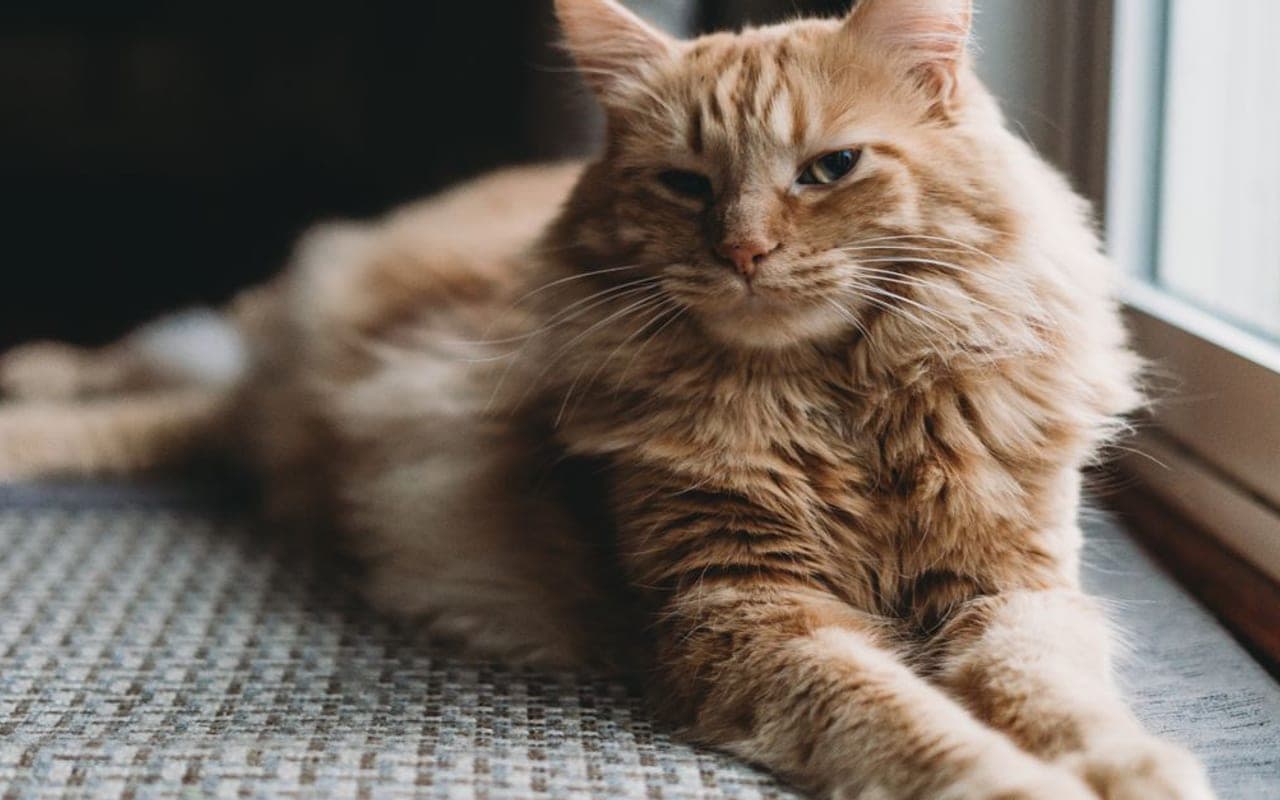
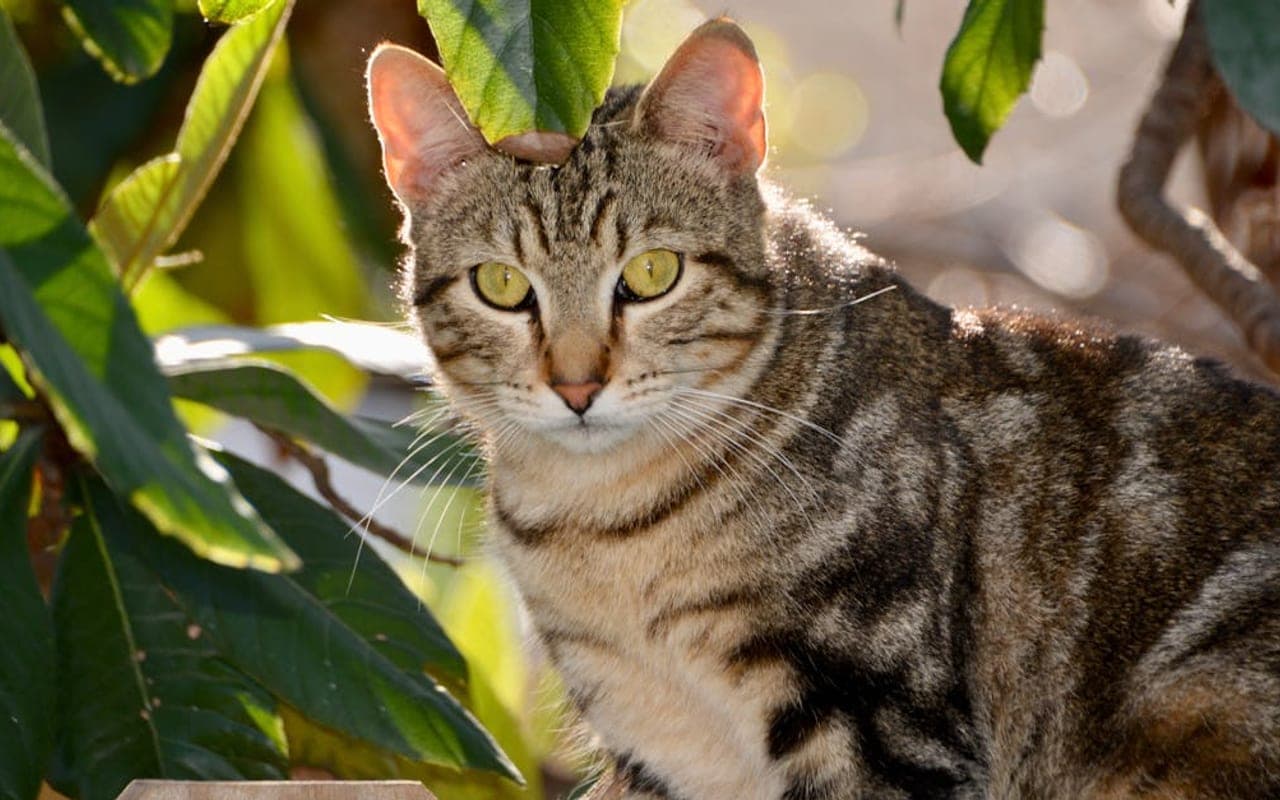
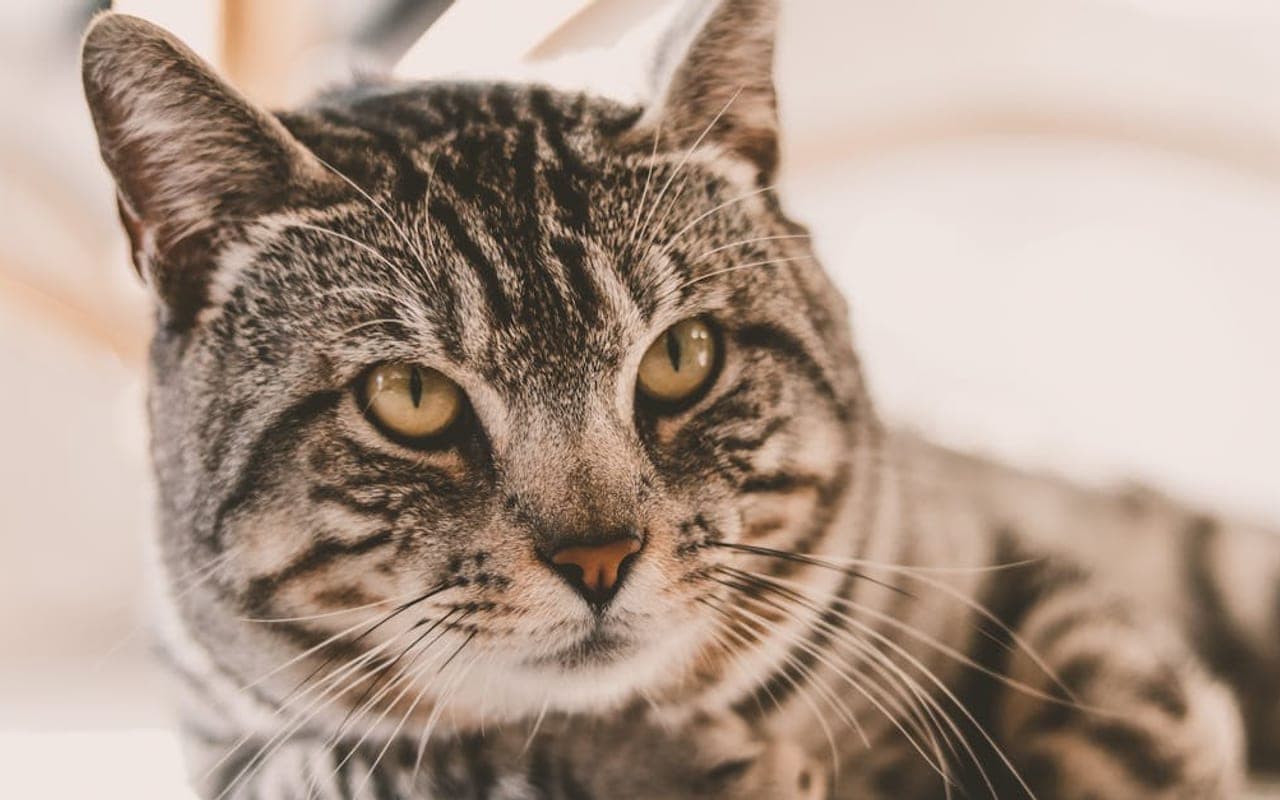
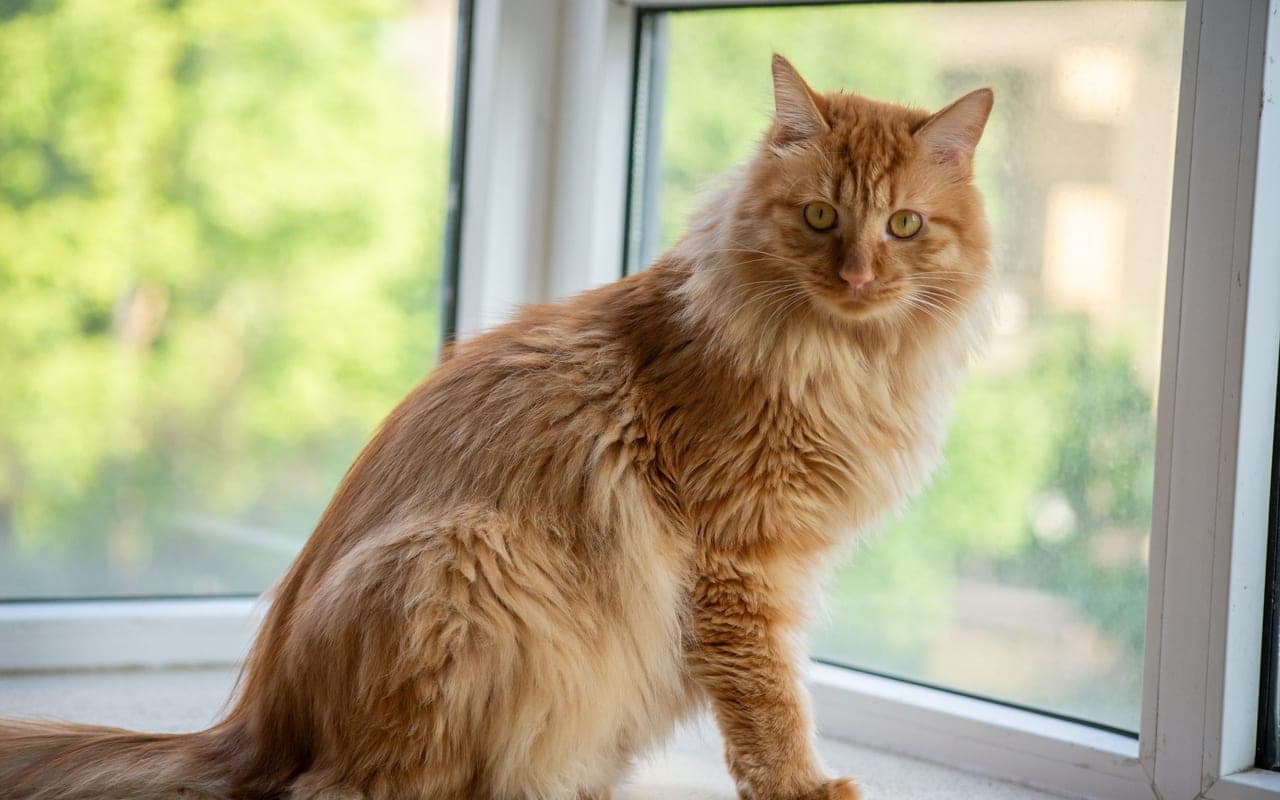
The American Bobtail is a medium-to-large, substantial, dog-like cat whose entire identity hangs on one feature: a short, expressive 'bobbed' tail.
Size
7-15 lb
Lifespan
11-15 years
Play
15-30 minutes
Shedding
Moderate
Experience
Match to owner routine
Decision first
Is a American Bobtail right for you?
Start with fit before history or trivia. These are ownership signals, not guarantees about any individual cat.
Best suited for
- Households with children.
- Homes with other compatible pets.
- Apartment homes with a consistent routine.
- Owners seeking a manageable indoor routine with predictable care.
Think carefully if
- You need a cat with almost no daily routine.
- You cannot keep up with grooming and preventive care.
- The cat will spend most days without interaction or enrichment.
Conditional fit
Apartment fit depends on vertical space, litter setup, play, enrichment, and noise tolerance.
Daily reality
American Bobtail commitment snapshot
Daily play
15-30 minutes
Match play and enrichment to age, health, appetite, and household routine.
Coat care
Low
Grooming needs vary by coat, shedding, and lifestyle.
Social needs
Needs planning
Most cats still need predictable contact, enrichment, litter care, and monitoring.
Structured facts
American Bobtail at a glance
The measurements and traits that most affect day-to-day life with this breed.
Origin
United States
Group
Shorthair
Weight
7-15 lb
Height
9-12 in
Lifespan
11-15 years
Temperament
Intelligent | Interactive | Lively | Playful | Sensitive
View all characteristics and methodology
Lifestyle fit
- Apartment suitabilityWorks best with clean litter setup, vertical space, and daily enrichment.
- Likely fit
- Child friendliness
- Often good, with socialisation and supervision
- Other-pet fit
- Often compatible with careful introductions
- Adaptability
- Very high
Owner commitment
- Daily play
- 15-30 minutes
- Grooming
- Low
- Shedding
- Moderate
- Indoor enrichment
- Moderate
Behavior
- Affection
- Very high
- Energy
- Moderate
- Vocalization
- Moderate
- Social needs
- Moderate
Environment and health
- Intelligence
- Very high
- Health risk
- Needs planning
- Weight sensitivity
- Routine monitoring
Ratings combine structured breed data, visible breed fields, and editorial context. They are planning aids, not predictions for an individual cat.
Daily life
American Bobtail temperament and behavior
The American Bobtail is a medium-to-large, substantial, dog-like cat whose entire identity hangs on one feature: a short, expressive 'bobbed' tail. That tail is not a docking and not the same gene as the Manx — it comes from a dominant mutation in the feline T-box (Brachyury) gene — and an honest profile has to lead with what that does and does not mean. Unlike the Manx, the American Bobtail's short-tail gene does not produce a lethal homozygote and the breed is generally robust, but the same gene family that shortens the tail can, in the shortest 'rumpy' individuals, be associated with spinal and bowel-control problems. The tail length you choose is, to a degree, a risk dial. Physically this is a powerful, athletic cat — broad chest, substantial bone, longer hind legs, a wild 'bobcat' look — in both shorthair and longhair coats and almost any color. It is slow to mature (2-3 years to full size) and lives a typical 11-15+ years. Temperament is the reason people fall for the breed. The American Bobtail is one of the most dog-like cats available: it bonds intensely to the whole family, follows people room to room, learns to fetch and walk on a leash, greets visitors, and is famously good with children and dogs. It is highly intelligent, interactive, playful, and moderately vocal (a chirp/trill, not a yowl), and it genuinely dislikes being left alone for long. Who the American Bobtail is right for: a household that wants an interactive, sociable, family-integrated companion and is home enough to give it attention. Who it is wrong for: someone wanting an aloof, independent cat that entertains itself, and anyone tempted by a cheap, very-short-tailed kitten from an unscreened source.
Intelligent | Interactive | Lively | Playful | Sensitive
Intelligent
A common American Bobtail temperament descriptor that should be interpreted alongside enrichment, handling, and household fit.
Interactive
A common American Bobtail temperament descriptor that should be interpreted alongside enrichment, handling, and household fit.
Lively
A common American Bobtail temperament descriptor that should be interpreted alongside enrichment, handling, and household fit.
Playful
A common American Bobtail temperament descriptor that should be interpreted alongside enrichment, handling, and household fit.
Owner note
Temperament labels are starting points, not guarantees. Meet the individual cat and ask about behavior history whenever possible.
Care essentials
How to care for a American Bobtail
What looking after one actually involves: play, grooming, food, litter, and routine health.
ExerciseAs needed
- Moderately active breed that enjoys regular play sessions and exploration. Provide toys and occasional interactive games.
GroomingAs needed
- Low-maintenance coat requiring weekly brushing. Occasional bathing as needed.
NutritionAs needed
- Feed a high-quality cat food appropriate for their age and activity level. Maintain fresh water at all times. Monitor weight to prevent obesity.
SocializationAs needed
- Enjoys human company and interaction. Can tolerate some alone time but prefers regular companionship.
Veterinary CareAs needed
- Annual wellness exams, vaccinations, dental checkups, and parasite prevention. Spay/neuter recommended if not breeding.
Health planning
American Bobtail health risks and screening
Every cat breed has individual health variation. Use this profile for planning and discuss medical decisions with a veterinarian.
Responsible ownership
Finding a American Bobtail responsibly
What to ask a breeder or rescue is the same conversation for every breed, so we keep it in one place and keep it current.
Health documentation, meeting the parents or foster, contracts and return support, and the warning signs worth walking away from.
Original purpose
American Bobtail history
History is useful when it explains today's behavior, coat, exercise needs, and training style.
Read the breed history
The American Bobtail is a young, North American natural breed. Its commonly told origin dates to the 1960s, when a short-tailed brown tabby tom named Yodie — found near an Arizona reservation and thought by some to look like a domestic-bobcat hybrid, though the breed is fully domestic cat — was bred and his short tail proved heritable. Early breeding programs were unsystematic and inbred, producing health and consistency problems; the modern breed is essentially a deliberate reconstruction begun in the 1980s using a wide outcross base of random-bred short-tailed domestic cats specifically to build a healthy, genetically diverse population. That reconstruction history is the breed's most important and least-known fact for a buyer. The American Bobtail was intentionally bred away from the narrow, unhealthy early lines toward hardiness and a deep gene pool, which is a large part of why it is generally robust today. It is recognized by The International Cat Association (TICA), which granted championship status, and by the Cat Fanciers' Association. For an owner, the practical takeaway is that breed soundness here depends heavily on breeder practice: the gene pool was rebuilt to be healthy, but the short-tail gene still requires sensible pairing and selection, so the history that makes this breed robust also makes choosing a careful, screening breeder the decisive factor in what you actually bring home.
Gallery
American Bobtail photos
Images are cropped consistently and loaded progressively to keep the page responsive.
Lower-page context
American Bobtail cats in culture
Where the breed shows up in film, sport, work and folklore — the enjoyable part, once the practical questions are answered.
Fun facts
- The American Bobtail originated in United States.
- American Bobtail cats are considered one of the most intelligent cat breeds.
- The American Bobtail is a true lap cat that loves to curl up with their owners.
- American Bobtail cats are exceptionally dog-friendly and can live harmoniously with canine companions.
American Bobtail FAQs
How long do American Bobtail cats live?
A healthy American Bobtail typically lives 11-15 years, and many well-cared-for cats from sound lines reach the mid-to-late teens. Because the modern breed was deliberately rebuilt for genetic diversity, it is generally robust. Lifespan here is driven mostly by weight management (this big-boned cat hides obesity), screening for HCM and PKD through a careful breeder, and monitoring the spine and kidneys with age. A lean Bobtail from screened parents is a long-lived, hardy cat.
Are American Bobtail cats good with children?
Yes — exceptionally so. The American Bobtail is patient, sturdy, playful, and dog-like in its willingness to engage rather than hide, which makes it one of the better cat breeds for families with children. Its substantial build tolerates normal household activity well. Standard care still applies: supervise young children, teach them not to lift the cat by the hindquarters or pull the short tail, since the lower spine is the breed's vulnerable area, and provide the cat an escape space.
How much grooming does an American Bobtail need?
It depends on coat length, and both are manageable. The shorthair needs a quick weekly comb to remove loose hair; the longhair (which has a shaggy, water-resistant double coat) needs combing 2-3 times a week, more during the spring and autumn sheds, with attention to the breeches and the fur around the short tail where mats start. Neither variety needs professional grooming. Add the usual weekly nail check and routine dental care, which matter more for lifespan than coat work does.
Are American Bobtail cats good for apartments?
Yes, with one condition: company. The breed adapts well to apartment living and does not need outdoor space, but it is highly social and people-bonded and does poorly if left alone for long workdays in a quiet flat. It needs 20-30 minutes of daily interactive play to manage weight and energy, and in single-person, long-hours households a compatible second pet is worth real consideration. Space is not the constraint for this breed — attention is.
Is the American Bobtail's short tail the same as a Manx's taillessness?
No, and the difference matters when you buy. Both are tail mutations, but they are different genes with different stakes. The Manx gene is lethal when doubled and carries a significant spinal-defect risk ('Manx Syndrome'). The American Bobtail's dominant T-box mutation is not lethal when doubled and the breed is generally far more robust, though the most extremely short-tailed individuals can still show spinal or bowel-control issues. Practically: the Bobtail is the lower-risk tailless-type cat, but breeder selection still matters.
How much does an American Bobtail cat cost?
Expect roughly $600-$1,200 for a pet-quality kitten and more for show or breeding quality from a registered TICA/CFA breeder who screens for HCM and PKD and selects against spinal problems. The hidden cost is the one to plan for: HCM or PKD management, or spinal/orthopedic issues in an unscreened cat, can run into the thousands over a lifetime. Paying more upfront for a screened kitten from healthy, diverse lines is the cheapest insurance available in this breed.
Sources
These are the published sources this page draws on. Each opens in a new tab so you can check it yourself.
Cat Fanciers' Association
American Bobtail — breed standard and profile(opens in a new tab)Supports: Breed standard and recognition details.
Similar breeds to consider
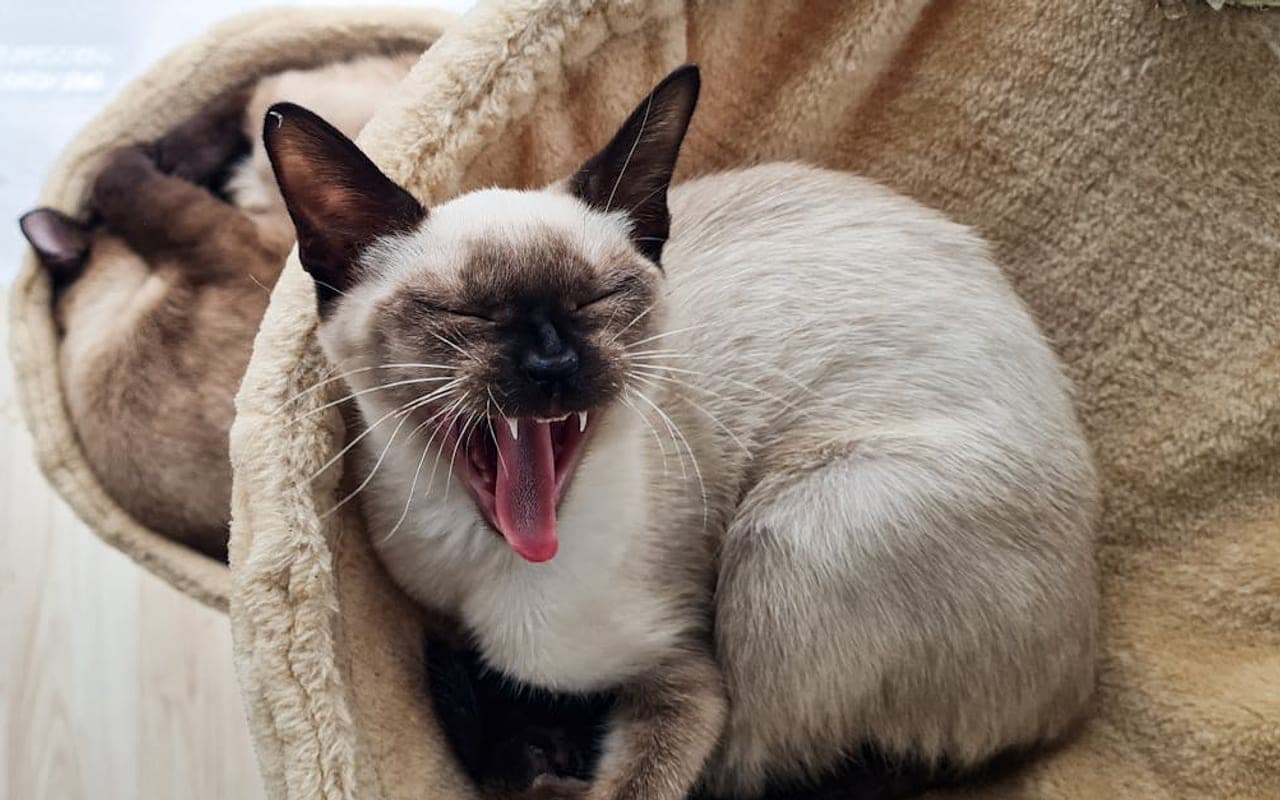
Siamese
Also in the Shorthair group, with different care and temperament tradeoffs.
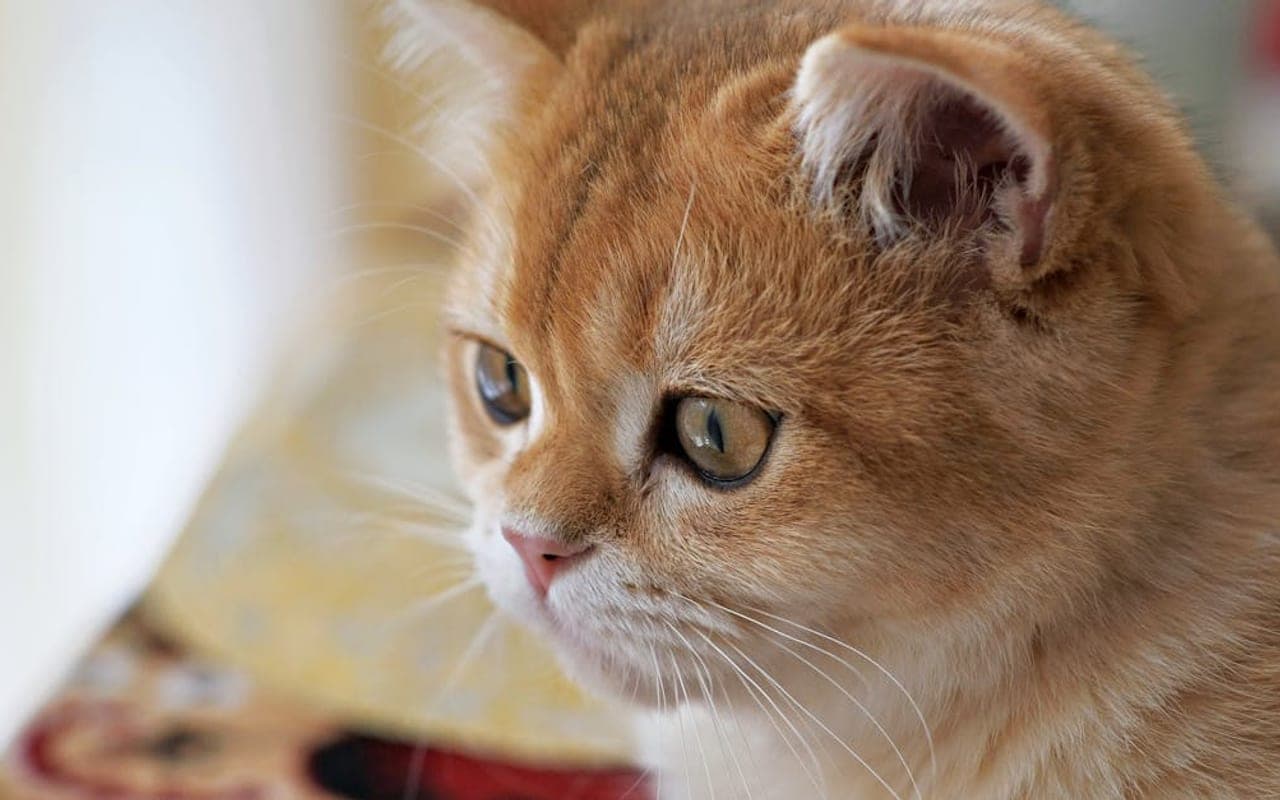
British Shorthair
Also in the Shorthair group, with different care and temperament tradeoffs.
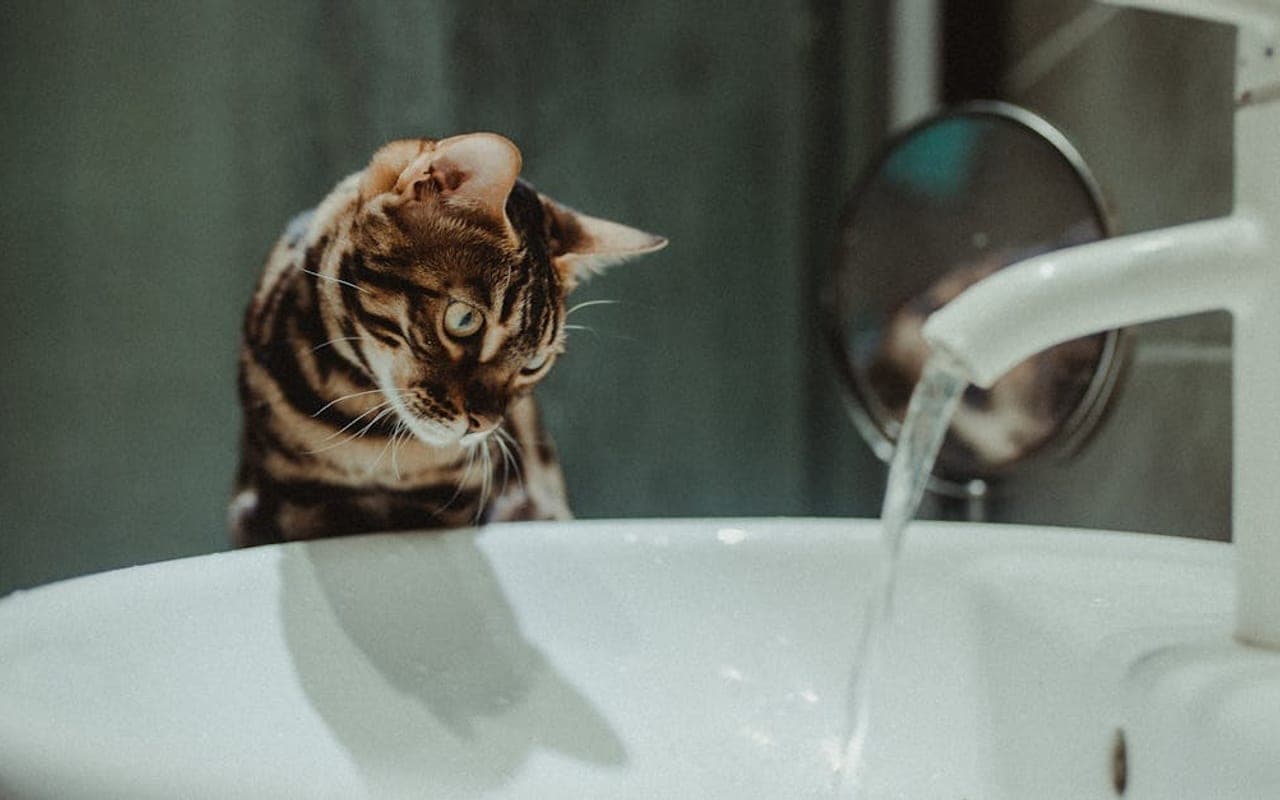
Bengal
Also in the Shorthair group, with different care and temperament tradeoffs.
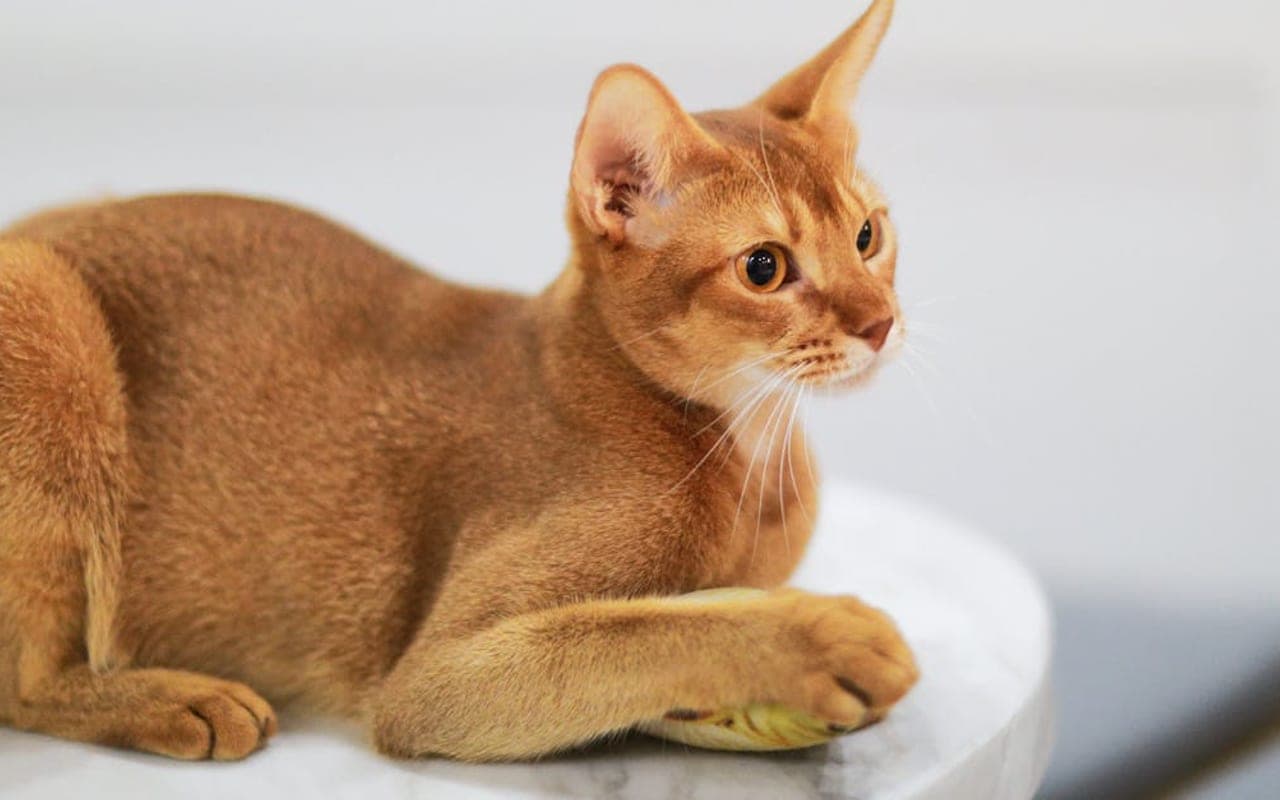
Abyssinian
Also in the Shorthair group, with different care and temperament tradeoffs.
Explore More About American Bobtail
Dive deeper into everything American Bobtail — costs, care, and expert insights.
Considering a dog instead?
Browse Dogs