
Chantilly-Tiffany Care Guide
The Chantilly-Tiffany at a glance The Chantilly-Tiffany is a rare North American semi-longhaired cat whose story began in New York in the late 1960s, when a breeder paired two chocolate, golden-eyed c
Reading Time
📖 9 min read
Guide Type
🐾 Breed-Specific
Last Updated
📅 Sep 10, 2026
Breed
🐱 Chantilly TiffanyIn This Guide
Overview
The Chantilly-Tiffany at a glance
The Chantilly-Tiffany is a rare North American semi-longhaired cat whose story began in New York in the late 1960s, when a breeder paired two chocolate, golden-eyed cats of uncertain ancestry. Their kittens came out uniformly chocolate, and the line was promoted first as "Foreign Longhair," then "Tiffany," and finally "Chantilly/Tiffany" to settle recurring name confusion. It was always tiny in number, brushed near-extinction in the late 1980s and again in the late 2000s, and is now widely regarded as extinct. That scarcity matters for owners: solid breed-specific data is thin, so care leans on established feline medicine rather than breed folklore.
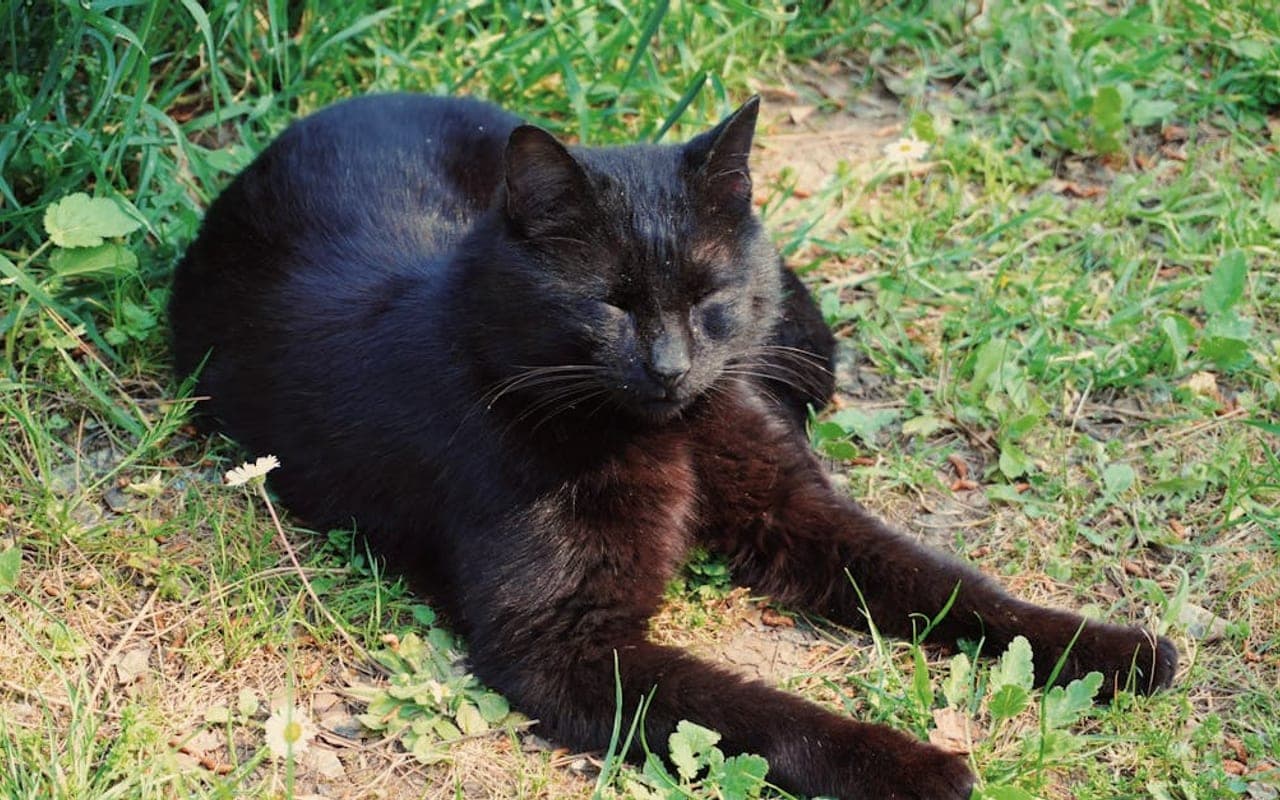
Physically, the breed is defined by a soft, silky, semi-long coat with little or no thick undercoat, which gives length without the heavy "draping" of a Persian and, importantly, mats far less. A plumed tail, ear tufts, and rich golden-to-amber eyes that deepen with age complete the look. The original and signature color was chocolate, though later breeding introduced others such as blue, lilac, fawn, and silvered variants.
Temperament is the real calling card: affectionate, gentle, and deeply people-oriented, a "loyal companion" cat that follows its person from room to room and dislikes being ignored. It is moderately talkative, known for soft chirps and trills rather than loud demands. That attachment shapes the practical care that follows, because a cat this bonded to company needs enrichment and interaction, not just food and a clean box.
One identity note: the North American Chantilly-Tiffany is a different breed from the United Kingdom's Asian Semi-longhair, also called the Tiffanie, which was developed in the 1980s from Persian Chinchilla and Burmese lines. The two are routinely confused because of the shared "Tiffany/Tiffanie" name, but they are unrelated in origin and type. Everything in this guide describes the North American Chantilly-Tiffany.
Exercise
Exercise and enrichment for a people-oriented cat
The Chantilly-Tiffany is a moderately active companion cat, not a hyperactive athlete, but its strong bond with people is the detail that should shape its daily activity. This is a cat that follows its person around, "chirps" for attention, and dislikes being ignored, so exercise works best as shared time rather than solitary play. Aim for two or three short interactive sessions a day with a wand toy or feather teaser, because a cat that hunts and pounces on a lure burns real energy, keeps muscle tone healthy, and gets the social contact it craves in the same ten minutes.
Give the coat's tendency to hide weight gain a practical answer through movement. A semi-long coat can mask a growing "pot belly," so daily play plus measured meals is the reliable defense against the obesity that predisposes cats to diabetes, joint strain, and urinary problems. Puzzle feeders help twice over: they slow eating and turn a meal into foraging exercise.
Build vertical territory, because cats exercise upward as much as outward. A tall cat tree, a couple of window perches, and a few shelf routes let the Chantilly-Tiffany climb, jump, and survey, which satisfies natural behavior and adds low-key movement through the day. Position at least one perch by a window for the "cat TV" of birds and passersby.
Above all, do not leave this breed alone for long stretches. Because it is so people-focused, long hours by itself tend to show up as boredom, over-grooming, or attention-seeking rather than calm independence, so a companion pet, rotating toys, and predictable daily play matter more here than for a naturally aloof cat. Keep vigorous play off hard-landing heights, and let sessions wind down before a meal so the cat settles.
Grooming
Grooming the Chantilly-Tiffany coat
The Chantilly-Tiffany carries a semi-long, silky coat with little or no dense undercoat, and that single fact drives its whole grooming routine. Undercoat is what drives the heavy matting seen in Persians and other double-coated longhairs; because this breed lacks much of it, the coat tends to slip rather than knot, so most cats stay tidy on a once-weekly brushing rather than a daily battle. Use a wide-tooth comb or soft slicker in the direction of hair growth, paying attention to the spots that still tangle: behind the ears, in the "armpits," and around the plumed tail.
Weekly is the baseline, not a ceiling. Expect a heavier seasonal shed as daylight shifts in spring and autumn, and step up to two or three sessions a week then, because regular combing removes loose hair before the cat swallows it while self-grooming, which is the practical way to reduce hairballs. Bathing is rarely needed; the silky texture sheds dirt well, so reserve baths for genuine messes to avoid stripping the coat's natural oils.
Round out grooming with routine non-coat checks, because these prevent problems a beautiful coat can hide. Look inside the ears weekly and wipe only the visible outer ear with a vet-approved cleaner, since the ear tufts can trap wax; never push anything into the canal. Gently wipe eye discharge with a soft damp cloth to prevent staining. Trim nail tips every couple of weeks so they do not catch or overgrow into the pad. Most important, introduce toothbrushing with a feline-specific paste, because dental disease is among the most common problems in cats and daily home brushing is the single most effective way to slow tartar and gum inflammation between veterinary cleanings.
Health
Health and preventive care for the Chantilly-Tiffany
The honest starting point for Chantilly-Tiffany health is that there is very little documented breed-specific hereditary disease, and the breed references that exist describe a generally robust cat rather than one dogged by inherited conditions. That is partly a real trait and partly a data gap: the line was always rare and is now widely considered extinct, so there was never the large, tracked population that reveals breed-linked disease patterns. Good care therefore rests on routine feline prevention. Nothing below is a diagnosis; it is a map of risks to watch and discuss with your own veterinarian, who should be the one to examine, test, and treat your individual cat.
Dental disease
Dental and gum disease is one of the most common health problems in adult cats, and it is easy to miss because cats hide oral pain. Plaque hardens into tartar and gums become inflamed (gingivitis); untreated, it can reach the tooth roots and cause chronic pain and infection. Because prevention beats extraction, brush your cat's teeth with a feline-specific toothpaste as often as you can, ideally daily, and keep routine veterinary dental checks on the calendar. Bad breath, drooling, or dropping food are reasons to book a visit, not to wait.
Weight and obesity
Obesity is a leading and preventable feline health problem, and it raises the risk of diabetes, arthritis, and urinary disease. The Chantilly-Tiffany's semi-long coat makes this sneaky, because extra weight and a developing "pot belly" can hide under the fur until it is substantial. Feed measured portions rather than free-feeding, choose a complete life-stage diet, and run your hands over the ribs regularly; you should feel them under a thin layer. Let your veterinarian set a body-condition target and a safe plan if weight loss is needed, because crash dieting is genuinely dangerous for cats.
Urinary tract disease and the male-cat emergency
Feline lower urinary tract disease (FLUTD) causes straining, frequent tiny urinations, blood in the urine, and litter-box avoidance, and stress, obesity, and low water intake all raise the risk. One scenario is a true emergency: a male cat straining but producing little or no urine may have a urinary blockage, which becomes life-threatening within a day or two. Treat a cat crying in the box, straining unproductively, or repeatedly visiting with no result as an emergency and contact a veterinarian immediately. Encouraging water intake and keeping litter boxes clean and plentiful support urinary health day to day.
Parasites, vaccination, and routine checkups
The everyday backbone of feline health is unglamorous and effective: year-round parasite control, core vaccinations, and regular wellness exams. Follow your veterinarian's guidance on flea, tick, and worm prevention suited to your cat's lifestyle and region, because parasites cause disease well beyond simple itching. Keep core vaccinations current, and schedule wellness checkups at least yearly for adults and more often for kittens and seniors, since the exam that catches a problem early is almost always cheaper and kinder than the one that treats it late.
Because breed-specific evidence is so limited, the safest posture is watchful, prevention-first ownership: know your cat's normal appetite, energy, litter-box habits, and coat, and report changes promptly to a veterinarian.
Frequently Asked Questions
Does the Chantilly-Tiffany have known genetic diseases?
Very little breed-specific hereditary disease is on record, and breed references describe the Chantilly-Tiffany as generally healthy, partly because the rare line was never widely tracked. Care focuses on routine feline prevention, and your veterinarian is the right source for advice on your individual cat.
Is the Chantilly-Tiffany the same as the UK Tiffanie?
No. The North American Chantilly-Tiffany and the UK's Asian Semi-longhair, or Tiffanie, are separate breeds confused because of the similar name. The Tiffanie was developed in the 1980s from Persian Chinchilla and Burmese lines; the Chantilly-Tiffany traces to chocolate, golden-eyed cats bred in New York in the late 1960s.
How much grooming does the coat really need?
Usually less than a Persian. The silky semi-long coat has little undercoat, so it mats less, and a weekly comb keeps most cats tidy with extra sessions during seasonal sheds. Combing also removes loose hair before the cat swallows it, which helps limit hairballs.
When is straining in the litter box an emergency?
When a cat, especially a male, strains repeatedly while passing little or no urine, treat it as an emergency and contact a veterinarian right away, because a urinary blockage can turn life-threatening within a day or two. Blood in the urine or crying in the box also warrant prompt attention.
Sources
This guide draws on the following published references. Each opens in a new tab so you can check it against what you have read here.
Hill's Pet Nutrition
Chantilly Cat Breed - Temperament, Personality and Characteristics Traits | Hill's Pet US(opens in a new tab)Cats.com
Chantilly / Tiffany Cat: Characteristics, Personality, and Breed Information(opens in a new tab)Wikipedia
Chantilly-Tiffany(opens in a new tab)Catster
Chantilly-Tiffany Cat Breed: Info, Pictures & Traits - Catster(opens in a new tab)
Affiliate disclosure: We may earn a commission from qualifying purchases. This doesn't affect our recommendations.
Recommended Products
Chantilly-Tiffany Care Guide Book
Breed-focused reading and owner references for Chantilly-Tiffany care, training, grooming, and health planning.
Chantilly-Tiffany Food and Supplies
Helpful supplies for chantilly-tiffany cat supplies routines at home.
Chantilly-Tiffany Grooming Tools
Helpful supplies for chantilly-tiffany grooming tools routines at home.
Get personalized pet care tips
Join our newsletter for breed-specific advice, care guides, and expert tips delivered weekly.
No spam, ever. Unsubscribe anytime.