
Longhair group
Chantilly-Tiffany
The Chantilly-Tiffany is, in practical terms, a breed you almost certainly cannot buy — and that is the most important thing a prospective owner needs to know up front.
Size
6-12 lb
Lifespan
14-16 years
Play
20-40 minutes
Shedding
High
Experience
Match to owner routine
Decision first
Is a Chantilly-Tiffany right for you?
Start with fit before history or trivia. These are ownership signals, not guarantees about any individual cat.
Best suited for
- Households with children.
- Homes with other compatible pets.
- Apartment homes with a consistent routine.
- Owners who can provide daily play, climbing space, and enrichment.
Think carefully if
- You cannot provide daily play, climbing space, or mental enrichment.
- You want a very low-shedding home.
- The cat will spend most days without interaction or enrichment.
Conditional fit
Apartment fit depends on vertical space, litter setup, play, enrichment, and noise tolerance.
Daily reality
Chantilly-Tiffany commitment snapshot
Daily play
20-40 minutes
Match play and enrichment to age, health, appetite, and household routine.
Coat care
High
Grooming needs vary by coat, shedding, and lifestyle.
Social needs
Needs planning
Most cats still need predictable contact, enrichment, litter care, and monitoring.
Structured facts
Chantilly-Tiffany at a glance
The measurements and traits that most affect day-to-day life with this breed.
Origin
United States
Group
Longhair
Weight
6-12 lb
Height
8-10 in
Lifespan
14-16 years
Temperament
Affectionate | Demanding | Interactive | Loyal
View all characteristics and methodology
Lifestyle fit
- Apartment suitabilityWorks best with clean litter setup, vertical space, and daily enrichment.
- Likely fit
- Child friendliness
- Often good, with socialisation and supervision
- Other-pet fit
- Often compatible with careful introductions
- Adaptability
- Very high
Owner commitment
- Daily play
- 20-40 minutes
- Grooming
- High
- Shedding
- High
- Indoor enrichment
- High
Behavior
- Affection
- Very high
- Energy
- High
- Vocalization
- Very high
- Social needs
- Moderate
Environment and health
- Intelligence
- Very high
- Health risk
- Needs planning
- Weight sensitivity
- Routine monitoring
Ratings combine structured breed data, visible breed fields, and editorial context. They are planning aids, not predictions for an individual cat.
Daily life
Chantilly-Tiffany temperament and behavior
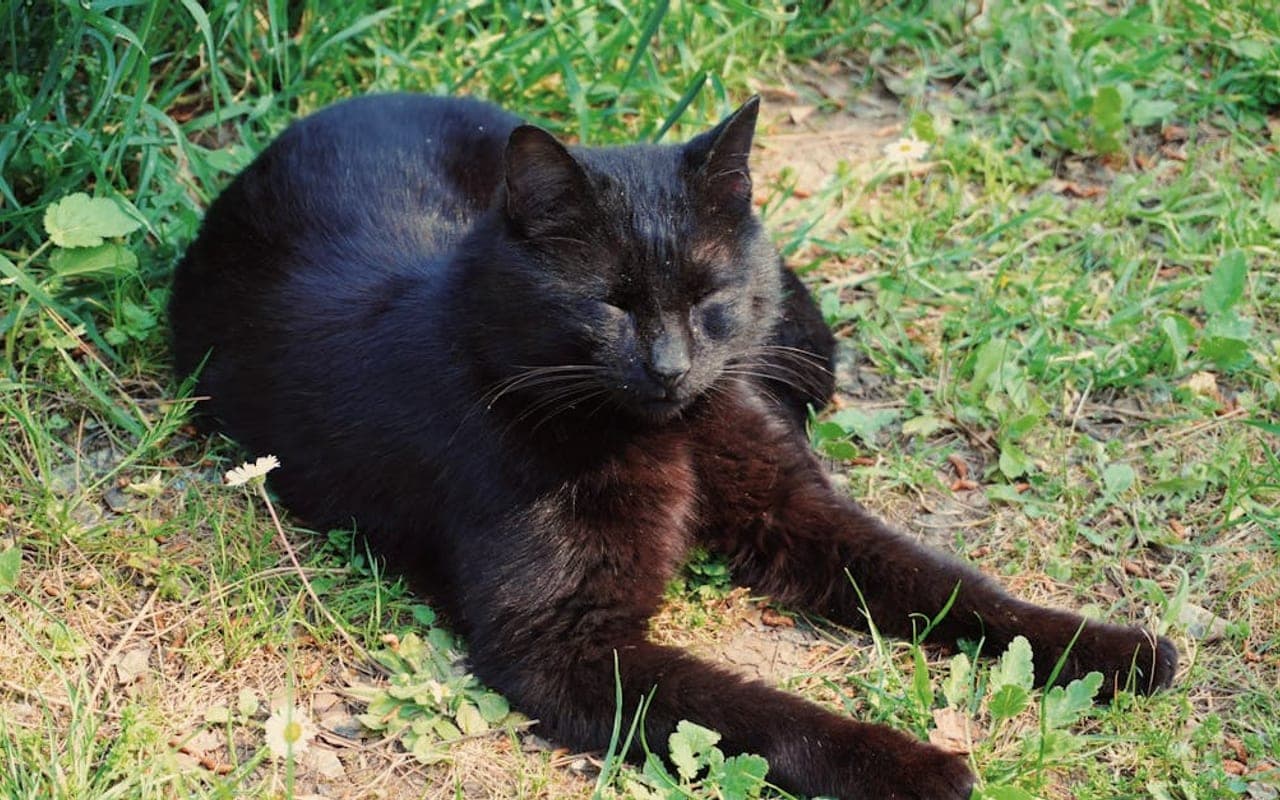
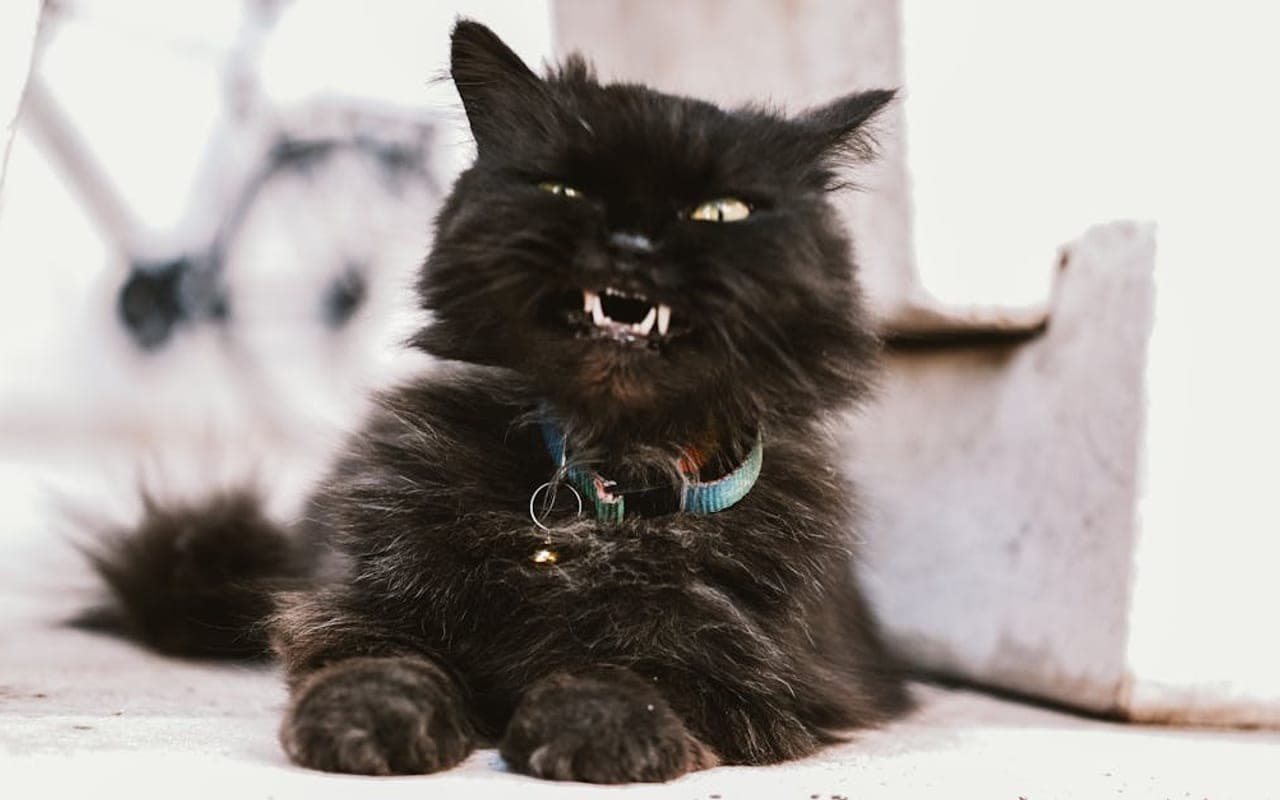
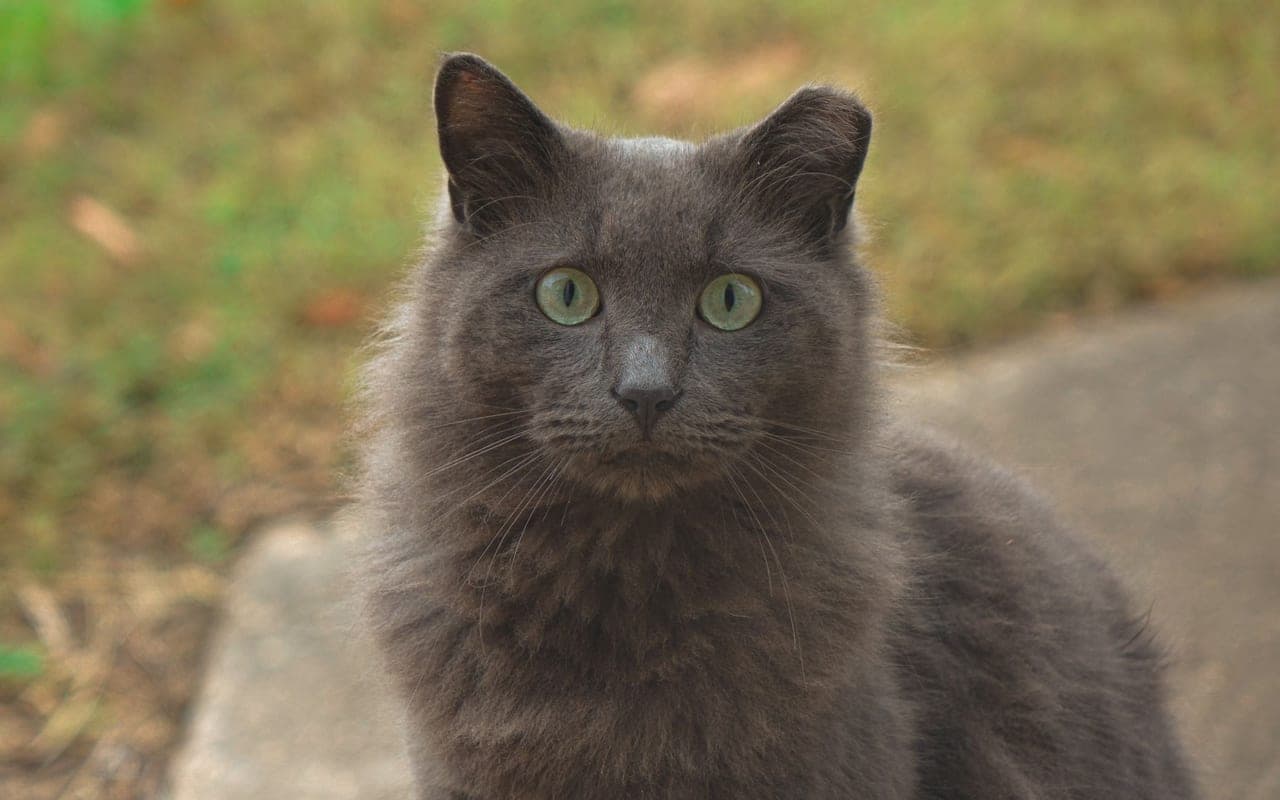
The Chantilly-Tiffany is, in practical terms, a breed you almost certainly cannot buy — and that is the most important thing a prospective owner needs to know up front. It originated in the United States from a pair of chocolate semi-longhaired cats in the late 1960s, was developed and named through the following decades, but the breeding population collapsed and the breed is today widely regarded as effectively extinct, with few or no verified breeders. Most cats advertised as 'Chantilly-Tiffany' are unrelated semi-longhairs sold under the name. Where the breed does survive in pedigree records, it is a medium, semi-longhaired cat with a silky, low-undercoat coat (classically rich chocolate, also lilac, blue, fawn, and cinnamon), a plumed tail, a neck ruff, and oval gold eyes. Temperament is its defining trait: devoted, people-focused, and conversational rather than loud — it 'chirps' and follows its person closely, dislikes being left alone, and is calm enough to suit quieter homes and older owners. It is affectionate without being frantic, and it is not a high-energy athlete. Honest health framing: there is no large, well-documented breed-specific disease registry for the Chantilly-Tiffany the way there is for Persians or Burmese, partly because the population is so small. It is not a known carrier of a signature genetic disorder. The realistic risks are the ones that apply to a semi-longhaired companion cat — dental disease, weight gain, and coat-related grooming problems — plus the very real risk of buying a misrepresented cat. Who the Chantilly-Tiffany is right for: someone who wants a gentle, devoted, conversational semi-longhair and who understands they are realistically adopting a Chantilly-type cat, not a verified-pedigree one. Who it is wrong for: a buyer expecting to source a guaranteed, papered Chantilly-Tiffany — that market essentially no longer exists, and assuming otherwise invites a scam.
Affectionate | Demanding | Interactive | Loyal
Affectionate
A common Chantilly-Tiffany temperament descriptor that should be interpreted alongside enrichment, handling, and household fit.
Demanding
A common Chantilly-Tiffany temperament descriptor that should be interpreted alongside enrichment, handling, and household fit.
Interactive
A common Chantilly-Tiffany temperament descriptor that should be interpreted alongside enrichment, handling, and household fit.
Loyal
A common Chantilly-Tiffany temperament descriptor that should be interpreted alongside enrichment, handling, and household fit.
Owner note
Temperament labels are starting points, not guarantees. Meet the individual cat and ask about behavior history whenever possible.
Care essentials
How to care for a Chantilly-Tiffany
What looking after one actually involves: play, grooming, food, litter, and routine health.
ExerciseAs needed
- Active and playful breed requiring daily interactive play sessions with toys, climbing structures, and mental stimulation.
GroomingAs needed
- Requires daily brushing to prevent matting and tangles. Regular professional grooming recommended every 6-8 weeks.
NutritionAs needed
- Feed a high-quality cat food appropriate for their age and activity level. Maintain fresh water at all times. Monitor weight to prevent obesity.
SocializationAs needed
- Enjoys human company and interaction. Can tolerate some alone time but prefers regular companionship.
Veterinary CareAs needed
- Annual wellness exams, vaccinations, dental checkups, and parasite prevention. Spay/neuter recommended if not breeding.
Health planning
Chantilly-Tiffany health risks and screening
Every cat breed has individual health variation. Use this profile for planning and discuss medical decisions with a veterinarian.
Responsible ownership
Finding a Chantilly-Tiffany responsibly
What to ask a breeder or rescue is the same conversation for every breed, so we keep it in one place and keep it current.
Health documentation, meeting the parents or foster, contracts and return support, and the warning signs worth walking away from.
Original purpose
Chantilly-Tiffany history
History is useful when it explains today's behavior, coat, exercise needs, and training style.
Read the breed history
The Chantilly-Tiffany began in the United States in 1967, when a pair of chocolate-colored semi-longhaired cats of uncertain origin produced kittens that were developed as a breed. It was originally called the 'Tiffany,' later renamed 'Chantilly-Tiffany' to avoid confusion with the unrelated British Tiffanie. Early assumptions linked it to Burmese or Asian breeds, but the breed was ultimately recognized as a distinct semi-longhair rather than a longhaired Burmese. The breed never built a large breeding base. By the late 20th and early 21st century the population had dwindled to the point that most registries no longer actively register it and many consider it extinct or critically rare. That history is the breed's defining practical fact: it explains both the absence of a well-characterized breed-disease profile (too few cats studied) and the strong likelihood that any cat sold today under the name is a Chantilly-type semi-longhair rather than a documented pedigree animal.
Gallery
Chantilly-Tiffany photos
Images are cropped consistently and loaded progressively to keep the page responsive.
Lower-page context
Chantilly-Tiffany cats in culture
Where the breed shows up in film, sport, work and folklore — the enjoyable part, once the practical questions are answered.
Fun facts
- The Chantilly-Tiffany originated in United States.
- Chantilly-Tiffany cats are considered one of the most intelligent cat breeds.
- Chantilly-Tiffany cats are known for being very vocal and communicative with their owners.
- The Chantilly-Tiffany is a true lap cat that loves to curl up with their owners.
- Chantilly-Tiffany cats are exceptionally dog-friendly and can live harmoniously with canine companions.
Chantilly-Tiffany FAQs
How long do Chantilly-Tiffany cats live?
A healthy Chantilly-type cat typically lives 14-16 years, comparable to or slightly above the domestic-cat average, helped by the absence of a known signature genetic disease. The realistic levers on that number are weight control, dental care, and routine senior screening for the common feline conditions (kidney disease, cancer) — not a breed-specific disorder. A lean, dentally-maintained Chantilly-type cat is a long-lived one.
Are Chantilly-Tiffany cats good with children?
Yes. The Chantilly-Tiffany is gentle, devoted, patient, and calm rather than skittish or high-strung, which suits households with children, including quieter ones. It tends to seek companionship over hiding. Supervise young children and teach gentle handling and coat respect as with any semi-longhair, but the breed's even, affectionate temperament makes it one of the more tolerant companion cats around family activity.
How much grooming does a Chantilly-Tiffany need?
Moderate. The silky semi-long coat has little undercoat, so it mats less than a Persian's, but it still needs brushing 2-3 times a week — and more during seasonal sheds — to keep the neck ruff, trousers, and plumed tail tangle-free. Budget five to ten minutes a session and check the friction zones behind the ears and under the legs, where mats start before they become visible.
Are Chantilly-Tiffany cats good for apartments?
Yes, very. The Chantilly-Tiffany is calm, lower-energy, and people-oriented rather than territorial or hyperactive, so it adapts well to apartment living. The one real caveat is its devotion: this breed dislikes being alone and does poorly left in an empty apartment all day, so plan for company, a second pet, or a routine that keeps it engaged rather than isolated.
How much does a Chantilly-Tiffany cat cost, and can I even find one?
Honestly, finding a verified one is the real problem — the breed is widely considered extinct, so there is essentially no legitimate pedigree market, and listings using the name are usually unrelated semi-longhairs. If you proceed, expect to pay typical pedigree-cat prices ($500-$1,500) for an unverifiable cat, or far less to adopt a Chantilly-type semi-longhair from a shelter. Decide upfront that you are choosing the type and temperament, not papers, and you avoid the breed's biggest financial trap.
Does the Chantilly-Tiffany have any serious genetic diseases?
Not a known signature one, and that is an honest statement rather than reassurance — the population is too small to have a well-studied disease registry, so 'no documented breed-specific disorder' partly means 'too few cats to characterize.' The practical risks are the ordinary ones for a semi-longhair companion: dental disease, obesity, hairball/digestive sensitivity, and the age-related conditions all cats face. Routine senior screening is the right monitoring approach.
Sources
These are the published sources this page draws on. Each opens in a new tab so you can check it yourself.
Canadian Cat Association / Association Féline Canadienne
Chantilly-Tiffany — Canadian Cat Association / Association Féline Canadienne breed standard(opens in a new tab)Supports: Breed standard and recognition details.
Similar breeds to consider
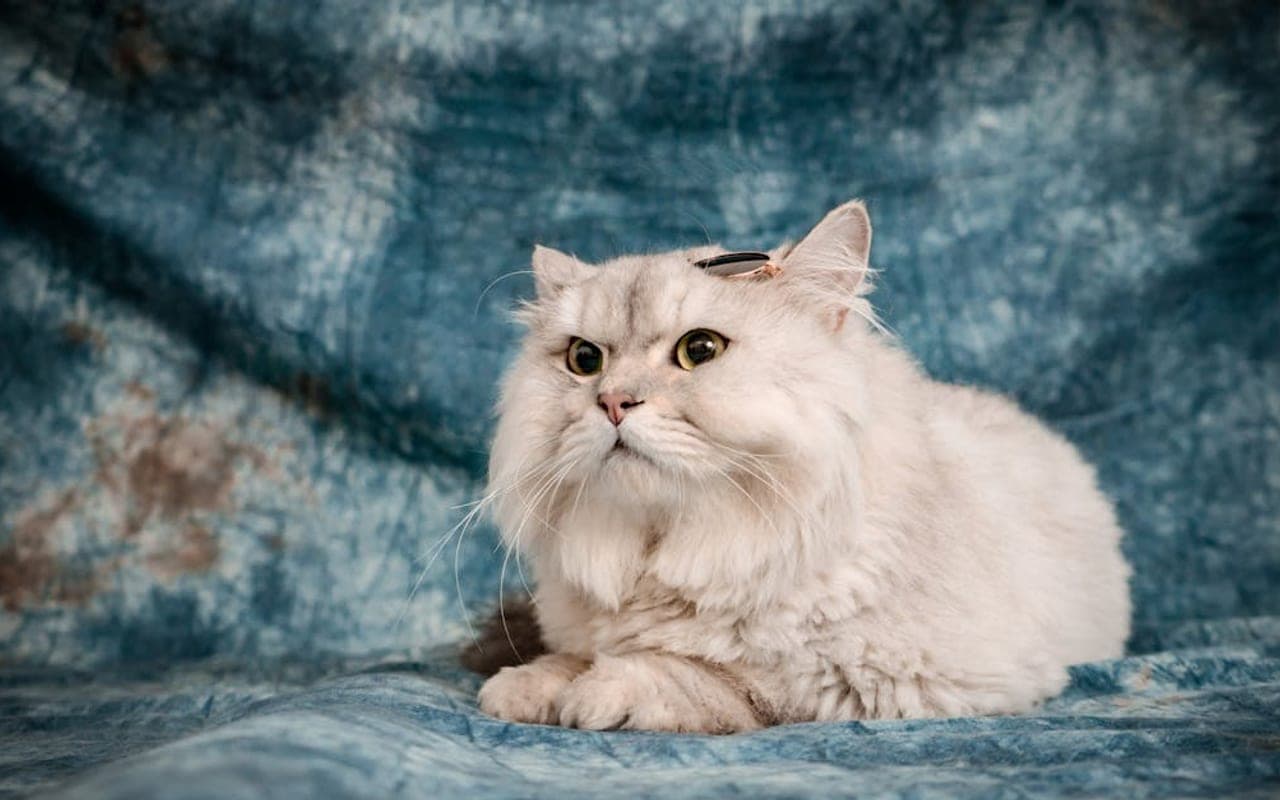
Persian
Also in the Longhair group, with different care and temperament tradeoffs.
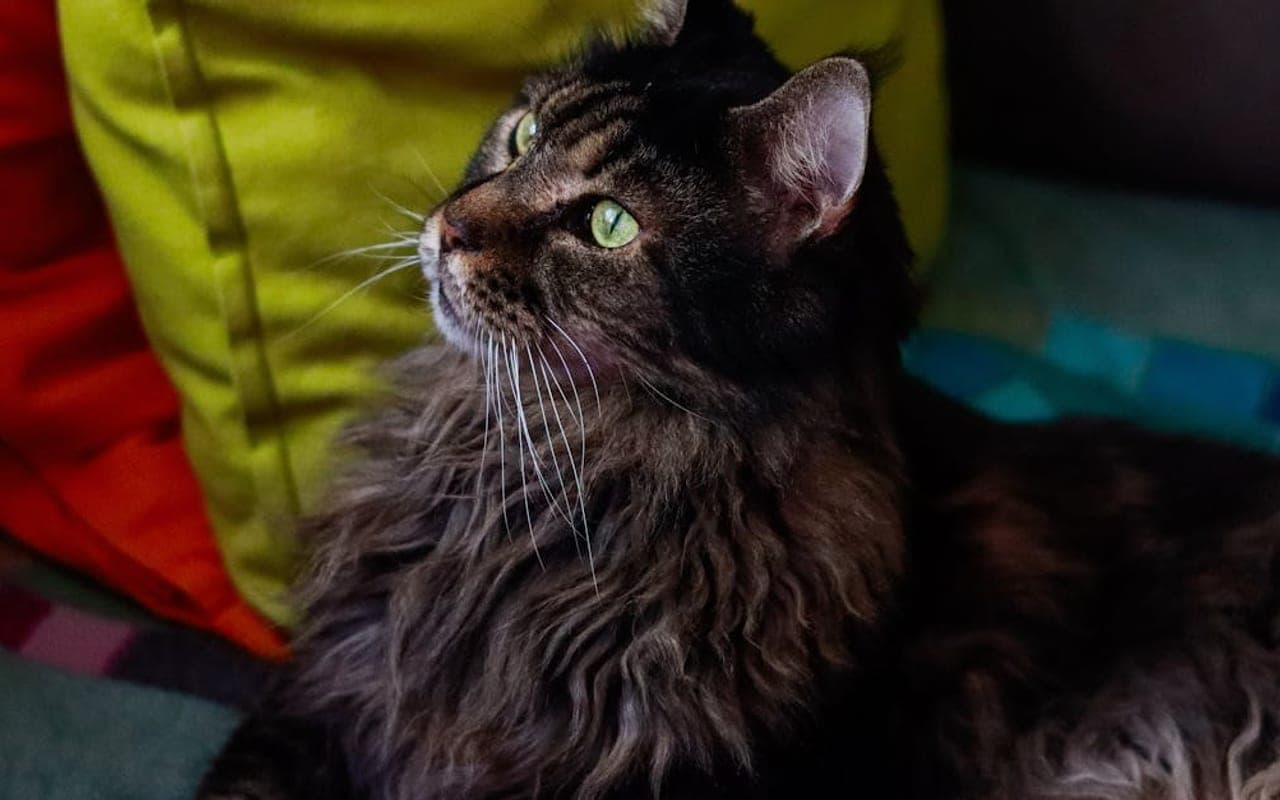
Maine Coon
Also in the Longhair group, with different care and temperament tradeoffs.
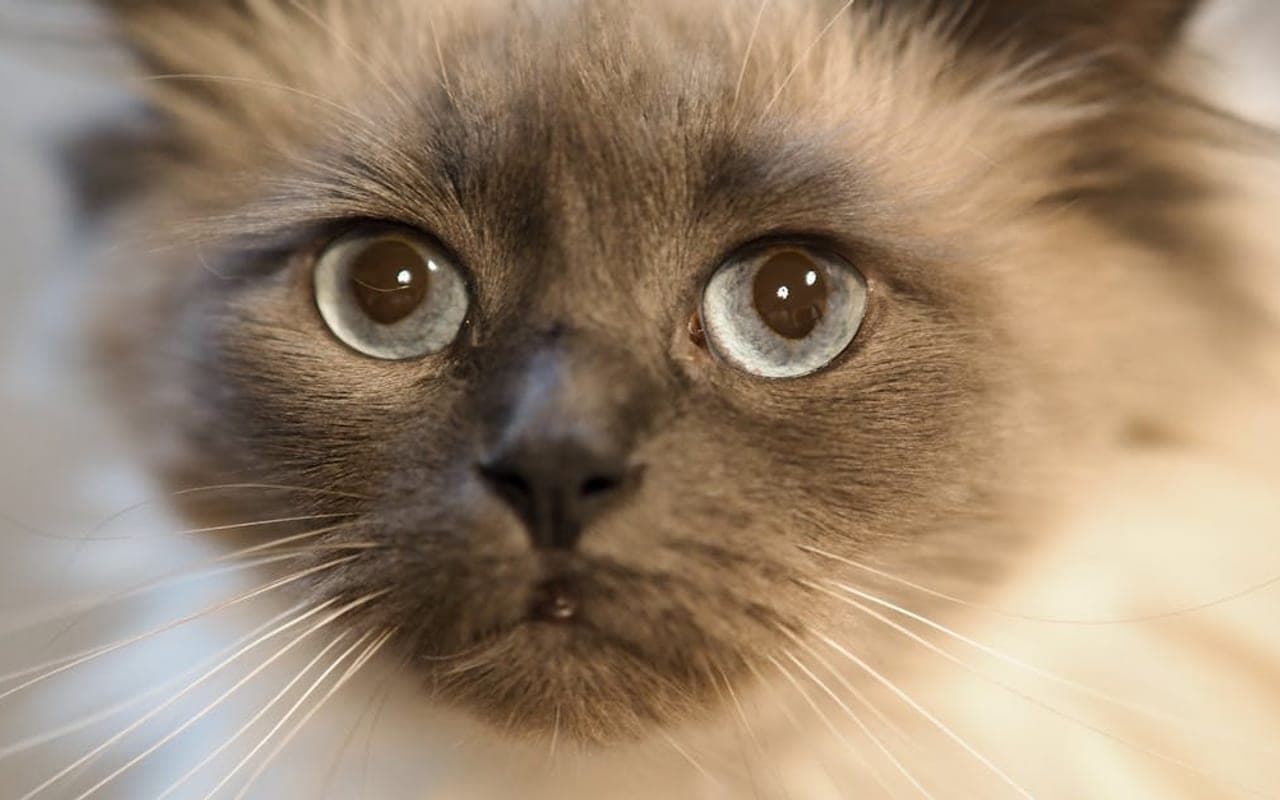
Ragdoll
Also in the Longhair group, with different care and temperament tradeoffs.
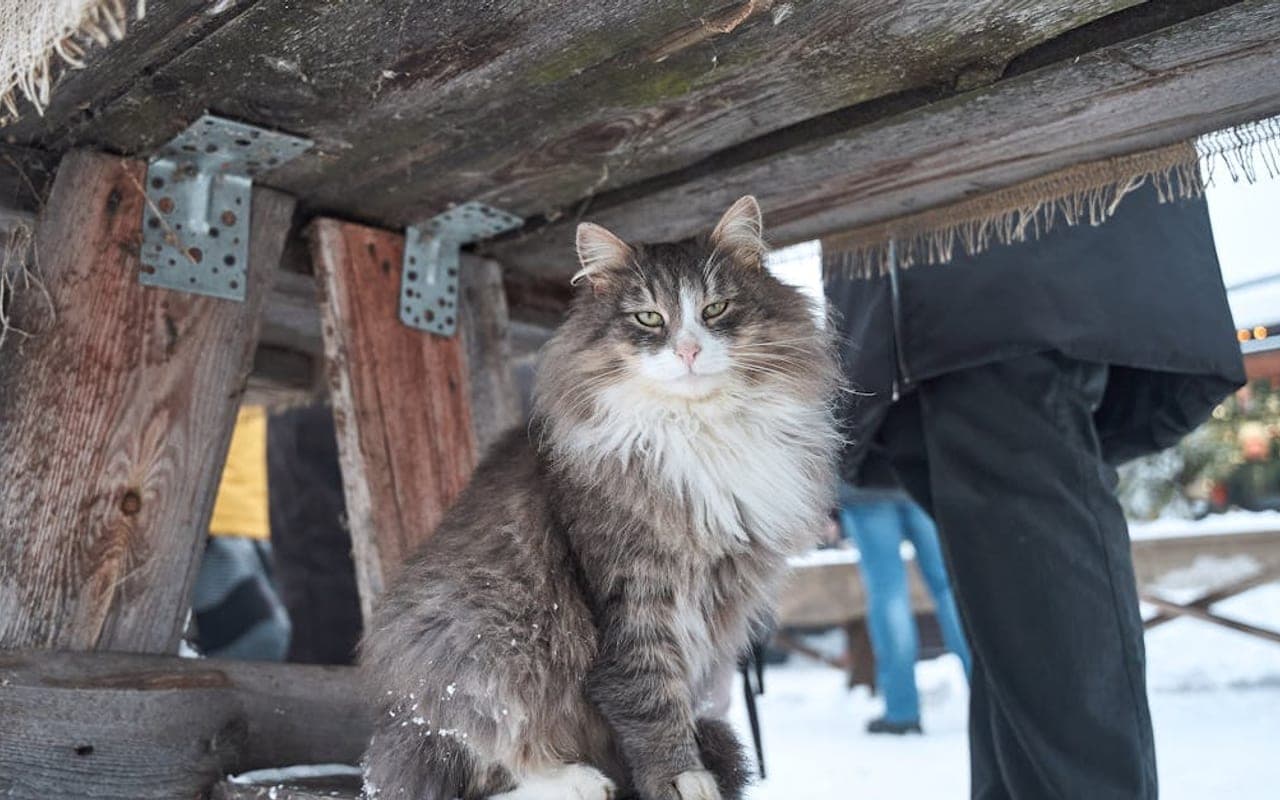
Norwegian Forest Cat
Also in the Longhair group, with different care and temperament tradeoffs.
Explore More About Chantilly-Tiffany
Dive deeper into everything Chantilly-Tiffany — costs, care, and expert insights.
Considering a dog instead?
Browse Dogs