
Tonkinese Care Guide
The Tonkinese: a deliberate Burmese and Siamese cross The Tonkinese was bred on purpose. Mid-20th-century breeders crossed the Burmese with the Siamese to land on a cat that kept the Siamese's talkati
In This Guide
Overview
The Tonkinese: a deliberate Burmese and Siamese cross
The Tonkinese was bred on purpose. Mid-20th-century breeders crossed the Burmese with the Siamese to land on a cat that kept the Siamese's talkative spark and the Burmese's solid, affectionate warmth without going to either extreme. The result is a medium-sized cat that weighs more than it looks — pick one up and the compact, muscular body is a genuine surprise, with males reaching roughly 8 to 12 pounds (PetMD).
Coat and eyes
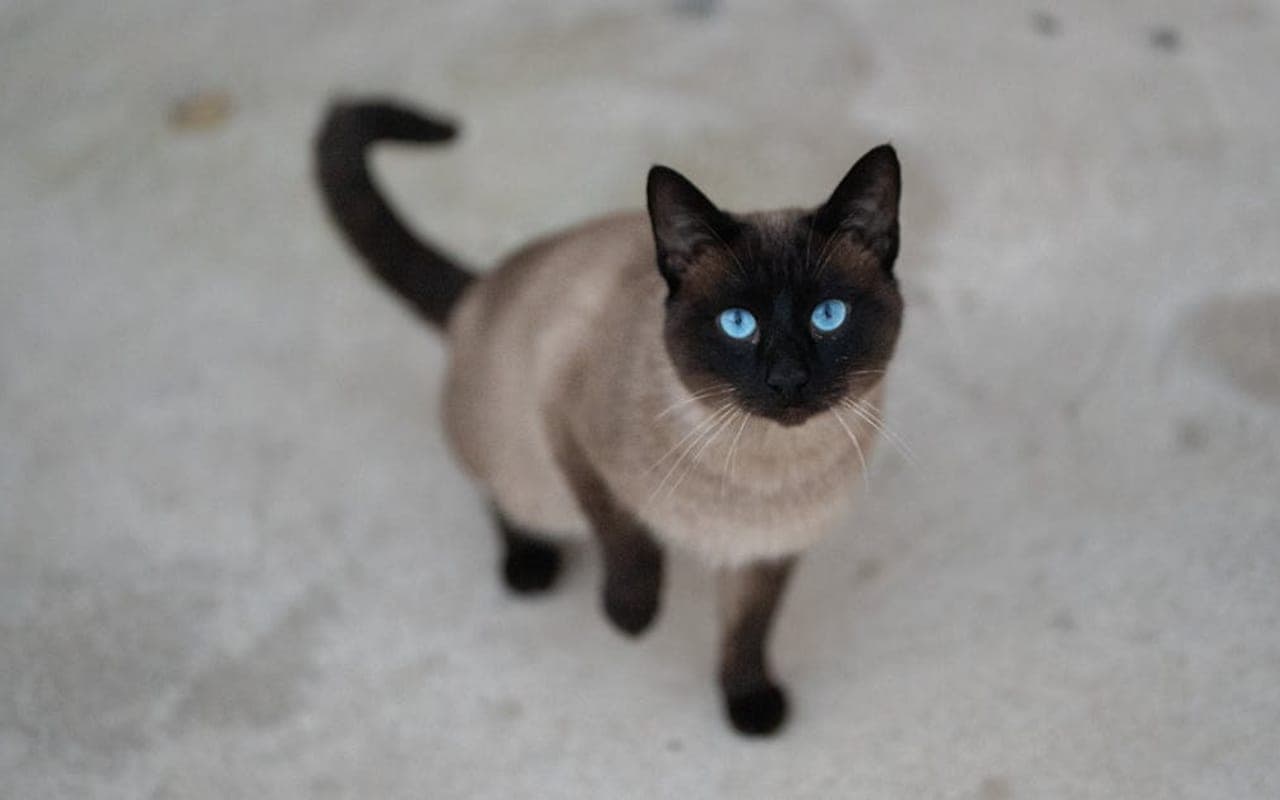
Ancestry shows up first in the coat, which comes in three patterns. Mink is the signature look — a soft blend of point and body colour paired with the breed's famous aqua eyes. Pointed cats carry the Siamese-style contrast and blue eyes, while solid or sepia cats lean Burmese and show green to golden eyes (PetMD). The coat itself is short, fine and close-lying, so the striking appearance costs almost nothing in upkeep.
Temperament
This is a "busy" cat, not an ornament. Tonkinese are playful, curious and relentlessly people-oriented: they follow you room to room, angle for shoulders and laps, and hold running conversations, though usually at a lower volume than a full Siamese (Vet Help Direct). They bond hard and dislike being left alone for long stretches, so they suit a household with company, a second pet or a predictable daily rhythm far better than an empty house for nine hours a day. Intelligent and social by design, a Tonkinese wants a companion, a job and something to climb — plan for all three before one comes home.
Exercise
Keeping a Tonkinese busy: enrichment is not optional
A Tonkinese runs on energy, intelligence and company, and shorting any of the three tends to produce a loud, destructive cat rather than a calm one. Vet Help Direct notes the breed needs environmental enrichment — toys, climbing trees and scratching posts — and does not like being left alone for long. Treat play and stimulation as daily care, not an extra.
Daily play
Aim for a few short interactive sessions a day with a wand toy, feather or thrown ball, because this cat wants to hunt, chase and problem-solve with you, and a Tonkinese that burns that drive on a toy is far less likely to spend it on your curtains. Rotate the toys so novelty lasts, and end each session with a "catch" so the hunt feels finished rather than cut off.
Climb, forage and don't leave them bored
Give real vertical space — a tall cat tree, a run of shelves or a window perch — because a busy, athletic cat uses height to patrol, rest and watch the household, and a home with only floor-level options wastes half its range. Build in puzzle feeders and food-dispensing toys too, because they turn a two-minute meal into ten minutes of brain work, which is exactly what an intelligent breed needs between play sessions.
Because Tonkinese bond so tightly and dislike solitude, plan for company: a second compatible pet, a household that is home often, or at minimum enrichment and safe window views for the hours you are out. A bored, lonely Tonkinese gets vocal and into mischief — and the fix is stimulation and companionship, because scolding does nothing to address the unmet need underneath the behaviour.
Grooming
Grooming the Tonkinese: little coat, real routine
The Tonkinese wears one of the lowest-maintenance coats in the cat world. It is short, fine and lies close to the body (PetMD), with no heavy undercoat to mat or blow out, so shedding stays modest year-round and the coat keeps its silky sheen with barely any help from you.
Coat care
A weekly once-over with a soft rubber brush or grooming mitt is plenty. Brush weekly because it lifts the small amount of loose hair before it reaches your clothes, spreads skin oils for shine, and — just as usefully — gives you a regular minute to feel for lumps, scabs or fleas early. A rubber tool suits this close coat because stiff bristles skate over it and do little. Bathing is rarely needed; reserve it for a cat that is genuinely dirty.
Teeth, ears and nails
Dental care is the part that actually matters here, because Tonkinese are prone to plaque buildup, gingivitis and periodontal disease (PetMD). Brush the teeth with a cat-specific toothpaste as often as your cat tolerates, ideally most days, because home brushing is the single biggest thing that slows gum disease between professional cleanings; ask your vet about a dental-check schedule.
Check the ears weekly and wipe only the visible outer ear with a vet-approved cleaner when you see wax, because pushing anything into the canal risks injury. Trim nails every couple of weeks so they do not catch or overgrow, and offer a sturdy scratching post to keep them worn down naturally. Handle paws, ears and mouth gently from kittenhood, because a cat that is used to being touched makes every one of these tasks safer and quicker for both of you.
Health
Tonkinese health: a robust breed with a mixed inheritance
Because the Tonkinese was built from two established breeds, its health record reads the same way: generally hardy, with a long typical lifespan of about 15 to 20 years (PetMD), but carrying a handful of conditions traced back to its Burmese and Siamese parents. Nothing below is a diagnosis. It is a map of what a good breeder screens for and what your vet should watch across your cat's life.
Inherited conditions from the parent breeds
A few well-documented hereditary problems come down the Burmese and Siamese lines, and responsible breeders test for them. Purina names three: progressive retinal atrophy, an inherited degeneration of the retina that develops gradually and can lead to blindness; pyruvate kinase deficiency, an enzyme fault that causes anaemia; and the Burmese head defect, a serious skull-and-face malformation from the Burmese side. DNA tests exist for progressive retinal atrophy and pyruvate kinase deficiency (Purina), which is why buying from a breeder who screens the parents matters — it removes most of the guesswork before a kitten is born. Ask to see test results rather than taking a "healthy line" on trust.
Amyloidosis
Amyloidosis — a buildup of abnormal protein in the organs that can eventually impair how they work — is the one condition Vet Help Direct singles out as more breed-specific to the Tonkinese rather than affecting cats in general (a familial form is also long associated with Siamese-lineage breeds). It tends to appear later in life and can progress slowly and quietly, so vague signs in an older Tonkinese — gradual weight loss, a fading appetite or lower energy — are worth a vet visit rather than a wait-and-see. There is no home remedy; the value is in catching changes early through senior check-ups.
Teeth and gums
Dental disease is the everyday health issue most likely to affect your cat. Tonkinese are prone to plaque buildup, gingivitis, periodontal (gum) disease and tooth resorption (PetMD), and sore gums or bad breath are easy to overlook until eating becomes painful. This is also the problem you have the most direct control over: regular home brushing plus professional cleanings on your vet's schedule genuinely slow it down, because plaque left to harden into tartar is what drives the gum damage.
Kidneys, weight and general watch-points
Like many cats, Tonkinese can develop chronic kidney disease with age and can inherit polycystic kidney disease, in which fluid-filled cysts form in the kidneys (PetMD) — a reason routine bloodwork earns its place in senior visits. Obesity is a plain but real risk too (PetMD): an indoor, food-motivated cat gains weight quietly, and extra pounds worsen joint strain and diabetes risk, so portion meals deliberately and keep this active breed moving. Vet Help Direct also lists conditions such as feline asthma among things to watch, while noting these affect cats of all breeds and are not uniquely Tonkinese — a reminder not to over-read every breed checklist.
Working with your vet
The throughline is simple. Choose a screening breeder, keep annual check-ups (twice-yearly for seniors), brush the teeth, watch the weight, and treat any new or lingering change as a question for a veterinarian rather than the internet. Your vet is the only one who can diagnose, and an early conversation beats a late one.
Frequently Asked Questions
Is the Tonkinese a healthy breed?
Broadly yes — it is a robust cat that often lives 15 to 20 years (PetMD) — but as a Burmese-Siamese cross it can inherit specific conditions from both lines, so breeder screening and regular vet care still matter.
What inherited conditions should a Tonkinese breeder test for?
Purina points to progressive retinal atrophy and pyruvate kinase deficiency, both of which have DNA tests, plus the Burmese head defect; ask to see the parents' results before buying a kitten.
Why do Tonkinese need so much dental attention?
They are prone to plaque, gingivitis, periodontal disease and tooth resorption (PetMD), and home brushing plus professional cleanings are the most effective way to slow gum disease, because hardened tartar is what damages the gums over time.
My older Tonkinese is losing weight and eating less — what could it be?
Gradual weight loss and poor appetite in a senior cat can point to several issues, including amyloidosis — which Vet Help Direct notes is more breed-specific to the Tonkinese — or kidney disease; it is a reason to see your vet promptly, not to self-diagnose.
Sources
This guide draws on the following published references. Each opens in a new tab so you can check it against what you have read here.
The Cat Fanciers' Association
Tonkinese - The Cat Fanciers' Association(opens in a new tab)Purina (Pro Plan)
Tonkinese - Cat Breed Information Guide | Pro Plan(opens in a new tab)PetMD
Tonkinese Cat Breed Health and Care | PetMD(opens in a new tab)Vet Help Direct
What is a Tonkinese, and do they make good pets?(opens in a new tab)
Affiliate disclosure: We may earn a commission from qualifying purchases. This doesn't affect our recommendations.
Recommended Products
Tonkinese Care Guide Book
Breed-focused reading and owner references for Tonkinese care, training, grooming, and health planning.
Tonkinese Food and Supplies
Helpful supplies for tonkinese cat supplies routines at home.
Tonkinese Grooming Tools
Helpful supplies for tonkinese grooming tools routines at home.
Get personalized pet care tips
Join our newsletter for breed-specific advice, care guides, and expert tips delivered weekly.
No spam, ever. Unsubscribe anytime.