
Shorthair group
Tonkinese
The Tonkinese is the deliberate midpoint between the Siamese and the Burmese — and that is the single most useful thing to understand before you buy one.
Size
6-12 lb
Lifespan
14-16 years
Play
30-60 minutes
Shedding
Moderate
Experience
Match to owner routine
Decision first
Is a Tonkinese right for you?
Start with fit before history or trivia. These are ownership signals, not guarantees about any individual cat.
Best suited for
- Households with children.
- Homes with other compatible pets.
- Apartment homes with a consistent routine.
- Owners who can provide daily play, climbing space, and enrichment.
Think carefully if
- You cannot provide daily play, climbing space, or mental enrichment.
- You cannot keep up with grooming and preventive care.
- The cat will spend most days without interaction or enrichment.
Conditional fit
Apartment fit depends on vertical space, litter setup, play, enrichment, and noise tolerance.
Daily reality
Tonkinese commitment snapshot
Daily play
30-60 minutes
Match play and enrichment to age, health, appetite, and household routine.
Coat care
Low
Grooming needs vary by coat, shedding, and lifestyle.
Social needs
Needs planning
Most cats still need predictable contact, enrichment, litter care, and monitoring.
Structured facts
Tonkinese at a glance
The measurements and traits that most affect day-to-day life with this breed.
Origin
Canada
Group
Shorthair
Weight
6-12 lb
Height
9-12 in
Lifespan
14-16 years
Temperament
Curious | Intelligent | Social | Lively | Outgoing | Playful | Affectionate
View all characteristics and methodology
Lifestyle fit
- Apartment suitabilityWorks best with clean litter setup, vertical space, and daily enrichment.
- Likely fit
- Child friendliness
- Often good, with socialisation and supervision
- Other-pet fit
- Often compatible with careful introductions
- Adaptability
- Very high
Owner commitment
- Daily play
- 30-60 minutes
- Grooming
- Low
- Shedding
- Moderate
- Indoor enrichment
- High
Behavior
- Affection
- Very high
- Energy
- Very high
- Vocalization
- Very high
- Social needs
- Very high
Environment and health
- Intelligence
- Very high
- Health risk
- Needs planning
- Weight sensitivity
- Routine monitoring
Ratings combine structured breed data, visible breed fields, and editorial context. They are planning aids, not predictions for an individual cat.
Daily life
Tonkinese temperament and behavior
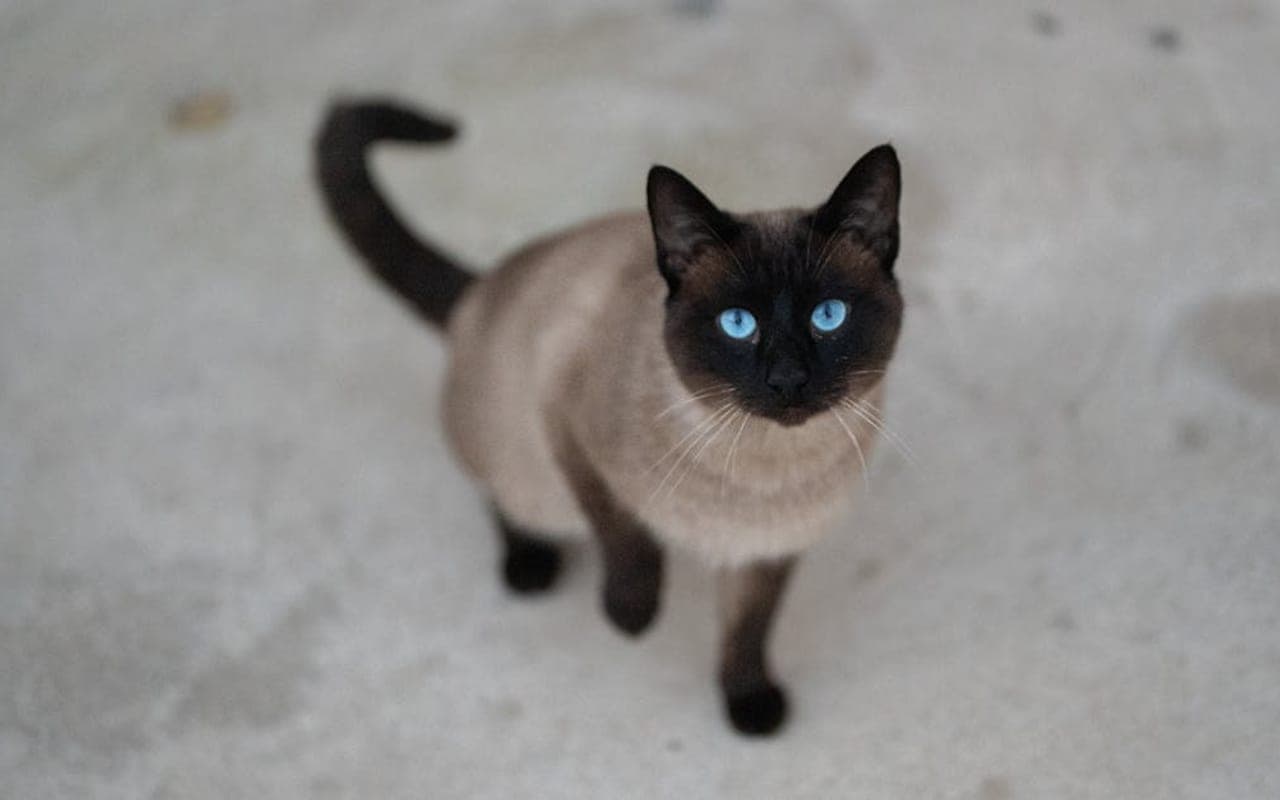
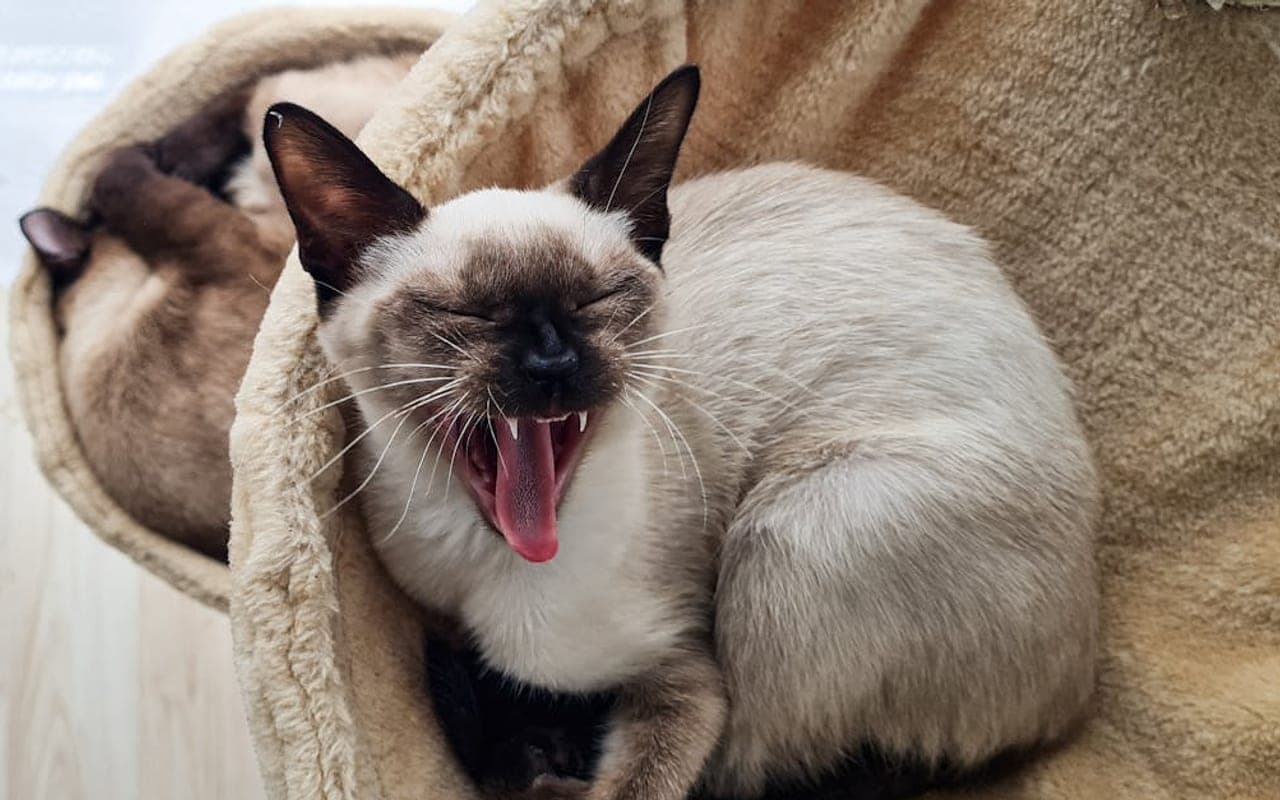
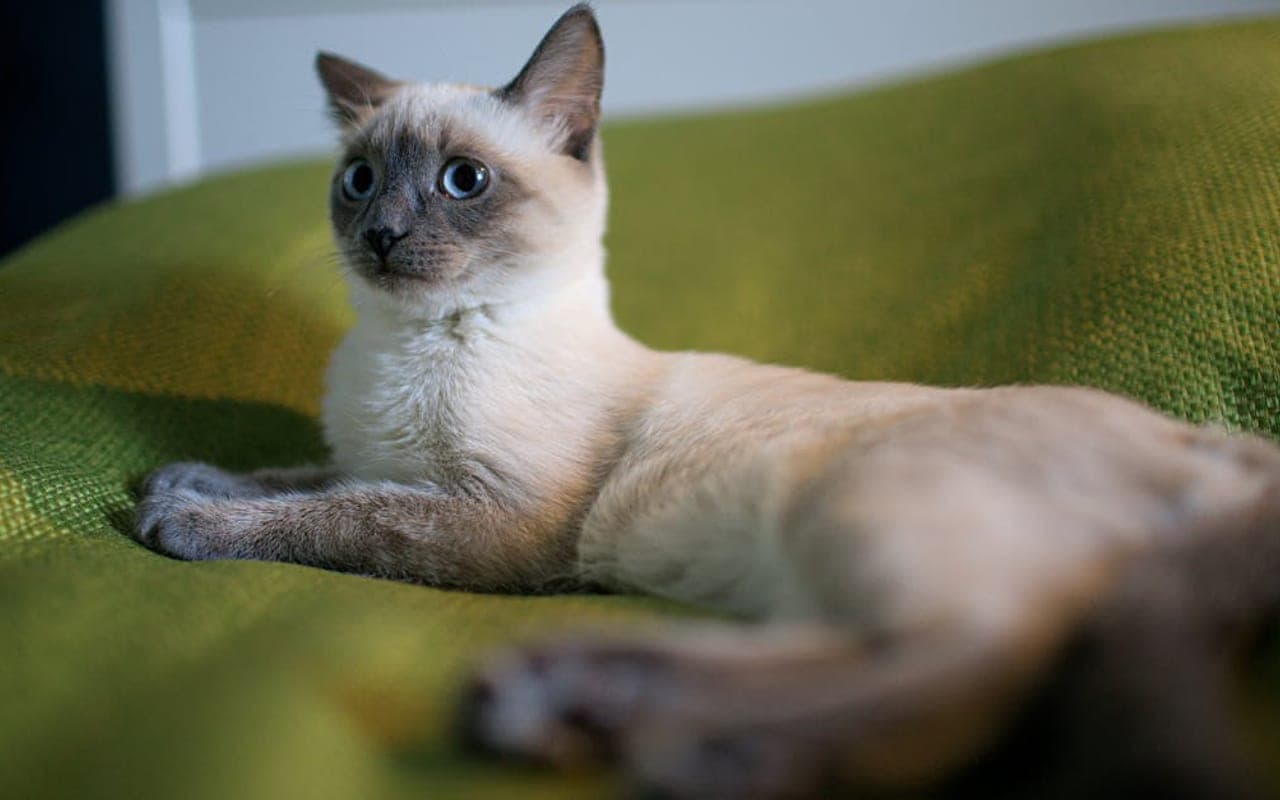
The Tonkinese is the deliberate midpoint between the Siamese and the Burmese — and that is the single most useful thing to understand before you buy one. A Canadian breeder, Margaret Conroy, and an American breeder, Jane Barletta, working independently in the 1960s and 70s, crossed those two breeds to keep the intelligence and people-obsession of both while softening the Siamese's extremes. What you get is a cat with aquamarine-leaning eyes, a satiny mink coat, a mid-range body that is neither tubular Siamese nor cobby Burmese, and a personality that is relentlessly social. This is not a decorative cat that lives on a shelf. The Tonkinese wants to be in the room you are in, on the work you are doing, in the conversation you are having — they are talkative like a Siamese but with a softer voice, and they will train you to play fetch before you realize it happened. They bond to a whole household rather than fixating on one person, do well with children and other pets, and stay kitten-like in play drive well into adulthood. The trade-off is loneliness intolerance. A Tonkinese left alone all day, every day, with no companion animal and no enrichment, becomes a destructive, vocal, sometimes depressed cat. This is a breed that genuinely benefits from a second pet or a household where someone is usually home. Who the Tonkinese is right for: an interactive owner — ideally a multi-pet or multi-person home — who wants a dog-like cat and is prepared to brush teeth and watch for the inherited conditions the Siamese and Burmese lines carry. Who it is wrong for: someone who works twelve-hour days, lives alone, wants a quiet aloof cat, or expects to skip the dental routine. The Tonkinese rewards engagement and punishes neglect — decide on that axis, not on the coat.
Curious | Intelligent | Social | Lively | Outgoing | Playful | Affectionate
Curious
A common Tonkinese temperament descriptor that should be interpreted alongside enrichment, handling, and household fit.
Intelligent
A common Tonkinese temperament descriptor that should be interpreted alongside enrichment, handling, and household fit.
Social
A common Tonkinese temperament descriptor that should be interpreted alongside enrichment, handling, and household fit.
Lively
A common Tonkinese temperament descriptor that should be interpreted alongside enrichment, handling, and household fit.
Owner note
Temperament labels are starting points, not guarantees. Meet the individual cat and ask about behavior history whenever possible.
Care essentials
How to care for a Tonkinese
What looking after one actually involves: play, grooming, food, litter, and routine health.
ExerciseAs needed
- Active and playful breed requiring daily interactive play sessions with toys, climbing structures, and mental stimulation.
GroomingAs needed
- Low-maintenance coat requiring weekly brushing. Occasional bathing as needed.
NutritionAs needed
- Feed a high-quality cat food appropriate for their age and activity level. Maintain fresh water at all times. Monitor weight to prevent obesity.
SocializationAs needed
- Highly social breed that thrives on companionship. Does not do well left alone for extended periods. Consider a companion pet.
Veterinary CareAs needed
- Annual wellness exams, vaccinations, dental checkups, and parasite prevention. Spay/neuter recommended if not breeding.
Health planning
Tonkinese health risks and screening
Every cat breed has individual health variation. Use this profile for planning and discuss medical decisions with a veterinarian.
Responsible ownership
Finding a Tonkinese responsibly
What to ask a breeder or rescue is the same conversation for every breed, so we keep it in one place and keep it current.
Health documentation, meeting the parents or foster, contracts and return support, and the warning signs worth walking away from.
Original purpose
Tonkinese history
History is useful when it explains today's behavior, coat, exercise needs, and training style.
Read the breed history
The Tonkinese descends from a single foundational cat: Wong Mau, the brown cat imported to the United States in 1930 who founded the Burmese breed and was, genetically, a Burmese-Siamese hybrid — effectively the first Tonkinese before the breed had a name. The modern breed was created intentionally in the 1960s and early 1970s by two breeders working independently: Margaret Conroy in Canada and Jane Barletta in the United States, who each crossed Siamese and Burmese aiming to fix a stable middle type with the mink coat and aqua eye. Canada recognized the Tonkinese as a distinct breed by 1965. The International Cat Association recognized the breed in 1979, its inaugural year; the Cat Fanciers' Association granted championship status in 1984, and the UK's Governing Council of the Cat Fancy followed in 1991. Because two tonkinese can produce Siamese-pointed and Burmese-sepia offspring alongside the mink, the breed remains a genetic blend rather than a fixed point — which is why it carries health risks from both parent lines.
Gallery
Tonkinese photos
Images are cropped consistently and loaded progressively to keep the page responsive.
Lower-page context
Tonkinese cats in culture
Where the breed shows up in film, sport, work and folklore — the enjoyable part, once the practical questions are answered.
Fun facts
- The Tonkinese originated in Canada.
- Tonkinese cats are considered one of the most intelligent cat breeds.
- Tonkinese cats are known for being very vocal and communicative with their owners.
- The Tonkinese is one of the most energetic and playful cat breeds.
- The Tonkinese is a true lap cat that loves to curl up with their owners.
Tonkinese FAQs
How long do Tonkinese cats live?
A healthy Tonkinese from screened lines typically lives 14-16 years, comparable to other pedigree shorthairs. The number that actually moves lifespan is not age — it is whether the cat inherited amyloidosis, HCM, or PRA from the Siamese/Burmese lines. A Tonkinese from a breeder who echo-screens for HCM and DNA-tests for PRA, kept lean and on a dental routine, can reach the top of that range; an unscreened cat with amyloidosis may not. Buy on screening evidence, not on price.
Are Tonkinese cats good with children and other pets?
Yes — this is one of the breed's strongest traits. Tonkinese are sturdy, playful into adulthood, and social by design; they generally do well with respectful children and integrate readily with other cats and dog-friendly dogs. The practical reason to add a second pet is the breed's loneliness intolerance: a Tonkinese with a companion animal copes far better with an owner who works full-time than a solo Tonkinese does. Supervise young children and teach gentle handling as with any cat.
Do Tonkinese cats need a lot of attention?
Yes, and this is the breed's defining trade-off. Tonkinese are relentlessly interactive — they follow you, talk to you, and demand play. Budget 30+ minutes of structured play a day plus puzzle feeders and vertical space. A Tonkinese left alone all day with no enrichment and no companion animal frequently becomes destructive, over-vocal, or withdrawn, and this is the most common reason the breed is surrendered. If your household is empty 10+ hours daily, get two cats or choose a more independent breed.
How much grooming does a Tonkinese need?
Very little on the coat side. The short, close-lying mink coat needs only a five-minute brush once a week and produces moderate seasonal shedding. The grooming task that actually matters in this breed is dental: start enzymatic toothbrushing before six months because Siamese-line gingivitis can begin at three to four months. Skipping the teeth, not the coat, is what creates expensive problems — anesthetic dental extractions run several hundred to over a thousand dollars by middle age.
What inherited diseases should I screen for before buying a Tonkinese?
Ask the breeder for three specific things: an echocardiogram screening of breeding cats for hypertrophic cardiomyopathy, DNA testing for progressive retinal atrophy, and a frank discussion of any amyloidosis in the line. Amyloidosis and PRA have no cure, so prevention is entirely upstream — at the breeder. A breeder who cannot produce HCM echo results or PRA DNA status is not a breeder you should buy from in this breed, regardless of how healthy the kitten looks at twelve weeks.
Why do Tonkinese cats need their teeth brushed so early?
Because they inherit a Siamese-line predisposition to gingivitis that can begin as the permanent teeth erupt at three to four months — far earlier than in most cats. If you wait until the cat is an adult to start a dental routine, the disease is often already established and the cat will resist handling. Starting enzymatic toothbrushing before six months does two things: it slows the disease and it conditions the cat to accept handling, which saves you repeated $400-$1,200 anesthetic dental procedures later.
Sources
These are the published sources this page draws on. Each opens in a new tab so you can check it yourself.
Cat Fanciers' Association
Tonkinese — breed standard and profile(opens in a new tab)Supports: Breed standard and recognition details.
Similar breeds to consider
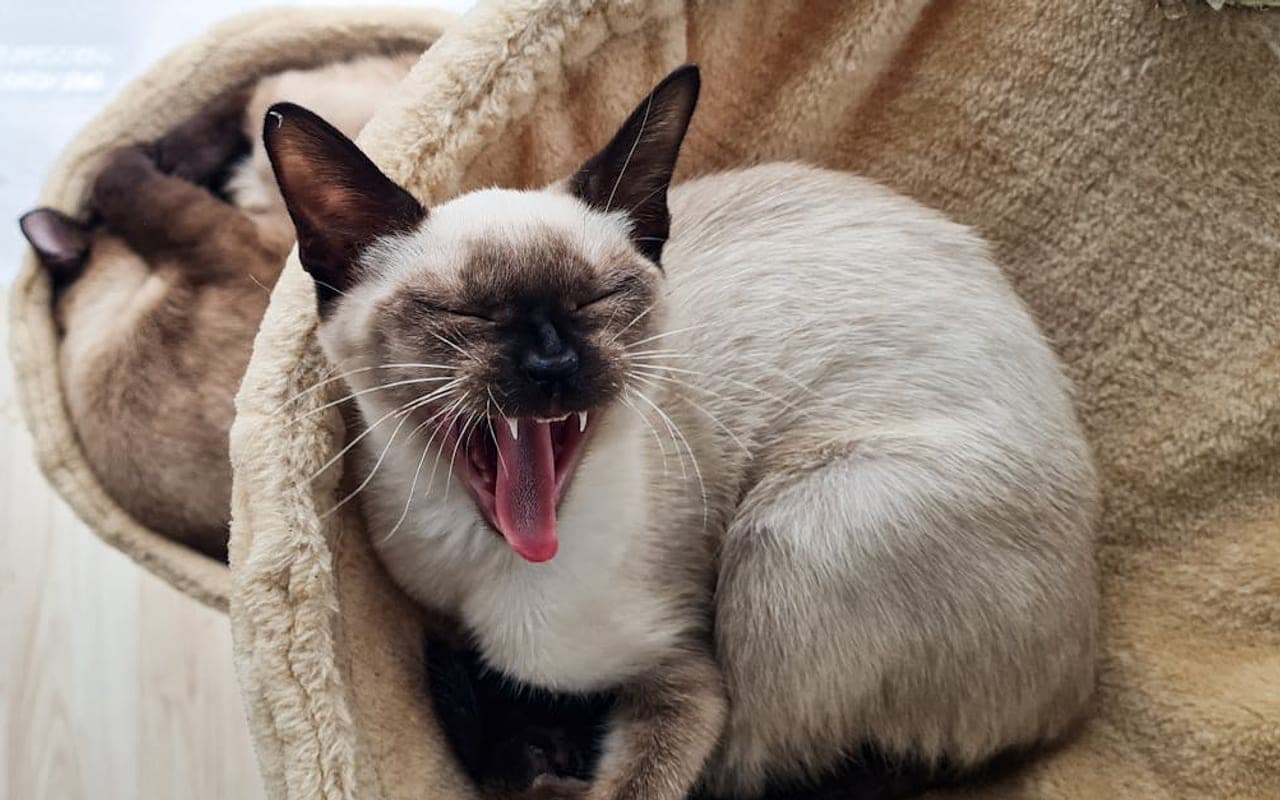
Siamese
Also in the Shorthair group, with different care and temperament tradeoffs.
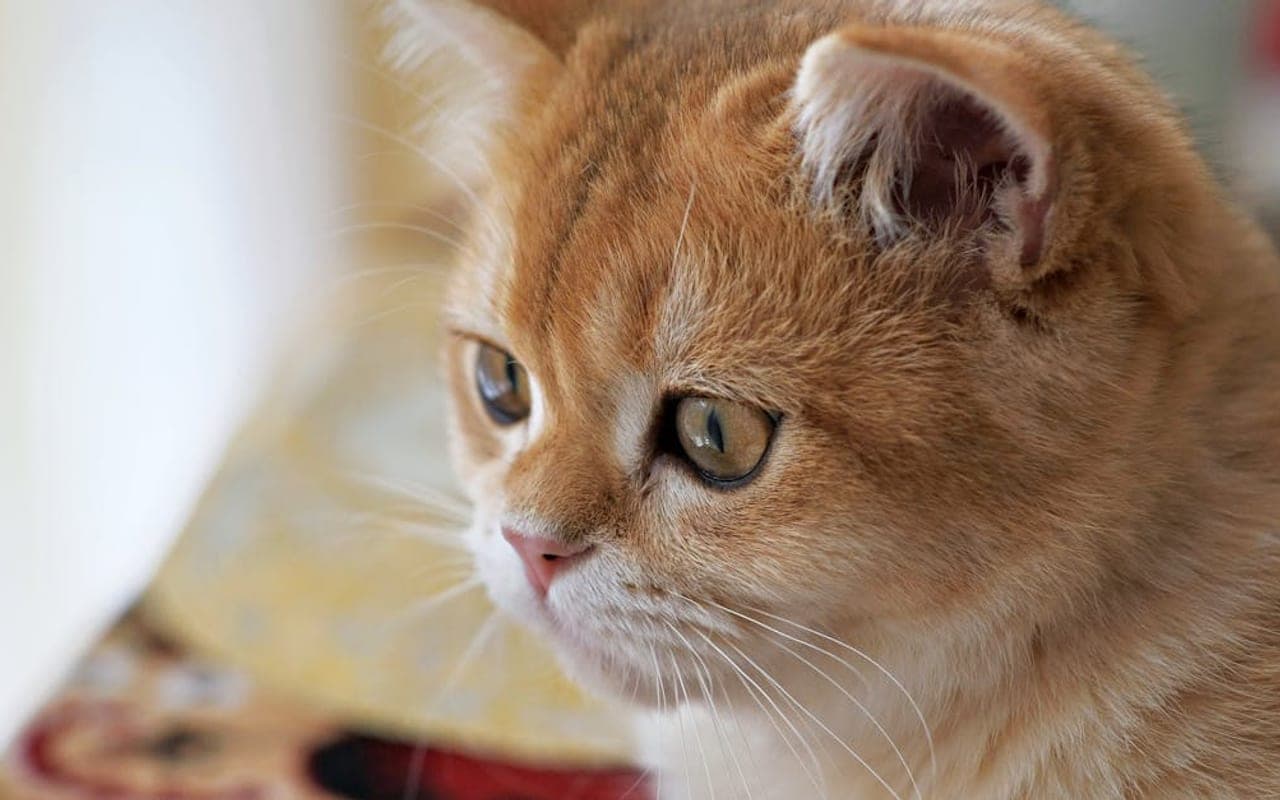
British Shorthair
Also in the Shorthair group, with different care and temperament tradeoffs.
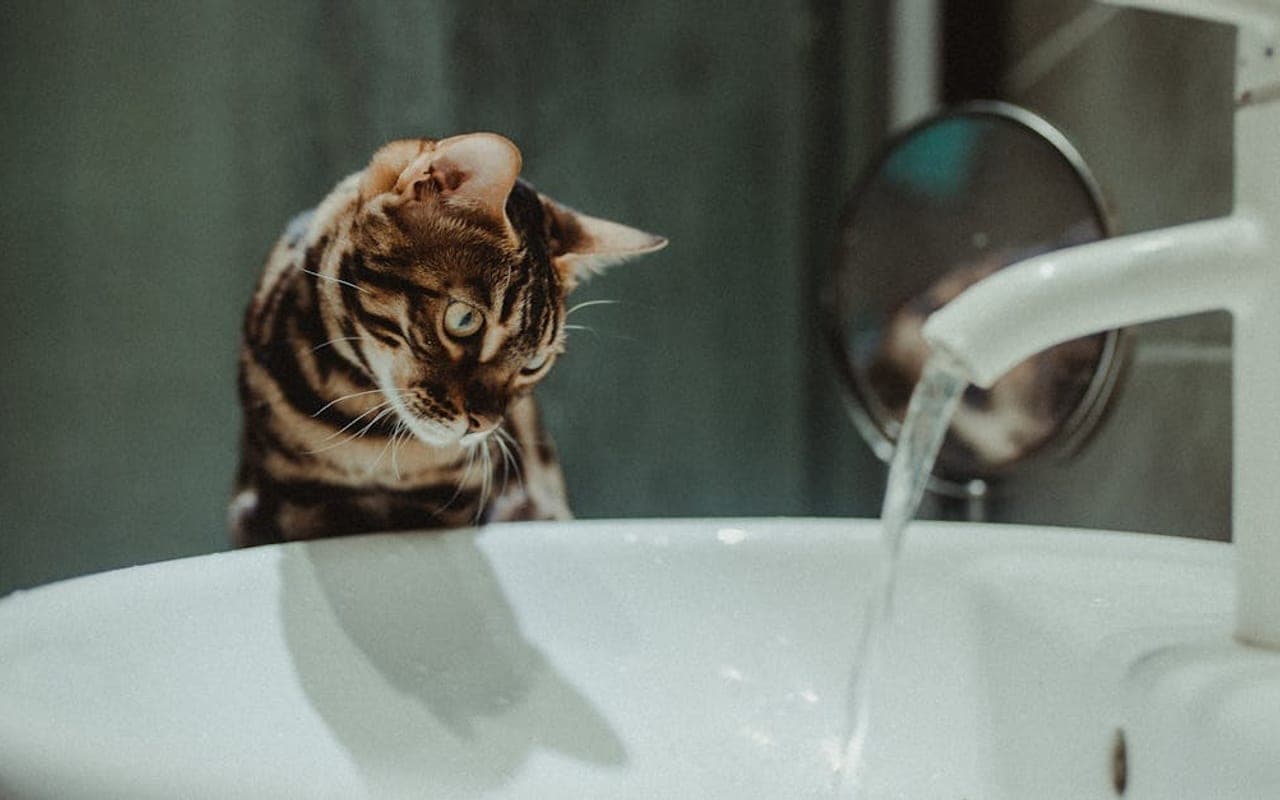
Bengal
Also in the Shorthair group, with different care and temperament tradeoffs.
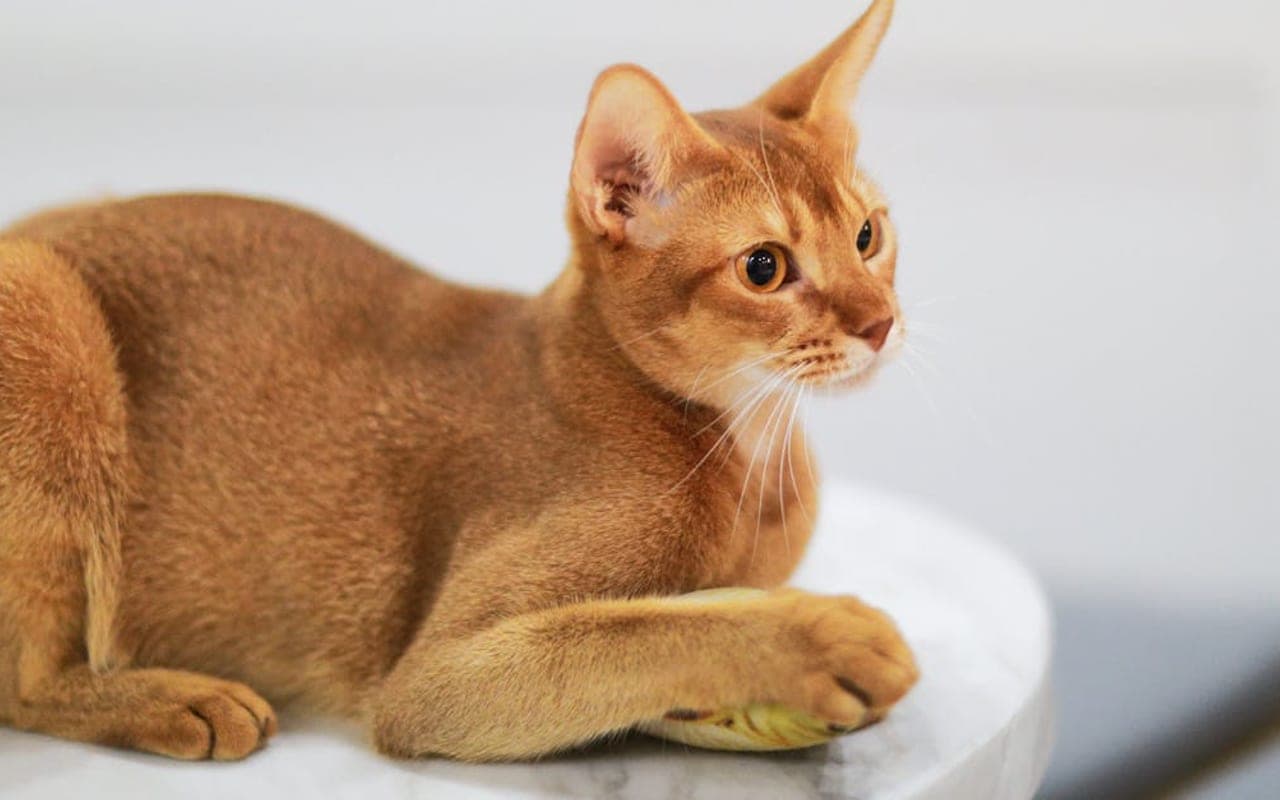
Abyssinian
Also in the Shorthair group, with different care and temperament tradeoffs.
Explore More About Tonkinese
Dive deeper into everything Tonkinese — costs, care, and expert insights.
Considering a dog instead?
Browse Dogs