
At a Glance
| Attribute | Bengal | Siamese |
|---|---|---|
| Origin | United States | Thailand |
| Breed Group | Shorthair | Shorthair |
| Life Span | 12–15 yrs | 12–15 yrs |
| Weight | 3.6–6.8 kg | 2.7–5.4 kg |
| Height | 33–41 cm | 23–30 cm |
| Temperament | Alert, Agile, Energetic | Active, Agile, Clever |
| Exercise Needs | Very High (90+ min/day) | Very High (90+ min/day) |
| Grooming | low | low |
| Shedding | moderate | low |
| Good with Children | Yes | Yes |
| Apartment Friendly | Yes | Yes |
Temperament Comparison
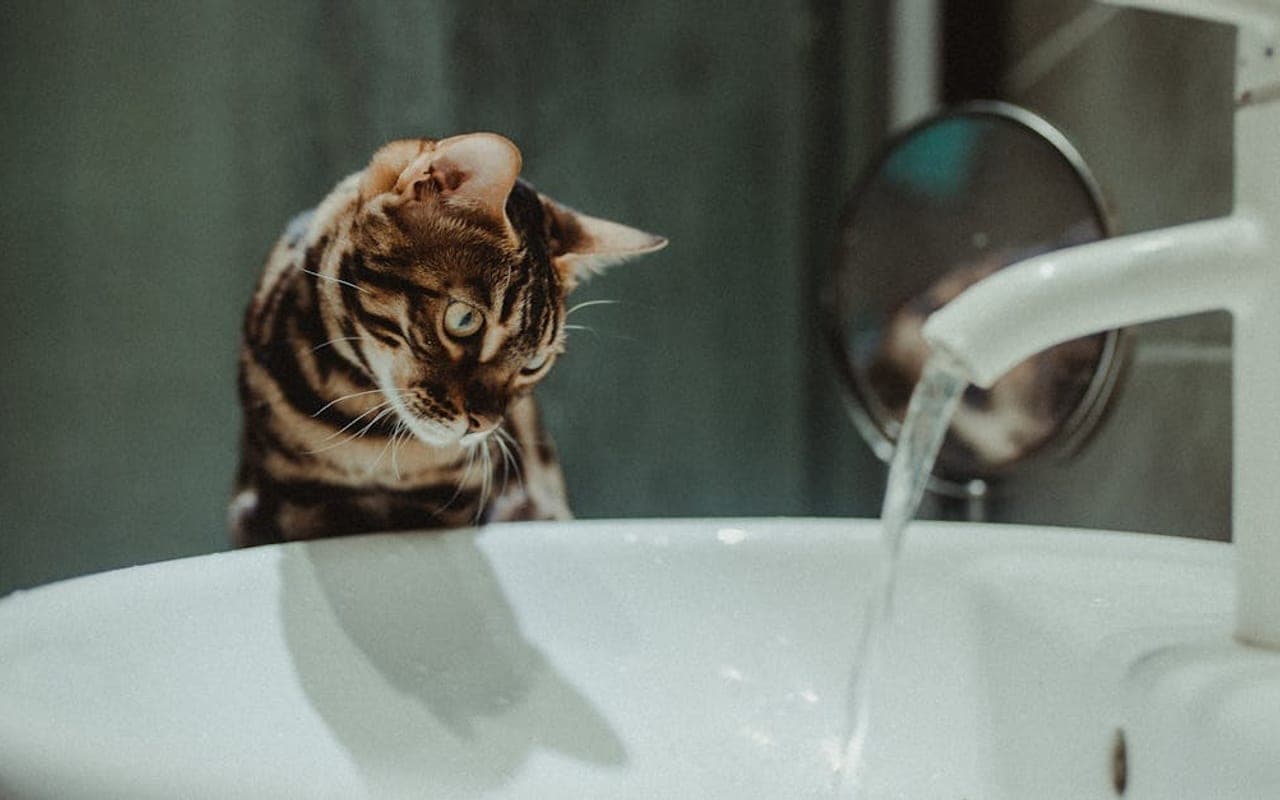
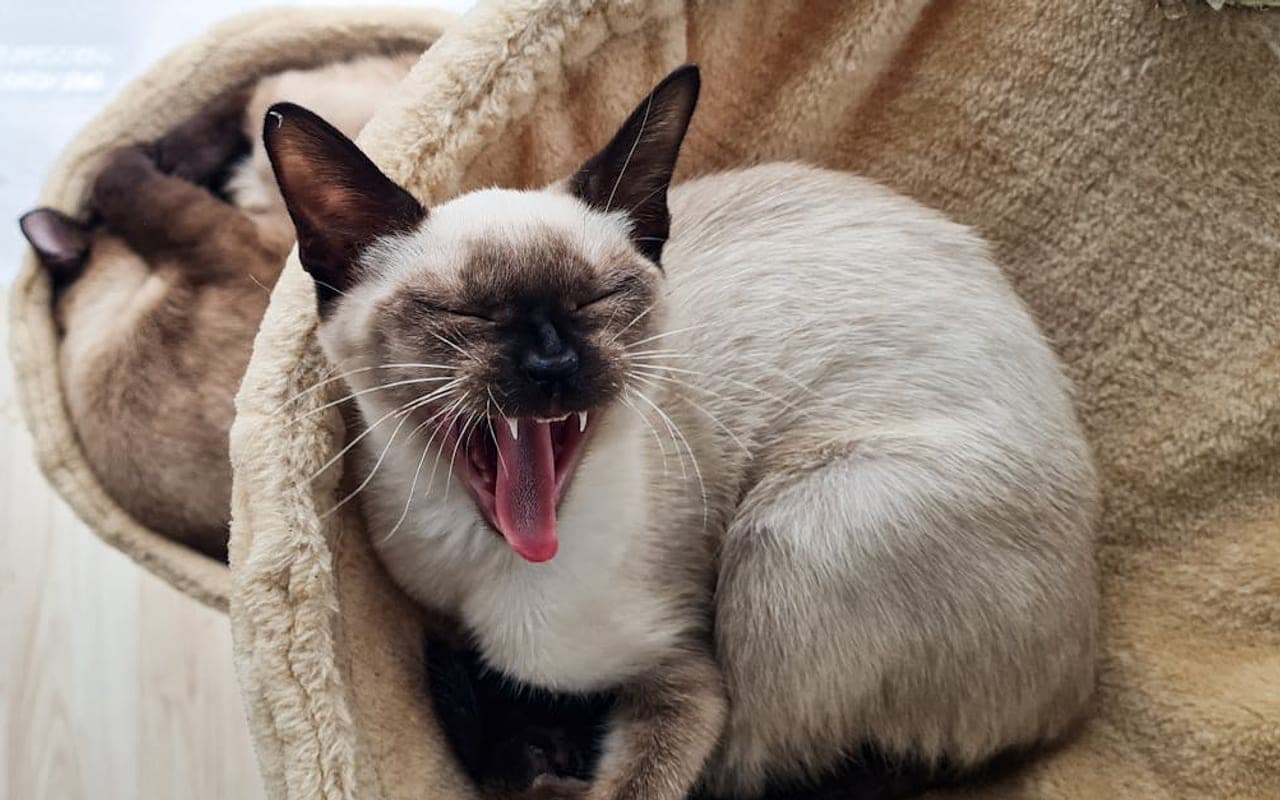
The Bengal is known for being alert, agile, energetic, while the Siamese tends to be active, agile, clever.
Bengal
Siamese
Family Suitability
Bengal
- Good with children: Yes
- Good with other pets: Yes
- Apartment friendly: Yes
- Exercise: very high
Siamese
- Good with children: Yes
- Good with other pets: Yes
- Apartment friendly: Yes
- Exercise: very high
Training & Exercise
When it comes to daily activity, the Bengal requires very high (90+ min/day) exercise, compared to the Siamese which needs very high (90+ min/day).
Bengal
- Exercise
- very high
- Grooming
- low
- Shedding
- moderate
Siamese
- Exercise
- very high
- Grooming
- low
- Shedding
- low
Cost Comparison
Understanding the financial commitment of each breed helps you plan for a lifetime of care.
| Cost | Bengal | Siamese |
|---|---|---|
| Purchase Price | $1,000 – $10,000 | $400 – $2,500 |
| Monthly Cost | ~$90/mo | ~$70/mo |
| Est. Lifetime Cost | ~$12,960+ | ~$10,080+ |
Health Considerations
Both breeds have breed-specific health considerations. Being aware of these helps you plan for preventive care and vet visits.
Bengal
Life span: 12–15 yrs
- Hypertrophic cardiomyopathy (HCM) — the most serious Bengal health risk: thickening of the heart muscle that can cause heart failure, blood clots, or sudden death. There is no breed-specific Bengal DNA test, so insist on breeders who echocardiogram-screen breeding cats annually.
- Progressive retinal atrophy, Bengal type (PRA-b) — an inherited retinal degeneration causing progressive blindness; a specific DNA test exists, so screened lines can be cleared and breeders should provide parental results.
- Pyruvate kinase deficiency (PK-Def) — an inherited enzyme defect causing intermittent hemolytic anemia and lethargy; a DNA test exists and responsible breeders test to avoid producing affected kittens.
- Patellar luxation — the kneecap slips out of its groove causing a skipping gait or lameness; ranges from mild to surgically corrected, and screened breeding stock reduces incidence.
- Bengal progressive retinal atrophy / cataracts and other ocular issues — periodic ophthalmic examination of breeding cats helps reduce inherited eye disease beyond PRA-b alone.
- Lower urinary tract disease (FLUTD) — Bengals are reported prone to bladder issues and stones; signs are straining, blood in urine, or going outside the box, and adequate water intake plus prompt vet care matter.
- Obesity-related cardiac and joint strain — not breed-unique, but it directly compounds the HCM and patellar risks above, so lean body condition is a genuine health control in this breed.
Siamese
Life span: 12–15 yrs
- Progressive retinal atrophy (PRA) — an inherited retinal degeneration causing gradual blindness; the Siamese is a classically affected breed and responsible breeders DNA- and exam-screen breeding cats.
- Amyloidosis (hepatic and renal) — abnormal amyloid protein deposits in the liver or kidneys leading to organ failure; a recognized familial problem in Siamese and Oriental lines and a defining breed health risk.
- Feline asthma / chronic bronchial disease — the Siamese is over-represented for allergic airway disease causing coughing and wheezing, often needing lifelong inhaled or oral medication.
- Progressive (Siamese-type) dental disease and gingivitis — the breed shows higher rates of early periodontal disease and gingivostomatitis, making routine dental care a recurring necessity rather than optional.
- Convergent strabismus and nystagmus — an inherited cross-eyed appearance and eye-flicker tied to the breed's pointed-coat genetics; usually cosmetic but a recognized breed trait.
- Vaccine-associated and mast cell tumors / mediastinal lymphoma — Siamese and related Oriental breeds show elevated rates of certain neoplasias, warranting prompt investigation of any new lump or breathing change.
Which Breed is Right for You?
Choose the Bengal if you want a breed that's alert and agile and works well in apartments, especially with a family.
Choose the Siamese if you prefer a breed that's active and agile and adapts to smaller spaces, great with kids.
Explore More About Bengal
Dive deeper into everything Bengal — costs, care, and expert insights.
How Much Does a Bengal Cost?
Purchase price, monthly costs, and lifetime expenses
Bengal Cat Care Guide: The Wild-Looking Companion
Bengals are a hybrid breed — created by crossing the Asian Leopard Cat with domestic shorthairs in...
Litter-Robot 4 vs. PetSafe ScoopFree: Is the $700 Automatic Box Actually Worth It?
Litter-Robot 4 costs far more up front, while PetSafe ScoopFree keeps the first purchase lower....
Indoor vs Outdoor Cats: How to Give Your Indoor Cat a Rich, Happy Life
The indoor-outdoor debate divides cat owners. Here's what the research says about safety and...
Why Does My Cat Knock Things Off Tables? (And How to Redirect It)
Your cat nudges your glass to the edge and stares at you. Here is what is really going on and how...
Considering a dog instead?
Browse Dogs