
Border Collie vs Australian Shepherd
A side-by-side breed comparison to help you decide which fits your lifestyle.
At a Glance
| Attribute | Border Collie | Australian Shepherd |
|---|---|---|
| Origin | United Kingdom | United States |
| Breed Group | Herding | Herding |
| Life Span | 12–15 yrs | 12–15 yrs |
| Weight | 13.6–22.7 kg | 16–29 kg |
| Height | 45.7–55.9 cm | 45.7–58.4 cm |
| Temperament | Intelligent, athletic, and energetic | Smart, work-oriented, and exuberant |
| Exercise Needs | Very High (90+ min/day) | Very High (90+ min/day) |
| Grooming | moderate | moderate |
| Shedding | high | high |
| Good with Children | Yes | Yes |
| Apartment Friendly | No | No |
Temperament Comparison
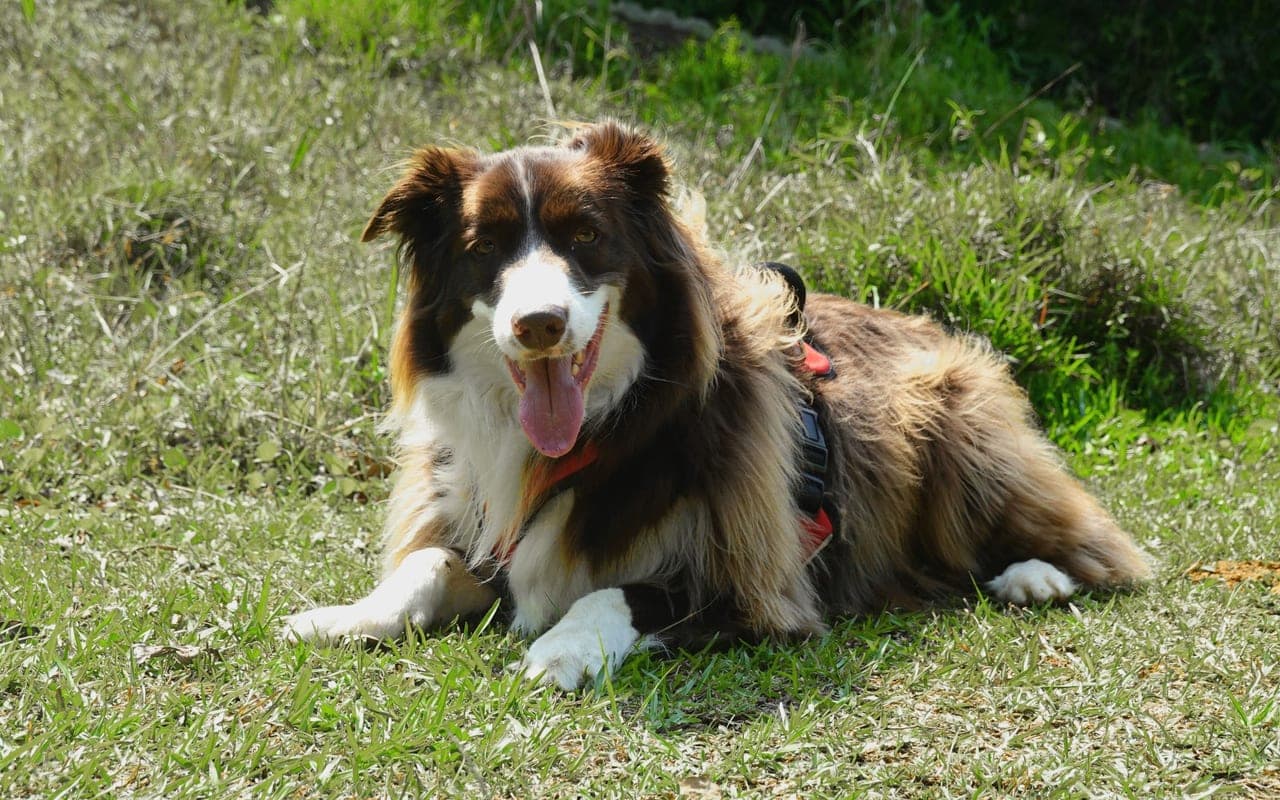
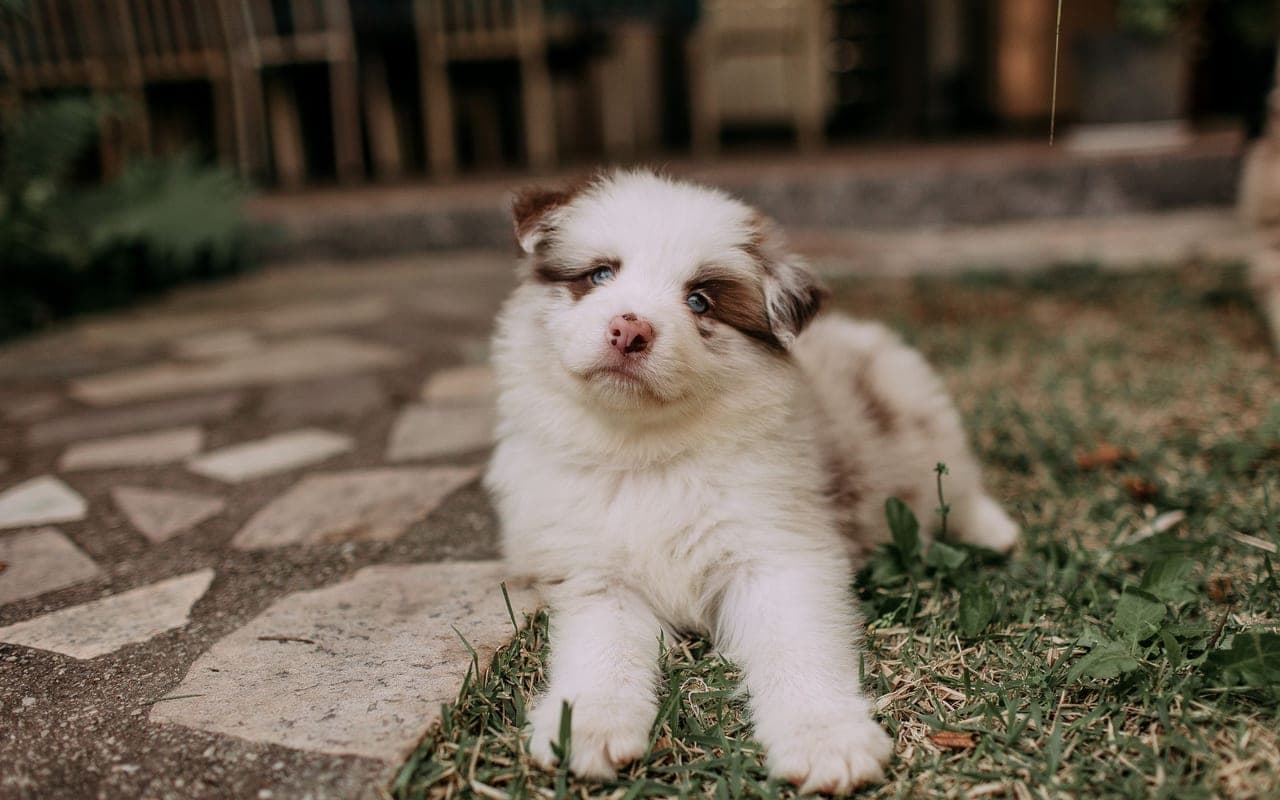
The Border Collie is known for being intelligent, athletic, and energetic, while the Australian Shepherd tends to be smart, work-oriented, and exuberant.
Border Collie
Australian Shepherd
Family Suitability
Border Collie
- Good with children: Yes
- Good with other pets: No
- Apartment friendly: No
- Exercise: very high
Australian Shepherd
- Good with children: Yes
- Good with other pets: No
- Apartment friendly: No
- Exercise: very high
Training & Exercise
When it comes to daily activity, the Border Collie requires very high (90+ min/day) exercise, compared to the Australian Shepherd which needs very high (90+ min/day).
Border Collie
- Exercise
- very high
- Grooming
- moderate
- Shedding
- high
Australian Shepherd
- Exercise
- very high
- Grooming
- moderate
- Shedding
- high
Cost Comparison
Understanding the financial commitment of each breed helps you plan for a lifetime of care.
| Cost | Border Collie | Australian Shepherd |
|---|---|---|
| Purchase Price | $600 – $2,500 | $800 – $2,500 |
| Monthly Cost | ~$110/mo | ~$120/mo |
| Est. Lifetime Cost | ~$15,840+ | ~$17,280+ |
Health Considerations
Both breeds have breed-specific health considerations. Being aware of these helps you plan for preventive care and vet visits.
Border Collie
Life span: 12–15 yrs
- Collie eye anomaly (CEA) — an inherited developmental defect of the eye affecting the retina, choroid and optic disc, present at birth and ranging from mild (vision unaffected) to severe (retinal detachment and blindness). A DNA test exists; both parents should be tested before breeding.
- MDR1 (multidrug resistance 1) gene mutation — a genetic defect in the blood-brain barrier transporter that causes severe, sometimes fatal neurotoxic reactions to ordinary doses of common drugs including ivermectin, loperamide, and certain anesthetics and chemotherapy agents. A ~$50 cheek-swab DNA test identifies affected dogs; every Border Collie owner should know the dog's MDR1 status before any vet treatment.
- Hip dysplasia — a malformed hip joint leading to laxity, arthritis, pain and reduced mobility; risk is reduced (not eliminated) by buying from OFA/PennHIP-screened parents and keeping the dog lean.
- Idiopathic epilepsy — recurrent seizures with no identifiable structural cause, typically first appearing between 6 months and 5 years; manageable lifelong with anticonvulsant medication but requires committed monitoring and ongoing cost.
- Neuronal ceroid lipofuscinosis (NCL) — a fatal inherited neurodegenerative storage disease causing progressive loss of vision, coordination and cognition in young dogs; uniformly fatal, but a DNA test lets breeders avoid producing affected puppies entirely.
- Trapped neutrophil syndrome (TNS) — an inherited immune-deficiency disease where neutrophils are produced but trapped in the bone marrow, leaving puppies unable to fight infection; fatal in early life, fully preventable through DNA testing of breeding stock.
- Exercise and mental-stimulation deficit — not a disease but the breed's defining failure mode: an under-worked Border Collie reliably develops compulsive behaviors (spinning, light-chasing, flank-biting), anxiety and destructiveness. The 'trade-off' is real and non-negotiable — the intelligence that makes the breed exceptional is the same trait that makes it unlivable in the wrong home.
Australian Shepherd
Life span: 12–15 yrs
- MDR1 (multidrug resistance 1) gene mutation — a high-frequency inherited defect in the blood-brain barrier transporter that causes severe, sometimes fatal neurotoxic reactions to ordinary doses of common drugs including ivermectin, loperamide, and certain anaesthetics and chemotherapy agents. A ~$50 cheek-swab DNA test gives the dog's lifetime status; every Aussie owner should know it before any veterinary treatment.
- Collie eye anomaly (CEA) — an inherited developmental defect of the retina, choroid and optic disc present at birth, ranging from mild to sight-threatening; a DNA test exists and both parents should be screened before breeding.
- Hip dysplasia — a malformed hip joint causing laxity, arthritis and pain; risk is reduced (not eliminated) by OFA/PennHIP-screened parents and lifelong lean body condition.
- Idiopathic epilepsy — recurrent seizures with no identifiable structural cause, typically first appearing between 6 months and 5 years; manageable with lifelong anticonvulsant medication and committed monitoring, but a real ongoing cost.
- Cataracts (including hereditary cataract) — clouding of the lens that can progress to vision loss; relatively common in the breed and a reason for routine ophthalmic screening of breeding dogs.
- Double-merle / merle-to-merle breeding defects — when two merle-coated dogs are bred together, a proportion of puppies are 'double merle' with congenital deafness and/or serious eye defects including blindness; this is preventable and is a direct reason to know a breeder's colour-pairing practices.
- High exercise and work-drive deficit — not a disease but the breed's defining failure mode: an under-stimulated Australian Shepherd reliably develops anxiety, hyper-vigilance, compulsive herding/nipping and destructiveness. The drive that makes it an elite working and sport dog is the same trait that makes it unlivable in a low-activity home — a non-negotiable trade-off.
Which Breed is Right for You?
Choose the Border Collie if you want a breed that's intelligent and athletic, especially with a family.
Choose the Australian Shepherd if you prefer a breed that's smart and work-oriented, great with kids.
Explore More About Border Collie
Dive deeper into everything Border Collie — costs, care, and expert insights.
How Much Does a Border Collie Cost?
Purchase price, monthly costs, and lifetime expenses
Border Collie Care Guide
The Border Collie is widely regarded...
Is a Dog DNA Test Worth It? Embark, Wisdom Panel, and Rescue Dogs
Dog DNA tests can help mixed-breed and rescue-dog owners understand breed mix, traits, size clues,...
How to Help Your Dog with Thunderstorm Anxiety
Storm anxiety goes deeper than noise — barometric pressure, static electricity, and scent all play...
How to Read Your Dog's Body Language — A Visual Guide
Your dog is constantly talking to you through posture, tail position, ear angle, and eye contact....
Considering a cat instead?
Browse Cats