
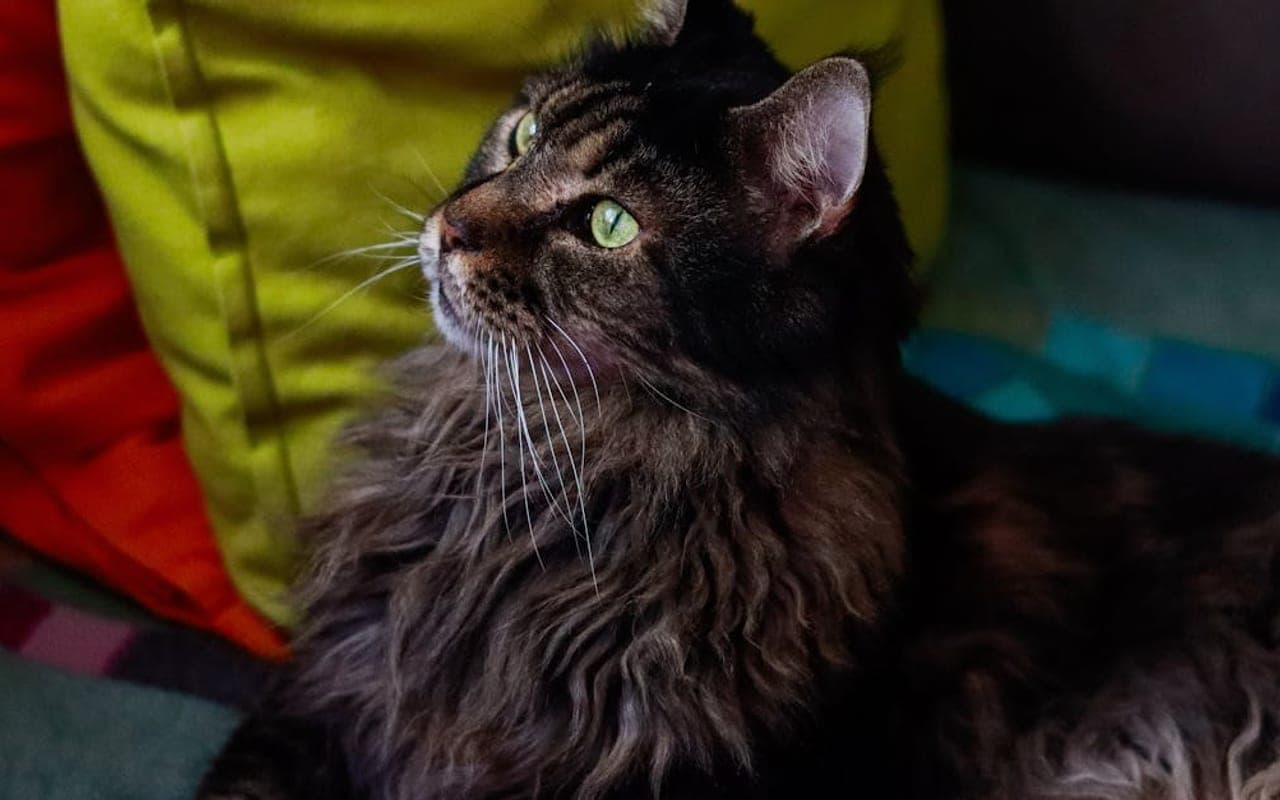
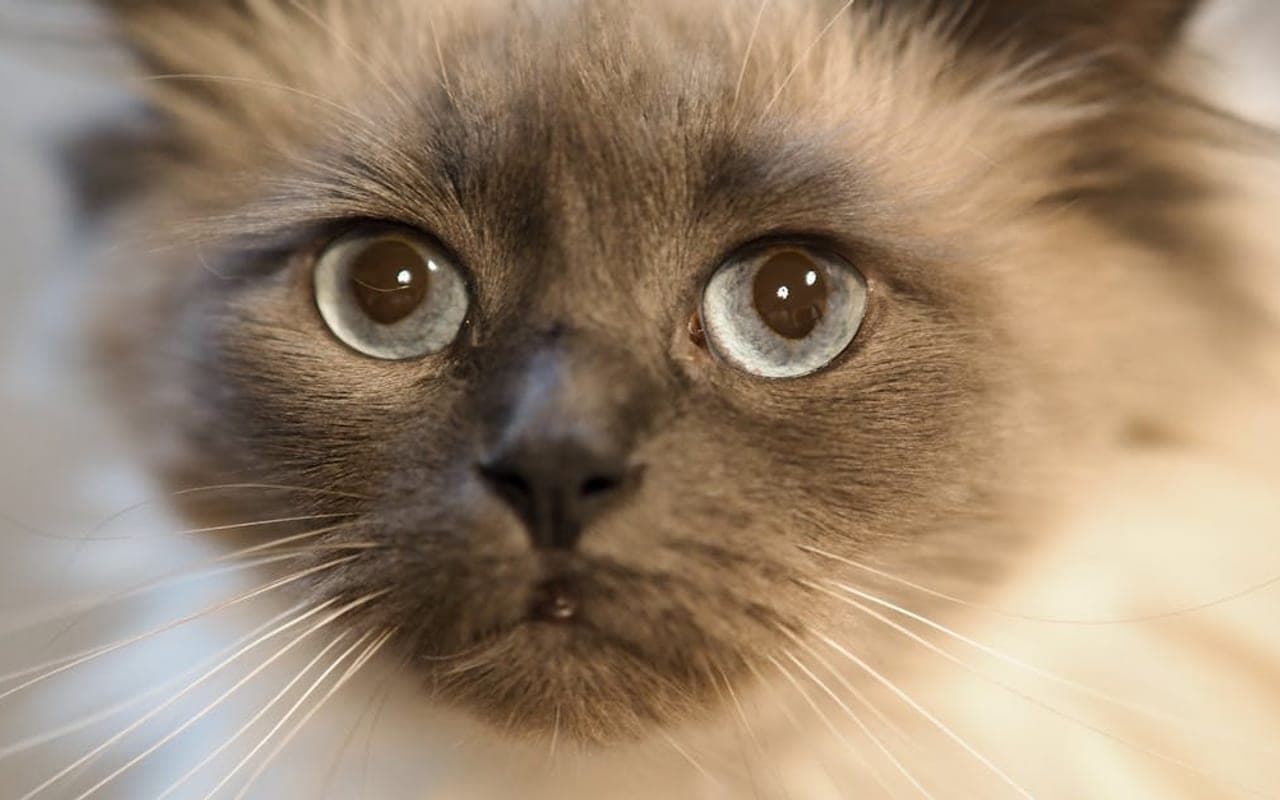
Maine Coon vs Ragdoll
A side-by-side breed comparison to help you decide which fits your lifestyle.
At a Glance
| Attribute | Maine Coon | Ragdoll |
|---|---|---|
| Origin | United States | United States |
| Breed Group | Longhair | Longhair |
| Life Span | 12–15 yrs | 12–17 yrs |
| Weight | 4.5–11 kg | 4.5–9.1 kg |
| Height | 25–41 cm | 23–38 cm |
| Temperament | Adaptable, Intelligent, Loving | Affectionate, Friendly, Gentle |
| Exercise Needs | Moderate (30-60 min/day) | Moderate (30-60 min/day) |
| Grooming | moderate | low |
| Shedding | moderate | moderate |
| Good with Children | Yes | Yes |
| Apartment Friendly | Yes | Yes |
Temperament Comparison
The Maine Coon is known for being adaptable, intelligent, loving, while the Ragdoll tends to be affectionate, friendly, gentle.
Maine Coon
Ragdoll
Family Suitability
Maine Coon
- Good with children: Yes
- Good with other pets: Yes
- Apartment friendly: Yes
- Exercise: moderate
Ragdoll
- Good with children: Yes
- Good with other pets: Yes
- Apartment friendly: Yes
- Exercise: moderate
Training & Exercise
When it comes to daily activity, the Maine Coon requires moderate (30-60 min/day) exercise, compared to the Ragdoll which needs moderate (30-60 min/day).
Maine Coon
- Exercise
- moderate
- Grooming
- moderate
- Shedding
- moderate
Ragdoll
- Exercise
- moderate
- Grooming
- low
- Shedding
- moderate
Cost Comparison
Understanding the financial commitment of each breed helps you plan for a lifetime of care.
| Cost | Maine Coon | Ragdoll |
|---|---|---|
| Purchase Price | $400 – $2,000 | $800 – $3,500 |
| Monthly Cost | ~$80/mo | ~$80/mo |
| Est. Lifetime Cost | ~$11,520+ | ~$11,520+ |
Health Considerations
Both breeds have breed-specific health considerations. Being aware of these helps you plan for preventive care and vet visits.
Maine Coon
Life span: 12–15 yrs
- Hypertrophic cardiomyopathy (HCM) — the defining breed risk: thickening of the heart muscle that can cause heart failure, clots, or sudden death. Maine Coons have a known MYBPC3 mutation; reputable breeders DNA-test and cardiac-ultrasound screen breeding cats, and any breathing change in an owned cat is an emergency.
- Hip dysplasia — unusually for a cat, this large breed is genuinely predisposed to malformed hip joints and resulting arthritis; responsible breeders radiograph and grade breeding cats' hips.
- Spinal muscular atrophy (SMA) — an inherited degeneration of spinal motor neurons causing muscle weakness and an abnormal gait in young cats; a DNA test exists and screening eliminates affected pairings.
- Polycystic kidney disease (PKD) — inherited kidney cysts leading to progressive kidney failure; DNA-screenable and part of a responsible Maine Coon breeding panel.
- Pyruvate kinase deficiency (PK-Def) — an inherited enzyme defect causing intermittent anemia; included in standard breed DNA panels.
- Obesity and secondary arthritis — the large frame plus a hearty appetite makes weight gain easy, which directly worsens the breed's existing hip and joint vulnerability.
Ragdoll
Life span: 12–17 yrs
- Hypertrophic cardiomyopathy (HCM) — the most important Ragdoll health risk: thickening of the heart muscle that can cause heart failure, clots, or sudden death. A breed-specific MYBPC3 mutation is testable; responsible breeders also screen breeding cats by echocardiogram. Buy only from cardiac-screened lines.
- Polycystic kidney disease (PKD) — inherited fluid-filled cysts that enlarge and impair the kidneys over years; a DNA test exists and screened lines should be clear, so ask for the parents' PKD-negative results.
- Bladder/urinary stones and FLUTD — Ragdolls are reported prone to lower urinary tract disease and stones; signs are straining, blood in urine, or going outside the box. Adequate water intake and prompt vet care matter.
- Feline infectious peritonitis (FIP) susceptibility — Ragdolls (often acquired young from catteries) are over-represented in FIP cases, a coronavirus-related disease; minimize stress and crowding in kittens and source from low-density, hygienic breeders.
- Gastrointestinal sensitivity / hairball obstruction — the semi-long coat plus a relaxed groomer means ingested hair; regular brushing and a fiber or hairball diet reduce vomiting and rare obstruction.
- Obesity-related joint and cardiac strain — not breed-unique but amplified here because the breed is large, food-motivated, and low-energy, and excess weight worsens the heart and joint risks above.
Which Breed is Right for You?
Choose the Maine Coon if you want a breed that's adaptable and intelligent and works well in apartments, especially with a family.
Choose the Ragdoll if you prefer a breed that's affectionate and friendly and adapts to smaller spaces, great with kids.
Explore More About Maine Coon
Dive deeper into everything Maine Coon — costs, care, and expert insights.
How Much Does a Maine Coon Cost?
Purchase price, monthly costs, and lifetime expenses
Complete Maine Coon Care Guide
The first time a Maine Coon walks into a room, you understand why they're...
Can Cats Eat This? The Complete Toxic & Safe Human-Foods List
A cat-specific list of which human foods are safe, which are risky, and which are an emergency —...
Is Pet Insurance Worth It in 2026? A Real-Numbers Decision Guide
US accident-and-illness pet insurance averaged about $70/mo for dogs and $36/mo for cats in 2025 —...
Furbo vs Petcube: Which Pet Camera and Treat Dispenser Should You Buy?
Furbo and Petcube both make popular pet cameras, but they serve different buyers. Compare video...
Considering a dog instead?
Browse Dogs