
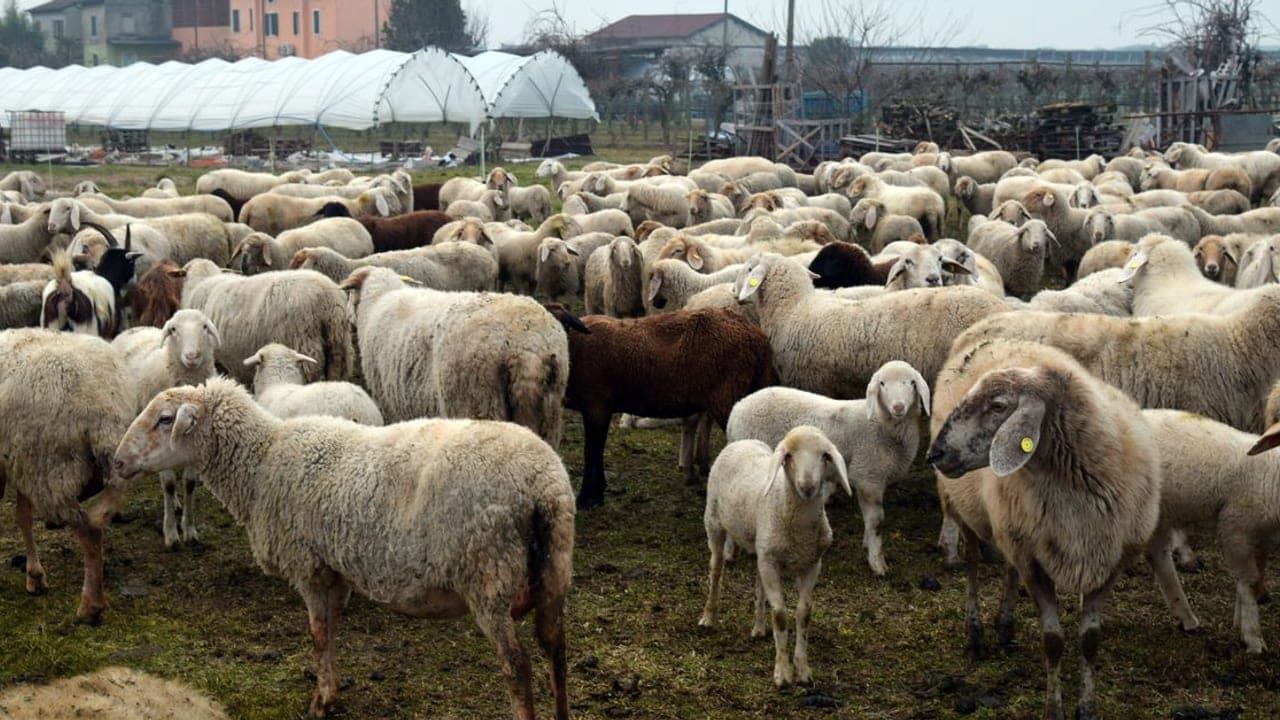
Sheep Care Guide: Wool, Meat & Dairy Breeds, Housing & Operating Cost (2026)
Complete sheep care guide covering breed selection, housing costs, veterinary expenses, feed budgets, zoning requirements. Realistic first-year cost breakdown. 2026 pricing.
Key Benefits
Overview
A comprehensive guide to sheep ownership for wool, meat, or dairy production. Covers breed selection, flock management, housing requirements, health programs, and annual costs for small-scale sheep operations.
Daily Care Requirements
Daily flock care requires 30–90 minutes for 10–20 sheep: feeding, watering, shelter mucking, and health monitoring. Lambing season (spring) demands nightly checks and assisted deliveries. Shearing (once annually) requires 15–30 minutes per sheep or professional shearing ($8–12 per sheep).
Nutrition & Feeding
Adult sheep consume 3–4 lbs of hay per 100 lbs of body weight daily, or 4–6 lbs per sheep. A flock of 10 sheep requires 40–60 lbs of hay daily ($2,000–3,000 annually at $8–10 per bale). Grain supplementation ($0.25–0.50 per sheep daily) increases lamb growth and milk production.
Exercise & Environment
Sheep require 2–4 hours of pasture access daily for contentment and parasite management. Rotational grazing (moving flock daily or weekly) improves pasture health and parasite control. Confined sheep experience stress and foot disease.
Grooming & Maintenance
Hoof trimming every 6–8 weeks ($25–50 per visit) prevents lameness and foot rot. Wool sheep require shearing annually; dairy breeds need milking care. Docking (tail removal) and castration are standard management practices.
Health & Veterinary Care
Internal parasites (gastrointestinal worms) are the most common and economically significant disease in sheep, especially in lambs. Parasite control costs $15–50 per sheep annually. Foot rot and respiratory infections are common in wet climates.
Cost Analysis
A breeding ewe (2–4 years old) costs $150–400; lambs (meat) $50–150 each. Annual flock costs: feed ($300–600 per ewe), veterinary/parasite control ($50–150), shearing ($100–200 per year for a small flock), housing maintenance ($200), and miscellaneous ($100–200).
⚠️ Disclaimer
This guide is educational and not a substitute for professional veterinary or agricultural advice. Consult with licensed veterinarians and farm management experts for region-specific care recommendations and legal zoning requirements in your area.
Explore Other Farm Animals
Backyard Chicken Care Guide: Setup, Breeds, Health & Cost (2026)
Complete backyard chicken care guide. Breed selection, predation risk, housing costs, profitability analysis. 9 zoning examples. 2026 pricing.
Dairy Cow Care Guide: Breeds, Housing, Feed & Annual Operating Cost (2026)
Complete dairy cow care guide covering breed selection, housing costs, veterinary expenses, feed budgets, zoning requirements. Realistic first-year cost breakdown. 2026 pricing.
Goat Care Guide: Meat, Dairy & Fiber Breeds, Housing & Operating Cost (2026)
Complete goat care guide covering breed selection, housing costs, veterinary expenses, feed budgets, zoning requirements. Realistic first-year cost breakdown. 2026 pricing.
Ready to Start Farming?
Each guide includes detailed breakdowns of housing costs, equipment needs, and annual operating expenses to help you make informed decisions.
Browse All Farm Animal Guides