
Smooth type
American Guinea Pig
A short-coated, common companion cavy known for a steady temperament and beginner-friendly grooming, with serious daily needs around companionship, hay, vitamin C, floor time, clean bedding, and exotics-vet access.
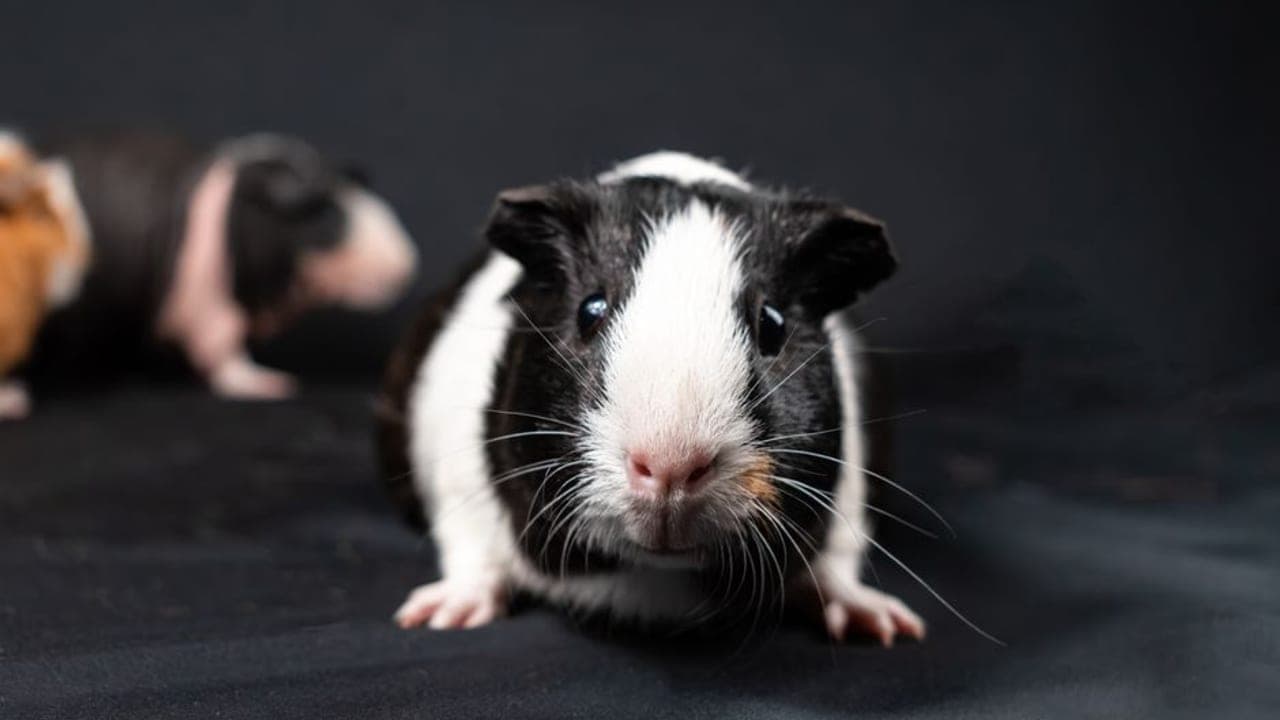
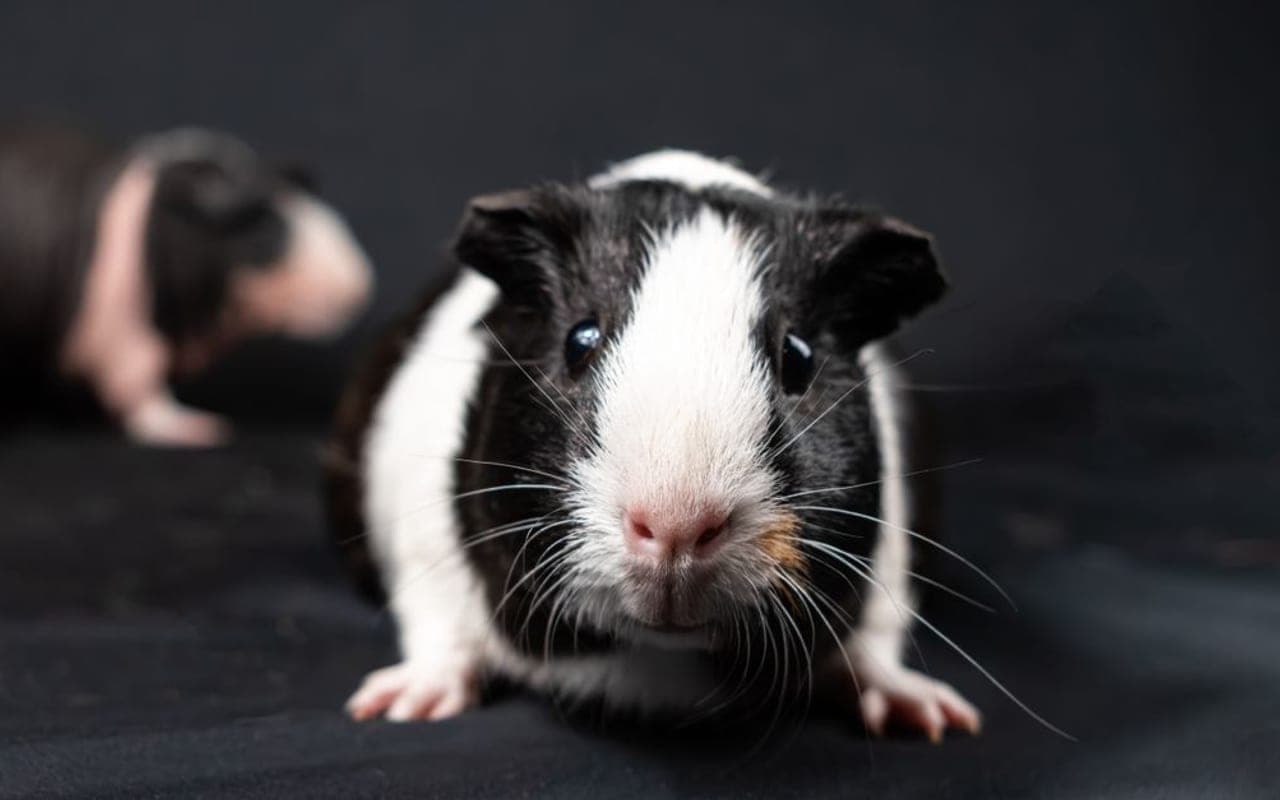
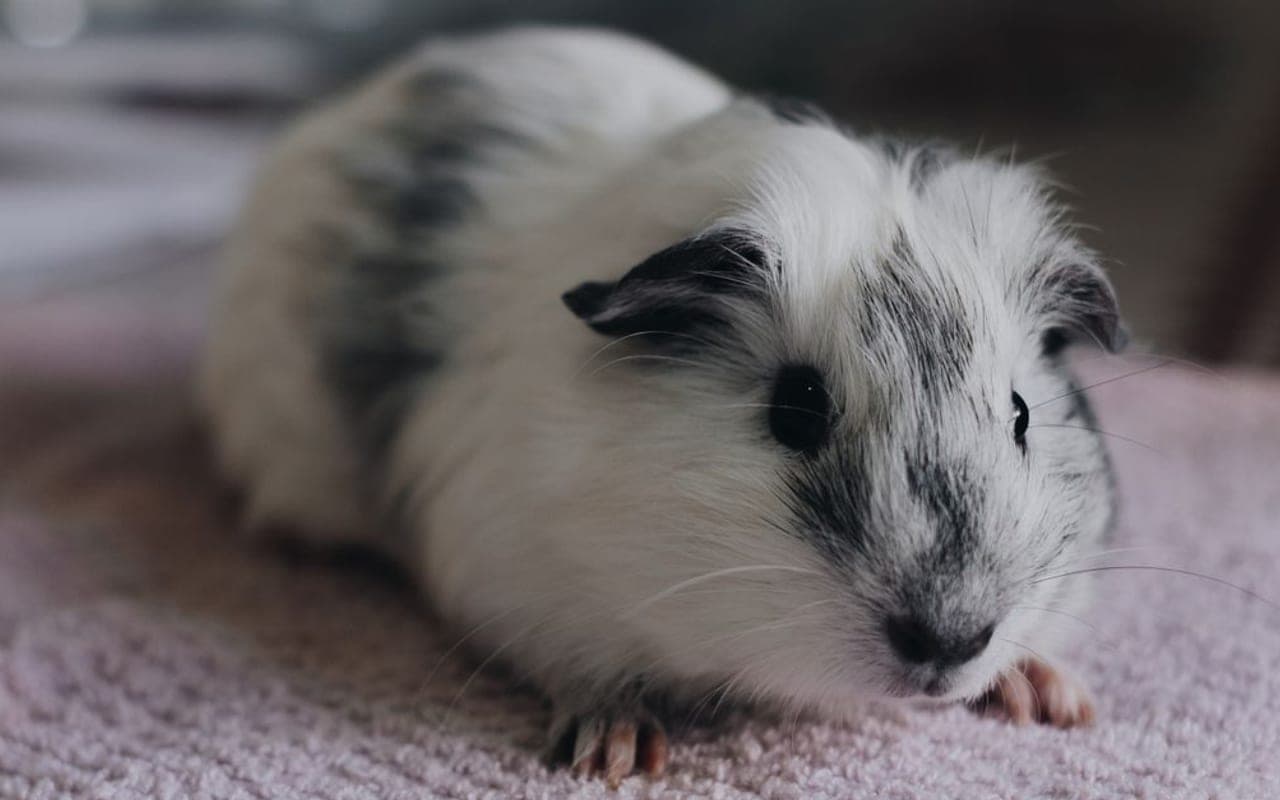
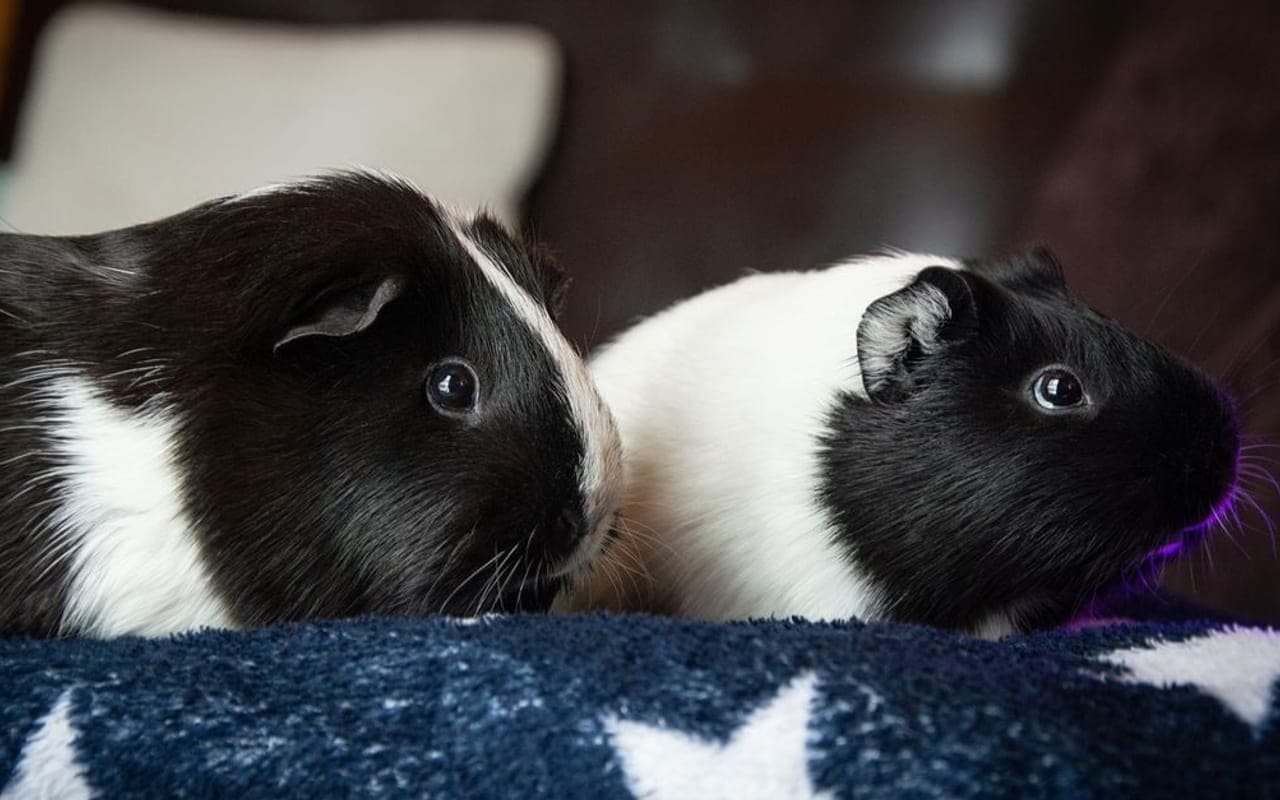
Size
2-3 lb
Lifespan
5-7 years
Floor time
1+ hour floor time
Experience
Beginner friendly with cavy care
Decision first
Is a American Guinea Pig right for you?
Start with fit before history or trivia. These are ownership signals, not guarantees about any individual guinea pig.
Best suited for
- First-time cavy owners who want a calm, short-coated guinea pig and are ready for daily care.
- Indoor homes that can provide a large, well-ventilated enclosure plus supervised floor time.
- Families with older, gentle children who can interact calmly and avoid rough handling.
- Owners prepared to keep a compatible pair or provide substantial daily social contact.
- People who can budget for hay, fresh vegetables, bedding, nail trims, and an exotics veterinarian.
Think carefully if
- You want a low-effort cage pet that can be left alone with food and water.
- You cannot provide daily vitamin C, unlimited hay, fresh water, and clean bedding.
- You only have room for a small pet-store cage with no safe floor-time area.
- You do not have access to an exotic or cavy-savvy veterinarian.
- Young children expect to carry, chase, or cuddle the guinea pig whenever they want.
Conditional fit
Can live very well in an apartment when the enclosure has enough continuous floor space, ventilation, clean bedding, hay storage, a compatible companion or daily social time, and safe supervised floor time.
Daily reality
American Guinea Pig commitment snapshot
Daily floor time
1+ hour
Use a safe pen or cavy-proofed area with hides, tunnels, hay, and supervision.
Diet
Hay + vitamin C daily
Unlimited grass hay, measured pellets, fresh vegetables, and daily vitamin C are non-negotiable.
Coat care
Weekly
The short American coat is low maintenance, but nails, feet, skin, and weight still need checks.
Social needs
Pair preferred
Most guinea pigs do best with a compatible cavy companion after careful sexing and introductions.
Before you choose
Hard truths about American Guinea Pigs
These points are not meant to discourage good matches. They make the tradeoffs visible before the guinea pig comes home.
Small does not mean low maintenance
Daily hay, water, vitamin C, spot cleaning, floor time, and health checks are part of normal guinea pig care.
Companionship is a welfare issue
A solo American guinea pig needs much more human interaction and enrichment. A compatible same-sex or neutered pairing is usually the better plan.
Vitamin C cannot be skipped
Guinea pigs cannot make their own vitamin C. Deficiency can lead to painful joints, weakness, dental problems, and scurvy.
Hiding is not a personality flaw
Guinea pigs are prey animals. Safe hides, quiet routines, and patient floor-level interaction build trust better than forced handling.
Structured facts
American Guinea Pig at a glance
The measurements and traits that most affect day-to-day life with this breed.
Group
Smooth
Weight
2-3 lb
Lifespan
5-7 years
View all characteristics and methodology
Lifestyle fit
- Indoor housingWorks best with a large, ventilated enclosure and daily supervised floor time.
- Needs caution
- Child friendliness
- Needs caution
- Companion fit
- Individual match
- Handling styleGuinea pigs are prey animals and usually trust floor-level interaction first.
- Secure and gentle
Owner commitment
- Floor time
- 1+ hour floor time
- Grooming
- Low
- Bedding routineClean bedding controls ammonia and makes appetite or urinary changes easier to see.
- Daily spot clean
- Vitamin CFresh foods or supplements must cover daily vitamin C needs.
- Daily
Behavior
- Sociability
- Very high
- Energy
- High
- Handling
- Low-moderate
- Vocalization
- Expressive
Environment and health
- Dental and gut care
- Hay-first
- Air quality
- Low dust, low ammonia
- Health risk
- Needs planning
- Vet type
- Exotics or cavy-savvy
Ratings combine structured breed data, visible breed fields, and editorial context. They are planning aids, not predictions for an individual guinea pig.
Daily life
American Guinea Pig temperament and behavior
American guinea pigs are often calm, curious, and steady, which is why they are a common first cavy choice. Their best temperament shows with quiet routines, compatible companionship, patient handling, and reliable food cues.
Steady beginner cavy
American guinea pigs are often calm, adaptable, and easier for new owners to read than higher-maintenance coat types.
Social and vocal
Wheeks, purrs, teeth chattering, and hiding all communicate comfort, anticipation, stress, or conflict.
Gentle handling only
They can learn routine handling, but they should be lifted securely, kept close to the body, and never chased.
Food-motivated learner
Simple routines, recall to a food cue, weighing practice, and carrier comfort can be built with patience.
Owner note
Plan for a prey animal that may be affectionate without enjoying constant pickup. Trust grows through predictable feeding, gentle floor-level interaction, and quick attention to appetite, weight, and breathing changes.
Care essentials
How to care for a American Guinea Pig
What looking after one actually involves: diet, enclosure, floor time, bonding and routine health.
Hay-first nutritionUnlimited daily
- Offer unlimited grass hay such as timothy or orchard hay to support teeth and gut movement.
- Use measured plain pellets and fresh vegetables rather than seed mixes or sugary treats.
- Provide daily vitamin C through appropriate foods or veterinarian-directed supplementation.
Housing and floor timeDaily
- Use a large, well-ventilated enclosure with continuous floor space, soft bedding, multiple hides, and easy access to hay and water.
- Give supervised floor time in a safe pen or cavy-proofed room with tunnels and hideouts.
- Prioritize horizontal floor space over tall climbing layouts because guinea pigs are not agile climbers.
CompanionshipDaily social contact
- A compatible same-sex pair is often the best welfare plan after careful sexing and introductions.
- Provide multiple hides, hay piles, and water points so bonded pigs do not have to compete.
- Monitor barbering, chasing, teeth chattering, and blocking access to food or hides.
Grooming and cleaningSpot clean daily, brush weekly
- Spot-clean wet bedding and uneaten vegetables daily; deep clean the enclosure on a routine schedule.
- Brush the short coat weekly, trim nails as needed, and check feet for redness or sores.
- Weigh weekly because weight loss is often an early warning sign in guinea pigs.
Routine healthDaily checks, annual exotics exam
- Watch appetite, droppings, breathing, eyes, nose, teeth, posture, coat, feet, and weight.
- Use an exotic or cavy-savvy veterinarian for dental, urinary, respiratory, and nutrition concerns.
- A guinea pig that stops eating, struggles to breathe, or becomes suddenly weak needs urgent veterinary advice.
Care calendar
Daily
- Refresh hay and water, feed measured pellets and vegetables, provide vitamin C, spot-clean bedding, check appetite and droppings, and offer supervised floor time.
Several times weekly
- Reset hides and enrichment, inspect bedding odor or dampness, and brush or handle briefly for comfort checks.
Weekly
- Weigh each guinea pig, check nails, feet, coat, skin, teeth visibility, and clean the enclosure deeply enough to control ammonia.
Monthly
- Review hay and bedding storage, reassess enclosure space, check hide condition, and update the emergency vet fund.
Annually
- Exotics-vet wellness exam, dental review, nutrition check, and discussion of any urinary, respiratory, or skin concerns.
Health planning
American Guinea Pig health risks and screening
American guinea pigs need planning around vitamin C deficiency, dental disease, respiratory infections, urinary disease, and foot or skin problems. Daily monitoring and an exotics veterinarian reduce risk but cannot guarantee an individual guinea pig's outcome.
Scurvy (vitamin C deficiency)
Why it mattersGuinea pigs cannot synthesize vitamin C, and deficiency can cause pain, weakness, poor healing, and dental or joint problems.
ScreeningReview diet, fresh-food intake, pellet freshness, and supplement use with a cavy-savvy veterinarian.
Call a vet forLethargy, limping, swollen joints, rough coat, poor appetite, bleeding gums, or weight loss.
Dental disease
Why it mattersContinuously growing teeth need hay-driven wear; dental pain can stop eating quickly.
ScreeningTrack hay intake, weight, drooling, dropped food, and veterinarian dental exams.
Call a vet forDrooling, reduced hay intake, weight loss, wet chin, chewing strangely, or dropped food.
Respiratory infection
Why it mattersDust, ammonia, drafts, stress, and infectious exposure can make breathing problems urgent.
ScreeningKeep bedding low-dust, clean wet areas, avoid drafts, and monitor eyes, nose, and breathing daily.
Call a vet forSneezing with discharge, crusty eyes, labored breathing, clicking sounds, or reduced appetite.
Bladder sludge or stones
Why it mattersUrinary pain can become serious and may need imaging, pain control, diet review, or surgery.
ScreeningWatch urination, urine color, vocalizing while urinating, water intake, and calcium-heavy foods.
Call a vet forBlood in urine, straining, squeaking while urinating, wet rear end, or appetite drop.
Bumblefoot, mites, or skin problems
Why it mattersDamp bedding, rough flooring, parasites, and poor coat care can become painful quickly.
ScreeningCheck feet, skin, coat, scratching, hair loss, and bedding dryness every week.
Call a vet forSores, swelling, crusting, intense scratching, bald patches, or reluctance to move.
Ownership cost
How much does a American Guinea Pig cost?
Cost figures are structured so first-year and lifetime estimates do not conflict with the underlying line items.
| Acquisition | $25-$75 |
|---|---|
| Routine monthly | About $40/month |
| Routine annual | About $480/year |
| First-year estimate | $505-$555 |
| Lifetime routine estimate | $2,400-$3,360 routine costs |
Currency: USD. Region: United States. Updated: . Typical ranges for this breed. Equipment, insurance, emergency veterinary care, boarding and training are NOT included: we hold no sourced figures for them, and estimating them would be a guess presented as data.
Pup development
American Guinea Pig pup growth timeline
Milestones vary by individual guinea pig. Medical timing should be veterinarian-directed and location-dependent.
Stage 1
Birth to 3 weeks
- Focus
- Nursing, early mobility, gentle handling, and stable warmth.
- Care
- Pups are born furred and active but still need the sow, litter stability, and expert oversight.
Stage 2
3 to 5 weeks
- Focus
- Weaning, sex separation, hay eating, and safe human handling.
- Care
- Confirm sex early to prevent accidental pregnancies and continue age-appropriate hay, pellets, and vegetables.
Stage 3
6 to 12 weeks
- Focus
- Home transition, bonding, weighing, and floor-time confidence.
- Care
- Monitor weight, appetite, droppings, and respiratory signs during the stress of a new home.
Stage 4
3 to 6 months
- Focus
- Adolescence, pair dynamics, enrichment, and handling tolerance.
- Care
- Watch chasing, barbering, bullying, urinary signs, and weight changes as social behavior matures.
Stage 5
Adult maturity
- Focus
- Stable routines, companionship, and long-term health monitoring.
- Care
- Annual exotics-vet exams, dental review, diet control, and fast response to appetite or breathing changes.
Responsible ownership
Finding a American Guinea Pig responsibly
A responsible path can be a documented breeder or a good rescue match. The important part is transparency and support.
Reputable breeder
- Transparent age, sex, weight, health history, and temperament notes for the guinea pig and any companion.
- Clean, ventilated housing with hay available, low-dust bedding, and no overcrowding.
- Willingness to discuss vitamin C, diet, pairing, sex separation, and exotics-vet support.
- No impulse sales, no unclear sexing, and no refusal to take the guinea pig back if placement fails.
Rescue or adoption
- Check guinea pig rescues, small-animal shelters, and foster homes with cavy experience.
- Ask about temperament, medical history, foster notes, and support after adoption.
- Match the individual guinea pig's age, sex, bond status, handling tolerance, diet, and health history to your household.
Warning signs
- No health documentation.
- Pressure to buy immediately.
- No questions about your home or experience.
- Unclear return policy or unwillingness to provide references.
- No discussion of hay, vitamin C, sexing, pairing, enclosure space, or exotics-vet access.
Original purpose
American Guinea Pig history
History is useful when it explains today's behavior, coat, care needs, and temperament.
Read the breed history
The naming is where most confusion about this breed starts, so it is worth setting out plainly. There is no breed called the American in the British Cavy Council's standards. That is not because the animal is unrecognised — it is because in Britain the smooth, short-coated cavy is not treated as one breed at all. It is the default coat, and it is subdivided by colour and marking into Self, Ticked, Marked and Marked Pattern categories, each with its own affiliated club: the English Self Cavy Club, the National Agouti Cavy Club, the Dalmation and Roan Cavy Club, the National Tortoise and White Cavy Club, the National Fox and Tan Cavy Club and others. A solid-coloured smooth cavy in Britain is an English Self, and its colour decides which class it enters. North American registries take the opposite approach, treating the smooth coat itself as a breed — the American — and colour as a description within it. Same animal, two filing systems. That difference matters when you are reading breeder listings or standards from either side of the Atlantic, because a British page will discuss Self Black and Self Buff where an American page discusses American guinea pigs that happen to be black or buff. Neither is wrong, and neither describes a different animal. On origins, all domestic guinea pigs are Cavia porcellus, and we have not located a primary source for a distinct origin story for the smooth coat specifically. It is the unmodified form, which is generally what a founding population looks like.
Gallery
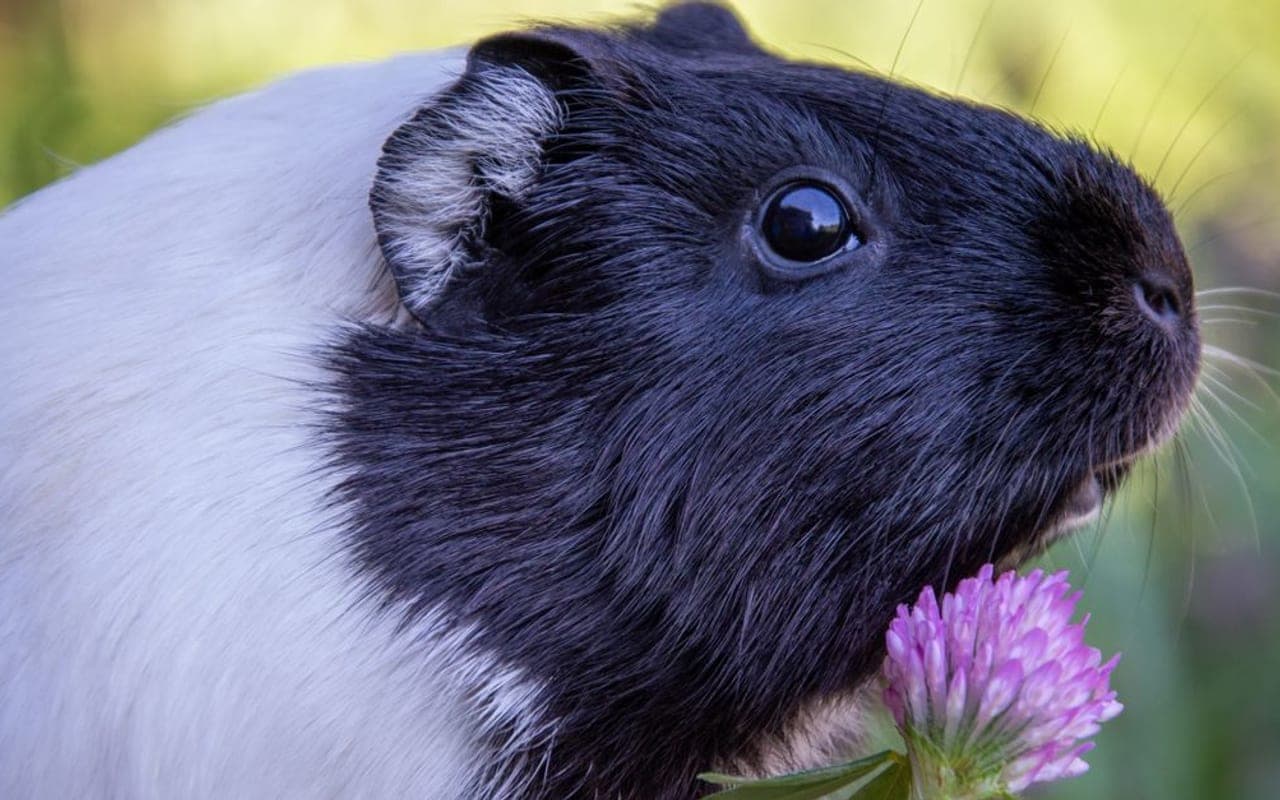
American Guinea Pig photos
Images are cropped consistently and loaded progressively to keep the page responsive.
Lower-page context
American Guinea Pigs in culture
Where the breed shows up in film, sport, work and folklore — the enjoyable part, once the practical questions are answered.
Fun facts
- There is no American in the British Cavy Council's standards. In Britain the smooth coat is not a breed at all — it is the default, and colour decides the class.
- The Council's Self, Ticked, Marked and Marked Pattern categories are all defined as covering short-haired, normal-coated cavies. That is four whole sections of the standards book describing this animal's coat.
- Every other cavy breed is this coat plus one modification: rosettes, length, curl, a crest, or hollow hair shafts.
- Britain has separate breed clubs for the colours of this one coat — the English Self, National Agouti, Dalmation and Roan, National Tortoise and White, and National Fox and Tan clubs among them.
- All domestic guinea pigs, whatever the breed, are the same species: Cavia porcellus.
American Guinea Pig FAQs
Are American guinea pigs good for beginners?
Yes, and they are the best starting point of any cavy. The coat is short, flat and smooth, so there is nothing to comb out, nothing to trim and nothing long enough to mat. A weekly brush is the entire grooming routine, which leaves your attention for the things that actually decide a guinea pig's welfare: company, hay, vitamin C and space.
What is the difference between an American and an English guinea pig?
Nothing, in the animal. The British Cavy Council does not recognise a breed called the American: in Britain the smooth short coat is the default, subdivided by colour into Self, Ticked, Marked and Marked Pattern categories, so a solid-coloured smooth cavy is an English Self. North American registries treat the smooth coat itself as a breed. Same animal, two filing systems.
Do American guinea pigs need grooming?
Barely. A soft brush once a week following the lie of the coat is enough, and its main value is as an inspection rather than as grooming — a short coat lets you see skin problems and body condition in the week they start. There is no trimming, no combing schedule and no mat risk at all.
Are American guinea pigs less interesting than fancy breeds?
Only if you are buying a coat rather than an animal. Temperament is largely not inherited by breed, and the traits people actually live with — chattiness, confidence, willingness to be handled — vary far more between individuals than between breeds. What differs reliably between cavy breeds is how much work the coat is.
Which guinea pig breed is the easiest to look after?
This one, on the evidence of the standards themselves. Every other breed is this coat with a modification added, and each modification adds a job: rosette centres that collect debris, coats that grow an inch a month, curls that mat faster than straight hair, crests that drive hair toward the eyes. The American adds none of them.
How big do American guinea pigs get?
They are the same species as every other cavy, Cavia porcellus, so size follows the species rather than the breed. VCA gives adult weights of roughly 900 to 1,200 g for males and 700 to 900 g for females. We quote body length rather than height, because no breed body recognises a height standard for guinea pigs.
How often should you weigh a guinea pig?
Weekly, on kitchen scales, writing the number down. Prey species conceal illness until they cannot, and a weight trend catches a decline before behaviour does. This is worth doing for every cavy; on an American it is especially useful because the visual condition check and the scales agree, with no coat in the way.
Can American guinea pigs live alone?
No. The RSPCA is explicit that guinea pigs get lonely and should not be kept alone, and that they are happiest in pairs, with wild guinea pigs living in family groups of five to ten. Companionship means at least one other guinea pig; a rabbit, cat or dog does not meet the requirement and brings predation or disease risk with it. This is the one breed where a pair costs nothing extra in grooming — two short flat coats are no more work than one, which is part of why it is the usual first pair.
How long do American guinea pigs live?
VCA gives 5 to 6 years as typical for guinea pigs, with some reaching 8 to 10. Plan for the upper end, and find out what your nearest exotics practice charges before you need it, because not every veterinary practice treats guinea pigs and that cost decides whether an emergency is affordable.
Legal Requirements & Permits
Always check local and state regulations before acquiring a american guinea pig.
US-National
US-General
US-NJ
US-FL
Disclaimer: This information is general guidance. Contact your local fish and wildlife agency or veterinarian for accurate legal requirements in your area.
Similar breeds to consider
Worth comparing if this breed appeals but you want a different fit on family life, size, temperament or care needs.
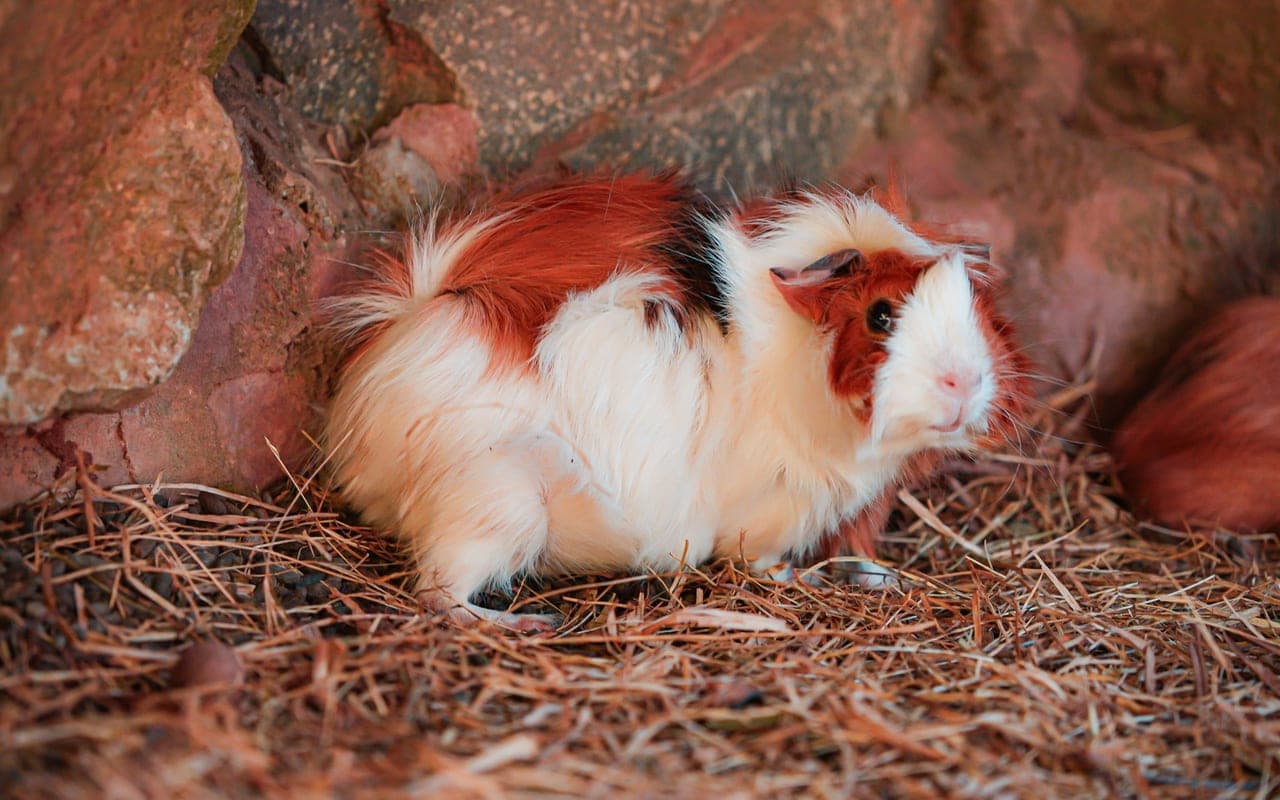
Crested Guinea Pig
Worth comparing for coat care, handling tolerance, companionship, floor-time needs, and health planning.
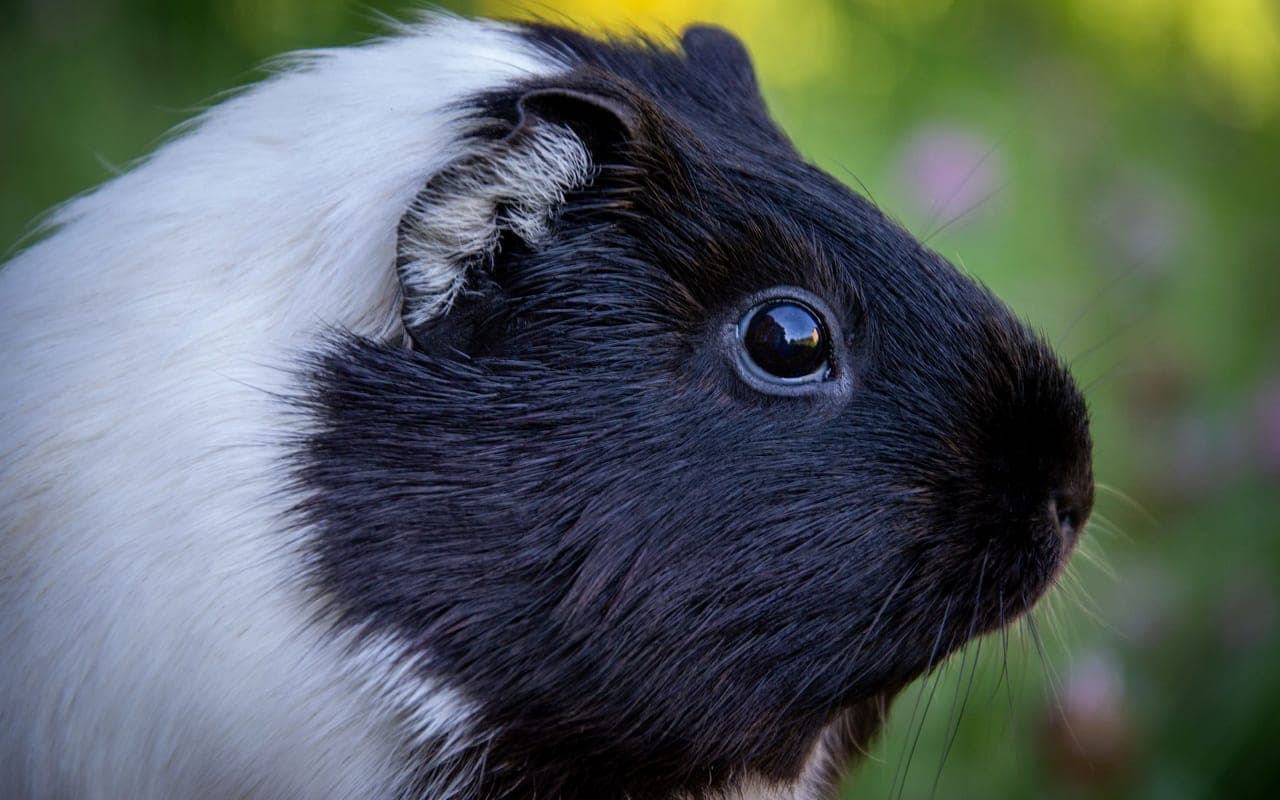
Satin Guinea Pig
Worth comparing for coat care, handling tolerance, companionship, floor-time needs, and health planning.
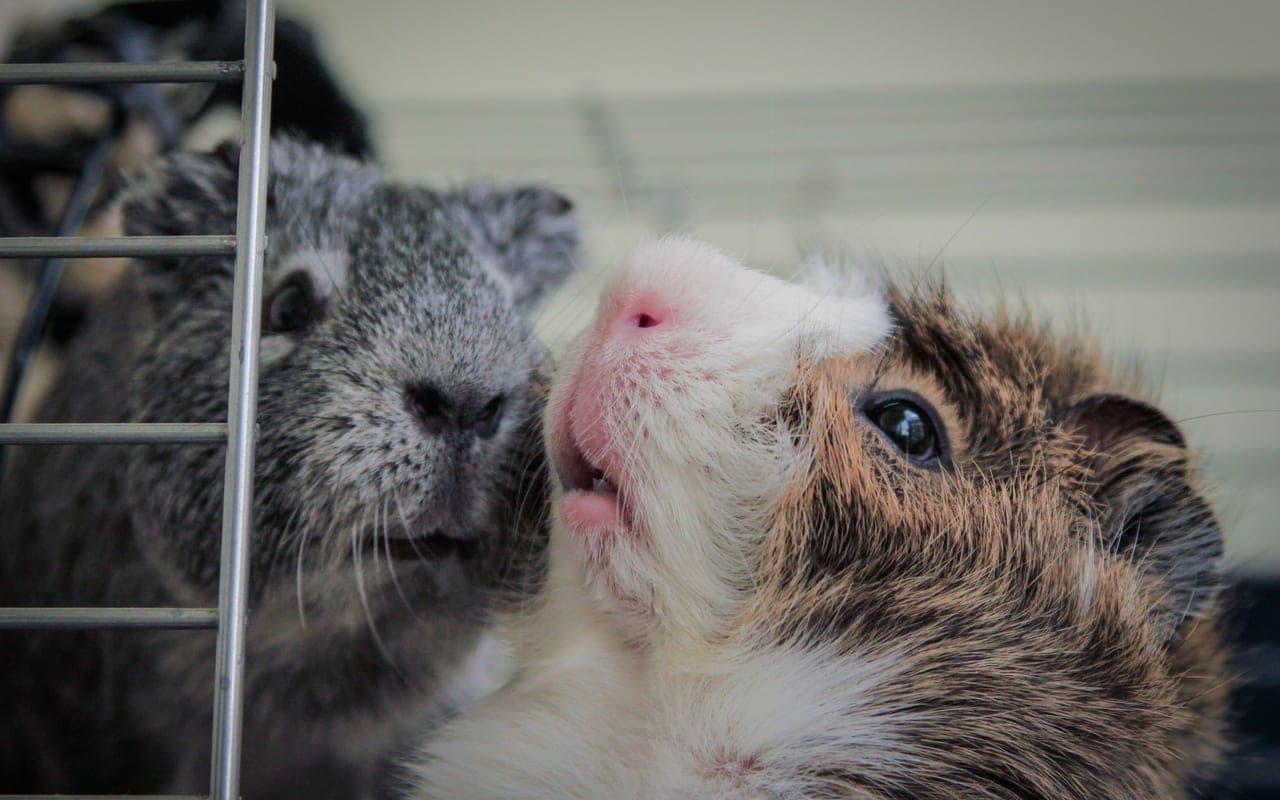
Silkie Guinea Pig
Worth comparing for coat care, handling tolerance, companionship, floor-time needs, and health planning.
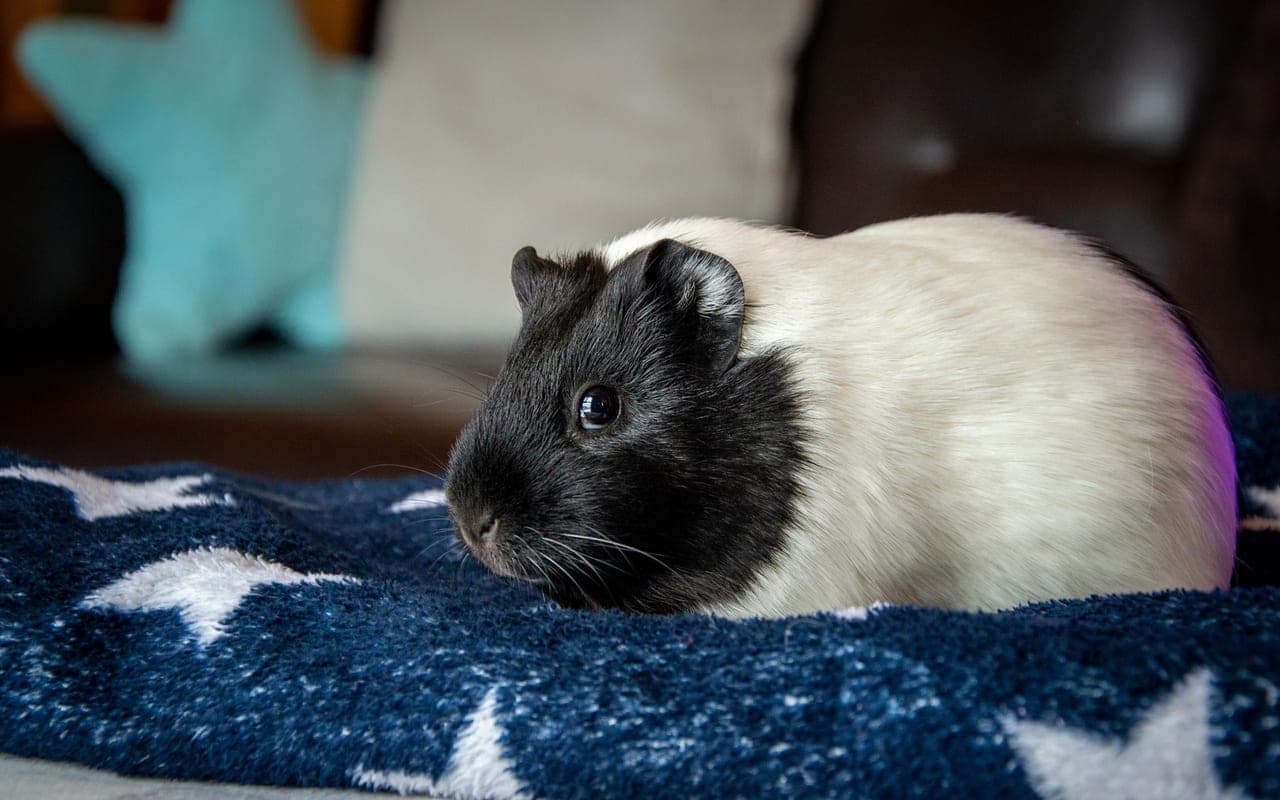
Swiss Guinea Pig
Worth comparing for coat care, handling tolerance, companionship, floor-time needs, and health planning.
Explore More About American Guinea Pig
Dive deeper into everything American Guinea Pig — costs, care, and expert insights.
Considering a rabbit instead?
Browse Rabbits