
Long-haired type
Silkie
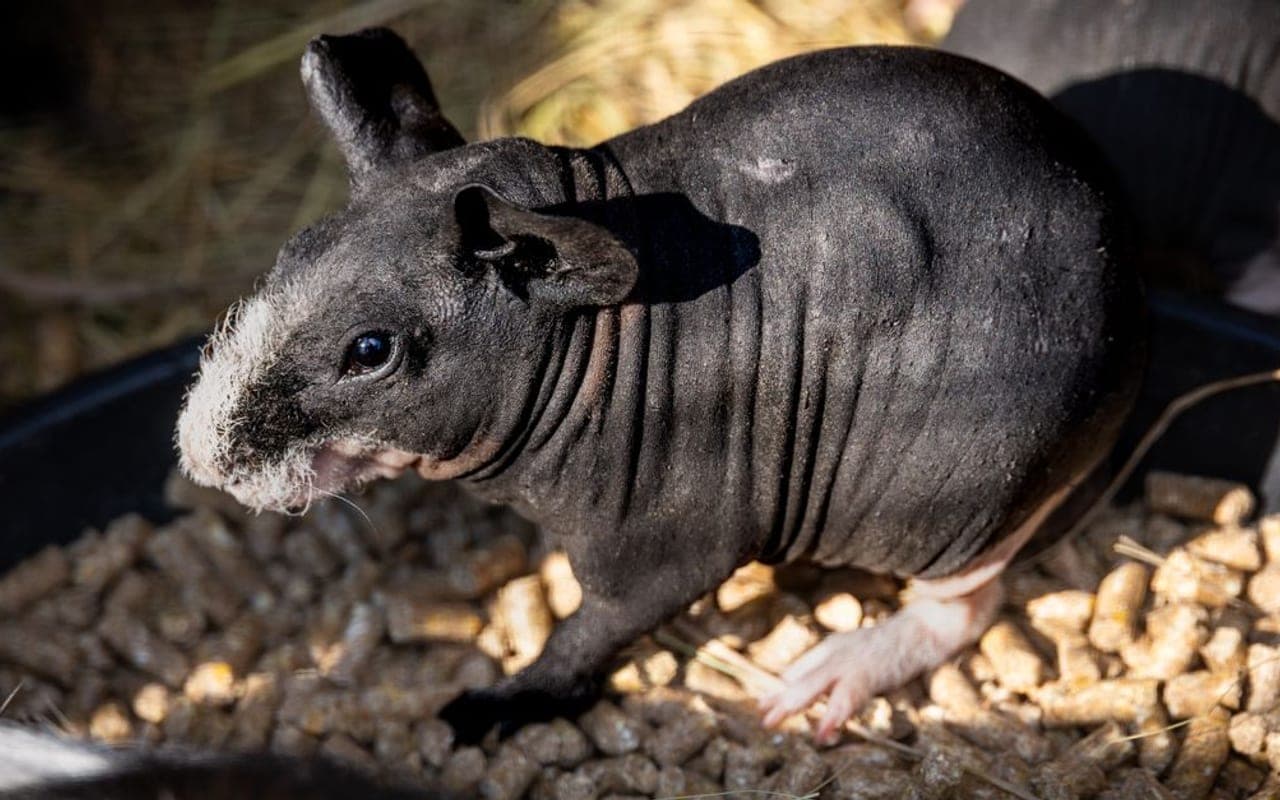
The Silkie is a long-haired guinea pig with hair flowing back from the face, best for owners who enjoy daily grooming routines.
Size
2-3 lb
Lifespan
5-8 years
Floor time
1+ hour floor time
Shedding
High
Experience
Cavy-savvy planning
Decision first
Is a Silkie right for you?
Start with fit before history or trivia. These are ownership signals, not guarantees about any individual guinea pig.
Best suited for
- Homes with other compatible pets.
- Indoor homes with enough enclosure space, ventilation, and daily floor time.
- Owners prepared for hay, vitamin C, enclosure cleaning, and exotics-vet planning.
Think carefully if
- You need a pet with almost no daily feeding, bedding, social, or health-monitoring routine.
- You want a very low-shedding home.
- You cannot access an exotic or cavy-savvy veterinarian for routine and urgent care.
Conditional fit
Apartment fit depends on enclosure floor space, ventilation, bedding hygiene, hay storage, daily floor time, and noise tolerance.
Daily reality
Silkie commitment snapshot
The best breed choice is the one whose daily care actually fits your calendar, budget, and home.
Daily floor time
1+ hour floor time
Match floor time, enrichment, companionship, vitamin C, and cleaning to age, health, and housing.
Coat care
High
Grooming needs vary by coat, shedding, and lifestyle.
Social needs
Needs planning
Most guinea pigs need companionship, daily appetite checks, clean bedding, and quick response to weight or breathing changes.
Structured facts
Silkie at a glance
The measurements and traits that most affect day-to-day life with this breed.
Origin
United Kingdom
Group
Long-haired
Weight
2-3 lb
Height
8-10 in
Lifespan
5-8 years
Temperament
Gentle | Quiet | Soft | Social
View all characteristics and methodology
Lifestyle fit
- Indoor housingWorks best with a large, ventilated enclosure and daily supervised floor time.
- Likely fit
- Child friendliness
- Needs caution
- Companion fit
- Pair planning needed
- Handling styleGuinea pigs are prey animals and usually trust floor-level interaction first.
- Secure and gentle
Owner commitment
- Floor time
- 1+ hour floor time
- Grooming
- High
- Bedding routineClean bedding controls ammonia and makes appetite or urinary changes easier to see.
- Daily spot clean
- Vitamin CFresh foods or supplements must cover daily vitamin C needs.
- Daily
Behavior
- Sociability
- Moderate
- Energy
- Low-moderate
- Handling
- Moderate
- Vocalization
- Low-moderate
Environment and health
- Dental and gut care
- Hay-first
- Air quality
- Low dust, low ammonia
- Health risk
- Cavy-specific
- Vet type
- Exotics or cavy-savvy
Ratings combine structured breed data, visible breed fields, and editorial context. They are planning aids, not predictions for an individual guinea pig.
Daily life
Silkie temperament and behavior
The Silkie is a long-haired guinea pig with hair flowing back from the face, best for owners who enjoy daily grooming routines.
Gentle | Quiet | Soft | Social
Gentle
A common Silkie temperament descriptor that should be interpreted alongside companionship, floor time, hay, vitamin C, gentle handling, and health monitoring, and household fit.
Quiet
A common Silkie temperament descriptor that should be interpreted alongside companionship, floor time, hay, vitamin C, gentle handling, and health monitoring, and household fit.
Soft
A common Silkie temperament descriptor that should be interpreted alongside companionship, floor time, hay, vitamin C, gentle handling, and health monitoring, and household fit.
Social
A common Silkie temperament descriptor that should be interpreted alongside companionship, floor time, hay, vitamin C, gentle handling, and health monitoring, and household fit.
Owner note
Temperament labels are starting points, not guarantees. Meet the individual guinea pig and ask about behavior history whenever possible.
Care essentials
How to care for a Silkie
What looking after one actually involves: diet, enclosure, floor time, bonding and routine health.
Daily CareAs needed
- Check coat, rear end, bedding, hay, water, appetite, and droppings.
NutritionAs needed
- Hay-first diet with vitamin C, greens, pellets, and careful treat limits.
ExerciseAs needed
- Gentle floor time on clean dry surfaces with hides.
GroomingAs needed
- Daily combing or a safe pet trim to prevent mats.
HealthAs needed
- Watch skin, feet, teeth, appetite, weight, and breathing.
CostsAs needed
- Higher grooming and bedding costs than short-coated cavies.
Care calendar
Daily
- Hay, water, measured pellets, fresh vegetables, vitamin C, bedding spot-cleaning, floor time, social contact, and appetite or droppings monitoring.
Weekly
- Deep clean enclosure, weigh each guinea pig, check nails, feet, skin, coat, teeth visibility, and bedding safety.
Annually
- Exotics-vet wellness exam, dental review, nutrition check, and urinary or respiratory risk discussion.
Health planning
Silkie health risks and screening
Every guinea pig breed has individual health variation. Use this profile for planning and discuss vitamin C, hay intake, dental care, urinary signs, breathing, and urgent symptoms with an exotic or cavy-savvy veterinarian.
Ownership cost
How much does a Silkie cost?
Cost figures are structured so first-year and lifetime estimates do not conflict with the underlying line items.
| Acquisition | $40-$150 |
|---|---|
| Adoption | $20-$75 |
| Initial setup | $150-$350 |
| Routine monthly | About $50-$110/month |
| Routine annual | About $600-$1,320/year |
| First-year estimate | $790-$1,820 |
| Lifetime routine estimate | $3,000-$10,560 routine costs |
Currency: USD. Region: United States. Updated: March 2026. First-year totals add acquisition, a $150-$350 enclosure and supply setup range, and 12 months of routine hay, vegetables, pellets, bedding, and cleaning supplies. Lifetime routine costs exclude emergency exotics care, dental procedures, boarding, and bonding support.
Responsible ownership
Finding a Silkie responsibly
A responsible path can be a documented breeder or a good rescue match. The important part is transparency and support.
Reputable breeder
- Ask for documented health screening relevant to the breed.
- Meet the breeder or rescue, review housing and diet practices, and ask how pups are sexed, socialized, and paired.
Rescue or adoption
- Check guinea pig rescues, small-animal shelters, and foster homes with cavy experience.
- Ask about temperament, medical history, foster notes, and support after adoption.
- Match the individual guinea pig's age, sex, bond status, handling tolerance, diet, and health history to your household.
Warning signs
- No health documentation.
- Pressure to buy immediately.
- No questions about your home or experience.
- Unclear return policy or unwillingness to provide references.
- No discussion of hay, vitamin C, sexing, pairing, enclosure space, or exotics-vet access.
Original purpose
Silkie history
History is useful when it explains today's behavior, coat, care needs, and temperament.
Read the breed history
Silkies are long-coated cavies selected for a smooth backward coat flow rather than the forward-and-back pattern seen in Peruvians.
Lower-page context
Silkies in culture
Where the breed shows up in film, sport, work and folklore — the enjoyable part, once the practical questions are answered.
Fun facts
- Silkies are also known as Shelties in some registries.
- Their coat should flow away from the face.
Silkie FAQs
Is the Silkie good for beginners?
Silkie guinea pigs can be rewarding, but their coat care is demanding. First-time owners should be ready for daily grooming, hay-first feeding, vitamin C, and an exotic-vet relationship.
How much space does a Silkie need?
Plan for a large, well-ventilated enclosure with continuous floor space, safe hides, bedding, hay access, and daily supervised floor time. A compatible pair usually needs more room than a single guinea pig.
What health issues should Silkie owners watch for?
Common guinea pig risks include vitamin C deficiency, dental disease, respiratory infection, bladder stones, and foot or skin problems. Sudden appetite loss is urgent.
Similar breeds to consider
Worth comparing if this breed appeals but you want a different fit on family life, size, temperament or care needs.
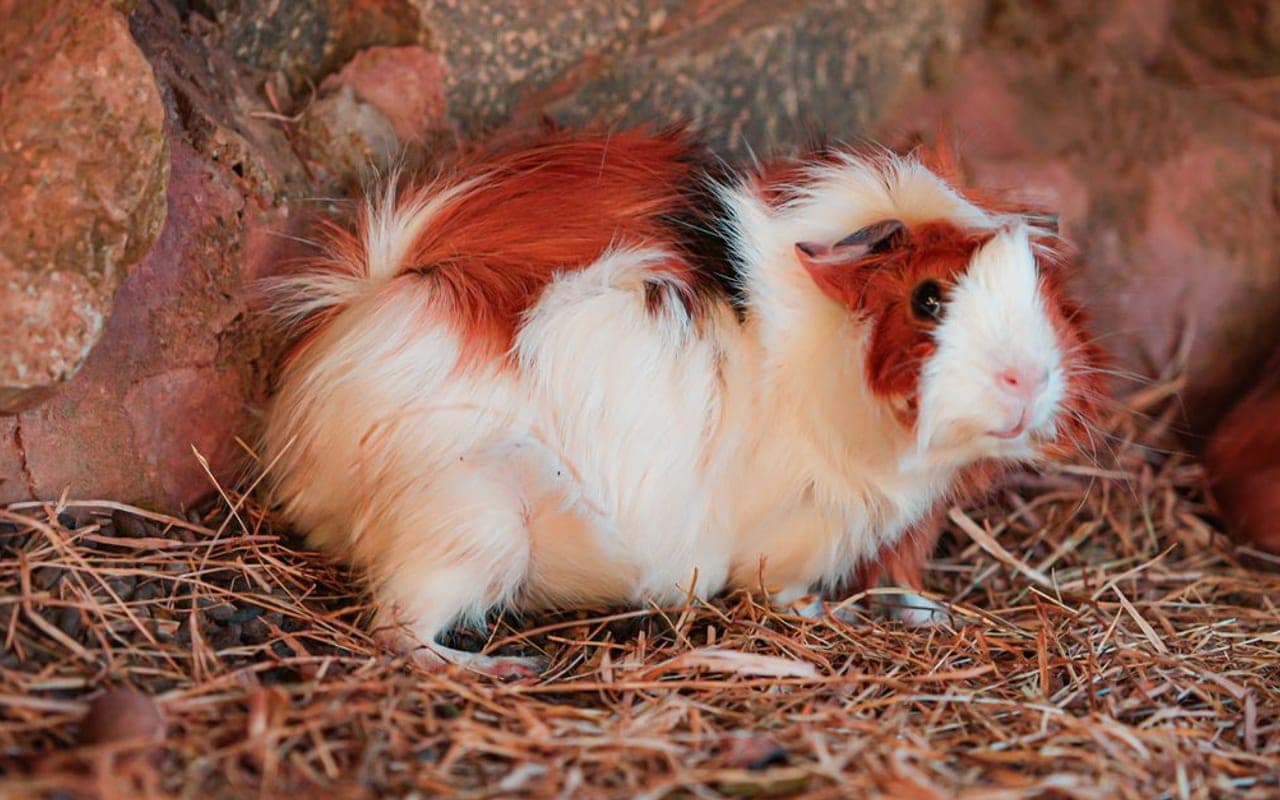
Peruvian
Also in the Long-haired group, with different coat care, handling, and companionship tradeoffs.
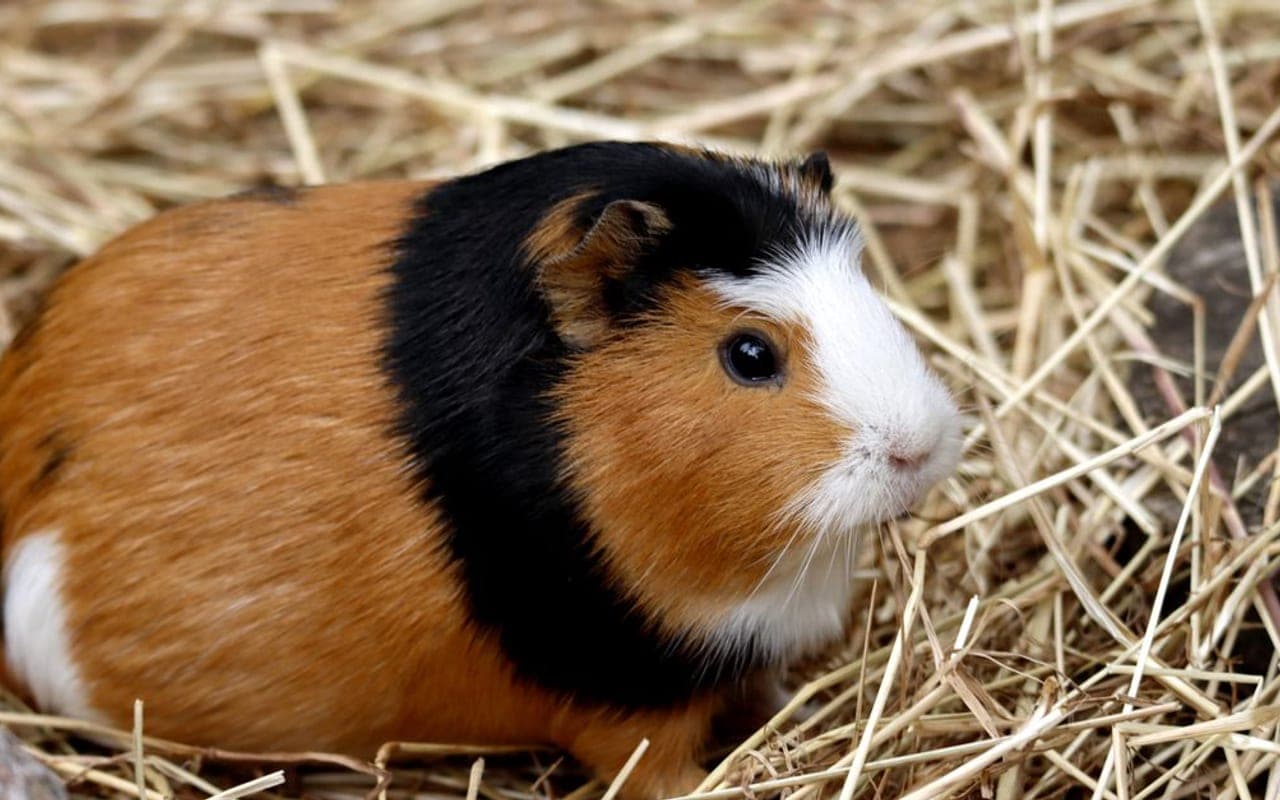
Coronet
Also in the Long-haired group, with different coat care, handling, and companionship tradeoffs.
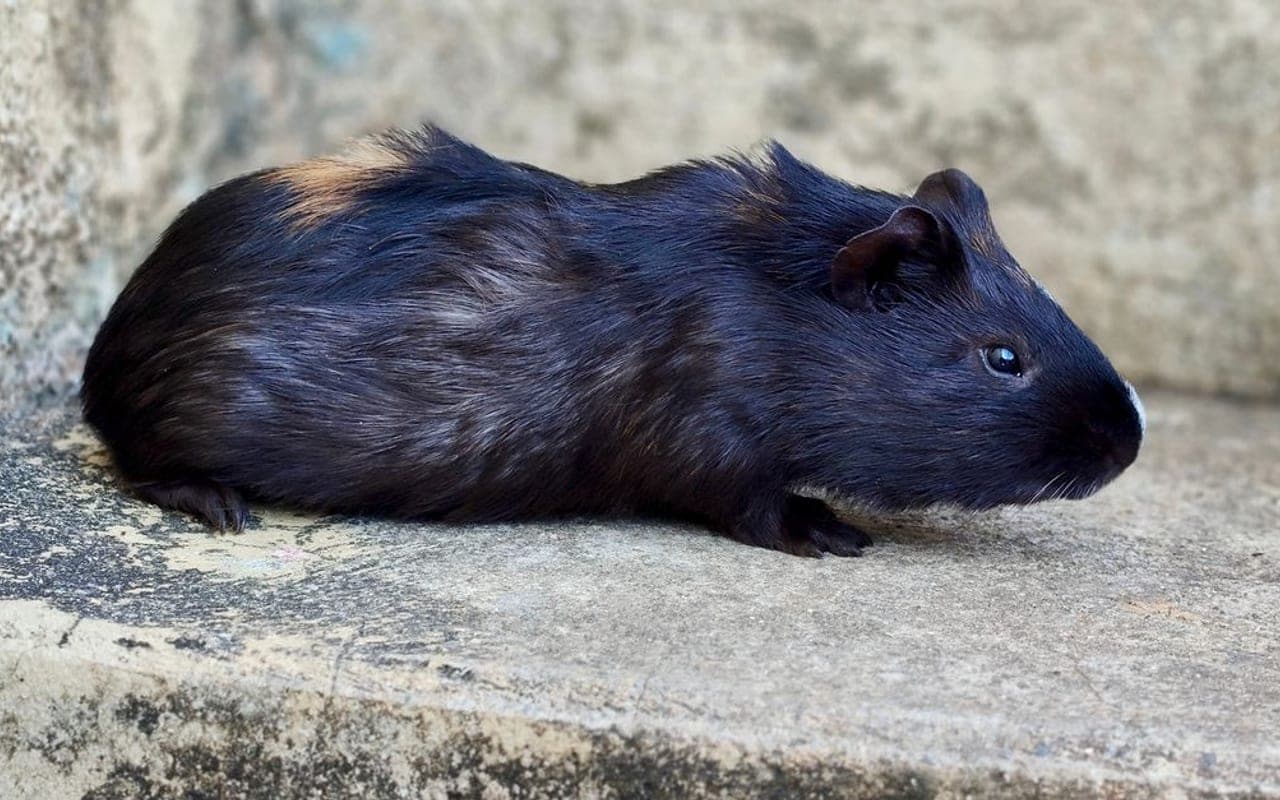
American Guinea Pig
Compare coat care, handling tolerance, companionship, floor-time needs, and exotics-vet planning before deciding.
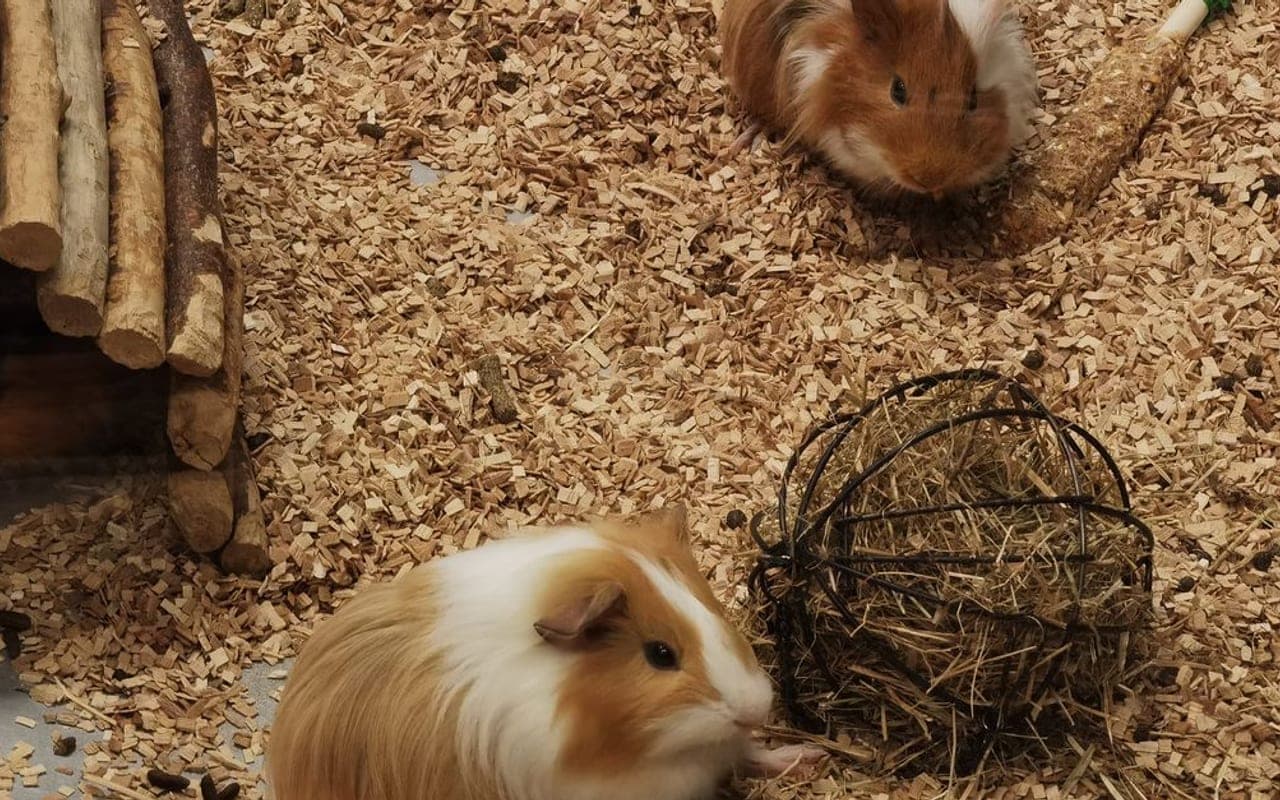
Abyssinian Guinea Pig
Compare coat care, handling tolerance, companionship, floor-time needs, and exotics-vet planning before deciding.
Explore More About Silkie
Dive deeper into everything Silkie — costs, care, and expert insights.
How Much Does a Silkie Cost?
Purchase price, monthly costs, and lifetime expenses
Guinea Pig Breeds Guide: Personality Matching & Breed Comparison
Guinea pigs vary dramatically by breed. A Silkie's flowing coat demands 20-30 minutes daily...
Guinea Pig Housing Guide: DIY Cages, Space Requirements & Setup
Pet store cages violate space guidelines (typical cage is 5.5 sq ft; minimum is 7.5 sq ft single,...
Considering a rabbit instead?
Browse Rabbits