
Arabian Horse
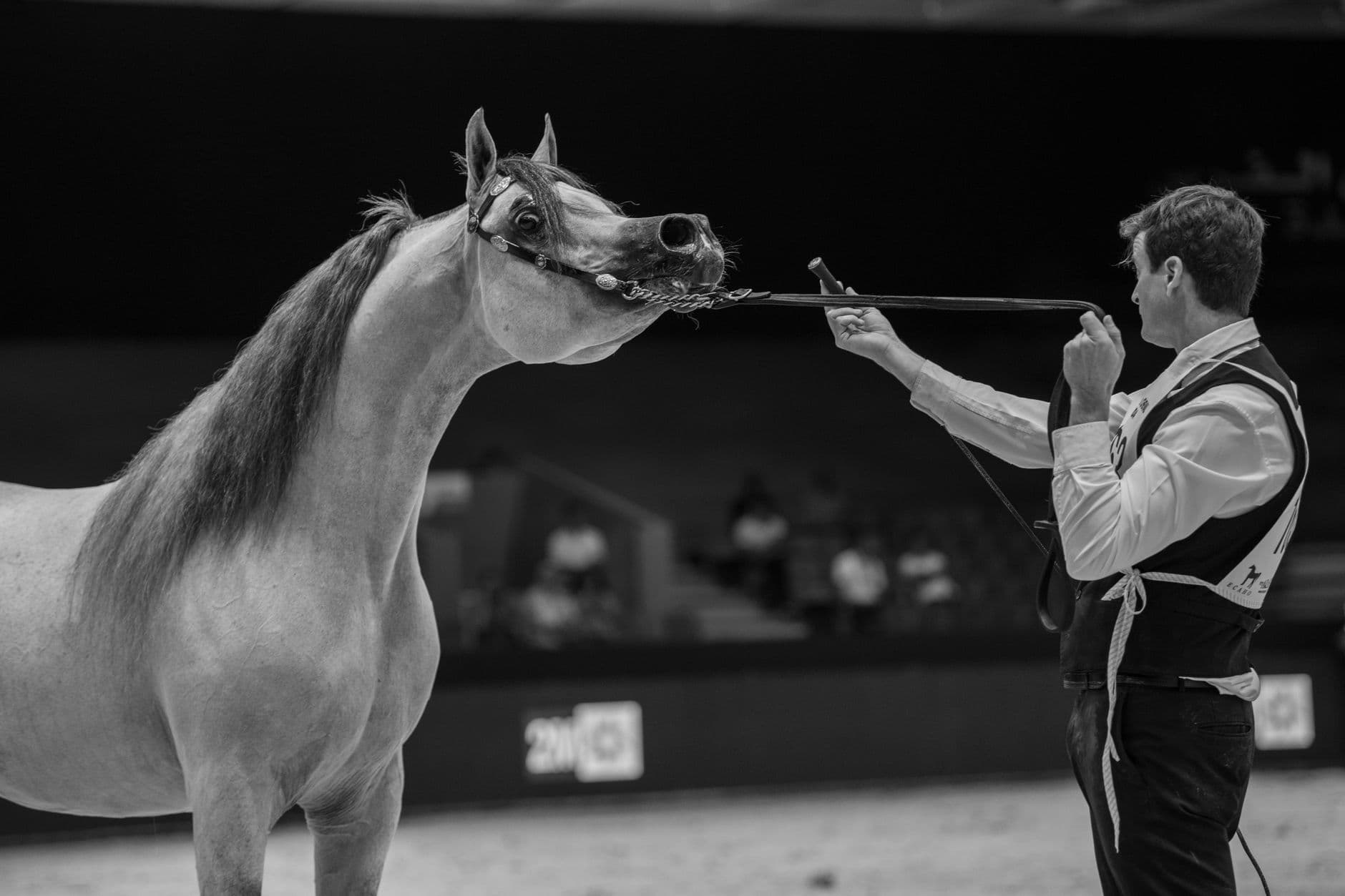
Image — Pexels — Taha Bensalmia
- Origin
- Middle East, with a long documented association with Bedouin breeding traditions
- Species
- Equus caballus
- Breed group
- Middle Eastern light horse
- Primary purpose
- riding, distance work, driving, and sport
- Registry context
- Arabian Horse Association breed standard and pedigree tradition
- Conformation note
- Registry language emphasizes balance, refined head type, arched neck, comparatively short back, and high tail carriage.
- Historical function
- long-established riding and breeding horse associated with the Middle East
- Management tradeoff
- Alert responsiveness rewards consistent training but does not replace gradual conditioning or ordinary care.
- Individual variation note
- Energy, confidence, sensitivity, fitness, and rider suitability vary substantially among individuals.
Temperament
- often described as alert and intelligent
- responsive handling can be rewarding
- individual behavior must be assessed
Overview
The Arabian Horse is recognizable through a registry standard that emphasizes balance, a refined head, an arched neck, a comparatively short back, and high tail carriage. The Arabian Horse Association also uses words such as energy, intelligence, and courage in describing the ideal. Those are useful clues to the breed's selected type, but they are not a behavior forecast for an individual. A seasoned school horse, a young show prospect, and a horse conditioned for distance work may differ sharply in response, confidence, training, and suitability even when all are registered Arabians. This breed can appeal to an owner who enjoys an attentive partnership and has a clear plan for recreational riding, distance work, driving, in-hand activity, or another appropriately matched discipline. It is a poor choice when the decision rests on romantic desert stories, the stereotype that every Arabian is difficult, or the opposite promise that intelligence makes training effortless. Review the individual horse's education, handling, social behavior, soundness, current fitness, and comfort with the proposed rider and property. Desert heritage is historical context, not permission to restrict water, shelter, forage, preventive care, or gradual conditioning in the horse's present climate.
Caring for the Arabian Horse
Care for an Arabian as an individual horse first. Supply clean water, forage appropriate to body condition and workload, safe social contact, secure fencing, weather protection, turnout, and routine hoof, dental, and veterinary care. Weigh feed and reassess condition rather than assuming a refined frame means the horse should look thin or that desert ancestry makes concentrated feed unnecessary. A horse in sustained distance training requires a different conditioning and nutrition conversation from an idle companion or a lightly ridden adult. The breed-specific ownership tradeoff is often responsiveness: an alert horse can be rewarding when cues, environment, and expectations are consistent, but sensitivity can be amplified by pain, rushed training, isolation, ill-fitting equipment, or a rider who gives conflicting aids. Build fitness in stages, practice calm handling away from competition pressure, and observe recovery after work. Arrange a veterinarian-informed preventive plan and travel biosecurity when showing or riding away from home. Promptly report abdominal-pain signs, significant lameness, breathing changes, collapse, neurologic signs, or an abrupt change from the horse's normal appetite and behavior.
History and origin
The Arabian Horse Association describes a long history connected with the Middle East and the breeding practices of Bedouin communities, while acknowledging the deep and sometimes debated nature of the breed's earliest geographic story. Selective pedigree traditions helped preserve recognizable type and contributed Arabian ancestry to other horse populations. The association's modern standard turns that heritage into observable conformation criteria rather than relying only on legend. Historical endurance and adaptation should still be described carefully: they do not prove that every Arabian tolerates heat, sparse feed, long distances, or intensive work without ordinary equine care. For a current owner, documented pedigree and history can explain breed identity, but the horse's present body condition, health, training, and management history determine what work is fair and safe.
Arabian Horse care in detail
Housing and environment
Provide visible horse-safe fencing, dry and stable footing, clean air, shelter from severe weather, continuous water, and enough turnout for movement and social behavior. Arrange feeding stations and gates so no horse is cornered or excluded. Shade and ventilation matter in heat, while wind and wet conditions require suitable protection; ancestry does not override the climate the horse is living in now. For travel and events, carry identification and health contacts, use individual buckets and equipment where practical, monitor after return, and follow local rules. Introduce property changes gradually when an individual is highly attentive to new surroundings.
Daily routine
Start with a quiet visual check before handling: appetite, drinking, manure, breathing, posture, movement, alertness, and social position should be familiar enough that changes stand out. Refresh water, examine forage and feeders, remove hazards, check fencing, and confirm access to shelter and companions. During grooming, inspect the back, girth area, mouth corners, limbs, and feet for changes that could affect comfort under tack. Note whether an alert response settles with clear information or escalates unexpectedly. A written record of work, feed, travel, and behavior helps qualified professionals distinguish a new problem from the individual's ordinary pattern.
Feeding and nutrition
Base the ration on suitable forage and unrestricted clean water under normal management. Weigh what is offered and adjust it to the horse's actual size, body condition, age, teeth, climate, and work rather than to a breed myth. Refined appearance is not a reason to accept loss of muscle or poor condition, and endurance heritage is not evidence that an individual needs less water. Add or change concentrates only when forage and workload do not meet the plan, following product directions and gradual transitions. Sustained distance work, growth, pregnancy, age, or unexplained weight change calls for an individualized review with the veterinarian and a qualified nutrition professional.
Health
Develop preventive care with the attending veterinarian, including examinations and risk-based decisions for vaccination, parasite control, dentistry, and travel. The profile does not diagnose breed-associated disease or prescribe a schedule. Learn the individual's normal temperature only under professional instruction, appetite, manure, drinking, movement, and demeanor so meaningful departures can be reported. Repeated rolling, flank-watching, sweating, reduced manure, marked lameness, breathing difficulty, weakness, collapse, or neurologic change requires prompt veterinary contact. When returning from an event or introducing a new horse, follow a practical biosecurity plan and avoid sharing uncleaned equipment.
Space and activity
Condition for the real discipline, not for a story about inherited stamina. Begin at a level the horse can perform with relaxed, coordinated movement and increase time, terrain, speed, collection, or distance gradually. Schedule recovery and continue safe turnout so work is not the only movement available. An Arabian prepared for in-hand classes may lack the fitness for a long trail, while a distance-conditioned horse may need patient retraining for slower balance and new aids. Monitor gait, willingness, breathing, hydration behavior, and recovery, and seek assessment when performance changes suddenly instead of pushing through because the breed is considered enduring.
Grooming and dust bathing
Use grooming to inspect, build calm handling, and prepare for professional care. Brush dirt and sweat, examine skin and tack-contact areas, clean feet safely, and practice standing without making every session demanding. Arrange hoof trimming or shoeing for the individual's growth, conformation, footing, and workload, and ask the veterinarian to evaluate dental health rather than waiting for obvious weight loss or resistance. A refined head requires correctly fitted halters and bridles, but appearance alone cannot determine fit. Persistent rubs, swelling, heat, odor, cracks, sensitivity, or reluctance to be handled deserves investigation rather than cosmetic concealment.
Handling and training
Responsive horses benefit from clear, consistent cues, predictable routines, and reinforcement that rewards the requested answer without flooding the horse. Establish leading, standing, foot handling, loading, and calm separation or reunion skills before assuming advanced work will solve basic gaps. A quick reaction can reflect alertness, confusion, fear, discomfort, previous learning, or an unsuitable environment; it should not be dismissed as an unavoidable Arabian trait. Use a welfare-centered trainer when the horse and handler need help. If behavior changes, first review physical comfort, equipment, workload, feed, turnout, and the clarity of the training progression.
Breeding
Responsible breeding requires verified registration identity, a welfare purpose, homes for offspring, professional reproductive support, and honest assessment of both proposed parents. The Arabian's long pedigree tradition makes records important, but pedigree prestige is not a substitute for sound structure, manageable behavior, health information, or genetic-test decisions relevant to documented lines. Do not promise a foal's head shape, courage, color, athletic future, or suitability for a particular rider. Plan for mare and foal care, emergency transport, social development, training, and lifetime responsibility before breeding. This draft provides no mating or foaling instructions.
Frequently asked questions
- Are Arabian Horses only suitable for endurance riding?
- No. Distance work is strongly associated with the breed, but an individual Arabian may be prepared for recreational riding, in-hand work, driving, showing, or another discipline. The useful question is not whether the breed can appear in an activity, but whether this horse has the training, soundness, confidence, conditioning, and equipment fit for the proposed job. A new program should begin from current fitness and develop progressively.
Sources
Breed standards, conservation status and husbandry guidance on this page are drawn from the following published sources.
- arabianhorses.org — Arabian horses
- merckvetmanual.com — Providing a home for a horse
- merckvetmanual.com — Feeding practices in horses and other equids
- merckvetmanual.com — Routine health care of horses
- merckvetmanual.com — Dental coat and hoof care of horses
- merckvetmanual.com — Colic in horses
- merckvetmanual.com — Horse parasites and flies
- aphis.usda.gov — Fs equine biosecurity
- usef.org — Biosecurity measures
- inside.fei.org — Horses in isolation
Other horses breeds
Choosing between breeds? Compare horses or read the horse care guide.