
Shetland Pony
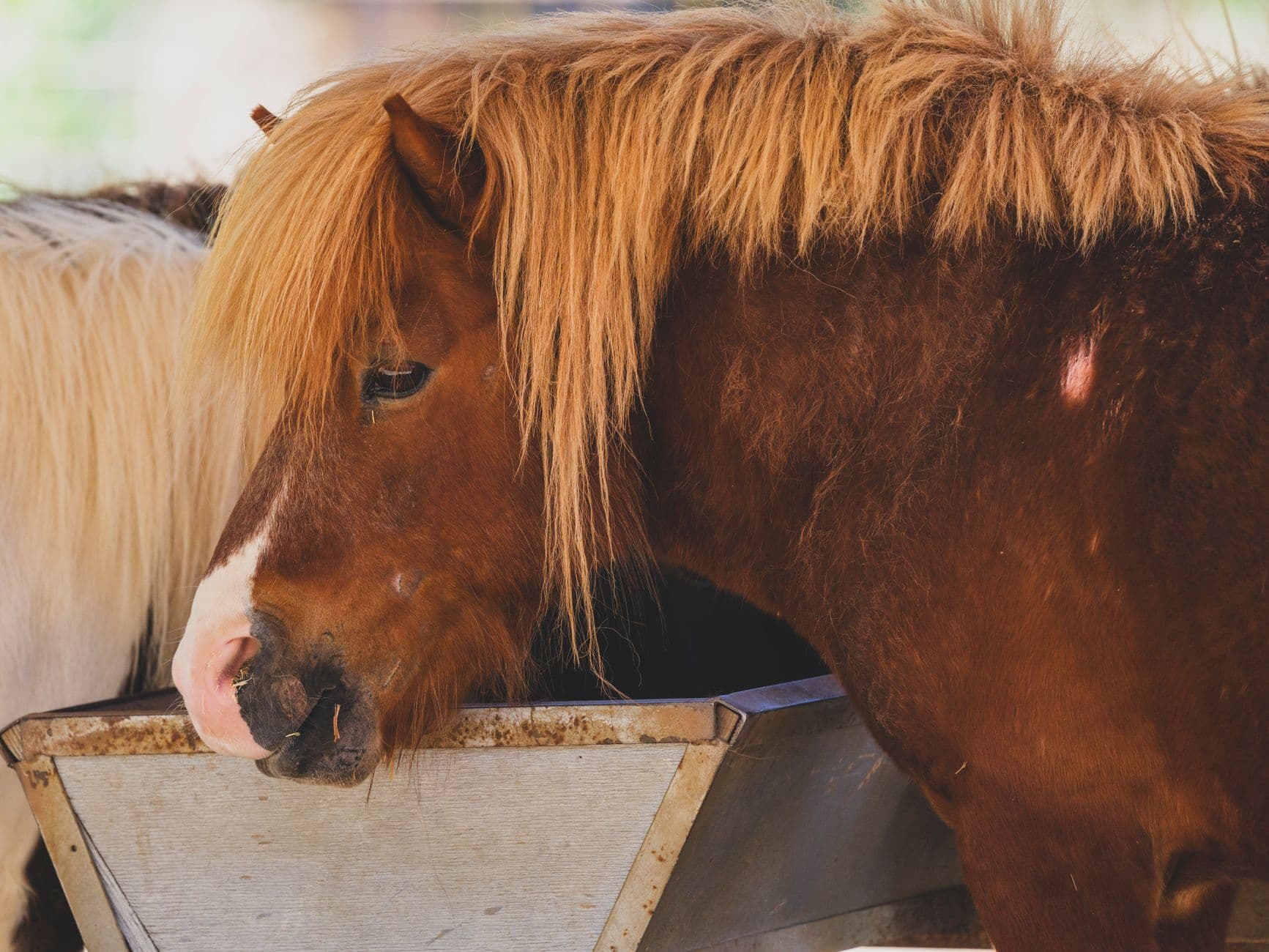
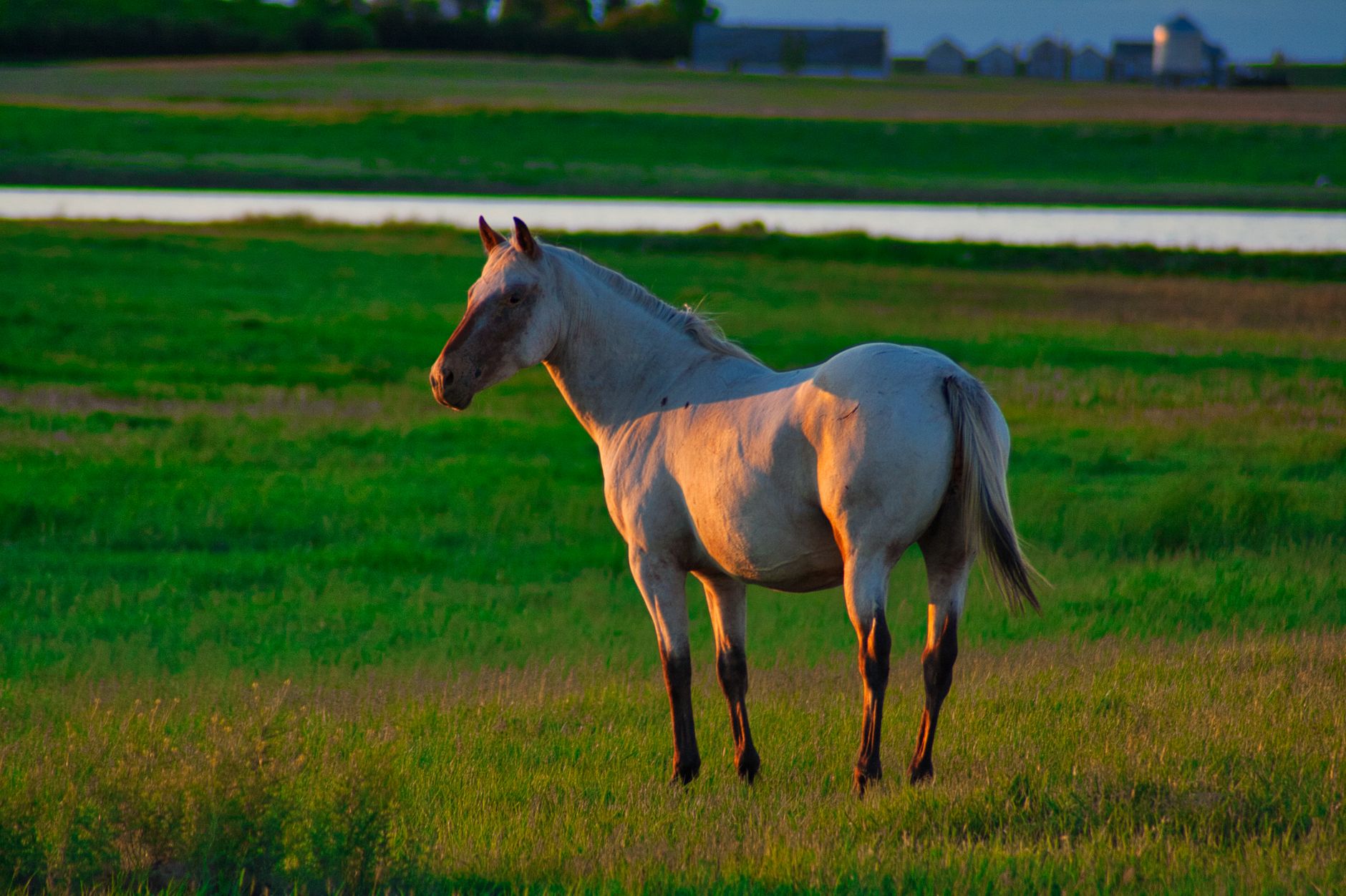
Image — Pexels — Engin Akyurt
- Origin
- Shetland Isles, Scotland
- Species
- Equus caballus
- Breed group
- Traditional Scottish island pony
- Primary purpose
- riding, driving, companionship, and in-hand activity
- Type note
- Strong compact body, seasonal double coat, tough feet, vitality, stamina, and robustness are central standard themes.
- Height note
- The stored maximum reflects the traditional SPSBS limit of 42 inches and not American Shetland divisions.
- Registry context
- Shetland Pony Stud-Book Society mother standard
- Management tradeoff
- Hardiness and small size can invite under-management unless condition, pasture, training, and facilities are monitored deliberately.
- Height measurement point
- SPSBS measures from the withers to the ground by measuring stick on a level stance. This is NOT the same landmark as the AMHA mane-base measurement, so the two stored maxima are not directly comparable.
- Individual variation note
- Manners, energy, conformation, coat, training, health, and child or driving suitability vary by pony.
Temperament
- often described through vitality and stamina
- small size does not establish safety
- individual behavior must be assessed
Overview
The traditional Shetland Pony is a compact island breed defined by its own mother stud book and a standard that emphasizes a strong body, robust constitution, seasonal double coat, tough feet, vitality, and stamina. The standard caps registered height, but small size is not a safety rating. A pony can be strong, quick, experienced, green, defensive, calm, or highly responsive depending on the individual and its handling. Choosing a child's mount, driving pony, companion, or in-hand prospect therefore requires evidence of training and suitability, not a photograph beside a small rider. A Shetland can suit a prepared owner who values a compact, capable pony and can manage forage, grazing, body condition, fencing, companionship, movement, coat, feet, and professional care. It is a poor match for someone who translates “hardy” into “needs little.” Adaptation to historical island conditions does not excuse restricted water, neglected shelter, unmanaged pasture, absent hoof and dental care, or isolation. The database profile uses the traditional Shetland Pony Stud-Book Society standard; it must not borrow height, show-division, or conformation claims from the separately developed American Shetland or from the American Miniature Horse registry.
Caring for the Shetland Pony
Start with appropriate pony management rather than deprivation. Provide clean water, suitable forage, secure fencing at the pony's height, weather protection, ventilation, dry footing, compatible company, and room to move. Weigh the ration and monitor body condition beneath the seasonal coat. Pasture quality, growth stage, weather, workload, age, teeth, and individual metabolism all affect intake, so “lives on air” is not a care plan. Make changes gradually and use qualified nutrition advice when condition is difficult to manage. Handle and train the Shetland consistently. Leading, yielding, standing, feet, loading, and respectful space matter because compact size and strength can make poor manners easy to tolerate until a child or less experienced handler is involved. Match ridden or driven work to the pony's maturity, conformation, education, current fitness, equipment, and handler or rider. Groom through the coat, inspect skin and feet, and maintain veterinary, dental, farrier, vaccination, parasite-control, and biosecurity programs. Abdominal-pain behavior, marked lameness, breathing difficulty, collapse, neurologic change, or sudden loss of normal appetite and demeanor requires prompt veterinary guidance.
History and origin
The Shetland Pony Stud-Book Society reports that small ponies have lived in the Shetland Isles for more than two millennia, with archaeological evidence extending into the Bronze Age. Island use and conditions shaped a small but substantial working pony associated with transport, crofting, and later other labor. The Society was formed in 1890 with the stated objects of maintaining unimpaired the purity of the breed and promoting its breeding, and the first stud book appeared in 1891, recording 408 mares and 48 stallions. In 1992 the Society gained official recognition as the stud-book of origin for the breed worldwide, and approved daughter stud books must comply with the rules and principles of that mother stud book. That documented identity is important because several modern small-equine registries use the word Shetland differently. This profile follows the traditional British mother-stud-book breed, not an American show classification.
Shetland Pony care in detail
Housing and environment
Inspect property features at pony scale: fence mesh and rail gaps, latches, doors, feeders, water depth, shelter openings, partitions, trailer spaces, and places where a small body could turn or become trapped. Provide ventilation, severe-weather protection, dry footing, movement, and compatible company. Arrange multiple feeding positions in groups and secure stored feed. Manage pasture and mud rather than assuming island ancestry solves local land conditions. Carry identification and health contacts during travel, avoid shared uncleaned equipment, and introduce new arrivals through a veterinarian-informed separation and monitoring plan.
Daily routine
Observe the pony's appetite, drinking, manure, posture, breathing, movement, coat, feet, and interactions with companions. Refresh water, inspect forage, remove hazards, and check fencing, low gaps, gates, feeders, and shelter from the pony's height. Groom with hands through the seasonal coat so body condition and skin are not judged from outline alone. Clean feet safely and rehearse leading and standing without allowing small size to excuse crowding or pulling. Confirm that the pony reaches resources in group housing and record feed, grazing, work, and behavior changes for useful discussion with the veterinarian or farrier.
Feeding and nutrition
Use weighed forage and clean water as the foundation, then adjust for the individual pony's body condition, age, dental function, climate, pasture, reproduction, and activity. Do not feed only by visual impression through a winter coat, and do not treat hardiness as proof that poor-quality forage meets requirements. Pasture access may need deliberate management for some individuals, while others need more support; neither decision should be copied blindly. Introduce changes gradually. Concentrate and supplements should solve a defined need rather than reward behavior. Seek veterinary and qualified nutrition input for persistent weight change or a restricted program.
Health
Create an individual preventive plan with the attending veterinarian for examinations, vaccination, parasite control, dentistry, travel, and aging. This profile does not diagnose a Shetland-specific condition or prescribe a schedule. Learn the pony's normal appetite, manure, water intake, movement, breathing, and demeanor. Thick hair and a compact body can conceal changes unless the owner inspects by hand. Repeated rolling, pawing, flank-watching, reduced manure, marked lameness, respiratory distress, weakness, collapse, or neurologic signs requires prompt veterinary contact. Use clean equipment and appropriate separation and monitoring for arrivals or returning travelers.
Space and activity
Provide turnout and purposeful movement appropriate to the pony's health and role. In-hand work, carefully matched riding, driving, and obstacle education require different skills and conditioning. Start from present fitness and increase duration, terrain, load, speed, or technical difficulty gradually. Small stature and historic stamina do not prove that a pony can safely carry a particular rider or pull a particular vehicle; conformation, maturity, balance, equipment, and professional assessment matter. Watch stride, willingness, breathing, heat, and recovery. Investigate an abrupt performance or behavior change instead of assuming the pony is merely clever or stubborn.
Grooming and dust bathing
Brush and part the coat enough to inspect skin, body condition, mane, tail, lower legs, tack or harness areas, and feet. Seasonal density helps define traditional breed type, but it can also make a superficial glance misleading. Clean hooves safely and arrange qualified trimming or shoeing according to growth, balance, surface, and job. Veterinary dental care remains necessary for a pony. Fit halters, bridles, saddles, harness, blankets, carts, and transport partitions to the actual animal. Persistent matting, rubs, swelling, odor, skin change, hoof damage, or reluctance to be handled needs investigation rather than concealment.
Handling and training
Set the same clear welfare and behavior standards used for a larger equine. Teach leading without pushing, yielding, standing, foot handling, loading, separation, and calm acceptance of fitted equipment. Small ponies can learn that people tolerate behaviors they would correct in a large horse; consistent reinforcement prevents that mismatch without rough handling. Children require competent adult selection and supervision, and the pony must be proven for the exact task. Use qualified help for driving or ridden preparation. Review pain, feet, teeth, fit, feed, turnout, social pressure, and lesson difficulty when behavior changes.
Breeding
Stud-book history supports preservation of identity, but registration is not the only breeding decision. Verify pedigree, follow the applicable mother or daughter stud-book rules, assess health, conformation, behavior, and relevant genetic information with professionals, and plan homes for offspring. Prepare for mare and foal management, appropriate facilities, emergency transport, social development, handling, and lifetime responsibility before mating. Do not promise height, coat, stamina, child suitability, driving ability, or temperament from the parents' names. This draft offers no reproductive procedure and does not replace veterinary examination or registry guidance.
Frequently asked questions
- How is a traditional Shetland Pony different from a Miniature Horse?
- The traditional Shetland is a pony breed from the Shetland Isles with its own mother stud book, history, and robust breed standard. The American Miniature Horse has a separate registry objective and height rule, even though its history includes some Shetland ancestry. They should not share database identity or copied standards. Verify papers and the relevant registry instead of deciding from small size, coat, or body shape alone.
Sources
Breed standards, conservation status and husbandry guidance on this page are drawn from the following published sources.
- shetlandponystudbooksociety.co.uk — About the breed
- shetlandponystudbooksociety.co.uk — Breed history
- shetlandponystudbooksociety.co.uk — The stud book 2
- shetlandponystudbooksociety.co.uk — Breed standard
- merckvetmanual.com — Providing a home for a horse
- merckvetmanual.com — Feeding practices in horses and other equids
- merckvetmanual.com — Routine health care of horses
- merckvetmanual.com — Dental coat and hoof care of horses
- merckvetmanual.com — Colic in horses
- merckvetmanual.com — Horse parasites and flies
- aphis.usda.gov — Fs equine biosecurity
- usef.org — Biosecurity measures
- inside.fei.org — Horses in isolation
Other horses breeds
Choosing between breeds? Compare horses or read the horse care guide.