
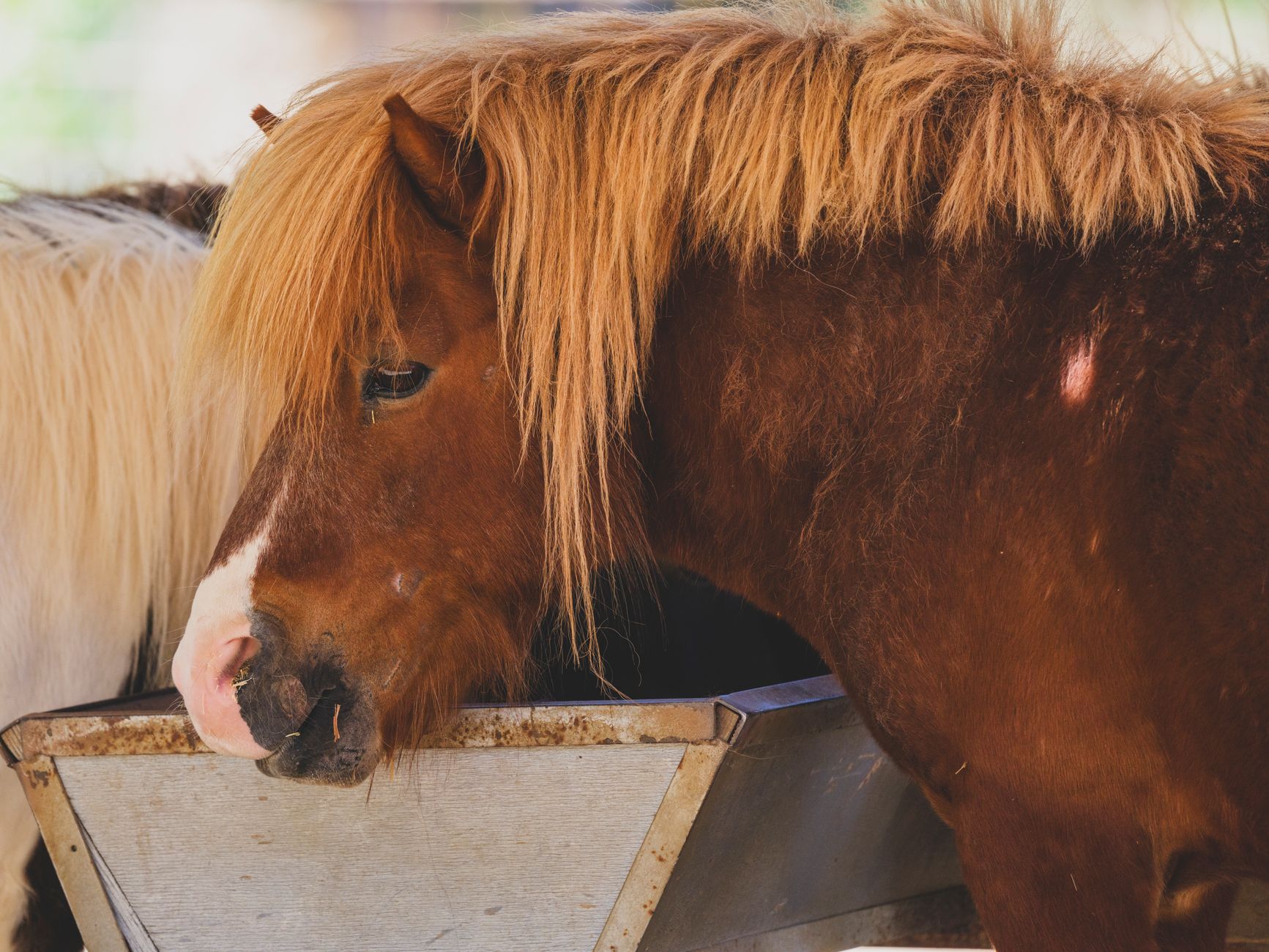
Miniature Horse
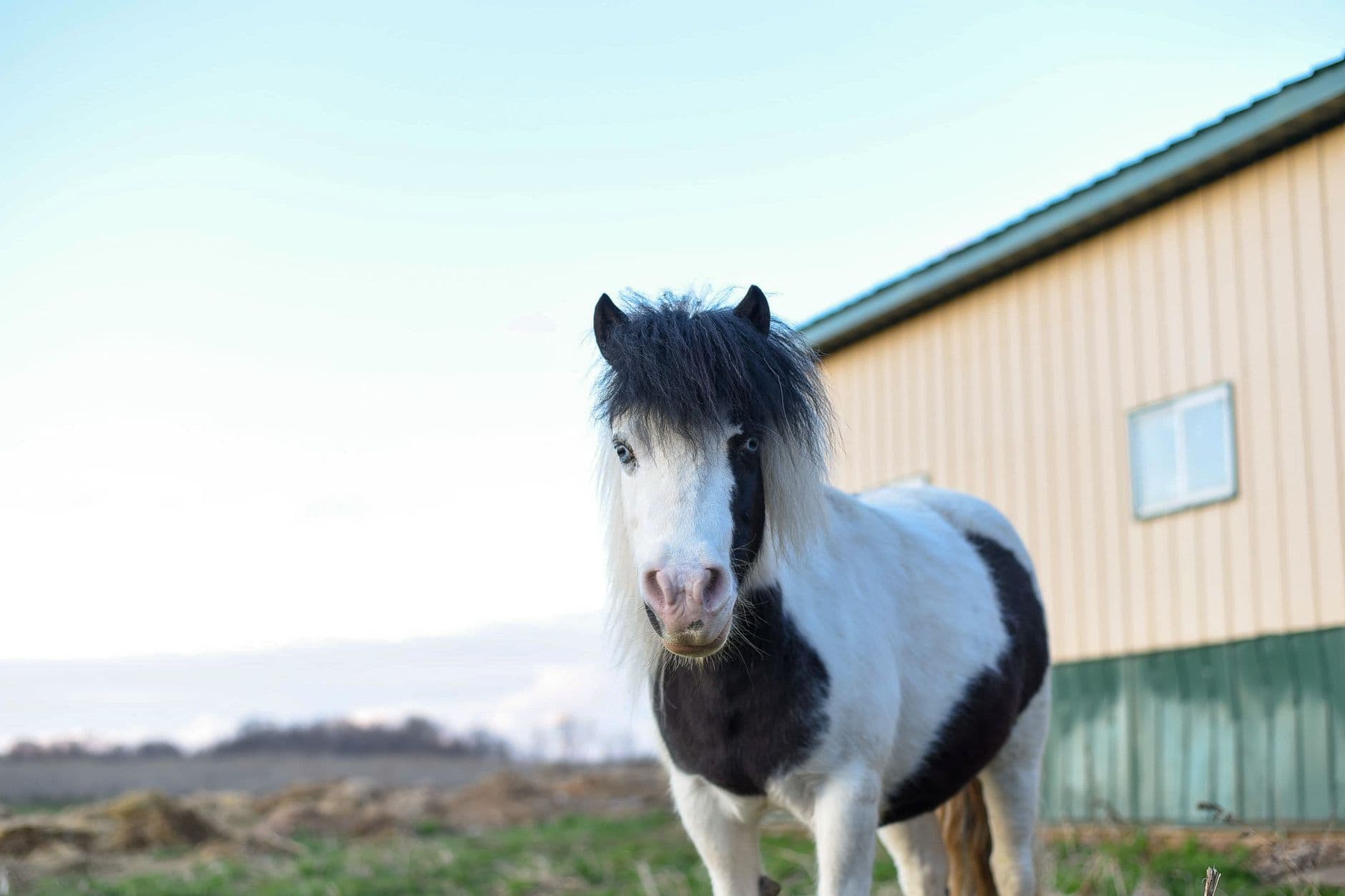
Image — Pexels — Julissa Pires
- Origin
- Developed from several small-equine sources, with the modern American registry established in the United States
- Species
- Equus caballus
- Breed group
- American miniature light horse
- Primary purpose
- companionship, in-hand activity, showing, and driving
- Type note
- The standard seeks balanced full-sized light-horse proportions in miniature.
- Height note
- The stored maximum reflects the AMHA mature limit of 34 inches and is not a rule for every miniature registry.
- Registry context
- American Miniature Horse Association standard
- Management tradeoff
- Small size requires purpose-built fencing, equipment, feeding access, transport, and body-condition monitoring.
- Height measurement point
- AMHA measures at the base of the last hair of the mane (Art XI, Sec 4). This is NOT the withers, so this value is not directly comparable with a withers-measured height such as the Shetland Pony standard.
- Individual variation note
- Temperament, conformation, size, training, health, and suitability vary among registered individuals.
Temperament
- registry standard favors intelligence and willingness
- small stature does not replace training
- individual behavior must be assessed
Overview
The American Miniature Horse is a distinct small-horse registry, not simply a young horse, a generic pony, or another name for the Shetland Pony. The American Miniature Horse Association standard aims for the proportions and balance of a full-sized light horse within its own height rule, and describes intelligence, curiosity, gentleness, and willingness as desired temperament. Those are standards, not guarantees. A Miniature still arrives with an individual age, sex, handling history, health status, social behavior, and training level that must be assessed before it is chosen for companionship, in-hand work, obstacle activity, showing, or properly taught driving. Small stature changes equipment and space, but it does not erase equine needs. The breed can suit an owner who wants a compact equine and is prepared to provide forage-based nutrition, clean water, companionship, turnout, handling education, hoof care, dental care, shelter, and veterinary planning. It is a poor fit for someone seeking decorative pasture furniture, a substitute for a household pet, or an animal expected to thrive on guesswork because it eats less than a large horse. Fences, halters, feeders, doors, trailers, and group arrangements must fit the actual animal rather than being inherited uncritically from a full-sized setup.
Caring for the Miniature Horse
Design the routine for a small equine, not a reduced photograph of a large-horse plan. Supply visible secure fencing without openings the animal can exploit, water and forage at a usable height, dry shelter, ventilation, social contact, turnout, non-slip handling areas, and transport with safe partitions and clearances. Weigh feed and monitor body condition by hands-on assessment; visual judgment can be distorted by coat, and a smaller body does not make unrestricted concentrate or rich grazing automatically appropriate. Changes should be gradual and reviewed for the individual. Teach leading, standing, feet, loading, grooming, and personal-space boundaries with the same consistency expected from a larger horse. Use correctly fitted halters, harness, blankets, and other equipment. Arrange routine veterinary, dental, farrier, vaccination, parasite-control, and biosecurity plans rather than assuming a Miniature is exempt. Daily observation should cover appetite, water, manure, movement, feet, coat, skin, and behavior. Promptly contact the veterinarian for abdominal-pain signs, breathing difficulty, marked lameness, collapse, neurologic change, or a sharp departure from normal intake and demeanor.
History and origin
The American Miniature Horse Association describes the breed as the result of several historical sources and centuries of selection for small size. Its account notes Shetland ancestry in modern pedigrees and treats some popular mine-horse history as belief rather than a fully settled single-origin story. Small horses have served as exhibition animals, gifts, companions, and workers in different periods. The modern association created a registry identity with a breed objective, conformation standard, and mature height boundary. That identity matters: a Miniature Horse can share ancestors or visual traits with ponies without becoming interchangeable with the traditional Shetland Pony or every other miniature registry. Registration papers and measurement rules should be verified rather than inferred from appearance.
Miniature Horse care in detail
Housing and environment
Close the small-equine gaps. Inspect fence mesh, rails, gates, door clearances, feeders, water containers, partitions, trailer spaces, and shelters at the Miniature's head and body height. Provide ventilation, weather protection, dry footing, movement, and compatible company. Group housing must allow the smallest animal to avoid conflict and reach every resource; size difference alone does not prove compatibility. Secure stored feed and manage pasture deliberately. For travel or new arrivals, keep identification and health contacts ready, avoid shared uncleaned buckets and tools, and use a veterinarian-informed period of separation and monitoring.
Daily routine
Check appetite, drinking, manure, stance, breathing, movement, skin, coat, and social behavior at the individual's level rather than looking over it from a distance. Refresh water, inspect forage, test low gaps and latches in fencing, remove hazards, and confirm that feeders and shelter are accessible without trapping the horse. Groom and handle every foot safely. A thick coat can disguise condition, so combine sight with careful hands-on assessment. Practice calm leading and standing so veterinary, dental, and farrier care can be delivered safely. Record changes in feed, grazing, work, travel, and demeanor for useful professional follow-up.
Feeding and nutrition
Build the ration from suitable forage and continuous clean water, then weigh what the Miniature actually receives. Do not scale a full-sized ration by guesswork, rely on a scoop, or assume a small horse can regulate access to every pasture and concentrate. Monitor body condition, muscle, hoof quality, manure, and activity, and account for age, teeth, climate, growth, reproduction, and work. Make diet and grazing changes gradually. Concentrate may be unnecessary for one adult and appropriate for another. Ask the veterinarian and a qualified nutrition professional to assess unexplained weight change or a plan complicated by restricted intake or a health condition.
Health
Maintain routine examinations and an individual veterinary plan for vaccination, parasite control, dentistry, travel, and aging. This draft does not diagnose miniature-specific disease or prescribe products. Small size can make owners underestimate a meaningful change, so learn normal appetite, manure, drinking, posture, breathing, movement, and behavior. Repeated rolling, pawing, flank-watching, reduced manure, marked lameness, respiratory distress, weakness, collapse, or neurologic change calls for prompt veterinary contact. Use clean equipment and a separation plan for new or returning equines. Report signs accurately instead of administering an unreviewed home remedy.
Space and activity
Provide safe turnout and purposeful movement even when the Miniature is not ridden or driven. In-hand walks, obstacle education, liberty work in a secure area, and properly conditioned driving can offer different forms of activity when matched to age, training, soundness, footing, and equipment. Introduce work gradually after inactivity and build duration before intensity or complexity. Small stature does not protect joints, feet, or soft tissues from abrupt workload. Observe stride, balance, willingness, breathing, heat, and recovery. Stop for assessment when the horse changes rather than interpreting reluctance as laziness or using pulling by a handler as exercise.
Grooming and dust bathing
Use brushes and hands to inspect the body beneath the coat, especially tack or harness areas, skin folds, mane, tail, lower legs, and feet. Clean hooves safely and arrange professional trimming or shoeing according to growth, balance, footing, and job. Dental examinations belong with the veterinarian because a small mouth is not a reason to skip routine care. Fit halters, muzzles if professionally recommended, blankets, harness, carts, and transport equipment to the individual; full-sized hardware can hang incorrectly or create unsafe gaps. Persistent rubs, swelling, odor, skin change, hoof damage, or handling pain needs investigation.
Handling and training
Teach the Miniature as an equine, with clear cues, suitable reinforcement, and consistent boundaries. Leading, yielding, standing, foot handling, loading, and calm acceptance of fitted equipment are foundational whether the goal is companionship, showing, obstacle work, or driving. Avoid rough pulling simply because the handler is stronger; it can create fear and does not teach the desired response. Introduce harness and vehicles only with qualified instruction and safe, correctly sized equipment. When behavior changes, review pain, teeth, feet, fit, feed, turnout, social stress, and lesson difficulty before treating the reaction as a cute or stubborn breed trait.
Breeding
Do not breed solely to make the smallest possible offspring or because an animal is registered. Confirm identity, understand the applicable registry, assess health, conformation, behavior, and relevant genetic information with qualified professionals, and define a welfare purpose and permanent placement plan. Prepare appropriate facilities, transport, mare and foal monitoring, early handling, and emergency access before mating. Size and color outcomes are not promises, and a small adult may still produce management challenges that require experienced help. This draft supplies no reproductive protocol and leaves all veterinary decisions to an established professional relationship.
Frequently asked questions
- Is an American Miniature Horse the same breed as a Shetland Pony?
- No. The American Miniature Horse has its own registry objective and standard, while the traditional Shetland Pony has a separate mother stud book, history, and breed standard. Miniature Horse history includes Shetland ancestry, but shared ancestry or small stature does not make the identities interchangeable. Verify registration papers and the rules of the named registry instead of assigning a breed from height, coat, or appearance alone.
Sources
Breed standards, conservation status and husbandry guidance on this page are drawn from the following published sources.
- amha.org — About the breed
- amha.org — Breed standards
- merckvetmanual.com — Providing a home for a horse
- merckvetmanual.com — Feeding practices in horses and other equids
- merckvetmanual.com — Routine health care of horses
- merckvetmanual.com — Dental coat and hoof care of horses
- merckvetmanual.com — Colic in horses
- merckvetmanual.com — Horse parasites and flies
- aphis.usda.gov — Fs equine biosecurity
- usef.org — Biosecurity measures
- inside.fei.org — Horses in isolation
Other horses breeds
Choosing between breeds? Compare horses or read the horse care guide.