
Thoroughbred Horse
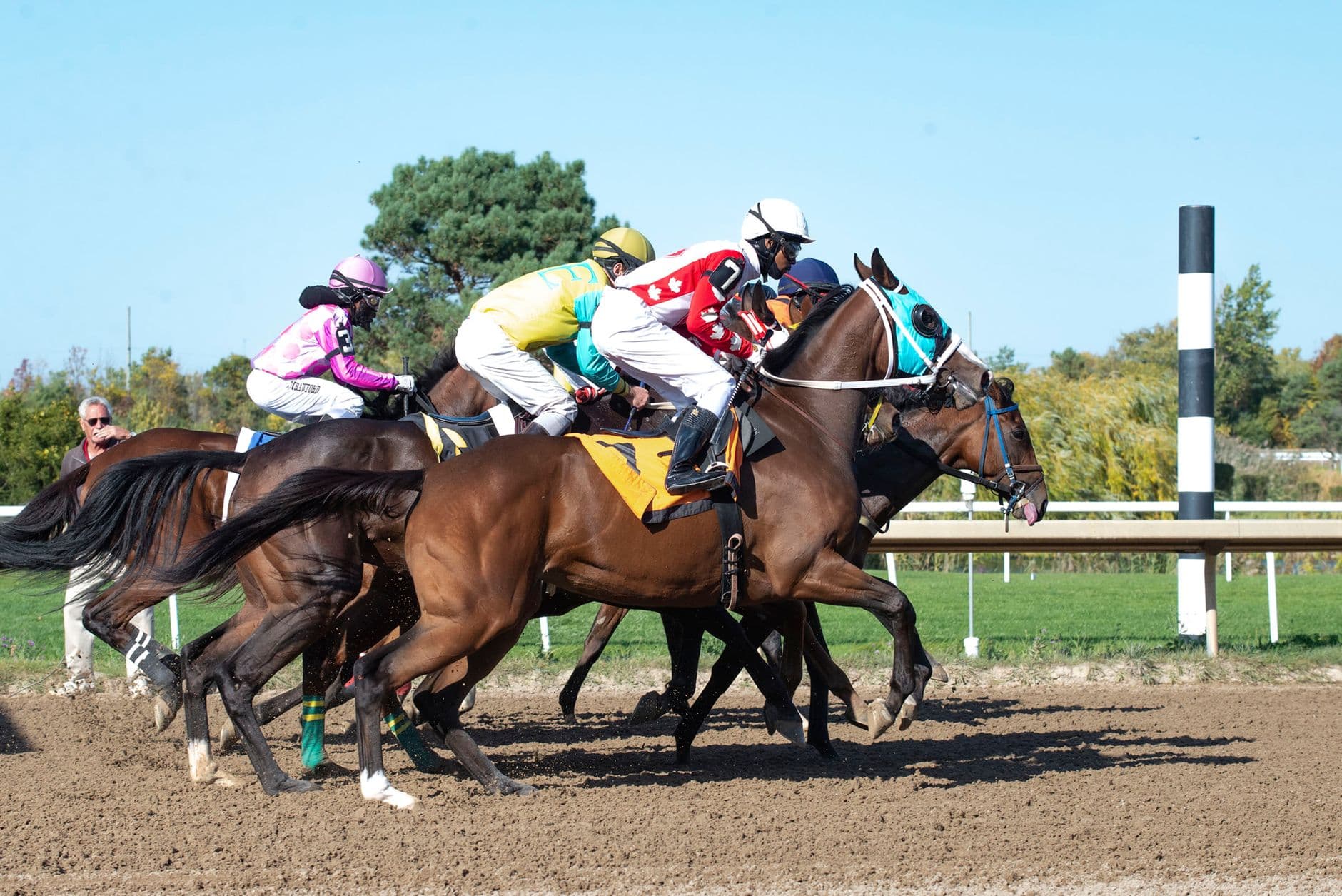
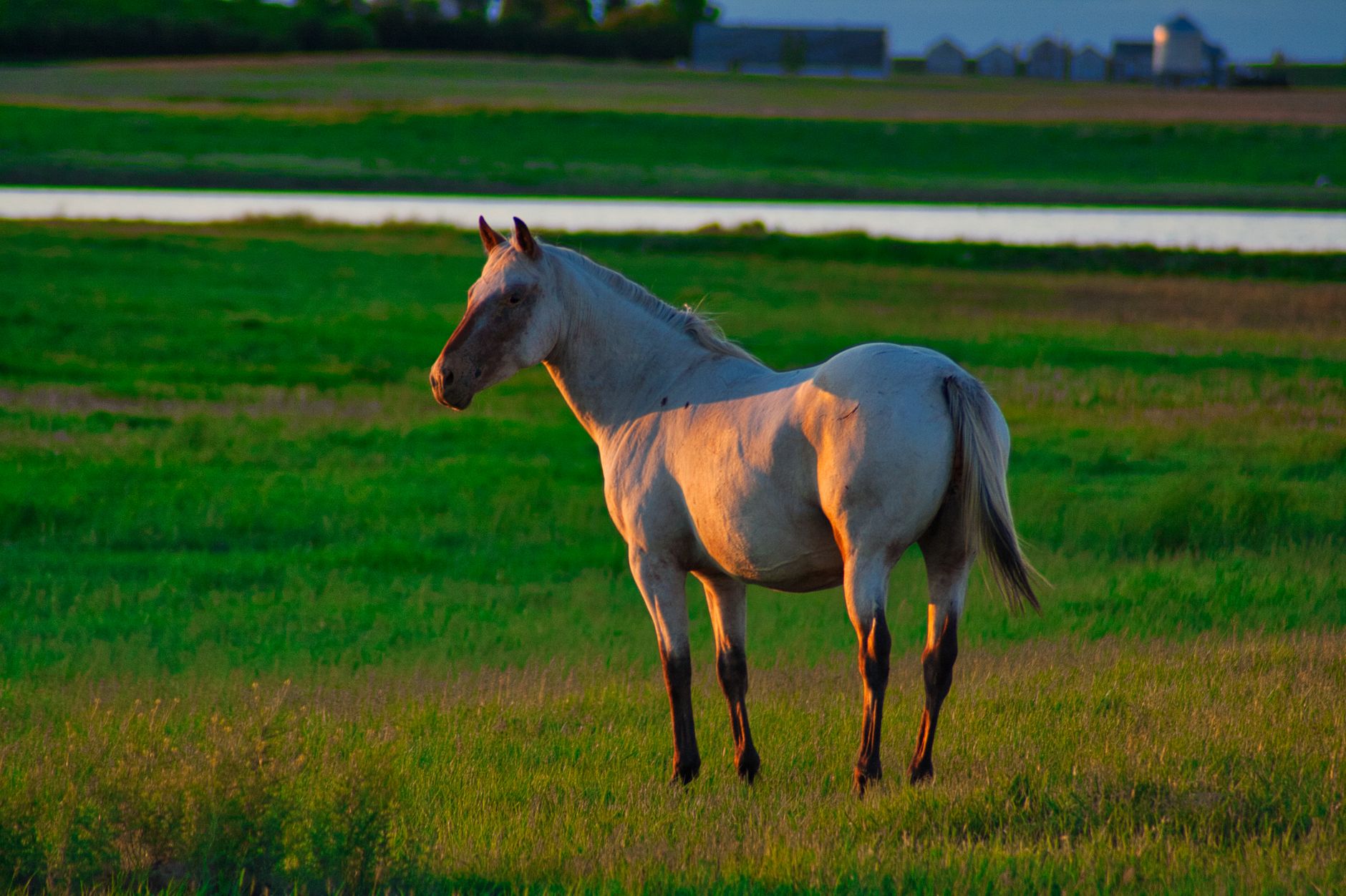
Image — Pexels — @coldbeer
- Origin
- England, developed through recorded racing pedigrees and later maintained by approved stud books
- Species
- Equus caballus
- Breed group
- English racing and sport horse
- Primary purpose
- racing, riding, sport, breeding, and second careers
- Modern use note
- Individuals may be unraced, racing, breeding, retraining, retired, or active in other equestrian work.
- Registry context
- Approved stud-book pedigree with North American registry maintained by The Jockey Club
- Historical function
- selective development for racing
- Management tradeoff
- Previous routine and specialized fitness must be translated gradually into the next home and job.
- Individual variation note
- Race history, age, training, soundness, behavior, and turnout experience differ widely among Thoroughbreds.
Temperament
- often selected for athletic responsiveness
- transition needs depend on prior routine
- individual behavior must be assessed
Overview
The Thoroughbred is a pedigree-defined horse breed developed around racing, yet ownership questions extend well beyond the track. Some individuals never race; others leave training for leisure riding, showing, jumping, eventing, breeding, companionship, or a quieter retirement. The breed name therefore tells you less about a particular horse's current readiness than verified identity, age, training and race history, veterinary and farrier records, turnout experience, travel routine, and behavior during everyday handling. A physically fit racehorse is not automatically prepared for a new sport, because fitness is specific to movement patterns, surfaces, balance, equipment, and mental expectations. A Thoroughbred can suit an owner who wants an athletic partner and is willing to learn the horse's actual background, plan transitions, and use qualified support. It is a poor match for someone expecting an instant second career or assuming that every individual is “hot,” fragile, or difficult. Some are quiet and experienced; others are young, forward, unfamiliar with ordinary trail or group situations, or accustomed to a highly structured stable routine. Evaluate the whole horse, arrange an independent prepurchase assessment, and choose a job that fits current soundness, education, and temperament rather than a dramatic story about racing.
Caring for the Thoroughbred Horse
Begin with continuity. Before changing a Thoroughbred's home or job, document its current forage, concentrate, meal timing, water access, turnout, shoeing, exercise, companions, travel, medications, and handling cues. Make necessary feed and routine changes gradually, and give the horse time to understand new expectations. A horse from race training may be familiar with busy barns, company, loading, and regular exercise yet inexperienced with standing at a mounting block, hacking alone, uneven terrain, loose rein contact, or extended turnout. None of those gaps is a moral flaw. Provide safe fencing, shelter, social contact, clean water, forage, daily movement, and individualized preventive care. Rebuild rather than merely redirect fitness: establish relaxation, balance, strength, and recovery for the new discipline. Check weight, appetite, manure, legs, feet, back, equipment fit, and behavior consistently. Coordinate with the veterinarian, farrier, trainer, and nutrition professional when the transition is complex. Abdominal-pain behavior, breathing difficulty, marked lameness, collapse, neurologic signs, or a rapid break from normal appetite and demeanor needs prompt veterinary contact, not an assumption that the horse is reacting to a new home.
History and origin
The Jockey Club in the United Kingdom traces modern racing Thoroughbreds to native British mares and imported eastern stallions, with the Darley Arabian, Godolphin Arabian, and Byerley Turk commonly identified as three foundation sires in breed history. Selective racing records and stud books turned ancestry and performance into a documented breeding system. In North America, The Jockey Club maintains the registry for Thoroughbreds in the United States, Canada, and Puerto Rico and directs owners to official pedigree and performance resources. Registration establishes identity and parentage within that system; it does not establish that a horse raced, succeeded on the track, is currently sound, or is suited to a particular second career. Those questions require individual records and present-day assessment.
Thoroughbred Horse care in detail
Housing and environment
Set up visible secure fencing, safe gates, non-slip access, clean water, shelter, ventilation, and compatible social contact before arrival. Ask what kind of stall, paddock, turnout group, feeding arrangement, and daily activity the horse knows, then change the routine deliberately. A sudden move from a busy stable to isolation can be as challenging as the reverse. For horses leaving racing or traveling frequently, use individual equipment where possible, clean shared items, monitor new arrivals, retain identification and health contacts, and follow local movement requirements. Quiet surroundings are not automatically beneficial if they remove movement or companionship.
Daily routine
Observe the horse before work and again after the routine has settled. Record appetite, water intake, manure, posture, breathing, movement, limb changes, skin and tack areas, and behavior around companions. Refresh water, inspect forage, remove hazards, check fencing and gates, and clean feet using safe handling. For a recent arrival, compare new observations with records from the previous stable instead of assuming every difference is normal transition stress. Keep exercise, turnout, feed, travel, and medication information organized so the veterinarian and other professionals can see timing and patterns when something changes.
Feeding and nutrition
Preserve the known ration during a move when it is safe and practical, then make changes gradually. Use forage as the base, provide clean water, weigh feed, and assess body condition rather than automatically continuing a race-training concentrate level or sharply reducing it. Energy needs can fall when work changes, while forage, dental function, age, stress, and turnout also shape the plan. Do not copy another former racehorse's ration or rely on a “hard keeper” label without measurement. Ask the veterinarian and a qualified nutrition professional to review persistent weight loss, poor appetite, a complex transition, or any feeding plan tied to a diagnosed condition.
Health
Obtain available veterinary, farrier, medication, injury, surgery, vaccination, parasite-control, and dental records, then establish a current preventive plan with the attending veterinarian. This profile does not interpret race records as health records and does not diagnose inherited or training-related conditions. Monitor for changes in appetite, manure, drinking, breathing, gait, swelling, back comfort, and demeanor. Repeated rolling, pawing, flank-watching, marked lameness, collapse, neurologic signs, or respiratory distress requires prompt contact. Use standard equine biosecurity practice around travel, sales, tracks, shows, and new arrivals, including separation of new or returning horses and equipment hygiene appropriate to the property, following the attending veterinarian and the destination or governing-body requirements.
Space and activity
Treat the next career as a new conditioning project. Start from present soundness and education, then develop walking, straightness, balance, topline strength, calm transitions, and confidence in the new environment before increasing speed, jumping, distance, or technical demands. Track fitness is specialized and does not prove readiness for deep footing, hills, small circles, long slow mileage, or carrying a different saddle and rider balance. Provide safe turnout and recovery. If stride, willingness, coordination, breathing, or recovery changes, pause and investigate physical comfort and training load rather than rewarding a faster response or calling the horse uncooperative.
Grooming and dust bathing
Use grooming and foot handling to build a predictable routine while checking the skin, back, girth area, mouth corners, limbs, and hooves. Some horses arrive accustomed to frequent professional handling; others may still need patient education for a different farrier position, mounting block, spray, blanket, or grooming location. Arrange hoof care around current hoof quality, conformation, surfaces, and new workload, not only the old shoeing package. Have dental health assessed by the veterinarian, and refit saddles, bridles, and other equipment as body condition and muscling change during retraining. Pain signals should be investigated, not trained over.
Handling and training
Translate rather than erase prior learning. Determine which handling, voice, rein, leg, mounting, loading, and stable cues the horse already understands, then introduce the new system consistently. Reward relaxation and comprehension; do not punish a response that was appropriate in the previous job until the horse has been taught the replacement. Break unfamiliar skills into manageable steps and work with a trainer experienced in the proposed transition. Review teeth, back, feet, tack, feed, turnout, and workload when behavior changes. The label “off-track” does not describe a uniform training level, temperament, or recovery timeline.
Breeding
A registered Thoroughbred pedigree is necessary for registry decisions but does not by itself justify breeding. Define the welfare purpose, confirm identity and ownership, review health and reproductive information, assess conformation and behavior honestly, and plan for professional mare and foal care, emergency transport, early handling, and a permanent home. Racing achievement is not a promise that offspring will inherit soundness, speed, temperament, or suitability for a second career. Follow the applicable registry rules and veterinary guidance rather than generalizing from sales language. This draft contains no mating, gestation, foaling, or medication protocol.
Frequently asked questions
- Is every registered Thoroughbred Horse a former racehorse?
- No. Thoroughbred is a pedigree and registry identity, not proof of race participation. An individual may be unraced, in training, retired from racing, used for breeding, or already established in another discipline. Verify the horse through official records and ask for its actual training, performance, veterinary, farrier, turnout, and ownership history. Those facts are more useful for planning care than assuming a career from the breed name alone.
Sources
Breed standards, conservation status and husbandry guidance on this page are drawn from the following published sources.
- thejockeyclub.co.uk — All about the thoroughbred
- jockeyclub.com
- merckvetmanual.com — Providing a home for a horse
- merckvetmanual.com — Feeding practices in horses and other equids
- merckvetmanual.com — Routine health care of horses
- merckvetmanual.com — Dental coat and hoof care of horses
- merckvetmanual.com — Colic in horses
- merckvetmanual.com — Horse parasites and flies
- aphis.usda.gov — Fs equine biosecurity
- usef.org — Biosecurity measures
- inside.fei.org — Horses in isolation
Other horses breeds
Choosing between breeds? Compare horses or read the horse care guide.