
Clydesdale Horse
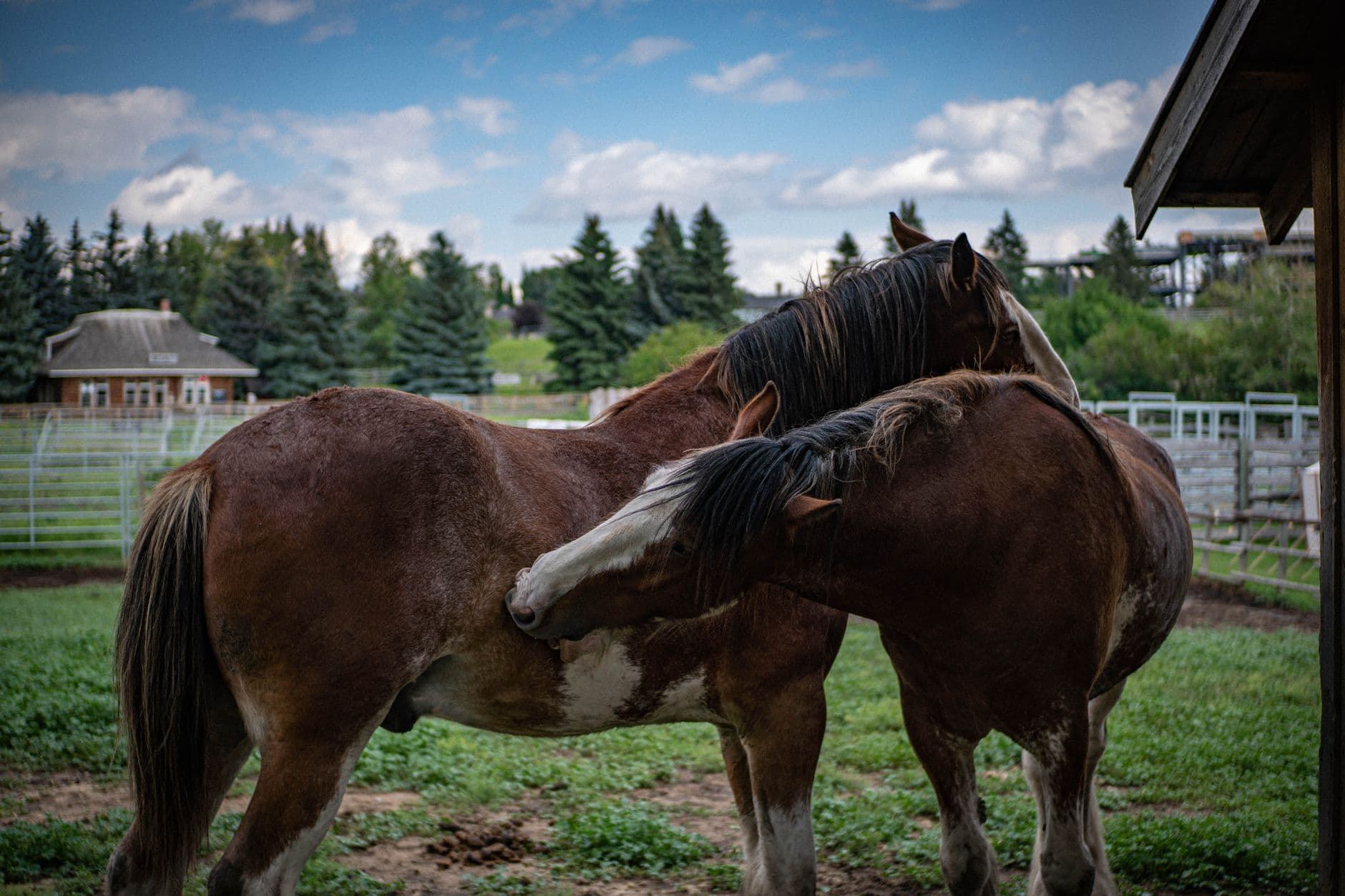
Image — Pexels — Hobi
- Origin
- Lanarkshire, Scotland, historically known as Clydesdale
- Species
- Equus caballus
- Breed group
- Scottish draft horse
- Primary purpose
- driving, draft work, riding, logging, and showing
- Registry context
- Clydesdale Horse Society stud-book and breed standard
- Conformation note
- Large draft type with substantial body, active movement, white markings common in the standard, and characteristic lower-leg feather.
- Historical function
- Scottish agricultural and hauling work
- Management tradeoff
- Size changes facility, transport, equipment, handling, feed, manure, and professional-service logistics.
- Individual variation note
- Training, manners, size, conformation, fitness, and suitability vary despite the familiar gentle-giant image.
Temperament
- often promoted as willing and steady
- large-horse manners are essential
- individual behavior must be assessed
Overview
The Clydesdale is a Scottish draft breed whose size, strength, characteristic lower-leg feathering, and active movement made it useful for farm and hauling work. The modern breed society also documents driving, logging, showing, riding, and in-hand roles. That range can attract an owner who has a specific large-horse job and facilities built for it. It should not be reduced to a photographic “gentle giant.” A friendly individual still occupies more space, places more force on gates and handlers, requires correctly sized transport and equipment, and magnifies ordinary mistakes in leading, tying, loading, and foot handling. A suitable home starts with logistics as well as affection. Check shelter dimensions, door and aisle clearance, gate width and strength, footing, trailer capacity, tack or harness availability, feed and manure systems, and access for veterinary and farrier professionals comfortable with draft horses. Evaluate the individual's education and behavior rather than assuming docility from breed marketing. The Clydesdale can be a rewarding partner for a prepared owner, but a first-time buyer should not let a calm sales demonstration substitute for repeated observation, an independent prepurchase assessment, qualified instruction, and an honest review of emergency handling capacity.
Caring for the Clydesdale Horse
Scale changes nearly every practical detail of Clydesdale care. Provide strong, visible horse-safe fencing, adequate turning and resting room, non-slip access, ventilation, weather protection, water and feeders positioned for the individual, and transport rated and sized for the horse. Confirm that stocks, cross-ties, wash areas, gates, and emergency routes do not create squeeze points. Weigh forage and concentrates and monitor condition; a larger animal does not justify guessing quantities, and draft type does not mean every individual has the same energy requirement. Inspect feet, lower legs, skin beneath feather, equipment-contact areas, appetite, manure, drinking, and movement every day. Keep feather clean and dry enough to see changes rather than treating it only as decoration. Arrange hoof care with someone equipped and experienced for the horse's size, and condition progressively for pulling, driving, riding, or logging. Practice calm standing, leading, loading, and foot handling because cooperation is a safety requirement. Maintain individualized veterinary, dental, vaccination, parasite-control, and biosecurity plans. Sudden pain behavior, lameness, breathing difficulty, collapse, neurologic change, or lost appetite requires prompt professional guidance.
History and origin
The Clydesdale Horse Society identifies the breed as native to Lanarkshire, where Clydesdale was the historical district name. From the middle of the eighteenth century, local horses were bred for greater weight and substance with influence from imported Flemish stallions. Recorded pedigrees and notable lines followed, and Clydesdales were exported widely as agricultural and urban draft power. Mechanization reduced demand for working horses during the twentieth century, while breeders and users preserved the population through showing and renewed interest in traditional and modern work. Today the society presents the breed in driving, farm, logging, riding, and exhibition settings. That history explains draft type and feather, but it does not define the training or fitness of every living horse.
Clydesdale Horse care in detail
Housing and environment
Measure the property for the actual Clydesdale. Shelter, stalls, aisles, gates, wash areas, feeders, water points, trailers, ramps, floors, and emergency exits must allow safe entry, turning, resting, and evacuation. Use visible fencing and maintain drainage where large feet concentrate pressure. Arrange several feeding positions in compatible groups and avoid narrow corners where a horse can be trapped. Store hay safely and manage manure and mud. When traveling or welcoming a new horse, keep identification and health contacts ready, avoid sharing uncleaned equipment, and follow a veterinarian-informed separation and monitoring plan.
Daily routine
Observe appetite, water intake, manure, posture, breathing, stride, willingness to turn, and interactions with companions. Refresh water, inspect feed, remove hazards, and test gates, fencing, latches, and high-traffic footing that receive extra force from a large horse. Groom the whole body and separate feather enough to inspect skin and lower limbs rather than brushing only the surface. Clean and examine feet using a safe position and a horse trained to cooperate. Confirm that forage, water, shelter, and resting space remain accessible in group housing, and record changes with enough detail for the veterinarian or farrier.
Feeding and nutrition
Use a forage-based ration and continuous clean water under ordinary management, but calculate from the individual rather than multiplying a light-horse scoop by appearance. Weigh forage and feed, monitor body condition and muscle, and account for age, dental function, climate, reproduction, and whether the horse is idle, ridden, driving, or doing draft work. Concentrate may be unnecessary for some adults and appropriate for others; follow the feed label and qualified advice. Change rations gradually. A Clydesdale's size makes both underfeeding and casual overfeeding costly to correct, so unexplained condition change warrants veterinary and nutrition review.
Health
Maintain routine veterinary examinations and individual plans for vaccination, parasite control, dentistry, and travel. This profile does not diagnose a breed condition or prescribe a schedule. Learn normal appetite, manure, movement, breathing, skin, and behavior. The amount of feather can hide lower-leg changes, so hands-on inspection matters, but any persistent swelling, heat, pain, odor, discharge, skin change, or lameness needs qualified assessment rather than an unverified product routine. Repeated rolling, pawing, flank-watching, reduced manure, collapse, respiratory distress, or neurologic change requires prompt contact. Use separation and equipment hygiene for new or traveling horses.
Space and activity
Build conditioning for the exact task. A horse prepared to drive on a level surface is not automatically fit for ridden hills, logging terrain, repeated arena circles, or heavy pulling. Start with controlled movement, confirm balance and recovery, and add duration, load, terrain, or technical work gradually with appropriate professional guidance. Turnout supports ordinary movement when the horse is not working. Equipment, footing, heat, and weather deserve extra planning because large body size and heavy gear can change effort. Stop and reassess when stride, willingness, breathing, coordination, or recovery differs from normal instead of relying on a reputation for strength.
Grooming and dust bathing
Brush the coat, inspect tack and harness areas, clean feet, and work through feather gently enough to see and feel the skin beneath it. Keep wet or contaminated lower-leg hair from concealing changes, but do not promise that a cosmetic routine prevents disease. Hoof care requires suitable space, safe handling, and a farrier able to work with the individual's feet and size; shoeing decisions depend on conformation, hoof quality, surfaces, and job. Veterinary dental care and correctly scaled halters, bridles, saddles, collars, and harness are equally important. Refit equipment when condition or muscling changes.
Handling and training
Prioritize leading without crowding, standing, yielding, foot handling, loading, and calm response to gates, vehicles, equipment, and restraint used by professionals. Use clear cues and progressive steps rather than depending on physical force against a much larger animal. Introduce harness, pulling, ridden tack, noise, and traffic only with qualified support and equipment made for the horse. The phrase “gentle giant” must not hide fear, confusion, pain, poor boundaries, or insufficient education. When resistance appears, review physical comfort, equipment fit, footing, handler position, and the difficulty of the lesson before escalating pressure.
Breeding
Preserving a registered draft breed does not make every individual an appropriate breeding animal. Verify identity and pedigree, define the welfare and placement purpose, assess conformation and behavior honestly, review health information and relevant testing with professionals, and plan for mare, foal, transport, emergency access, handling education, and a lifetime home. Large mature size changes facility and management demands for offspring. Avoid promises about adult height, markings, feather, docility, pulling ability, or show quality. Follow the applicable stud-book rules and veterinary guidance; this draft supplies no reproductive timetable or foaling procedure.
Frequently asked questions
- Are Clydesdale Horses used only for driving and draft work?
- No. Draft work is central to the breed's history, while the Clydesdale Horse Society also documents modern riding, showing, logging, and farm roles. An individual still needs suitable conformation, education, equipment, and progressive conditioning for the proposed activity. A horse trained to drive is not automatically ready to carry a rider, and a ridden horse is not automatically prepared to pull a load safely.
Sources
Breed standards, conservation status and husbandry guidance on this page are drawn from the following published sources.
- clydesdalehorsesociety.com — Breed history
- clydesdalehorsesociety.com — The clydesdale today
- merckvetmanual.com — Providing a home for a horse
- merckvetmanual.com — Feeding practices in horses and other equids
- merckvetmanual.com — Routine health care of horses
- merckvetmanual.com — Dental coat and hoof care of horses
- merckvetmanual.com — Colic in horses
- merckvetmanual.com — Horse parasites and flies
- aphis.usda.gov — Fs equine biosecurity
- usef.org — Biosecurity measures
- inside.fei.org — Horses in isolation
Other horses breeds
Choosing between breeds? Compare horses or read the horse care guide.