
Quarter Horse
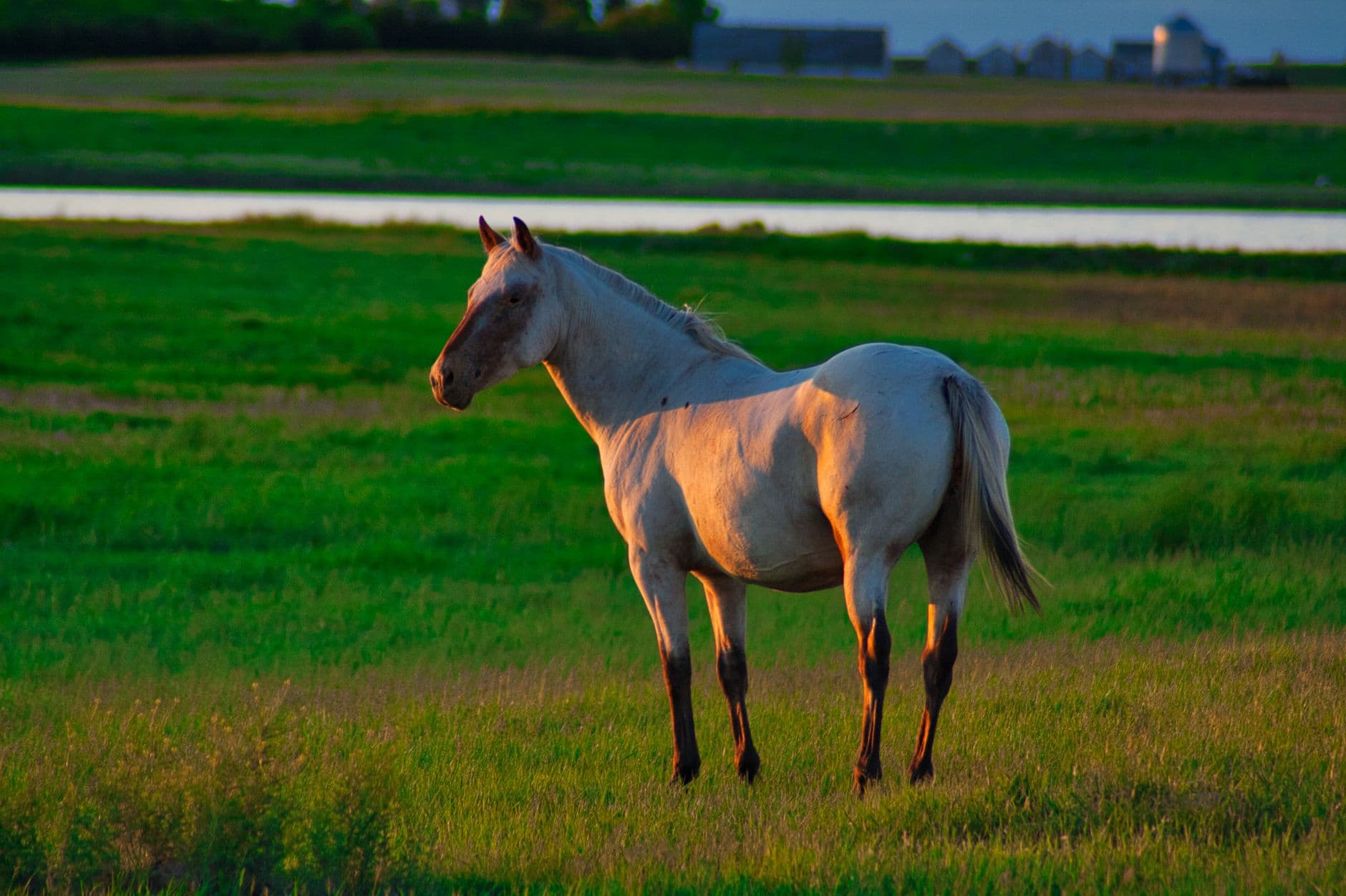
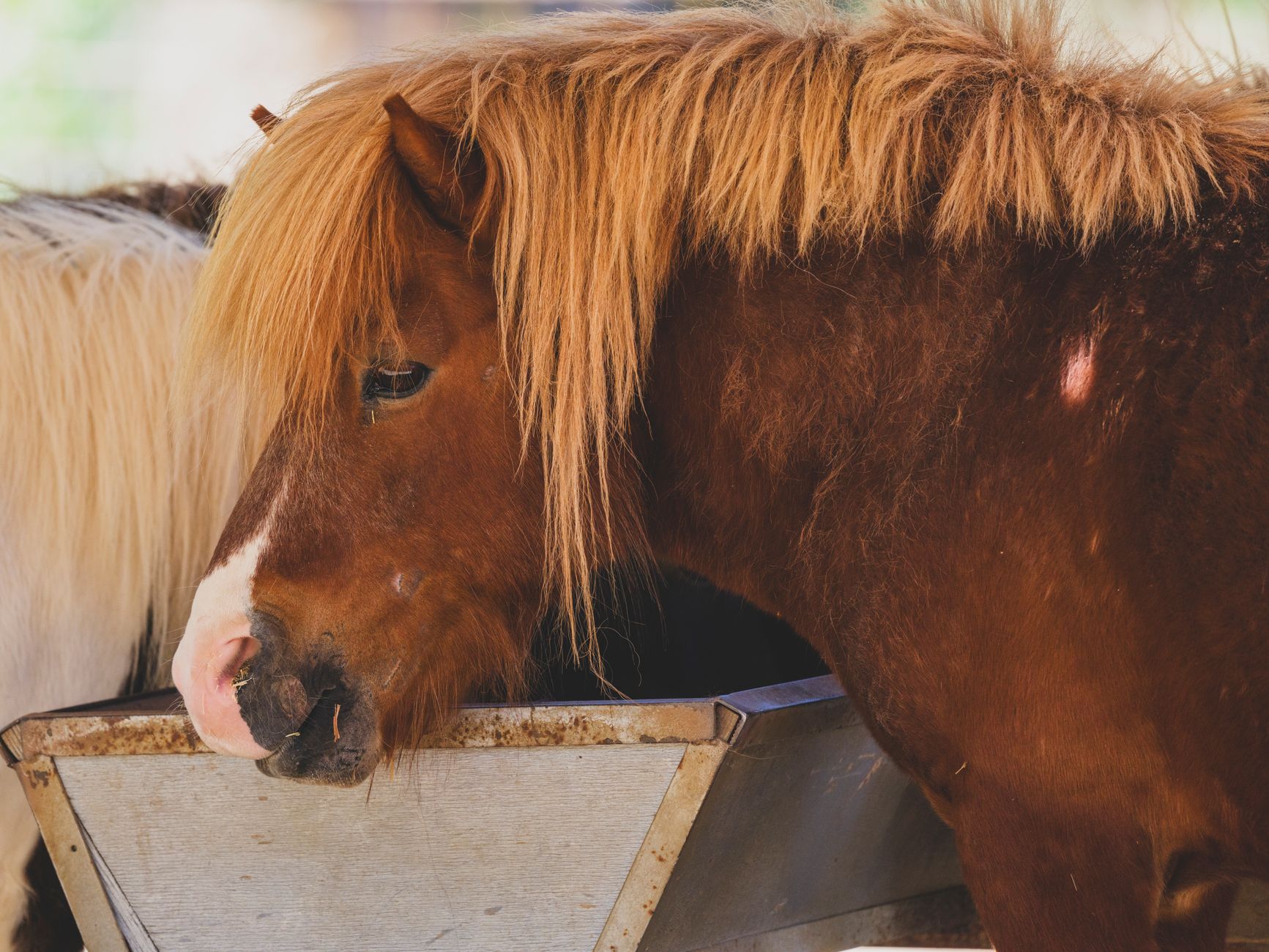
Image — Pexels — Bryan Smith
- Origin
- United States, with colonial sprint-racing and western ranch roots
- Species
- Equus caballus
- Breed group
- American light and stock horse
- Primary purpose
- ranch, riding, racing, driving, and sport
- Modern use note
- Individuals appear across western, racing, trail, driving, and English programs.
- Name origin note
- The quarter-mile racing explanation for the breed name is the commonly repeated account. It is not stated in either cited source: the 2025 AQHA handbook contains no origin narrative, and the National Park Service page documents Spanish-descended horses crossed with English racing stock without naming a distance.
- Registry context
- AQHA pedigree and competition framework
- Historical function
- short-distance racing and western stock work
- Management tradeoff
- Wide specialization makes individual history and current conditioning more useful than a generic breed plan.
- Individual variation note
- Training, conformation, breeding purpose, age, health, and handling can outweigh broad breed themes.
Temperament
- often selected for responsiveness
- work focus varies by line and education
- individual behavior must be assessed
Overview
The Quarter Horse is best approached as a broad working and sport registry, not as a single personality or one-size-fits-all beginner horse. Its history connects short-distance racing with the practical stock horses used in the American West, and modern registered horses may be prepared for ranch work, western events, racing, trail riding, driving, or English disciplines. That breadth is useful to a buyer who has a defined job and wants room to cross-train, but it also makes the label alone a weak shortcut for choosing an individual. A quiet older trail horse and a young, highly conditioned competition prospect can share the same breed name while asking very different things of a handler. A sound decision starts with the horse in front of you: verified identity, age, training record, current workload, behavior during ordinary handling, comfort in the intended environment, and an independent prepurchase assessment. Breed themes such as versatility, power, or trainability describe selection goals, not guarantees. Match the individual to the rider's skill, available instruction, facilities, budget for ongoing professional care, and actual discipline rather than buying only from color, pedigree fashion, or reputation.
Caring for the Quarter Horse
Build the care plan around the individual Quarter Horse's body condition, age, dental status, turnout, and real workload. Provide secure visible fencing, weather protection, clean water, social contact compatible with the horse, and daily opportunities to move. Use forage as the feeding base, weigh feeds, and add concentrates only when the horse's needs and the product directions justify them. A ranch horse in regular work, a race-bred youngster, an easy-keeping pleasure horse, and a senior cannot safely share a ration simply because their registration papers match. The practical breed-specific task is resisting the word “versatile” as permission to switch jobs abruptly. New surfaces, speed work, cattle exposure, jumping, hauling, or long trail mileage each require progressive conditioning and appropriate equipment. Check feet, legs, appetite, manure, water intake, posture, and behavior every day, and keep routine veterinary, dental, farrier, vaccination, and parasite-control plans individualized. Sudden abdominal pain, breathing difficulty, marked lameness, collapse, neurologic change, or rapid loss of normal appetite or behavior warrants prompt professional contact rather than a home diagnosis.
History and origin
The breed's name is commonly attributed to the colonial popularity of short races run about a quarter mile. The two sources cited for this profile document the breed's racing-stock ancestry and ranch development rather than the racing distance itself, so the quarter-mile explanation is recorded here as the widely repeated account and not as a registry-stated fact. National Park Service history describes western stock-horse development through Spanish-descended horses crossed with English racing stock, with the resulting horses valued in ranch settings. Over time, pedigree recording and association rules formalized an American breed whose public identity combines sprint heritage, cattle work, and multiple modern disciplines. The official AQHA handbook provides the registry framework for pedigree, competition, welfare, and conformation expectations. That history should not be read as proof that every registered horse has raced, worked cattle, or inherited the same body type. Breeding programs and disciplines have emphasized different traits, so current function and education matter more to an ownership decision than a romantic summary of the breed's past.
Quarter Horse care in detail
Housing and environment
Provide horse-safe, visible fencing; non-slip access; shelter from severe weather; ventilation without trapping moisture or irritants; dependable water; and enough room for normal movement. Design gates, feeding points, and group arrangements so a lower-ranking horse is not trapped or denied resources. Inspect pasture for hazards and manage mud, manure, and stored feed. When a Quarter Horse travels for racing, ranching, shows, or trails, reduce shared-equipment exposure, keep identification and health contacts available, and follow destination rules. Introduce new arrivals through a veterinarian-informed biosecurity plan rather than immediate mixing.
Daily routine
Observe the horse before changing the routine: note appetite, drinking, manure, stance, movement, breathing, alertness, and interaction with companions. Refresh and inspect water, remove hazards and spoiled feed, check fencing and gates, and look over the body and limbs during grooming. Pick out and inspect each hoof when it is safe to do so. Confirm that tack or harness has not rubbed and that every horse can reach forage, water, shelter, and resting space without being displaced. Record meaningful changes so the veterinarian, farrier, trainer, or nutrition professional receives a useful timeline rather than a vague report.
Feeding and nutrition
Use forage as the ration's foundation and keep clean water continuously accessible unless a veterinarian directs otherwise for a specific case. Weigh hay and concentrate instead of relying on scoops or flakes as universal units. Adjust the program to body weight, body condition, age, dental function, reproductive status, climate, and amount of work. A Quarter Horse doing speed or ranch work may need different energy support from an idle easy keeper, but extra grain is not an automatic reward for belonging to a performance breed. Make feed changes gradually and ask a veterinarian or qualified equine nutrition professional to review unexplained weight change or a complicated ration.
Health
Establish an ordinary baseline for the individual and maintain preventive care with the horse's veterinarian. Vaccination and parasite-control decisions depend on location, travel, exposure, age, and management; this profile does not prescribe a schedule. Keep dental and hoof care current and use biosecurity when horses travel, compete, or return from another property. Repeated pawing, flank-watching, rolling, sweating, reduced appetite, little manure, marked lameness, feverish behavior, breathing difficulty, sudden weakness, or neurologic change calls for prompt veterinary guidance. Do not use a breed stereotype to dismiss pain, and do not medicate first in a way that obscures signs without professional direction.
Space and activity
Match exercise to current fitness and the proposed job. Begin with controlled, low-intensity work after a layoff, then increase duration, terrain, speed, collection, cattle exposure, or jumping demands in measured stages. Racing fitness does not equal trail fitness, and ranch strength does not automatically prepare joints and soft tissues for repetitive arena work. Provide safe turnout and regular movement even when the horse is not being ridden. Watch for loss of coordination, shortened stride, persistent resistance, abnormal recovery, heat stress, or soreness, and pause the program for assessment rather than labeling discomfort as stubbornness.
Grooming and dust bathing
Brush often enough to inspect skin, coat, tack areas, and limbs, and clean hooves with safe handling technique. Grooming should reveal changes, not merely polish the horse for work. Look for heat, swelling, tenderness, rubs, cracks, unusual odor, retained debris, or a sudden unwillingness to lift a foot. Arrange trimming or shoeing with a qualified farrier according to hoof growth, footing, conformation, and workload; the calendar interval is individual. Dental examinations and any needed procedures belong with the veterinarian. Equipment must fit the current body condition and discipline rather than being assumed suitable because it is marketed for stock horses.
Handling and training
Use consistent cues, calm repetition, and sessions short enough for the horse to stay physically comfortable and mentally available. Confirm leading, tying where appropriate, yielding, foot handling, loading, and standing for professional care before adding specialized work. A Quarter Horse bred for one discipline may bring habits, sensitivity, or balance that need thoughtful retraining for another. Select a trainer whose methods protect welfare and fit both horse and rider. Evaluate sudden resistance for pain, confusion, equipment fit, environmental pressure, or an overly difficult progression before calling it a fixed temperament trait.
Breeding
Breeding should begin with a defined welfare and placement plan, verified identity, honest pedigree records, suitable conformation and behavior, and professional reproductive guidance. Registration eligibility is not the same as breeding merit. Consider the proposed pair's health information, genetic-test options relevant to their documented lines, expected size and use, and the resources required for mare, foal, emergency transport, training, and a permanent home. Avoid promising a particular color, disposition, discipline, or level of ability. This draft does not supply a breeding protocol and does not replace examination of the individual mare and stallion.
Frequently asked questions
- Why is the American Quarter Horse called a Quarter Horse?
- The name is commonly attributed to the breed's historical connection with short races run about a quarter mile. The registry handbook and National Park Service history cited here establish the breed's racing-stock ancestry and western ranch development, but neither states the quarter-mile distance, so treat the etymology as the widely repeated account rather than a sourced measurement. That origin helps explain the emphasis on quick acceleration, but it does not mean every modern registered individual has raced or should be trained for speed. Today's registry includes horses used for ranch work, trail riding, driving, shows, and multiple western and English disciplines, so current education and physical suitability remain the better guide to a horse's job.
- Can one Quarter Horse be trained for several different disciplines?
- Some individuals cross-train successfully, which is one reason versatility is associated with the breed. The change still needs to be planned for that horse. Review its prior cues, strength, balance, feet, tack, confidence, and current fitness; then introduce new terrain, speed, obstacles, cattle, jumping, or driving work gradually. A breed-level claim of versatility is not permission to skip conditioning or assume that every body and temperament suits every discipline.
Sources
Breed standards, conservation status and husbandry guidance on this page are drawn from the following published sources.
- dqha.de — AQHA Handbook 2025
- nps.gov — Cattlebarons
- merckvetmanual.com — Providing a home for a horse
- merckvetmanual.com — Feeding practices in horses and other equids
- merckvetmanual.com — Routine health care of horses
- merckvetmanual.com — Dental coat and hoof care of horses
- merckvetmanual.com — Colic in horses
- merckvetmanual.com — Horse parasites and flies
- aphis.usda.gov — Fs equine biosecurity
- usef.org — Biosecurity measures
- inside.fei.org — Horses in isolation
Other horses breeds
Choosing between breeds? Compare horses or read the horse care guide.