
Shorthair group
Aegean
The Aegean is a landrace cat — a breed that natural selection built, not breeders — from the Cycladic islands of Greece (Mykonos, Santorini, Andros and their neighbors).
Size
7-11 lb
Lifespan
9-12 years
Play
15-30 minutes
Shedding
Moderate
Experience
Match to owner routine
Decision first
Is a Aegean right for you?
Start with fit before history or trivia. These are ownership signals, not guarantees about any individual cat.
Best suited for
- Households with children.
- Homes with other compatible pets.
- Apartment homes with a consistent routine.
- Owners seeking a manageable indoor routine with predictable care.
Think carefully if
- You need a cat with almost no daily routine.
- You cannot keep up with grooming and preventive care.
- The cat will spend most days without interaction or enrichment.
Conditional fit
Apartment fit depends on vertical space, litter setup, play, enrichment, and noise tolerance.
Daily reality
Aegean commitment snapshot
Daily play
15-30 minutes
Match play and enrichment to age, health, appetite, and household routine.
Coat care
Moderate
Grooming needs vary by coat, shedding, and lifestyle.
Social needs
Needs planning
Most cats still need predictable contact, enrichment, litter care, and monitoring.
Structured facts
Aegean at a glance
The measurements and traits that most affect day-to-day life with this breed.
Origin
Greece
Group
Shorthair
Weight
7-11 lb
Height
8-11 in
Lifespan
9-12 years
Temperament
Affectionate | Social | Intelligent | Playful | Active
View all characteristics and methodology
Lifestyle fit
- Apartment suitabilityWorks best with clean litter setup, vertical space, and daily enrichment.
- Likely fit
- Child friendliness
- Often good, with socialisation and supervision
- Other-pet fit
- Often compatible with careful introductions
- Adaptability
- Very high
Owner commitment
- Daily play
- 15-30 minutes
- Grooming
- Moderate
- Shedding
- Moderate
- Indoor enrichment
- Moderate
Behavior
- Affection
- High
- Energy
- Moderate
- Vocalization
- Moderate
- Social needs
- High
Environment and health
- Intelligence
- Moderate
- Health risk
- Needs planning
- Weight sensitivity
- Routine monitoring
Ratings combine structured breed data, visible breed fields, and editorial context. They are planning aids, not predictions for an individual cat.
Daily life
Aegean temperament and behavior
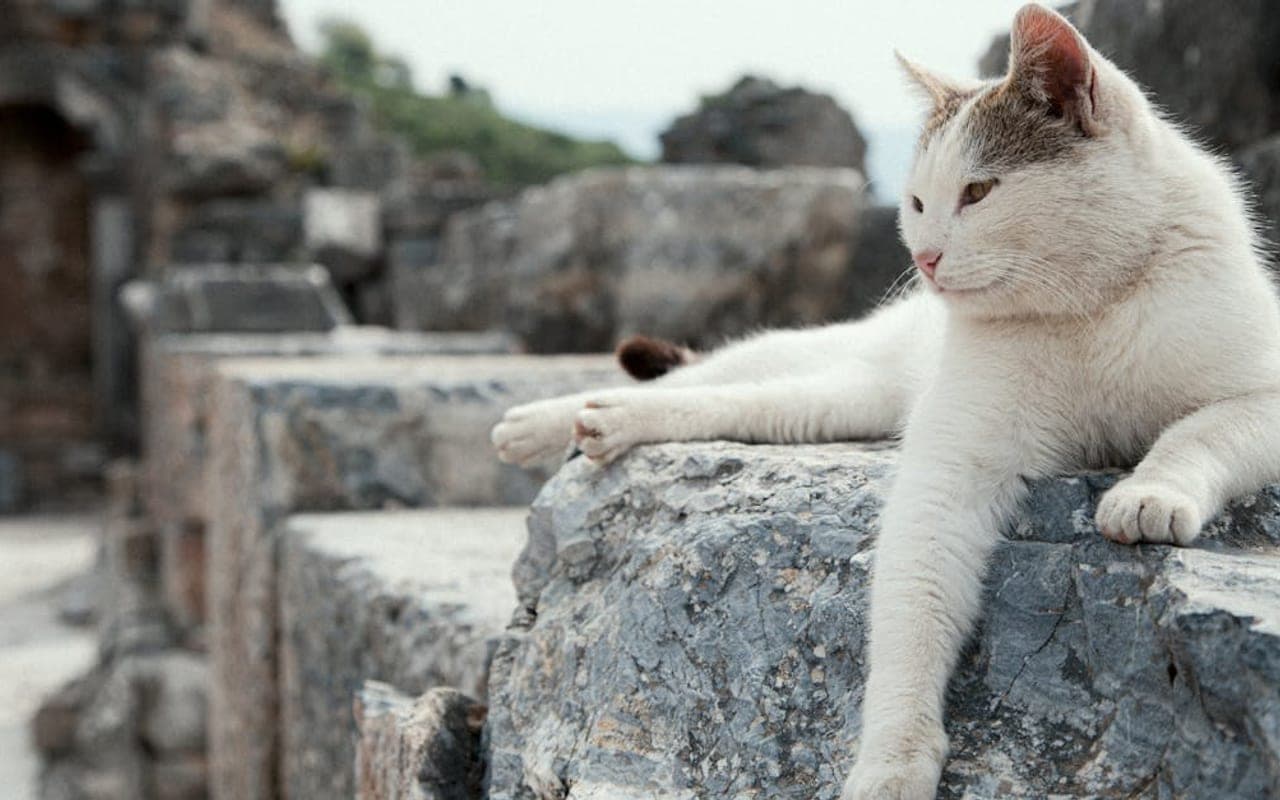
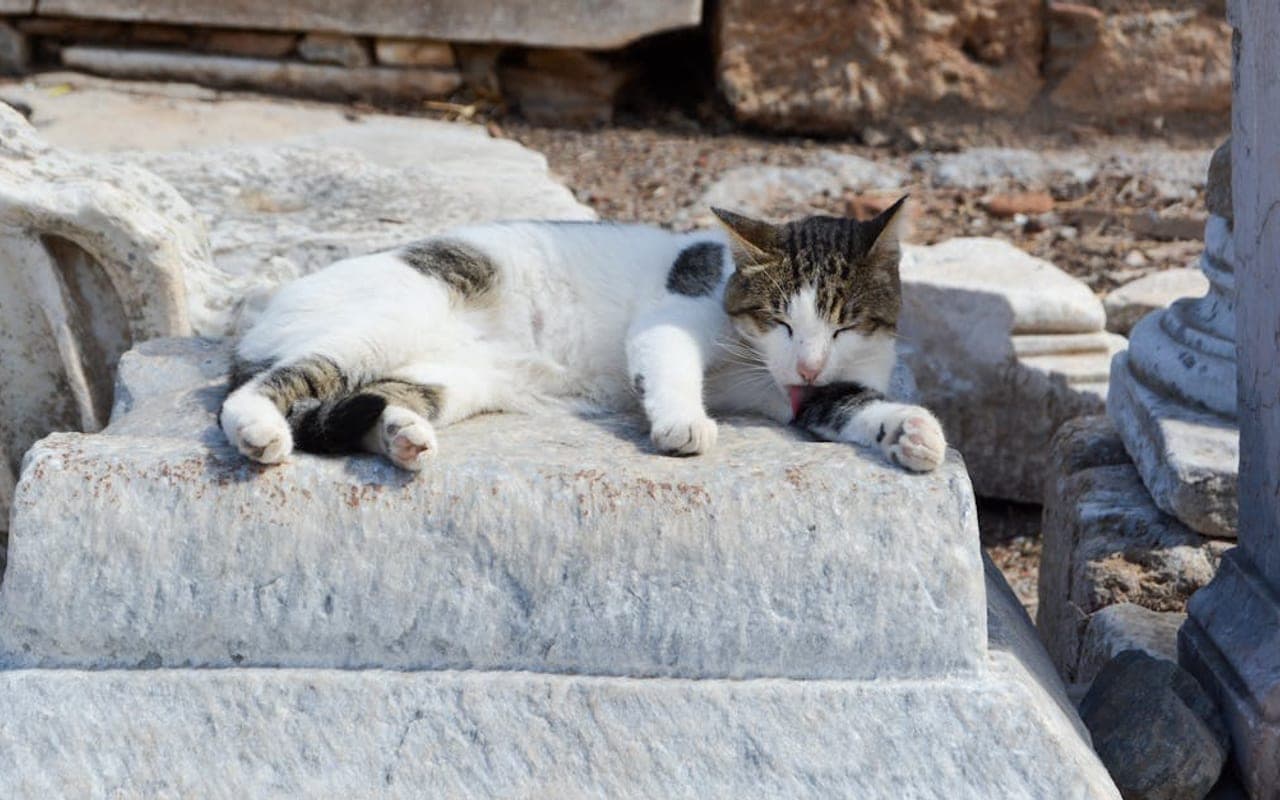
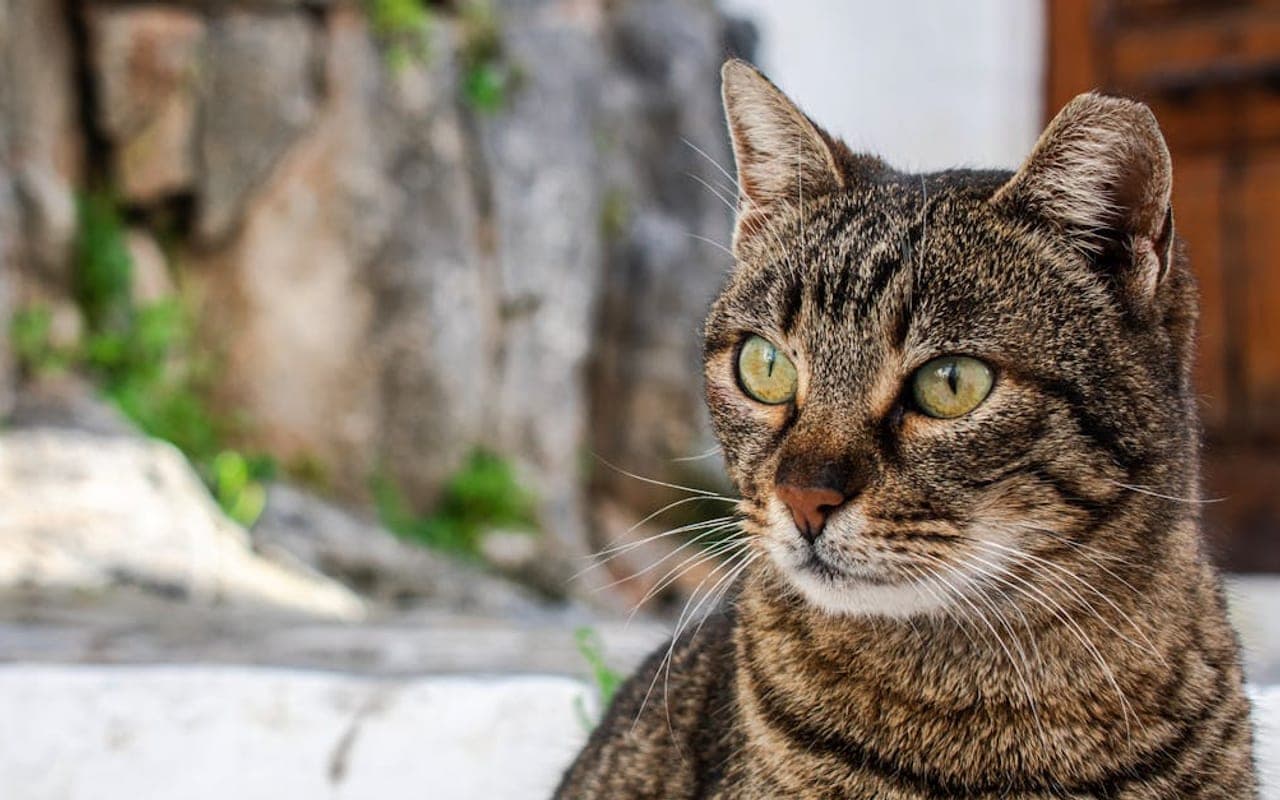
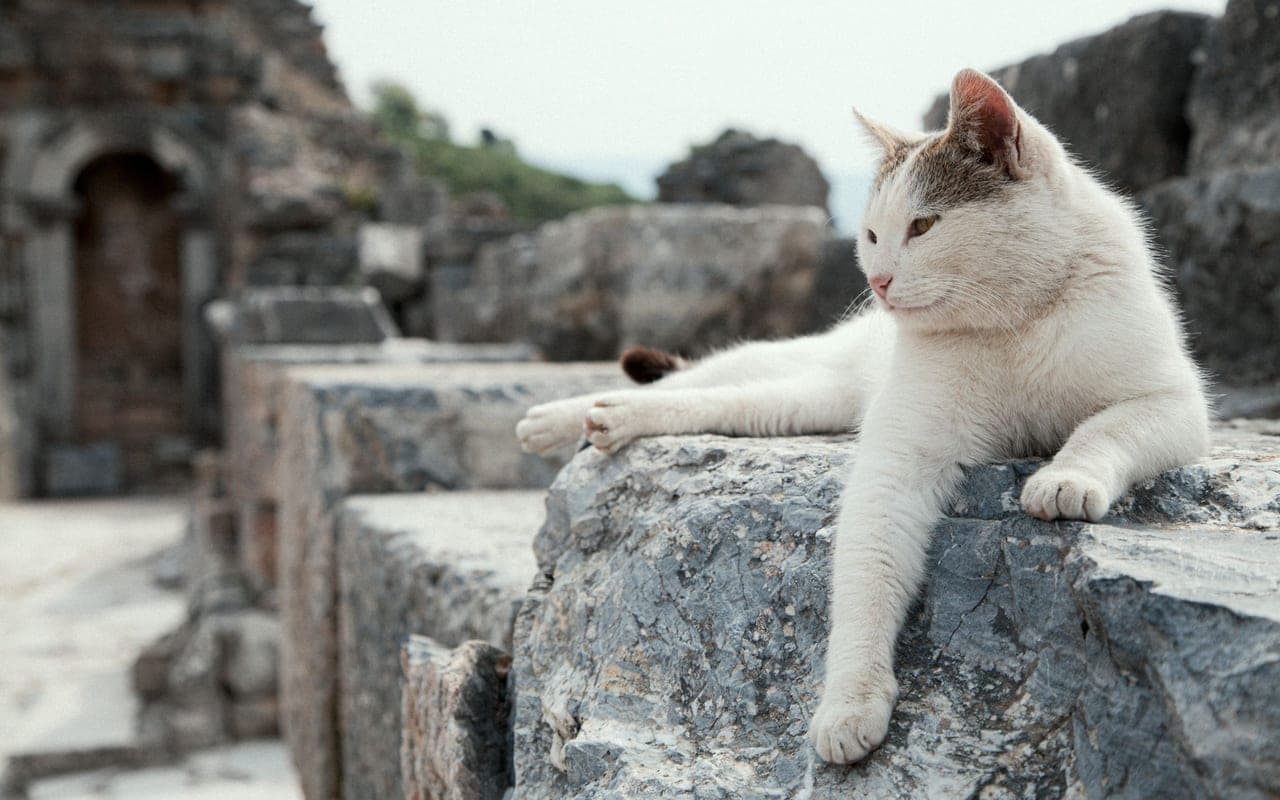
The Aegean is a landrace cat — a breed that natural selection built, not breeders — from the Cycladic islands of Greece (Mykonos, Santorini, Andros and their neighbors). For roughly two thousand years these cats lived semi-feral around fishing harbors, surviving on scraps and their own wits. That origin is the entire value proposition: there was no closed stud book, no selection for an exaggerated look, and therefore no bottleneck that concentrated inherited disease. The Aegean is, genuinely and unusually, one of the healthiest cats you can choose. Physically the Aegean is a medium, muscular shorthair, 3 to 5 kg, with a semi-long water-resistant coat that is almost always bicolor or tricolor with white — a working harbor cat's coat, not a show coat. Build, not refinement, is the theme: a sturdy, athletic, all-weather cat. Temperament reflects the harbor heritage. Aegeans are social, confident, intelligent, and active without being frantic — cats that solicit attention, talk to their people, and stay engaged but are not clingy or fragile. The fishing-port ancestry shows up two ways owners should expect: a strong prey and play drive, and an unusual interest in water and in fish as food. Who the Aegean is right for: an owner who wants a robust, low-genetic-risk, interactive family cat and is fine with a moderate-shedding semi-long coat and a moderate (9-12 year typical, sometimes longer) lifespan rather than the long-lived fragility of some pedigree breeds. Who it is wrong for: anyone wanting a placid lap ornament, a hypoallergenic cat, or a guaranteed 18-year cat. You are trading the prestige of a 'designed' breed for the durability of one the Aegean Sea engineered — a good trade for most households, but make it knowingly.
Affectionate | Social | Intelligent | Playful | Active
Affectionate
A common Aegean temperament descriptor that should be interpreted alongside enrichment, handling, and household fit.
Social
A common Aegean temperament descriptor that should be interpreted alongside enrichment, handling, and household fit.
Intelligent
A common Aegean temperament descriptor that should be interpreted alongside enrichment, handling, and household fit.
Playful
A common Aegean temperament descriptor that should be interpreted alongside enrichment, handling, and household fit.
Owner note
Temperament labels are starting points, not guarantees. Meet the individual cat and ask about behavior history whenever possible.
Care essentials
How to care for a Aegean
What looking after one actually involves: play, grooming, food, litter, and routine health.
ExerciseAs needed
- Moderately active breed that enjoys regular play sessions and exploration. Provide toys and occasional interactive games.
GroomingAs needed
- Brush 2-3 times per week to maintain coat health and reduce shedding. Monthly bathing may be beneficial.
NutritionAs needed
- Feed a high-quality cat food appropriate for their age and activity level. Maintain fresh water at all times. Monitor weight to prevent obesity.
SocializationAs needed
- Highly social breed that thrives on companionship. Does not do well left alone for extended periods. Consider a companion pet.
Veterinary CareAs needed
- Annual wellness exams, vaccinations, dental checkups, and parasite prevention. Spay/neuter recommended if not breeding.
Health planning
Aegean health risks and screening
Every cat breed has individual health variation. Use this profile for planning and discuss medical decisions with a veterinarian.
Responsible ownership
Finding a Aegean responsibly
What to ask a breeder or rescue is the same conversation for every breed, so we keep it in one place and keep it current.
Health documentation, meeting the parents or foster, contracts and return support, and the warning signs worth walking away from.
Original purpose
Aegean history
History is useful when it explains today's behavior, coat, exercise needs, and training style.
Read the breed history
The Aegean is named for the sea that made it. For around two thousand years, semi-feral cats lived around the fishing ports and homes of the Cycladic islands of Greece, scavenging the catch and controlling vermin. The maritime environment was a brutal natural filter: cats that were unhealthy, poorly coordinated, or unable to tolerate heat, scarcity, and competition did not survive to breed. Over that span the population self-selected for hardiness, adaptability, and a water-resistant coat, with no human-directed selective breeding involved. Deliberate development as a recognized breed began only in the 1990s in Greece, when local breeders set out to formalize and protect the native island cat rather than redesign it — the explicit goal was to preserve the landrace, not exaggerate it. It is considered Greece's only native breed and remains rare in the formal cat fancy while still common on its home islands. That preservation-not-transformation history is the direct reason the modern Aegean carries so little inherited disease.
Gallery
Aegean photos
Images are cropped consistently and loaded progressively to keep the page responsive.
Lower-page context
Aegean cats in culture
Where the breed shows up in film, sport, work and folklore — the enjoyable part, once the practical questions are answered.
Fun facts
- The Aegean originated in Greece.
- With proper care, a Aegean can live 9 to 12 years.
Aegean FAQs
Is the Aegean cat really free of genetic health problems?
Effectively, yes — and that is unusual enough to be the breed's main selling point. Because the Aegean is a landrace shaped by two thousand years of natural selection on the Greek islands rather than a closed pedigree, there is no documented breed-specific inherited disease. That does not mean the cat cannot get sick; it means the things that threaten it (dental disease, obesity, trauma if it roams) are husbandry-controlled, not written into its genes. A sick Aegean needs a vet, not a breed-condition assumption.
How long do Aegean cats live?
Typical published figures cluster around 9 to 12 years, though many well-cared-for indoor Aegeans live longer. The reason the range is moderate rather than the 15-18 of some pedigree breeds is its working-cat heritage and the fact that owners often let this hardy breed roam, which adds trauma and parasite risk. An indoor, lean, dentally maintained Aegean meaningfully outperforms the breed average — the lifespan is in your management far more than in its genes.
How much grooming does an Aegean cat need?
Moderate and predictable. The semi-long, water-resistant double coat needs a 5-10 minute brush 2-3 times a week, increasing to every other day for two to three weeks during the spring and autumn sheds. Mats are uncommon because the coat is built to self-shed like the harbor cat it descends from. There is no breed-specific grooming chore (no skin folds, no ear cartilage to manage) — the coat is the only real maintenance, and it is undemanding.
Are Aegean cats good with children and other pets?
Generally yes. The harbor heritage produced a confident, social, intelligent cat that solicits interaction rather than hiding, tolerates household activity, and is robust enough to handle a busy family — its sturdy build is an advantage with children. It is active with a real prey and play drive, so it does best with daily interactive play and a household that engages it. As with any cat, supervise young children and give the cat an escape route; the Aegean is durable, not infinitely patient.
Why do Aegean cats like water?
It traces directly to the breed's origin as a semi-feral fishing-port cat on the Greek islands, where fish was a food source and the environment was wet. Many Aegeans show genuine interest in dripping taps, water fountains, and fish, and a water fountain is real enrichment rather than a novelty. It is harmless and breed-typical — plan for splashing around water bowls and consider a fountain, which also helps urinary health by encouraging the active Aegean to drink more.
What does it cost to own an Aegean cat?
Aegeans are rare in the formal fancy outside Greece, so a pedigreed kitten can be hard to source and priced accordingly; pricing varies widely by region and availability. The relevant financial point is what you are NOT paying: with no breed-specific inherited disease, there is no expensive screening protocol or predictable hereditary-condition budget the way there is for high-risk breeds. The recurring lifetime costs are the ordinary ones — dental care, weight management, and routine annual exams.
Similar breeds to consider
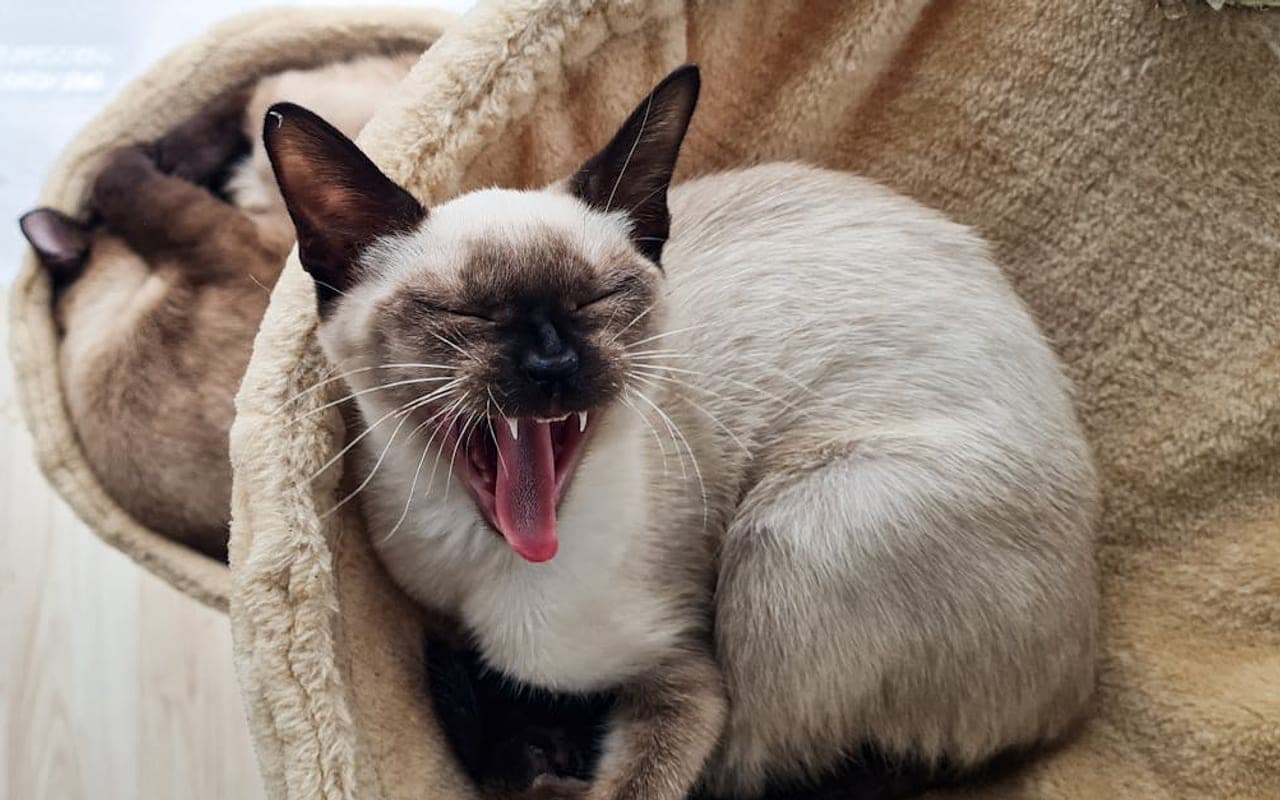
Siamese
Also in the Shorthair group, with different care and temperament tradeoffs.
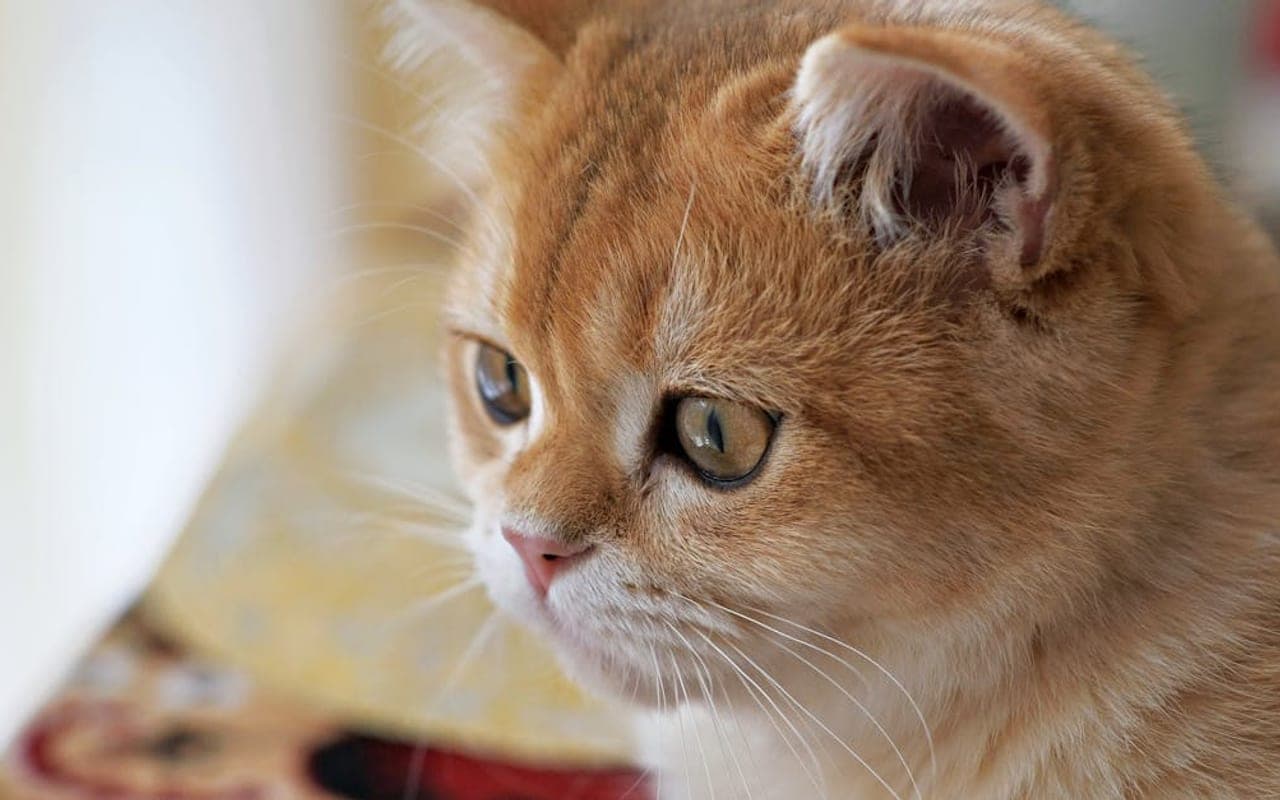
British Shorthair
Also in the Shorthair group, with different care and temperament tradeoffs.
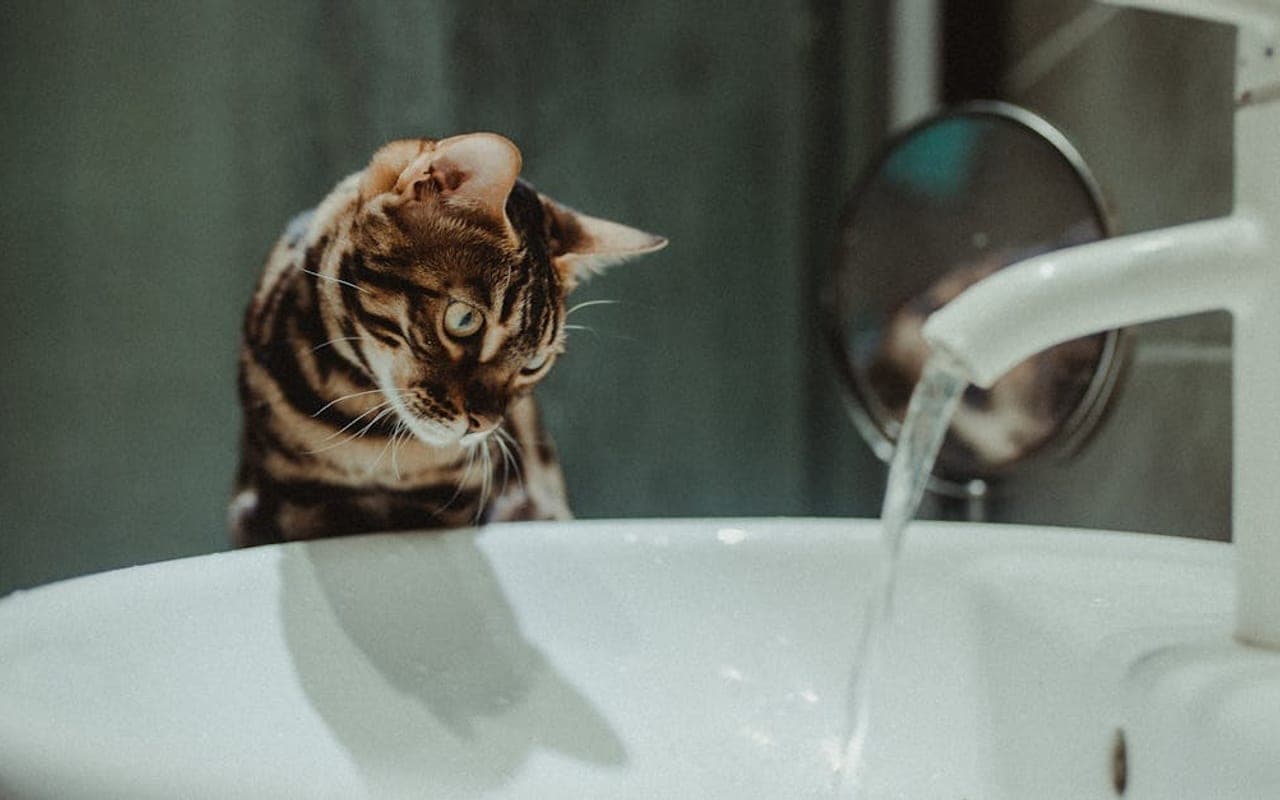
Bengal
Also in the Shorthair group, with different care and temperament tradeoffs.
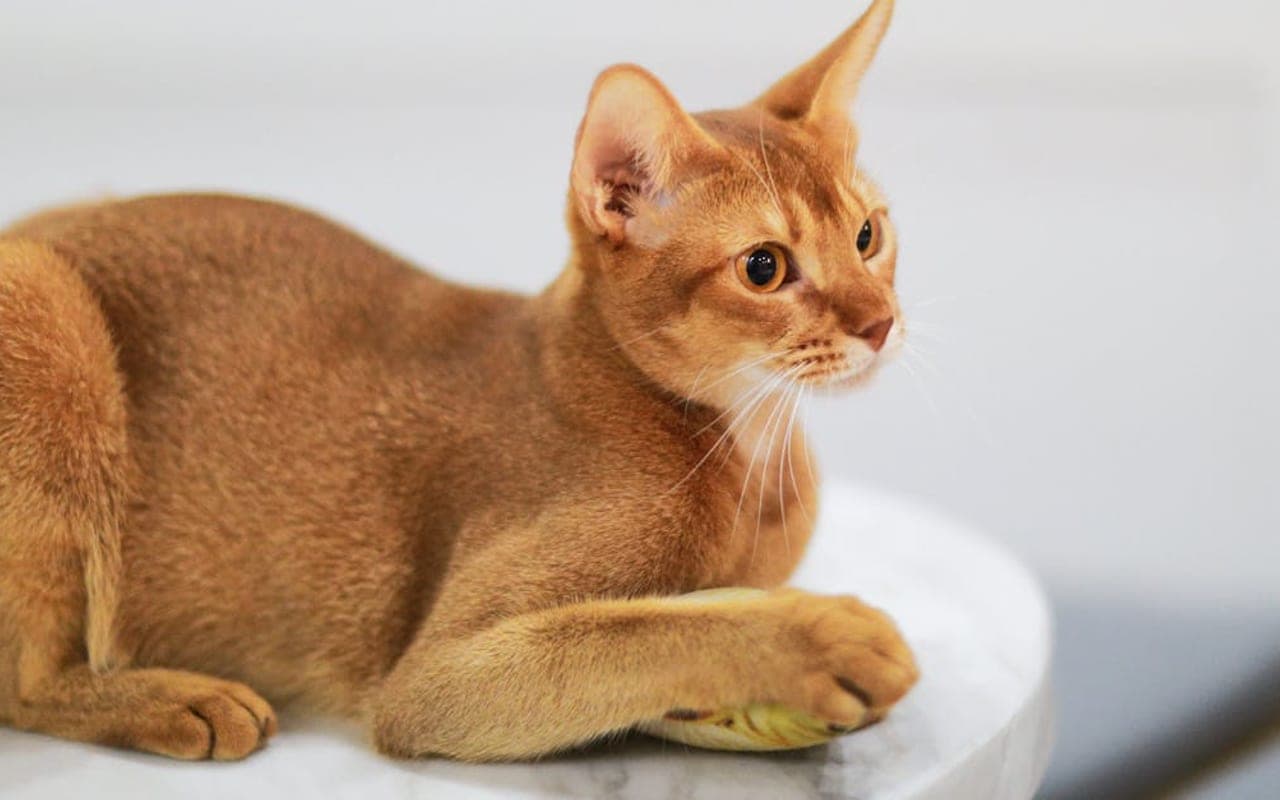
Abyssinian
Also in the Shorthair group, with different care and temperament tradeoffs.
Explore More About Aegean
Dive deeper into everything Aegean — costs, care, and expert insights.
Cat Nutrition Guide: What Cats Actually Need to Eat
Cats are obligate carnivores, which means they are...
Kitten-Proofing Your Home: The Hazards Owners Miss
A single lily leaf — or even the pollen brushed off one — can put a kitten into acute...
Considering a dog instead?
Browse Dogs