
Shorthair group
American Curl
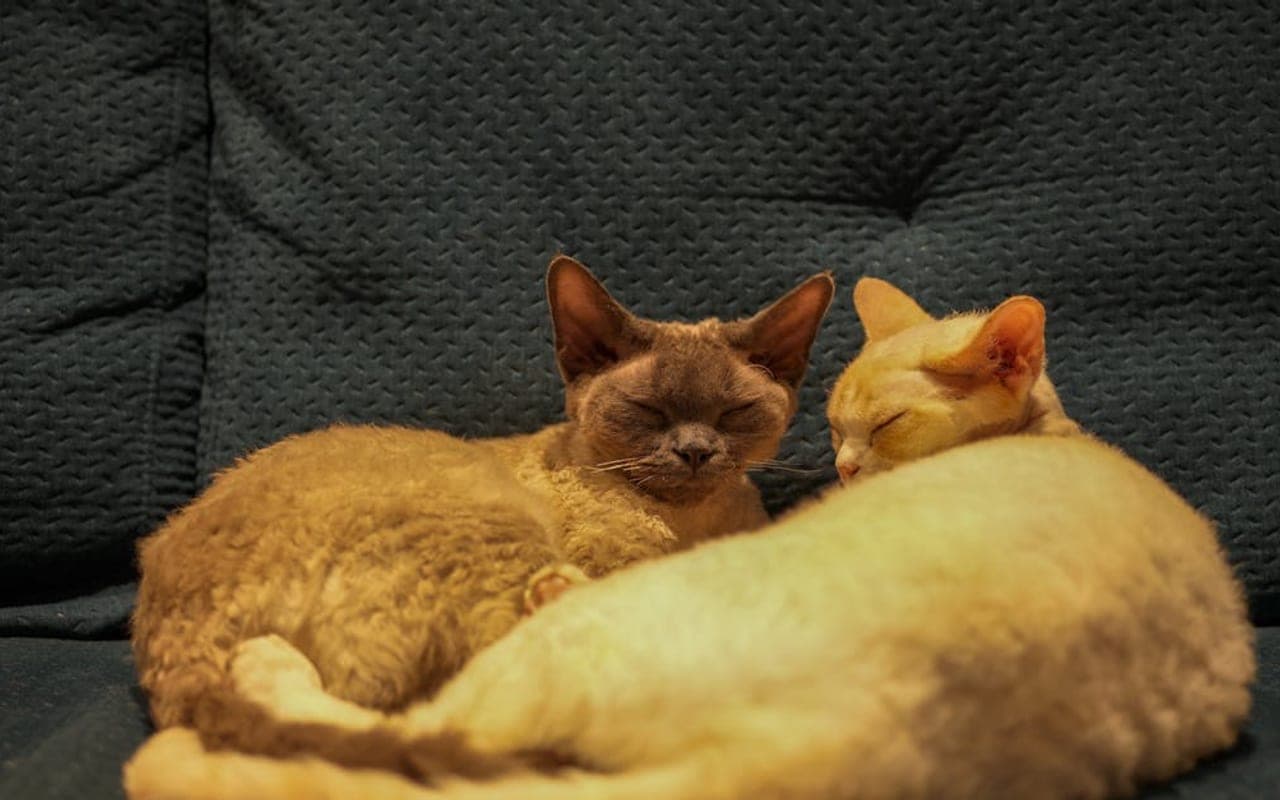
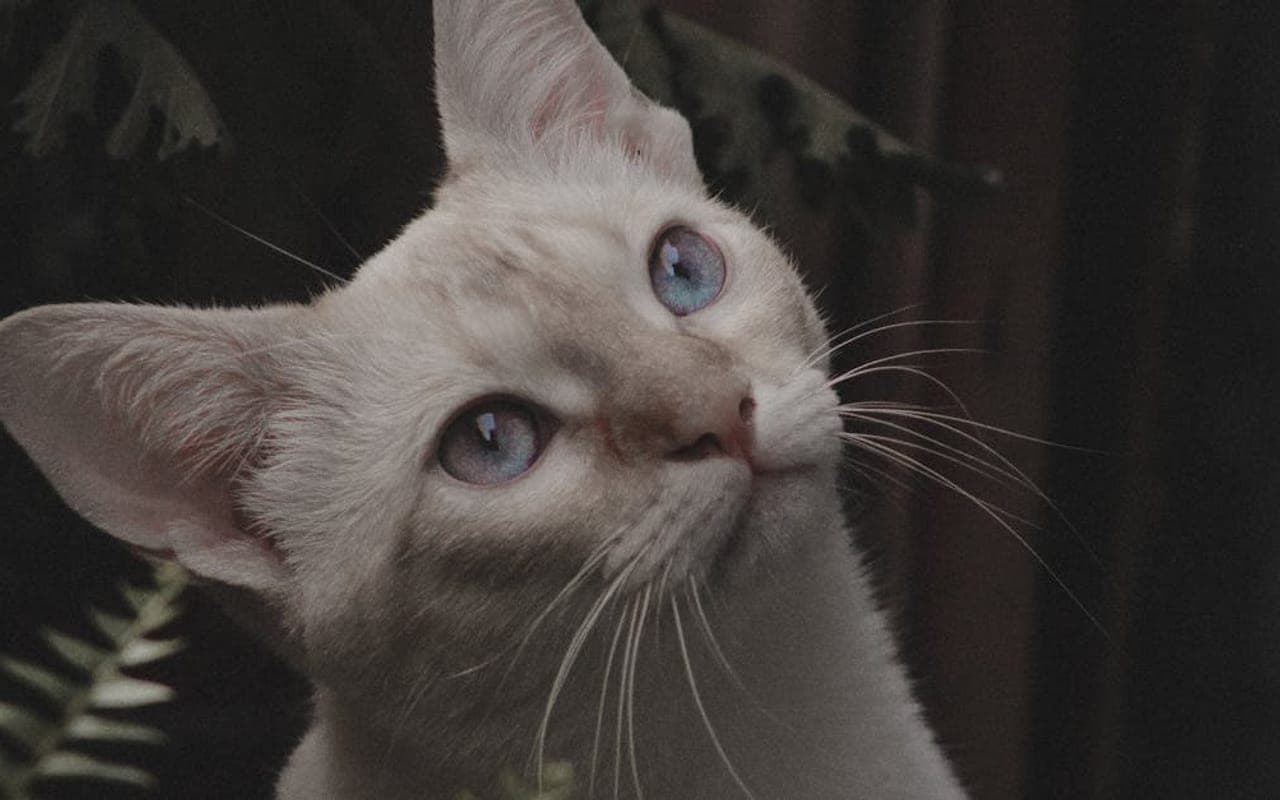
The American Curl is the cat with backward-curling ears — and the most important thing to know is that, unlike the superficially similar Scottish Fold, the Curl's mutation is a healthy one.
Size
5-10 lb
Lifespan
12-16 years
Play
15-30 minutes
Shedding
Moderate
Experience
Match to owner routine
Decision first
Is a American Curl right for you?
Start with fit before history or trivia. These are ownership signals, not guarantees about any individual cat.
Best suited for
- Households with children.
- Homes with other compatible pets.
- Apartment homes with a consistent routine.
- Owners seeking a manageable indoor routine with predictable care.
Think carefully if
- You need a cat with almost no daily routine.
- You cannot keep up with grooming and preventive care.
- The cat will spend most days without interaction or enrichment.
Conditional fit
Apartment fit depends on vertical space, litter setup, play, enrichment, and noise tolerance.
Daily reality
American Curl commitment snapshot
Daily play
15-30 minutes
Match play and enrichment to age, health, appetite, and household routine.
Coat care
Low
Grooming needs vary by coat, shedding, and lifestyle.
Social needs
Needs planning
Most cats still need predictable contact, enrichment, litter care, and monitoring.
Structured facts
American Curl at a glance
The measurements and traits that most affect day-to-day life with this breed.
Origin
United States
Group
Shorthair
Weight
5-10 lb
Height
9-11 in
Lifespan
12-16 years
Temperament
Affectionate | Curious | Intelligent | Interactive | Lively | Playful | Social
View all characteristics and methodology
Lifestyle fit
- Apartment suitabilityWorks best with clean litter setup, vertical space, and daily enrichment.
- Likely fit
- Child friendliness
- Often good, with socialisation and supervision
- Other-pet fit
- Often compatible with careful introductions
- Adaptability
- Very high
Owner commitment
- Daily play
- 15-30 minutes
- Grooming
- Low
- Shedding
- Moderate
- Indoor enrichment
- Moderate
Behavior
- Affection
- Very high
- Energy
- Moderate
- Vocalization
- Moderate
- Social needs
- Moderate
Environment and health
- Intelligence
- Moderate
- Health risk
- Needs planning
- Weight sensitivity
- Routine monitoring
Ratings combine structured breed data, visible breed fields, and editorial context. They are planning aids, not predictions for an individual cat.
Daily life
American Curl temperament and behavior
The American Curl is the cat with backward-curling ears — and the most important thing to know is that, unlike the superficially similar Scottish Fold, the Curl's mutation is a healthy one. The dominant gene that curls the ear affects only ear cartilage elasticity; it is not linked to the skeletal and joint disease that makes the Fold's gene controversial. That single distinction is why an honest Curl profile can recommend the breed without the heavy caveats a Fold demands. Physically the Curl is a medium cat, 2 to 5 kg, in both shorthair and longhair coats, with a silky low-maintenance coat and a flowing tail in the longhair. Kittens are born with straight ears; the ears begin curling within days and set into their final arc — anywhere from a gentle 90 degrees to a near-180-degree curl — by about four months. The ear feels firm but flexible at the base, like a human ear, and must never be forced straight. Temperament is the breed's strongest selling point. Curls are people-oriented, faithful, and famously adaptable — they settle into new homes, new pets, and children faster than most breeds, and they stay playful and kitten-like (the 'Peter Pan' cat) well into adulthood. They are interactive without being demanding or loud, which makes them an easier first cat than a high-drive breed. Who the American Curl is right for: an owner who wants an affectionate, adaptable, genuinely robust cat and is willing to do gentle weekly ear cleaning and never manipulate the curled ear. Who it is wrong for: anyone who would confuse it with a Scottish Fold and worry about its skeleton (no need), or anyone who will not commit to careful ear hygiene given the breed's narrower-than-average canals. This is one of the few 'special-look' breeds where the look does not cost the cat its health.
Affectionate | Curious | Intelligent | Interactive | Lively | Playful | Social
Affectionate
A common American Curl temperament descriptor that should be interpreted alongside enrichment, handling, and household fit.
Curious
A common American Curl temperament descriptor that should be interpreted alongside enrichment, handling, and household fit.
Intelligent
A common American Curl temperament descriptor that should be interpreted alongside enrichment, handling, and household fit.
Interactive
A common American Curl temperament descriptor that should be interpreted alongside enrichment, handling, and household fit.
Owner note
Temperament labels are starting points, not guarantees. Meet the individual cat and ask about behavior history whenever possible.
Care essentials
How to care for a American Curl
What looking after one actually involves: play, grooming, food, litter, and routine health.
ExerciseAs needed
- Moderately active breed that enjoys regular play sessions and exploration. Provide toys and occasional interactive games.
GroomingAs needed
- Low-maintenance coat requiring weekly brushing. Occasional bathing as needed.
NutritionAs needed
- Feed a high-quality cat food appropriate for their age and activity level. Maintain fresh water at all times. Monitor weight to prevent obesity.
SocializationAs needed
- Enjoys human company and interaction. Can tolerate some alone time but prefers regular companionship.
Veterinary CareAs needed
- Annual wellness exams, vaccinations, dental checkups, and parasite prevention. Spay/neuter recommended if not breeding.
Health planning
American Curl health risks and screening
Every cat breed has individual health variation. Use this profile for planning and discuss medical decisions with a veterinarian.
Responsible ownership
Finding a American Curl responsibly
What to ask a breeder or rescue is the same conversation for every breed, so we keep it in one place and keep it current.
Health documentation, meeting the parents or foster, contracts and return support, and the warning signs worth walking away from.
Original purpose
American Curl history
History is useful when it explains today's behavior, coat, exercise needs, and training style.
Read the breed history
The American Curl began with a single stray. In 1981, a longhaired black female with unusual curled ears wandered up to a household in Lakewood, California; she was named Shulamith, and she is the founding cat of every American Curl alive today. Her litter showed that the curled-ear trait passed to kittens, and breeding revealed it to be caused by a single autosomal dominant gene with variable expression — which is why curl degree ranges from a slight bend to a full arc even within one litter. Because the breed was built deliberately on outcrosses to non-pedigree domestic cats to keep the gene pool broad and healthy, the Curl retains the hybrid vigor of a near-landrace rather than the narrow genetics of an old closed breed. The International Cat Association granted the longhair championship status in 1992, and in 1999 the American Curl became the first breed admitted to the Cat Fanciers' Association Championship class with both longhair and shorthair divisions recognized together — a fast ascent from a single stray cat to a championship breed in under two decades.
Gallery
American Curl photos
Images are cropped consistently and loaded progressively to keep the page responsive.
Lower-page context
American Curl cats in culture
Where the breed shows up in film, sport, work and folklore — the enjoyable part, once the practical questions are answered.
Fun facts
- The American Curl originated in United States.
- The American Curl is a true lap cat that loves to curl up with their owners.
- American Curl cats are exceptionally dog-friendly and can live harmoniously with canine companions.
American Curl FAQs
Is the American Curl's curled ear a health problem like the Scottish Fold's?
No — and this is the most important misconception to clear up. The Scottish Fold's gene affects cartilage throughout the body and causes painful skeletal disease. The American Curl's gene affects only ear-cartilage elasticity; it carries no associated bone or joint disorder, and the cat's hearing is normal. The genuine, modest ear concern with a Curl is mechanical — narrower canals plus a curled pinna mean you must clean the ears weekly to prevent infections, not that the cat is structurally unsound.
How long do American Curl cats live?
A healthy American Curl typically lives 12 to 16 years, and the breed's broad outcross-based gene pool gives it genuine hybrid vigor rather than the fragility of an old closed breed. Lifespan is driven less by inherited disease than by routine care: cats that get weekly ear cleaning, dental maintenance, stay lean, and have annual vet checks reliably reach the upper end. There is no single breed-specific killer the way HCM is for some other breeds.
How do I clean an American Curl's ears safely?
Use a vet-approved ear cleaner on a damp cotton ball or soft wipe, gently wiping the visible part of the ear and the entrance to the canal once a week. Never push a cotton swab into the canal, never use water, and never attempt to straighten the curled ear — the cartilage is firm but delicate and forcing it causes pain and damage. If you see dark discharge, odor, redness, or the cat shakes its head, that is a vet visit within days, not a heavier home cleaning.
Are American Curls good for first-time cat owners and families?
Yes — they are one of the better starter breeds. Curls are people-oriented, adaptable to new homes and pets quickly, gentle with children, and playful without being hyperactive or excessively vocal. They tolerate household activity well and bond to the whole family. The only first-owner homework is committing to weekly ear cleaning and teaching children never to bend the ears — modest, learnable tasks compared with the high-energy or high-grooming demands of many other breeds.
Why are American Curl kittens born with straight ears?
The curl is caused by a dominant gene with variable expression that acts on cartilage after birth. Kittens are born with straight ears; the ears start curling within a few days and reach their final, permanent arc — anywhere from about 90 to 180 degrees — by roughly four months of age. This is normal and not a defect. It also means you should never judge or manipulate a young kitten's ears, because the cartilage is still soft and the final curl has not yet set.
What does an American Curl cost to own?
A pet-quality kitten from a registered breeder typically runs $800-$1,500, with show-quality and well-curled ears higher. Unlike high-risk breeds, the Curl has no single expensive inherited disease to budget against; the recurring cost that actually matters is ear health — a single neglected ear infection in a narrow-canal cat can mean repeat vet visits and medication, while disciplined weekly cleaning costs almost nothing and prevents most of it. Routine dental care is the other predictable lifetime expense.
Sources
These are the published sources this page draws on. Each opens in a new tab so you can check it yourself.
Cat Fanciers' Association
American Curl — breed standard and profile(opens in a new tab)Supports: Breed standard and recognition details.
Similar breeds to consider
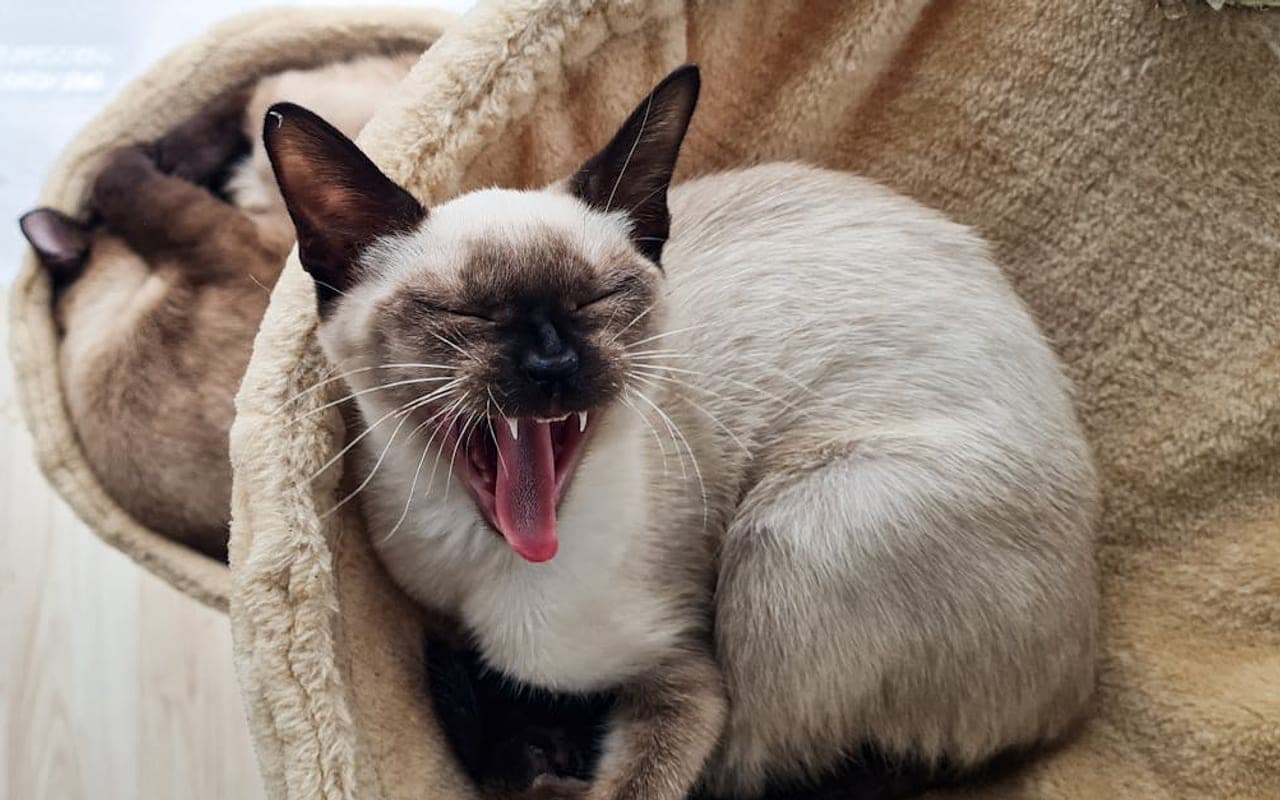
Siamese
Also in the Shorthair group, with different care and temperament tradeoffs.
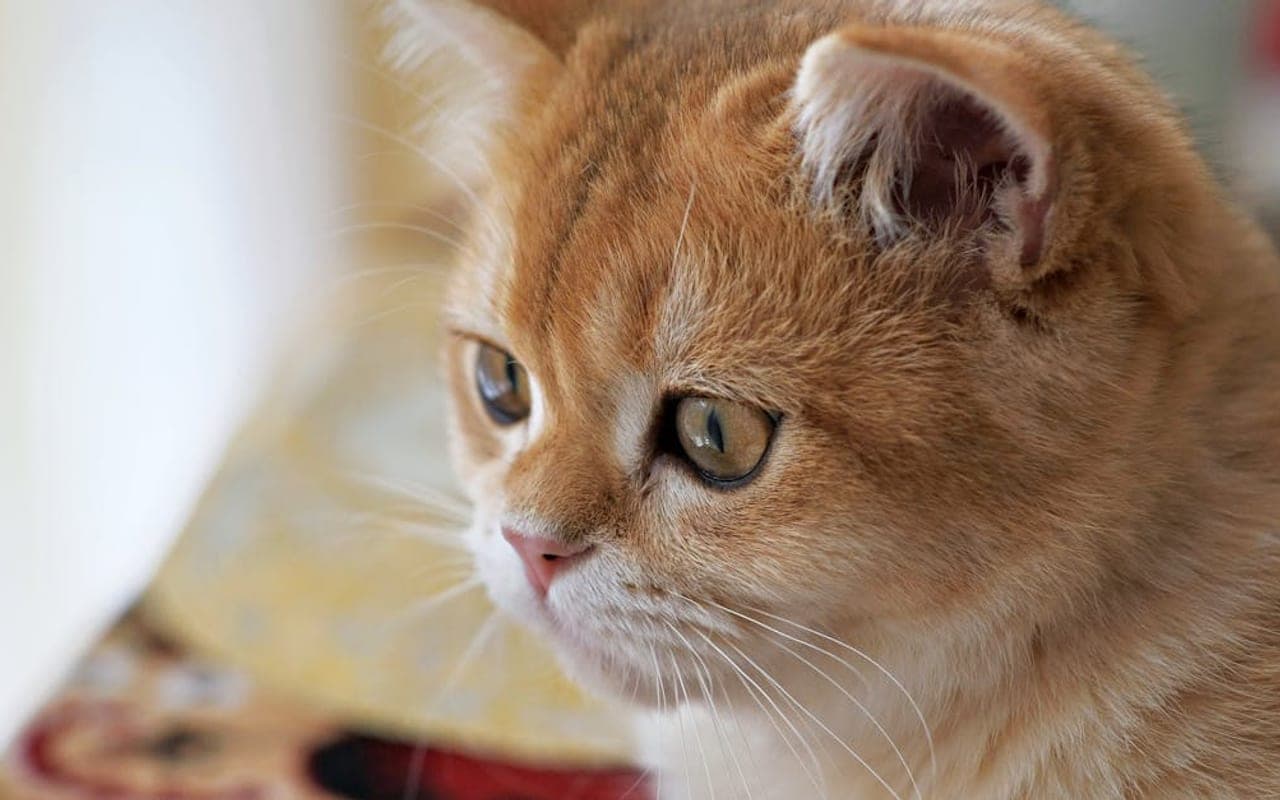
British Shorthair
Also in the Shorthair group, with different care and temperament tradeoffs.
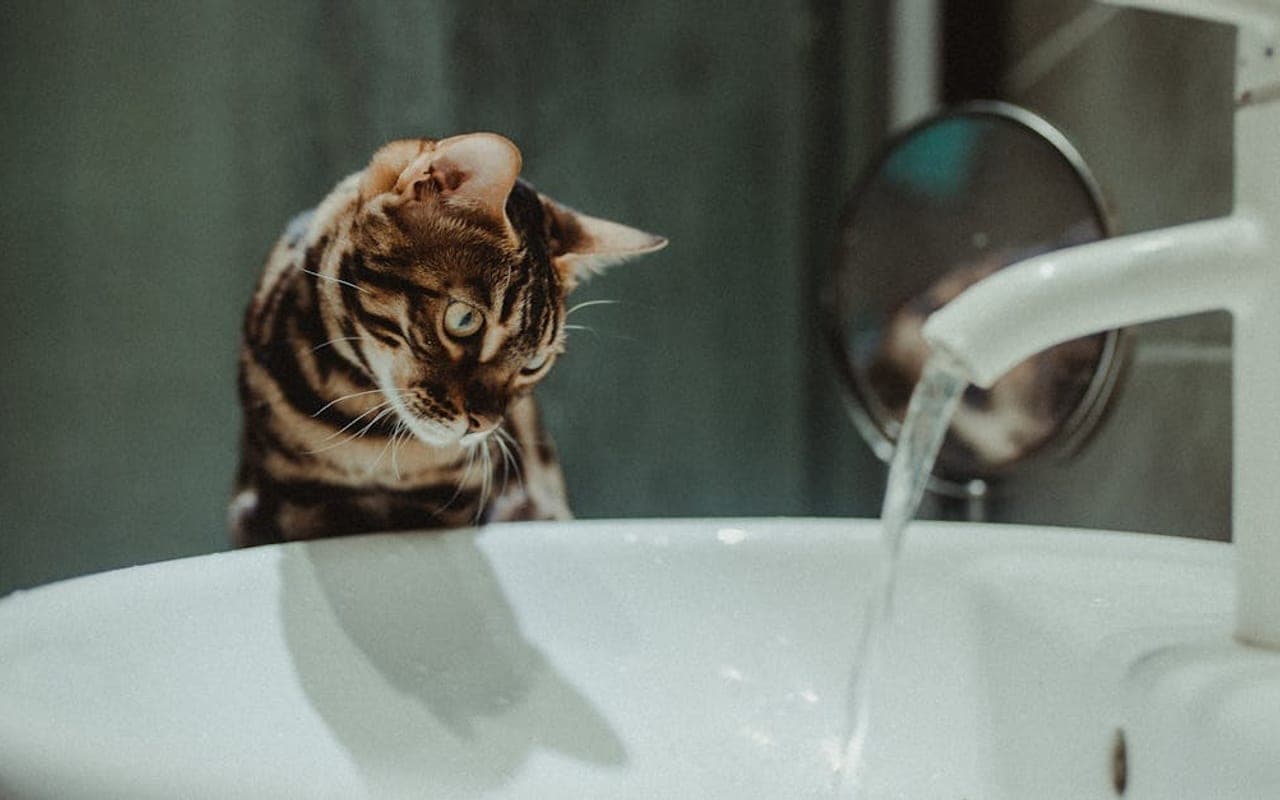
Bengal
Also in the Shorthair group, with different care and temperament tradeoffs.
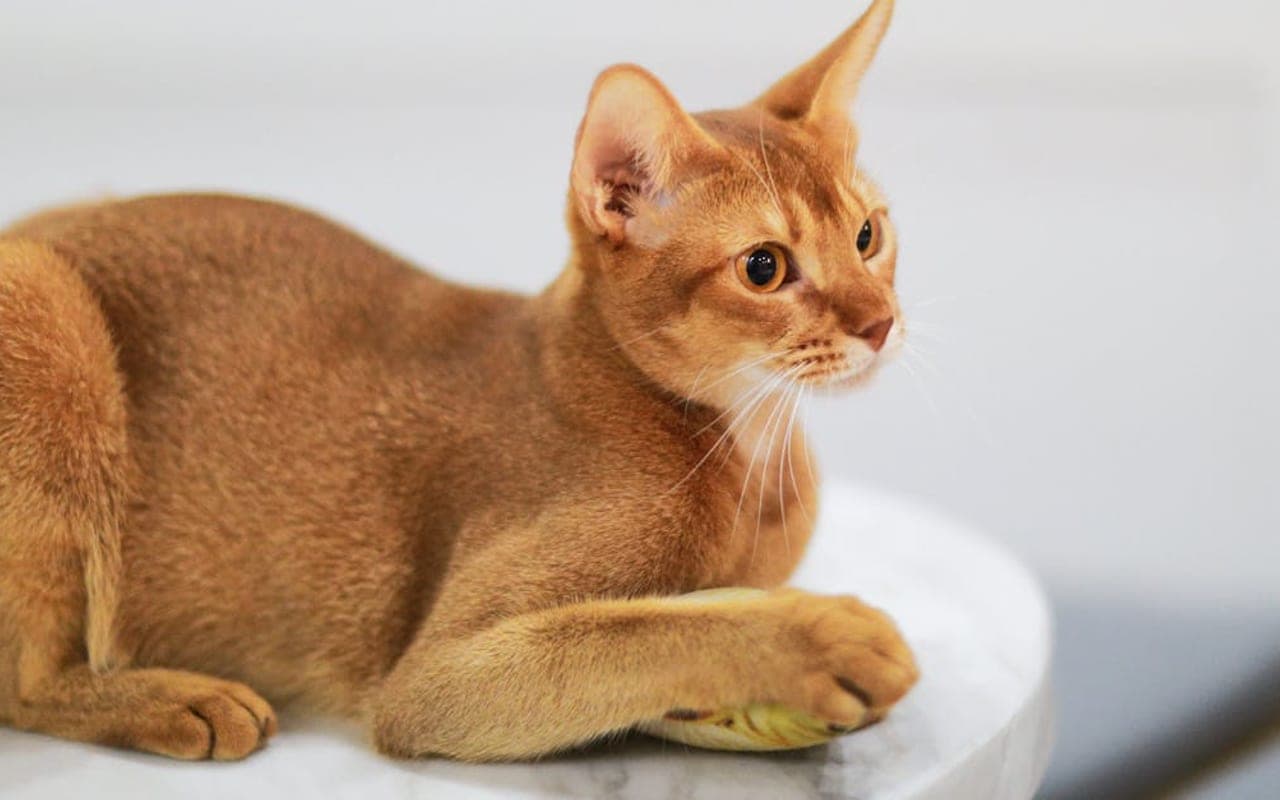
Abyssinian
Also in the Shorthair group, with different care and temperament tradeoffs.
Explore More About American Curl
Dive deeper into everything American Curl — costs, care, and expert insights.
Cat Nutrition Guide: What Cats Actually Need to Eat
Cats are obligate carnivores, which means they are...
Kitten-Proofing Your Home: The Hazards Owners Miss
A single lily leaf — or even the pollen brushed off one — can put a kitten into acute...
Considering a dog instead?
Browse Dogs