
Shorthair group
American Shorthair
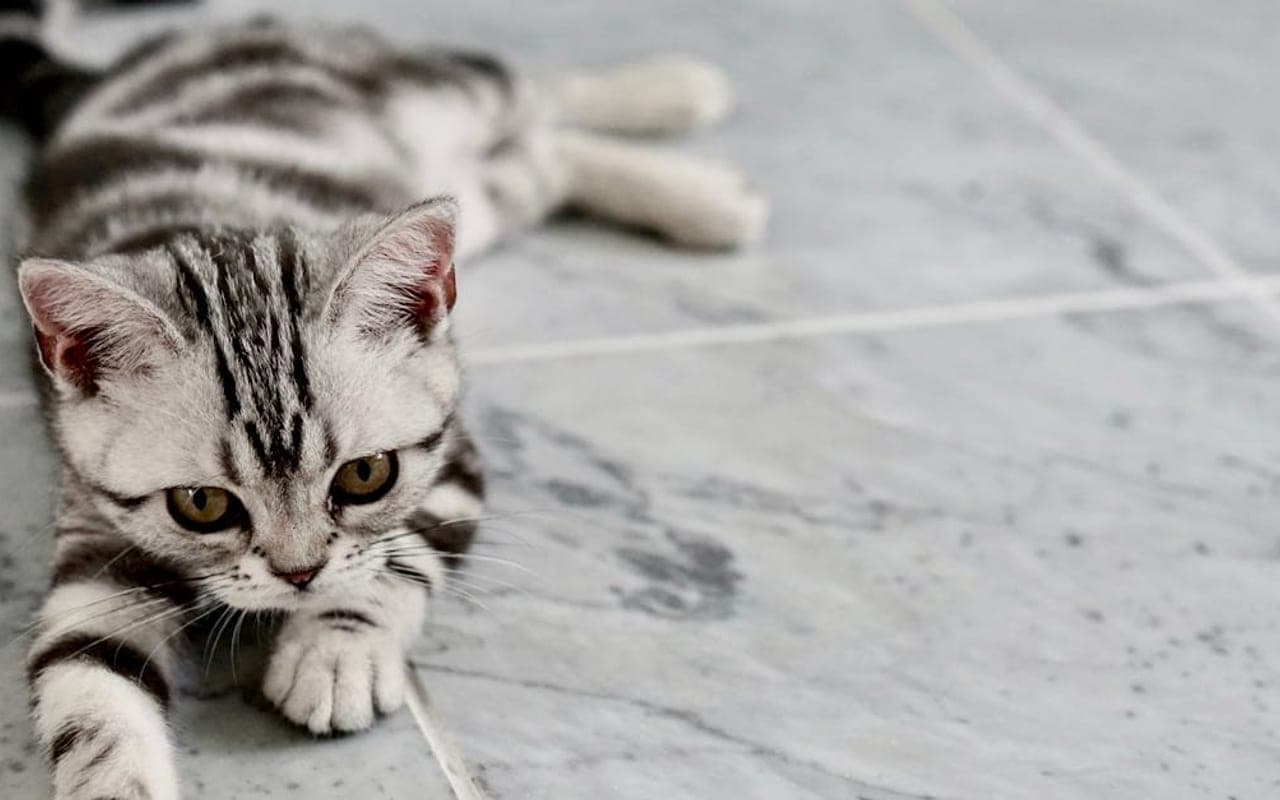
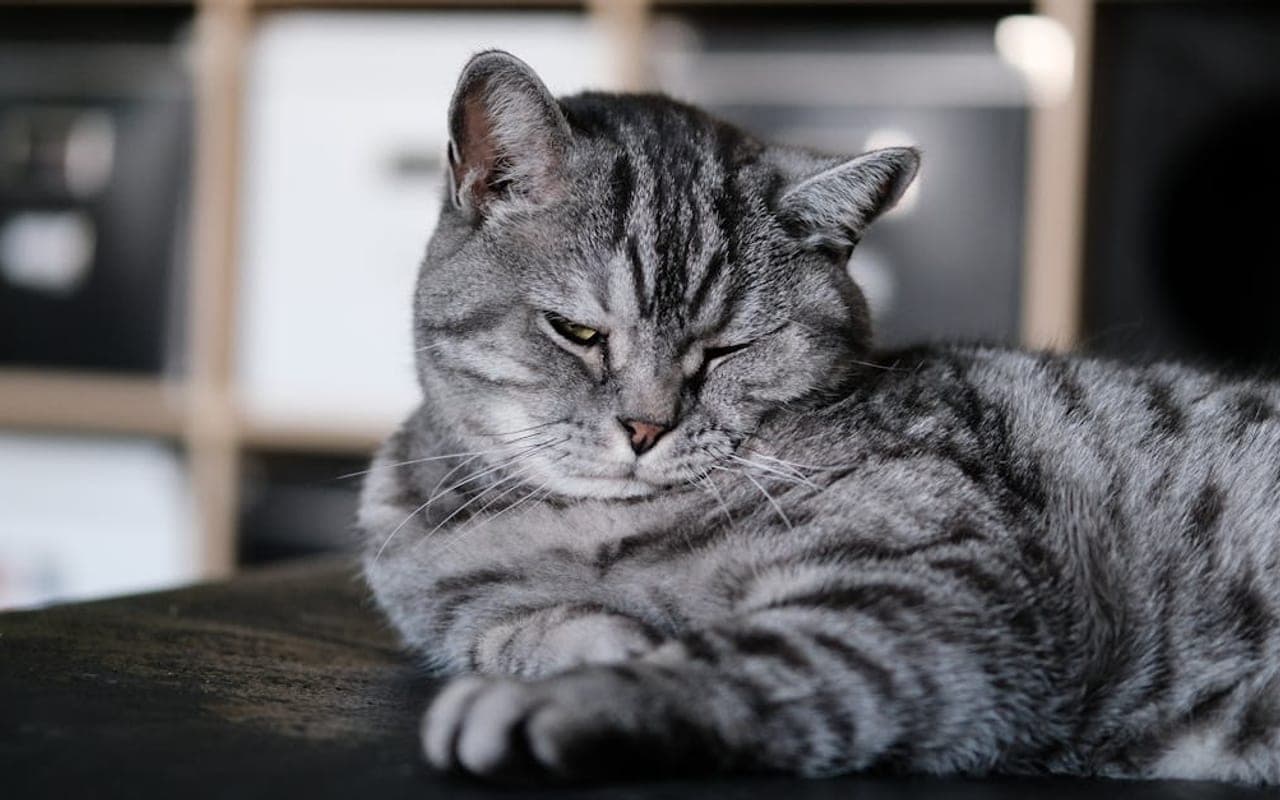
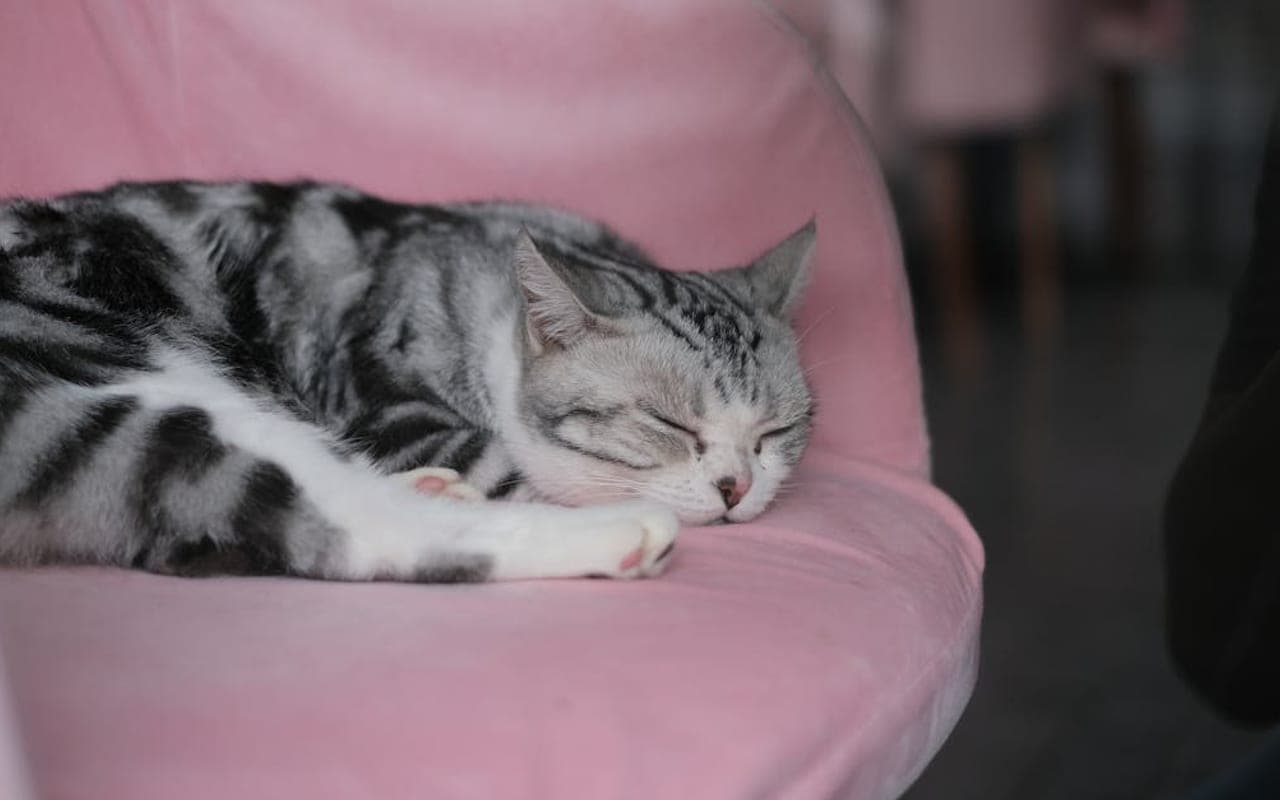
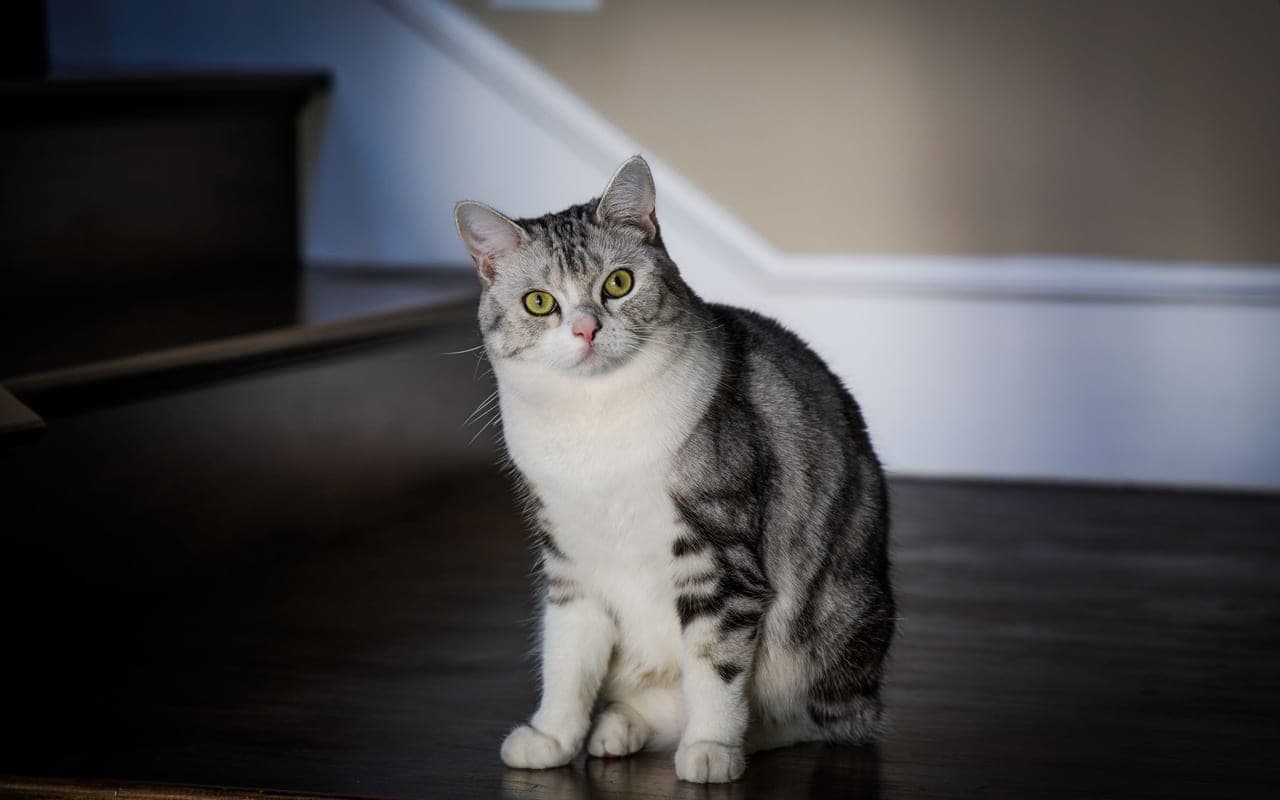
The American Shorthair is the cat most people picture when they picture 'a cat' — a medium-large, sturdy, well-balanced working breed (4-7 kg) bred from the rat-catching ships' cats that crossed the Atlantic with early colonists.
Size
7-15 lb
Lifespan
15-17 years
Play
15-30 minutes
Shedding
Moderate
Experience
Match to owner routine
Decision first
Is a American Shorthair right for you?
Start with fit before history or trivia. These are ownership signals, not guarantees about any individual cat.
Best suited for
- Households with children.
- Homes with other compatible pets.
- Apartment homes with a consistent routine.
- Owners seeking a manageable indoor routine with predictable care.
Think carefully if
- You need a cat with almost no daily routine.
- You cannot keep up with grooming and preventive care.
- The cat will spend most days without interaction or enrichment.
Conditional fit
Apartment fit depends on vertical space, litter setup, play, enrichment, and noise tolerance.
Daily reality
American Shorthair commitment snapshot
Daily play
15-30 minutes
Match play and enrichment to age, health, appetite, and household routine.
Coat care
Low
Grooming needs vary by coat, shedding, and lifestyle.
Social needs
Needs planning
Most cats still need predictable contact, enrichment, litter care, and monitoring.
Structured facts
American Shorthair at a glance
The measurements and traits that most affect day-to-day life with this breed.
Origin
United States
Group
Shorthair
Weight
7-15 lb
Height
8-15 in
Lifespan
15-17 years
Temperament
Active | Curious | Easy Going | Playful | Calm
View all characteristics and methodology
Lifestyle fit
- Apartment suitabilityWorks best with clean litter setup, vertical space, and daily enrichment.
- Likely fit
- Child friendliness
- Often good, with socialisation and supervision
- Other-pet fit
- Often compatible with careful introductions
- Adaptability
- Very high
Owner commitment
- Daily play
- 15-30 minutes
- Grooming
- Low
- Shedding
- Moderate
- Indoor enrichment
- Moderate
Behavior
- Affection
- Very high
- Energy
- Moderate
- Vocalization
- Moderate
- Social needs
- High
Environment and health
- Intelligence
- Moderate
- Health risk
- Needs planning
- Weight sensitivity
- Routine monitoring
Ratings combine structured breed data, visible breed fields, and editorial context. They are planning aids, not predictions for an individual cat.
Daily life
American Shorthair temperament and behavior
The American Shorthair is the cat most people picture when they picture 'a cat' — a medium-large, sturdy, well-balanced working breed (4-7 kg) bred from the rat-catching ships' cats that crossed the Atlantic with early colonists. That working heritage is the key to understanding it: this is a robust, easy-keeping, even-tempered cat, not a delicate or high-strung one. The coat is short, dense, and hard-textured (the silver tabby is the iconic look but the breed comes in dozens of colors), and it needs almost nothing beyond a weekly brush. The American Shorthair's defining quality is moderation. It is affectionate but not clingy, playful but not frantic, social but content alone for reasonable stretches, and adaptable to apartments, houses, children, dogs, and busy households. For owners who want a relaxed companion that does not demand constant interaction the way a Burmese or Siamese does, this even temperament is the whole appeal. The flip side: people wanting a velcro lap cat may find the ASH more independent than expected. There are two practical pitfalls buyers should know. First, the breed is frequently confused with the random-bred domestic shorthair; a pedigreed American Shorthair from a registered breeder has predictable type and a documented health background, which a 'looks like one' rescue does not. Both make fine pets — just price and source accordingly. Second, the ASH's easygoing, food-friendly nature plus a tendency to be sedentary makes obesity the breed's most common preventable problem, and obesity here drives diabetes. Who the American Shorthair is right for: a household wanting a healthy, low-drama, low-grooming, family-friendly cat that tolerates a normal busy life. Who it is wrong for: someone wanting an intensely interactive, demanding companion, or anyone unwilling to manage weight in a naturally laid-back cat.
Active | Curious | Easy Going | Playful | Calm
Active
A common American Shorthair temperament descriptor that should be interpreted alongside enrichment, handling, and household fit.
Curious
A common American Shorthair temperament descriptor that should be interpreted alongside enrichment, handling, and household fit.
Easy Going
A common American Shorthair temperament descriptor that should be interpreted alongside enrichment, handling, and household fit.
Playful
A common American Shorthair temperament descriptor that should be interpreted alongside enrichment, handling, and household fit.
Owner note
Temperament labels are starting points, not guarantees. Meet the individual cat and ask about behavior history whenever possible.
Care essentials
How to care for a American Shorthair
What looking after one actually involves: play, grooming, food, litter, and routine health.
ExerciseAs needed
- Moderately active breed that enjoys regular play sessions and exploration. Provide toys and occasional interactive games.
GroomingAs needed
- Low-maintenance coat requiring weekly brushing. Occasional bathing as needed.
NutritionAs needed
- Feed a high-quality cat food appropriate for their age and activity level. Maintain fresh water at all times. Monitor weight to prevent obesity.
SocializationAs needed
- Highly social breed that thrives on companionship. Does not do well left alone for extended periods. Consider a companion pet.
Veterinary CareAs needed
- Annual wellness exams, vaccinations, dental checkups, and parasite prevention. Spay/neuter recommended if not breeding.
Health planning
American Shorthair health risks and screening
Every cat breed has individual health variation. Use this profile for planning and discuss medical decisions with a veterinarian.
Ownership cost
How much does a American Shorthair cost?
Cost figures are structured so first-year and lifetime estimates do not conflict with the underlying line items.
| Acquisition | $500-$1,500 |
|---|---|
| Routine monthly | About $55/month |
| Routine annual | About $660/year |
| First-year estimate | $1,160-$2,160 |
| Lifetime routine estimate | $9,900-$11,220 routine costs |
Currency: USD. Region: United States. Typical ranges for this breed. Equipment, insurance, emergency veterinary care, boarding and training are NOT included: we hold no sourced figures for them, and estimating them would be a guess presented as data.
Responsible ownership
Finding a American Shorthair responsibly
What to ask a breeder or rescue is the same conversation for every breed, so we keep it in one place and keep it current.
Health documentation, meeting the parents or foster, contracts and return support, and the warning signs worth walking away from.
Original purpose
American Shorthair history
History is useful when it explains today's behavior, coat, exercise needs, and training style.
Read the breed history
The American Shorthair descends from the working cats European settlers brought aboard ships to protect food stores and cargo from rodents — a role documented as far back as the Mayflower era. For generations these hardy cats earned their keep on farms, in shops, and in homes across North America, naturally selected for soundness, hunting ability, and a stable temperament rather than appearance. In the early 1900s American breeders began deliberately selecting and registering the best of these native cats to preserve the type before it was diluted by imported longhairs, originally registering them as the 'Domestic Shorthair' before renaming the breed 'American Shorthair' in 1966 to distinguish the pedigreed cat from the random-bred population. The breed remains a direct genetic and functional descendant of those colonial working cats, which is precisely why it is celebrated for robust health, longevity, and an equable working-cat temperament rather than for exaggerated features.
Gallery
American Shorthair photos
Images are cropped consistently and loaded progressively to keep the page responsive.
Lower-page context
American Shorthair cats in culture
Where the breed shows up in film, sport, work and folklore — the enjoyable part, once the practical questions are answered.
Fun facts
- The American Shorthair originated in United States.
- The American Shorthair is a natural breed that developed without human selective breeding.
- The American Shorthair is a true lap cat that loves to curl up with their owners.
- American Shorthair cats are exceptionally dog-friendly and can live harmoniously with canine companions.
American Shorthair FAQs
How long do American Shorthair cats live?
A healthy American Shorthair typically lives 15-17 years, and many reach their late teens — robust longevity is one of the breed's signature strengths, a direct legacy of its hardy working-cat ancestry. The two things most likely to shorten that are unmanaged obesity-driven diabetes and inherited HCM, so weight discipline plus buying from a breeder who cardiac-screens are the levers that keep an ASH at the top of its range.
What is the difference between an American Shorthair and a regular domestic shorthair?
Appearance can be identical, but a pedigreed American Shorthair from a registered breeder comes with predictable type, temperament, and a documented health background including parental HCM and PKD screening. A random-bred domestic shorthair is an unknown genetic background. Both make excellent pets — the practical point is to price and source accordingly: pay breeder prices only for genuine documented pedigree and health testing.
Are American Shorthairs good with children and other pets?
Yes — this is one of the breed's core strengths. The American Shorthair's even, tolerant working-cat temperament makes it patient with respectful children and adaptable to dogs and other cats. It is affectionate without being demanding and copes well with a busy household. As always, supervise young children and provide the cat an escape route, but the breed's stability is exactly why it suits families.
Why is my American Shorthair gaining weight?
Almost always the input side. The ASH is naturally calm, food-friendly, and not self-motivated to exercise, so free-feeding plus an indoor sedentary life leads predictably to obesity — and obesity is the main driver of feline diabetes. The fix is structural: measure meals by weight, stop free-feeding, and initiate 15-20 minutes of daily play yourself, because this breed will not demand it on its own.
Do American Shorthairs need a lot of grooming?
No — grooming is minimal. The dense short coat needs only a five-minute weekly brush, increased to twice weekly during the spring and autumn shed; there are no mats, no professional grooming, and no seasonal crisis. The far more important 'maintenance' tasks for this breed are weight management and routine dental care, both of which owners tend to underestimate compared with coat care.
How much does an American Shorthair cost?
Expect roughly $600-$1,500 for a pet-quality kitten from a registered breeder who cardiac-screens for HCM and tests for PKD; a 'looks like one' domestic shorthair from a shelter costs an adoption fee. The recurring hidden costs are weight-driven diabetes management (insulin and monitoring can exceed $1,000/year) and dental cleanings. Paying for screened parents is the cheapest insurance against HCM, the breed's most serious inherited risk.
Sources
These are the published sources this page draws on. Each opens in a new tab so you can check it yourself.
Cat Fanciers' Association
American Shorthair — breed standard and profile(opens in a new tab)Supports: Breed standard and recognition details.
Similar breeds to consider
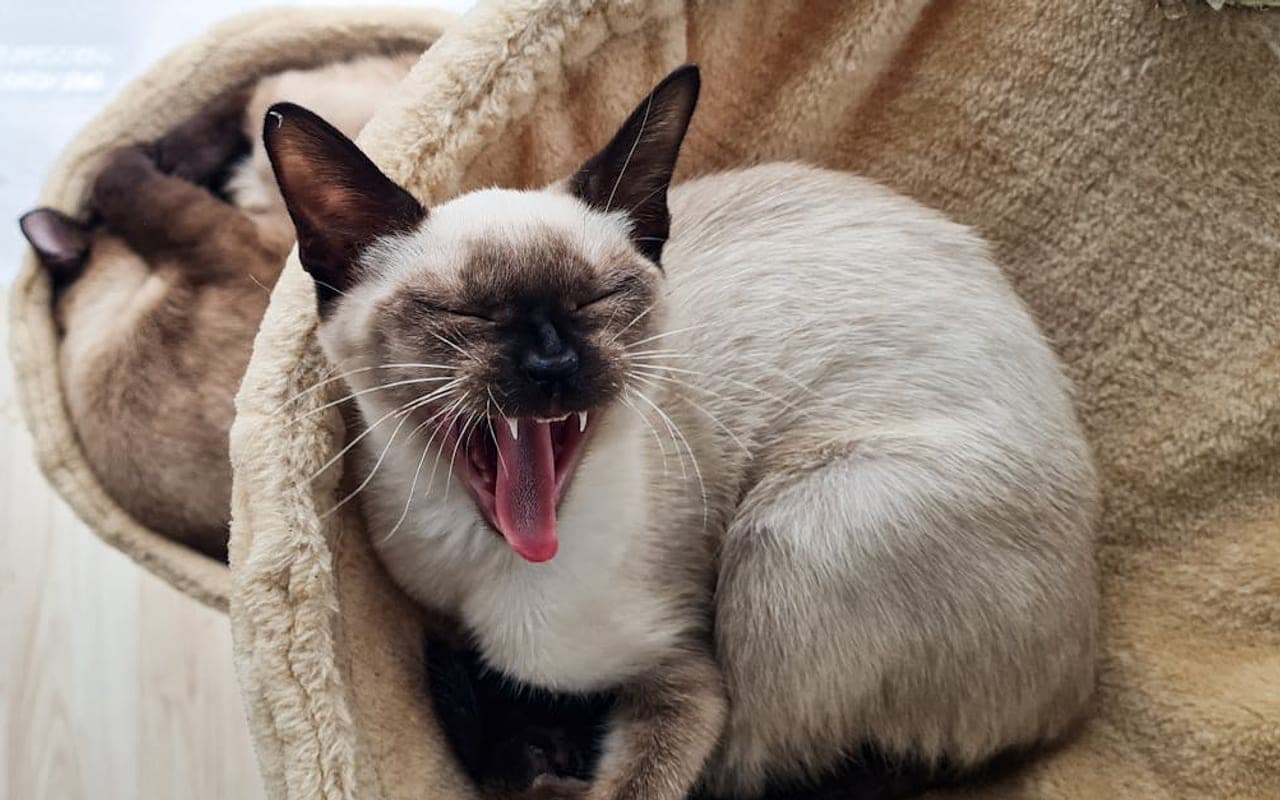
Siamese
Also in the Shorthair group, with different care and temperament tradeoffs.
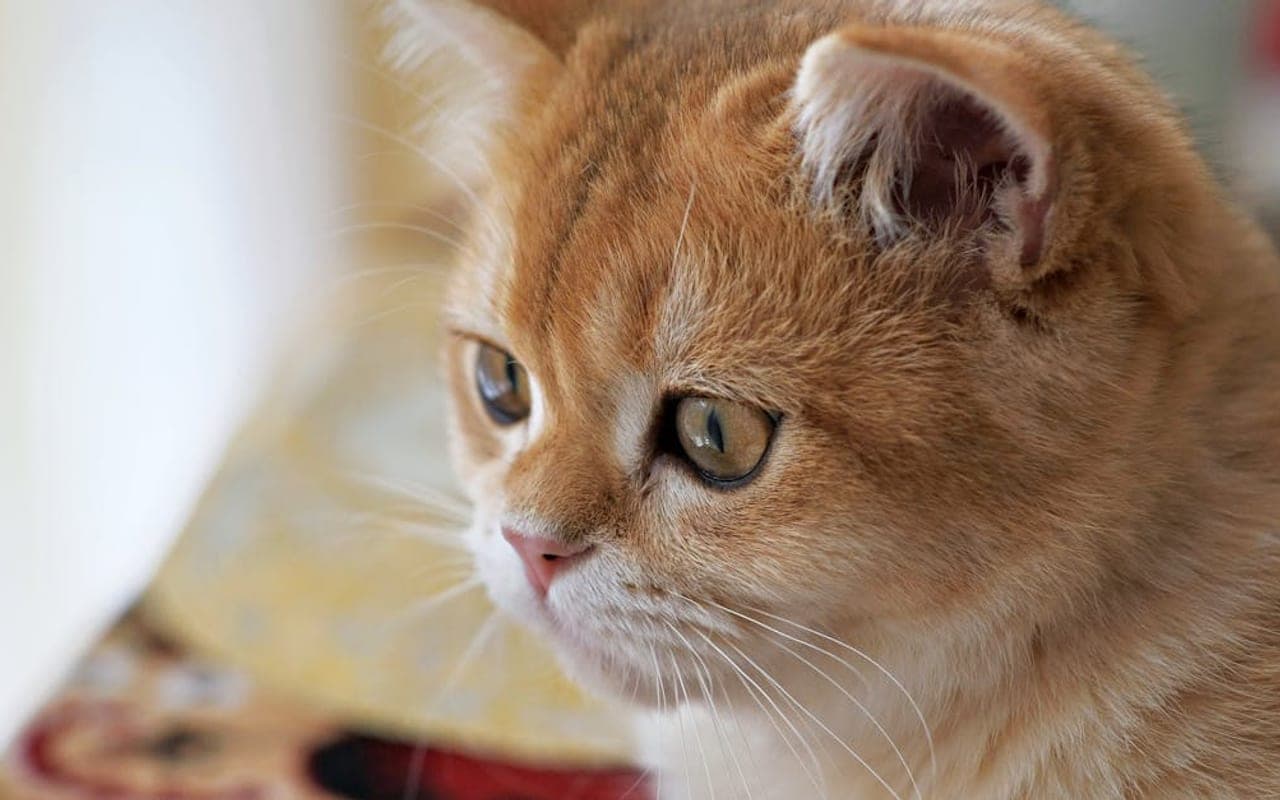
British Shorthair
Also in the Shorthair group, with different care and temperament tradeoffs.
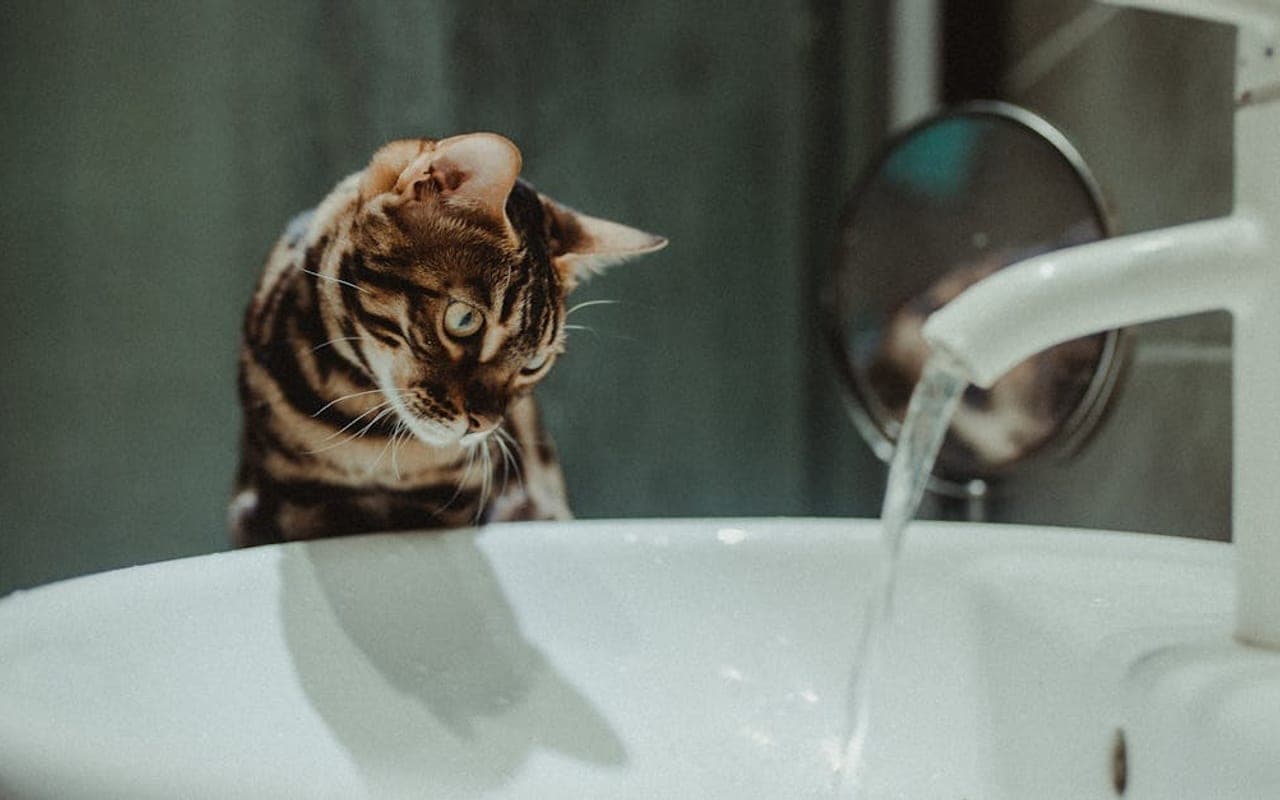
Bengal
Also in the Shorthair group, with different care and temperament tradeoffs.
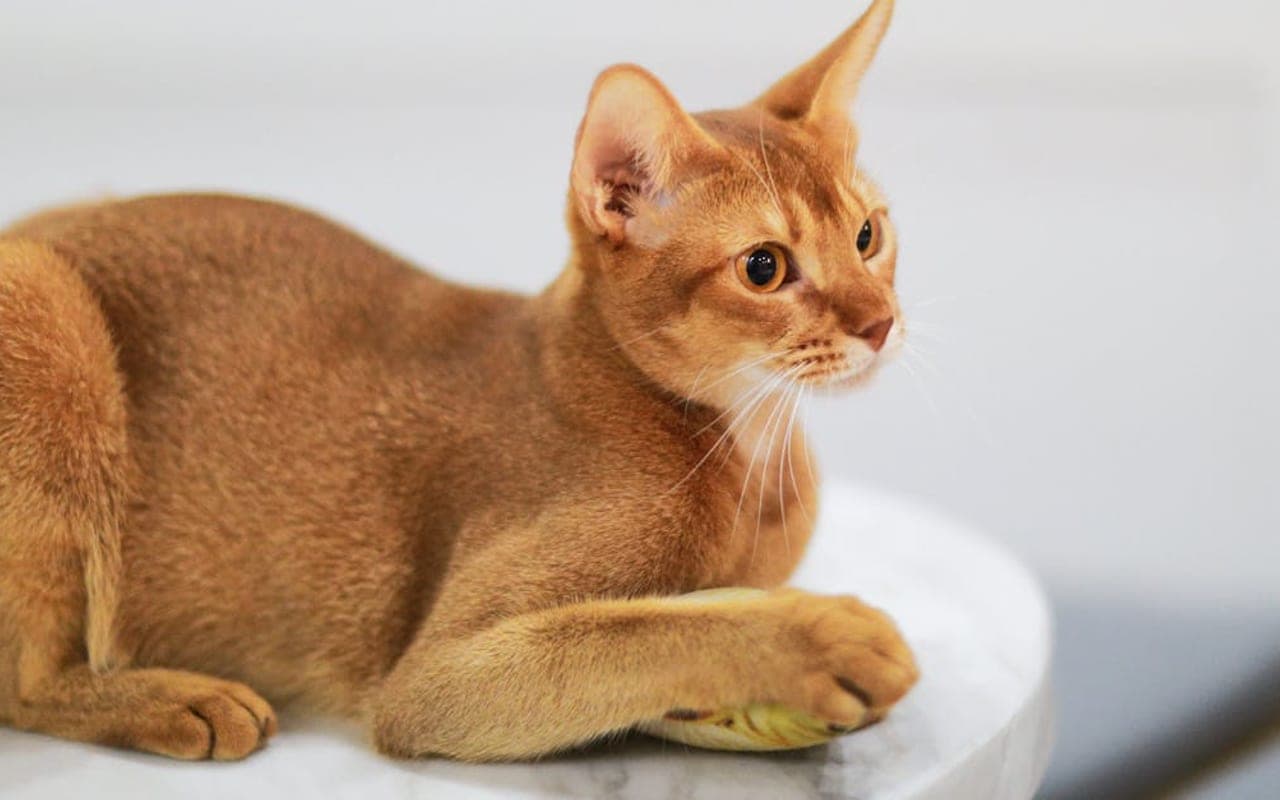
Abyssinian
Also in the Shorthair group, with different care and temperament tradeoffs.
Explore More About American Shorthair
Dive deeper into everything American Shorthair — costs, care, and expert insights.
How Much Does a American Shorthair Cost?
Purchase price, monthly costs, and lifetime expenses
Cat Nutrition Guide: What Cats Actually Need to Eat
Cats are obligate carnivores, which means they are...
Kitten-Proofing Your Home: The Hazards Owners Miss
A single lily leaf — or even the pollen brushed off one — can put a kitten into acute...
Considering a dog instead?
Browse Dogs