
Shorthair group
American Wirehair
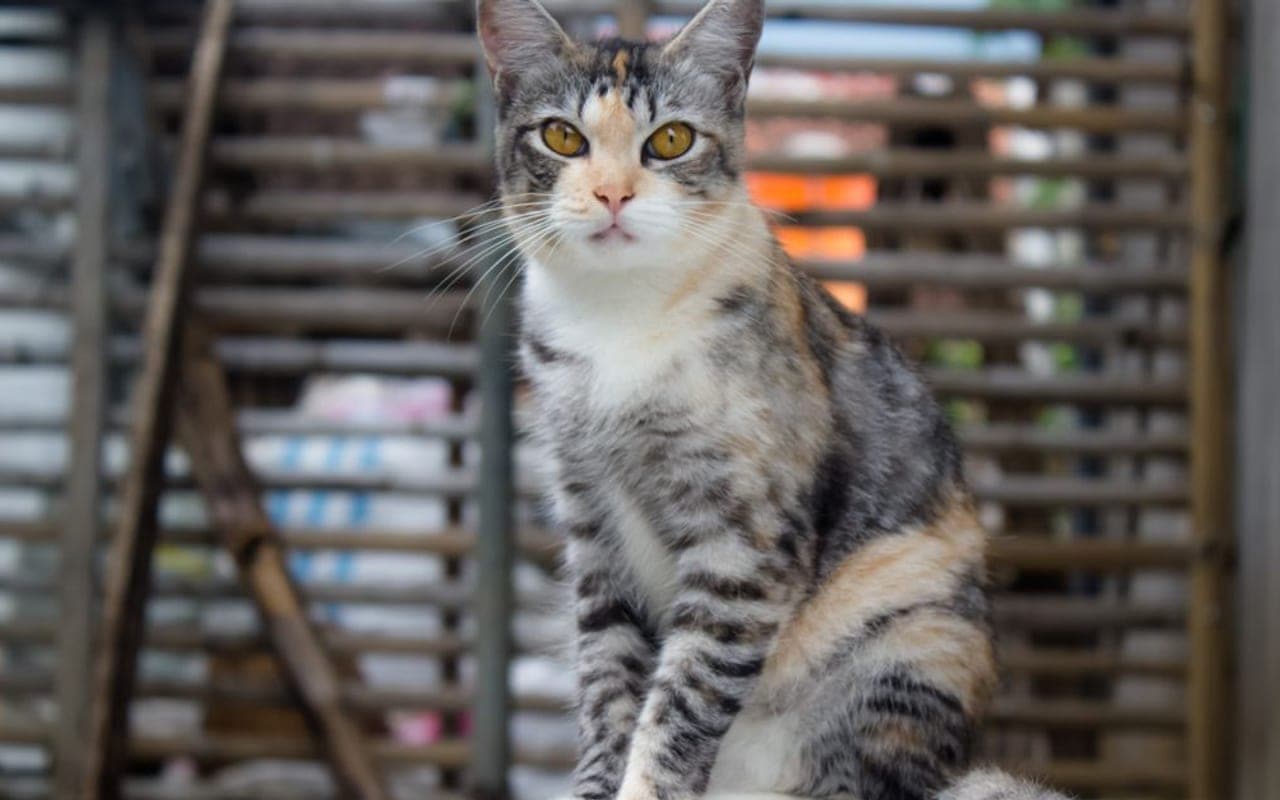
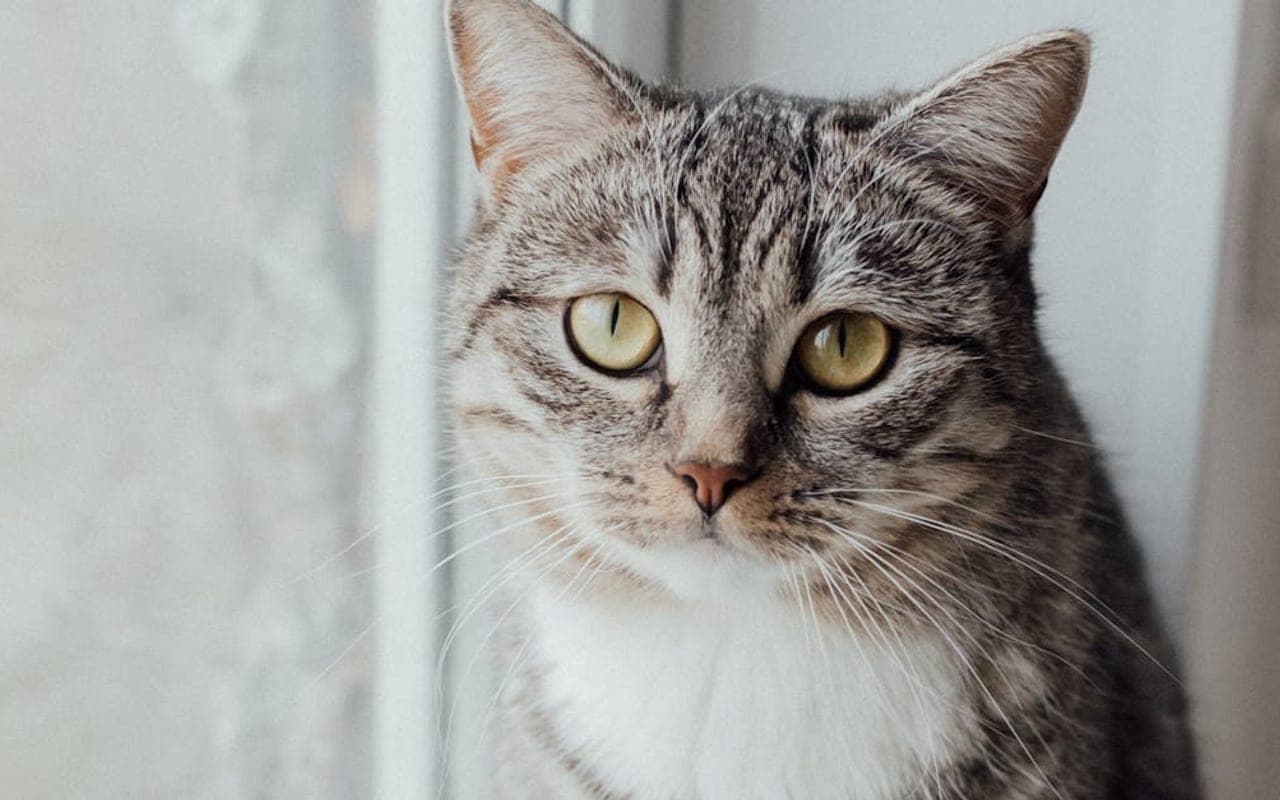
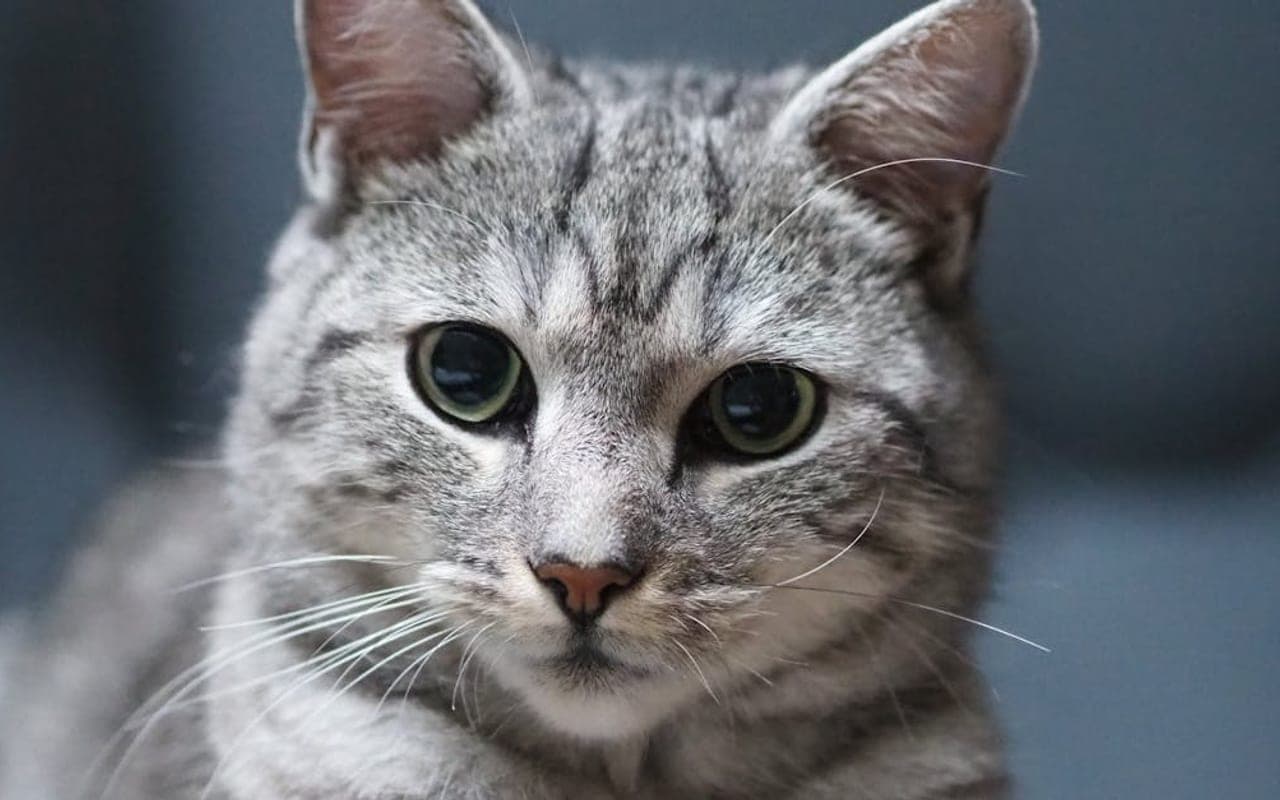
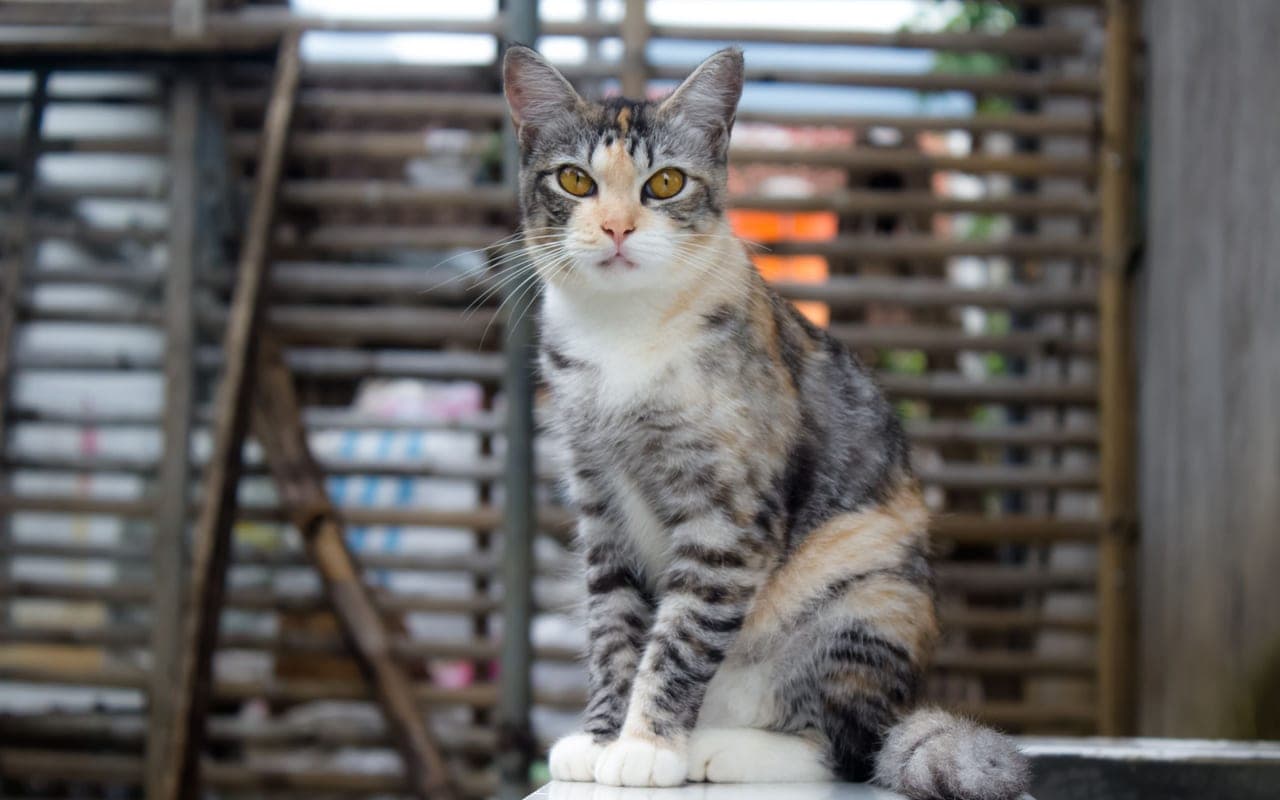
The American Wirehair is an American Shorthair with one difference: a single spontaneous gene mutation that gives every hair — including the whiskers — a springy, crimped, wire-like texture.
Size
8-13 lb
Lifespan
14-18 years
Play
15-30 minutes
Shedding
Low
Experience
Match to owner routine
Decision first
Is a American Wirehair right for you?
Start with fit before history or trivia. These are ownership signals, not guarantees about any individual cat.
Best suited for
- Households with children.
- Homes with other compatible pets.
- Apartment homes with a consistent routine.
- Owners seeking a manageable indoor routine with predictable care.
Think carefully if
- You need a cat with almost no daily routine.
- You cannot keep up with grooming and preventive care.
- The cat will spend most days without interaction or enrichment.
Conditional fit
Apartment fit depends on vertical space, litter setup, play, enrichment, and noise tolerance.
Daily reality
American Wirehair commitment snapshot
Daily play
15-30 minutes
Match play and enrichment to age, health, appetite, and household routine.
Coat care
Low
Grooming needs vary by coat, shedding, and lifestyle.
Social needs
Needs planning
Most cats still need predictable contact, enrichment, litter care, and monitoring.
Structured facts
American Wirehair at a glance
The measurements and traits that most affect day-to-day life with this breed.
Origin
United States
Group
Shorthair
Weight
8-13 lb
Height
9-12 in
Lifespan
14-18 years
Temperament
Affectionate | Curious | Gentle | Intelligent | Interactive | Lively | Loyal | Playful | Sensible | Social
View all characteristics and methodology
Lifestyle fit
- Apartment suitabilityWorks best with clean litter setup, vertical space, and daily enrichment.
- Likely fit
- Child friendliness
- Often good, with socialisation and supervision
- Other-pet fit
- Often compatible with careful introductions
- Adaptability
- Very high
Owner commitment
- Daily play
- 15-30 minutes
- Grooming
- Low
- Shedding
- Low
- Indoor enrichment
- Moderate
Behavior
- Affection
- Very high
- Energy
- Moderate
- Vocalization
- Moderate
- Social needs
- Moderate
Environment and health
- Intelligence
- Moderate
- Health risk
- Needs planning
- Weight sensitivity
- Routine monitoring
Ratings combine structured breed data, visible breed fields, and editorial context. They are planning aids, not predictions for an individual cat.
Daily life
American Wirehair temperament and behavior
The American Wirehair is an American Shorthair with one difference: a single spontaneous gene mutation that gives every hair — including the whiskers — a springy, crimped, wire-like texture. The breed traces to one kitten born to barn cats in upstate New York in 1966; every American Wirehair alive descends from that single mutation, carefully outcrossed to American Shorthairs ever since to keep the gene pool wide. Understanding that origin explains both the cat's biggest strength and its one real grooming quirk. The strength is robustness. Because breeders outcross to the sturdy, working-stock American Shorthair rather than line-breeding for the coat, the American Wirehair is one of the genuinely healthy pedigreed cats — there is no documented breed-defining hereditary disease, and an honest profile says exactly that rather than inventing one. The cat is medium-sized (8-15 lb), powerfully built, and famously easygoing: calm, tolerant, undemanding, content to bird-watch from a windowsill and adapt to almost any household, including ones with dogs and children. The quirk is the coat itself. That same wiry texture, combined with skin that can be slightly more oil-prone, means a minority of American Wirehairs are sensitive to over-bathing and can develop greasy coat or skin irritation if their natural oils are stripped. This is a management detail, not a disease — but it is the one breed-specific thing a new owner genuinely needs to know, because the instinct to bathe a "rough-coated" cat frequently is exactly wrong. Who the American Wirehair is right for: an owner who wants a sound, low-drama, affectionate cat with a distinctive coat and minimal grooming. Who it is wrong for: someone seeking a high-energy or highly interactive cat — this is a placid breed — or anyone who will over-bathe it on the assumption that a wiry coat needs scrubbing.
Affectionate | Curious | Gentle | Intelligent | Interactive | Lively | Loyal | Playful | Sensible | Social
Affectionate
A common American Wirehair temperament descriptor that should be interpreted alongside enrichment, handling, and household fit.
Curious
A common American Wirehair temperament descriptor that should be interpreted alongside enrichment, handling, and household fit.
Gentle
A common American Wirehair temperament descriptor that should be interpreted alongside enrichment, handling, and household fit.
Intelligent
A common American Wirehair temperament descriptor that should be interpreted alongside enrichment, handling, and household fit.
Owner note
Temperament labels are starting points, not guarantees. Meet the individual cat and ask about behavior history whenever possible.
Care essentials
How to care for a American Wirehair
What looking after one actually involves: play, grooming, food, litter, and routine health.
ExerciseAs needed
- Moderately active breed that enjoys regular play sessions and exploration. Provide toys and occasional interactive games.
GroomingAs needed
- Low-maintenance coat requiring weekly brushing. Occasional bathing as needed.
NutritionAs needed
- Feed a high-quality cat food appropriate for their age and activity level. Maintain fresh water at all times. Monitor weight to prevent obesity.
SocializationAs needed
- Enjoys human company and interaction. Can tolerate some alone time but prefers regular companionship.
Veterinary CareAs needed
- Annual wellness exams, vaccinations, dental checkups, and parasite prevention. Spay/neuter recommended if not breeding.
Health planning
American Wirehair health risks and screening
Every cat breed has individual health variation. Use this profile for planning and discuss medical decisions with a veterinarian.
Responsible ownership
Finding a American Wirehair responsibly
What to ask a breeder or rescue is the same conversation for every breed, so we keep it in one place and keep it current.
Health documentation, meeting the parents or foster, contracts and return support, and the warning signs worth walking away from.
Original purpose
American Wirehair history
History is useful when it explains today's behavior, coat, exercise needs, and training style.
Read the breed history
The American Wirehair began with a single kitten. In 1966, a litter of barn cats in Verona, in upstate New York, produced one kitten with a uniquely wiry, crimped coat caused by a spontaneous dominant gene mutation. A breeder recognized the mutation as new — distinct from the wire coats seen in other species and from the Cornish and Devon Rex — and built a breeding program around that one cat. From the start, breeders made a decision that shaped the breed's health: rather than line-breeding the small founder population to fix the coat, they outcrossed extensively to the American Shorthair, the sturdy working-cat breed the Wirehair most resembles. That choice preserved genetic diversity and is the direct reason the American Wirehair has no documented breed-defining hereditary disease today. The Cat Fanciers' Association recognized the breed, and it remains one of the rarer pedigreed cats — uncommon precisely because the defining gene appeared only once and the breed has been built carefully and slowly around it.
Gallery
American Wirehair photos
Images are cropped consistently and loaded progressively to keep the page responsive.
Lower-page context
American Wirehair cats in culture
Where the breed shows up in film, sport, work and folklore — the enjoyable part, once the practical questions are answered.
Fun facts
- The American Wirehair originated in United States.
- The American Wirehair is a true lap cat that loves to curl up with their owners.
- American Wirehair cats are exceptionally dog-friendly and can live harmoniously with canine companions.
American Wirehair FAQs
How long do American Wirehair cats live?
An American Wirehair typically lives about 14-18 years, which is long even by pedigreed-cat standards. That longevity reflects a genuinely robust breed with no defining inherited disease, thanks to decades of outcrossing to the sturdy American Shorthair. The practical levers on reaching the upper end are the controllable ones: keeping this placid cat lean, routine dental care, and buying from a breeder who echocardiogram-screens breeding cats for HCM.
Is the American Wirehair a healthy breed?
Yes — honestly so. Unlike many pedigreed cats it has no documented breed-defining hereditary disease, because breeders outcrossed to American Shorthairs instead of line-breeding for the coat. The real things to watch are not exotic: HCM screening (inherited via American Shorthair ancestry), obesity from its low-activity temperament, dental disease, and a minority sensitivity to over-bathing. A trustworthy profile names those rather than inventing dramatic conditions this breed does not actually have.
How much grooming does an American Wirehair need?
Less than almost any other cat, and the key is restraint. Brush gently no more than once a week — the crimped wiry hair is fragile and rough brushing damages it. Bathe only when truly necessary and with a gentle product, because frequent or harsh bathing strips skin oils and can leave the coat greasy or irritated. The most common mistake new owners make is over-grooming a coat that specifically needs to be left mostly alone.
Are American Wirehair cats good with children and dogs?
Yes, notably so. The breed is calm, tolerant and easygoing — it adapts to busy households, accepts dogs, and handles children's energy with patience rather than stress. It is not a high-strung or territorial cat. The only caveat is the flip side of that placid nature: it will not exercise itself, so families should build in daily play to prevent the weight gain this temperament otherwise invites.
Why is the American Wirehair so rare and what does that mean for buyers?
The defining wiry-coat mutation appeared exactly once, in one barn kitten in New York in 1966, and every American Wirehair descends from that single cat. Breeders deliberately kept numbers controlled and outcrossed to American Shorthairs to protect genetic diversity. For a buyer this is reassuring rather than alarming: it is the reason the breed is healthy. Expect a limited number of breeders and waiting lists, and ask about HCM echocardiogram screening of the parents.
Does the wiry coat cause skin problems?
Usually no — but a minority of American Wirehairs have slightly oil-prone skin paired with that fragile coat, and they can develop greasiness or irritation if over-bathed or brushed harshly. This is a grooming-management issue, not a primary disease. If the coat turns greasy, flaky or itchy, the first response is to bathe and brush less, not more, and to see a vet to rule out other causes rather than assuming a breed-wide skin condition that does not exist.
Sources
These are the published sources this page draws on. Each opens in a new tab so you can check it yourself.
Cat Fanciers' Association
American Wirehair — breed standard and profile(opens in a new tab)Supports: Breed standard and recognition details.
Similar breeds to consider
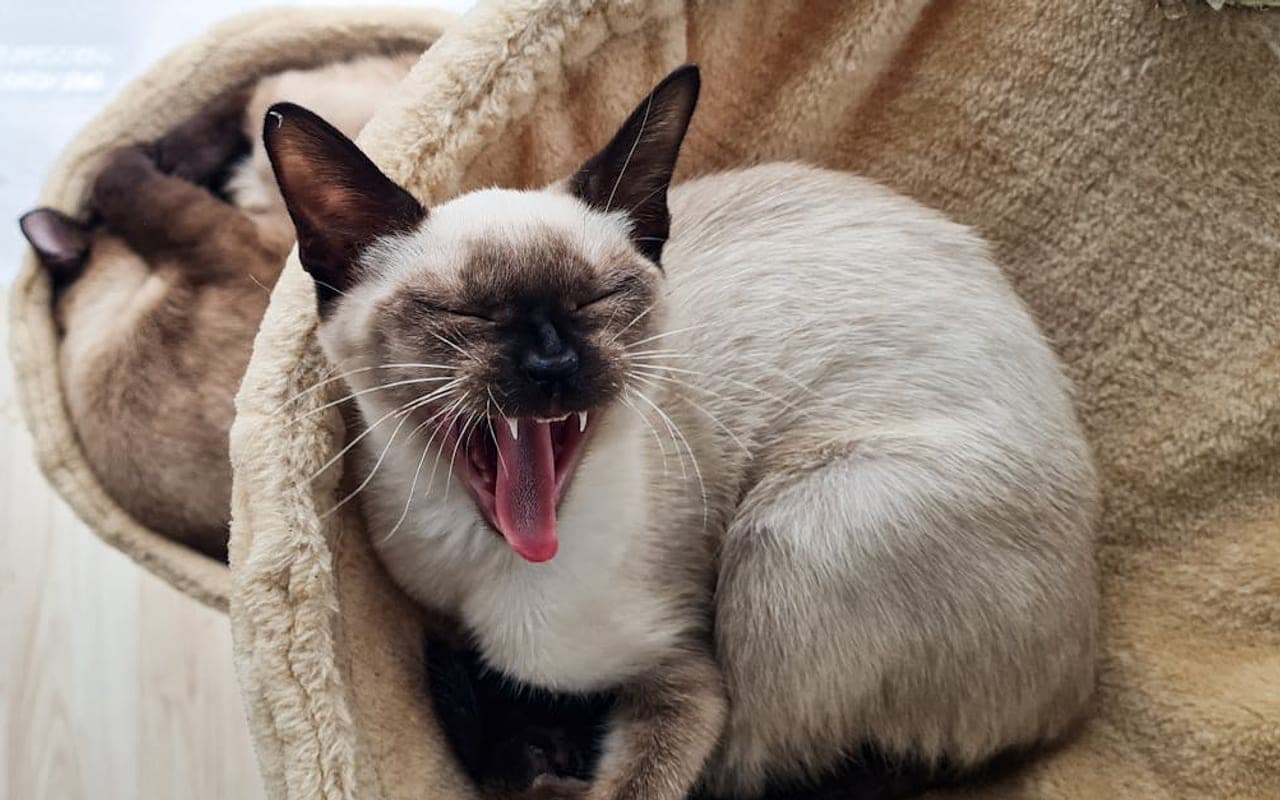
Siamese
Also in the Shorthair group, with different care and temperament tradeoffs.
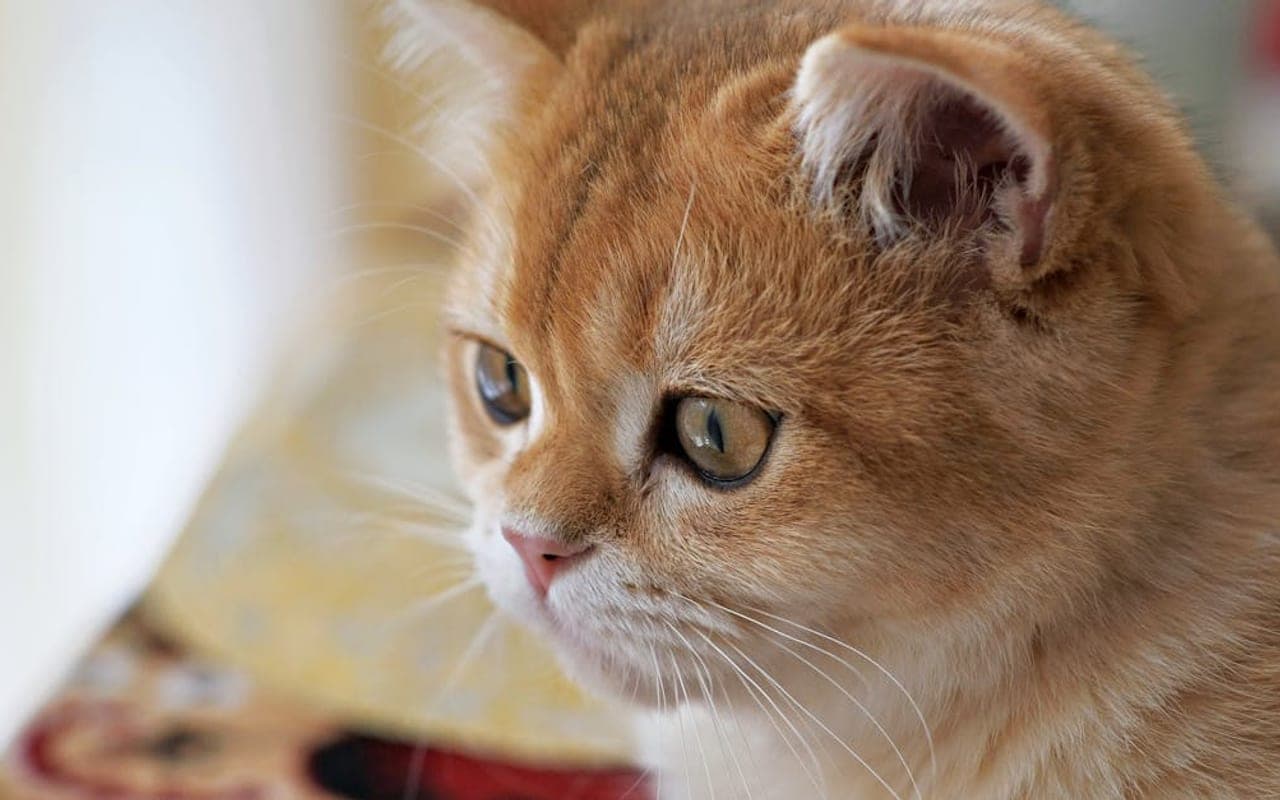
British Shorthair
Also in the Shorthair group, with different care and temperament tradeoffs.
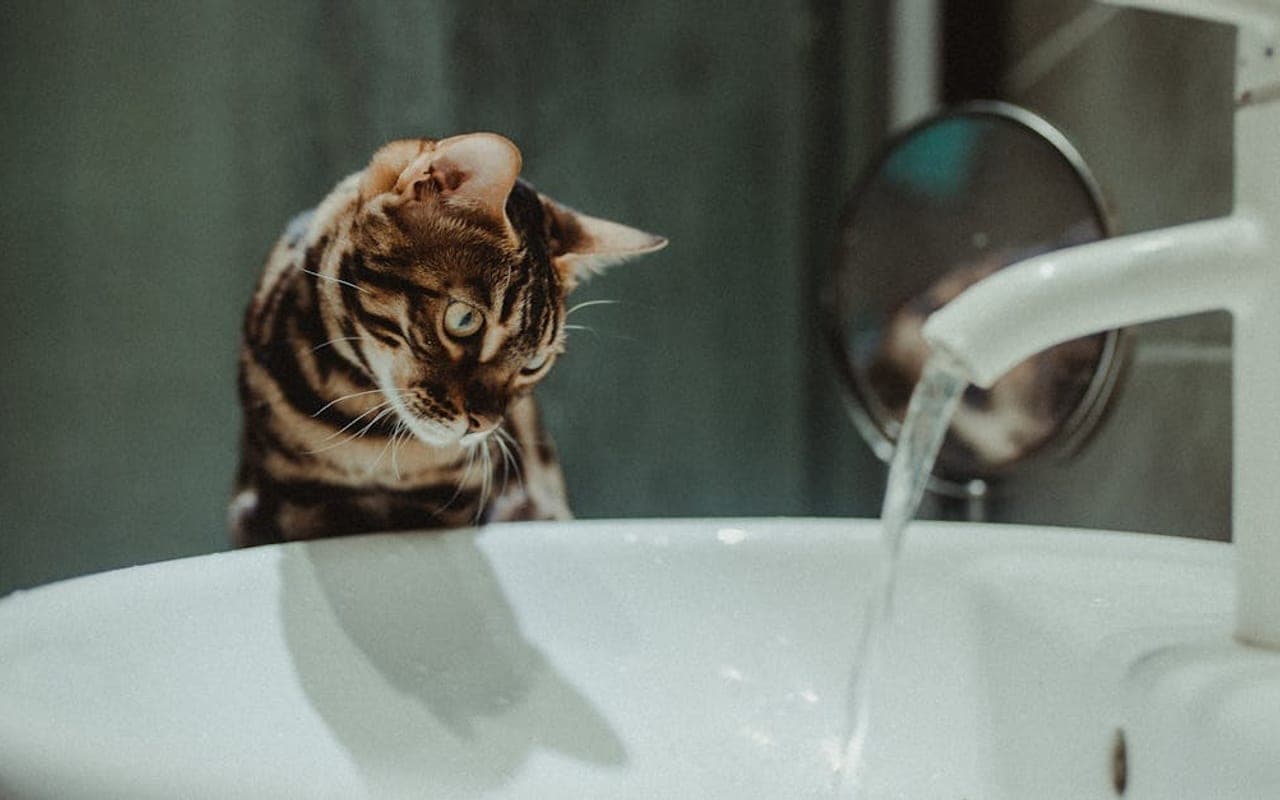
Bengal
Also in the Shorthair group, with different care and temperament tradeoffs.
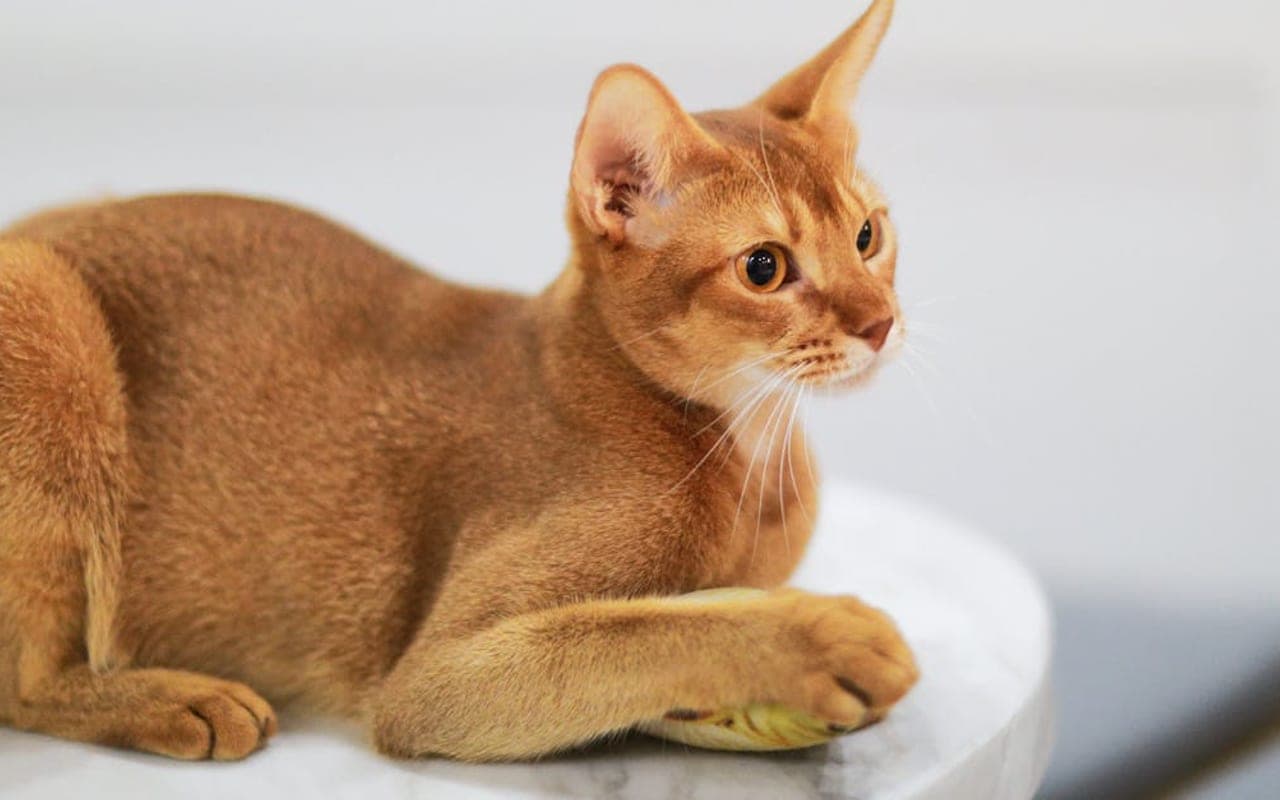
Abyssinian
Also in the Shorthair group, with different care and temperament tradeoffs.
Explore More About American Wirehair
Dive deeper into everything American Wirehair — costs, care, and expert insights.
Considering a dog instead?
Browse Dogs