
Longhair group
Balinese
The Balinese is a longhaired Siamese — and that is the single most useful sentence anyone can give a prospective owner, because it explains both the personality and the health profile.
Size
6-11 lb
Lifespan
10-15 years
Play
30-60 minutes
Shedding
Moderate
Experience
Match to owner routine
Decision first
Is a Balinese right for you?
Start with fit before history or trivia. These are ownership signals, not guarantees about any individual cat.
Best suited for
- Households with children.
- Homes with other compatible pets.
- Apartment homes with a consistent routine.
- Owners who can provide daily play, climbing space, and enrichment.
Think carefully if
- You cannot provide daily play, climbing space, or mental enrichment.
- You cannot keep up with grooming and preventive care.
- The cat will spend most days without interaction or enrichment.
Conditional fit
Apartment fit depends on vertical space, litter setup, play, enrichment, and noise tolerance.
Daily reality
Balinese commitment snapshot
Daily play
30-60 minutes
Match play and enrichment to age, health, appetite, and household routine.
Coat care
Moderate
Grooming needs vary by coat, shedding, and lifestyle.
Social needs
Needs planning
Most cats still need predictable contact, enrichment, litter care, and monitoring.
Structured facts
Balinese at a glance
The measurements and traits that most affect day-to-day life with this breed.
Origin
United States
Group
Longhair
Weight
6-11 lb
Height
9-12 in
Lifespan
10-15 years
Temperament
Affectionate | Intelligent | Playful
View all characteristics and methodology
Lifestyle fit
- Apartment suitabilityWorks best with clean litter setup, vertical space, and daily enrichment.
- Likely fit
- Child friendliness
- Often good, with socialisation and supervision
- Other-pet fit
- Often compatible with careful introductions
- Adaptability
- Very high
Owner commitment
- Daily play
- 30-60 minutes
- Grooming
- Moderate
- Shedding
- Moderate
- Indoor enrichment
- High
Behavior
- Affection
- Very high
- Energy
- Very high
- Vocalization
- Very high
- Social needs
- Very high
Environment and health
- Intelligence
- Very high
- Health risk
- Needs planning
- Weight sensitivity
- Routine monitoring
Ratings combine structured breed data, visible breed fields, and editorial context. They are planning aids, not predictions for an individual cat.
Daily life
Balinese temperament and behavior
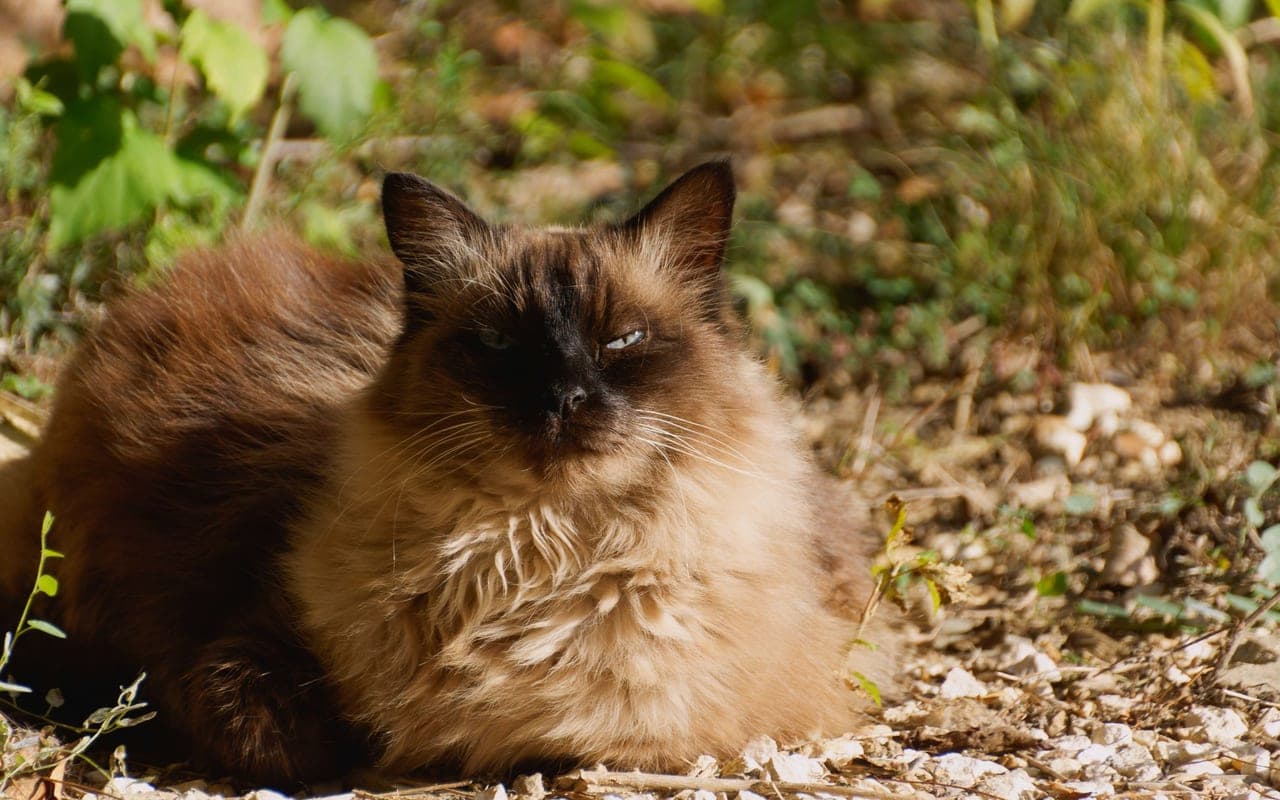
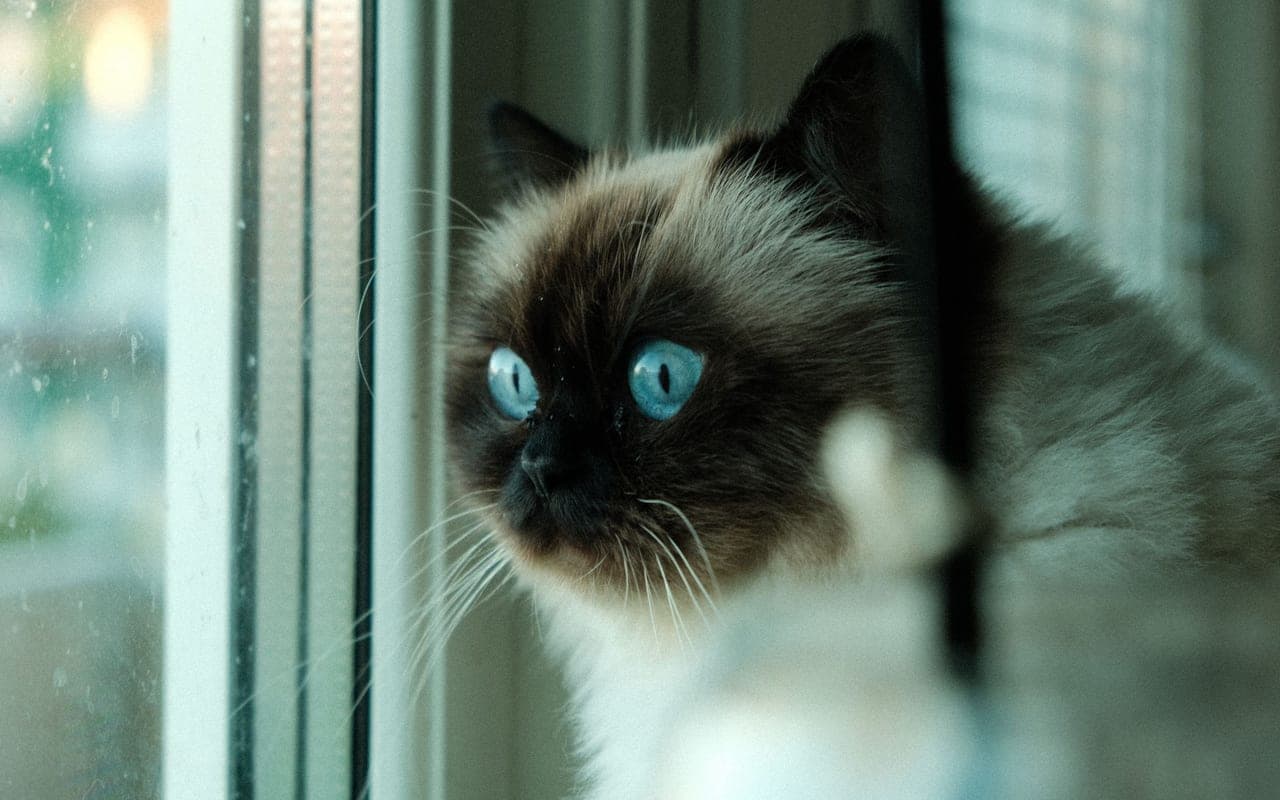
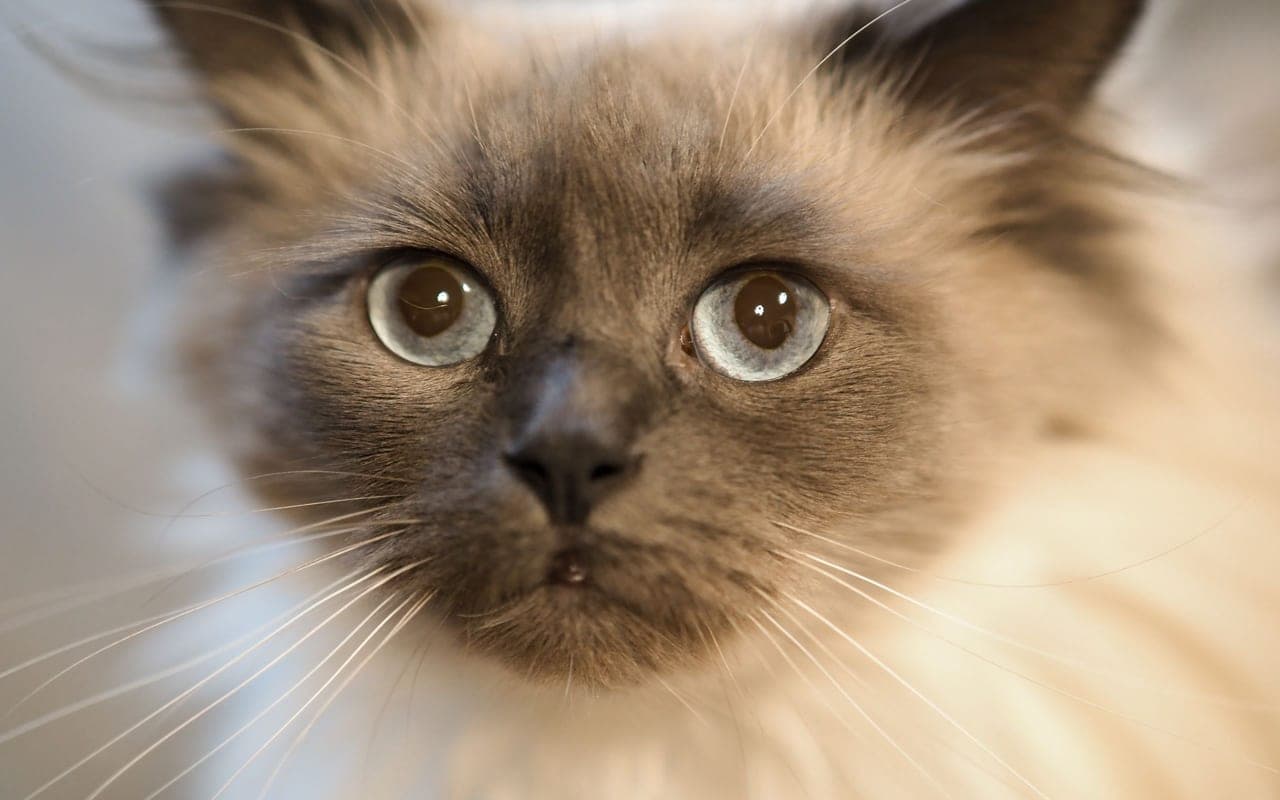
The Balinese is a longhaired Siamese — and that is the single most useful sentence anyone can give a prospective owner, because it explains both the personality and the health profile. The breed arose from naturally occurring longhaired kittens in Siamese litters; it shares the Siamese body type, the pointed coloration, the piercing blue eyes, and crucially the Siamese genetic background. Anything true of Siamese health is the starting point for Balinese health, and the smart owner researches accordingly. Personality is the headline draw. The Balinese is intensely social, vocal, intelligent and demanding of interaction. This is not a decorative cat that tolerates you — it follows you room to room, comments on everything in a loud Siamese voice, learns games and tricks, and bonds with an intensity that crosses into genuine separation distress when left alone too long. Owners who want a quiet, independent cat will be overwhelmed; owners who want a near-canine companion will be delighted. There is no middle setting on this breed. The coat is deceptively easy. Despite being "longhaired," the Balinese has a single coat with no dense undercoat, so it mats far less than most longhaired breeds and needs only modest brushing. The real owner workload is emotional and medical, not grooming. The honest health story is that the Balinese carries a real, named set of hereditary risks from its Siamese line — progressive retinal atrophy, hepatic amyloidosis, a higher rate of feline asthma, and the well-known crossed eyes and tail kinks. These are documented and specific, not vague. They are manageable with informed ownership and a screening breeder, but they are not nothing, and a trustworthy profile names them rather than calling the breed "generally healthy." Who the Balinese is right for: someone home often, wanting a talkative, interactive, intelligent companion and prepared for Siamese-line health monitoring. Who it is wrong for: anyone seeking a low-interaction, low-noise, leave-alone cat.
Affectionate | Intelligent | Playful
Affectionate
A common Balinese temperament descriptor that should be interpreted alongside enrichment, handling, and household fit.
Intelligent
A common Balinese temperament descriptor that should be interpreted alongside enrichment, handling, and household fit.
Playful
A common Balinese temperament descriptor that should be interpreted alongside enrichment, handling, and household fit.
Owner note
Temperament labels are starting points, not guarantees. Meet the individual cat and ask about behavior history whenever possible.
Care essentials
How to care for a Balinese
What looking after one actually involves: play, grooming, food, litter, and routine health.
ExerciseAs needed
- Active and playful breed requiring daily interactive play sessions with toys, climbing structures, and mental stimulation.
GroomingAs needed
- Brush 2-3 times per week to maintain coat health and reduce shedding. Monthly bathing may be beneficial.
NutritionAs needed
- Feed a high-quality cat food appropriate for their age and activity level. Maintain fresh water at all times. Monitor weight to prevent obesity.
SocializationAs needed
- Highly social breed that thrives on companionship. Does not do well left alone for extended periods. Consider a companion pet.
Veterinary CareAs needed
- Annual wellness exams, vaccinations, dental checkups, and parasite prevention. Spay/neuter recommended if not breeding.
Health planning
Balinese health risks and screening
Every cat breed has individual health variation. Use this profile for planning and discuss medical decisions with a veterinarian.
Responsible ownership
Finding a Balinese responsibly
What to ask a breeder or rescue is the same conversation for every breed, so we keep it in one place and keep it current.
Health documentation, meeting the parents or foster, contracts and return support, and the warning signs worth walking away from.
Original purpose
Balinese history
History is useful when it explains today's behavior, coat, exercise needs, and training style.
Read the breed history
The Balinese is a natural longhaired variant of the Siamese. From the early 20th century, occasional longhaired kittens appeared in purebred Siamese litters — likely a recessive longhair gene already present in the Siamese gene pool. For decades these were considered flawed Siamese and not bred deliberately. From the mid-20th century, American breeders chose to develop the longhaired kittens as a distinct breed, naming it "Balinese" for the graceful movement that evoked Balinese dancers — the name is purely evocative; the breed has no connection to Indonesia. Because it was built directly from Siamese stock rather than outcrossed widely, the Balinese inherited the Siamese temperament wholesale — the vocal, social, intelligent, people-fixated character — and, just as importantly, the Siamese hereditary health background. That shared lineage is the reason its health profile mirrors the Siamese: it is not a coincidence but a direct consequence of how the breed was founded. The Balinese is recognized by major registries and remains closely linked to the Siamese in both standard and genetics.
Gallery
Balinese photos
Images are cropped consistently and loaded progressively to keep the page responsive.
Lower-page context
Balinese cats in culture
Where the breed shows up in film, sport, work and folklore — the enjoyable part, once the practical questions are answered.
Fun facts
- The Balinese originated in United States.
- Balinese cats are considered one of the most intelligent cat breeds.
- Balinese cats are known for being very vocal and communicative with their owners.
- The Balinese is one of the most energetic and playful cat breeds.
- The Balinese is considered a hypoallergenic breed, producing fewer allergens than most cats.
Balinese FAQs
How long do Balinese cats live?
A Balinese typically lives about 10-15 years. That range is wider than for many breeds precisely because outcomes depend heavily on hereditary risks: a cat from PRA-screened lines that avoids serious amyloidosis can reach the top of the range, while those conditions can shorten it. The practical levers are buying from a breeder who genetically screens for progressive retinal atrophy, keeping the cat lean, and acting fast on respiratory or liver symptoms rather than waiting.
Is the Balinese a healthy breed?
It is moderately healthy with a specific, named set of inherited risks rather than being "generally healthy." Because it is a longhaired Siamese, it carries the Siamese health background: progressive retinal atrophy is the most common concern, plus hepatic amyloidosis, an elevated asthma rate, and the characteristic crossed eyes and tail kinks. None of these is a reason to avoid the breed, but an honest profile names them so owners can screen and monitor rather than be surprised.
Are Balinese cats high-maintenance?
Emotionally yes, in grooming no. The single coat has no undercoat and mats little, needing only a gentle brush once or twice a week. The real demand is attention: the Balinese is intensely social and vocal and develops genuine separation distress if left alone for long stretches. The maintenance burden is companionship and health monitoring, not coat care — owners who expect the reverse tend to under-prepare for the part that actually matters.
Do Balinese cats really need that much attention?
Yes, and underestimating this is the most common owner mistake. The breed bonds with near-canine intensity and is highly vocal and interactive; chronic isolation produces over-grooming, constant yowling and stress behaviors. If the home is empty for 10 or more hours most days, plan on a second cat for companionship or choose a more independent breed. This is a temperament requirement, not a preference you can train away.
What is hepatic amyloidosis and why does it matter for this breed?
Hepatic amyloidosis is the abnormal buildup of an amyloid protein in the liver, documented in Asian-derived breeds including the Balinese. It typically affects cats between about 8 months and 7 years and can impair liver function or, in severe cases, cause liver rupture. Outcomes depend heavily on early detection, so appetite loss, lethargy or jaundice in a young or middle-aged Balinese is a prompt-vet situation — this is a breed-specific reason not to adopt a wait-and-see approach to those signs.
Why is the Balinese basically a Siamese?
Because it literally descends from Siamese. The breed was created from naturally occurring longhaired kittens within purebred Siamese litters, then developed without wide outcrossing. As a result it inherited the Siamese temperament — vocal, social, intelligent, people-fixated — and the Siamese hereditary health background, including progressive retinal atrophy and amyloidosis risk. For a buyer this is the most useful framing: research Siamese health and personality, because the Balinese shares both by direct descent.
Sources
These are the published sources this page draws on. Each opens in a new tab so you can check it yourself.
Cat Fanciers' Association
Balinese — breed standard and profile(opens in a new tab)Supports: Breed standard and recognition details.
Similar breeds to consider
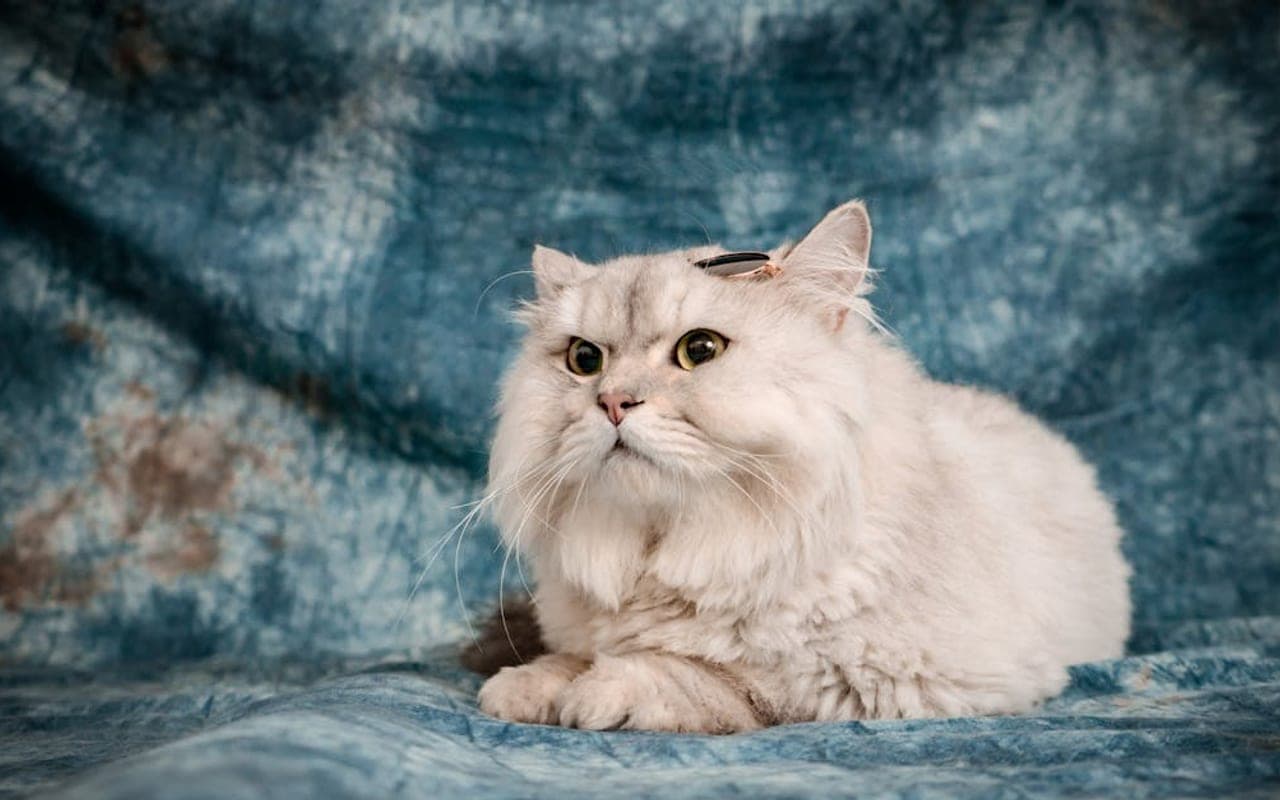
Persian
Also in the Longhair group, with different care and temperament tradeoffs.
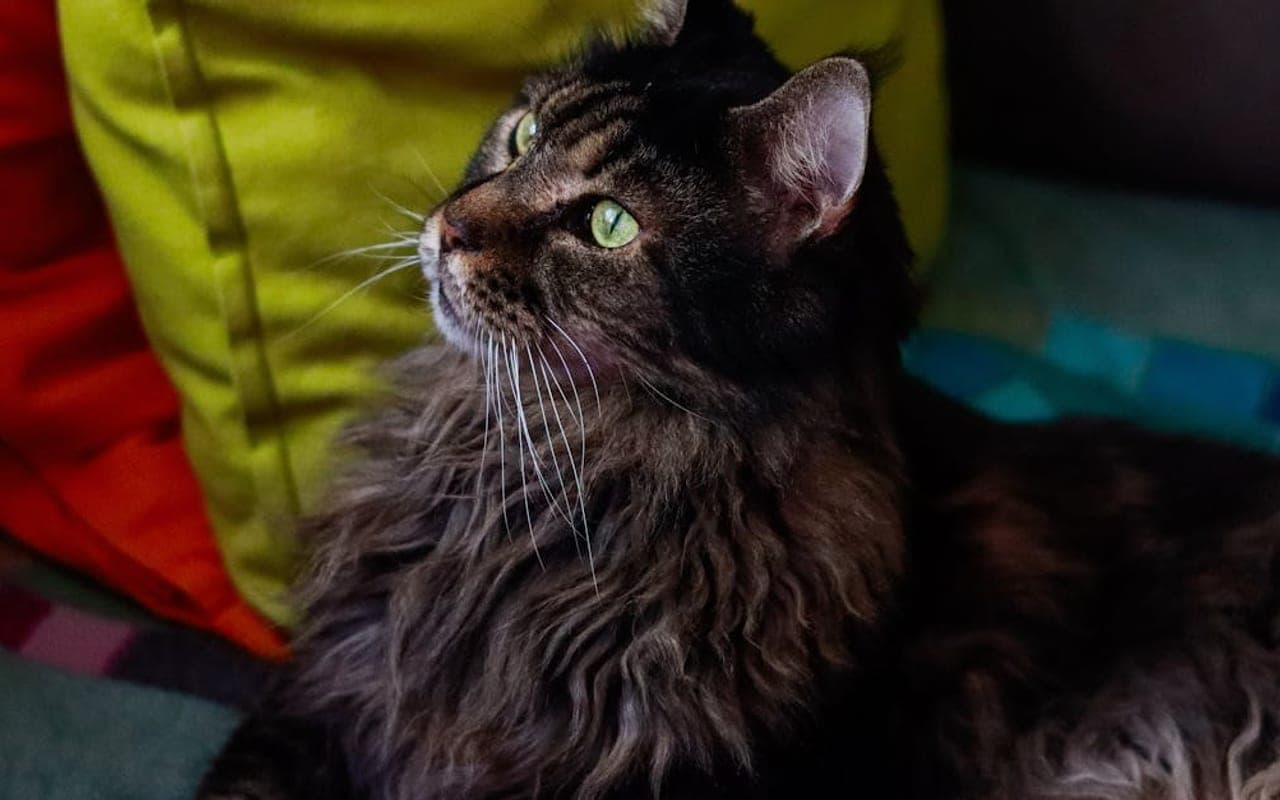
Maine Coon
Also in the Longhair group, with different care and temperament tradeoffs.
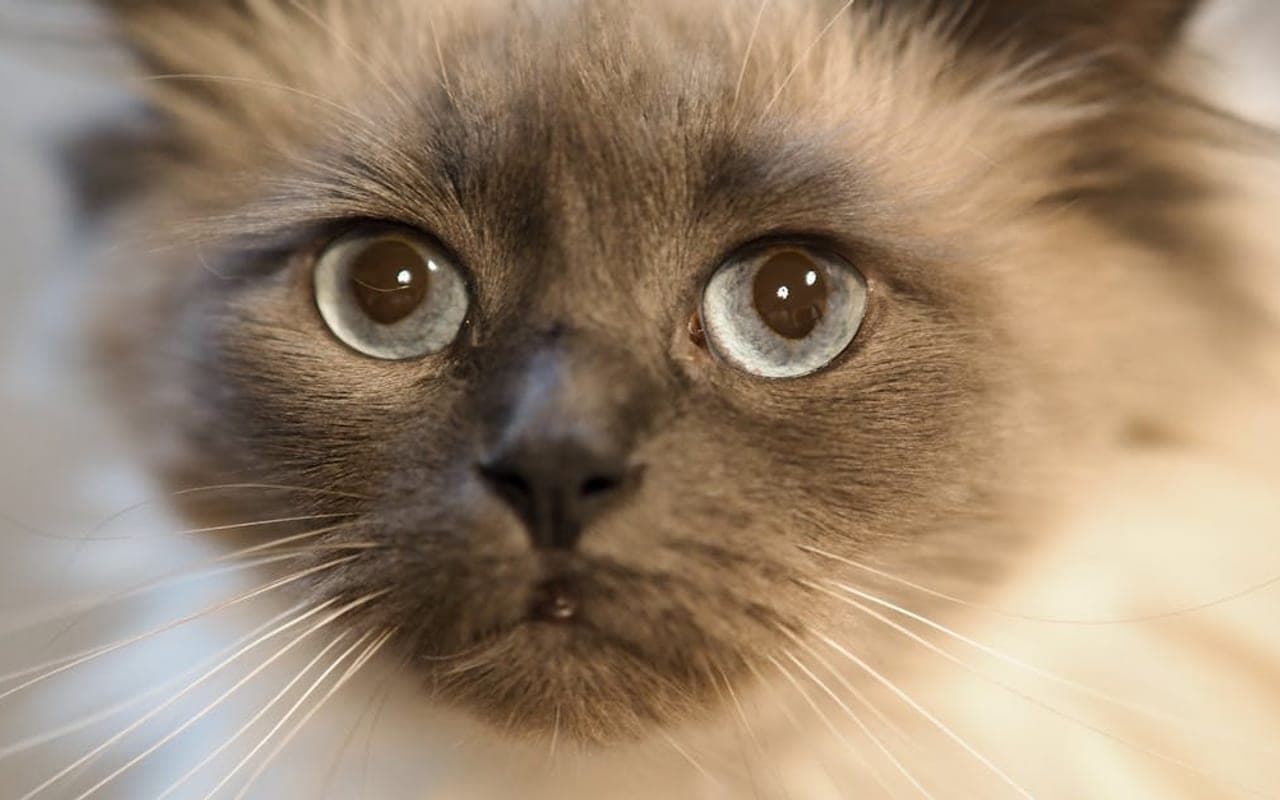
Ragdoll
Also in the Longhair group, with different care and temperament tradeoffs.
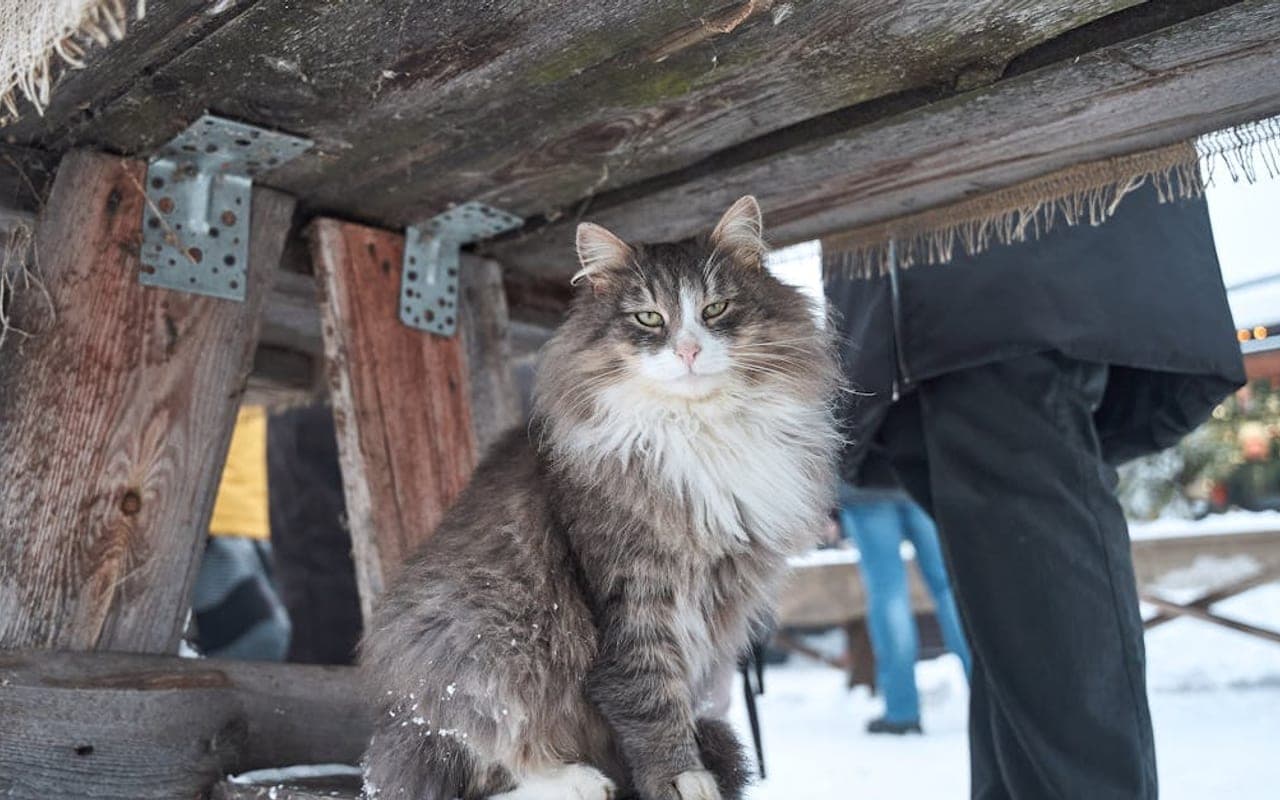
Norwegian Forest Cat
Also in the Longhair group, with different care and temperament tradeoffs.
Explore More About Balinese
Dive deeper into everything Balinese — costs, care, and expert insights.
Considering a dog instead?
Browse Dogs