
Hairless group
Bambino
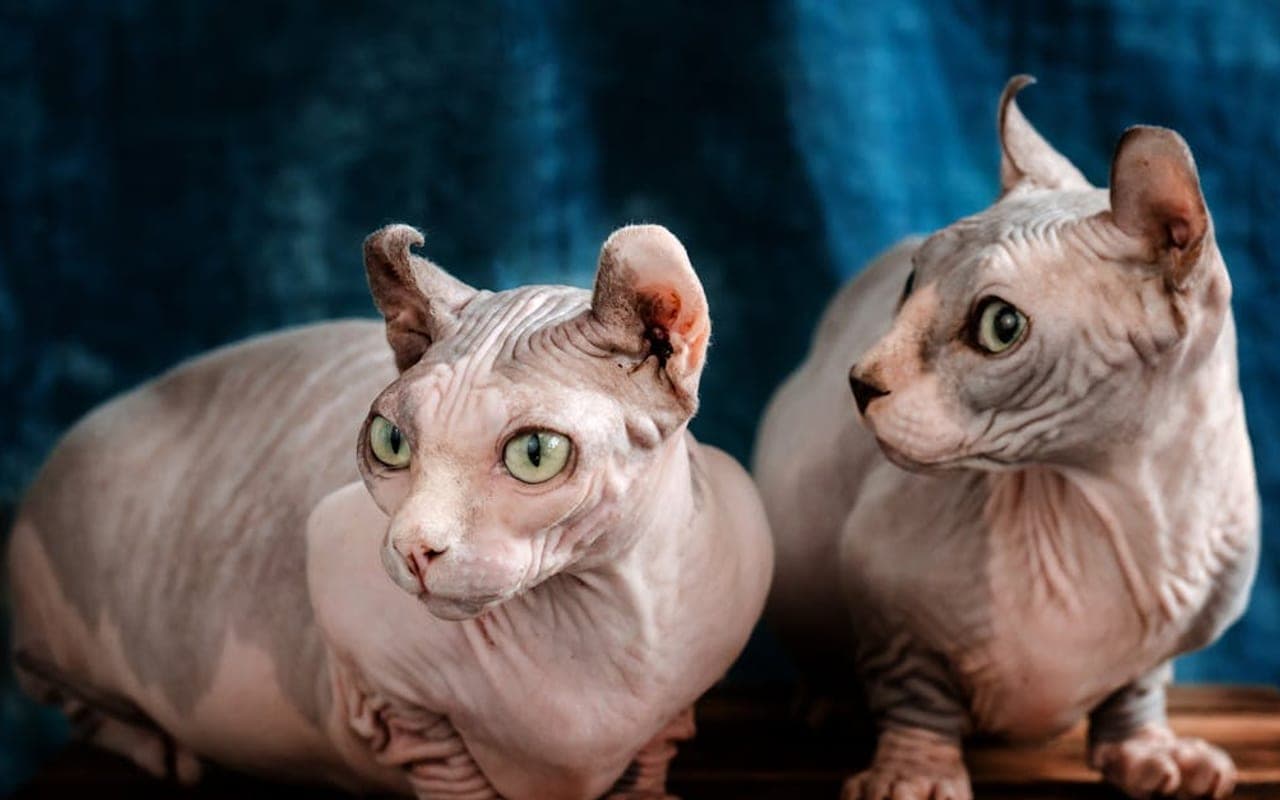
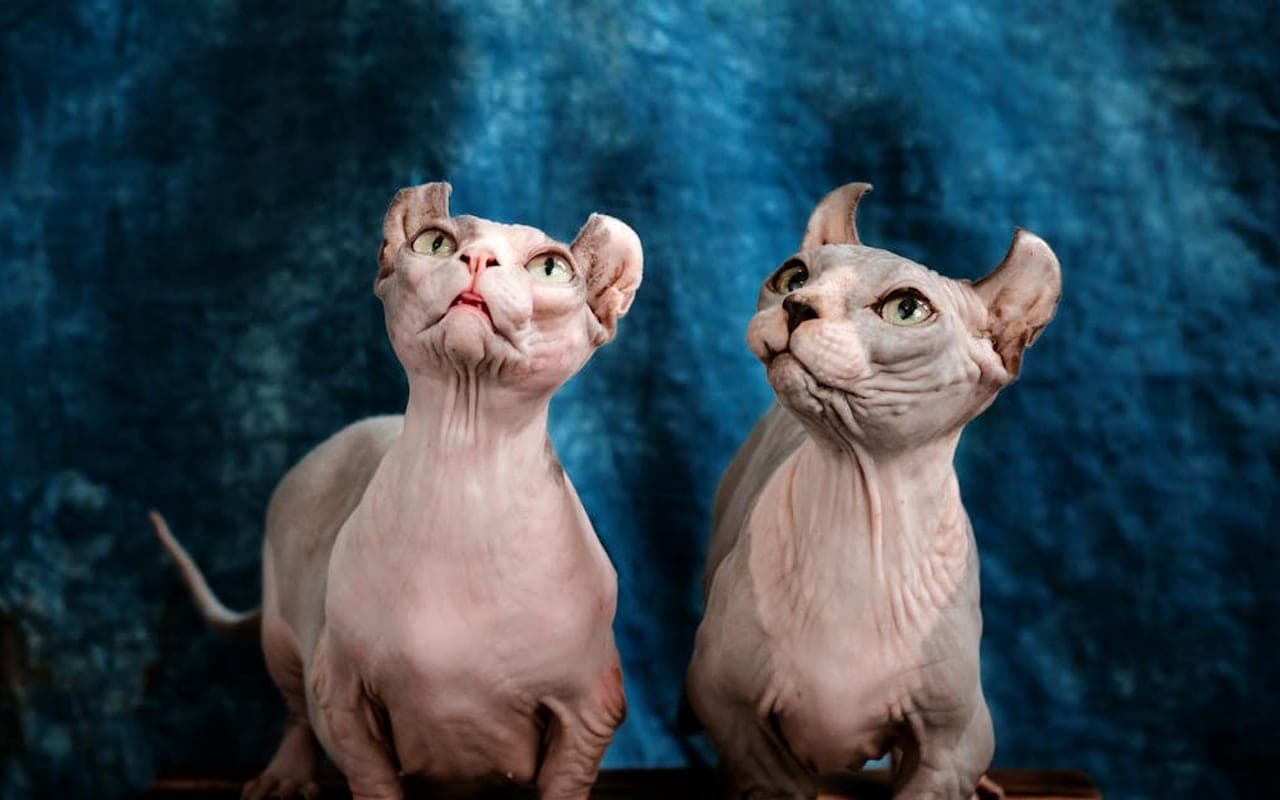
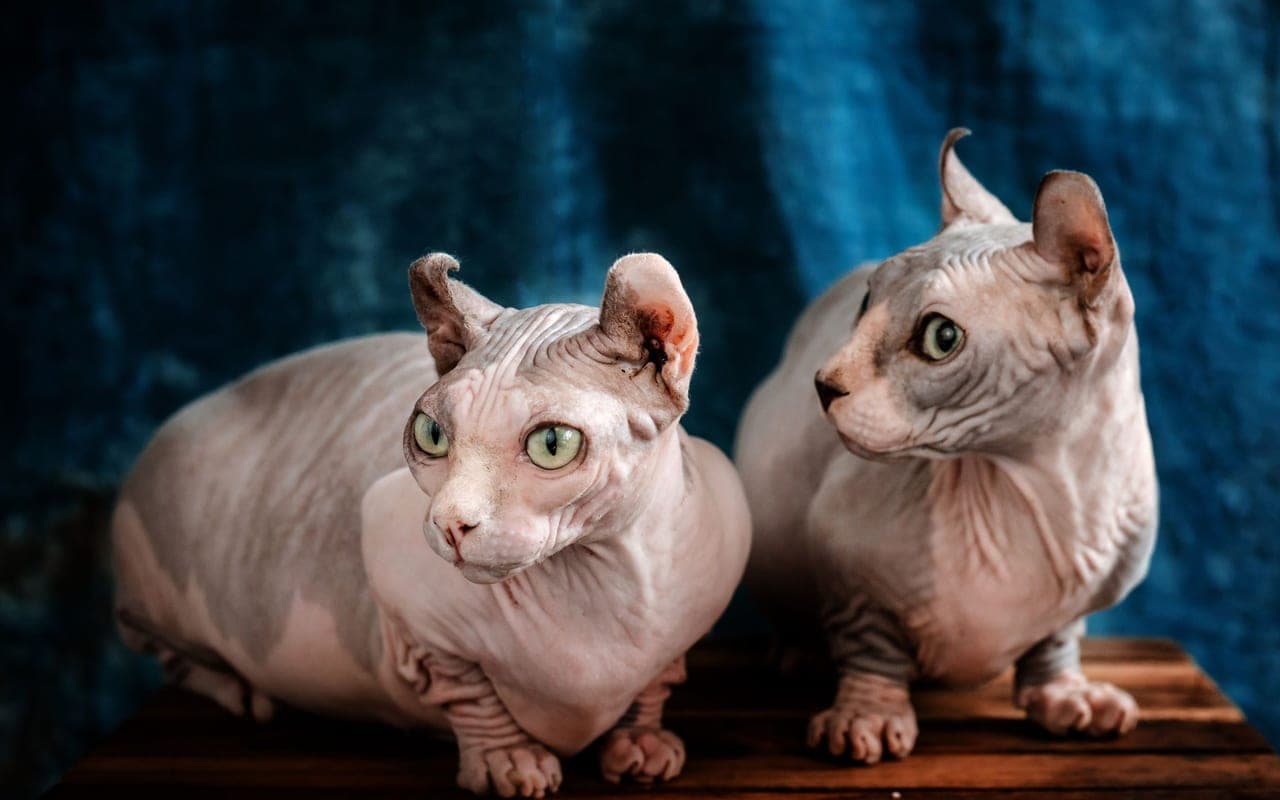
The Bambino is a deliberate cross of two mutation breeds: the hairless Sphynx and the short-legged Munchkin.
Size
4-9 lb
Lifespan
12-14 years
Play
30-60 minutes
Shedding
Low
Experience
Match to owner routine
Decision first
Is a Bambino right for you?
Start with fit before history or trivia. These are ownership signals, not guarantees about any individual cat.
Best suited for
- Households with children.
- Homes with other compatible pets.
- Apartment homes with a consistent routine.
- Owners who can provide daily play, climbing space, and enrichment.
Think carefully if
- You cannot provide daily play, climbing space, or mental enrichment.
- You cannot keep up with grooming and preventive care.
- The cat will spend most days without interaction or enrichment.
Conditional fit
Apartment fit depends on vertical space, litter setup, play, enrichment, and noise tolerance.
Daily reality
Bambino commitment snapshot
Daily play
30-60 minutes
Match play and enrichment to age, health, appetite, and household routine.
Coat care
Low
Grooming needs vary by coat, shedding, and lifestyle.
Social needs
Needs planning
Most cats still need predictable contact, enrichment, litter care, and monitoring.
Structured facts
Bambino at a glance
The measurements and traits that most affect day-to-day life with this breed.
Origin
United States
Group
Hairless
Weight
4-9 lb
Height
5-7 in
Lifespan
12-14 years
Temperament
Affectionate | Lively | Friendly | Intelligent
View all characteristics and methodology
Lifestyle fit
- Apartment suitabilityWorks best with clean litter setup, vertical space, and daily enrichment.
- Likely fit
- Child friendliness
- Often good, with socialisation and supervision
- Other-pet fit
- Often compatible with careful introductions
- Adaptability
- Very high
Owner commitment
- Daily play
- 30-60 minutes
- Grooming
- Low
- Shedding
- Low
- Indoor enrichment
- High
Behavior
- Affection
- Very high
- Energy
- Very high
- Vocalization
- Moderate
- Social needs
- Moderate
Environment and health
- Intelligence
- Very high
- Health risk
- Needs planning
- Weight sensitivity
- Routine monitoring
Ratings combine structured breed data, visible breed fields, and editorial context. They are planning aids, not predictions for an individual cat.
Daily life
Bambino temperament and behavior
The Bambino is a deliberate cross of two mutation breeds: the hairless Sphynx and the short-legged Munchkin. The result is a small (roughly 2-4 kg), nearly hairless cat with very short legs and the Sphynx's large upright ears — and any honest profile has to lead with the fact that you are stacking two genetic traits, each with its own care burden, in one cat. This is not a designer-cat warning for its own sake; it directly shapes daily life and lifetime cost. The coat is the first reality. A Bambino is not 'low-grooming' because it has no fur — it is the opposite. With no hair to wick away skin oils, it accumulates a waxy film that, left alone, causes acne, blackheads, and yeast or bacterial skin infections, particularly in the deep folds. It needs routine bathing, not occasional brushing. The legs are the second reality. The Munchkin's short-leg mutation is the same trait that elevates risk of lordosis (an inward curve of the lower spine) and pectus excavatum (a sunken sternum). It also means a Bambino cannot do everything a typical cat does — high jumps and some climbing are limited, which changes how you set up the home. Temperament is the easy part: Bambinos are affectionate, lively, intelligent, dog-like, and people-seeking — they want to be on you, partly for warmth. Who the Bambino is right for: an owner who genuinely wants a high-touch indoor cat, will commit to a weekly bath-and-skin routine, will keep the home warm, and accepts a higher-than-average vet engagement. Who it is wrong for: anyone expecting a hands-off cat, anyone unwilling to bathe a cat regularly, or anyone uncomfortable with the documented ethical and health debate around stacking two structural mutations.
Affectionate | Lively | Friendly | Intelligent
Affectionate
A common Bambino temperament descriptor that should be interpreted alongside enrichment, handling, and household fit.
Lively
A common Bambino temperament descriptor that should be interpreted alongside enrichment, handling, and household fit.
Friendly
A common Bambino temperament descriptor that should be interpreted alongside enrichment, handling, and household fit.
Intelligent
A common Bambino temperament descriptor that should be interpreted alongside enrichment, handling, and household fit.
Owner note
Temperament labels are starting points, not guarantees. Meet the individual cat and ask about behavior history whenever possible.
Care essentials
How to care for a Bambino
What looking after one actually involves: play, grooming, food, litter, and routine health.
ExerciseAs needed
- Active and playful breed requiring daily interactive play sessions with toys, climbing structures, and mental stimulation.
GroomingAs needed
- Low-maintenance coat requiring weekly brushing. Occasional bathing as needed.
NutritionAs needed
- Feed a high-quality cat food appropriate for their age and activity level. Maintain fresh water at all times. Monitor weight to prevent obesity.
SocializationAs needed
- Enjoys human company and interaction. Can tolerate some alone time but prefers regular companionship.
Veterinary CareAs needed
- Annual wellness exams, vaccinations, dental checkups, and parasite prevention. Spay/neuter recommended if not breeding.
Health planning
Bambino health risks and screening
Every cat breed has individual health variation. Use this profile for planning and discuss medical decisions with a veterinarian.
Responsible ownership
Finding a Bambino responsibly
What to ask a breeder or rescue is the same conversation for every breed, so we keep it in one place and keep it current.
Health documentation, meeting the parents or foster, contracts and return support, and the warning signs worth walking away from.
Original purpose
Bambino history
History is useful when it explains today's behavior, coat, exercise needs, and training style.
Read the breed history
The Bambino is a recent American creation. It was developed in the United States in the early 2000s by crossing the Sphynx (a hairless breed arising from a natural mutation in Canada in the 1960s) with the Munchkin (a short-legged breed whose defining mutation was popularised in the 1990s). The breed was first recorded with The International Cat Association as an experimental breed in 2005; TICA's experimental record is time-limited and publishes no per-breed standard, and the Bambino has not advanced to Registration Only, so it holds no current championship standing; its name means 'baby' in Italian, referencing its small size and short legs. The Bambino remains rare and is not universally recognised, and it sits at the centre of an ongoing welfare debate: critics argue that deliberately combining two structural mutations — hairlessness and dwarfism — compounds health and care burdens, while breeders emphasise temperament and companion qualities. A buyer should understand that debate is part of the breed's documented history, not an external opinion, and should seek breeders who screen parent cats (especially Sphynx lines) for hereditary heart disease.
Gallery
Bambino photos
Images are cropped consistently and loaded progressively to keep the page responsive.
Lower-page context
Bambino cats in culture
Where the breed shows up in film, sport, work and folklore — the enjoyable part, once the practical questions are answered.
Fun facts
- The Bambino originated in United States.
- Bambino cats are considered one of the most intelligent cat breeds.
- The Bambino is one of the most energetic and playful cat breeds.
- Despite being hairless, the Bambino still requires regular bathing to remove skin oils.
- The Bambino is a true lap cat that loves to curl up with their owners.
Bambino FAQs
How long do Bambino cats live?
A Bambino typically lives 12-14 years, but lifespan here is unusually dependent on the genetic luck of two stacked mutations. A cat from HCM-screened Sphynx lines, with no significant lordosis or pectus excavatum, and kept warm and lean, can live a full life. One affected by inherited heart disease or significant structural defects has a shorter, more medically intensive one — which is why parent screening matters more in this breed than in most.
Are Bambino cats good with children?
Temperamentally yes — Bambinos are affectionate, playful, dog-like, and enjoy attention. The real caveat is fragility, not friendliness: the short legs, vulnerable spine, and hairless unprotected skin mean rough handling, drops, or being squeezed carry more consequence than with a sturdier cat. Supervise young children closely, teach them to support the body and never lift by the limbs or middle, and keep nails and skin from being scratched.
How much grooming does a Bambino need?
More than almost any other cat, despite having no fur. Plan on a gentle bath roughly every 1-2 weeks to clear the oily film that builds up without a coat, plus a few weekly wipe-downs of skin folds and ears, which trap wax and develop infections. 'Hairless equals low grooming' is the single most common and costly misconception about this breed — the time you save not brushing is spent bathing instead.
Are Bambino cats good for apartments?
Yes, with caveats — they are small, indoor-only by necessity (no coat, no sun tolerance), and people-oriented, which suits apartment life. But set the home up for short legs and a vulnerable spine: ramps and low stepped perches rather than tall jumps, warm draught-free resting spots, and no window-sill sunbathing. The apartment works well; an unmodified apartment built around a typical jumping cat does not.
How much does a Bambino cat cost?
Expect roughly $1,500-$3,000+ for a kitten from a registered breeder, reflecting the breed's rarity and the cost of screening two mutation lines. The hidden cost is the one that dominates lifetime budget: routine skin and bathing supplies, plus a realistically higher vet engagement for skin infections, and the potential for HCM management or structural surgery (pectus correction can run into the thousands). Buying from HCM-screened parents is the cheapest risk reduction available.
Similar breeds to consider
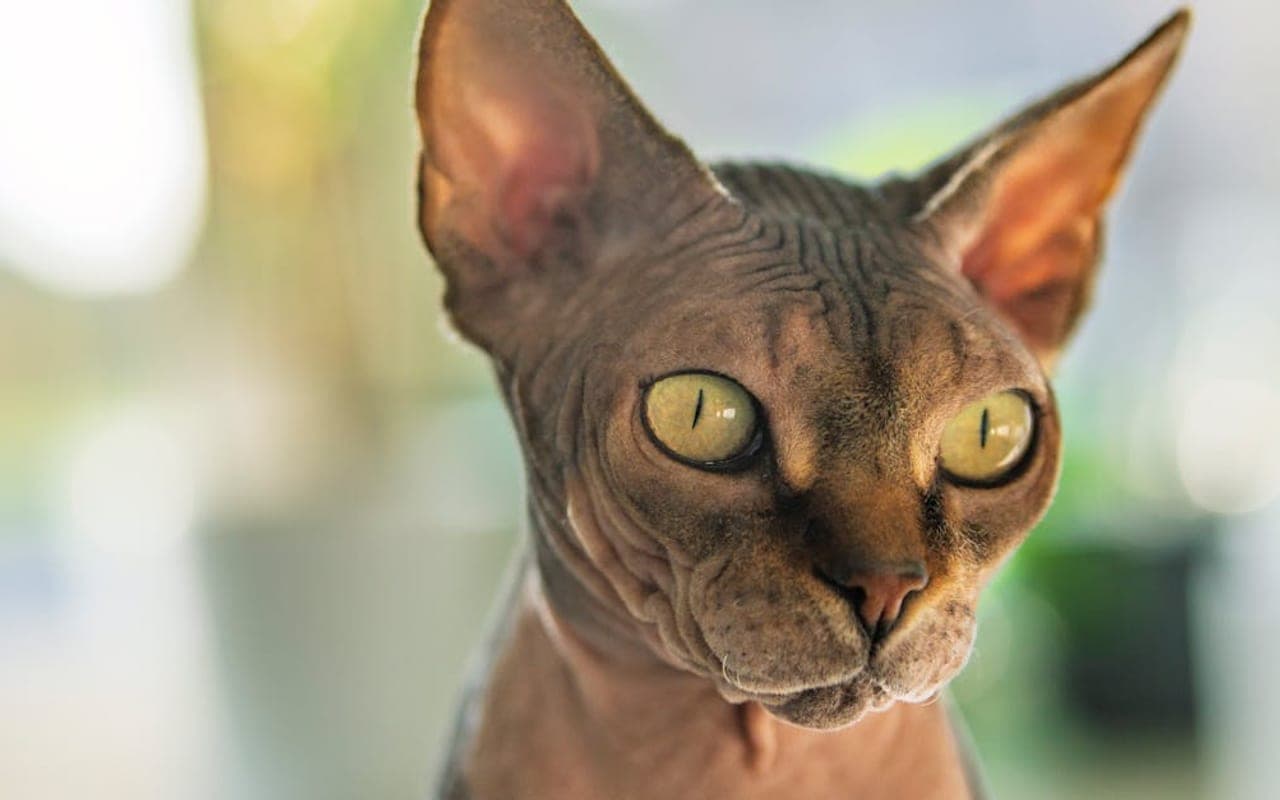
Sphynx
Also in the Hairless group, with different care and temperament tradeoffs.
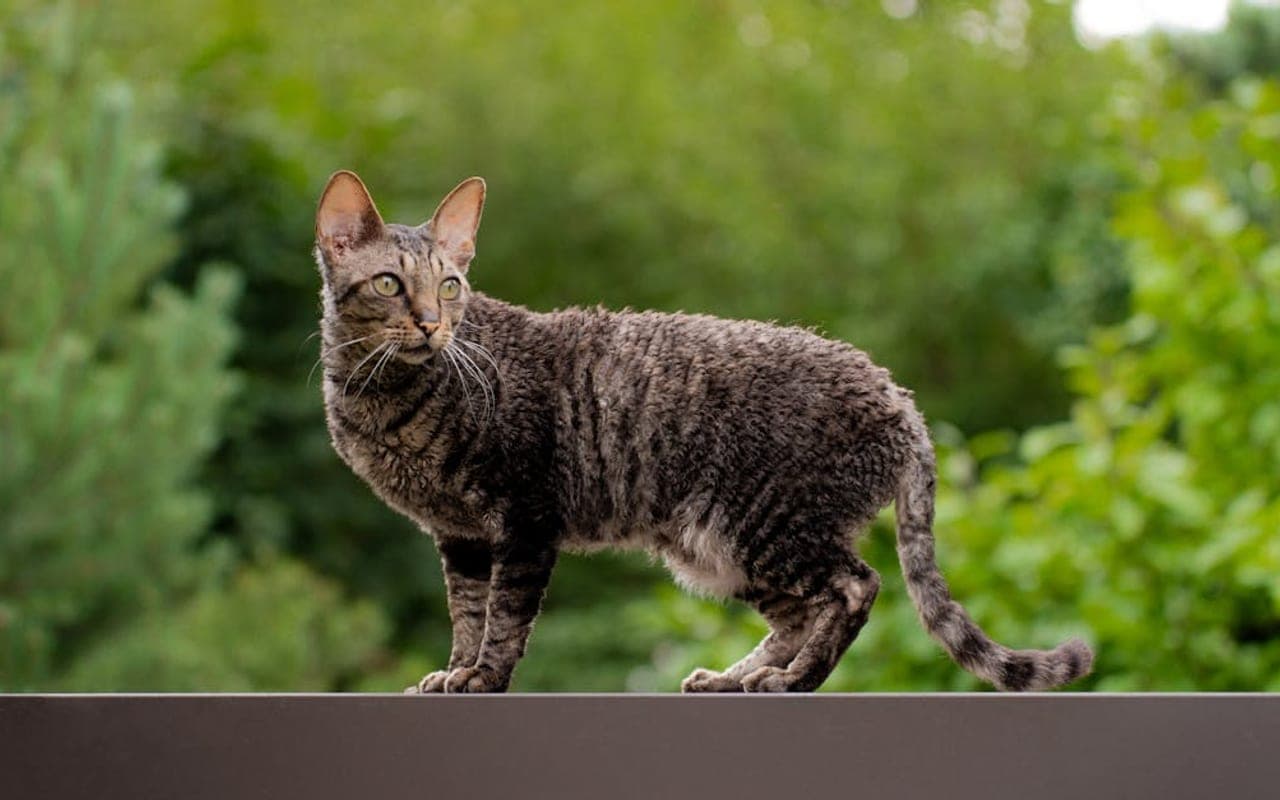
Donskoy
Also in the Hairless group, with different care and temperament tradeoffs.
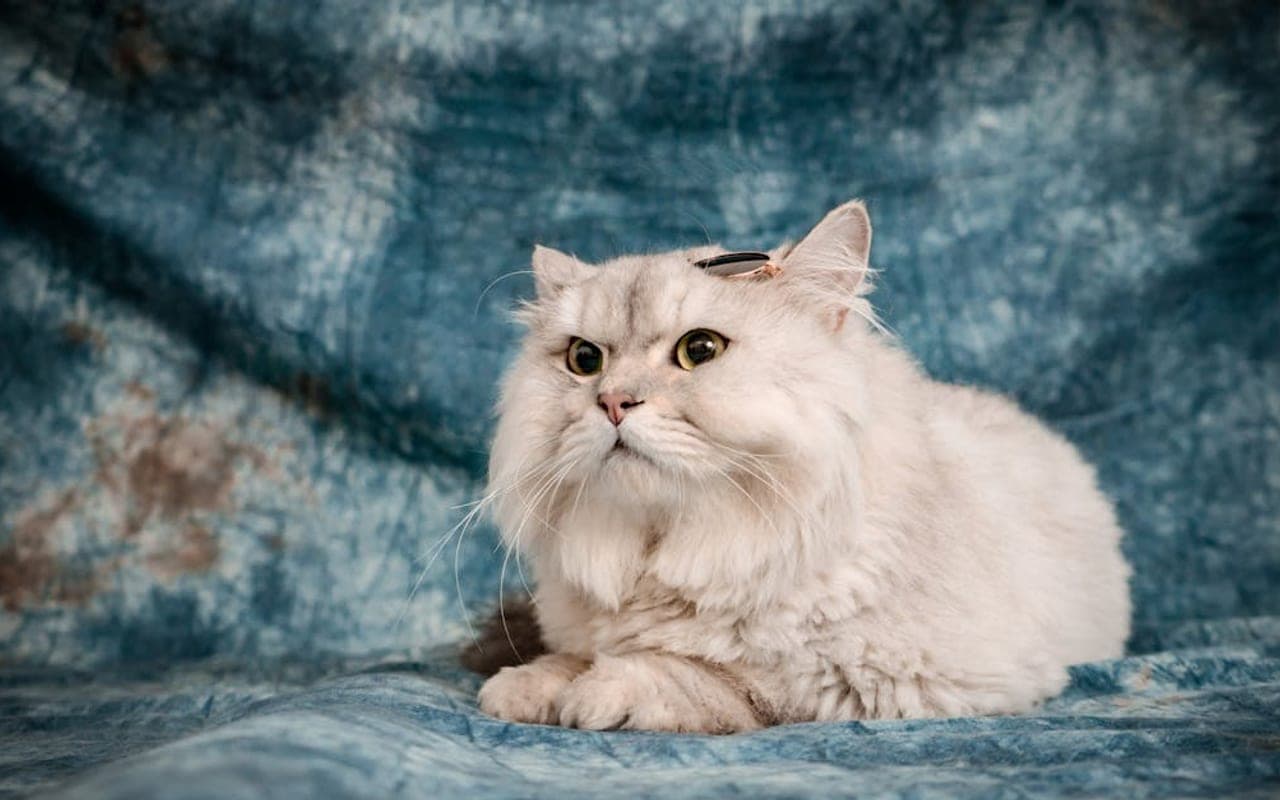
Persian
Compare size, exercise, grooming, and family fit before deciding.
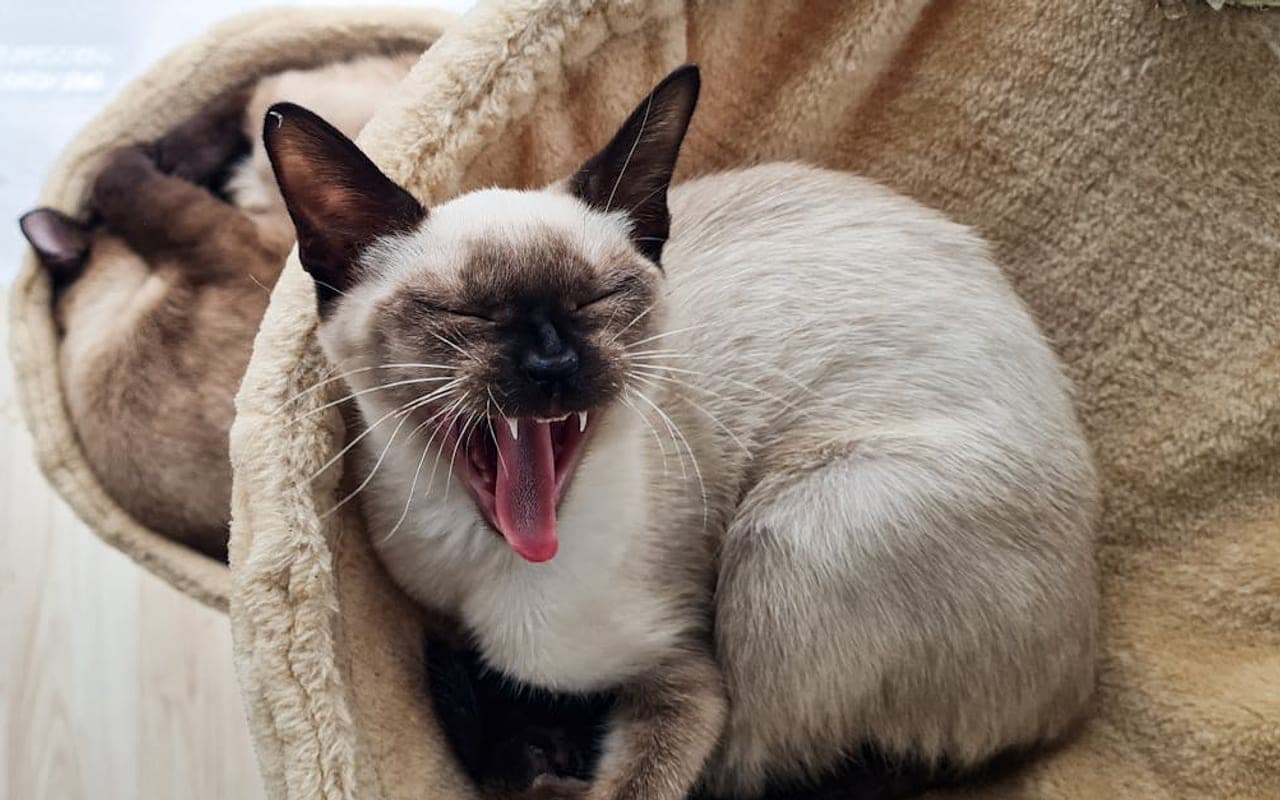
Siamese
Compare size, exercise, grooming, and family fit before deciding.
Explore More About Bambino
Dive deeper into everything Bambino — costs, care, and expert insights.
Cat Nutrition Guide: What Cats Actually Need to Eat
Cats are obligate carnivores, which means they are...
Kitten-Proofing Your Home: The Hazards Owners Miss
A single lily leaf — or even the pollen brushed off one — can put a kitten into acute...
Considering a dog instead?
Browse Dogs