
Shorthair group
Bombay
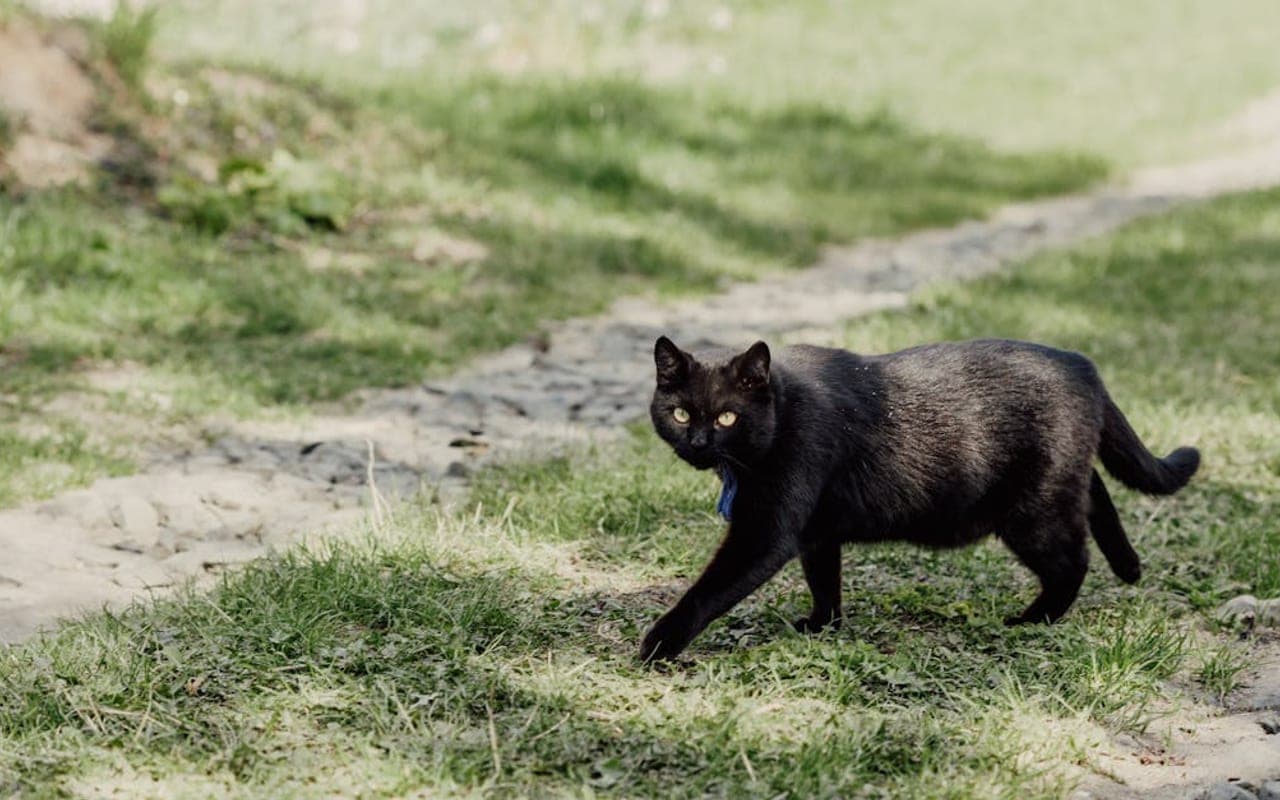
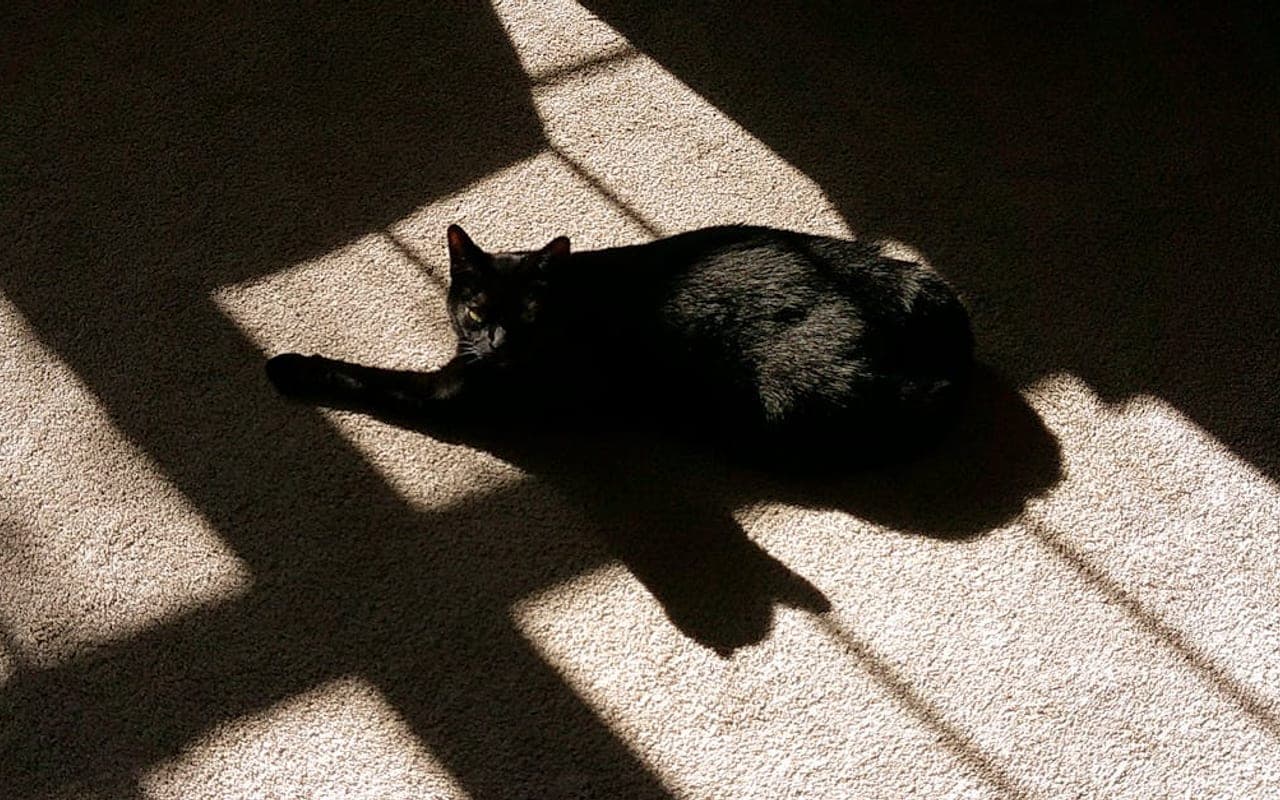
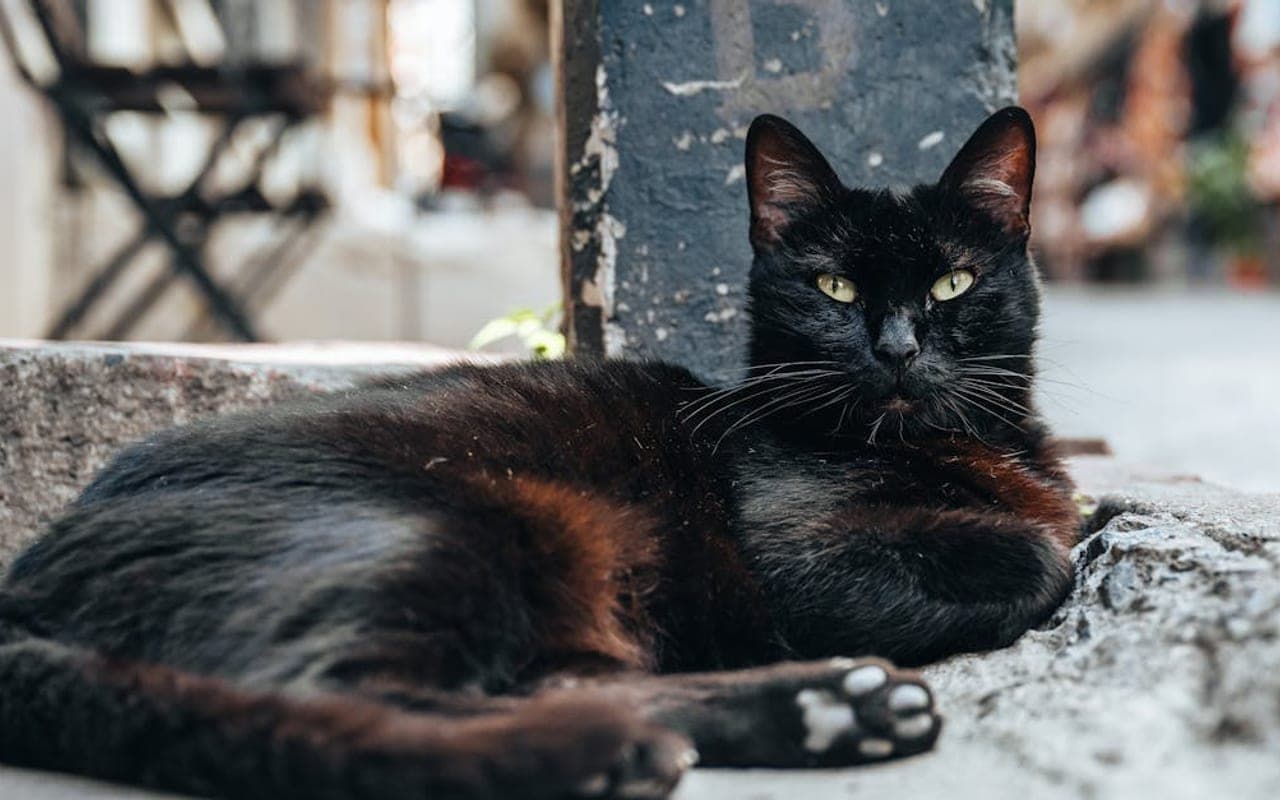
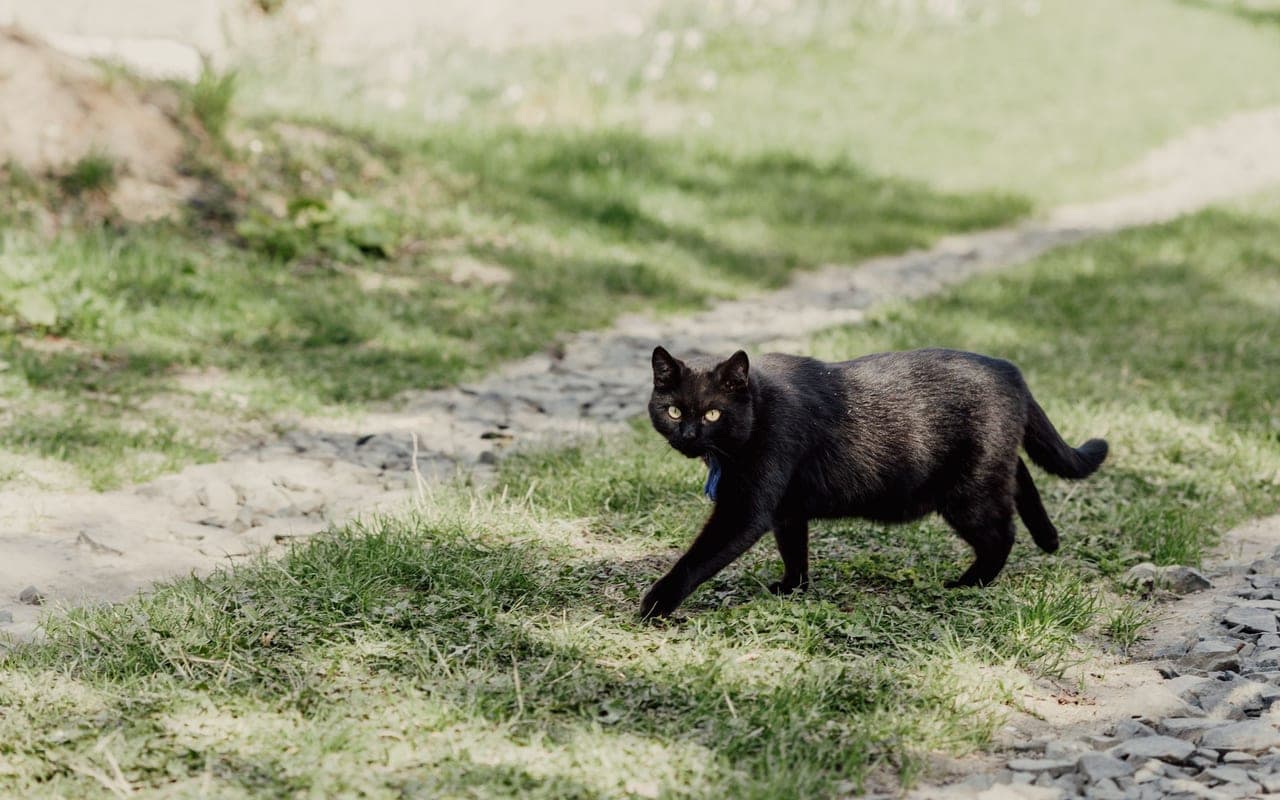
The Bombay is the cat that was deliberately built to look like a miniature black panther: a sable-black, patent-leather coat over a muscular, surprisingly heavy body, finished with wide copper-to-gold eyes.
Size
7-12 lb
Lifespan
12-16 years
Play
15-30 minutes
Shedding
Moderate
Experience
Match to owner routine
Decision first
Is a Bombay right for you?
Start with fit before history or trivia. These are ownership signals, not guarantees about any individual cat.
Best suited for
- Households with children.
- Homes with other compatible pets.
- Apartment homes with a consistent routine.
- Owners seeking a manageable indoor routine with predictable care.
Think carefully if
- You need a cat with almost no daily routine.
- You cannot keep up with grooming and preventive care.
- The cat will spend most days without interaction or enrichment.
Conditional fit
Apartment fit depends on vertical space, litter setup, play, enrichment, and noise tolerance.
Daily reality
Bombay commitment snapshot
Daily play
15-30 minutes
Match play and enrichment to age, health, appetite, and household routine.
Coat care
Low
Grooming needs vary by coat, shedding, and lifestyle.
Social needs
Needs planning
Most cats still need predictable contact, enrichment, litter care, and monitoring.
Structured facts
Bombay at a glance
The measurements and traits that most affect day-to-day life with this breed.
Origin
United States
Group
Shorthair
Weight
7-12 lb
Height
9-13 in
Lifespan
12-16 years
Temperament
Affectionate | Dependent | Gentle | Intelligent | Playful
View all characteristics and methodology
Lifestyle fit
- Apartment suitabilityWorks best with clean litter setup, vertical space, and daily enrichment.
- Likely fit
- Child friendliness
- Often good, with socialisation and supervision
- Other-pet fit
- Often compatible with careful introductions
- Adaptability
- Very high
Owner commitment
- Daily play
- 15-30 minutes
- Grooming
- Low
- Shedding
- Moderate
- Indoor enrichment
- Moderate
Behavior
- Affection
- Very high
- Energy
- Moderate
- Vocalization
- Very high
- Social needs
- High
Environment and health
- Intelligence
- Very high
- Health risk
- Needs planning
- Weight sensitivity
- Routine monitoring
Ratings combine structured breed data, visible breed fields, and editorial context. They are planning aids, not predictions for an individual cat.
Daily life
Bombay temperament and behavior
The Bombay is the cat that was deliberately built to look like a miniature black panther: a sable-black, patent-leather coat over a muscular, surprisingly heavy body, finished with wide copper-to-gold eyes. American breeder Nikki Horner created it in the 1950s by crossing sable Burmese with black American Shorthairs, and that Burmese ancestry is the single most important fact for any prospective owner — because the Bombay inherits the Burmese health profile, not just the Burmese personality. Temperament is the Bombay's strongest selling point and it is not exaggeration. This is a people-obsessed cat that bonds hard, often to one person, follows you room to room, rides on shoulders, and is comfortably described as dog-like — many learn fetch and tolerate harness walking. They are vocal in a conversational, mid-volume way rather than the loud Siamese yowl, and they stay playful well past kittenhood. They are warm-seeking (you will find them under blankets and on laptops) and genuinely intolerant of being left alone all day. Physically the Bombay is heavier than it looks — a compact 3-5 kg adult that feels like picking up a brick. The short, tight coat needs almost no grooming, which makes the breed deceptively low-effort on the surface. But the Burmese line carries real, named genetic risk: a craniofacial defect (Burmese head defect), inherited hypokalemia, and a tendency toward a shortened, slightly flat face that can cause excessive tearing and dental crowding. Who the Bombay is right for: a household that is home often, wants an interactive lap-and-shoulder companion, and will buy from a breeder who tests for Burmese hypokalemia and avoids extreme face-shortening. Who it is wrong for: anyone who wants an aloof, independent cat, leaves the house empty 10 hours a day, or assumes a low-grooming coat means a low-maintenance health picture. It does not.
Affectionate | Dependent | Gentle | Intelligent | Playful
Affectionate
A common Bombay temperament descriptor that should be interpreted alongside enrichment, handling, and household fit.
Dependent
A common Bombay temperament descriptor that should be interpreted alongside enrichment, handling, and household fit.
Gentle
A common Bombay temperament descriptor that should be interpreted alongside enrichment, handling, and household fit.
Intelligent
A common Bombay temperament descriptor that should be interpreted alongside enrichment, handling, and household fit.
Owner note
Temperament labels are starting points, not guarantees. Meet the individual cat and ask about behavior history whenever possible.
Care essentials
How to care for a Bombay
What looking after one actually involves: play, grooming, food, litter, and routine health.
ExerciseAs needed
- Moderately active breed that enjoys regular play sessions and exploration. Provide toys and occasional interactive games.
GroomingAs needed
- Low-maintenance coat requiring weekly brushing. Occasional bathing as needed.
NutritionAs needed
- Feed a high-quality cat food appropriate for their age and activity level. Maintain fresh water at all times. Monitor weight to prevent obesity.
SocializationAs needed
- Highly social breed that thrives on companionship. Does not do well left alone for extended periods. Consider a companion pet.
Veterinary CareAs needed
- Annual wellness exams, vaccinations, dental checkups, and parasite prevention. Spay/neuter recommended if not breeding.
Health planning
Bombay health risks and screening
Every cat breed has individual health variation. Use this profile for planning and discuss medical decisions with a veterinarian.
Responsible ownership
Finding a Bombay responsibly
What to ask a breeder or rescue is the same conversation for every breed, so we keep it in one place and keep it current.
Health documentation, meeting the parents or foster, contracts and return support, and the warning signs worth walking away from.
Original purpose
Bombay history
History is useful when it explains today's behavior, coat, exercise needs, and training style.
Read the breed history
The Bombay is a fully man-made American breed with a precise origin. In 1953, Louisville breeder Nikki Horner set out to create a domestic cat that looked like a small black leopard. She crossed sable Burmese with black American Shorthairs, and after early failures relaunched the program successfully in the 1960s; the Cat Fanciers' Association granted championship status in 1976. The name borrows the exotic association of the Indian black leopard rather than any geographic origin — the Bombay has no connection to India. Because the breed's foundation is Burmese, the Bombay shares the Burmese gene pool and its inherited disorders, and outcrossing to Burmese is still permitted in some registries to maintain type and health. That history is not trivia: it is the direct reason a Bombay buyer must ask specifically about Burmese hypokalemia testing and head-defect-free lines, exactly the questions a generic 'shiny black cat' description never prompts.
Gallery
Bombay photos
Images are cropped consistently and loaded progressively to keep the page responsive.
Lower-page context
Bombay cats in culture
Where the breed shows up in film, sport, work and folklore — the enjoyable part, once the practical questions are answered.
Fun facts
- The Bombay originated in United States.
- Bombay cats are considered one of the most intelligent cat breeds.
- Bombay cats are known for being very vocal and communicative with their owners.
- The Bombay is a true lap cat that loves to curl up with their owners.
- Bombay cats are exceptionally dog-friendly and can live harmoniously with canine companions.
Bombay FAQs
How long do Bombay cats live?
A healthy Bombay from screened lines typically lives 12-16 years, comparable to most domestic cats and sometimes longer. The variable that moves that number is the inherited Burmese profile: a cat affected by hypokalemia, the craniofacial defect, or poorly managed diabetes can have a far shorter, harder life. Lifespan here tracks breeder screening and weight control more than luck — a lean Bombay from hypokalemia-tested parents is the long-lived version.
Are Bombay cats good with children?
Yes, genuinely. The Bombay is sturdy, patient, attention-seeking rather than skittish, and stays playful into adulthood, which suits active households with kids. They tolerate handling well and often seek out family activity instead of hiding. Supervise young children as with any cat, and teach them to support the cat's body — a heavy, muscular Bombay is easy to drop if a child grabs it one-handed.
How much grooming does a Bombay need?
Very little coat care — a five-minute weekly rubber-brush or chamois buff is enough for the short, tight coat, which sheds minimally. The grooming most owners overlook is the face: if your Bombay tears (a common consequence of its mild Burmese face-shortening), wipe the inner eye corners with a damp cloth daily to prevent staining and skin irritation, and watch for any sudden increase in discharge.
Are Bombay cats good for apartments?
Yes, with one condition. The Bombay is adaptable, bonds to people over territory, and is content in a small space provided it gets daily interactive play and, critically, company. The breed does not tolerate being left alone all day — an empty apartment 10 hours a day produces a stressed, vocal, sometimes destructive cat. If you live alone and work long hours, plan for a second pet.
How much does a Bombay cat cost?
Expect roughly $500-$1,200 for a pet-quality Bombay from a registered breeder, more for show lines. The cost that actually matters is downstream: a cat affected by Burmese hypokalemia or the craniofacial defect, or one that develops diabetes from obesity, can run $1,000-$3,000+ in diagnostics and lifelong management. Paying more for a kitten from hypokalemia-DNA-tested, head-defect-free parents is the cheapest decision you will make in this breed.
Why does my Bombay cat have watery eyes and stuffy breathing?
Because the Bombay carries mild brachycephalic (face-shortening) traits inherited from its Burmese foundation, some individuals tear excessively and breathe slightly noisily — a low-grade version of what Persians show. Mild, stable tearing is managed with daily eye-corner cleaning. But a sudden increase in discharge, colored nasal discharge, squinting, or worsening breathing is not cosmetic — book a veterinary exam, since the same craniofacial spectrum can produce dental and airway problems that need treatment.
Sources
These are the published sources this page draws on. Each opens in a new tab so you can check it yourself.
Cat Fanciers' Association
Bombay — breed standard and profile(opens in a new tab)Supports: Breed standard and recognition details.
Similar breeds to consider
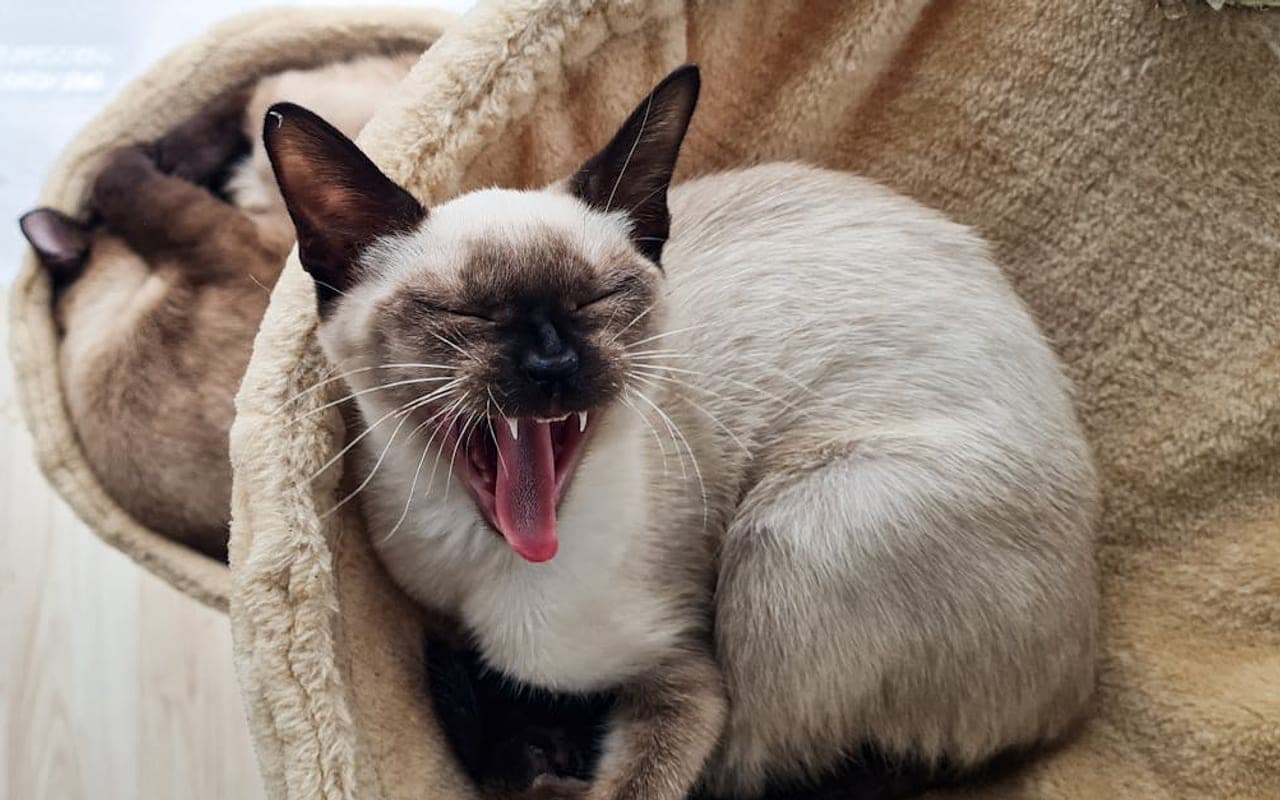
Siamese
Also in the Shorthair group, with different care and temperament tradeoffs.
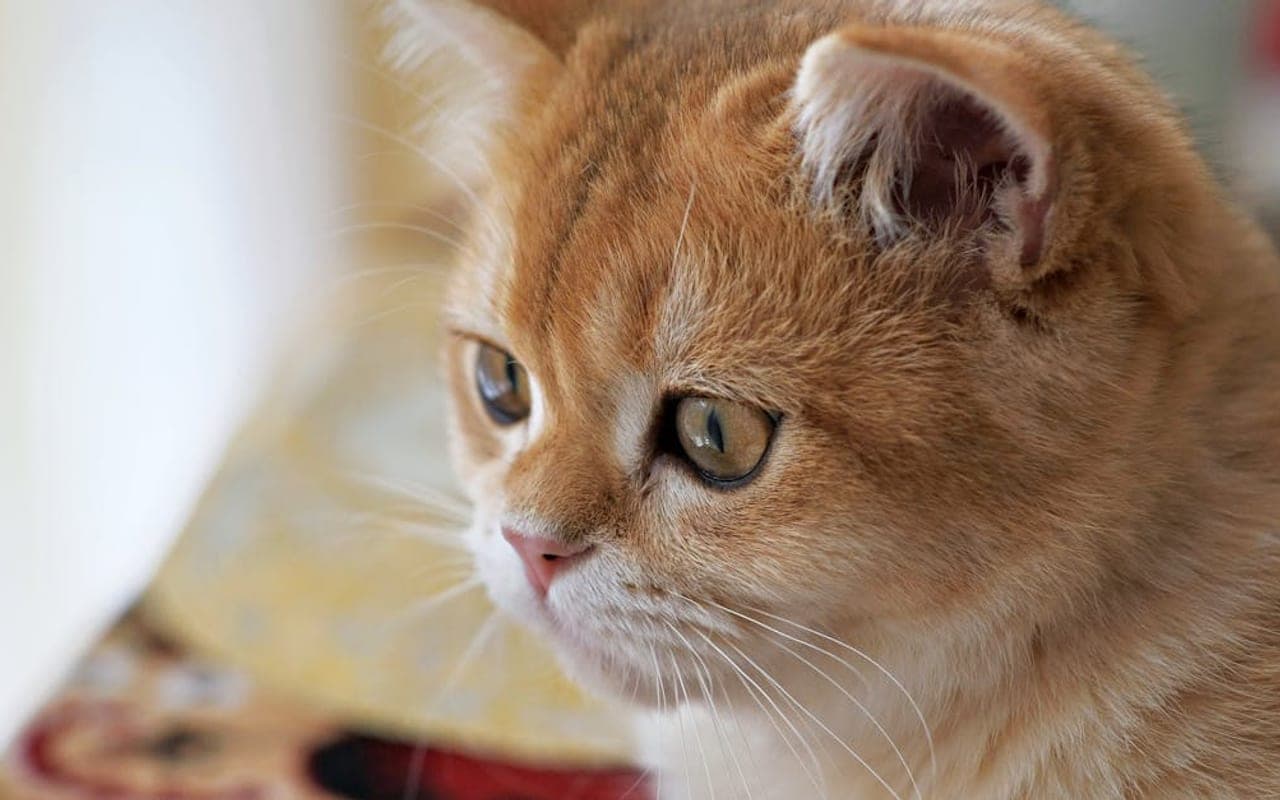
British Shorthair
Also in the Shorthair group, with different care and temperament tradeoffs.
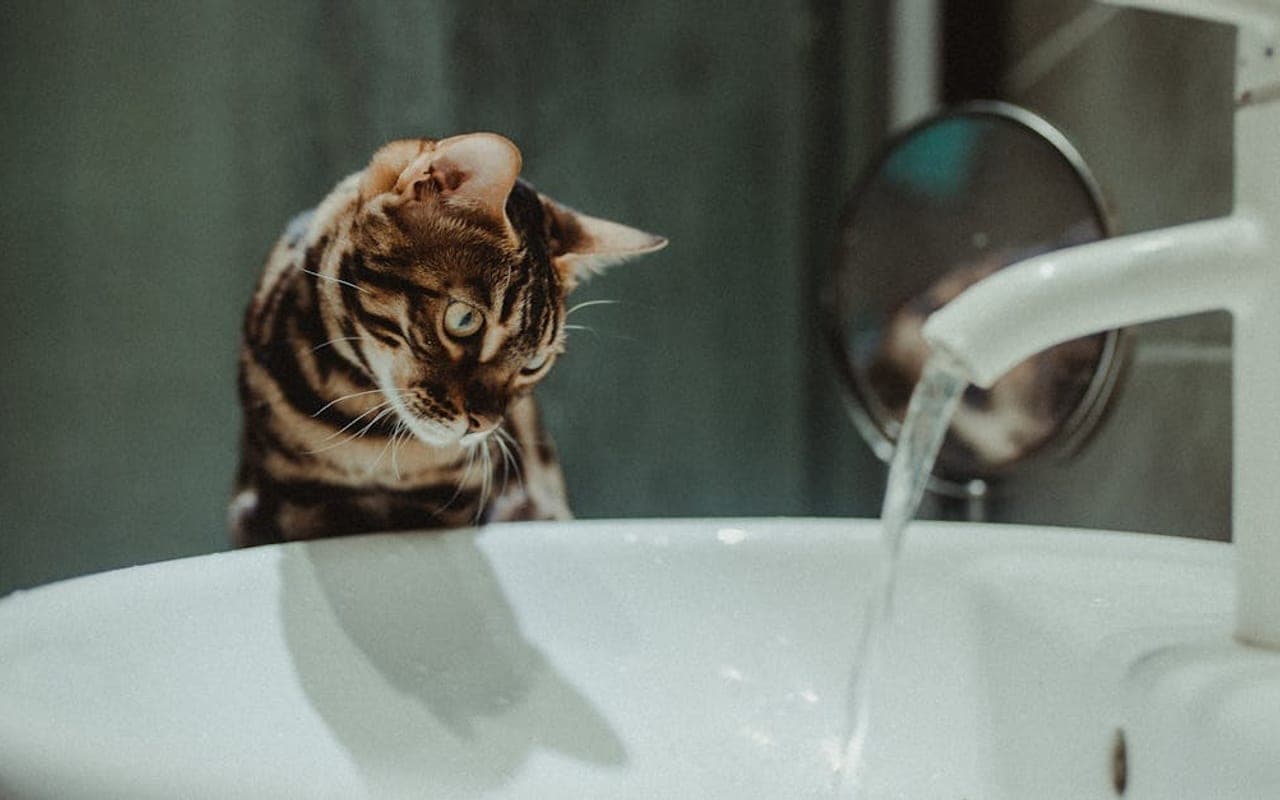
Bengal
Also in the Shorthair group, with different care and temperament tradeoffs.
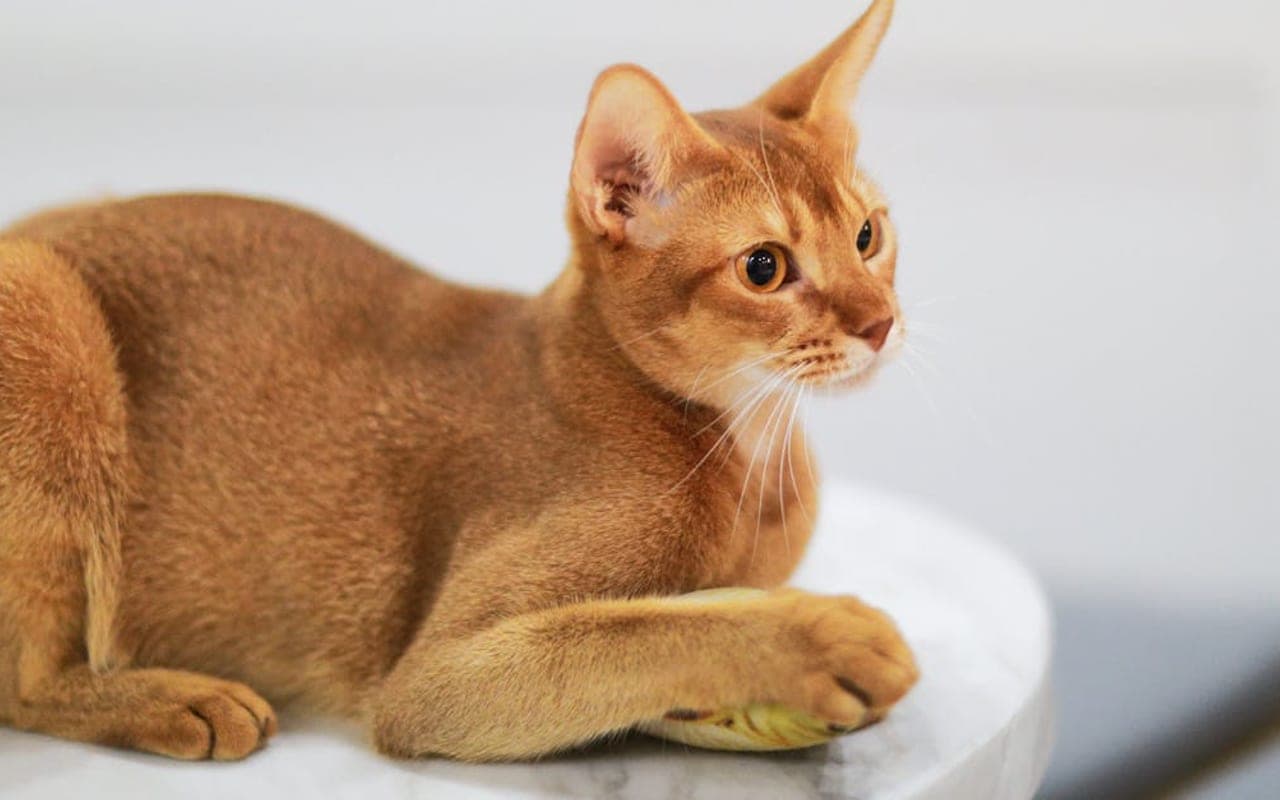
Abyssinian
Also in the Shorthair group, with different care and temperament tradeoffs.
Explore More About Bombay
Dive deeper into everything Bombay — costs, care, and expert insights.
Cat Nutrition Guide: What Cats Actually Need to Eat
Cats are obligate carnivores, which means they are...
Kitten-Proofing Your Home: The Hazards Owners Miss
A single lily leaf — or even the pollen brushed off one — can put a kitten into acute...
Considering a dog instead?
Browse Dogs