
Longhair group
British Longhair
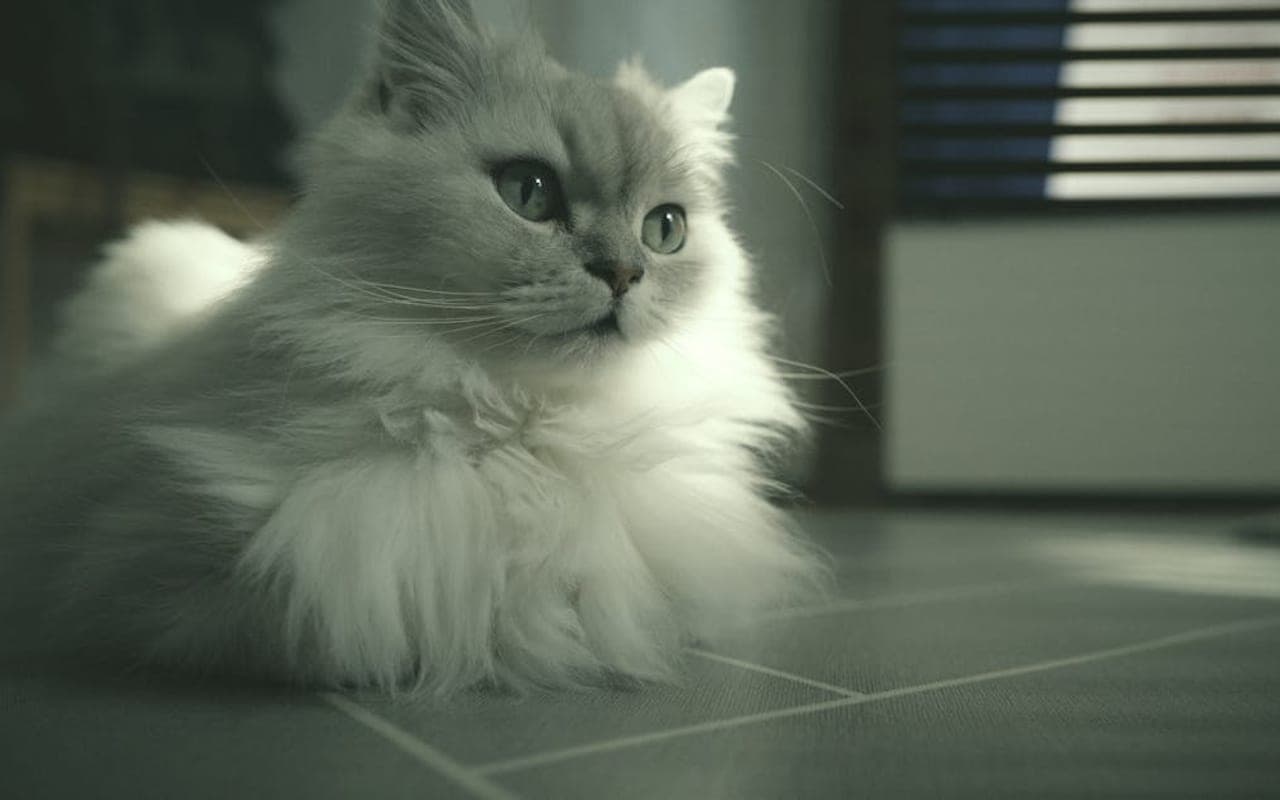
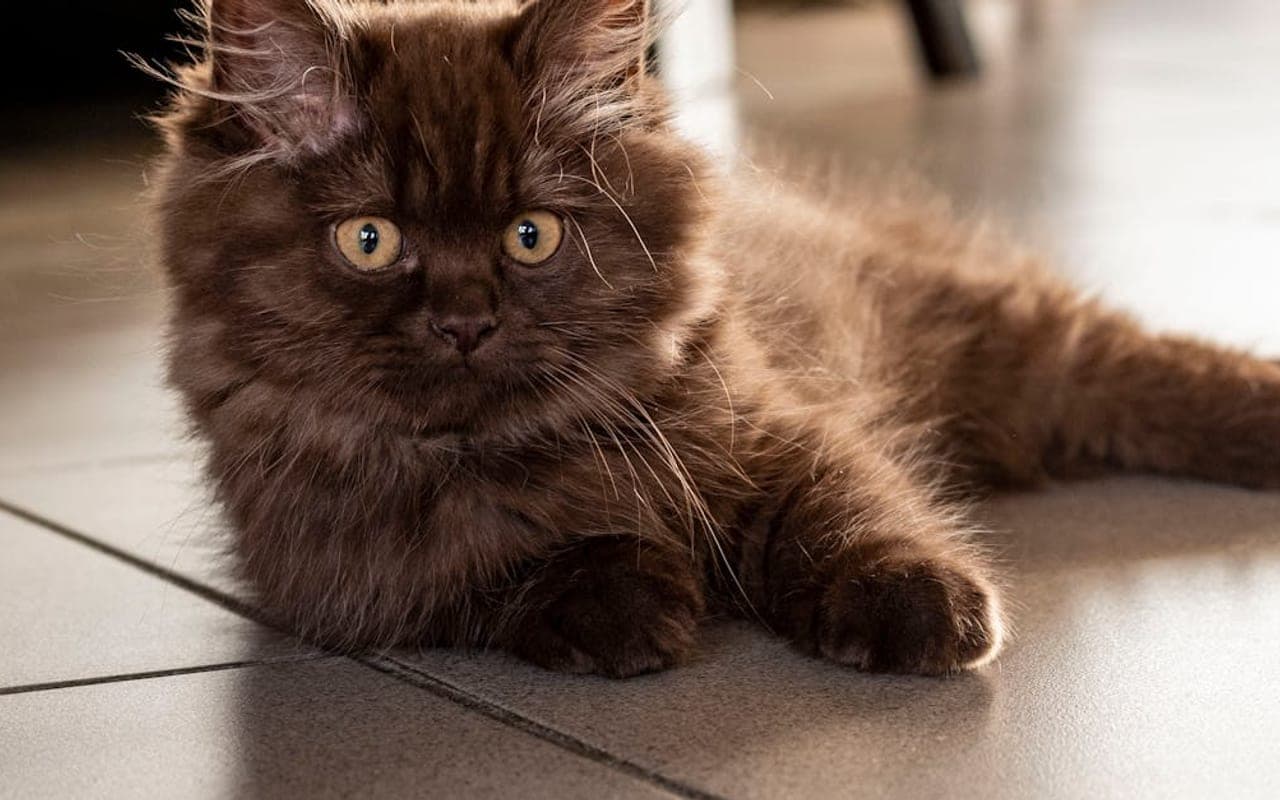
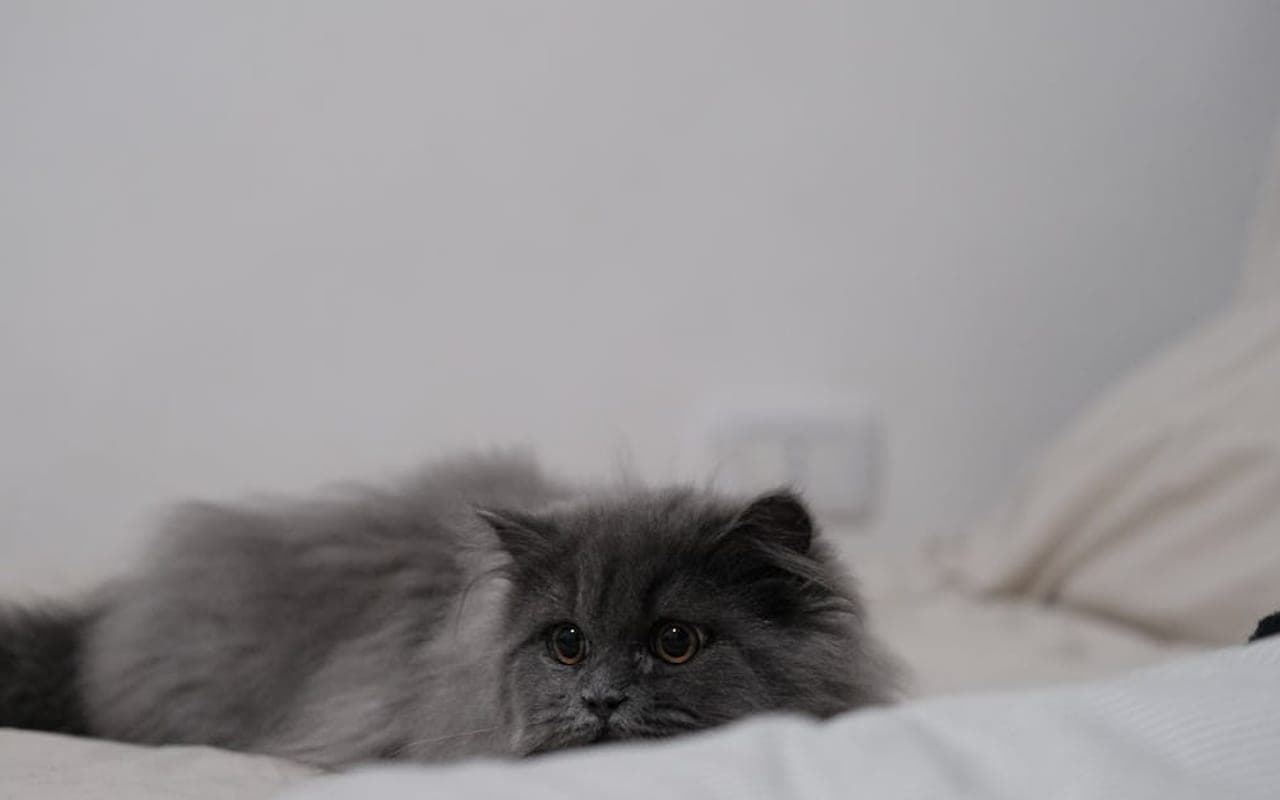
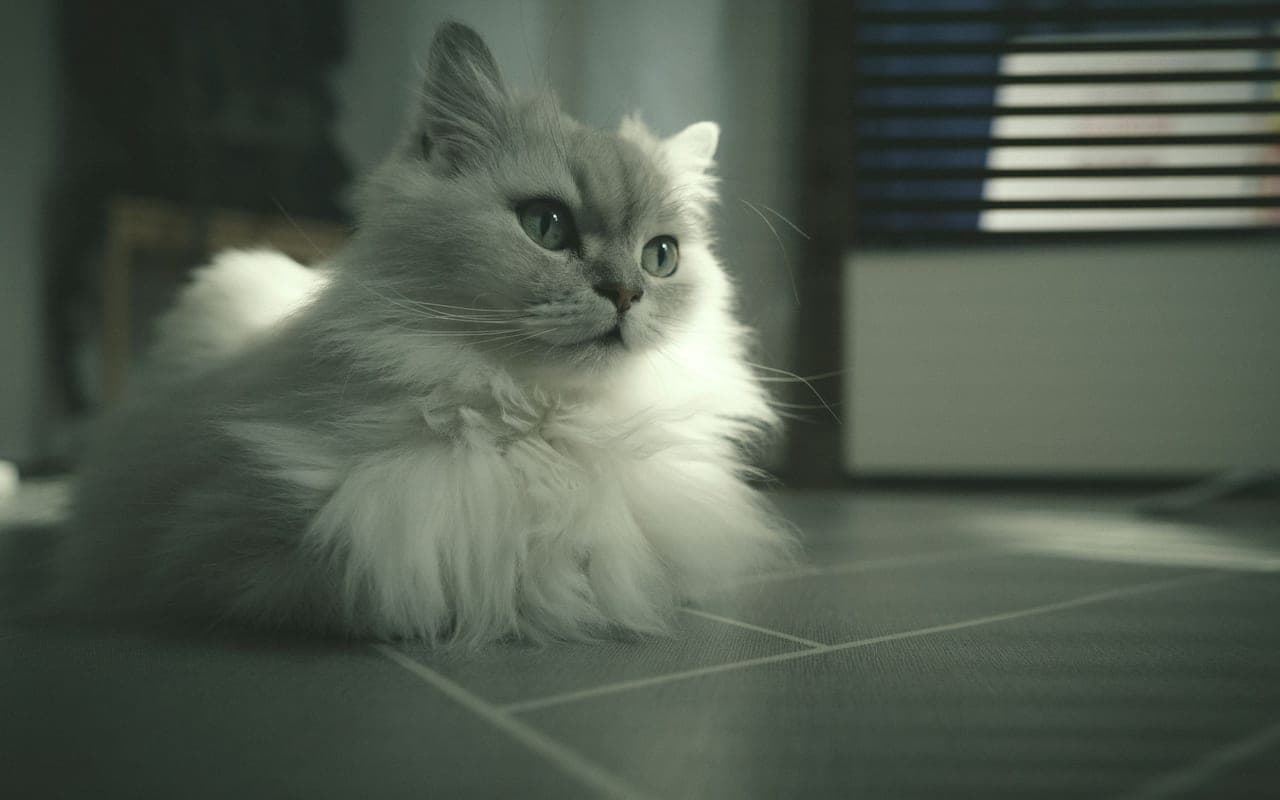
The British Longhair is the semi-longhaired version of the British Shorthair — same cobby body, same round face and broad head, same calm disposition, but with a dense medium-long coat that arose from historical Persian outcrossing.
Size
9-18 lb
Lifespan
12-14 years
Play
20-40 minutes
Shedding
Low
Experience
Match to owner routine
Decision first
Is a British Longhair right for you?
Start with fit before history or trivia. These are ownership signals, not guarantees about any individual cat.
Best suited for
- Households with children.
- Homes with other compatible pets.
- Apartment homes with a consistent routine.
- Owners who can provide daily play, climbing space, and enrichment.
Think carefully if
- You cannot provide daily play, climbing space, or mental enrichment.
- You cannot keep up with grooming and preventive care.
- The cat will spend most days without interaction or enrichment.
Conditional fit
Apartment fit depends on vertical space, litter setup, play, enrichment, and noise tolerance.
Daily reality
British Longhair commitment snapshot
Daily play
20-40 minutes
Match play and enrichment to age, health, appetite, and household routine.
Coat care
High
Grooming needs vary by coat, shedding, and lifestyle.
Social needs
Needs planning
Most cats still need predictable contact, enrichment, litter care, and monitoring.
Structured facts
British Longhair at a glance
The measurements and traits that most affect day-to-day life with this breed.
Origin
United Kingdom
Group
Longhair
Weight
9-18 lb
Height
10-13 in
Lifespan
12-14 years
Temperament
Affectionate | Easy Going | Independent | Intelligent | Loyal | Social
View all characteristics and methodology
Lifestyle fit
- Apartment suitabilityWorks best with clean litter setup, vertical space, and daily enrichment.
- Likely fit
- Child friendliness
- Often good, with socialisation and supervision
- Other-pet fit
- Often compatible with careful introductions
- Adaptability
- Very high
Owner commitment
- Daily play
- 20-40 minutes
- Grooming
- High
- Shedding
- Low
- Indoor enrichment
- High
Behavior
- Affection
- Very high
- Energy
- High
- Vocalization
- Low
- Social needs
- Moderate
Environment and health
- Intelligence
- Very high
- Health risk
- Needs planning
- Weight sensitivity
- Routine monitoring
Ratings combine structured breed data, visible breed fields, and editorial context. They are planning aids, not predictions for an individual cat.
Daily life
British Longhair temperament and behavior
The British Longhair is the semi-longhaired version of the British Shorthair — same cobby body, same round face and broad head, same calm disposition, but with a dense medium-long coat that arose from historical Persian outcrossing. That Persian ancestry is the single most important thing a buyer must understand, because it carries a specific, testable hereditary disease into the breed. Physically this is a medium-to-large, heavily-built cat — roughly 4-8 kg, with males at the top end — with a plush, stand-off double coat and a sturdy, muscular frame. It is not a delicate cat; it is a slow-maturing one, often not fully grown until 3-5 years. Temperament is the genuine appeal. The British Longhair is calm, easy-going, undemanding, and independent on its own terms. It is affectionate but not a clingy lap cat — it tends to choose to sit near you rather than be carried, and it tolerates being alone better than most companion breeds. It is quiet, even-tempered, and good with respectful children and other relaxed pets. The trade-off to price honestly: this is a calm, food-motivated, low-activity cat, which is exactly the profile that becomes obese indoors — and obesity in a breed already carrying inherited kidney and heart risks compounds everything. Who the British Longhair is right for: an owner who wants a quiet, low-drama, semi-independent cat, will commit to real coat maintenance, and will buy from a breeder who DNA-tests for polycystic kidney disease. Who it is wrong for: anyone wanting an active, interactive cat, anyone unwilling to brush several times a week, or anyone tempted to skip the PKD-tested-parents requirement to save money upfront.
Affectionate | Easy Going | Independent | Intelligent | Loyal | Social
Affectionate
A common British Longhair temperament descriptor that should be interpreted alongside enrichment, handling, and household fit.
Easy Going
A common British Longhair temperament descriptor that should be interpreted alongside enrichment, handling, and household fit.
Independent
A common British Longhair temperament descriptor that should be interpreted alongside enrichment, handling, and household fit.
Intelligent
A common British Longhair temperament descriptor that should be interpreted alongside enrichment, handling, and household fit.
Owner note
Temperament labels are starting points, not guarantees. Meet the individual cat and ask about behavior history whenever possible.
Care essentials
How to care for a British Longhair
What looking after one actually involves: play, grooming, food, litter, and routine health.
ExerciseAs needed
- Active and playful breed requiring daily interactive play sessions with toys, climbing structures, and mental stimulation.
GroomingAs needed
- Requires daily brushing to prevent matting and tangles. Regular professional grooming recommended every 6-8 weeks.
NutritionAs needed
- Feed a high-quality cat food appropriate for their age and activity level. Maintain fresh water at all times. Monitor weight to prevent obesity.
SocializationAs needed
- Enjoys human company and interaction. Can tolerate some alone time but prefers regular companionship.
Veterinary CareAs needed
- Annual wellness exams, vaccinations, dental checkups, and parasite prevention. Spay/neuter recommended if not breeding.
Health planning
British Longhair health risks and screening
Every cat breed has individual health variation. Use this profile for planning and discuss medical decisions with a veterinarian.
Responsible ownership
Finding a British Longhair responsibly
What to ask a breeder or rescue is the same conversation for every breed, so we keep it in one place and keep it current.
Health documentation, meeting the parents or foster, contracts and return support, and the warning signs worth walking away from.
Original purpose
British Longhair history
History is useful when it explains today's behavior, coat, exercise needs, and training style.
Read the breed history
The British Longhair shares its origin with the British Shorthair. After the World Wars devastated British Shorthair numbers, breeders rebuilt the population by outcrossing to Persians, which introduced the long-hair gene. Longhaired kittens appeared in British Shorthair litters but were long considered non-standard and not shown as a separate breed. Over time these semi-longhaired cats were recognised in their own right under names including British Longhair (and 'Lowlander' or 'Britanica' in some registries), with TICA and other bodies establishing a distinct standard. The breed is therefore genetically a British Shorthair carrying Persian-derived coat length — which is precisely why it inherits the Persian lineage's hereditary risks, most notably autosomal-dominant polycystic kidney disease, and why responsible breeding now centres on DNA screening to remove that gene from breeding lines.
Gallery
British Longhair photos
Images are cropped consistently and loaded progressively to keep the page responsive.
Lower-page context
British Longhair cats in culture
Where the breed shows up in film, sport, work and folklore — the enjoyable part, once the practical questions are answered.
Fun facts
- The British Longhair originated in United Kingdom.
- British Longhair cats are considered one of the most intelligent cat breeds.
- British Longhair cats are exceptionally dog-friendly and can live harmoniously with canine companions.
British Longhair FAQs
How long do British Longhair cats live?
A healthy British Longhair typically lives 12-16 years. The two factors that most determine where a given cat lands are its PKD1 status and its weight. A cat from PKD-tested parents kept lean and screened for heart disease can reach the upper end; one carrying polycystic kidney disease, or one allowed to become obese, faces earlier kidney or metabolic decline. Both of the biggest levers — breeder testing and portion control — are within an owner's control.
Are British Longhair cats good with children?
Yes, with respectful children. The British Longhair is calm, patient, and even-tempered, and tolerates household activity well. The important nuance is handling style: this breed generally dislikes being picked up and carried, preferring to choose its own contact. Teach children to let the cat come to them rather than lifting it, supervise toddlers as with any cat, and the breed's placid nature does the rest.
How much grooming does a British Longhair need?
Moderate to high — this is the real work of the breed. Brush the dense semi-long double coat 3-4 times a week, daily during spring and autumn moults, paying attention to the behind-the-ears, armpit, and rump areas that felt first. It is less mat-prone than a Persian but a few skipped weeks still lead to mats that need a veterinary clip. Plan roughly 10 minutes per session as a permanent commitment, not an occasional task.
Are British Longhair cats good for apartments?
Yes — the breed is calm, quiet, low-activity, and content indoors, which suits apartments well. The single caveat is that its sedentary nature plus strong food motivation makes weight gain the main apartment risk. Provide 15-20 minutes of daily interactive play and puzzle feeders and feed measured meals rather than leaving food down; the apartment is fine, an unmanaged feeding routine inside it is not.
How much does a British Longhair cat cost?
Expect roughly $1,000-$2,000+ for a kitten from a registered breeder who DNA-tests for PKD1 and screens for HCM. Paying less for untested parents is a false economy: polycystic kidney disease management and eventual kidney failure care run into the thousands over a cat's life, and HCM treatment is similarly costly. The premium for tested parents is the cheapest insurance against the breed's two most expensive hereditary outcomes.
What is the difference between a British Longhair and a Persian?
They share Persian ancestry but are different cats to live with. The Persian has an extreme flat face that brings brachycephalic breathing and tear-duct problems and a long coat needing daily grooming to avoid pelting. The British Longhair keeps a moderate, open face — no brachycephalic airway burden — and a denser but less mat-prone semi-long coat needing brushing several times a week rather than daily. Both inherit PKD risk from the Persian line, so DNA-tested parents matter equally for either; the practical difference is face structure and grooming load.
Sources
These are the published sources this page draws on. Each opens in a new tab so you can check it yourself.
The International Cat Association
British Longhair — TICA breed standard(opens in a new tab)Supports: Breed standard and recognition details.
Similar breeds to consider
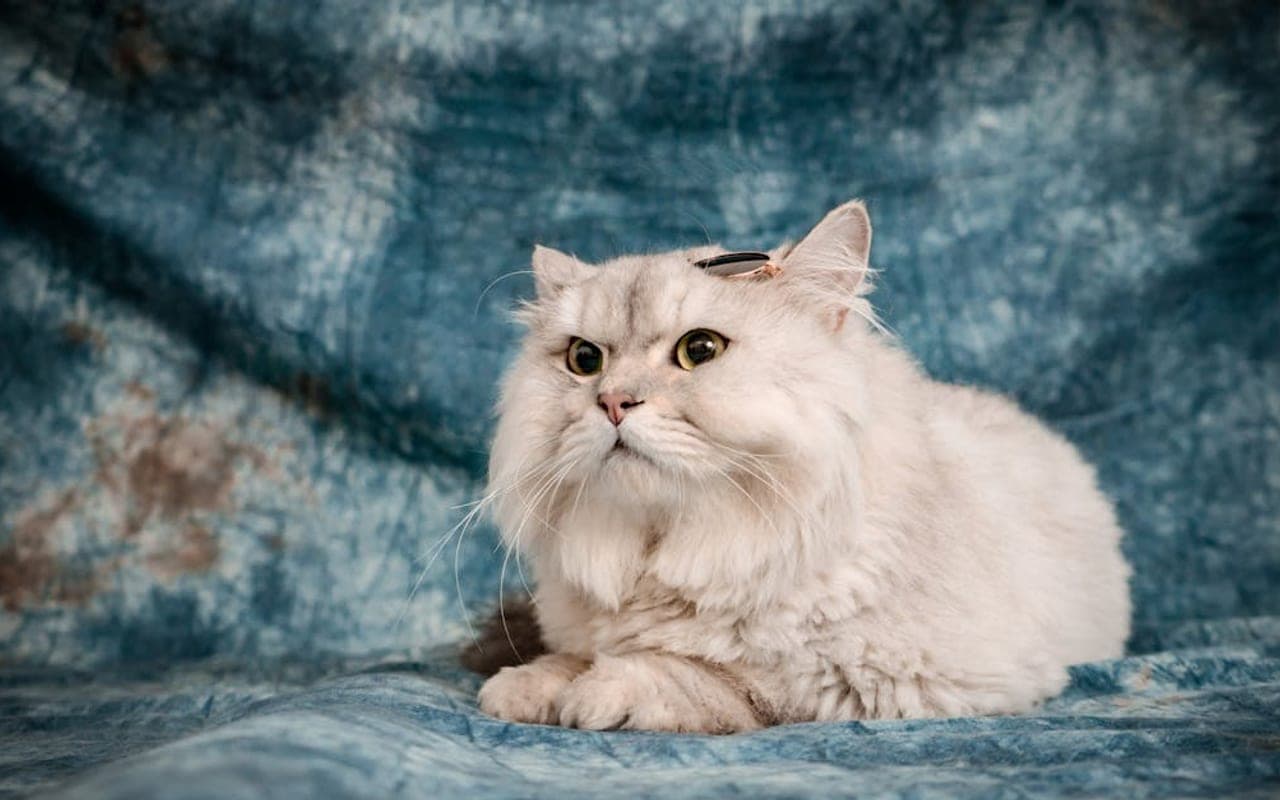
Persian
Also in the Longhair group, with different care and temperament tradeoffs.
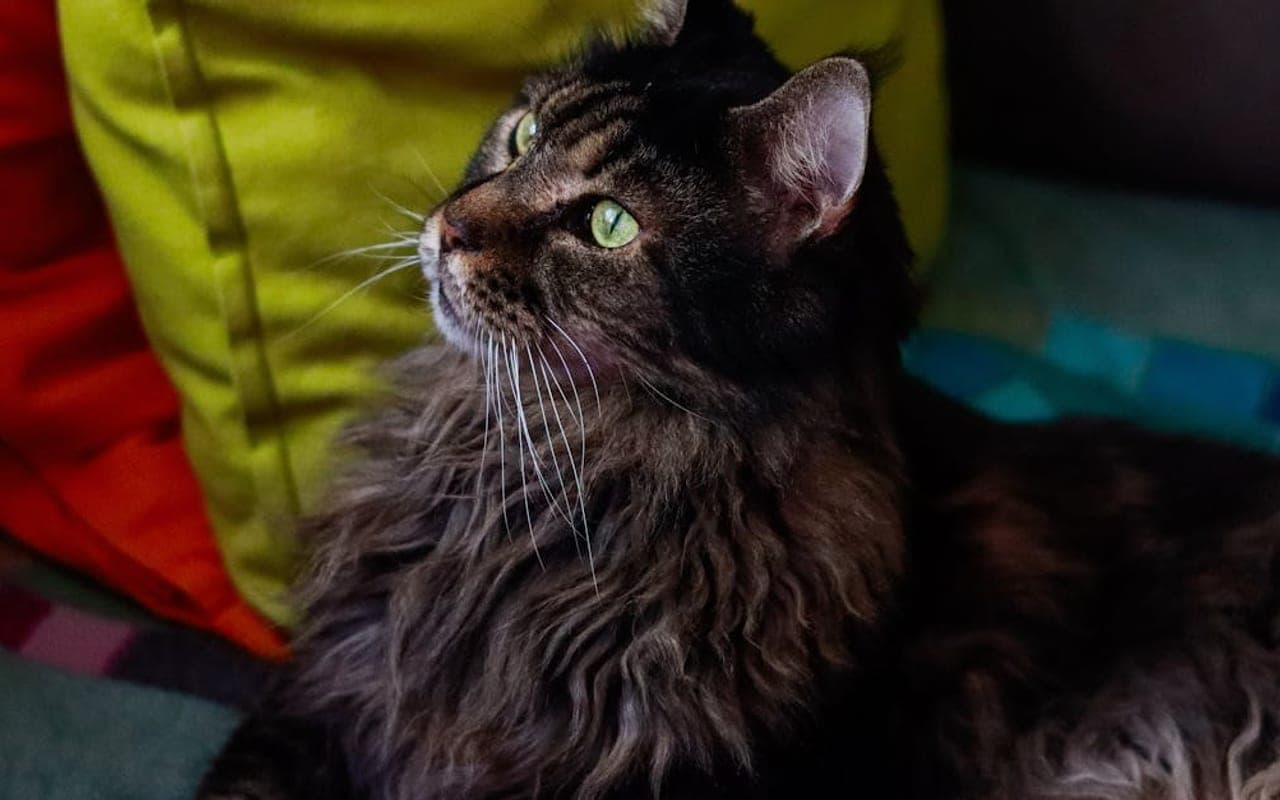
Maine Coon
Also in the Longhair group, with different care and temperament tradeoffs.
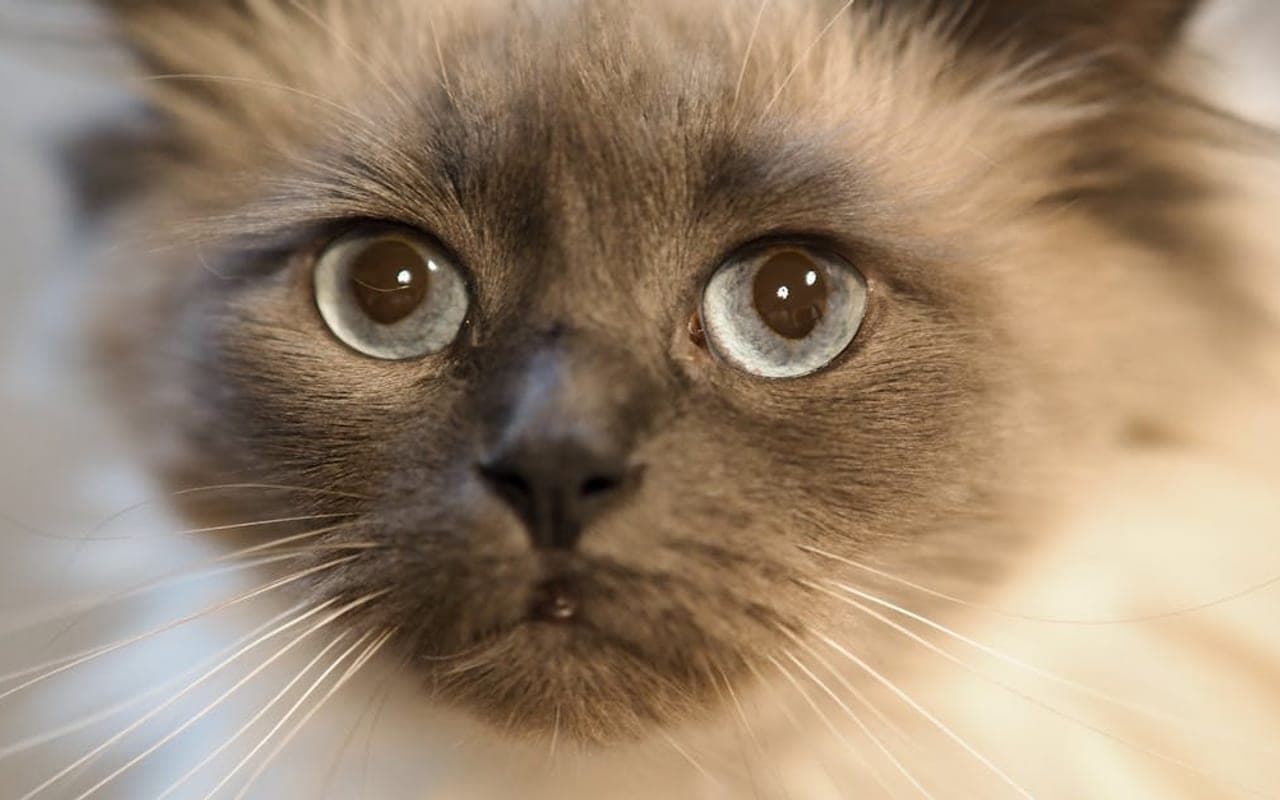
Ragdoll
Also in the Longhair group, with different care and temperament tradeoffs.
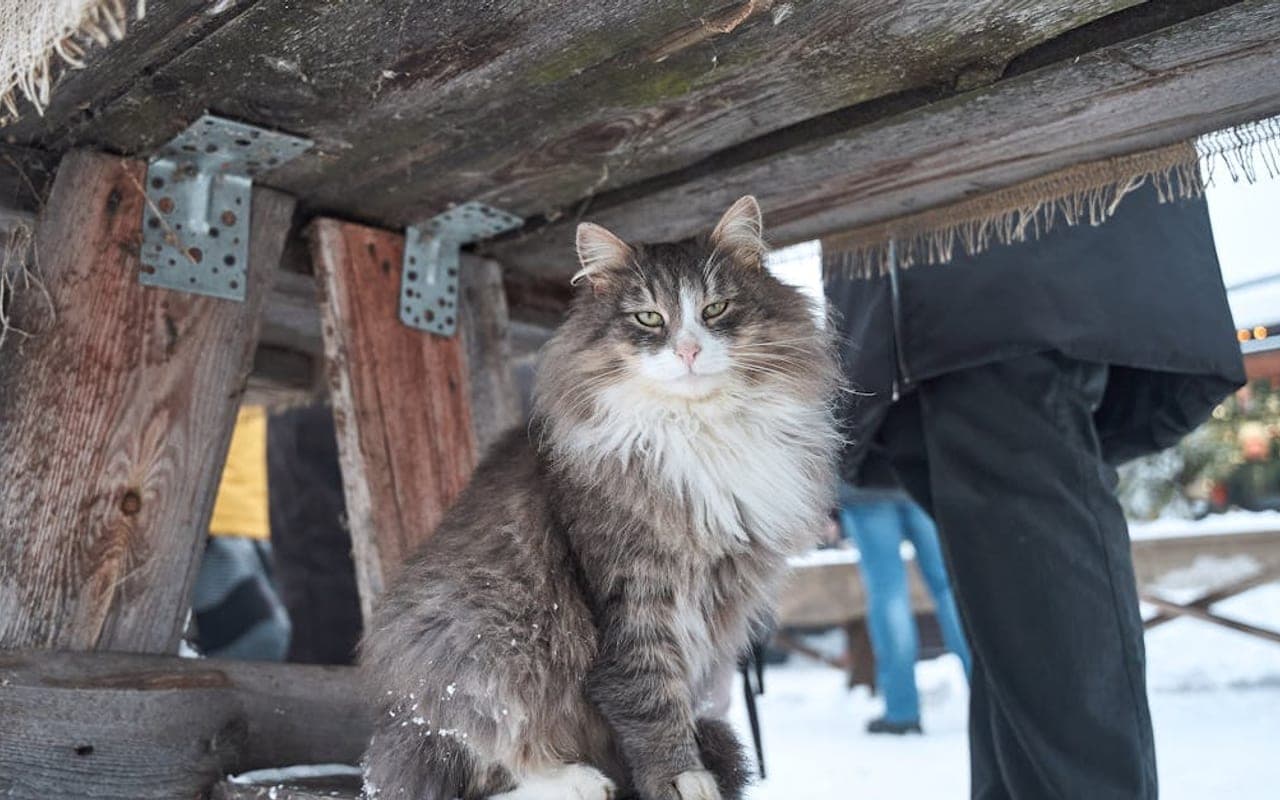
Norwegian Forest Cat
Also in the Longhair group, with different care and temperament tradeoffs.
Explore More About British Longhair
Dive deeper into everything British Longhair — costs, care, and expert insights.
Cat Nutrition Guide: What Cats Actually Need to Eat
Cats are obligate carnivores, which means they are...
Kitten-Proofing Your Home: The Hazards Owners Miss
A single lily leaf — or even the pollen brushed off one — can put a kitten into acute...
Considering a dog instead?
Browse Dogs