
Shorthair group
Burmilla
The Burmilla is a 1981 accident that turned into a breed.
Size
7-14 lb
Lifespan
10-15 years
Play
15-30 minutes
Shedding
Moderate
Experience
Match to owner routine
Decision first
Is a Burmilla right for you?
Start with fit before history or trivia. These are ownership signals, not guarantees about any individual cat.
Best suited for
- Households with children.
- Homes with other compatible pets.
- Apartment homes with a consistent routine.
- Owners seeking a manageable indoor routine with predictable care.
Think carefully if
- You need a cat with almost no daily routine.
- You cannot keep up with grooming and preventive care.
- The cat will spend most days without interaction or enrichment.
Conditional fit
Apartment fit depends on vertical space, litter setup, play, enrichment, and noise tolerance.
Daily reality
Burmilla commitment snapshot
Daily play
15-30 minutes
Match play and enrichment to age, health, appetite, and household routine.
Coat care
Moderate
Grooming needs vary by coat, shedding, and lifestyle.
Social needs
Needs planning
Most cats still need predictable contact, enrichment, litter care, and monitoring.
Structured facts
Burmilla at a glance
The measurements and traits that most affect day-to-day life with this breed.
Origin
United Kingdom
Group
Shorthair
Weight
7-14 lb
Height
10-13 in
Lifespan
10-15 years
Temperament
Easy Going | Friendly | Intelligent | Lively | Playful | Social
View all characteristics and methodology
Lifestyle fit
- Apartment suitabilityWorks best with clean litter setup, vertical space, and daily enrichment.
- Likely fit
- Child friendliness
- Often good, with socialisation and supervision
- Other-pet fit
- Often compatible with careful introductions
- Adaptability
- Very high
Owner commitment
- Daily play
- 15-30 minutes
- Grooming
- Moderate
- Shedding
- Moderate
- Indoor enrichment
- Moderate
Behavior
- Affection
- Very high
- Energy
- Moderate
- Vocalization
- Very high
- Social needs
- High
Environment and health
- Intelligence
- Moderate
- Health risk
- Needs planning
- Weight sensitivity
- Routine monitoring
Ratings combine structured breed data, visible breed fields, and editorial context. They are planning aids, not predictions for an individual cat.
Daily life
Burmilla temperament and behavior
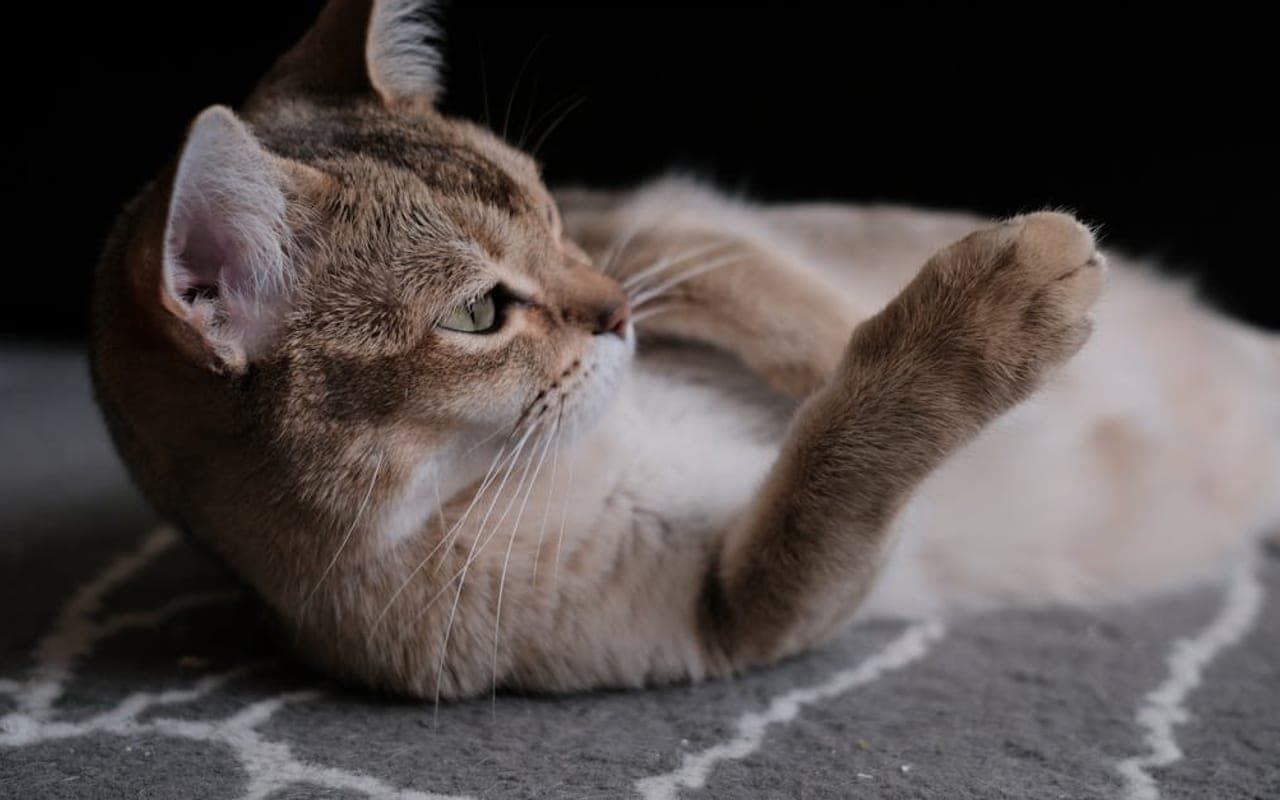
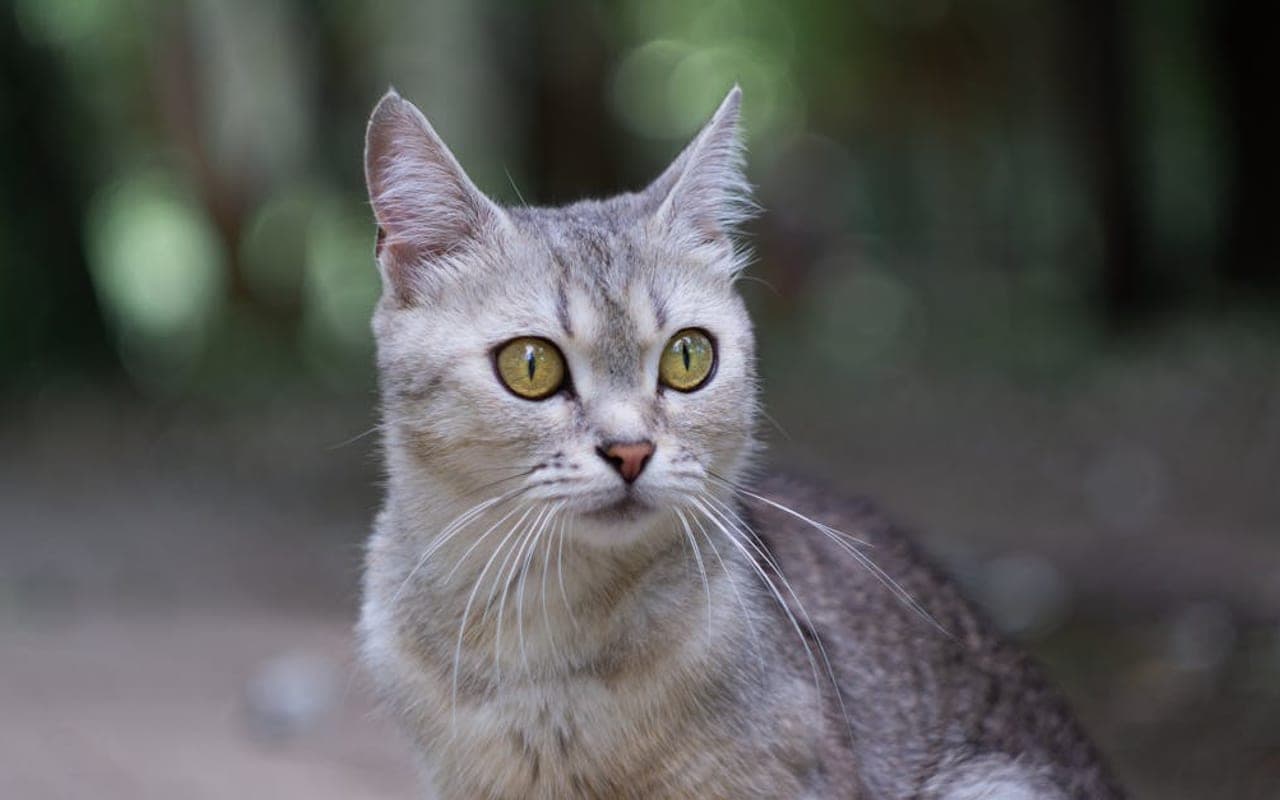
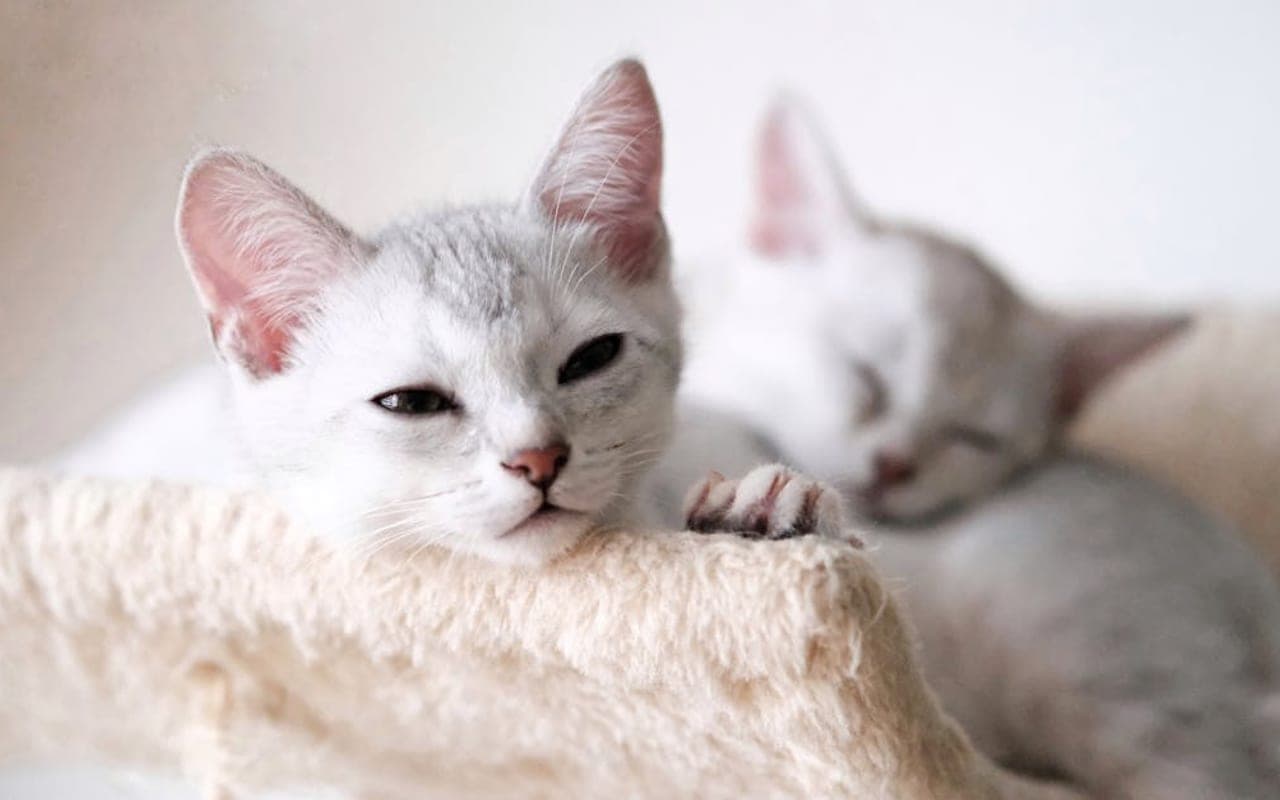
The Burmilla is a 1981 accident that turned into a breed. In the United Kingdom, a Chinchilla Persian and a lilac Burmese met unplanned, and the silver-shaded kittens were so striking the owners deliberately developed them. That accidental pairing defines everything about the breed: a Burmese-shaped body and personality wrapped in a Chinchilla Persian's shimmering silver or golden tipped coat — and, crucially, the Persian side's single most important inherited disease. In temperament the Burmese half wins. The Burmilla is sociable, even-tempered, playful into adulthood, and far less demanding than a full Burmese — owners often describe it as a Burmese personality with the volume turned down. It bonds to the whole family rather than fixating on one person, gets on well with children, dogs, and other cats, and is curious without being destructive. It is talkative but soft-voiced. The coat is the visual signature: a short or semi-long shimmering coat with a silver or golden undercoat and darker tipping, dramatic 'mascara' eye-lining, and a green-to-amber eye. The shorthair needs little grooming; the semi-longhair needs more attention than its placid reputation suggests. What a Burmilla buyer must understand: because a Chinchilla Persian sits in the foundation, the Burmilla carries a real risk of autosomal-dominant polycystic kidney disease (PKD). This is not a generic 'kidney trouble' caveat — it is a specific, DNA-testable, single-gene disease, and a study that tested Burmillas found a meaningful proportion positive. One copy of the gene is enough to cause it. Who the Burmilla is right for: an owner who wants a gentle, sociable, lower-key Burmese-type cat and who will buy only from a breeder who PKD-DNA-tests the parents. Who it is wrong for: a buyer who skips the PKD question because the kitten looks healthy — PKD cysts are silent for years before kidney failure appears.
Easy Going | Friendly | Intelligent | Lively | Playful | Social
Easy Going
A common Burmilla temperament descriptor that should be interpreted alongside enrichment, handling, and household fit.
Friendly
A common Burmilla temperament descriptor that should be interpreted alongside enrichment, handling, and household fit.
Intelligent
A common Burmilla temperament descriptor that should be interpreted alongside enrichment, handling, and household fit.
Lively
A common Burmilla temperament descriptor that should be interpreted alongside enrichment, handling, and household fit.
Owner note
Temperament labels are starting points, not guarantees. Meet the individual cat and ask about behavior history whenever possible.
Care essentials
How to care for a Burmilla
What looking after one actually involves: play, grooming, food, litter, and routine health.
ExerciseAs needed
- Moderately active breed that enjoys regular play sessions and exploration. Provide toys and occasional interactive games.
GroomingAs needed
- Brush 2-3 times per week to maintain coat health and reduce shedding. Monthly bathing may be beneficial.
NutritionAs needed
- Feed a high-quality cat food appropriate for their age and activity level. Maintain fresh water at all times. Monitor weight to prevent obesity.
SocializationAs needed
- Highly social breed that thrives on companionship. Does not do well left alone for extended periods. Consider a companion pet.
Veterinary CareAs needed
- Annual wellness exams, vaccinations, dental checkups, and parasite prevention. Spay/neuter recommended if not breeding.
Health planning
Burmilla health risks and screening
Every cat breed has individual health variation. Use this profile for planning and discuss medical decisions with a veterinarian.
Responsible ownership
Finding a Burmilla responsibly
What to ask a breeder or rescue is the same conversation for every breed, so we keep it in one place and keep it current.
Health documentation, meeting the parents or foster, contracts and return support, and the warning signs worth walking away from.
Original purpose
Burmilla history
History is useful when it explains today's behavior, coat, exercise needs, and training style.
Read the breed history
The Burmilla began in London in 1981 with an unplanned mating between a Chinchilla Persian male and a lilac Burmese female owned by Baroness Miranda von Kirchberg. The silver-shaded kittens were so attractive that a deliberate breeding program followed, and the breed was developed and standardized through the 1980s under UK cat fancy bodies, later gaining recognition from international registries including TICA and the CFA. That dual ancestry is the breed's defining genetic fact. The Burmese contributes the body type and the friendly, robust temperament; the Chinchilla Persian contributes the shimmering tipped coat and, less welcome, susceptibility to polycystic kidney disease. Any registry list of breeds appropriate for PKD DNA testing includes the Burmilla precisely because of that Persian foundation — making the breed's history a direct, practical buying instruction rather than background color.
Gallery
Burmilla photos
Images are cropped consistently and loaded progressively to keep the page responsive.
Lower-page context
Burmilla cats in culture
Where the breed shows up in film, sport, work and folklore — the enjoyable part, once the practical questions are answered.
Fun facts
- The Burmilla originated in United Kingdom.
- Burmilla cats are known for being very vocal and communicative with their owners.
- The Burmilla is a true lap cat that loves to curl up with their owners.
Burmilla FAQs
How long do Burmilla cats live?
A healthy Burmilla typically lives 10-15 years, and well-bred PKD-negative individuals often reach the upper end. The number that varies is driven almost entirely by kidney health: a cat that inherited polycystic kidney disease may decline noticeably in middle age, while a PKD-negative, lean Burmilla with managed dental care commonly lives a full, healthy span. Breeder DNA testing is the single biggest lever on this breed's lifespan.
Are Burmilla cats good with children?
Yes. The Burmilla is even-tempered, sociable, sturdy, and playful into adulthood, which suits households with children. It bonds to the whole family rather than one person and generally tolerates handling and household activity well without becoming reactive. Supervise young children and teach gentle handling as with any cat, but the Burmilla's calm Burmese-derived temperament makes it one of the more child-tolerant pedigree cats.
How much grooming does a Burmilla need?
Low to moderate, depending on coat length. The shorthaired Burmilla needs a five-minute brush once a week; the semi-longhaired variety needs 2-3 sessions a week to prevent tangles behind the ears and in the armpits, increasing to every other day during seasonal sheds. The placid reputation slightly undersells the semi-longhair's needs, so confirm which coat type you are buying before assuming it is wash-and-wear.
Are Burmilla cats good for apartments?
Yes. The Burmilla is adaptable, sociable, and not destructive when engaged, so it does well in apartments given 15-20 minutes of daily interactive play and company — it is not a cat that thrives left alone all day. The only apartment-relevant note is the PKD risk: in a small home you will notice increased drinking and litter-box use early, which is actually an advantage for catching kidney decline promptly.
How much does a Burmilla cat cost?
Expect roughly $600-$1,200 for a pet-quality Burmilla from a registered breeder, more for show lines. The decisive cost is later: managing inherited polycystic kidney disease — diagnostics, prescription renal diet, fluids, and monitoring — can run $1,000-$3,000+ over the cat's life. Paying a premium for a kitten from PKD-DNA-tested parents is the cheapest insurance available in this breed; it directly removes the most expensive single risk.
Does my Burmilla need a PKD test?
If the breeder did not provide proof that both parents were PKD-DNA-tested, then yes — ask your vet about a one-time PKD1 DNA test or a renal ultrasound. PKD is autosomal dominant, so one affected parent can pass it on, and cysts are silent for years before kidney failure appears. Knowing the status early changes monitoring for life: a PKD-positive cat benefits from earlier renal screening and dietary support, which buys real time.
Sources
These are the published sources this page draws on. Each opens in a new tab so you can check it yourself.
Cat Fanciers' Association
Burmilla — breed standard and profile(opens in a new tab)Supports: Breed standard and recognition details.
Similar breeds to consider
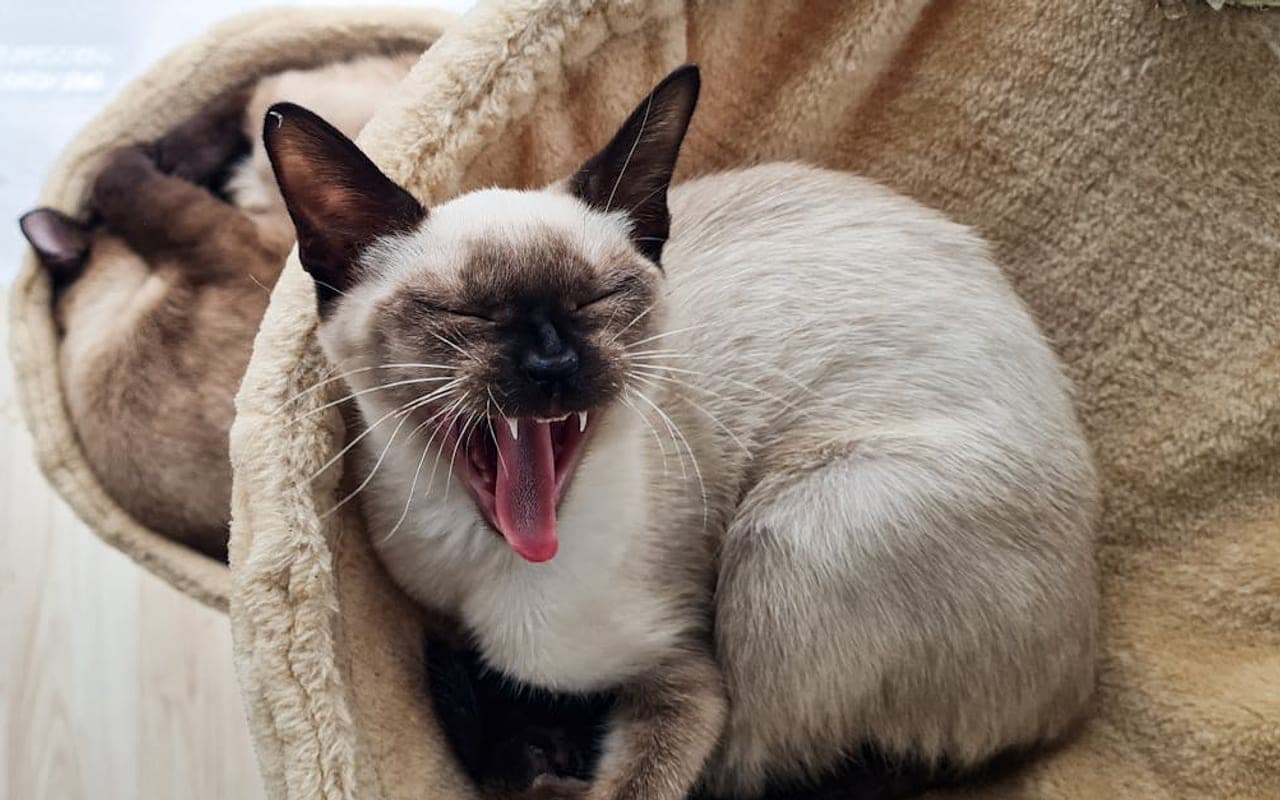
Siamese
Also in the Shorthair group, with different care and temperament tradeoffs.
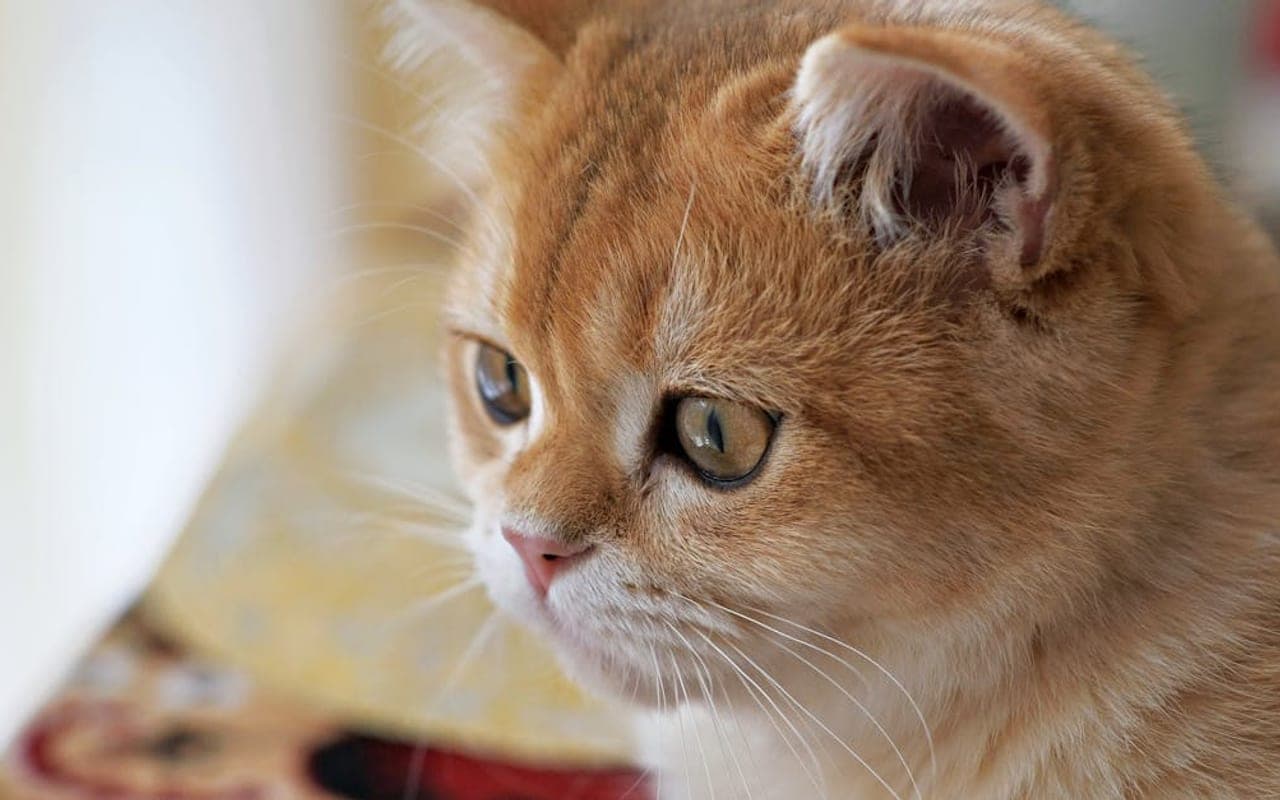
British Shorthair
Also in the Shorthair group, with different care and temperament tradeoffs.
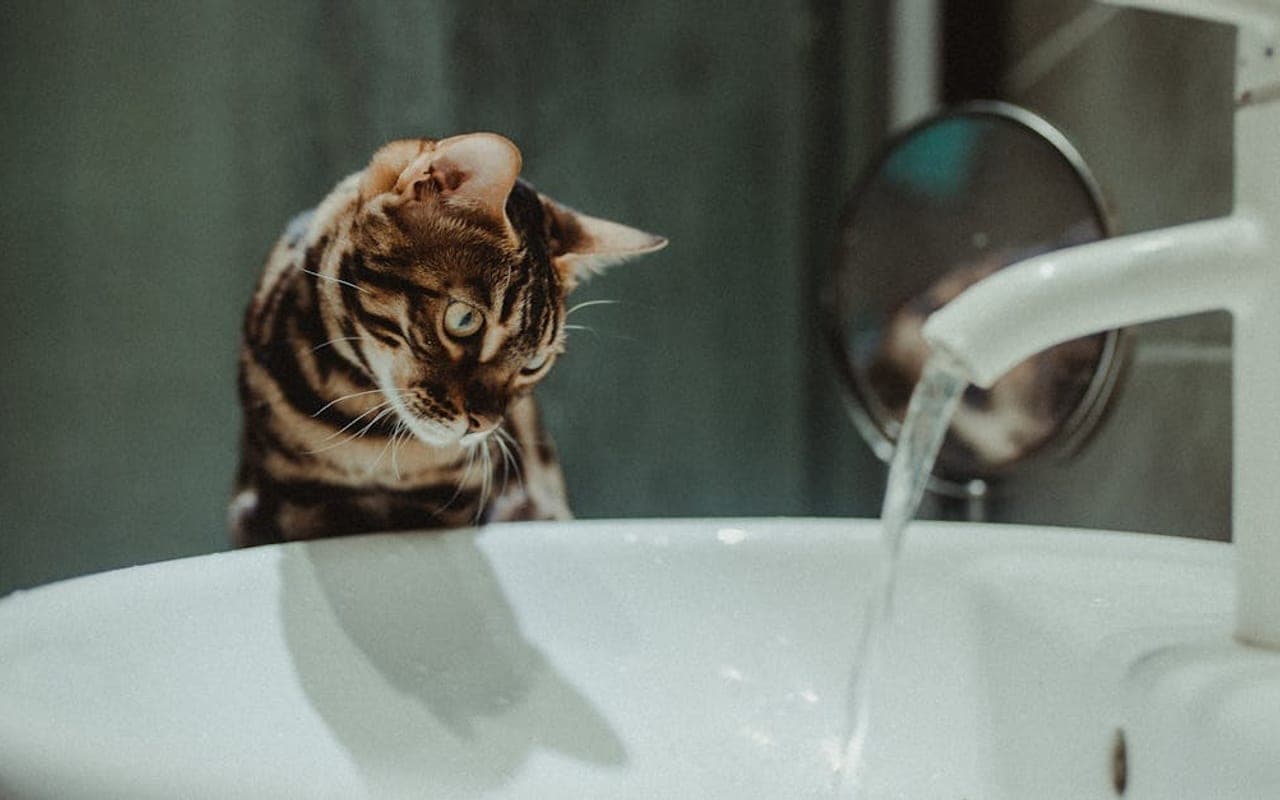
Bengal
Also in the Shorthair group, with different care and temperament tradeoffs.
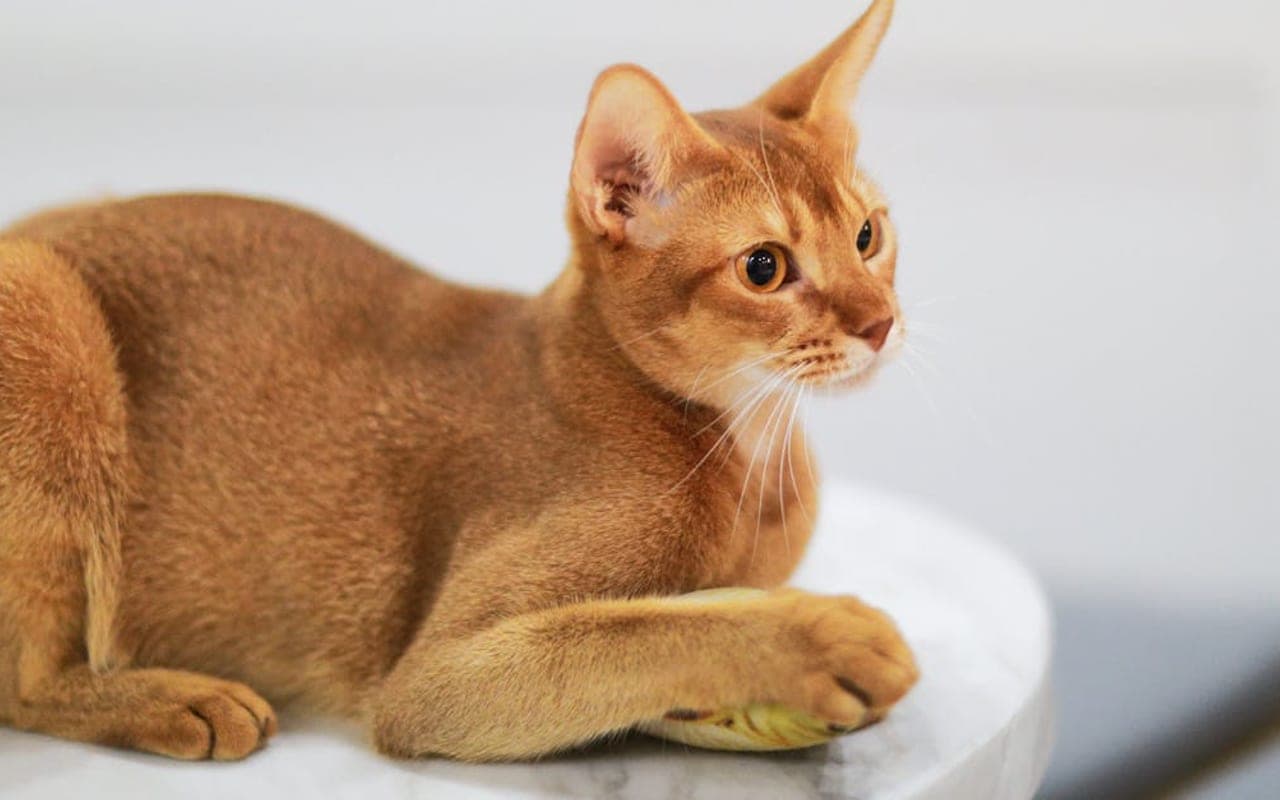
Abyssinian
Also in the Shorthair group, with different care and temperament tradeoffs.
Explore More About Burmilla
Dive deeper into everything Burmilla — costs, care, and expert insights.
Cat Nutrition Guide: What Cats Actually Need to Eat
Cats are obligate carnivores, which means they are...
Kitten-Proofing Your Home: The Hazards Owners Miss
A single lily leaf — or even the pollen brushed off one — can put a kitten into acute...
Considering a dog instead?
Browse Dogs