
Shorthair group
Chausie
The Chausie is a wild-cat hybrid, and an honest profile has to start there because it changes everything.
Size
8-25 lb
Lifespan
12-14 years
Play
20-40 minutes
Shedding
Moderate
Experience
Match to owner routine
Decision first
Is a Chausie right for you?
Start with fit before history or trivia. These are ownership signals, not guarantees about any individual cat.
Best suited for
- Households with children.
- Homes with other compatible pets.
- Apartment homes with a consistent routine.
- Owners who can provide daily play, climbing space, and enrichment.
Think carefully if
- You cannot provide daily play, climbing space, or mental enrichment.
- You cannot keep up with grooming and preventive care.
- The cat will spend most days without interaction or enrichment.
Conditional fit
Apartment fit depends on vertical space, litter setup, play, enrichment, and noise tolerance.
Daily reality
Chausie commitment snapshot
Daily play
20-40 minutes
Match play and enrichment to age, health, appetite, and household routine.
Coat care
Moderate
Grooming needs vary by coat, shedding, and lifestyle.
Social needs
Needs planning
Most cats still need predictable contact, enrichment, litter care, and monitoring.
Structured facts
Chausie at a glance
The measurements and traits that most affect day-to-day life with this breed.
Origin
Egypt
Group
Shorthair
Weight
8-25 lb
Height
14-18 in
Lifespan
12-14 years
Temperament
Affectionate | Intelligent | Playful | Social
View all characteristics and methodology
Lifestyle fit
- Apartment suitabilityWorks best with clean litter setup, vertical space, and daily enrichment.
- Likely fit
- Child friendliness
- Often good, with socialisation and supervision
- Other-pet fit
- Often compatible with careful introductions
- Adaptability
- Very high
Owner commitment
- Daily play
- 20-40 minutes
- Grooming
- Moderate
- Shedding
- Moderate
- Indoor enrichment
- High
Behavior
- Affection
- Very high
- Energy
- High
- Vocalization
- Low
- Social needs
- Moderate
Environment and health
- Intelligence
- Very high
- Health risk
- Needs planning
- Weight sensitivity
- Routine monitoring
Ratings combine structured breed data, visible breed fields, and editorial context. They are planning aids, not predictions for an individual cat.
Daily life
Chausie temperament and behavior
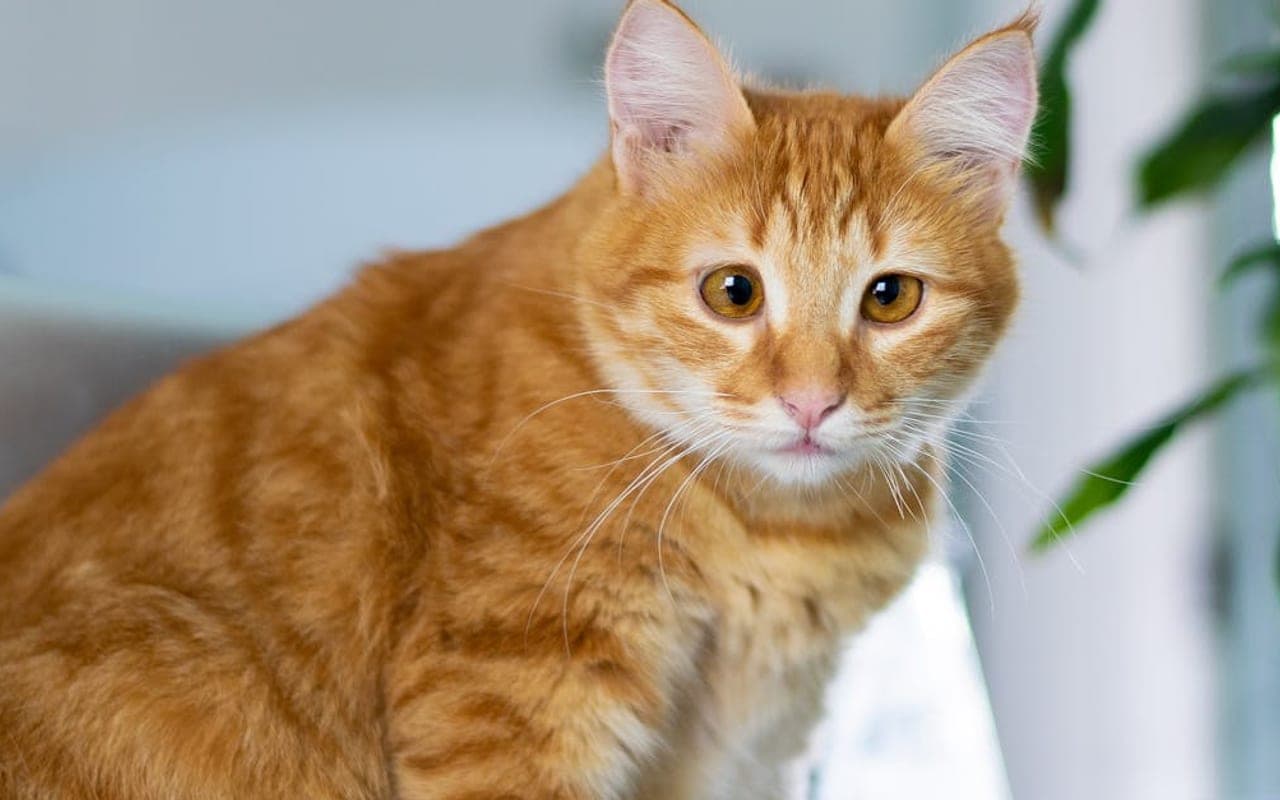
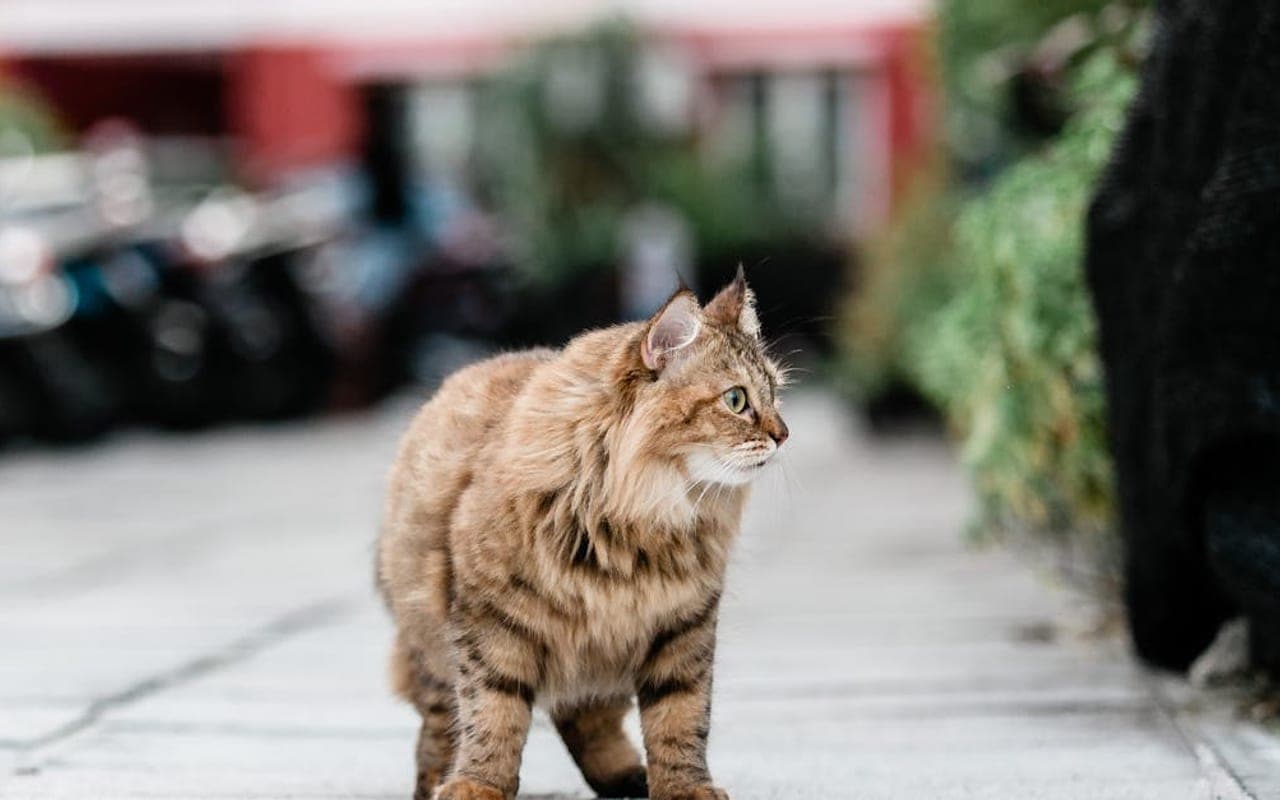
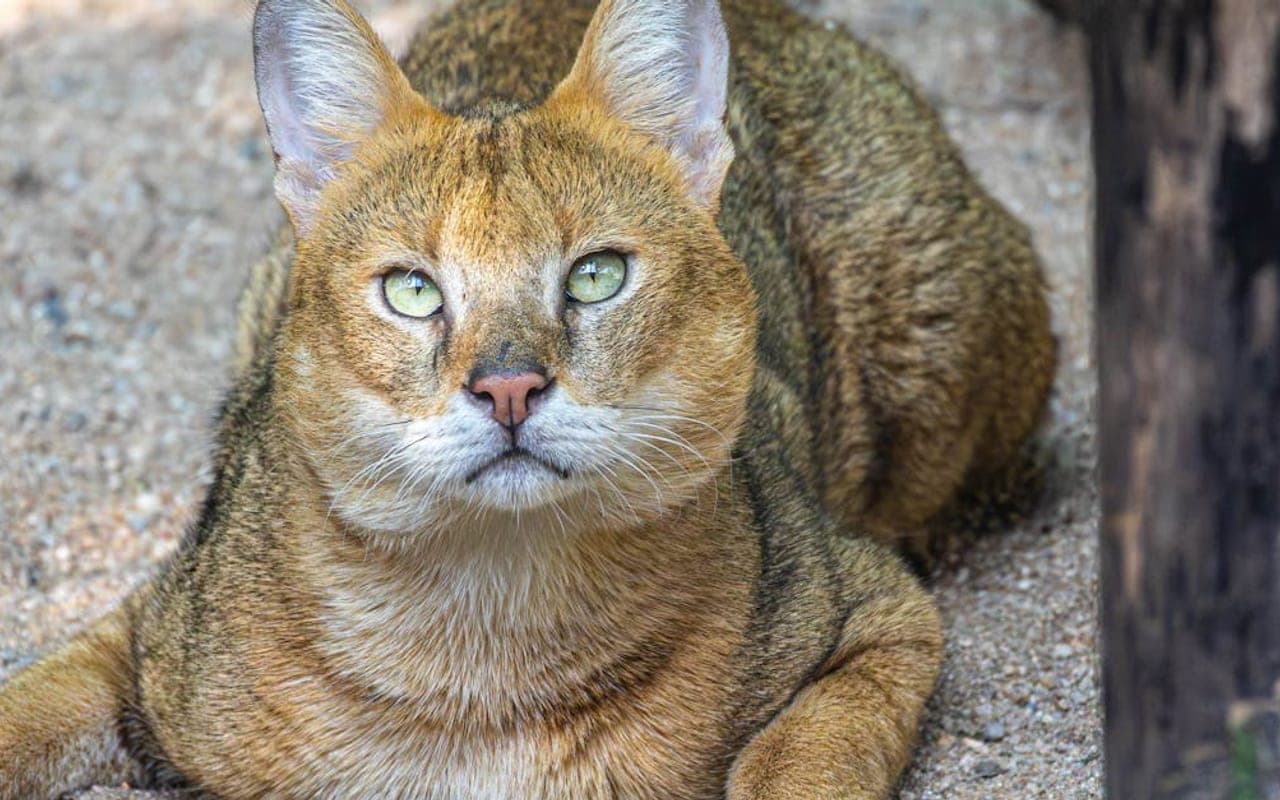
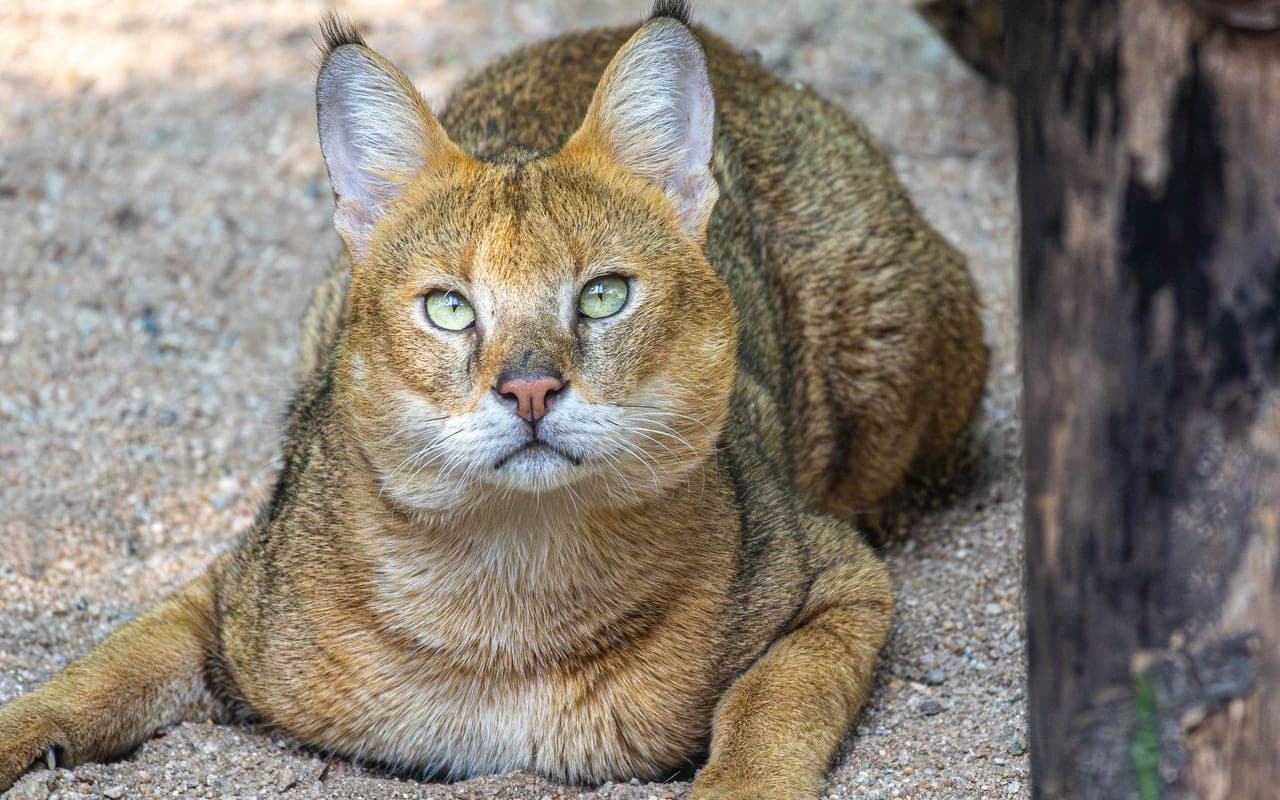
The Chausie is a wild-cat hybrid, and an honest profile has to start there because it changes everything. It was created by crossing the jungle cat (Felis chaus) with domestic cats, primarily the Abyssinian. The result is a tall, long-legged, athletic cat that can weigh up to 7 kg, looks like a small cougar, and behaves far more like a wild animal than a lap cat — especially in the early hybrid generations. Generations matter and define ownership. F1 (one wild jungle-cat parent) and F2 cats are large, intense, demanding, and not suited to typical homes; many jurisdictions regulate or ban early-generation hybrids, and F1-F3 males are commonly infertile due to chromosomal incompatibility between wild and domestic cats. The Chausies sold as pets are usually F4 and later — calmer, but still high-energy, highly intelligent, and dog-like in their need for activity and engagement. Temperament across generations: the Chausie is loyal, intensely playful, water-loving, and bonds hard with its people. It needs vertical territory, real space, and structured enrichment. Under-stimulated, it becomes destructive in a way an ordinary cat is not — this is a cat that opens cupboards, climbs everything, and never fully switches off. It is quiet vocally but very physical. The defining health reality is digestive. Some Chausies inherit the shorter, wild-type intestinal tract of the jungle cat and cannot properly process plant-derived ingredients; chronic IBD-type inflammation and food sensitivity are common when diet is wrong — typically a grain-free, high-meat diet is needed. Who the Chausie is right for: an experienced, active owner who can provide space, enrichment, a meat-heavy diet, and legal clearance for the generation they buy. Who it is wrong for: a first-time cat owner, a small apartment with long absences, or anyone who has not checked local hybrid laws and the cat's exact generation before buying.
Affectionate | Intelligent | Playful | Social
Affectionate
A common Chausie temperament descriptor that should be interpreted alongside enrichment, handling, and household fit.
Intelligent
A common Chausie temperament descriptor that should be interpreted alongside enrichment, handling, and household fit.
Playful
A common Chausie temperament descriptor that should be interpreted alongside enrichment, handling, and household fit.
Social
A common Chausie temperament descriptor that should be interpreted alongside enrichment, handling, and household fit.
Owner note
Temperament labels are starting points, not guarantees. Meet the individual cat and ask about behavior history whenever possible.
Care essentials
How to care for a Chausie
What looking after one actually involves: play, grooming, food, litter, and routine health.
ExerciseAs needed
- Active and playful breed requiring daily interactive play sessions with toys, climbing structures, and mental stimulation.
GroomingAs needed
- Brush 2-3 times per week to maintain coat health and reduce shedding. Monthly bathing may be beneficial.
NutritionAs needed
- Feed a high-quality cat food appropriate for their age and activity level. Maintain fresh water at all times. Monitor weight to prevent obesity.
SocializationAs needed
- Enjoys human company and interaction. Can tolerate some alone time but prefers regular companionship.
Veterinary CareAs needed
- Annual wellness exams, vaccinations, dental checkups, and parasite prevention. Spay/neuter recommended if not breeding.
Health planning
Chausie health risks and screening
Every cat breed has individual health variation. Use this profile for planning and discuss medical decisions with a veterinarian.
Responsible ownership
Finding a Chausie responsibly
What to ask a breeder or rescue is the same conversation for every breed, so we keep it in one place and keep it current.
Health documentation, meeting the parents or foster, contracts and return support, and the warning signs worth walking away from.
Original purpose
Chausie history
History is useful when it explains today's behavior, coat, exercise needs, and training style.
Read the breed history
The Chausie descends from deliberate crossing of the wild jungle cat, Felis chaus — a medium wild cat native to wetlands across the Middle East, South Asia, and parts of Africa and historically associated with ancient Egypt — with domestic cats, chiefly the Abyssinian, beginning in earnest in the 1960s-1990s and gaining TICA recognition in the 1990s. The 'Egypt' origin tag reflects the jungle cat's historical range and mummified presence in ancient Egyptian sites, not a modern Egyptian breeding program. That hybrid origin is not flavor text — it is the source of every practical caveat: the wild-type digestive tract that drives the breed's food sensitivity, the early-generation male infertility from wild/domestic chromosome mismatch, and the legal restrictions that follow wild-hybrid cats. A buyer who understands the history asks the only two questions that matter first: what generation is this cat, and is it legal where I live.
Gallery
Chausie photos
Images are cropped consistently and loaded progressively to keep the page responsive.
Lower-page context
Chausie cats in culture
Where the breed shows up in film, sport, work and folklore — the enjoyable part, once the practical questions are answered.
Fun facts
- The Chausie originated in Egypt.
- Chausie cats are considered one of the most intelligent cat breeds.
- Chausie cats are exceptionally dog-friendly and can live harmoniously with canine companions.
Chausie FAQs
How long do Chausie cats live?
A healthy Chausie typically lives 12-14 years, sometimes longer with good management. The single biggest variable is the digestive system: a Chausie kept on an appropriate high-meat, grain-free diet often lives a full, healthy span, while one with poorly managed chronic IBD-type inflammation can decline earlier and harder. In this breed, lifespan is mostly a function of getting the diet right, not luck.
Are Chausie cats good with children?
Later-generation (F4+) Chausies can do well with older, calm children — they are playful, loyal, and physically robust. But this is a powerful, intense, high-drive cat, not a placid family pet, and early-generation hybrids are not appropriate around young children at all. Supervise interactions closely, provide the cat with high escape spaces, and treat the Chausie as a demanding exotic-type pet rather than an ordinary household cat.
How much grooming does a Chausie need?
Very little — the short coat needs only a five-minute brush once a week, and seasonal shedding is modest, so a basic rubber curry or grooming glove is the only tool you need. Grooming is genuinely the easiest part of Chausie ownership. The real maintenance burden is not the coat; it is the diet management and the 45-60 minutes of daily structured enrichment the breed requires to stay physically and behaviorally healthy throughout its life.
Are Chausie cats good for apartments?
Generally no, not well. The Chausie is a large, intensely active, climbing cat that needs vertical space, room to run, and constant enrichment; a standard apartment with an owner away all day produces a stressed, destructive cat. Later generations can adapt to a large, heavily enriched apartment with a committed, present owner, but this breed is a poor fit for small-space, low-time households.
How much does a Chausie cat cost?
Expect roughly $800-$2,500+ for a pet-quality later-generation Chausie from a registered breeder; earlier generations cost far more and are often legally restricted. The hidden cost is dietary and veterinary: a lifelong high-quality meat-based or prescription diet plus management of inherited IBD-type inflammation can run $1,000-$3,000+ over the cat's life. Confirming the generation and local legality in writing before purchase prevents the most expensive mistake of all.
Is it legal to own a Chausie, and does the generation matter?
It depends entirely on jurisdiction and generation, so this must be checked before buying. Early-generation hybrids (F1-F3, with recent wild jungle-cat ancestry) are regulated, permit-required, or outright banned in many states and countries; later generations (F4+) are usually treated as domestic but not everywhere. Always get the exact filial generation in writing from the breeder and verify your local laws first — owners who skip this are why hybrid rescues exist.
Sources
These are the published sources this page draws on. Each opens in a new tab so you can check it yourself.
The International Cat Association
Chausie — TICA breed standard(opens in a new tab)Supports: Breed standard and recognition details.
Similar breeds to consider
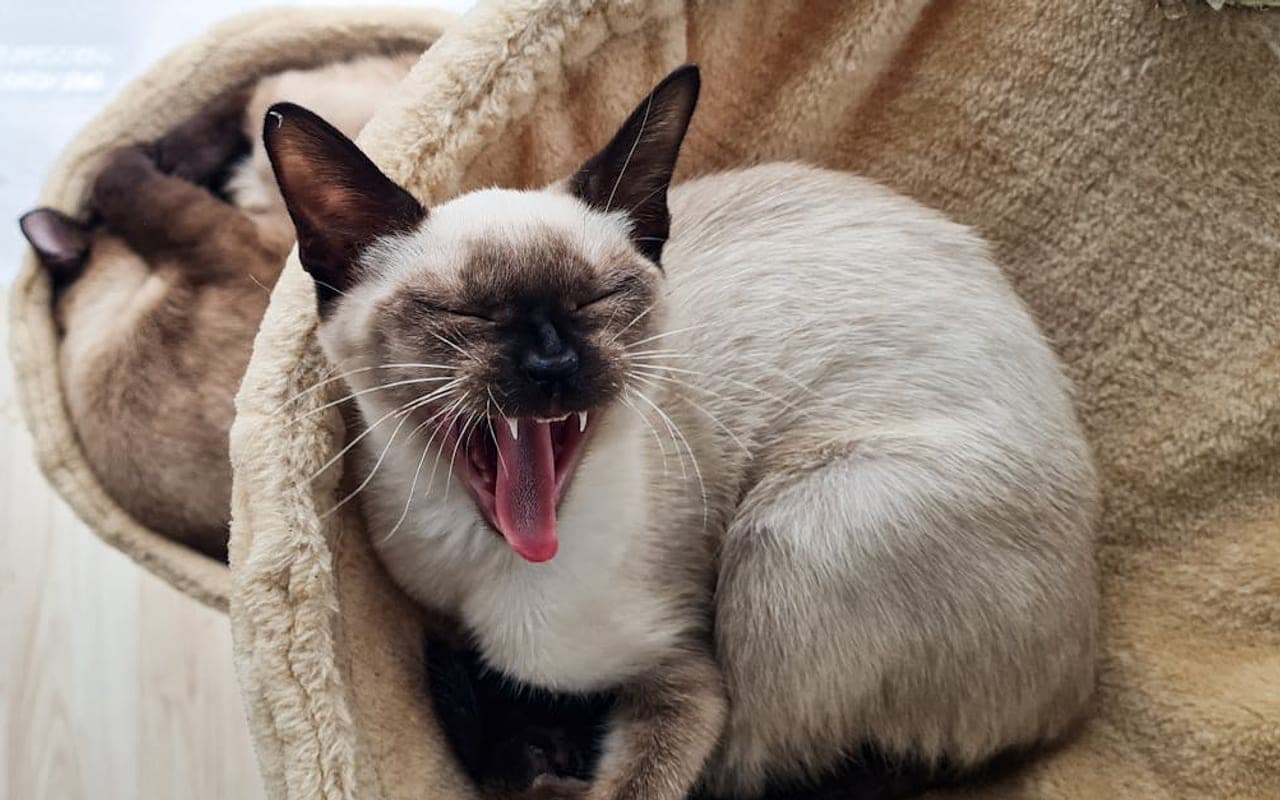
Siamese
Also in the Shorthair group, with different care and temperament tradeoffs.
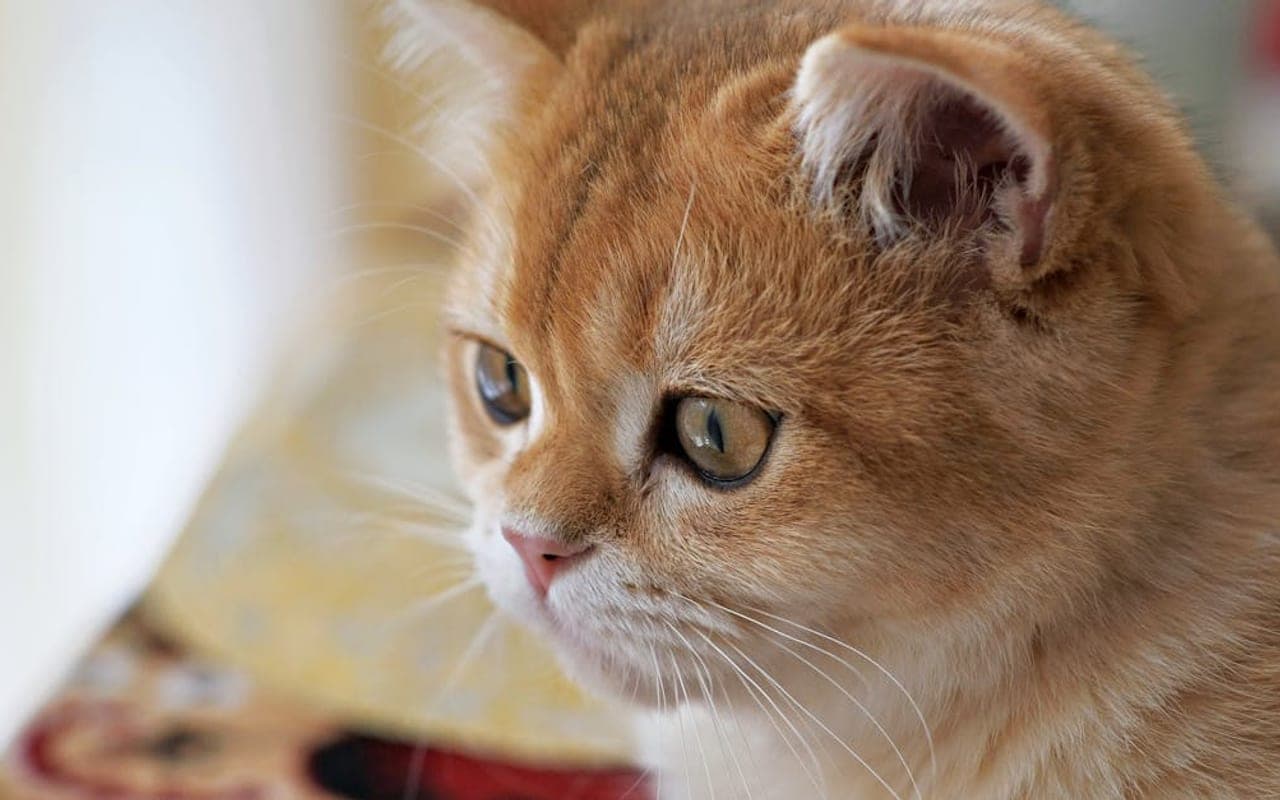
British Shorthair
Also in the Shorthair group, with different care and temperament tradeoffs.
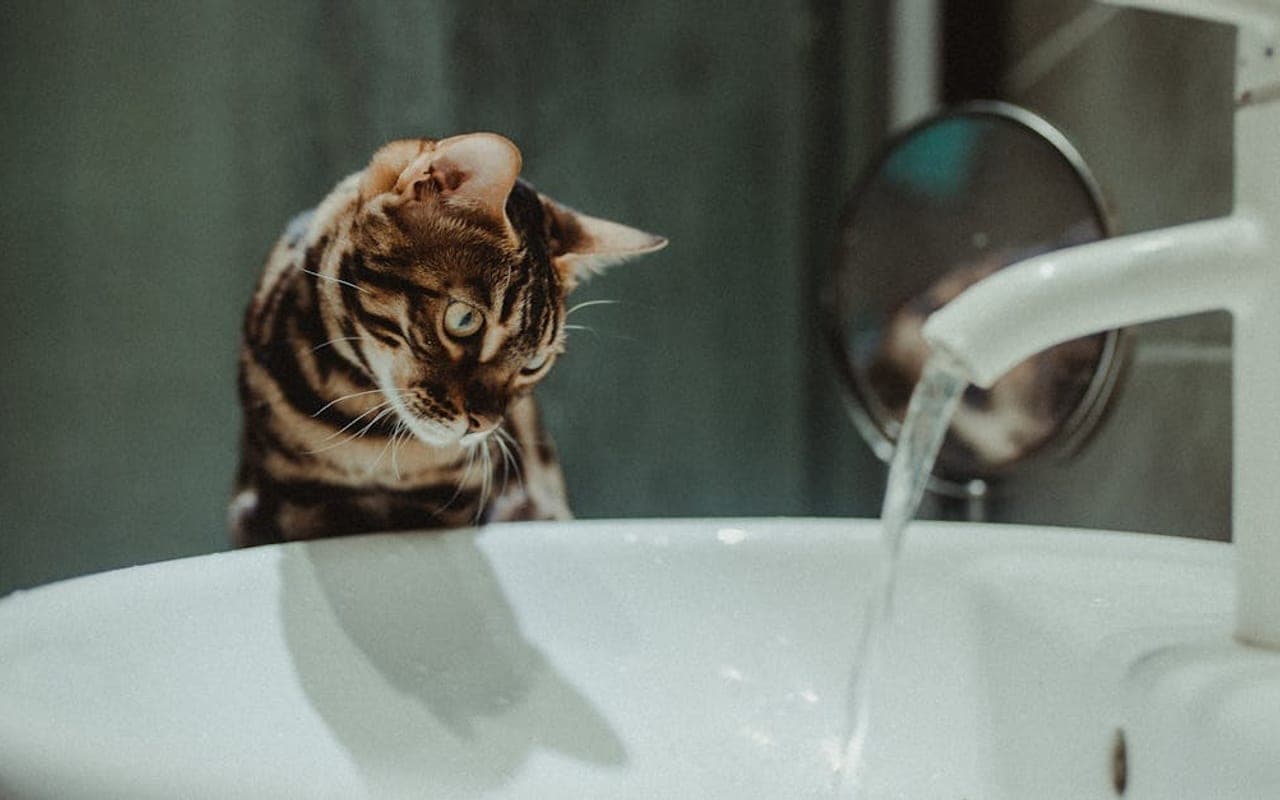
Bengal
Also in the Shorthair group, with different care and temperament tradeoffs.
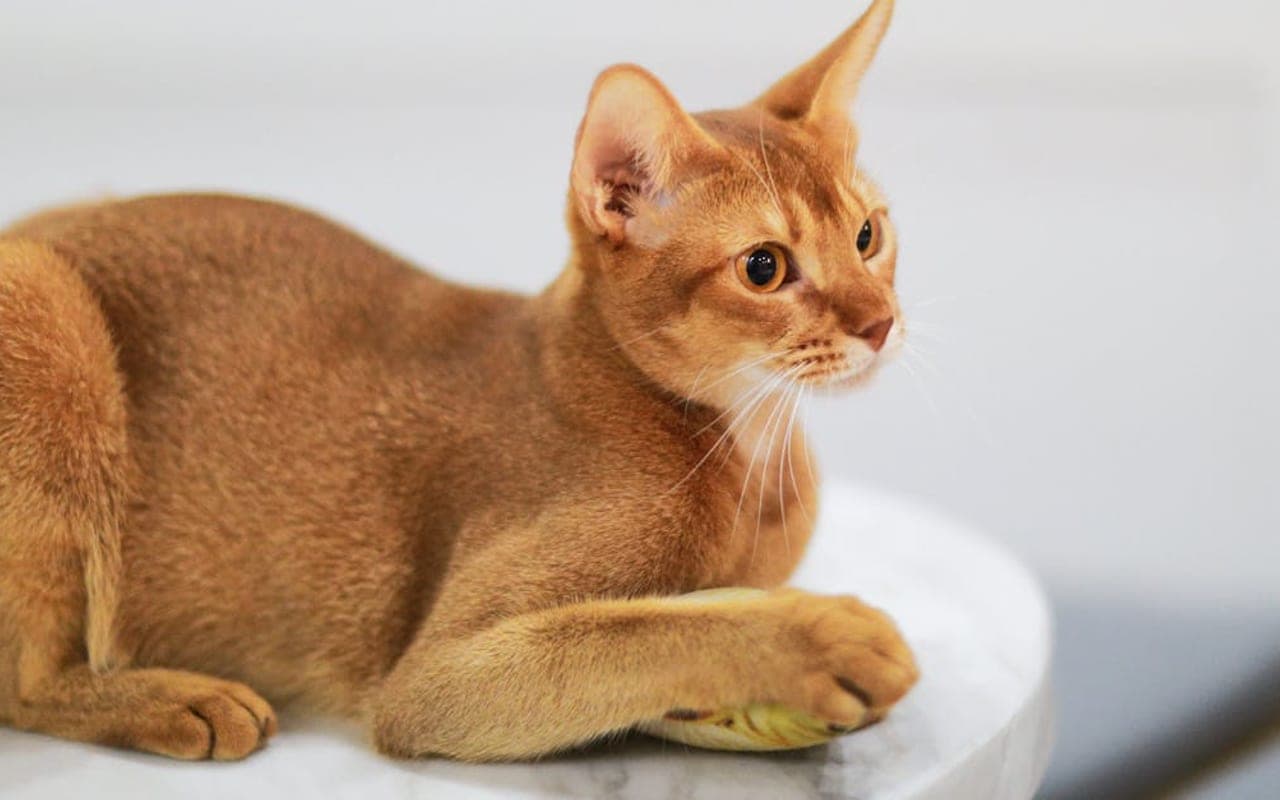
Abyssinian
Also in the Shorthair group, with different care and temperament tradeoffs.
Explore More About Chausie
Dive deeper into everything Chausie — costs, care, and expert insights.
Considering a dog instead?
Browse Dogs