
Shorthair group
Colorpoint Shorthair
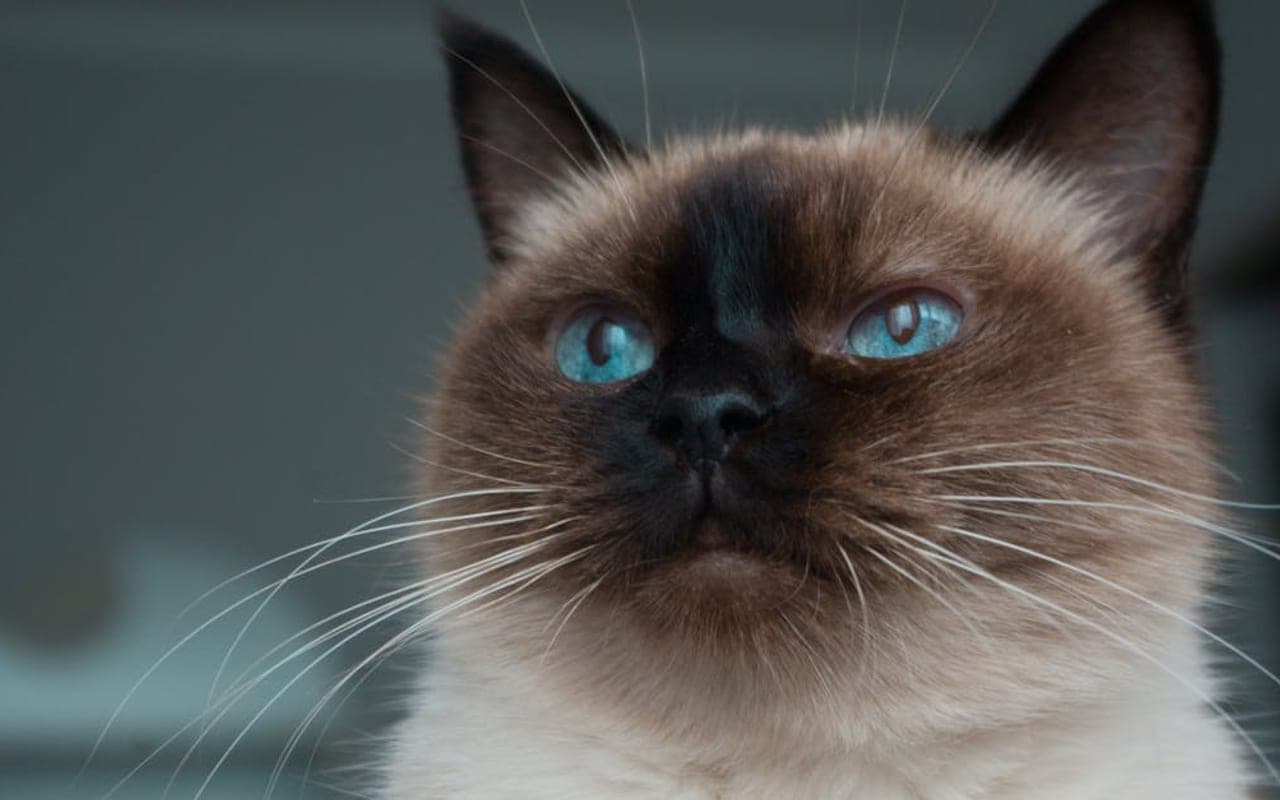
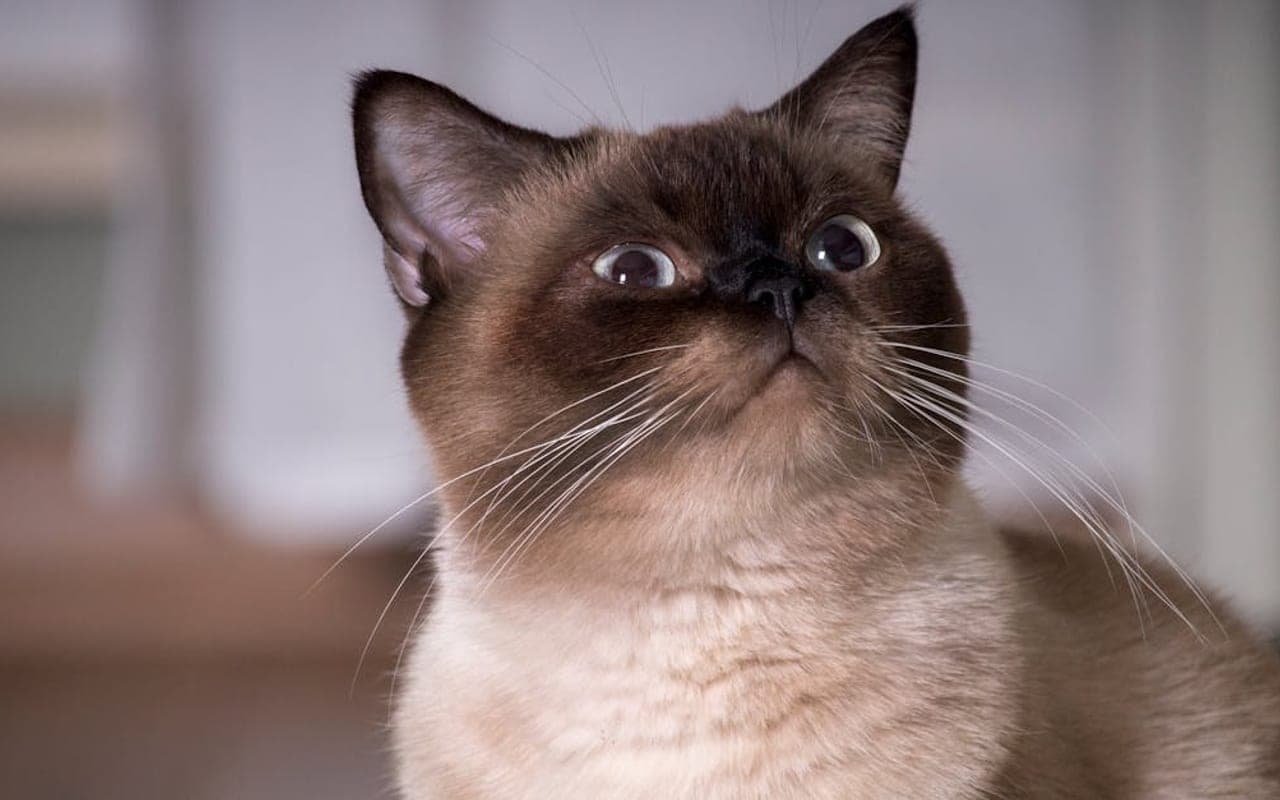
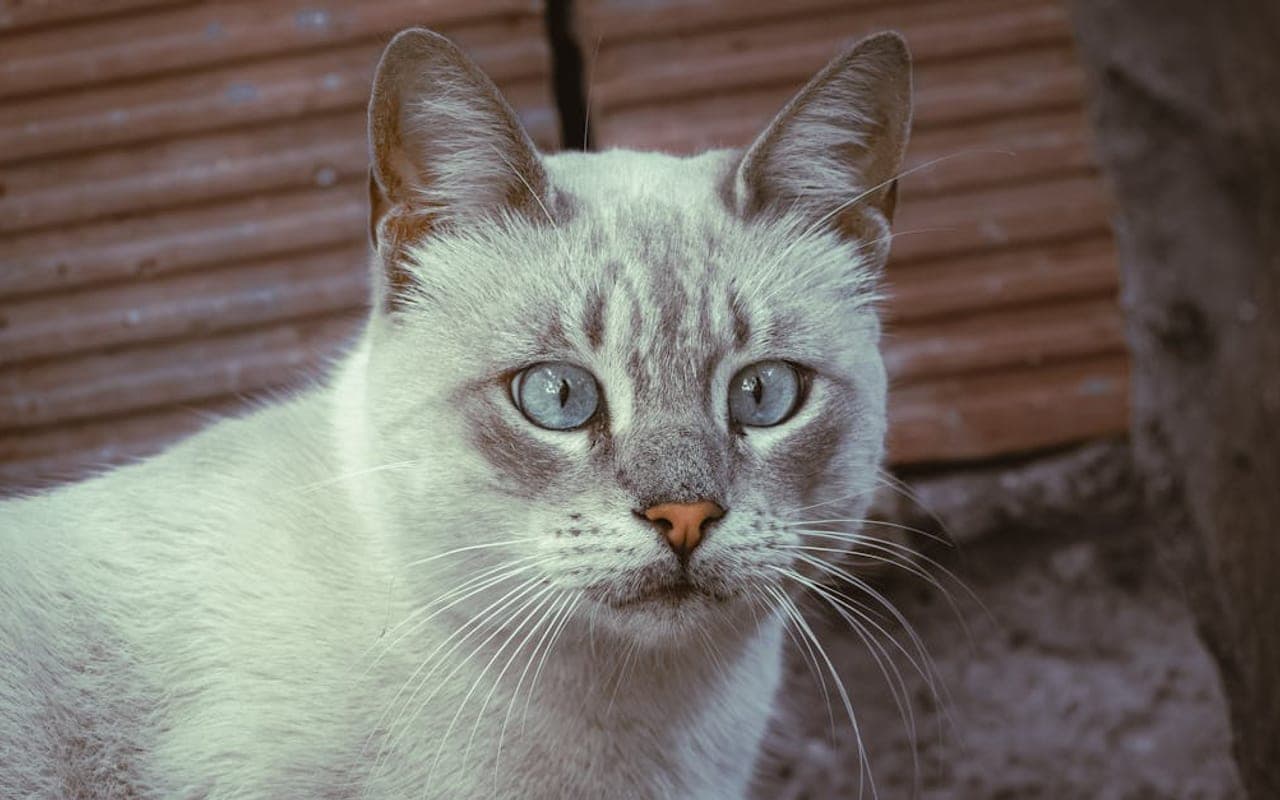
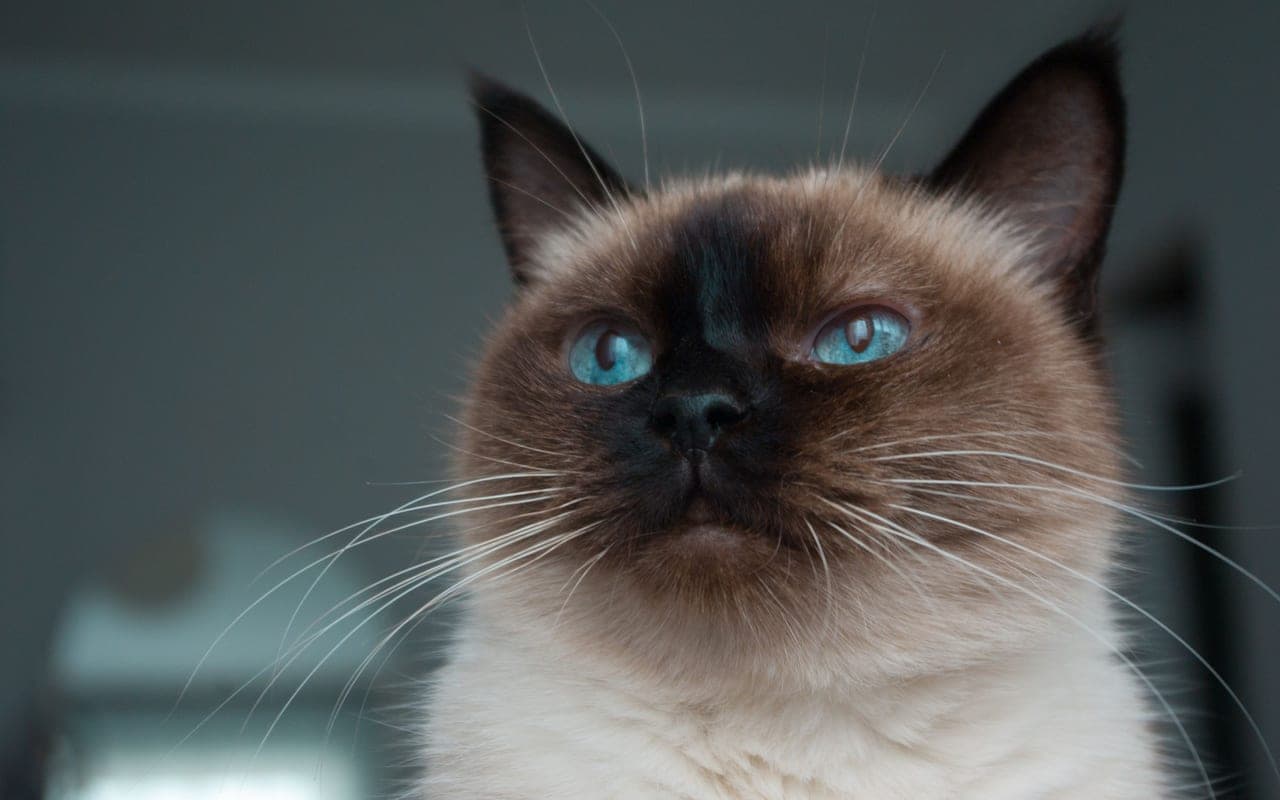
The Colorpoint Shorthair is, functionally, a Siamese in non-traditional point colors — same wedge-headed, slender, blue-eyed, intensely vocal cat, bred to the same standard but recognized separately because its points come in red, cream, lynx (tabby), and tortie patterns rather than the four classic Siamese colors.
Size
6-11 lb
Lifespan
12-16 years
Play
20-40 minutes
Shedding
Moderate
Experience
Match to owner routine
Decision first
Is a Colorpoint Shorthair right for you?
Start with fit before history or trivia. These are ownership signals, not guarantees about any individual cat.
Best suited for
- Households with children.
- Homes with other compatible pets.
- Apartment homes with a consistent routine.
- Owners who can provide daily play, climbing space, and enrichment.
Think carefully if
- You cannot provide daily play, climbing space, or mental enrichment.
- You cannot keep up with grooming and preventive care.
- The cat will spend most days without interaction or enrichment.
Conditional fit
Apartment fit depends on vertical space, litter setup, play, enrichment, and noise tolerance.
Daily reality
Colorpoint Shorthair commitment snapshot
Daily play
20-40 minutes
Match play and enrichment to age, health, appetite, and household routine.
Coat care
Low
Grooming needs vary by coat, shedding, and lifestyle.
Social needs
Needs planning
Most cats still need predictable contact, enrichment, litter care, and monitoring.
Structured facts
Colorpoint Shorthair at a glance
The measurements and traits that most affect day-to-day life with this breed.
Origin
United States
Group
Shorthair
Weight
6-11 lb
Height
9-12 in
Lifespan
12-16 years
Temperament
Affectionate | Intelligent | Playful | Social
View all characteristics and methodology
Lifestyle fit
- Apartment suitabilityWorks best with clean litter setup, vertical space, and daily enrichment.
- Likely fit
- Child friendliness
- Often good, with socialisation and supervision
- Other-pet fit
- Often compatible with careful introductions
- Adaptability
- Moderate
Owner commitment
- Daily play
- 20-40 minutes
- Grooming
- Low
- Shedding
- Moderate
- Indoor enrichment
- High
Behavior
- Affection
- High
- Energy
- High
- Vocalization
- Very high
- Social needs
- High
Environment and health
- Intelligence
- Very high
- Health risk
- Needs planning
- Weight sensitivity
- Routine monitoring
Ratings combine structured breed data, visible breed fields, and editorial context. They are planning aids, not predictions for an individual cat.
Daily life
Colorpoint Shorthair temperament and behavior
The Colorpoint Shorthair is, functionally, a Siamese in non-traditional point colors — same wedge-headed, slender, blue-eyed, intensely vocal cat, bred to the same standard but recognized separately because its points come in red, cream, lynx (tabby), and tortie patterns rather than the four classic Siamese colors. Anyone choosing this breed should understand that up front: you are getting a Siamese in temperament, voice, energy, and — critically — inherited health profile. Treating it as a milder 'different breed' is the first mistake buyers make. This is one of the most demanding companion cats in temperament terms, in the best and hardest senses. The Colorpoint is loud, opinionated, relentlessly social, highly intelligent, and emotionally attached to the point of dependency. It will talk back, follow you room to room, supervise every task, sleep in the bed, and protest loudly when ignored or left alone too long. It is sensitive to its owner's moods and bonds hard, often to one person. Physically the Colorpoint is a slender, fine-boned, sleek-coated cat that stays athletic and kitten-like in play well into adulthood; it climbs, fetches, and will use every vertical surface you give it. It is also a poor solo cat for an empty house — its sociability is a need, not a preference, and isolation produces real behavioral and emotional decline rather than mild boredom. The Colorpoint is right for someone who is home often or has a second cat, who actively wants a conversational, interactive, almost dog-like companion, and who will provide constant engagement. It is wrong for someone wanting a quiet, independent, low-vocalization cat, for long-hours-empty households, or for owners with low tolerance for noise — this breed yowls. It is also wrong for a buyer who will not verify breeder screening: the Siamese-group line carries real inherited disease (amyloidosis, PRA, cardiac and respiratory issues) that 'sociable lap cat' marketing glosses over.
Affectionate | Intelligent | Playful | Social
Affectionate
A common Colorpoint Shorthair temperament descriptor that should be interpreted alongside enrichment, handling, and household fit.
Intelligent
A common Colorpoint Shorthair temperament descriptor that should be interpreted alongside enrichment, handling, and household fit.
Playful
A common Colorpoint Shorthair temperament descriptor that should be interpreted alongside enrichment, handling, and household fit.
Social
A common Colorpoint Shorthair temperament descriptor that should be interpreted alongside enrichment, handling, and household fit.
Owner note
Temperament labels are starting points, not guarantees. Meet the individual cat and ask about behavior history whenever possible.
Care essentials
How to care for a Colorpoint Shorthair
What looking after one actually involves: play, grooming, food, litter, and routine health.
ExerciseAs needed
- Active and playful breed requiring daily interactive play sessions with toys, climbing structures, and mental stimulation.
GroomingAs needed
- Low-maintenance coat requiring weekly brushing. Occasional bathing as needed.
NutritionAs needed
- Feed a high-quality cat food appropriate for their age and activity level. Maintain fresh water at all times. Monitor weight to prevent obesity.
SocializationAs needed
- Highly social breed that thrives on companionship. Does not do well left alone for extended periods. Consider a companion pet.
Veterinary CareAs needed
- Annual wellness exams, vaccinations, dental checkups, and parasite prevention. Spay/neuter recommended if not breeding.
Health planning
Colorpoint Shorthair health risks and screening
Every cat breed has individual health variation. Use this profile for planning and discuss medical decisions with a veterinarian.
Responsible ownership
Finding a Colorpoint Shorthair responsibly
What to ask a breeder or rescue is the same conversation for every breed, so we keep it in one place and keep it current.
Health documentation, meeting the parents or foster, contracts and return support, and the warning signs worth walking away from.
Original purpose
Colorpoint Shorthair history
History is useful when it explains today's behavior, coat, exercise needs, and training style.
Read the breed history
The Colorpoint Shorthair was developed in the United States and United Kingdom in the mid-20th century by breeders who outcrossed the Siamese to shorthaired cats carrying red and tabby pigment in order to introduce point colors — red, cream, lynx, and tortie — outside the Siamese's four traditional points, then bred back to Siamese type. The result is genetically and structurally a Siamese with an expanded color range. Cat registries diverge on classification: some treat the Colorpoint Shorthair as a distinct breed (notably the Cat Fanciers' Association), while others fold these colors into the Siamese itself. For an owner the lineage is the practical headline: the temperament, the loud voice, the people-dependency, and the inherited disease risks all come straight from the Siamese foundation, so Siamese-group health screening and expectations apply directly to this cat.
Gallery
Colorpoint Shorthair photos
Images are cropped consistently and loaded progressively to keep the page responsive.
Lower-page context
Colorpoint Shorthair cats in culture
Where the breed shows up in film, sport, work and folklore — the enjoyable part, once the practical questions are answered.
Fun facts
- The Colorpoint Shorthair originated in United States.
- Colorpoint Shorthair cats are considered one of the most intelligent cat breeds.
- Colorpoint Shorthair cats are known for being very vocal and communicative with their owners.
- The Colorpoint Shorthair is a true lap cat that loves to curl up with their owners.
Colorpoint Shorthair FAQs
How long do Colorpoint Shorthair cats live?
A Colorpoint Shorthair from screened lines typically lives about 12-16 years, comparable to the Siamese it descends from, and many reach the upper end with good weight control and routine senior bloodwork. Lifespan in this lineage hinges on the inherited conditions — amyloidosis and cardiac disease in particular — so buying from a breeder who screens, plus catching organ or heart problems early through regular vet workups from middle age, is what most affects how long these cats live.
Are Colorpoint Shorthair cats good with children?
Yes, in an engaged household — they are playful, interactive, sturdy enough for respectful kids, and they crave attention and activity, which children can provide. They are not, however, a tolerant 'leave it alone' cat: they want to be involved and will get loud and demanding if ignored or handled roughly. Supervise young children, teach gentle handling, and give the cat elevated retreats. Their need for constant engagement actually pairs well with attentive older children.
How much grooming does a Colorpoint Shorthair need?
Minimal. The fine, short, close-lying coat needs only a weekly pass with a grooming glove or soft rubber brush to remove the little loose hair it sheds, and bathing is almost never required. Routine nail trims, dental care, and ear checks complete the physical maintenance. The effort with this breed is not coat-related at all — it is the daily time and interaction the cat demands emotionally, which is far higher than its grooming needs suggest.
Are Colorpoint Shorthair cats vocal?
Extremely — this is one of the loudest, most talkative cat breeds, identical to the Siamese in this respect. It carries on running 'conversations', protests loudly when ignored or left alone, and uses a distinctive low yowl. This is a defining breed trait, not a problem to fix, but it is the single most common reason buyers regret the breed. If you or your neighbors need a quiet cat, choose a different breed; if you want a conversational companion, this is exactly what you are signing up for.
Are Colorpoint Shorthair cats good for apartments?
Physically yes — they are small, agile, and adapt to limited space — but with two real cautions. First, the volume: constant loud vocalization carries through shared walls and is a frequent neighbor complaint. Second, the social need: this breed cannot cope being alone in an empty apartment all day and will become destructive or depressed. An apartment works only if someone is home often or a second cat provides company, plus daily interactive play and vertical space.
Is the Colorpoint Shorthair a healthy breed, since it's not 'really' Siamese?
No — that framing is the core mistake. The Colorpoint Shorthair is genetically a Siamese with extra point colors, so it carries the same inherited risk profile: amyloidosis, progressive retinal atrophy, feline asthma, and certain cardiac conditions, plus the harmless crossed-eye trait. None are inevitable, but the 'different, easier breed' assumption leads buyers to skip Siamese-group screening. Buy from breeders who screen for PRA and cardiac disease, and schedule routine senior bloodwork to catch amyloidosis and heart disease early.
Sources
These are the published sources this page draws on. Each opens in a new tab so you can check it yourself.
Cat Fanciers' Association
Colorpoint Shorthair — breed standard and profile(opens in a new tab)Supports: Breed standard and recognition details.
Similar breeds to consider
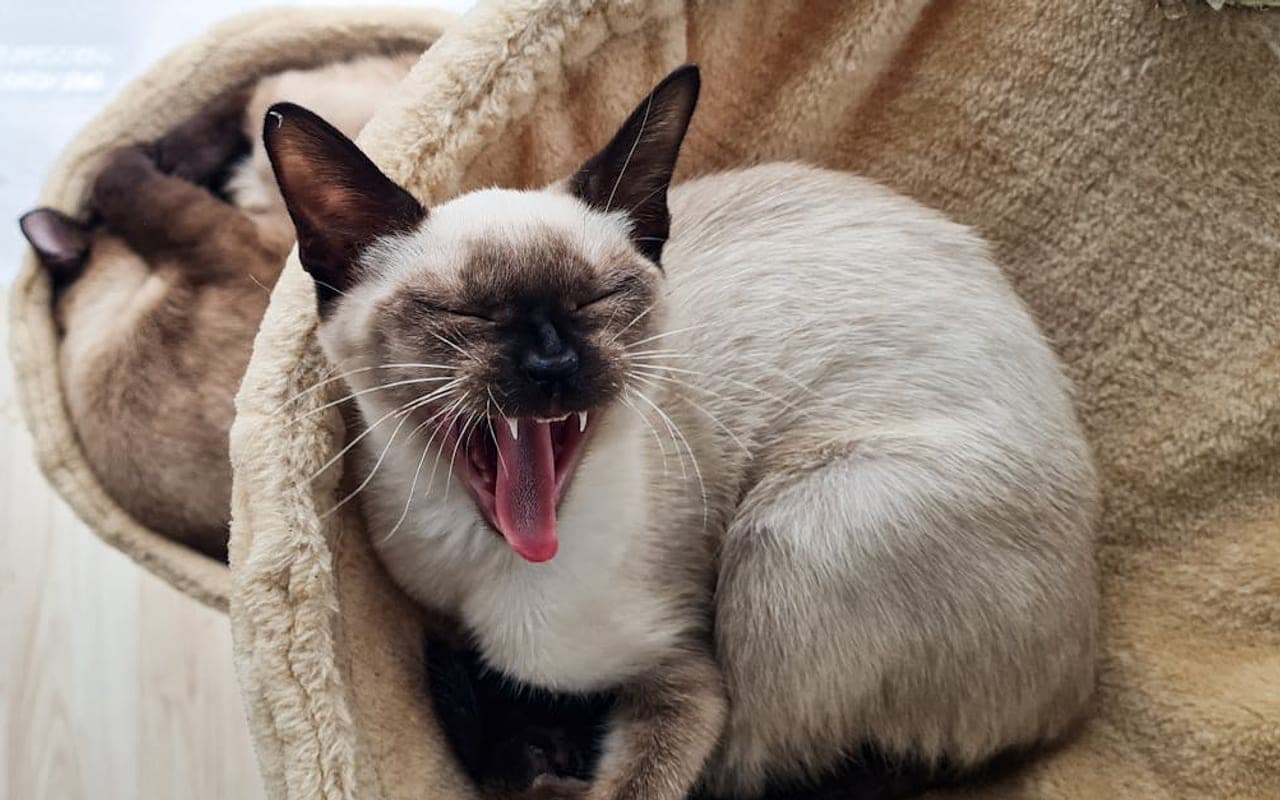
Siamese
Also in the Shorthair group, with different care and temperament tradeoffs.
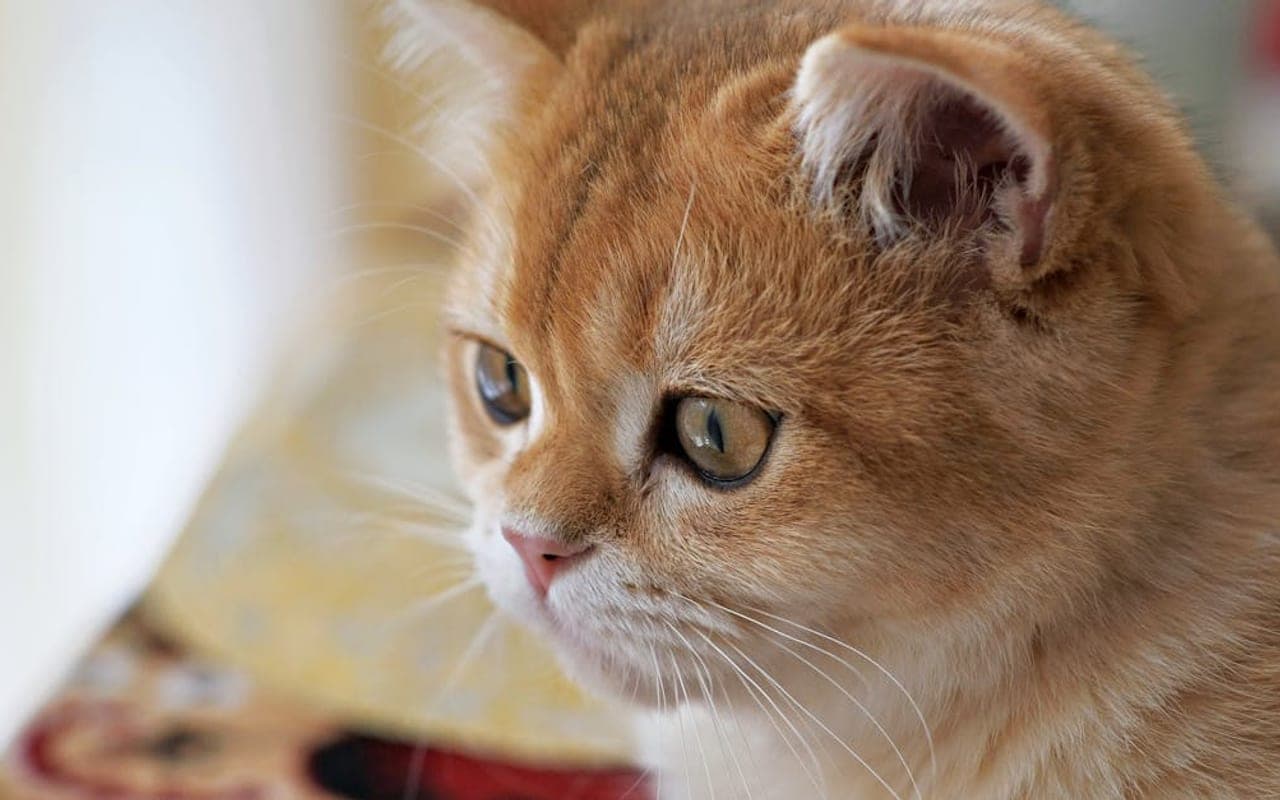
British Shorthair
Also in the Shorthair group, with different care and temperament tradeoffs.
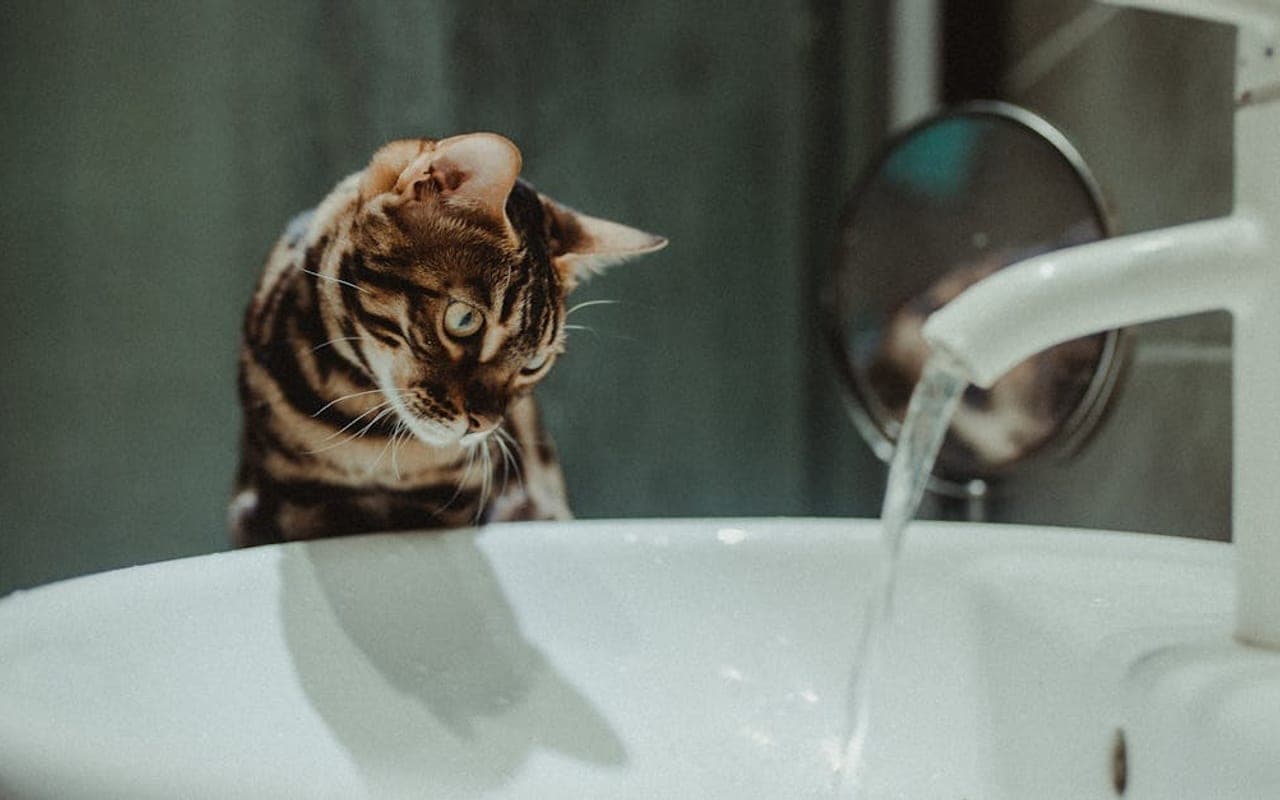
Bengal
Also in the Shorthair group, with different care and temperament tradeoffs.
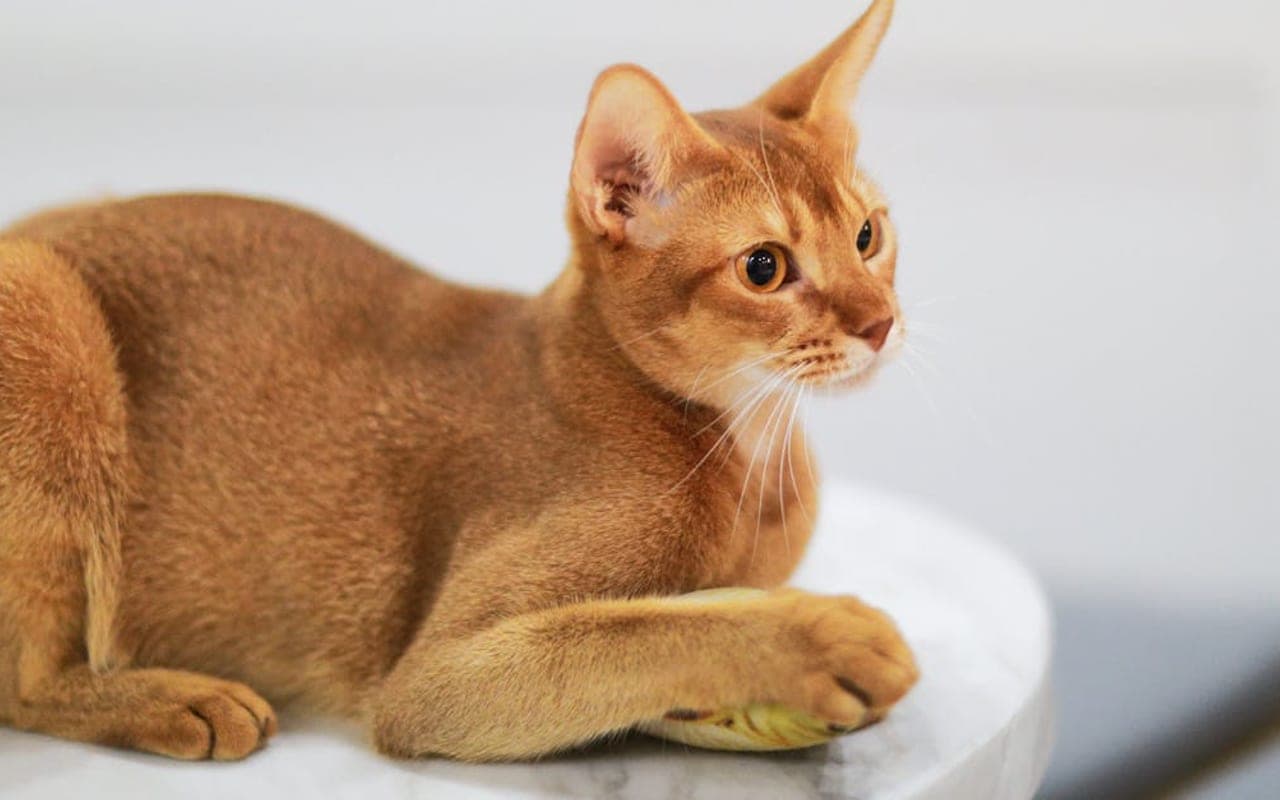
Abyssinian
Also in the Shorthair group, with different care and temperament tradeoffs.
Explore More About Colorpoint Shorthair
Dive deeper into everything Colorpoint Shorthair — costs, care, and expert insights.
Considering a dog instead?
Browse Dogs