
Hairless group
Donskoy
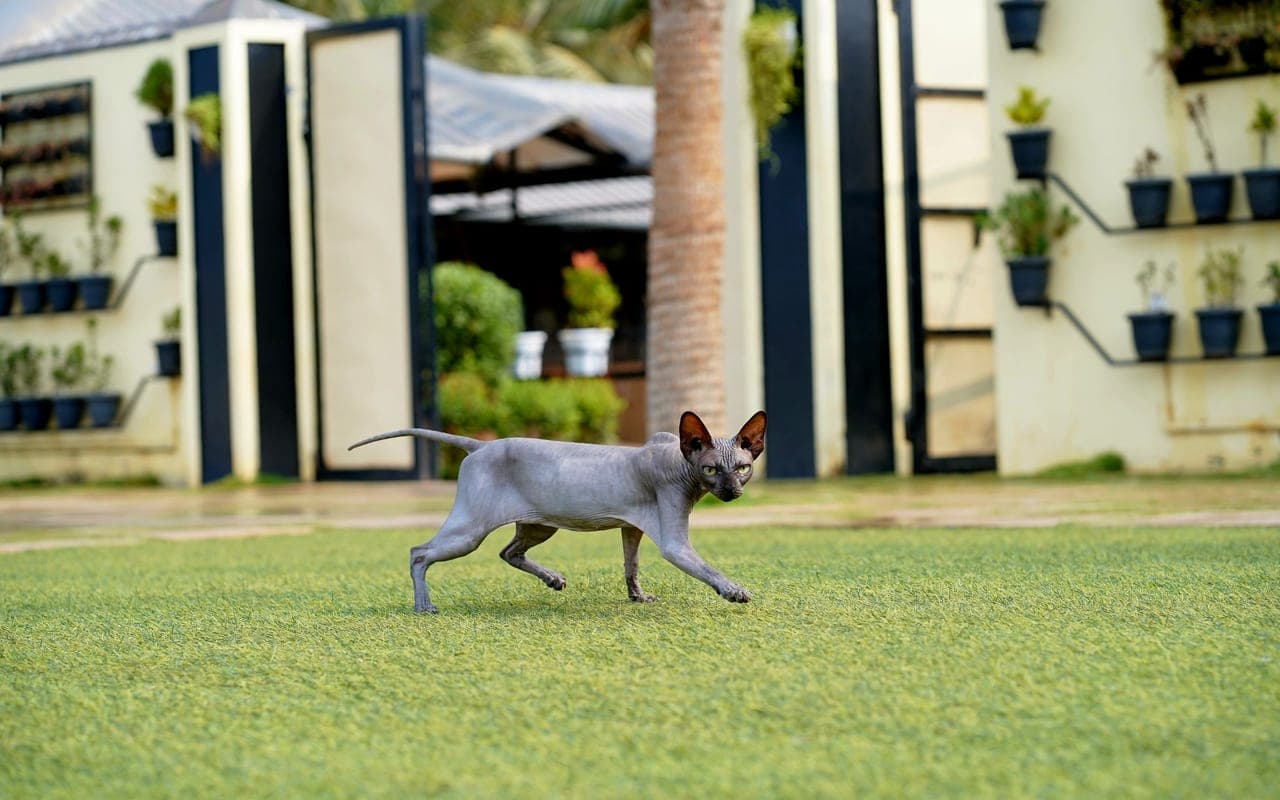
The Donskoy is a hairless cat from Rostov-on-Don, Russia — and unlike the Sphynx, its hairlessness comes from a dominant gene, not a recessive one.
Size
7-13 lb
Lifespan
12-15 years
Play
20-40 minutes
Shedding
Low
Experience
Match to owner routine
Decision first
Is a Donskoy right for you?
Start with fit before history or trivia. These are ownership signals, not guarantees about any individual cat.
Best suited for
- Households with children.
- Homes with other compatible pets.
- Apartment homes with a consistent routine.
- Owners who can provide daily play, climbing space, and enrichment.
Think carefully if
- You cannot provide daily play, climbing space, or mental enrichment.
- You cannot keep up with grooming and preventive care.
- The cat will spend most days without interaction or enrichment.
Conditional fit
Apartment fit depends on vertical space, litter setup, play, enrichment, and noise tolerance.
Daily reality
Donskoy commitment snapshot
Daily play
20-40 minutes
Match play and enrichment to age, health, appetite, and household routine.
Coat care
Low
Grooming needs vary by coat, shedding, and lifestyle.
Social needs
Needs planning
Most cats still need predictable contact, enrichment, litter care, and monitoring.
Structured facts
Donskoy at a glance
The measurements and traits that most affect day-to-day life with this breed.
Origin
Russia
Group
Hairless
Weight
7-13 lb
Height
10-13 in
Lifespan
12-15 years
Temperament
Playful | affectionate | loyal | social
View all characteristics and methodology
Lifestyle fit
- Apartment suitabilityWorks best with clean litter setup, vertical space, and daily enrichment.
- Likely fit
- Child friendliness
- Often good, with socialisation and supervision
- Other-pet fit
- Often compatible with careful introductions
- Adaptability
- High
Owner commitment
- Daily play
- 20-40 minutes
- Grooming
- Low
- Shedding
- Low
- Indoor enrichment
- High
Behavior
- Affection
- High
- Energy
- High
- Vocalization
- Low-moderate
- Social needs
- Very high
Environment and health
- Intelligence
- Moderate
- Health risk
- Needs planning
- Weight sensitivity
- Routine monitoring
Ratings combine structured breed data, visible breed fields, and editorial context. They are planning aids, not predictions for an individual cat.
Daily life
Donskoy temperament and behavior
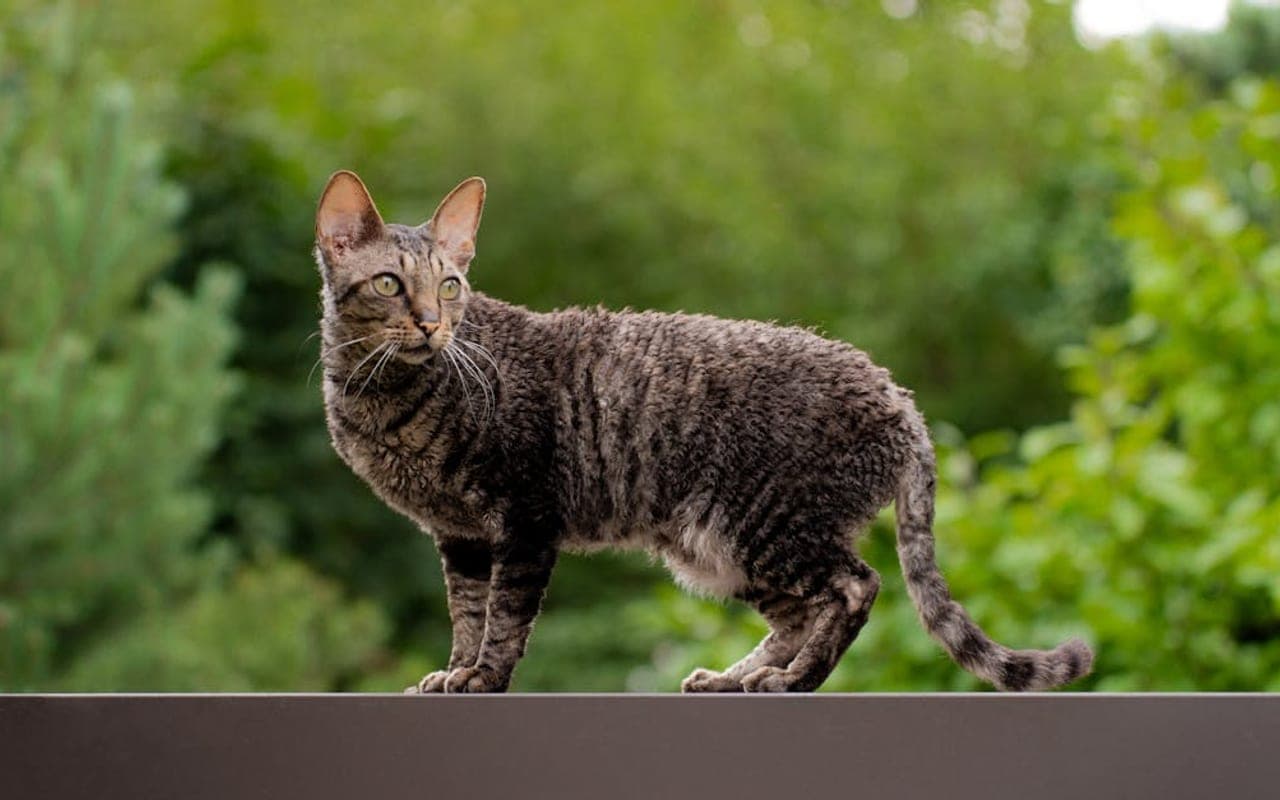
The Donskoy is a hairless cat from Rostov-on-Don, Russia — and unlike the Sphynx, its hairlessness comes from a dominant gene, not a recessive one. That genetic distinction is the whole story for an owner: the same dominant mutation that strips the coat is linked to feline ectodermal dysplasia, which in its full form affects teeth, sweat regulation, and a queen's ability to lactate. You are not buying a Sphynx by another name; you are buying a different gene with a different risk pattern. Donskoys come in four coat types that can change with age and season: rubber bald (born hairless and stays that way), flocked (a soft peach-fuzz that often disappears), velour (a thin coat that usually recedes), and brush (a wiry partial coat that may persist). Many Donskoys grow a partial coat in winter and shed it again in summer. The skin itself does the work fur normally would — it is warm to the touch, often wrinkled around the head, neck, and legs, and constantly producing oil that you, not the cat, must manage. Temperament is the easy part. Donskoys are intensely social, affectionate, people-driven, and good with other pets and respectful children. They seek out warmth and laps because they have no coat to insulate them, so a Donskoy will park itself on you, under the covers, or against a heat source. They are calm rather than hyperactive, and they do not tolerate being left alone for long stretches. Who the Donskoy is right for: an owner who treats the skin like a daily commitment — weekly baths, daily wipe-downs, sun avoidance, and a heated indoor environment — and who will not leave the cat alone for full workdays. Who it is wrong for: anyone who thinks hairless means low-maintenance. A Donskoy is the opposite — the grooming you save on fur, you spend on skin.
Playful | affectionate | loyal | social
Playful
A common Donskoy temperament descriptor that should be interpreted alongside enrichment, handling, and household fit.
affectionate
A common Donskoy temperament descriptor that should be interpreted alongside enrichment, handling, and household fit.
loyal
A common Donskoy temperament descriptor that should be interpreted alongside enrichment, handling, and household fit.
social
A common Donskoy temperament descriptor that should be interpreted alongside enrichment, handling, and household fit.
Owner note
Temperament labels are starting points, not guarantees. Meet the individual cat and ask about behavior history whenever possible.
Care essentials
How to care for a Donskoy
What looking after one actually involves: play, grooming, food, litter, and routine health.
ExerciseAs needed
- Active and playful breed requiring daily interactive play sessions with toys, climbing structures, and mental stimulation.
GroomingAs needed
- Low-maintenance coat requiring weekly brushing. Occasional bathing as needed.
NutritionAs needed
- Feed a high-quality cat food appropriate for their age and activity level. Maintain fresh water at all times. Monitor weight to prevent obesity.
SocializationAs needed
- Highly social breed that thrives on companionship. Does not do well left alone for extended periods. Consider a companion pet.
Veterinary CareAs needed
- Annual wellness exams, vaccinations, dental checkups, and parasite prevention. Spay/neuter recommended if not breeding.
Health planning
Donskoy health risks and screening
Every cat breed has individual health variation. Use this profile for planning and discuss medical decisions with a veterinarian.
Responsible ownership
Finding a Donskoy responsibly
What to ask a breeder or rescue is the same conversation for every breed, so we keep it in one place and keep it current.
Health documentation, meeting the parents or foster, contracts and return support, and the warning signs worth walking away from.
Original purpose
Donskoy history
History is useful when it explains today's behavior, coat, exercise needs, and training style.
Read the breed history
The Donskoy traces to 1987 in Rostov-on-Don, Russia, where a cat named Varvara was rescued and later produced hairless kittens. Breeders initially assumed the hairlessness was a disease until selective breeding showed it was an inherited dominant trait — a different genetic mechanism from the recessive gene behind the Sphynx, which is why the two breeds are not crossed and not interchangeable. The breed was recognized by the World Cat Federation in 1997 and remains relatively rare outside Russia and Europe. The Donskoy is also the foundation of the Peterbald, created by crossing Donskoys with Oriental Shorthairs. Understanding that the Donskoy's hairlessness is dominant matters to owners because it travels with the ectodermal-dysplasia risk affecting teeth and skin glands, unlike the Sphynx's recessive coat gene.
Gallery
Donskoy photos
Images are cropped consistently and loaded progressively to keep the page responsive.
Lower-page context
Donskoy cats in culture
Where the breed shows up in film, sport, work and folklore — the enjoyable part, once the practical questions are answered.
Fun facts
- The Donskoy originated in Russia.
- Despite being hairless, the Donskoy still requires regular bathing to remove skin oils.
- The Donskoy is considered a rare breed.
Donskoy FAQs
How long do Donskoy cats live?
A well-cared-for Donskoy typically lives 12-15 years, in line with other domestic cats. The variable that moves that number is owner discipline: cats whose skin care, warmth, and dental needs are managed consistently do well, while neglected skin infections, chronic chilling, and untreated gum disease shorten both lifespan and quality of life. This is a breed where owner effort, not genetics alone, drives the outcome.
Are Donskoy cats good with children?
Yes, with supervision. Donskoys are social, affectionate, and tolerant, and they enjoy interactive households. The caution is physical, not behavioral: the bare skin is delicate and scratches, bruises, and sunburns easily, so teach children to handle the cat gently and never to drag or grip it. Also keep children from feeding it constantly — a cold Donskoy begs for food to generate heat and gains weight fast.
Do Donskoy cats really need bathing, and how often?
Yes — this is the single biggest surprise for new owners. With no coat to absorb it, skin oil builds into a sticky brown film that stains furniture and bedding and causes skin infections. Bathe every 1-2 weeks with a gentle sensitive-skin shampoo and wipe the cat down daily between baths. Do not over-bathe past weekly, because stripping the skin makes the oil glands overproduce and dries the cat out.
Are Donskoy cats good for apartments?
Yes, and indoor apartment life is actually the recommended setup, because a Donskoy must be kept out of direct sun and away from cold. They are calm, adaptable, and bond to people over territory. Provide heated beds or warm spots, keep the home draft-free, and give 15-20 minutes of interactive play a day. The apartment caution is loneliness, not space — Donskoys do poorly left alone for long workdays.
How much does a Donskoy cat cost to own?
Expect roughly $1,000-$2,500 for a kitten from a registered breeder, since the breed is rare outside Russia and Europe. The recurring costs are what owners underestimate: gentle shampoos, daily wipes, heated bedding, and — most significantly — earlier and more frequent veterinary dental work because of the ectodermal-dysplasia link. Budget for dental cleanings sooner than you would for a coated cat, plus periodic cardiac screening for heart disease.
Is a Donskoy the same as a Sphynx?
No. They look similar but the genetics differ: the Donskoy's hairlessness is caused by a dominant gene, the Sphynx's by a recessive one. That matters because the Donskoy's dominant gene is linked to feline ectodermal dysplasia, which affects teeth and skin glands — a risk pattern the Sphynx does not share in the same way. The two breeds are deliberately not crossed. Skin and warmth care is similar, but expect the Donskoy to need more proactive dental attention.
Sources
These are the published sources this page draws on. Each opens in a new tab so you can check it yourself.
The International Cat Association
Donskoy — TICA breed standard(opens in a new tab)Supports: Breed standard and recognition details.
Similar breeds to consider
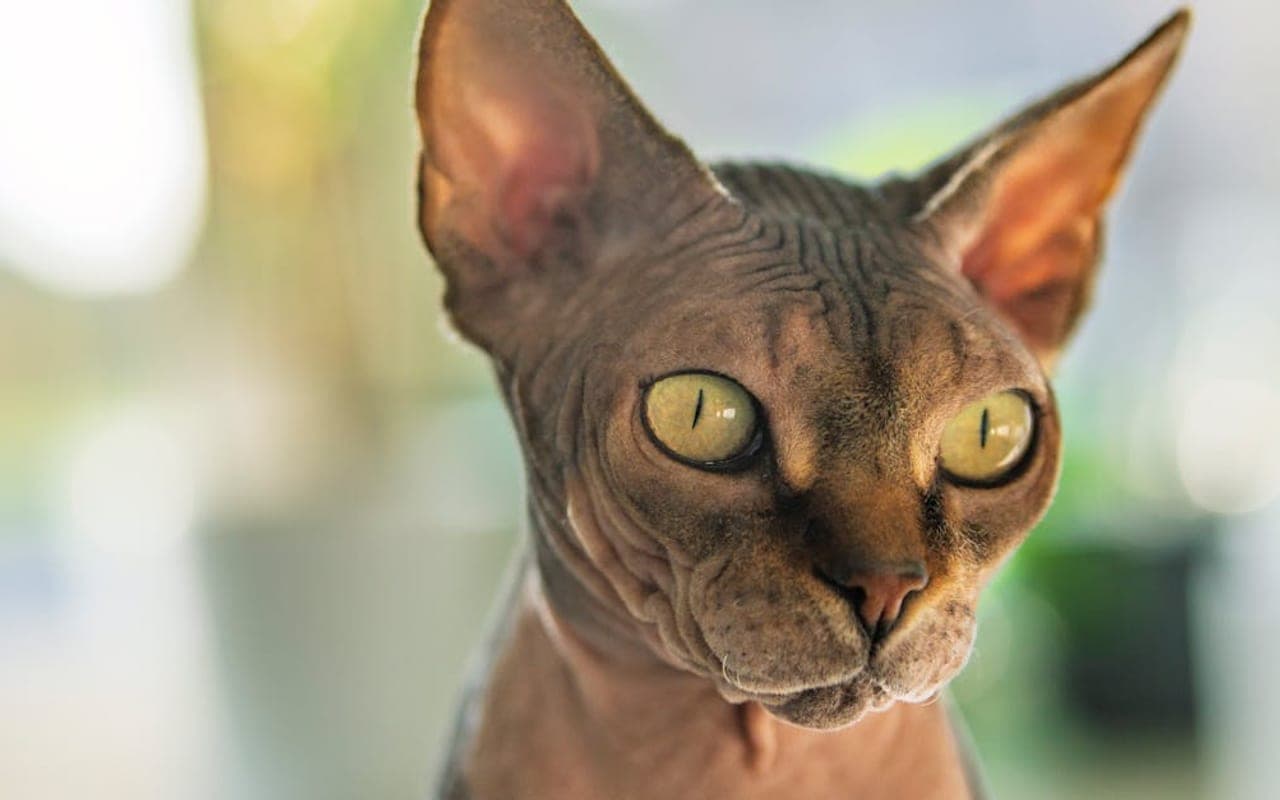
Sphynx
Also in the Hairless group, with different care and temperament tradeoffs.
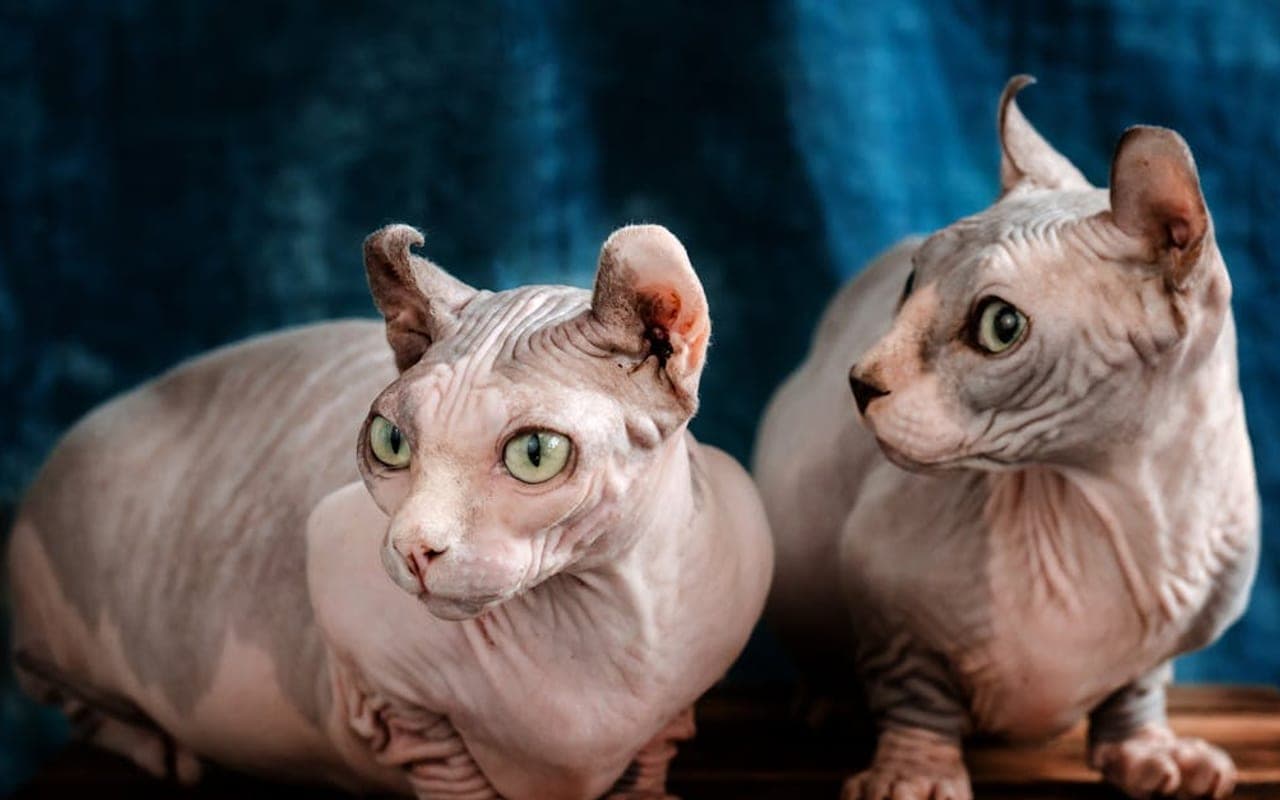
Bambino
Also in the Hairless group, with different care and temperament tradeoffs.
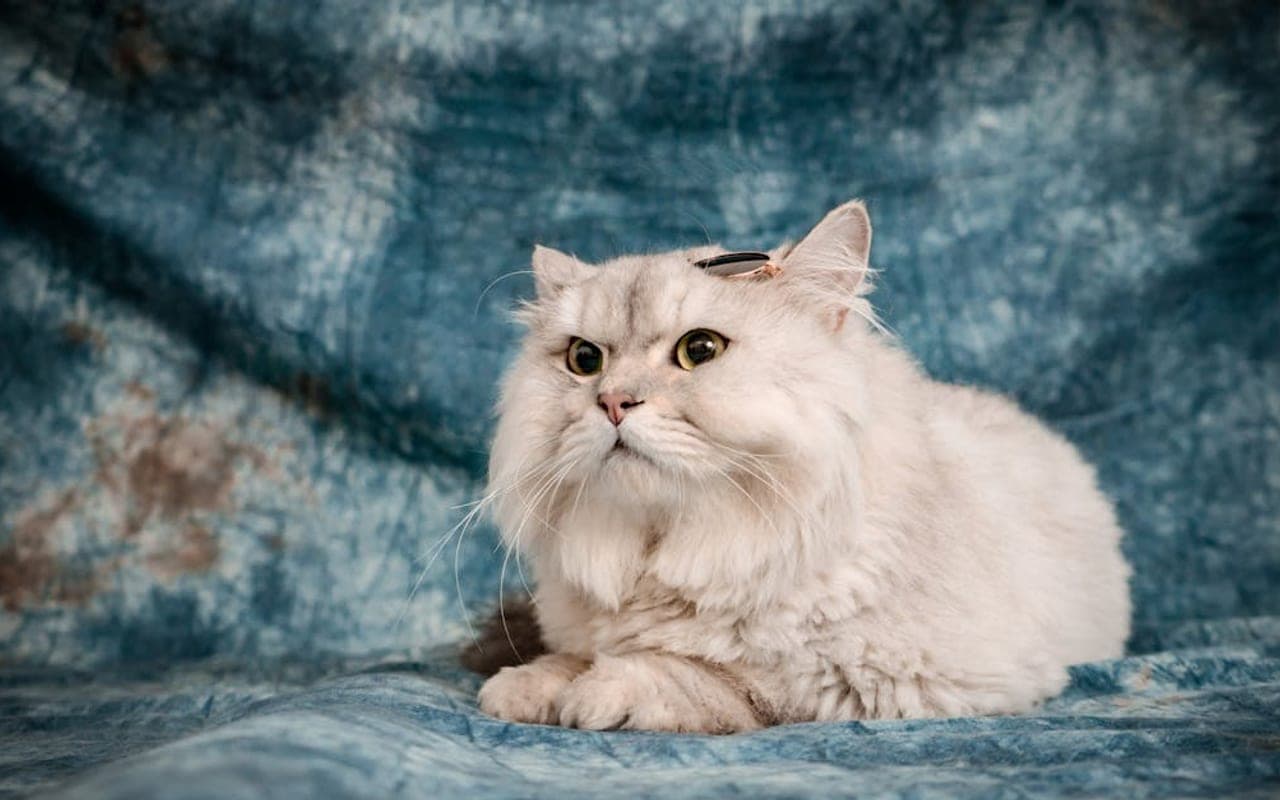
Persian
Compare size, exercise, grooming, and family fit before deciding.
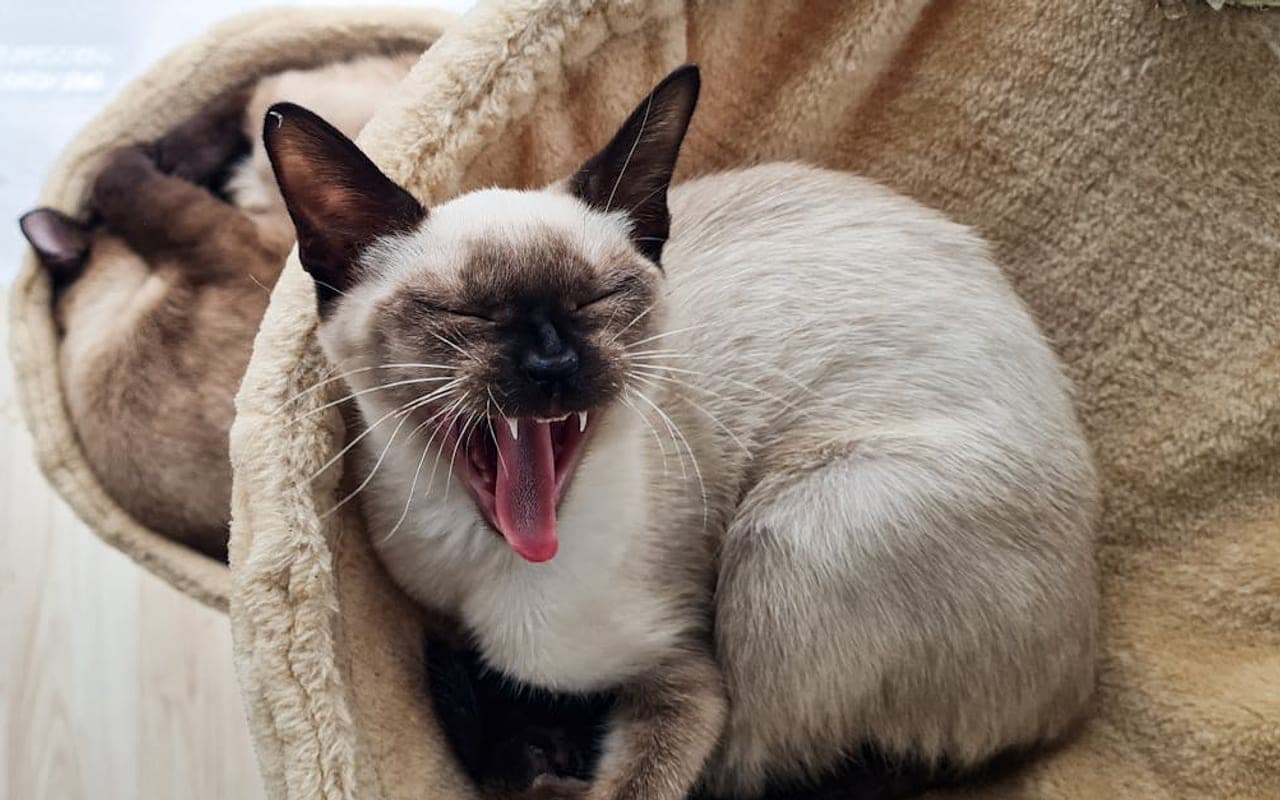
Siamese
Compare size, exercise, grooming, and family fit before deciding.
Explore More About Donskoy
Dive deeper into everything Donskoy — costs, care, and expert insights.
Cat Nutrition Guide: What Cats Actually Need to Eat
Cats are obligate carnivores, which means they are...
Kitten-Proofing Your Home: The Hazards Owners Miss
A single lily leaf — or even the pollen brushed off one — can put a kitten into acute...
Considering a dog instead?
Browse Dogs