
Shorthair group
Dragon Li
The Dragon Li — also called the Chinese Li Hua or Li Hua Mao ('fox-flower cat') — is a natural landrace developed in the early 2000s from a common indigenous Chinese cat, not a manufactured breed.
Size
8-13 lb
Lifespan
12-15 years
Play
15-30 minutes
Shedding
Moderate
Experience
Match to owner routine
Decision first
Is a Dragon Li right for you?
Start with fit before history or trivia. These are ownership signals, not guarantees about any individual cat.
Best suited for
- Households with children.
- Homes with other compatible pets.
- Apartment homes with a consistent routine.
- Owners seeking a manageable indoor routine with predictable care.
Think carefully if
- You need a cat with almost no daily routine.
- You cannot keep up with grooming and preventive care.
- The cat will spend most days without interaction or enrichment.
Conditional fit
Apartment fit depends on vertical space, litter setup, play, enrichment, and noise tolerance.
Daily reality
Dragon Li commitment snapshot
Daily play
15-30 minutes
Match play and enrichment to age, health, appetite, and household routine.
Coat care
Low
Grooming needs vary by coat, shedding, and lifestyle.
Social needs
Needs planning
Most cats still need predictable contact, enrichment, litter care, and monitoring.
Structured facts
Dragon Li at a glance
The measurements and traits that most affect day-to-day life with this breed.
Origin
China
Group
Shorthair
Weight
8-13 lb
Height
10-12 in
Lifespan
12-15 years
Temperament
Intelligent | Friendly | Gentle | Loving | Loyal
View all characteristics and methodology
Lifestyle fit
- Apartment suitabilityWorks best with clean litter setup, vertical space, and daily enrichment.
- Likely fit
- Child friendliness
- Often good, with socialisation and supervision
- Other-pet fit
- Often compatible with careful introductions
- Adaptability
- Moderate
Owner commitment
- Daily play
- 15-30 minutes
- Grooming
- Low
- Shedding
- Moderate
- Indoor enrichment
- Moderate
Behavior
- Affection
- Moderate
- Energy
- Moderate
- Vocalization
- Moderate
- Social needs
- High
Environment and health
- Intelligence
- Moderate
- Health risk
- Needs planning
- Weight sensitivity
- Routine monitoring
Ratings combine structured breed data, visible breed fields, and editorial context. They are planning aids, not predictions for an individual cat.
Daily life
Dragon Li temperament and behavior
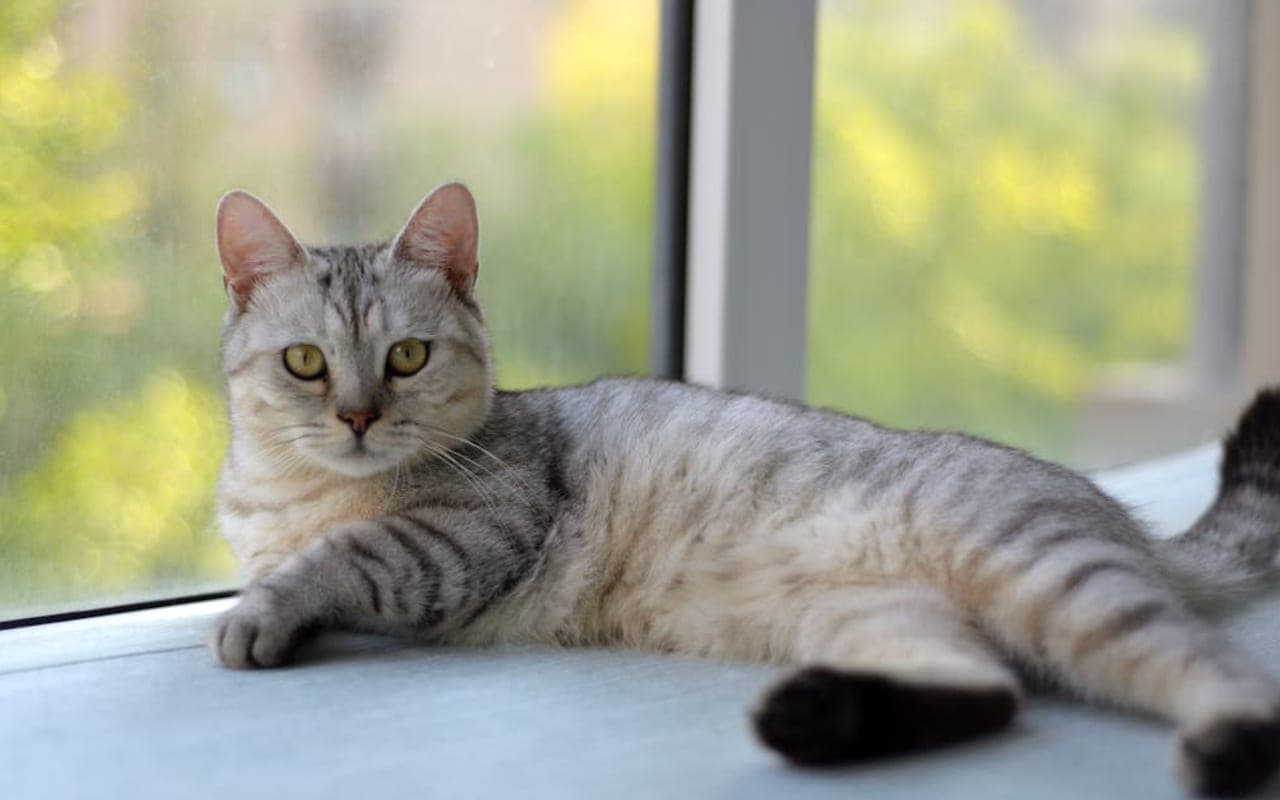
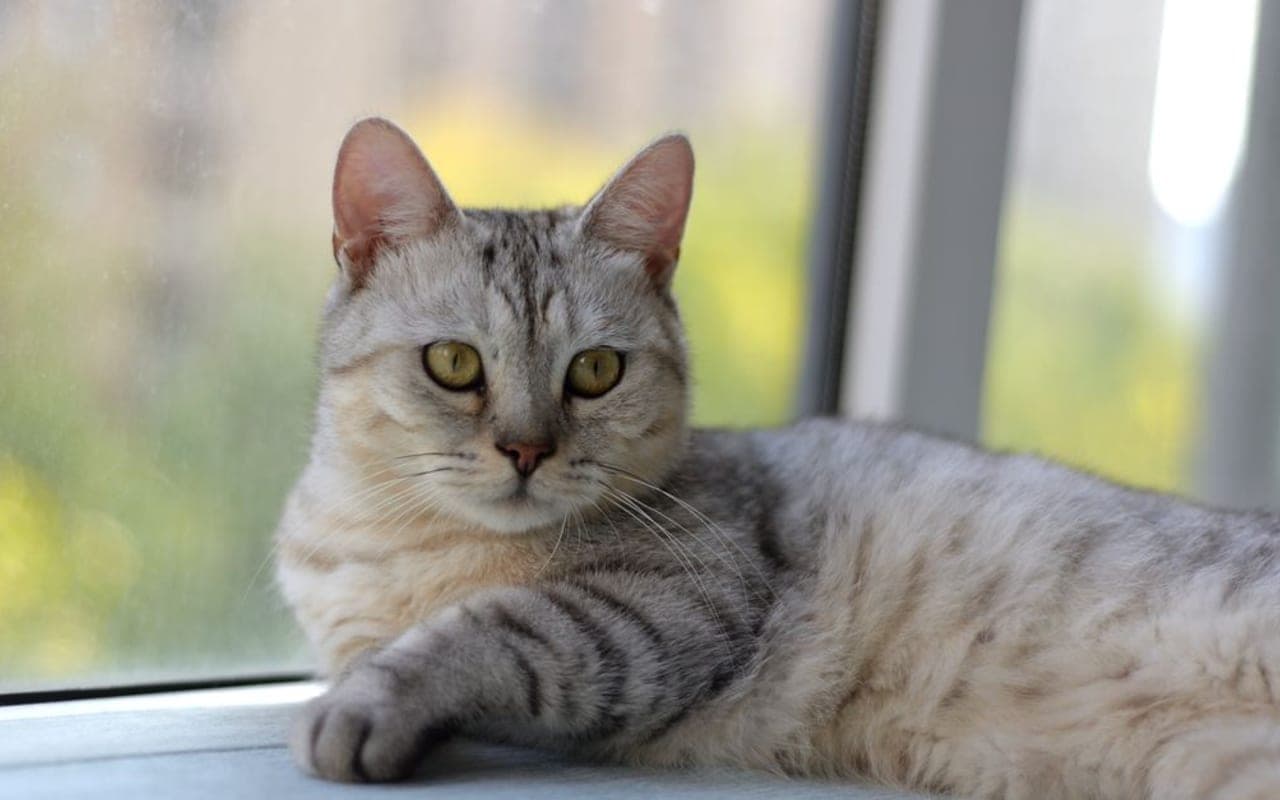
The Dragon Li — also called the Chinese Li Hua or Li Hua Mao ('fox-flower cat') — is a natural landrace developed in the early 2000s from a common indigenous Chinese cat, not a manufactured breed. Its hallmark is a brown mackerel-tabby coat with a distinctive ticked, almost agouti-like texture and a defined facial pattern, on a muscular, medium-large, athletic body. The defining fact for any prospective owner is the same as for other true landraces: this is a robust working-stock cat shaped by survival, not an affection-engineered companion breed, and its temperament reflects that. The Dragon Li is loyal and gentle with its people but, by candid breed accounts, not especially demonstrative or lap-oriented — it is intelligent, independent, and a strongly driven hunter with a documented reputation for being an exceptional ratter. It tends to attach to its family rather than demand constant contact, is active and needs real outlets for its prey drive, and is generally tolerant of gently handled children rather than openly affectionate with strangers. The Dragon Li is right for an owner who wants a hardy, low-genetic-baggage, intelligent, somewhat independent cat and can provide hunting-style enrichment (wand toys, puzzle feeders, climbing). It is wrong for someone seeking a clingy, cuddly lap cat, and wrong for a buyer who expects a detailed inherited-disease profile — because as a developing landrace the Dragon Li has very limited genetics research, and an honest profile states that no breed-specific hereditary disease is documented rather than inventing one to pad a list.
Intelligent | Friendly | Gentle | Loving | Loyal
Intelligent
A common Dragon Li temperament descriptor that should be interpreted alongside enrichment, handling, and household fit.
Friendly
A common Dragon Li temperament descriptor that should be interpreted alongside enrichment, handling, and household fit.
Gentle
A common Dragon Li temperament descriptor that should be interpreted alongside enrichment, handling, and household fit.
Loving
A common Dragon Li temperament descriptor that should be interpreted alongside enrichment, handling, and household fit.
Owner note
Temperament labels are starting points, not guarantees. Meet the individual cat and ask about behavior history whenever possible.
Care essentials
How to care for a Dragon Li
What looking after one actually involves: play, grooming, food, litter, and routine health.
ExerciseAs needed
- Moderately active breed that enjoys regular play sessions and exploration. Provide toys and occasional interactive games.
GroomingAs needed
- Low-maintenance coat requiring weekly brushing. Occasional bathing as needed.
NutritionAs needed
- Feed a high-quality cat food appropriate for their age and activity level. Maintain fresh water at all times. Monitor weight to prevent obesity.
SocializationAs needed
- Highly social breed that thrives on companionship. Does not do well left alone for extended periods. Consider a companion pet.
Veterinary CareAs needed
- Annual wellness exams, vaccinations, dental checkups, and parasite prevention. Spay/neuter recommended if not breeding.
Health planning
Dragon Li health risks and screening
Every cat breed has individual health variation. Use this profile for planning and discuss medical decisions with a veterinarian.
Responsible ownership
Finding a Dragon Li responsibly
What to ask a breeder or rescue is the same conversation for every breed, so we keep it in one place and keep it current.
Health documentation, meeting the parents or foster, contracts and return support, and the warning signs worth walking away from.
Original purpose
Dragon Li history
History is useful when it explains today's behavior, coat, exercise needs, and training style.
Read the breed history
The Dragon Li is among the few cat breeds native to China and developed directly from the Li Hua Mao, a common indigenous landrace of brown-tabby working cats long present across China as household and farm mousers. Formal breed development is recent — the cat was first presented as a standardized breed in the early 2000s, shown at a Beijing cat exhibition in 2003, and accepted by the Cat Aficionado Association in China. It is a true natural breed, meaning it was not created by crossing established breeds but selected from an existing free-living population valued for centuries for its hunting ability and hardiness. That heritage explains the modern cat directly: the strong prey drive, the independent rather than clingy temperament, the athletic build, and the robust constitution with no curated genetic baggage all trace to a working landrace rather than to selective breeding for appearance or affection.
Gallery
Dragon Li photos
Images are cropped consistently and loaded progressively to keep the page responsive.
Lower-page context
Dragon Li cats in culture
Where the breed shows up in film, sport, work and folklore — the enjoyable part, once the practical questions are answered.
Fun facts
- The Dragon Li originated in China.
- The Dragon Li is a natural breed that developed without human selective breeding.
- With proper care, a Dragon Li can live 12 to 15 years.
Dragon Li FAQs
How long do Dragon Li cats live?
A Dragon Li typically lives about 12-15 years, and because it is a hardy natural landrace with no documented breed-specific inherited disease, many reach the upper end with routine care. Lifespan here is determined by ordinary feline factors — weight control, dental health, indoor safety, hydration, and catching age-related kidney or heart disease early through senior bloodwork — rather than by any breed-specific genetic condition, since none is established for this developing breed.
Do Dragon Li cats have genetic health problems?
Honestly, no breed-specific hereditary disease is documented — authoritative references report no well-established list of inherited disorders for the Dragon Li and describe it as a notably healthy, hardy breed, partly because very little genetic research has been done on this landrace. The realistic caveats are an occasional hip dysplasia susceptibility and a noted tendency toward urinary tract issues, both monitored rather than screened. 'No known inherited disease' is a genuine strength here, but it still requires normal preventive veterinary care, not the assumption of invulnerability.
Are Dragon Li cats affectionate and good with children?
Set expectations realistically: the Dragon Li is loyal and gentle but, by candid breed accounts, not especially demonstrative or lap-oriented — it bonds to its family and tolerates rather than seeks constant cuddling. With respectful, gently handling children it is generally good, but it is independent and prefers interaction on its own terms. Supervise young kids, teach no chasing or grabbing, provide retreats, and choose this breed for an intelligent, somewhat self-sufficient companion rather than a cuddle-on-demand lap cat.
How much grooming does a Dragon Li need?
Very little. The short, dense, ticked coat is largely self-maintaining and needs only a weekly pass with a rubber brush or grooming glove to lift loose hair, with a slight increase during seasonal sheds; bathing is rarely necessary. The more meaningful 'maintenance' for this breed is not the coat at all but enrichment and a monthly weight check — a driven, athletic hunter needs daily play outlets far more than it needs brushing.
Are Dragon Li cats good for apartments?
They can adapt, but with honest caveats. This is an active, intelligent cat with a strong prey drive and hunting heritage, not a placid indoor lounger. An apartment works only with tall climbing structures, puzzle and food-dispensing toys, and 20-30 minutes of interactive 'hunt' play daily; without that, a confined Dragon Li becomes restless, nocturnally over-active, and rough in play. A committed owner who provides vertical space and a prey-drive outlet can keep one happily in an apartment; passive confinement does not suit the breed.
Is the Dragon Li a good first cat?
It can be, with eyes open. The upside for a first-time owner is real: it is hardy, low-grooming, and has no documented inherited disease, so the medical and maintenance burden is low. The trade-off is temperament — it is independent, driven, and not the affectionate, clingy cat many first-time owners picture, and it needs genuine daily hunting-style enrichment. A first-time owner who wants a robust, intelligent, somewhat self-reliant cat will do well; one expecting a constant lap companion may be disappointed.
Similar breeds to consider
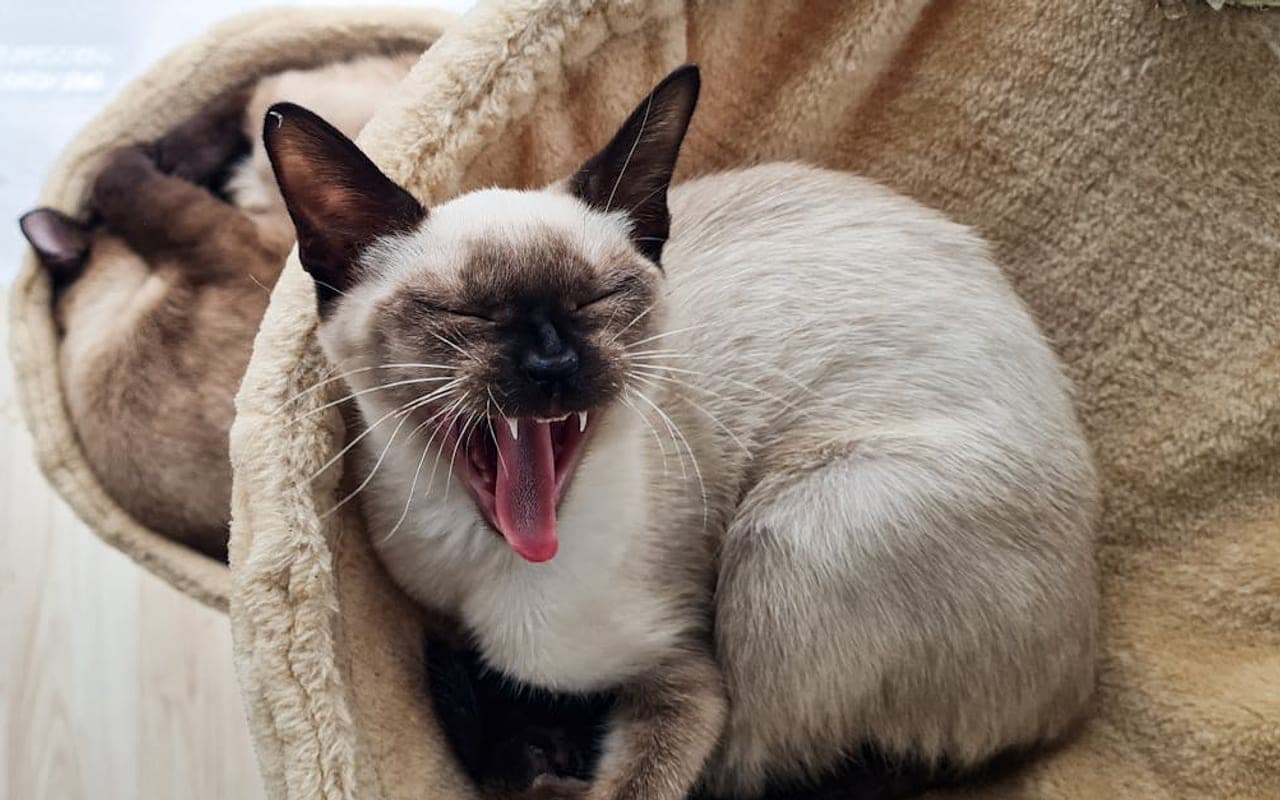
Siamese
Also in the Shorthair group, with different care and temperament tradeoffs.
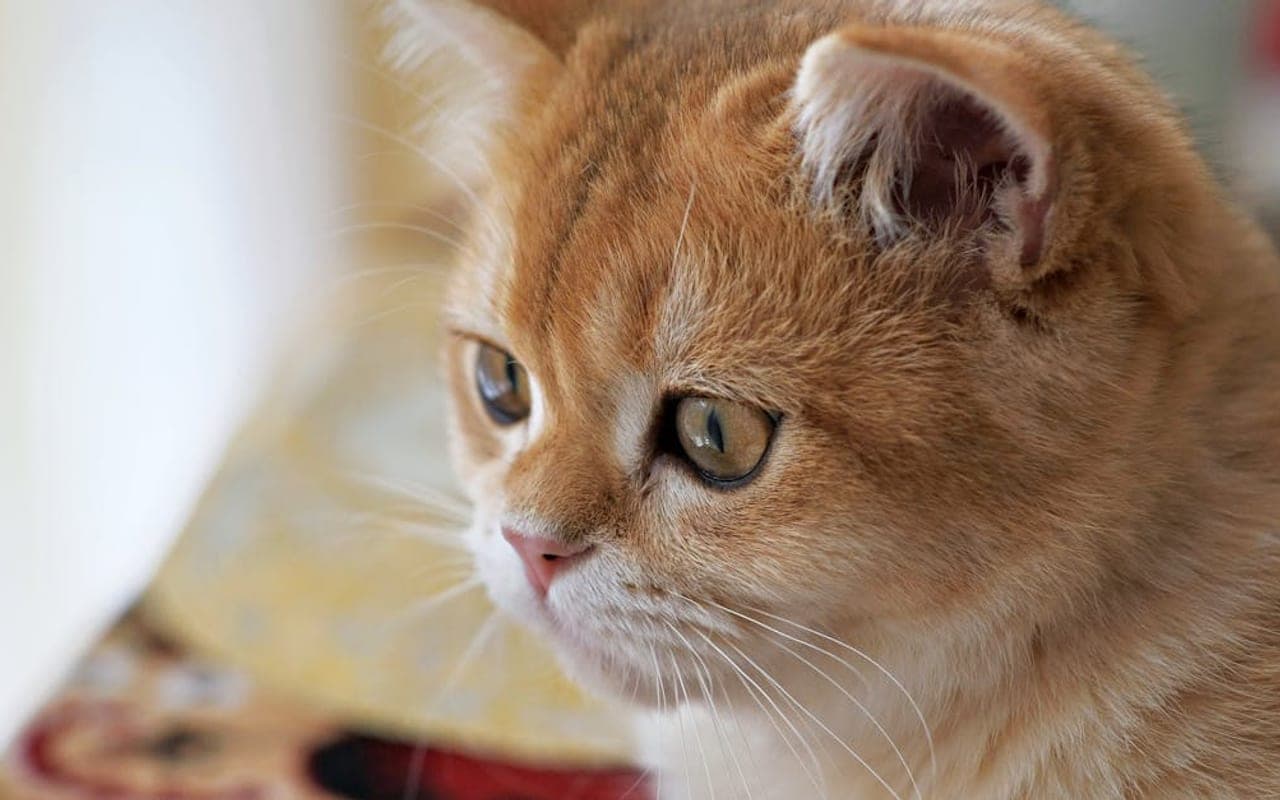
British Shorthair
Also in the Shorthair group, with different care and temperament tradeoffs.
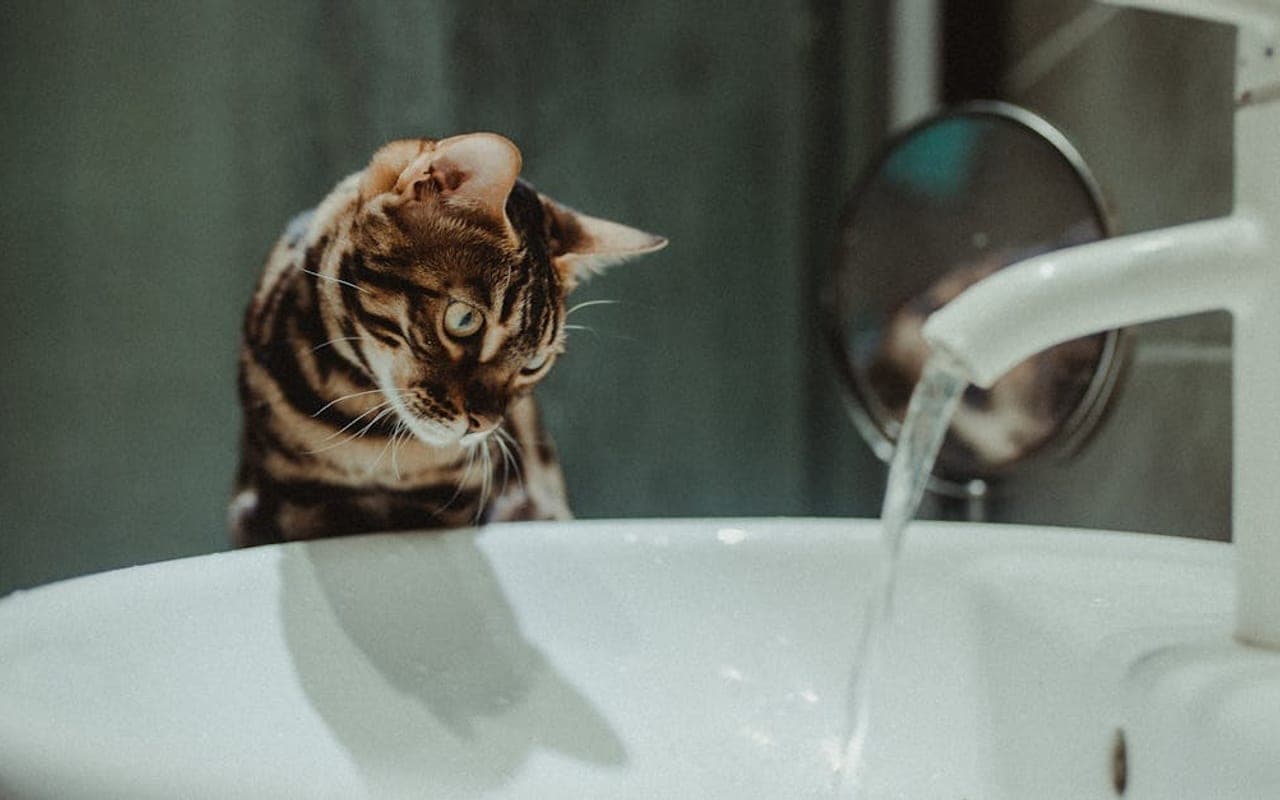
Bengal
Also in the Shorthair group, with different care and temperament tradeoffs.
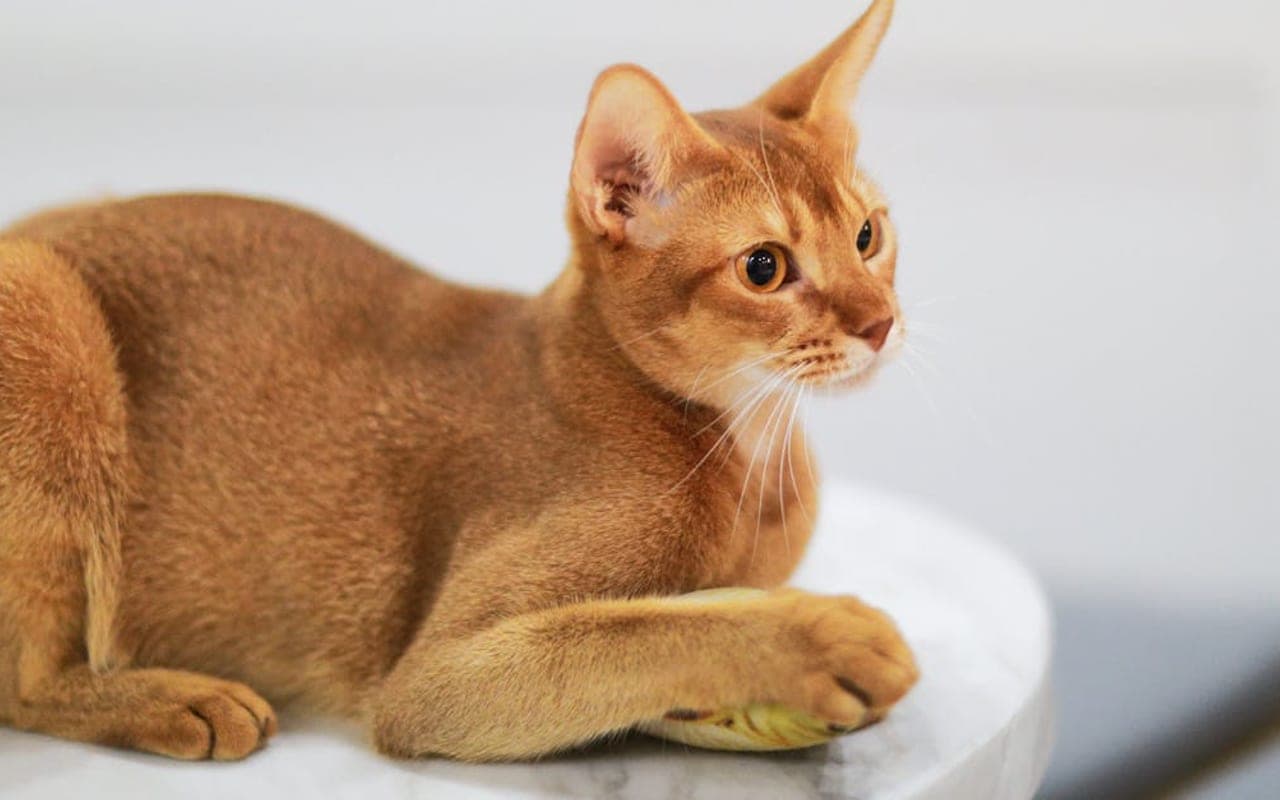
Abyssinian
Also in the Shorthair group, with different care and temperament tradeoffs.
Explore More About Dragon Li
Dive deeper into everything Dragon Li — costs, care, and expert insights.
Cat Nutrition Guide: What Cats Actually Need to Eat
Cats are obligate carnivores, which means they are...
Kitten-Proofing Your Home: The Hazards Owners Miss
A single lily leaf — or even the pollen brushed off one — can put a kitten into acute...
Considering a dog instead?
Browse Dogs