
Shorthair group
Egyptian Mau
The Egyptian Mau is the only naturally spotted domestic cat — the spots are on the skin, not just the coat — and it is the fastest domestic cat, clocked at speeds over 30 mph.
Size
7-13 lb
Lifespan
18-20 years
Play
30-60 minutes
Shedding
Moderate
Experience
Match to owner routine
Decision first
Is a Egyptian Mau right for you?
Start with fit before history or trivia. These are ownership signals, not guarantees about any individual cat.
Best suited for
- Households with children.
- Homes with other compatible pets.
- Owners who can provide daily play, climbing space, and enrichment.
Think carefully if
- You cannot provide daily play, climbing space, or mental enrichment.
- You cannot keep up with grooming and preventive care.
- The cat will spend most days without interaction or enrichment.
Conditional fit
Apartment living may be difficult unless the owner can meet the breed's play, climbing, and enrichment needs.
Daily reality
Egyptian Mau commitment snapshot
Daily play
30-60 minutes
Match play and enrichment to age, health, appetite, and household routine.
Coat care
Low
Grooming needs vary by coat, shedding, and lifestyle.
Social needs
Needs planning
Most cats still need predictable contact, enrichment, litter care, and monitoring.
Structured facts
Egyptian Mau at a glance
The measurements and traits that most affect day-to-day life with this breed.
Origin
Egypt
Group
Shorthair
Weight
7-13 lb
Height
9-12 in
Lifespan
18-20 years
Temperament
Agile | Dependent | Gentle | Intelligent | Lively | Loyal | Playful
View all characteristics and methodology
Lifestyle fit
- Apartment suitability
- Needs caution
- Child friendliness
- Often good, with socialisation and supervision
- Other-pet fit
- Often compatible with careful introductions
- Adaptability
- Low-moderate
Owner commitment
- Daily play
- 30-60 minutes
- Grooming
- Low
- Shedding
- Moderate
- Indoor enrichment
- High
Behavior
- Affection
- Very high
- Energy
- Very high
- Vocalization
- Moderate
- Social needs
- High
Environment and health
- Intelligence
- High
- Health risk
- Needs planning
- Weight sensitivity
- Routine monitoring
Ratings combine structured breed data, visible breed fields, and editorial context. They are planning aids, not predictions for an individual cat.
Daily life
Egyptian Mau temperament and behavior
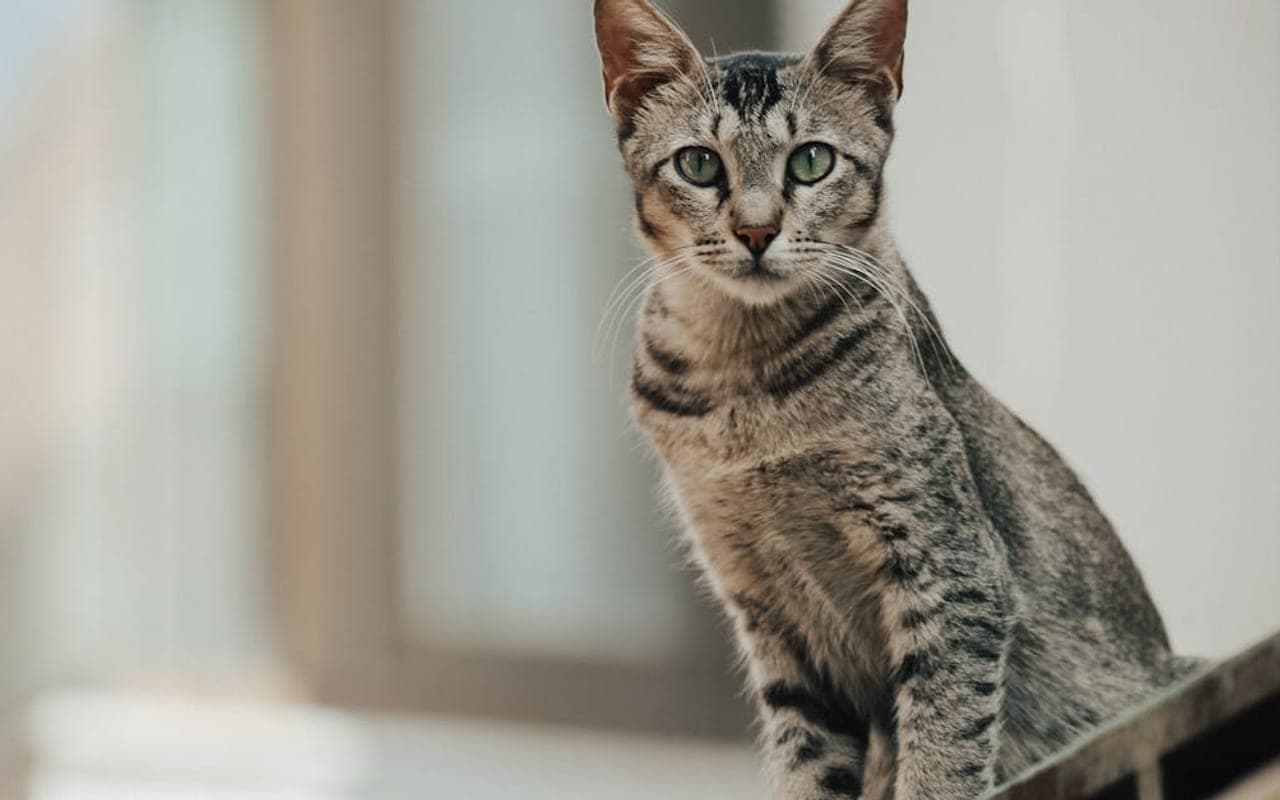
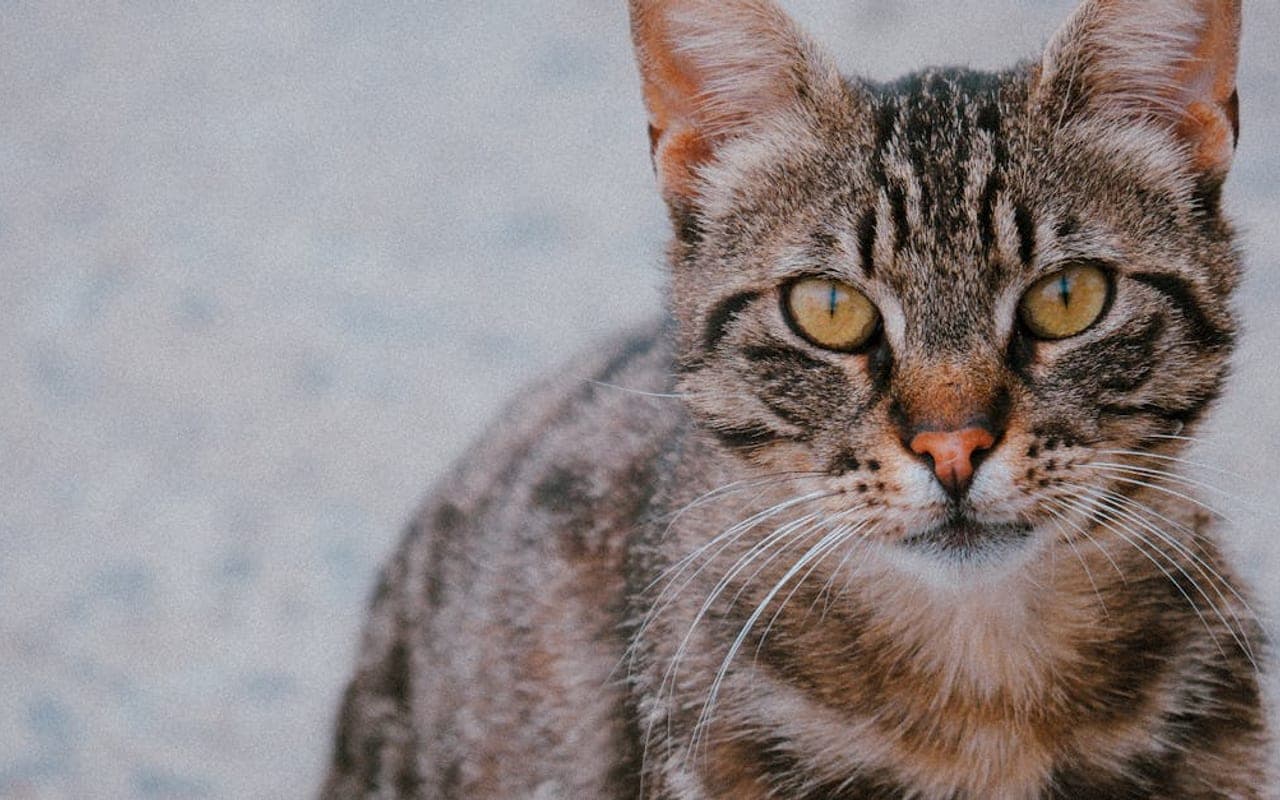
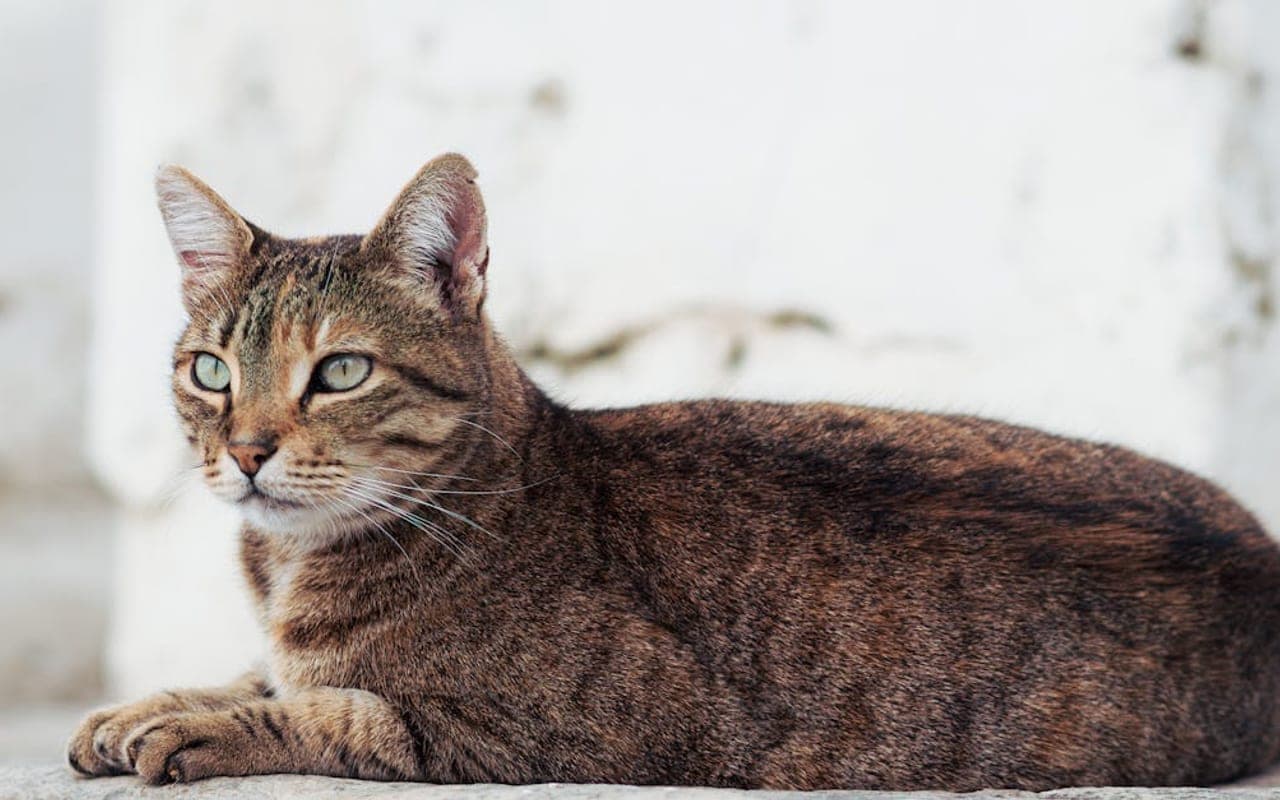
The Egyptian Mau is the only naturally spotted domestic cat — the spots are on the skin, not just the coat — and it is the fastest domestic cat, clocked at speeds over 30 mph. Those two facts shape everything about owning one. This is a genuinely athletic, sighthound-like cat in a small body, and it is also one of the more emotionally sensitive breeds: a Mau bonds intensely to its chosen people, distrusts strangers, and can be genuinely undone by change, noise, or being rehomed. An honest profile frames the Mau not as a low-maintenance shorthair but as a high-attachment athlete that needs the right home. Physically the Mau is medium-sized, muscular, and built for sprinting, with a slightly longer hind leg, a loose belly skin flap (like a cheetah) that extends stride, and a worried, expressive 'mascara' line under large gooseberry-green eyes. Coat is short and ticked with random spots in silver, bronze, or smoke. A distinctive 'scarab' or 'M' marking sits on the forehead. Temperament: Maus are loyal, playful into adulthood, talkative in a chirping, trilling way, and famously expressive — they 'wiggle-tail' and knead when happy. They are devoted to family and aloof to outsiders, and they do not handle being startled well. Early, ongoing socialization is essential or a Mau becomes a one-room, one-person cat that hides from guests. Who the Egyptian Mau is right for: an owner who wants an interactive, agile, deeply bonded companion, will provide vertical space and daily play, and offers a stable, predictable home. Who it is wrong for: a chaotic household, a frequent traveler who rehomes pets, or someone wanting an aloof, undemanding cat — the Mau is the opposite.
Agile | Dependent | Gentle | Intelligent | Lively | Loyal | Playful
Agile
A common Egyptian Mau temperament descriptor that should be interpreted alongside enrichment, handling, and household fit.
Dependent
A common Egyptian Mau temperament descriptor that should be interpreted alongside enrichment, handling, and household fit.
Gentle
A common Egyptian Mau temperament descriptor that should be interpreted alongside enrichment, handling, and household fit.
Intelligent
A common Egyptian Mau temperament descriptor that should be interpreted alongside enrichment, handling, and household fit.
Owner note
Temperament labels are starting points, not guarantees. Meet the individual cat and ask about behavior history whenever possible.
Care essentials
How to care for a Egyptian Mau
What looking after one actually involves: play, grooming, food, litter, and routine health.
ExerciseAs needed
- Active and playful breed requiring daily interactive play sessions with toys, climbing structures, and mental stimulation.
GroomingAs needed
- Low-maintenance coat requiring weekly brushing. Occasional bathing as needed.
NutritionAs needed
- Feed a high-quality cat food appropriate for their age and activity level. Maintain fresh water at all times. Monitor weight to prevent obesity.
SocializationAs needed
- Highly social breed that thrives on companionship. Does not do well left alone for extended periods. Consider a companion pet.
Veterinary CareAs needed
- Annual wellness exams, vaccinations, dental checkups, and parasite prevention. Spay/neuter recommended if not breeding.
Health planning
Egyptian Mau health risks and screening
Every cat breed has individual health variation. Use this profile for planning and discuss medical decisions with a veterinarian.
Responsible ownership
Finding a Egyptian Mau responsibly
What to ask a breeder or rescue is the same conversation for every breed, so we keep it in one place and keep it current.
Health documentation, meeting the parents or foster, contracts and return support, and the warning signs worth walking away from.
Original purpose
Egyptian Mau history
History is useful when it explains today's behavior, coat, exercise needs, and training style.
Read the breed history
The Egyptian Mau is one of the few breeds with a genuine claim to ancient roots — spotted cats matching its appearance are depicted in Egyptian art dating back over 3,000 years, and 'mau' is an old Egyptian word for cat. The modern breed, however, was effectively rebuilt in the mid-20th century by exiled Russian princess Nathalie Troubetskoy, who acquired spotted cats traced to Egypt and began a breeding program in Italy and then the United States in the 1950s. The breed nearly vanished and was rebuilt from a very small founder population plus later imports of street cats from Egypt, which is relevant to owners: the limited gene pool concentrates a handful of inherited risks, most notably urate urolithiasis and a rare line-specific leukodystrophy, even though the breed is broadly robust.
Gallery
Egyptian Mau photos
Images are cropped consistently and loaded progressively to keep the page responsive.
Lower-page context
Egyptian Mau cats in culture
Where the breed shows up in film, sport, work and folklore — the enjoyable part, once the practical questions are answered.
Fun facts
- The Egyptian Mau originated in Egypt.
- The Egyptian Mau is one of the most energetic and playful cat breeds.
- The Egyptian Mau is a natural breed that developed without human selective breeding.
- The Egyptian Mau is a true lap cat that loves to curl up with their owners.
Egyptian Mau FAQs
How long do Egyptian Mau cats live?
A healthy Egyptian Mau typically lives 12-16 years, and well-managed cats from screened lines can reach 18-20. The factors that move the number are the breed's own risks: urinary stones (controlled by a high-moisture diet and hydration), the rare line-specific leukodystrophy (avoided by buying from breeders who track lines), and heart disease. With those managed, the Mau is otherwise one of the more robust pedigree cats.
Are Egyptian Mau cats good with children?
Yes with respectful older children, less so with unpredictable toddlers. Maus are playful and affectionate within their family but they are highly sensitive to sudden noise and rough handling, and a startled Mau retreats and can stay wary. They do best where children are calm, supervised, and taught to let the cat initiate contact. Early, ongoing socialization is essential — a poorly socialized Mau becomes a one-person cat that hides from the rest of the household.
How much grooming does an Egyptian Mau need?
Very little — this is genuinely the low-maintenance part of the breed. The short, fine coat needs only a weekly brush to remove loose hair, plus routine nail trims, weekly ear checks, and regular dental care like any cat. They are not heavy shedders. The real Mau workload is not grooming; it is the daily exercise, the high-moisture diet for stone prevention, and the socialization and stability the breed's temperament demands.
Are Egyptian Mau cats good for apartments?
They can be, but only an enriched apartment. The Mau is the fastest domestic cat and an athletic, energetic breed, so a bare apartment frustrates it. It does well in an apartment that provides tall cat trees, shelves, sprint routes, puzzle feeders, and 30-40 minutes of active daily play. A small, under-stimulated space produces a destructive, anxious cat. Stability matters too — Maus dislike chaotic, high-traffic environments.
How much does an Egyptian Mau cost to own?
Expect roughly $800-$1,800 for a kitten from a registered breeder, more for show lines. The recurring cost owners underestimate is the urinary one: a high-moisture prescription or premium wet diet for life, and the real possibility of emergency treatment for a urate-stone blockage, which can run $1,500-$3,000+ in a male. Buying from a breeder who screens for pyruvate kinase deficiency and tracks leukodystrophy-free lines is the cheapest risk reduction available.
Why does my Egyptian Mau need wet food specifically?
Because the breed has a documented, well-above-average rate of urate bladder and urinary stones, particularly in males under 6 years old. Higher water intake dilutes the urine and reduces stone formation, and cats reliably drink far less than they get from moisture-rich food. Feeding primarily wet or high-moisture food and providing a fountain is the single most effective preventive step. Watch the litter box closely — a male straining or unable to urinate is a same-day emergency.
Sources
These are the published sources this page draws on. Each opens in a new tab so you can check it yourself.
Cat Fanciers' Association
Egyptian Mau — breed standard and profile(opens in a new tab)Supports: Breed standard and recognition details.
Similar breeds to consider
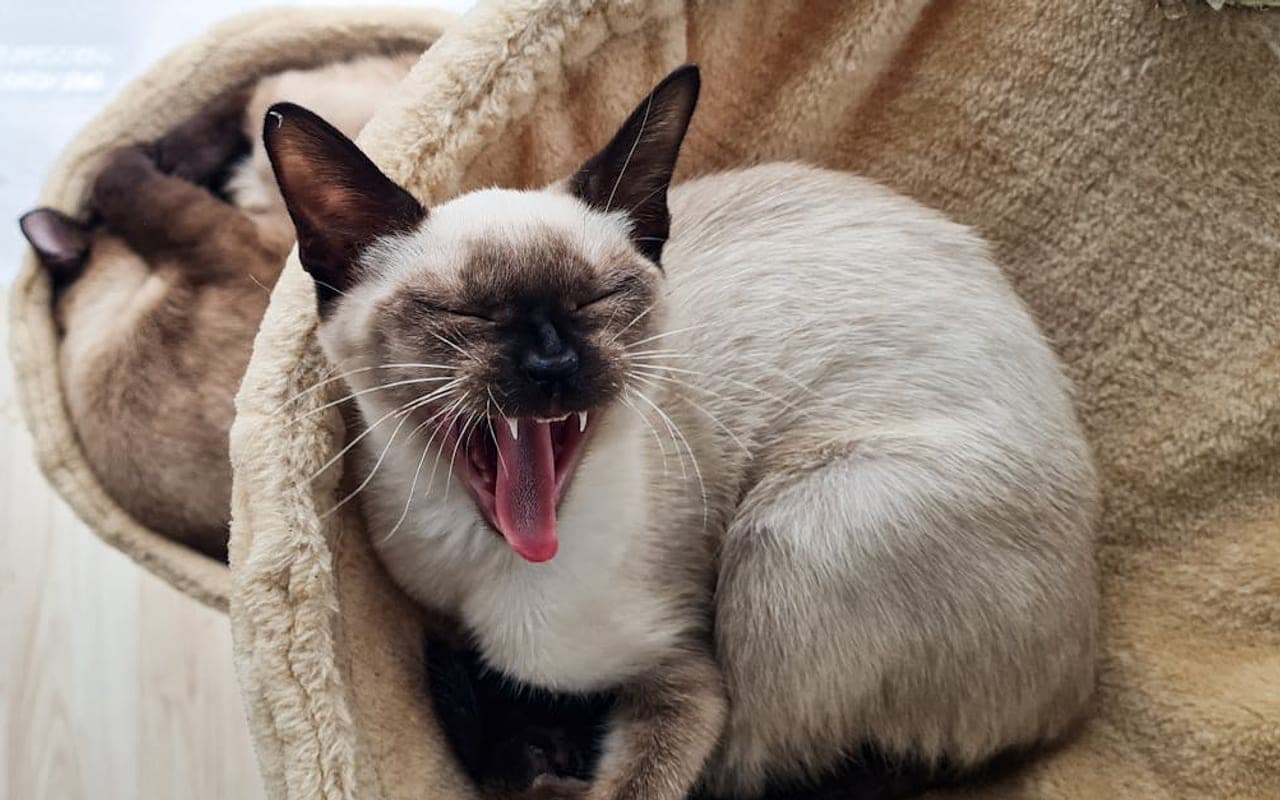
Siamese
Also in the Shorthair group, with different care and temperament tradeoffs.
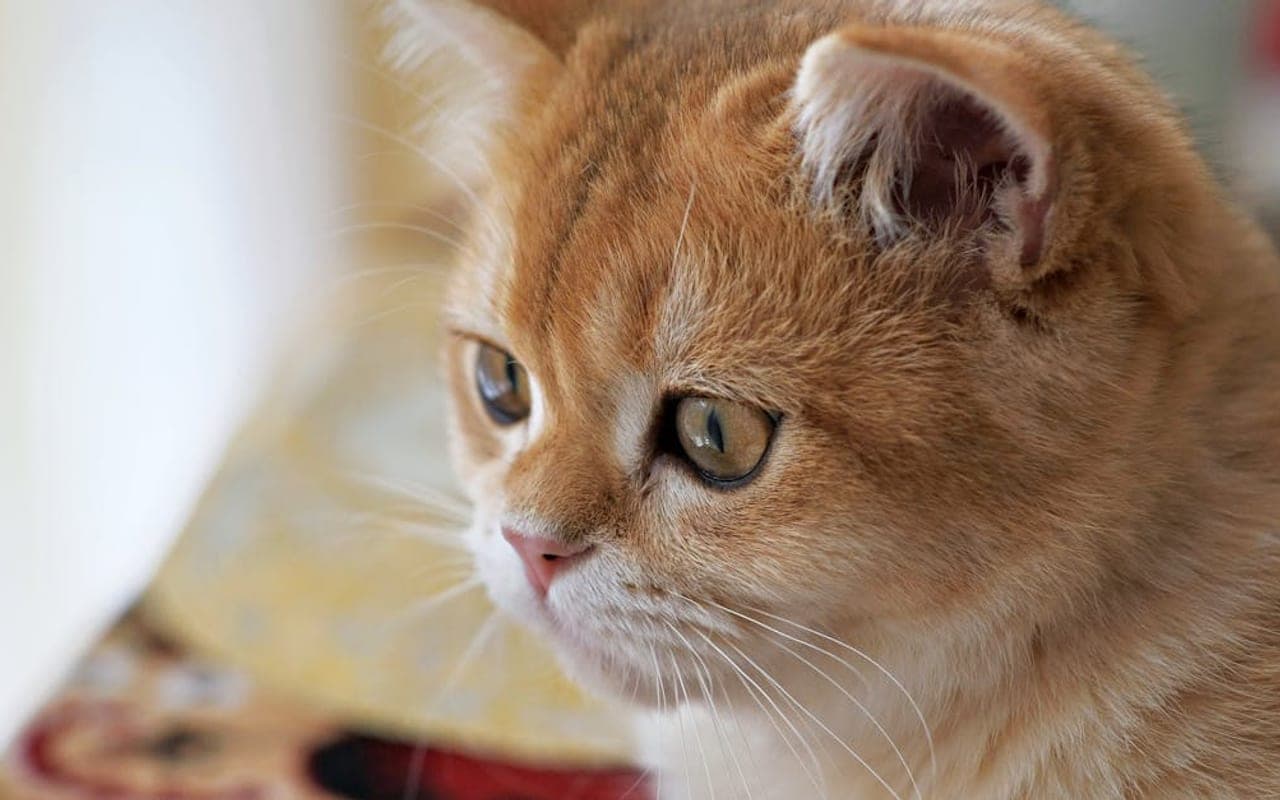
British Shorthair
Also in the Shorthair group, with different care and temperament tradeoffs.
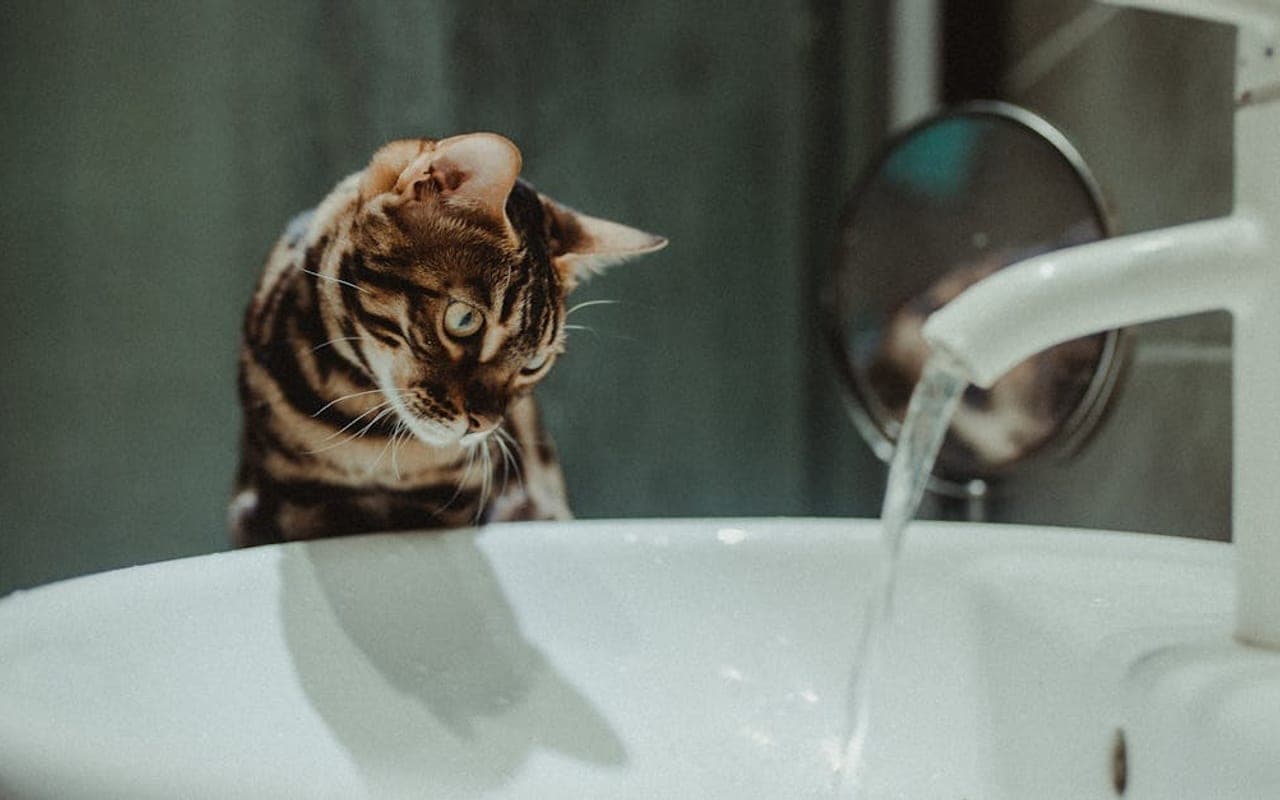
Bengal
Also in the Shorthair group, with different care and temperament tradeoffs.
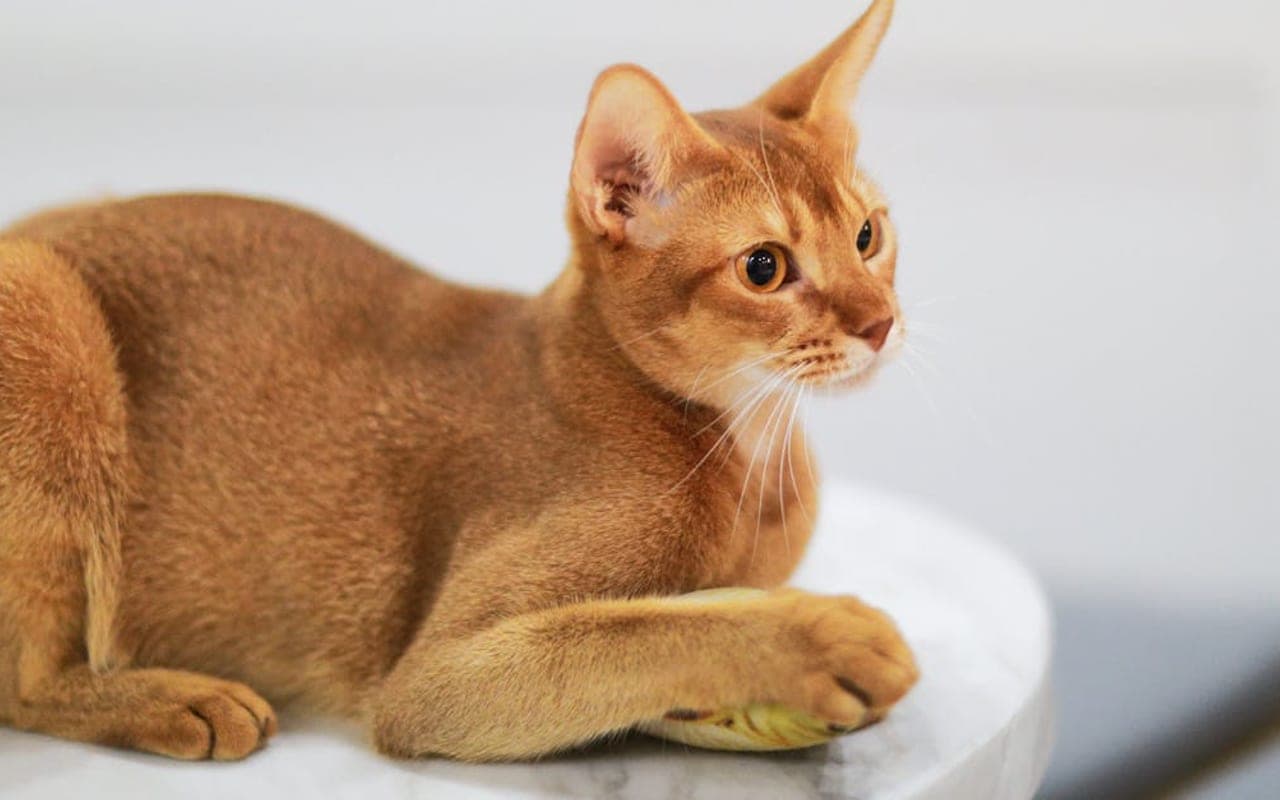
Abyssinian
Also in the Shorthair group, with different care and temperament tradeoffs.
Explore More About Egyptian Mau
Dive deeper into everything Egyptian Mau — costs, care, and expert insights.
Considering a dog instead?
Browse Dogs