
Shorthair group
European Burmese
The European Burmese is the European-bred branch of the Burmese, and the word 'European' in the name is not trivia — it changes the health conversation.
Size
8-14 lb
Lifespan
10-15 years
Play
20-40 minutes
Shedding
Moderate
Experience
Match to owner routine
Decision first
Is a European Burmese right for you?
Start with fit before history or trivia. These are ownership signals, not guarantees about any individual cat.
Best suited for
- Households with children.
- Homes with other compatible pets.
- Apartment homes with a consistent routine.
- Owners who can provide daily play, climbing space, and enrichment.
Think carefully if
- You cannot provide daily play, climbing space, or mental enrichment.
- You cannot keep up with grooming and preventive care.
- The cat will spend most days without interaction or enrichment.
Conditional fit
Apartment fit depends on vertical space, litter setup, play, enrichment, and noise tolerance.
Daily reality
European Burmese commitment snapshot
Daily play
20-40 minutes
Match play and enrichment to age, health, appetite, and household routine.
Coat care
Low
Grooming needs vary by coat, shedding, and lifestyle.
Social needs
Needs planning
Most cats still need predictable contact, enrichment, litter care, and monitoring.
Structured facts
European Burmese at a glance
The measurements and traits that most affect day-to-day life with this breed.
Origin
Burma
Group
Shorthair
Weight
8-14 lb
Height
9-13 in
Lifespan
10-15 years
Temperament
Sweet | Affectionate | Loyal
View all characteristics and methodology
Lifestyle fit
- Apartment suitabilityWorks best with clean litter setup, vertical space, and daily enrichment.
- Likely fit
- Child friendliness
- Often good, with socialisation and supervision
- Other-pet fit
- Often compatible with careful introductions
- Adaptability
- Very high
Owner commitment
- Daily play
- 20-40 minutes
- Grooming
- Low
- Shedding
- Moderate
- Indoor enrichment
- High
Behavior
- Affection
- Very high
- Energy
- High
- Vocalization
- High
- Social needs
- Very high
Environment and health
- Intelligence
- Very high
- Health risk
- Needs planning
- Weight sensitivity
- Routine monitoring
Ratings combine structured breed data, visible breed fields, and editorial context. They are planning aids, not predictions for an individual cat.
Daily life
European Burmese temperament and behavior
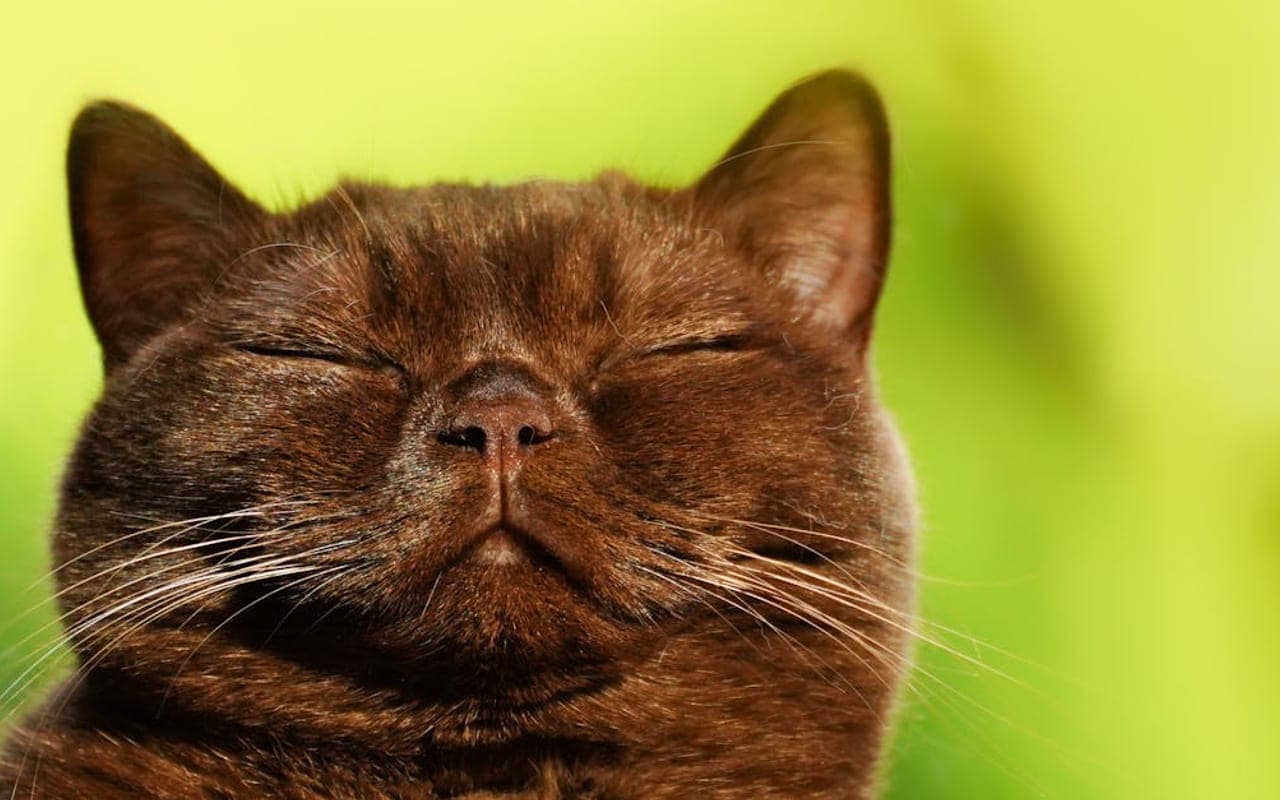
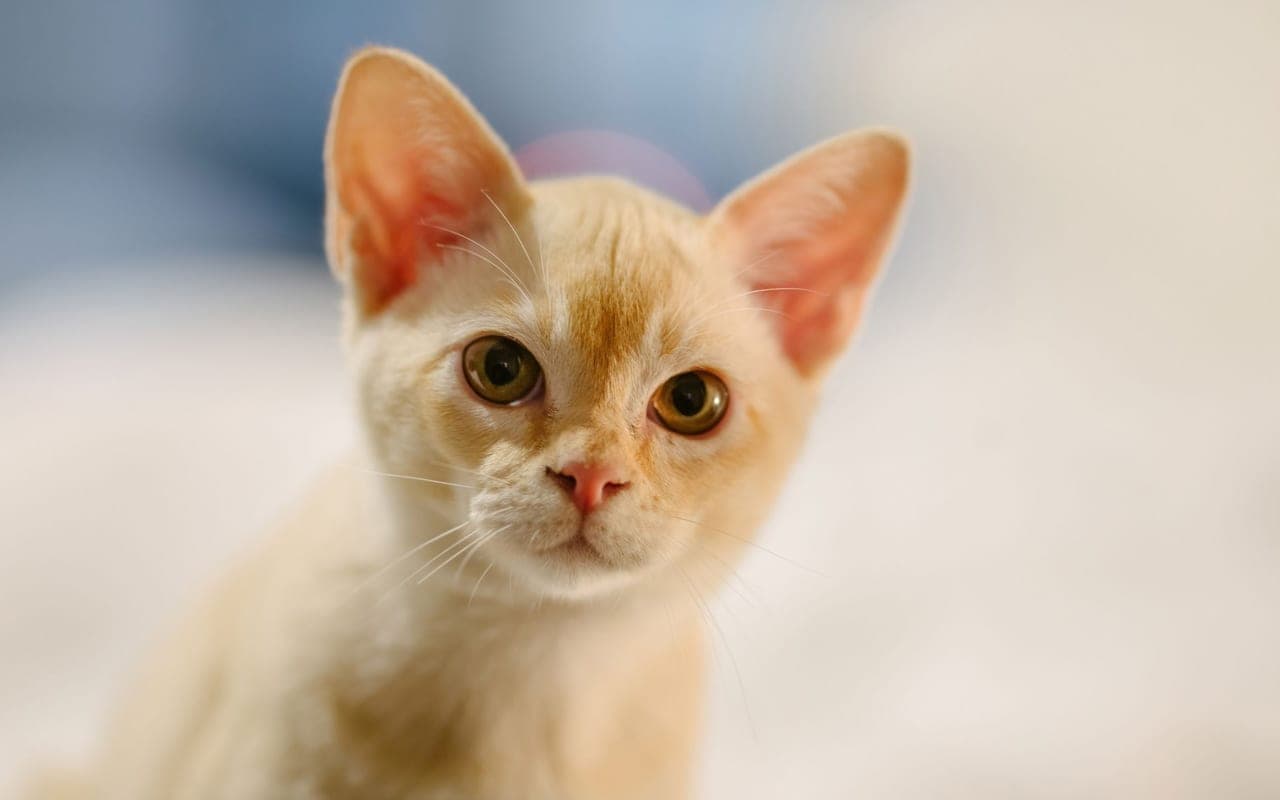
The European Burmese is the European-bred branch of the Burmese, and the word 'European' in the name is not trivia — it changes the health conversation. The single most documented fact about this lineage is that European Burmese are at substantially elevated risk of diabetes mellitus: studies put them at roughly four times the rate of the average cat, and the effect is concentrated specifically in European bloodlines. If you take one thing from this profile, take that: this is a breed where keeping the cat lean is not general advice, it is targeted disease prevention. Physically the European Burmese has more coat-colour variety than its American cousin (brown, blue, chocolate, lilac, plus the red, cream, and tortie series), a slightly less extreme head, and the same short, satin-fine, low-shedding coat that lies close to a muscular, deceptively heavy body. People consistently underestimate the weight of a Burmese because the cat is so dense — 'a brick wrapped in silk' is the cliché, and it is accurate. Temperament is the breed's selling point and the reason people fall for it. The European Burmese is intensely people-oriented, follows its humans room to room, wants to participate in everything, stays playful and kitten-like well into adulthood, and is talkative without being shrill. It bonds to the whole household rather than one person and is generally excellent with children and other pets. Who it is right for: a household that is home often, wants a genuinely interactive lap-and-shoulder cat, and will commit to lean feeding and an eye on water intake. Who it is wrong for: anyone out of the house all day expecting an aloof, self-sufficient cat, or anyone who treats 'a little extra weight' as harmless — in this breed it is the on-ramp to diabetes.
Sweet | Affectionate | Loyal
Sweet
A common European Burmese temperament descriptor that should be interpreted alongside enrichment, handling, and household fit.
Affectionate
A common European Burmese temperament descriptor that should be interpreted alongside enrichment, handling, and household fit.
Loyal
A common European Burmese temperament descriptor that should be interpreted alongside enrichment, handling, and household fit.
Owner note
Temperament labels are starting points, not guarantees. Meet the individual cat and ask about behavior history whenever possible.
Care essentials
How to care for a European Burmese
What looking after one actually involves: play, grooming, food, litter, and routine health.
ExerciseAs needed
- Active and playful breed requiring daily interactive play sessions with toys, climbing structures, and mental stimulation.
GroomingAs needed
- Low-maintenance coat requiring weekly brushing. Occasional bathing as needed.
NutritionAs needed
- Feed a high-quality cat food appropriate for their age and activity level. Maintain fresh water at all times. Monitor weight to prevent obesity.
SocializationAs needed
- Highly social breed that thrives on companionship. Does not do well left alone for extended periods. Consider a companion pet.
Veterinary CareAs needed
- Annual wellness exams, vaccinations, dental checkups, and parasite prevention. Spay/neuter recommended if not breeding.
Health planning
European Burmese health risks and screening
Every cat breed has individual health variation. Use this profile for planning and discuss medical decisions with a veterinarian.
Responsible ownership
Finding a European Burmese responsibly
What to ask a breeder or rescue is the same conversation for every breed, so we keep it in one place and keep it current.
Health documentation, meeting the parents or foster, contracts and return support, and the warning signs worth walking away from.
Original purpose
European Burmese history
History is useful when it explains today's behavior, coat, exercise needs, and training style.
Read the breed history
The Burmese descends from a single brown female, Wong Mau, brought from Burma (Myanmar) to the United States in 1930 and bred out from there. From that shared root the breed split into two development streams: the American Burmese, selected toward a rounder, more compact head, and the European (sometimes called 'foreign' or British) Burmese, which kept a moderate, less extreme conformation and was developed with a wider accepted colour range. The Cat Fanciers' Association recognises the European Burmese as a distinct breed separate from the American Burmese, reflecting decades of independent breeding. That divergence is not just cosmetic: the diabetes-predisposition signal in the research is reported specifically in European bloodlines, and conditions such as hypokalaemia and orofacial pain syndrome are documented in the non-American (European/British) Burmese population — a clear example of why lineage, not just breed name, drives the health checklist a buyer should run.
Gallery
European Burmese photos
Images are cropped consistently and loaded progressively to keep the page responsive.
Lower-page context
European Burmese cats in culture
Where the breed shows up in film, sport, work and folklore — the enjoyable part, once the practical questions are answered.
Fun facts
- The European Burmese originated in Burma.
- European Burmese cats are considered one of the most intelligent cat breeds.
- European Burmese cats are known for being very vocal and communicative with their owners.
- The European Burmese is a true lap cat that loves to curl up with their owners.
European Burmese FAQs
How long do European Burmese cats live?
A well-managed European Burmese typically lives 10 to 15 years, and many reach the upper end because the breed has no extreme conformation. The biggest controllable factor is metabolic: this lineage's elevated diabetes risk means a cat kept lean and fed a controlled-carbohydrate diet has a meaningfully better trajectory than one allowed to gain weight. Lifespan here rewards owners who treat weight management as disease prevention rather than a cosmetic concern.
Why are European Burmese cats at higher risk of diabetes?
Research has repeatedly found that Burmese cats — with the effect concentrated specifically in European bloodlines — develop diabetes mellitus at roughly four times the rate of the average cat, reflecting a heritable predisposition in how the breed handles glucose and insulin. It is the single most important health fact about this lineage. You cannot change the genetics, but you control the trigger: keeping the cat lean and feeding a controlled-carbohydrate diet substantially lowers the practical risk and, if diabetes does appear, raises the chance of diet-controlled remission if caught early.
What is hypokalaemia in Burmese cats and how is it managed?
Hypokalaemic polymyopathy is an inherited condition (linked to a WNK4 gene mutation in Burmese) in which blood potassium periodically drops too low and muscles weaken — the classic sign is a cat that cannot hold its head up properly or walks weakly during an episode. It is not the cat being 'lazy' or 'tired'. Genetic testing can identify carriers before breeding, and affected cats are typically managed long-term with oral potassium supplementation under veterinary supervision, which usually controls signs well.
Are European Burmese cats good with children and other pets?
Yes — this is one of the breed's strongest points. European Burmese are people-oriented, robust, and stay playful into adulthood, so they generally tolerate and even enjoy respectful children and tend to do well with other cats and cat-friendly dogs. The genuine caveat is not sociability but solitude: a Burmese left alone all day, every day, tends to become stressed and demanding. A compatible companion animal or a household that is home often is a better fit than long daily isolation.
How much grooming does a European Burmese need?
Very little. The short, fine, close-lying coat needs only a five-minute weekly brush or a rubber-grooming-mitt pass; shedding is low, hairballs are uncommon, and mats do not form. The practical 'maintenance' budget for this breed is medical, not cosmetic — monthly body-condition checks for the diabetes risk, watching water intake, and routine dental care matter far more to long-term cost and quality of life than anything you do to the coat.
How much does a European Burmese cat cost?
Expect roughly $1,000 to $2,500 for a pet-quality European Burmese kitten from a registered breeder, with regional and bloodline variation. The hidden lifetime cost is the one buyers underestimate: poorly managed diabetes in a predisposed cat can mean lifelong insulin, monitoring, and emergency visits running into thousands over the cat's life. Buying from a breeder who screens for hypokalaemia and feeds appropriately, then committing to lean weight management at home, is far cheaper than treating the disease this lineage is prone to.
Sources
These are the published sources this page draws on. Each opens in a new tab so you can check it yourself.
Cat Fanciers' Association
European Burmese — breed standard and profile(opens in a new tab)Supports: Breed standard and recognition details.
Similar breeds to consider
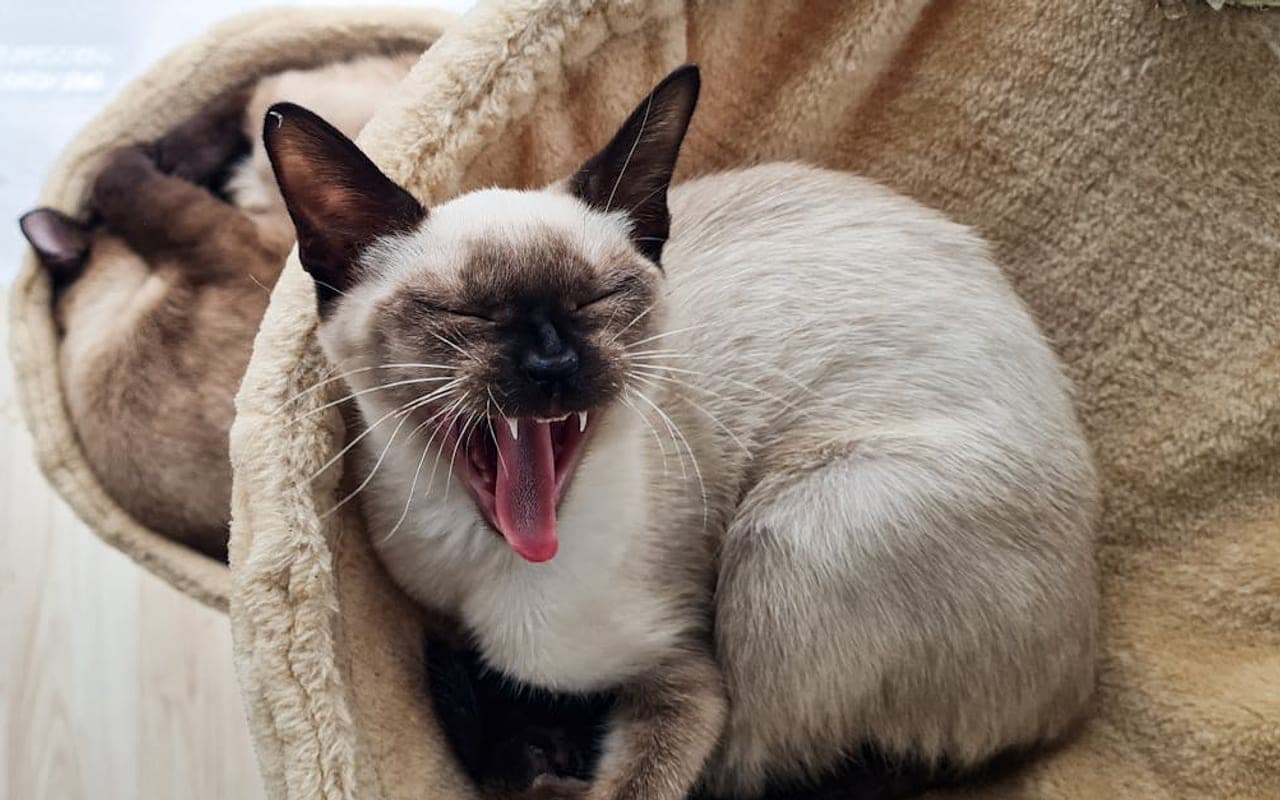
Siamese
Also in the Shorthair group, with different care and temperament tradeoffs.
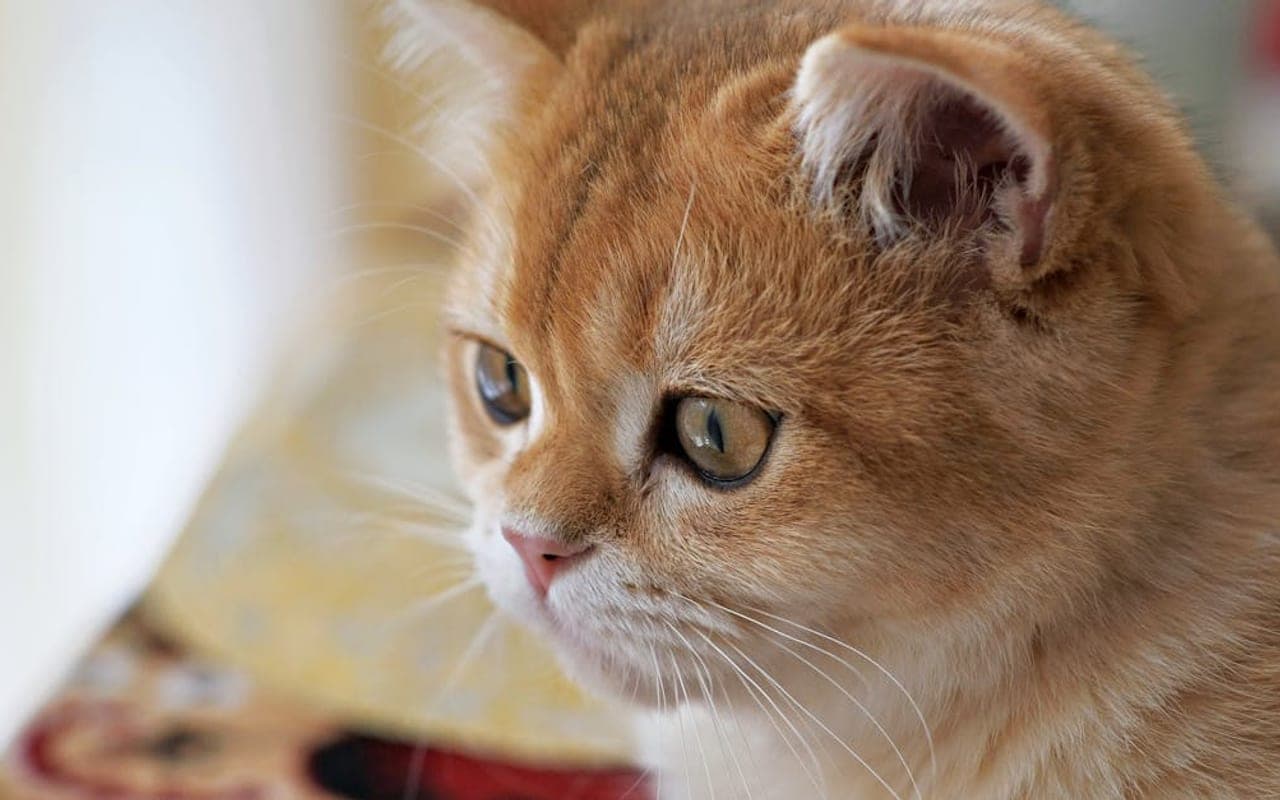
British Shorthair
Also in the Shorthair group, with different care and temperament tradeoffs.
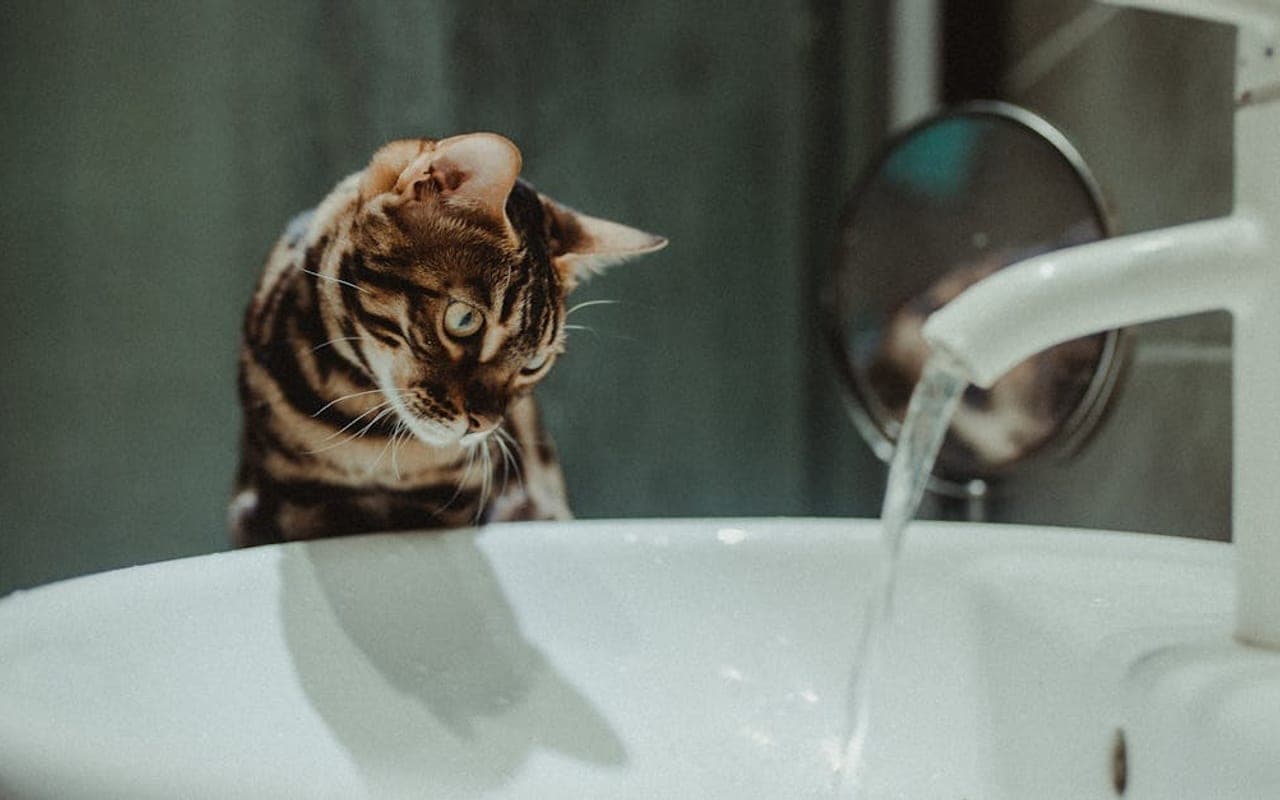
Bengal
Also in the Shorthair group, with different care and temperament tradeoffs.
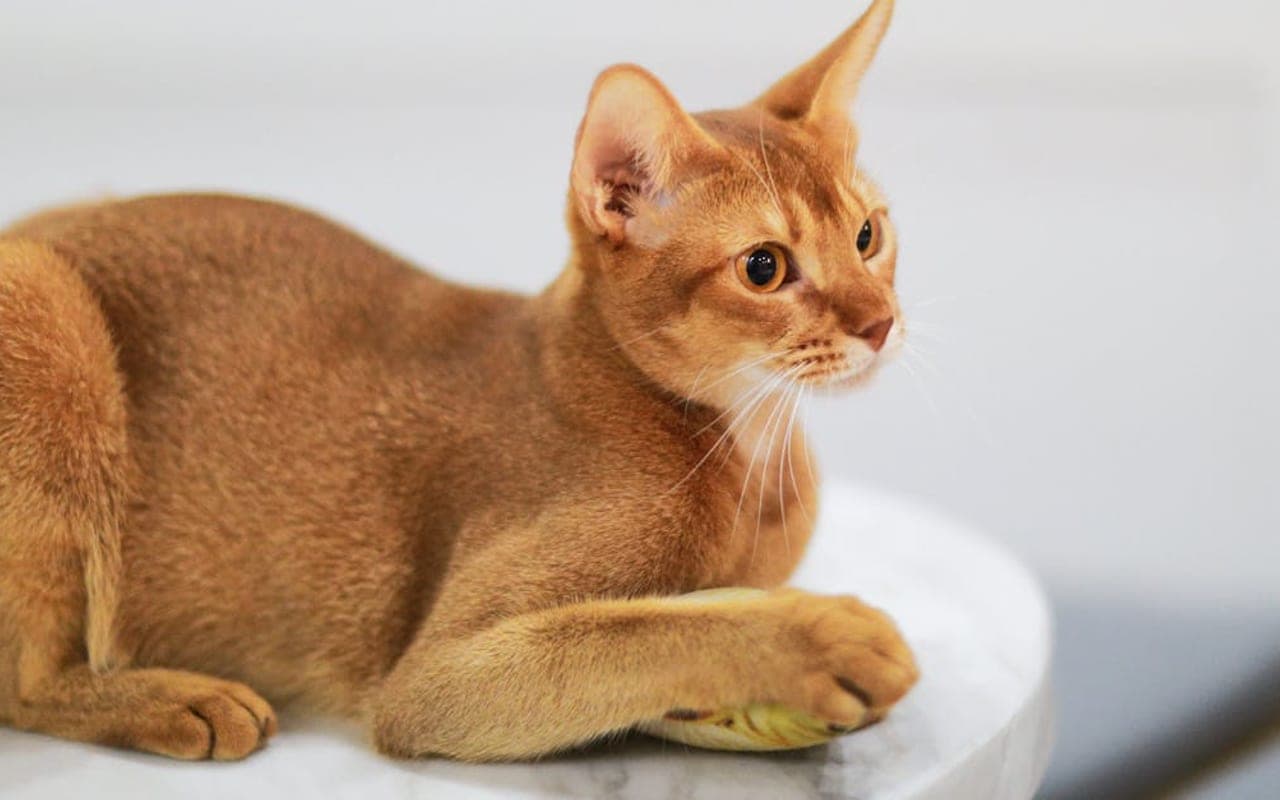
Abyssinian
Also in the Shorthair group, with different care and temperament tradeoffs.
Explore More About European Burmese
Dive deeper into everything European Burmese — costs, care, and expert insights.
Considering a dog instead?
Browse Dogs