
Shorthair group
Exotic Shorthair
The Exotic Shorthair is, in plain terms, a Persian in a wash-and-wear coat.
Size
7-15 lb
Lifespan
12-15 years
Play
15-30 minutes
Shedding
Low
Experience
Match to owner routine
Decision first
Is a Exotic Shorthair right for you?
Start with fit before history or trivia. These are ownership signals, not guarantees about any individual cat.
Best suited for
- Households with children.
- Homes with other compatible pets.
- Apartment homes with a consistent routine.
- Owners seeking a manageable indoor routine with predictable care.
Think carefully if
- You need a cat with almost no daily routine.
- You cannot keep up with grooming and preventive care.
- The cat will spend most days without interaction or enrichment.
Conditional fit
Apartment fit depends on vertical space, litter setup, play, enrichment, and noise tolerance.
Daily reality
Exotic Shorthair commitment snapshot
Daily play
15-30 minutes
Match play and enrichment to age, health, appetite, and household routine.
Coat care
Low
Grooming needs vary by coat, shedding, and lifestyle.
Social needs
Needs planning
Most cats still need predictable contact, enrichment, litter care, and monitoring.
Structured facts
Exotic Shorthair at a glance
The measurements and traits that most affect day-to-day life with this breed.
Origin
United States
Group
Shorthair
Weight
7-15 lb
Height
10-13 in
Lifespan
12-15 years
Temperament
Affectionate | Sweet | Loyal | Quiet | Peaceful
View all characteristics and methodology
Lifestyle fit
- Apartment suitabilityWorks best with clean litter setup, vertical space, and daily enrichment.
- Likely fit
- Child friendliness
- Often good, with socialisation and supervision
- Other-pet fit
- Often compatible with careful introductions
- Adaptability
- Very high
Owner commitment
- Daily play
- 15-30 minutes
- Grooming
- Low
- Shedding
- Low
- Indoor enrichment
- Moderate
Behavior
- Affection
- Very high
- Energy
- Moderate
- Vocalization
- Low
- Social needs
- High
Environment and health
- Intelligence
- Moderate
- Health risk
- Needs planning
- Weight sensitivity
- Routine monitoring
Ratings combine structured breed data, visible breed fields, and editorial context. They are planning aids, not predictions for an individual cat.
Daily life
Exotic Shorthair temperament and behavior
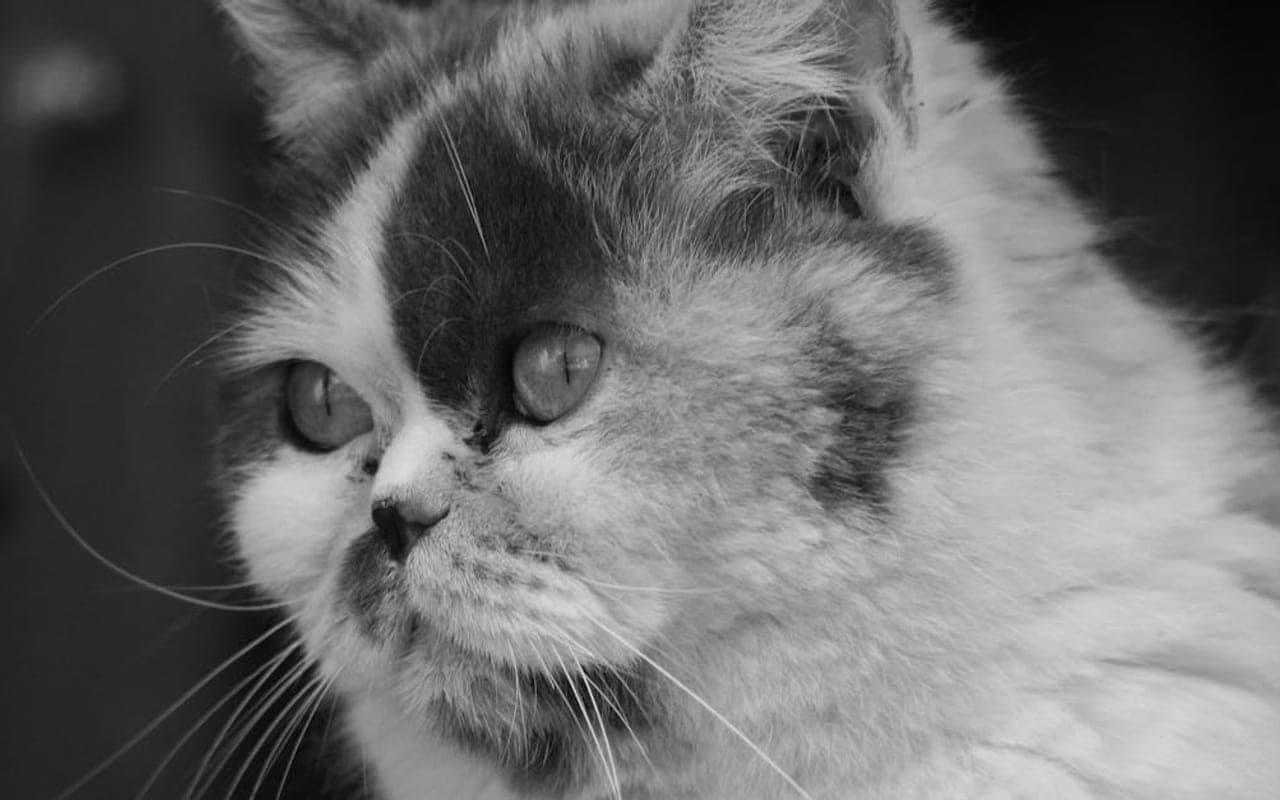
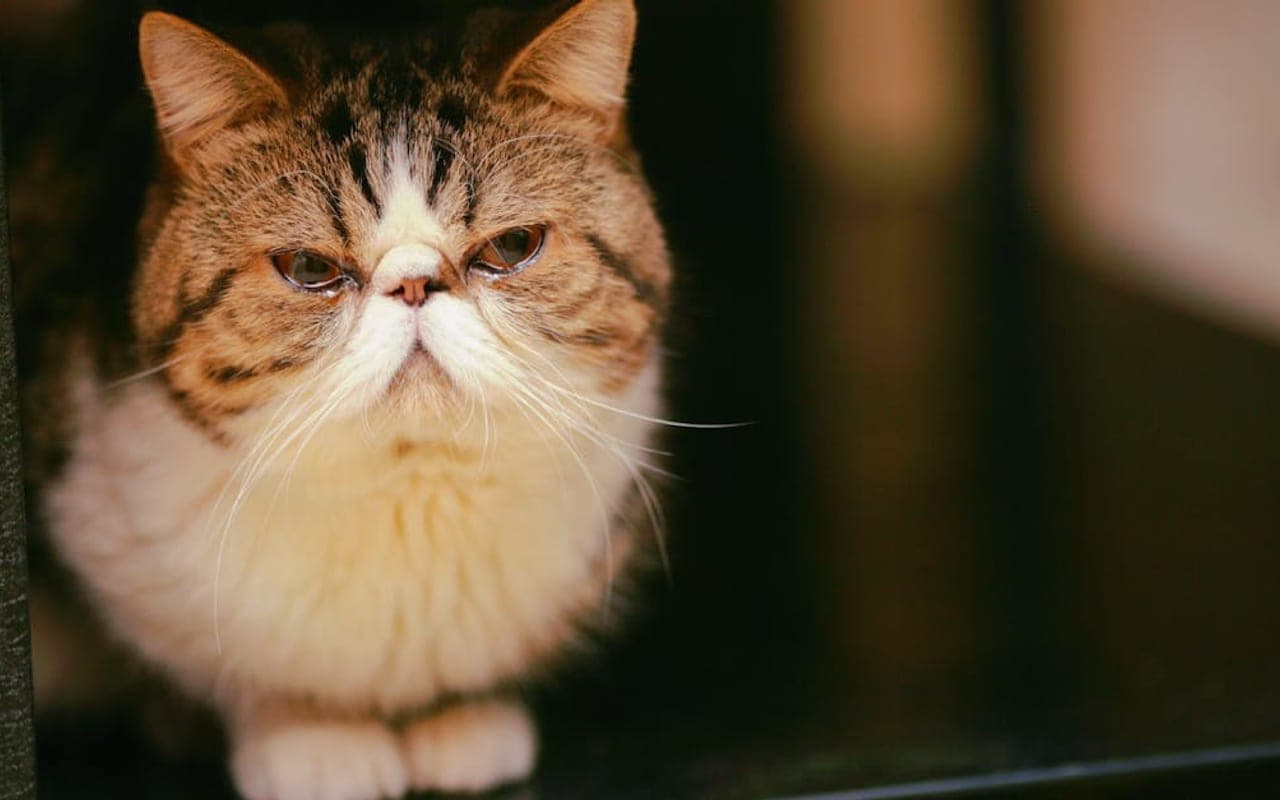
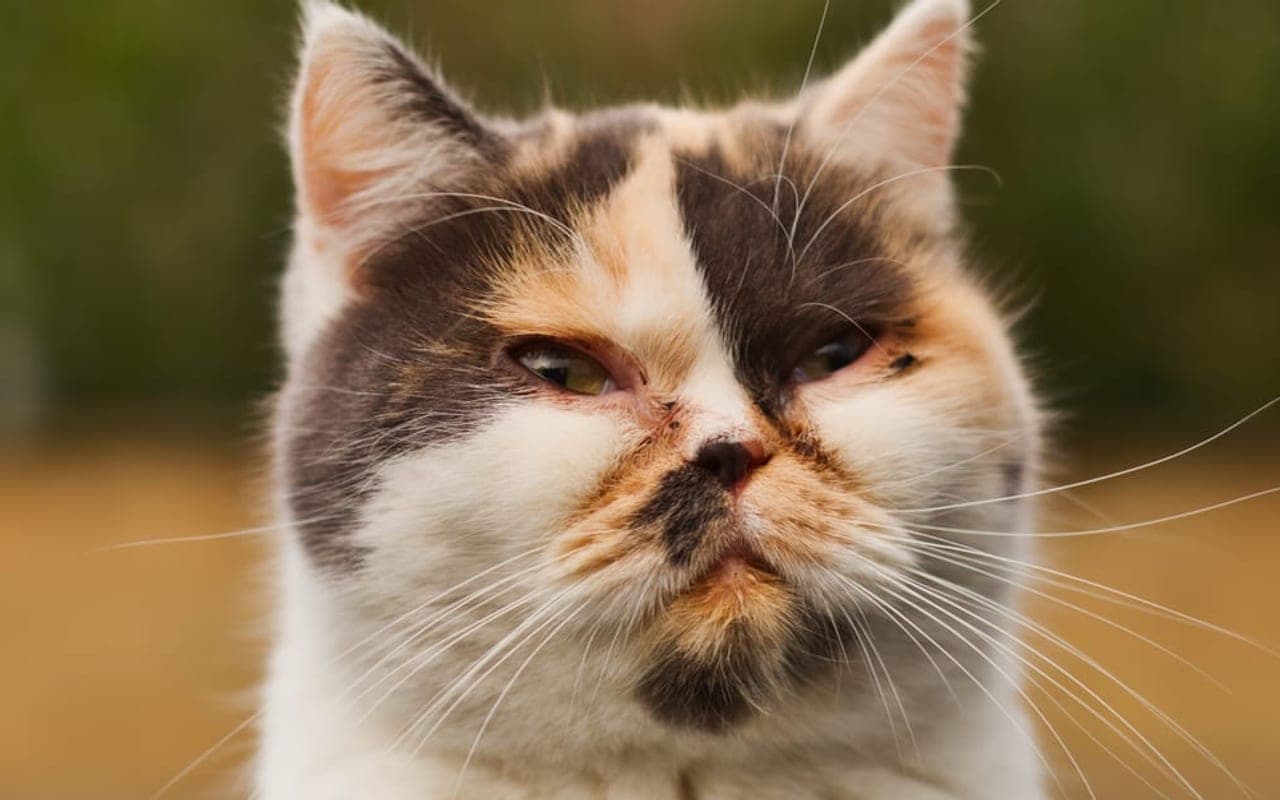
The Exotic Shorthair is, in plain terms, a Persian in a wash-and-wear coat. It was created by crossing Persians with shorthaired breeds, so it inherited the Persian's round face, flat nose, big eyes, cobby body, and calm temperament — but not the daily two-hour grooming sentence. If you have ever wanted a Persian and known you would never keep up with the coat, this is the breed that question was invented to answer. That is the decision this profile exists to clarify, because almost everyone shopping for an Exotic is really shopping for an easier Persian. What you are NOT escaping is the flat face. The Exotic is brachycephalic — the same shortened skull that gives it that famous teddy-bear look also compresses the nasal passages, narrows the airway, distorts the tear ducts, and crowds the teeth. The flat face is not a cosmetic feature you can opt out of; it is a structural trade-off that comes with the breed, and the more extreme the face, the more pronounced the problems. A moderate, more open-nostriled Exotic is a meaningfully healthier animal than an ultra-typed one, so face structure should drive your choice as much as personality does. Temperament is the easy part and the reason people fall hard for the breed. Exotics are quiet, undemanding, affectionate lap cats — Persian-placid rather than Siamese-busy. They bond closely to their people, are gentle with children and other pets, rarely climb the curtains, and communicate in soft chirps rather than yowls. They are content in apartments and tolerant of being a one-cat household or part of a crowd. Who the Exotic Shorthair is right for: someone who wants a serene, low-energy companion, can fund proactive PKD and heart screening, and will choose a less extreme face over a flatter one. Who it is wrong for: a buyer who treats the squashed nose as a selling point rather than the medical liability it actually is.
Affectionate | Sweet | Loyal | Quiet | Peaceful
Affectionate
A common Exotic Shorthair temperament descriptor that should be interpreted alongside enrichment, handling, and household fit.
Sweet
A common Exotic Shorthair temperament descriptor that should be interpreted alongside enrichment, handling, and household fit.
Loyal
A common Exotic Shorthair temperament descriptor that should be interpreted alongside enrichment, handling, and household fit.
Quiet
A common Exotic Shorthair temperament descriptor that should be interpreted alongside enrichment, handling, and household fit.
Owner note
Temperament labels are starting points, not guarantees. Meet the individual cat and ask about behavior history whenever possible.
Care essentials
How to care for a Exotic Shorthair
What looking after one actually involves: play, grooming, food, litter, and routine health.
ExerciseAs needed
- Moderately active breed that enjoys regular play sessions and exploration. Provide toys and occasional interactive games.
GroomingAs needed
- Low-maintenance coat requiring weekly brushing. Occasional bathing as needed.
NutritionAs needed
- Feed a high-quality cat food appropriate for their age and activity level. Maintain fresh water at all times. Monitor weight to prevent obesity.
SocializationAs needed
- Highly social breed that thrives on companionship. Does not do well left alone for extended periods. Consider a companion pet.
Veterinary CareAs needed
- Annual wellness exams, vaccinations, dental checkups, and parasite prevention. Spay/neuter recommended if not breeding.
Health planning
Exotic Shorthair health risks and screening
Every cat breed has individual health variation. Use this profile for planning and discuss medical decisions with a veterinarian.
Responsible ownership
Finding a Exotic Shorthair responsibly
What to ask a breeder or rescue is the same conversation for every breed, so we keep it in one place and keep it current.
Health documentation, meeting the parents or foster, contracts and return support, and the warning signs worth walking away from.
Original purpose
Exotic Shorthair history
History is useful when it explains today's behavior, coat, exercise needs, and training style.
Read the breed history
The Exotic Shorthair is a deliberately engineered breed, not a natural one. It began in the United States in the 1950s when American Shorthair breeders crossed their cats with Persians — initially to improve the American Shorthair's body and introduce the silver coat. The unexpected result was a round-faced, plush, shorthaired kitten that looked like a Persian wearing a shorter coat, and breeders quickly recognized it as a breed in its own right rather than a means to an end. The Cat Fanciers' Association granted the Exotic Shorthair championship status in 1967, with a standard written to mirror the Persian in every respect except coat length. Because the breed standard is tied so tightly to the Persian, Exotics have continued to be outcrossed to Persians, which is why a longhaired kitten still appears in Exotic litters. That shared ancestry is the whole reason the Exotic inherits the Persian's health profile — PKD, the flat-faced airway, and the same heart concerns — and why honest buyers treat it as a Persian for medical planning purposes.
Gallery
Exotic Shorthair photos
Images are cropped consistently and loaded progressively to keep the page responsive.
Lower-page context
Exotic Shorthair cats in culture
Where the breed shows up in film, sport, work and folklore — the enjoyable part, once the practical questions are answered.
Fun facts
- The Exotic Shorthair originated in United States.
- The Exotic Shorthair is a true lap cat that loves to curl up with their owners.
- With proper care, a Exotic Shorthair can live 12 to 15 years.
Exotic Shorthair FAQs
How long do Exotic Shorthair cats live?
A well-bred Exotic Shorthair from PKD-screened lines typically lives 12-15 years. The two factors that most move that number are kidney disease and the flat face: a PKD-positive cat may decline in kidney function from middle age, and a very extreme-faced individual carries lifelong breathing and heat risk. Choosing a screened line and a moderate face is the single biggest lever you have over how long and how comfortably this cat lives.
Is the Exotic Shorthair really lower maintenance than a Persian?
Yes for the coat, no for the face. You genuinely escape the Persian's daily full-body grooming — an Exotic needs only a 5-minute comb a few times a week. But the flat face is identical to a Persian's, so you still owe daily eye and nose-fold cleaning, the same heat and breathing precautions, and the same PKD and heart screening. The Exotic is an easier coat, not an easier cat overall.
Why does my Exotic Shorthair's eyes water and stain so much?
Because the shortened skull distorts and partially blocks the tear ducts, so tears overflow onto the face instead of draining normally — this is normal anatomy for the breed, not an infection by itself. Wipe the eye corners and nose fold daily with a clean damp cloth to prevent staining and skin-fold infection. See a vet if the discharge turns yellow-green, the eye is squinting or red, or the fold smells, which signals secondary infection.
Are Exotic Shorthairs good for apartments and families with children?
Very much so. They are quiet, low-energy, affectionate lap cats that do not climb, yowl, or destroy furniture, which makes them well suited to apartments and to gentle children and other pets. The only apartment-relevant caution is heat: a flat-faced cat in a poorly ventilated unit during a heatwave is genuinely at risk, so air conditioning or active cooling is a real requirement, not a luxury, for this breed.
How much does an Exotic Shorthair cost to buy and to own?
Expect roughly $1,000-$2,500 for a kitten from a registered breeder who DNA-screens for PKD and echocardiogram-screens breeding cats. The hidden cost is medical: lifelong management of a PKD-positive cat or HCM can run into thousands, and corrective brachycephalic airway surgery is $1,500-$3,000+. Paying more for a PKD-negative line with a moderate, more open face is the cheapest health insurance available in this breed.
Does the flat face actually cause health problems, or is that exaggerated?
It causes real problems, and the degree scales with how extreme the face is. The brachycephalic skull narrows the airway (snoring, labored breathing, heat intolerance), blocks tear drainage (chronic eye staining and fold infection), and crowds the teeth (early dental disease). A moderate Exotic with visible nostrils and a less recessed nose lives a measurably easier life than an ultra-typed one, which is why face structure should weigh as heavily as temperament when you choose a kitten.
Sources
These are the published sources this page draws on. Each opens in a new tab so you can check it yourself.
Cat Fanciers' Association
Exotic Shorthair — breed standard and profile(opens in a new tab)Supports: Breed standard and recognition details.
Similar breeds to consider
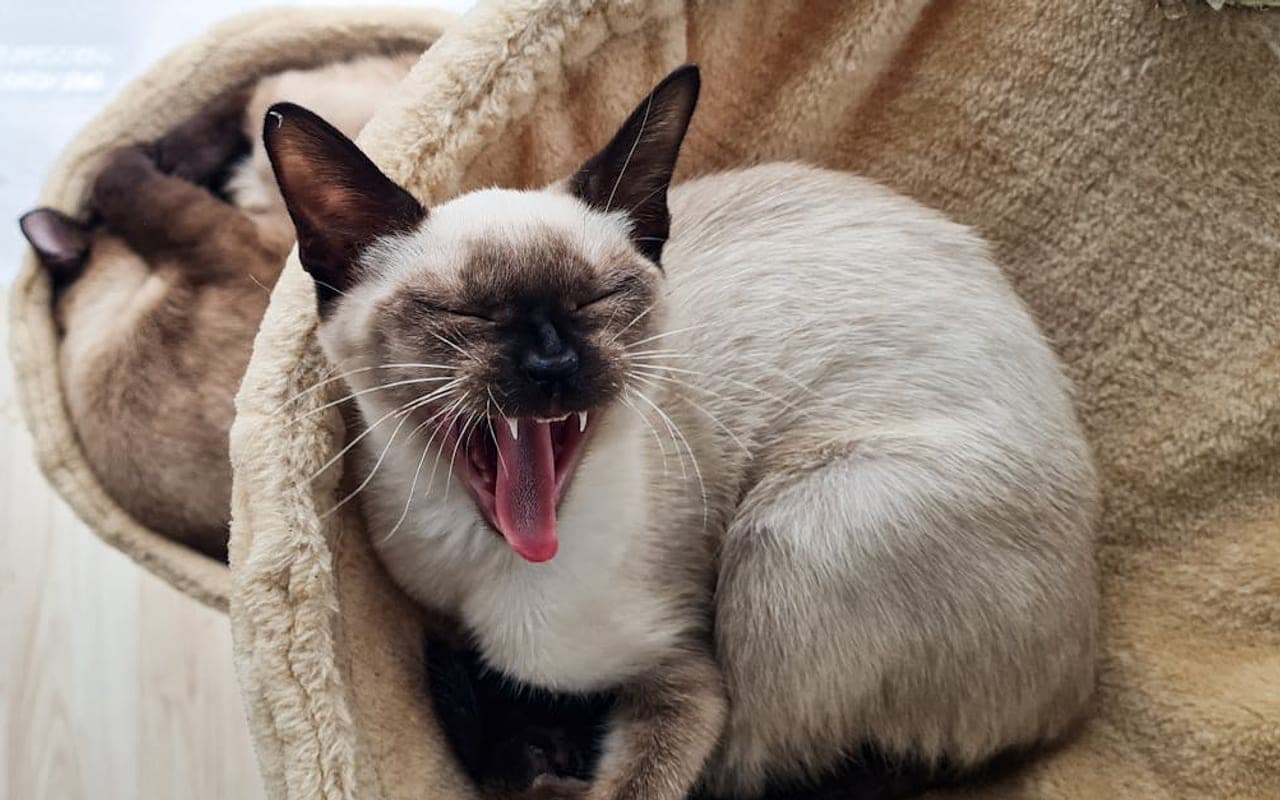
Siamese
Also in the Shorthair group, with different care and temperament tradeoffs.
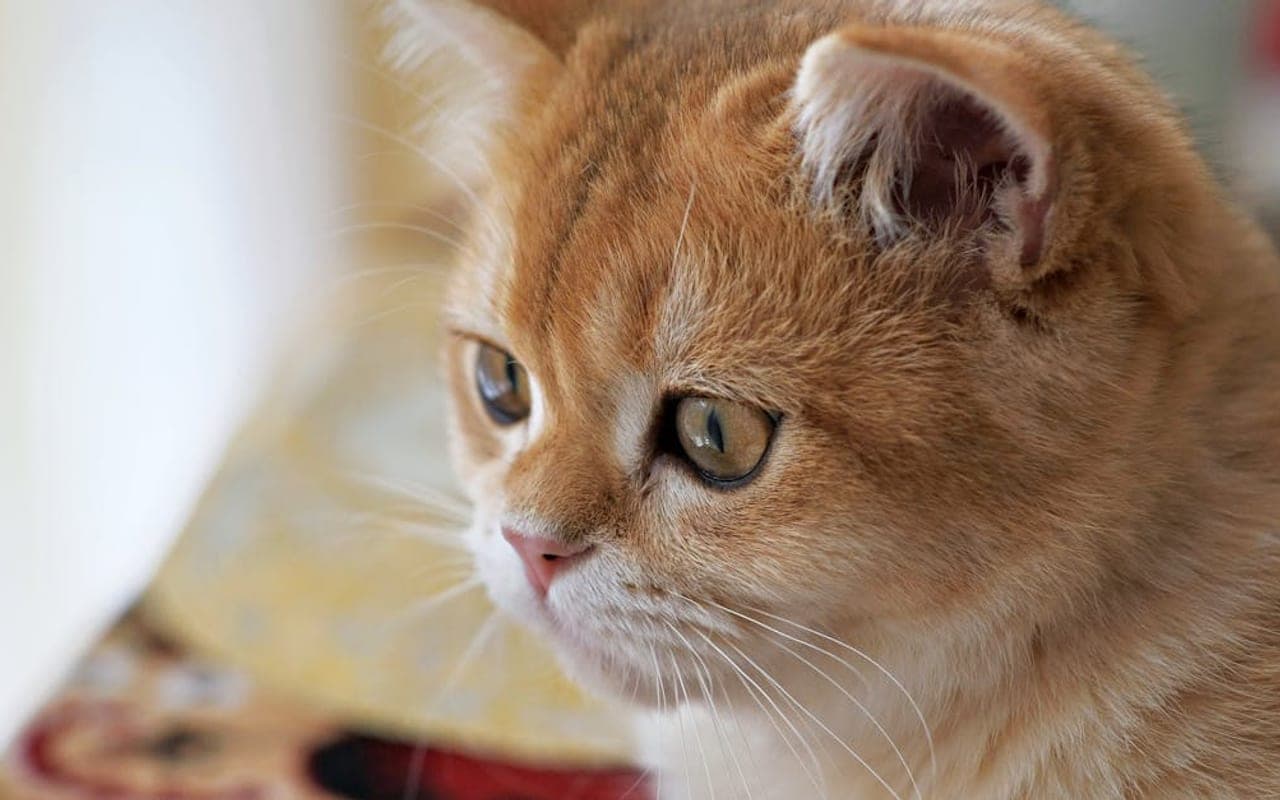
British Shorthair
Also in the Shorthair group, with different care and temperament tradeoffs.
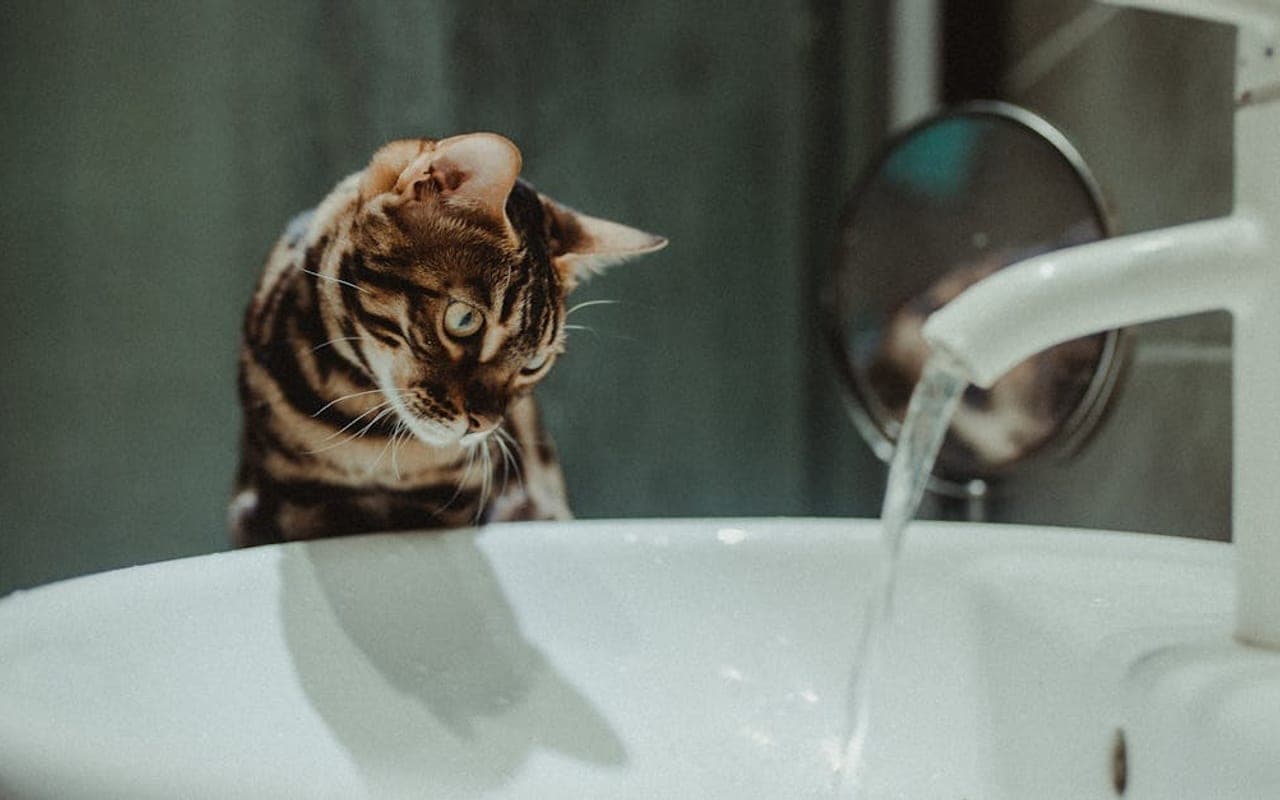
Bengal
Also in the Shorthair group, with different care and temperament tradeoffs.
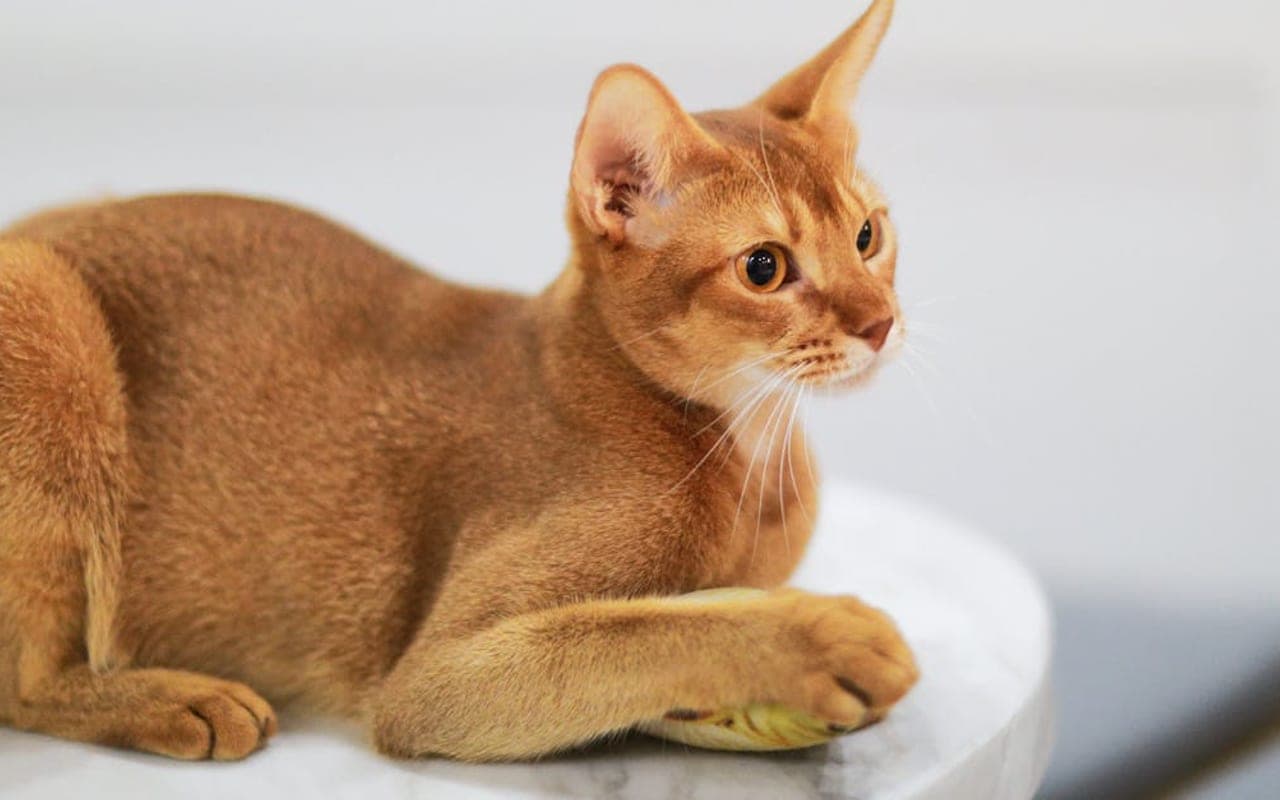
Abyssinian
Also in the Shorthair group, with different care and temperament tradeoffs.
Explore More About Exotic Shorthair
Dive deeper into everything Exotic Shorthair — costs, care, and expert insights.
Cat Nutrition Guide: What Cats Actually Need to Eat
Cats are obligate carnivores, which means they are...
Kitten-Proofing Your Home: The Hazards Owners Miss
A single lily leaf — or even the pollen brushed off one — can put a kitten into acute...
Considering a dog instead?
Browse Dogs