
Shorthair group
Havana Brown
The Havana Brown is one of the rarest pedigreed cats in the world, and that rarity is the single most important fact a prospective owner needs to understand before anything about coat or personality.
Size
6-11 lb
Lifespan
10-15 years
Play
15-30 minutes
Shedding
Moderate
Experience
Match to owner routine
Decision first
Is a Havana Brown right for you?
Start with fit before history or trivia. These are ownership signals, not guarantees about any individual cat.
Best suited for
- Households with children.
- Homes with other compatible pets.
- Apartment homes with a consistent routine.
- Owners seeking a manageable indoor routine with predictable care.
Think carefully if
- You need a cat with almost no daily routine.
- You cannot keep up with grooming and preventive care.
- The cat will spend most days without interaction or enrichment.
Conditional fit
Apartment fit depends on vertical space, litter setup, play, enrichment, and noise tolerance.
Daily reality
Havana Brown commitment snapshot
Daily play
15-30 minutes
Match play and enrichment to age, health, appetite, and household routine.
Coat care
Low
Grooming needs vary by coat, shedding, and lifestyle.
Social needs
Needs planning
Most cats still need predictable contact, enrichment, litter care, and monitoring.
Structured facts
Havana Brown at a glance
The measurements and traits that most affect day-to-day life with this breed.
Origin
United Kingdom
Group
Shorthair
Weight
6-11 lb
Height
9-12 in
Lifespan
10-15 years
Temperament
Affectionate | Curious | Demanding | Friendly | Intelligent | Playful
View all characteristics and methodology
Lifestyle fit
- Apartment suitabilityWorks best with clean litter setup, vertical space, and daily enrichment.
- Likely fit
- Child friendliness
- Often good, with socialisation and supervision
- Other-pet fit
- Often compatible with careful introductions
- Adaptability
- Very high
Owner commitment
- Daily play
- 15-30 minutes
- Grooming
- Low
- Shedding
- Moderate
- Indoor enrichment
- Moderate
Behavior
- Affection
- Very high
- Energy
- Moderate
- Vocalization
- Low
- Social needs
- Very high
Environment and health
- Intelligence
- Very high
- Health risk
- Needs planning
- Weight sensitivity
- Routine monitoring
Ratings combine structured breed data, visible breed fields, and editorial context. They are planning aids, not predictions for an individual cat.
Daily life
Havana Brown temperament and behavior
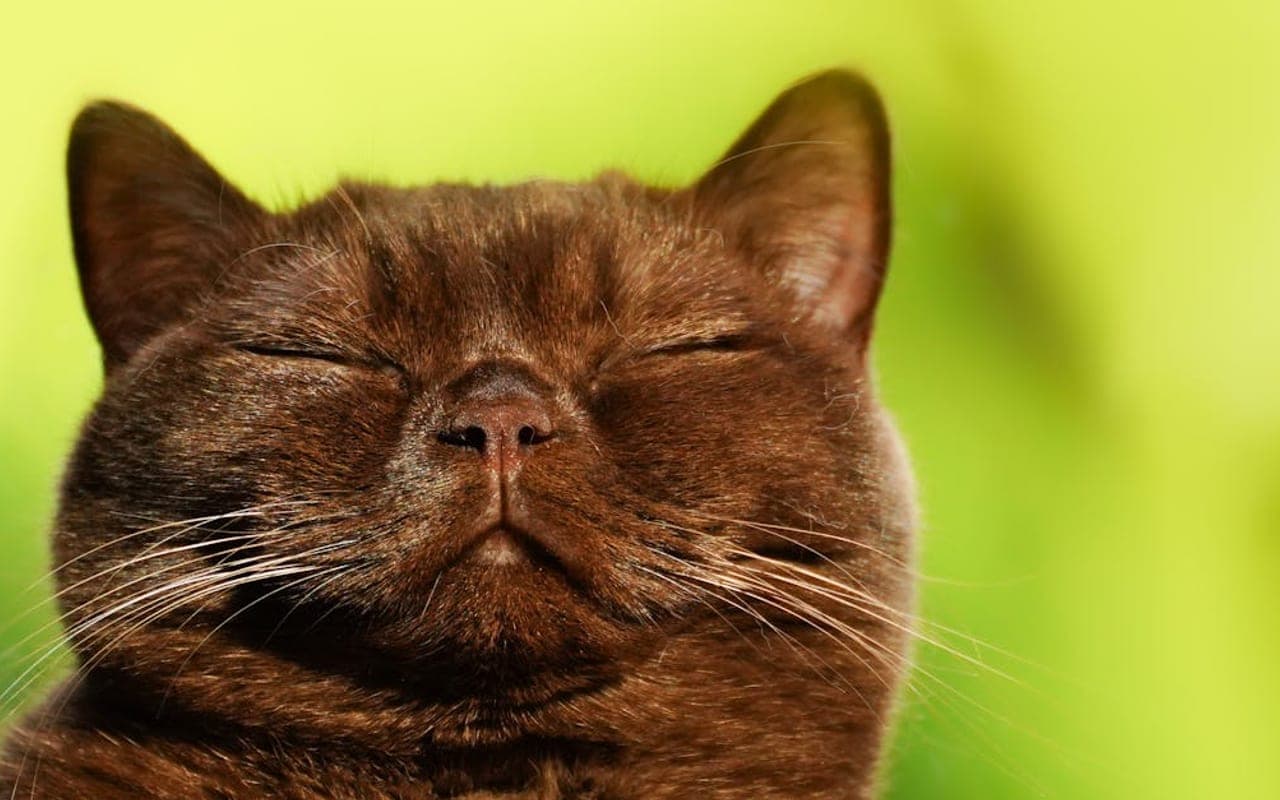
The Havana Brown is one of the rarest pedigreed cats in the world, and that rarity is the single most important fact a prospective owner needs to understand before anything about coat or personality. The entire modern breed descends from a very small founding population — a deliberate cross of chocolate-point Siamese with black domestic shorthairs in 1950s Britain — and the gene pool has stayed perilously narrow ever since. There are only a few hundred registered Havana Browns alive at any time. This is not a trivia point; it is the breed's defining trade-off, because a tight gene pool concentrates whatever genetic risk exists and limits how much breeders can select away from it. What you get for accepting that constraint is a genuinely distinctive cat. The Havana Brown is the only breed defined by a single solid color: a warm, even, reddish-brown (mahogany rather than black-brown), with brown whiskers — a detail required by the breed standard and found in no other cat. The head has a unique corn-cob or light-bulb muzzle shape, and the eyes are a vivid green. It is a medium, muscular, surprisingly heavy cat for its size. Temperament is where the Siamese ancestry shows. Havana Browns are people-obsessed, demanding of attention, highly intelligent, and tactile — they reach out with a paw to investigate and to touch their humans, follow people from room to room, and do poorly as a left-alone-all-day cat. They are talkative but softer-voiced than a Siamese, playful well into adulthood, and notably dog-friendly. Who the Havana Brown is right for: an owner who is home often, wants an interactive shadow rather than an aloof ornament, and accepts that buying a rare breed means accepting a narrow gene pool and committing to a breeder who outcrosses and screens. Who it is wrong for: someone who works long hours, wants an independent cat, or expects a common breed's wide health buffer.
Affectionate | Curious | Demanding | Friendly | Intelligent | Playful
Affectionate
A common Havana Brown temperament descriptor that should be interpreted alongside enrichment, handling, and household fit.
Curious
A common Havana Brown temperament descriptor that should be interpreted alongside enrichment, handling, and household fit.
Demanding
A common Havana Brown temperament descriptor that should be interpreted alongside enrichment, handling, and household fit.
Friendly
A common Havana Brown temperament descriptor that should be interpreted alongside enrichment, handling, and household fit.
Owner note
Temperament labels are starting points, not guarantees. Meet the individual cat and ask about behavior history whenever possible.
Care essentials
How to care for a Havana Brown
What looking after one actually involves: play, grooming, food, litter, and routine health.
ExerciseAs needed
- Moderately active breed that enjoys regular play sessions and exploration. Provide toys and occasional interactive games.
GroomingAs needed
- Low-maintenance coat requiring weekly brushing. Occasional bathing as needed.
NutritionAs needed
- Feed a high-quality cat food appropriate for their age and activity level. Maintain fresh water at all times. Monitor weight to prevent obesity.
SocializationAs needed
- Highly social breed that thrives on companionship. Does not do well left alone for extended periods. Consider a companion pet.
Veterinary CareAs needed
- Annual wellness exams, vaccinations, dental checkups, and parasite prevention. Spay/neuter recommended if not breeding.
Health planning
Havana Brown health risks and screening
Every cat breed has individual health variation. Use this profile for planning and discuss medical decisions with a veterinarian.
Responsible ownership
Finding a Havana Brown responsibly
What to ask a breeder or rescue is the same conversation for every breed, so we keep it in one place and keep it current.
Health documentation, meeting the parents or foster, contracts and return support, and the warning signs worth walking away from.
Original purpose
Havana Brown history
History is useful when it explains today's behavior, coat, exercise needs, and training style.
Read the breed history
The Havana Brown was created in England in the early 1950s by a small group of breeders who set out to produce a self-brown (solid chocolate) cat of foreign type. They crossed chocolate-point and seal-point Siamese with black domestic shorthairs, and later added Russian Blue, to fix a rich, even brown coat with green eyes. The first cat of the new type was registered in 1953. The breed reached North America soon after, where breeders pursued a slightly different head type, and the Havana Brown was accepted for championship by the Cat Fanciers' Association in the late 1950s. From the beginning the founding population was tiny, and it has never substantially widened — by the 2000s the breed was so genetically restricted that registries approved outcross programs (to unregistered black or blue domestic shorthairs and to specific Siamese and Oriental lines) specifically to rescue genetic diversity. That outcross history is central to understanding the breed: the Havana Brown's rarity is both its identity and its single biggest health constraint.
Gallery
Havana Brown photos
Images are cropped consistently and loaded progressively to keep the page responsive.
Lower-page context
Havana Brown cats in culture
Where the breed shows up in film, sport, work and folklore — the enjoyable part, once the practical questions are answered.
Fun facts
- The Havana Brown originated in United Kingdom.
- Havana Brown cats are considered one of the most intelligent cat breeds.
- The Havana Brown is a true lap cat that loves to curl up with their owners.
- Havana Brown cats are exceptionally dog-friendly and can live harmoniously with canine companions.
Havana Brown FAQs
How long do Havana Brown cats live?
A healthy Havana Brown typically lives 10-15 years. The number is pulled down mainly by the breed's narrow gene pool and by urinary and dental problems that go unmanaged. The practical takeaway: routine annual bloodwork, dental care, and buying from a breeder who participates in approved outcross programs do more for this breed's lifespan than for almost any common breed, because you cannot fall back on genetic diversity here.
Why is the Havana Brown so rare, and does the rarity matter for health?
It is rare because the entire breed descends from a tiny 1950s founding group and the population has never meaningfully widened — only a few hundred are registered worldwide. The rarity matters directly for health: a small gene pool concentrates inherited risk and limits how much breeders can select away from problems, which is why registries approved outcross programs. Choosing a breeder who outcrosses is one of the most important health decisions you make with this breed.
Are Havana Brown cats good with children and dogs?
Yes to both. The Havana Brown is sociable, people-oriented, and notably dog-friendly — it tends to seek out company rather than hide, and it tolerates respectful children well. Supervise young kids as you would with any cat and teach gentle handling. The bigger compatibility question is not children or dogs but whether someone is home: this breed does poorly left alone all day regardless of who else is in the house.
How much grooming does a Havana Brown need?
Very little. The short single coat needs only a weekly rub with a soft cloth or grooming glove to lift loose hair and bring up the mahogany shine — about five minutes a week, with no seasonal blowout to manage. The real ongoing maintenance for this breed is dental: budget for home tooth-brushing and annual dental checks, because Siamese-derived lines like the Havana Brown develop gum disease earlier than many breeds.
How much does a Havana Brown cost?
Because the breed is so rare, expect roughly $800-$1,500+ for a kitten from a registered breeder, and waiting lists are common since few litters are produced each year. The hidden costs are urinary care (a blocked-bladder emergency can run $1,500-$3,000) and lifelong dental management. Prioritize a breeder who participates in approved outcross programs and screens for heart and urinary issues over simply finding the cheapest or fastest available kitten.
Does the Havana Brown have a documented hereditary disease?
There is no single signature genetic disease the way the Manx has Manx Syndrome. Honestly, the breed's biggest inherited risk is structural: the dangerously narrow gene pool, which concentrates whatever risk exists. On top of that, the real monitorable concerns are calcium oxalate urinary stones, early gum disease, and the HCM seen across most pedigreed cats. So the right framing is not 'avoid one disease' but 'buy from an outcrossing breeder and monitor urinary, dental, and heart health for life.'
Sources
These are the published sources this page draws on. Each opens in a new tab so you can check it yourself.
Cat Fanciers' Association
Havana Brown — breed standard and profile(opens in a new tab)Supports: Breed standard and recognition details.
Similar breeds to consider
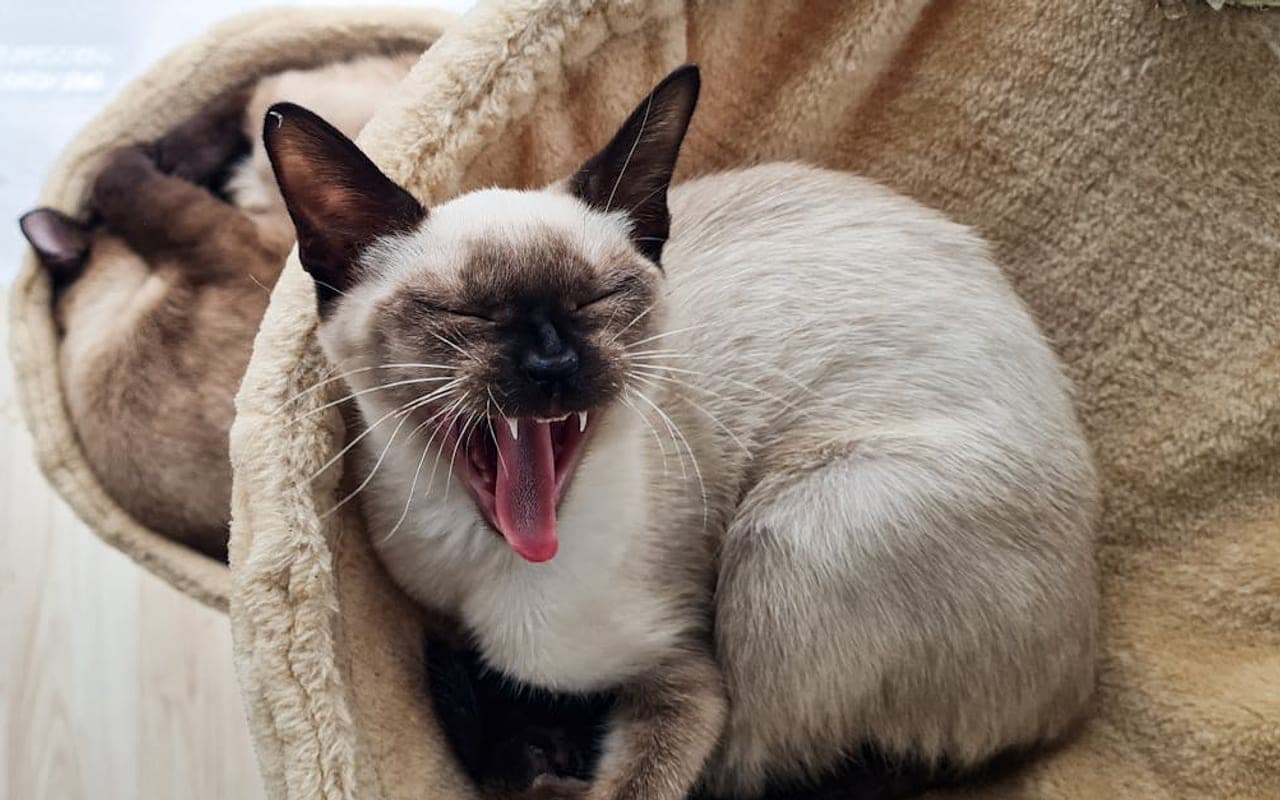
Siamese
Also in the Shorthair group, with different care and temperament tradeoffs.
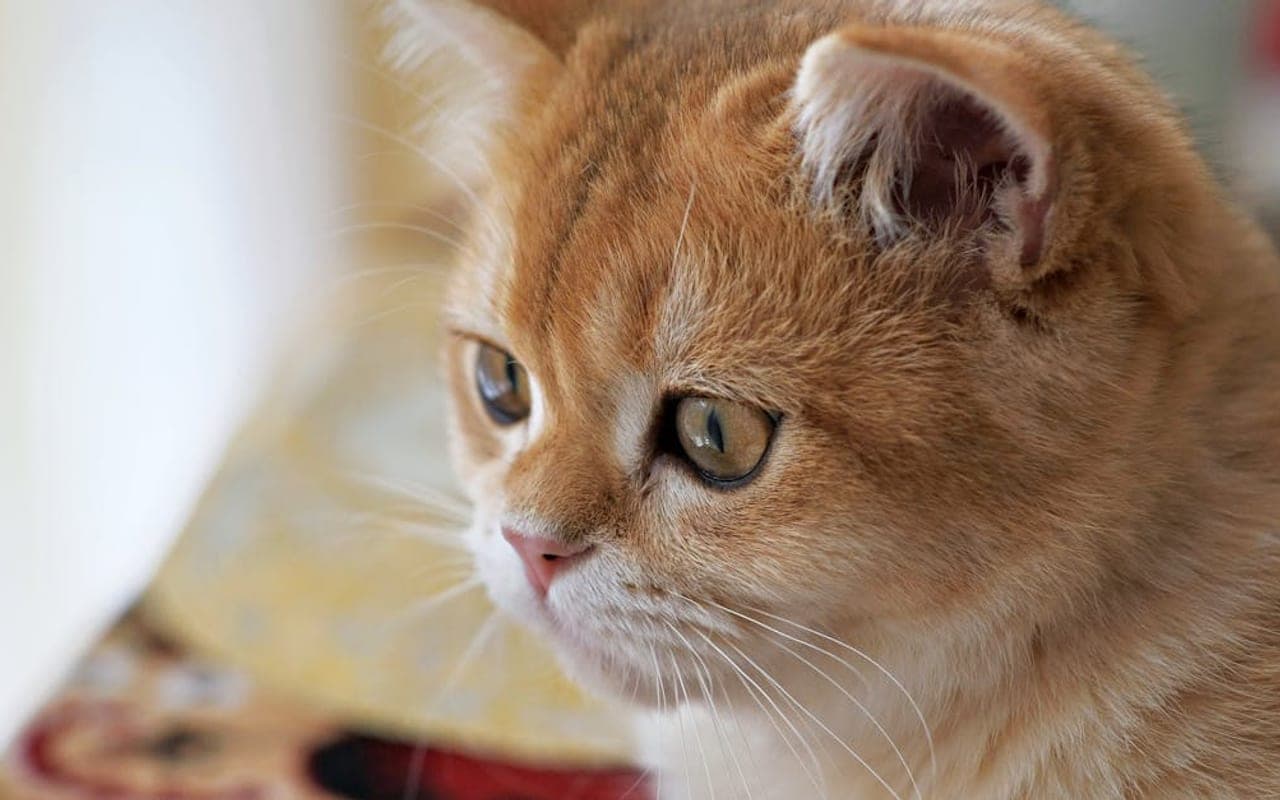
British Shorthair
Also in the Shorthair group, with different care and temperament tradeoffs.
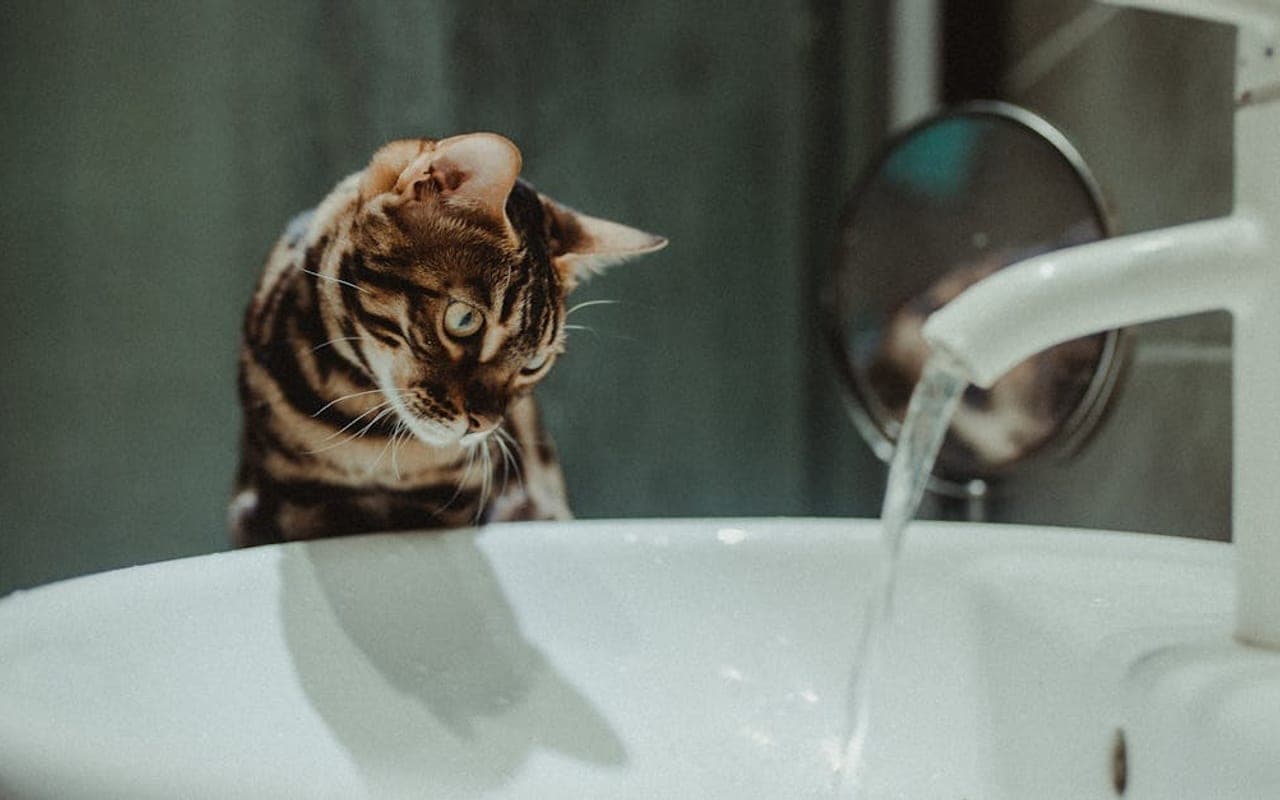
Bengal
Also in the Shorthair group, with different care and temperament tradeoffs.
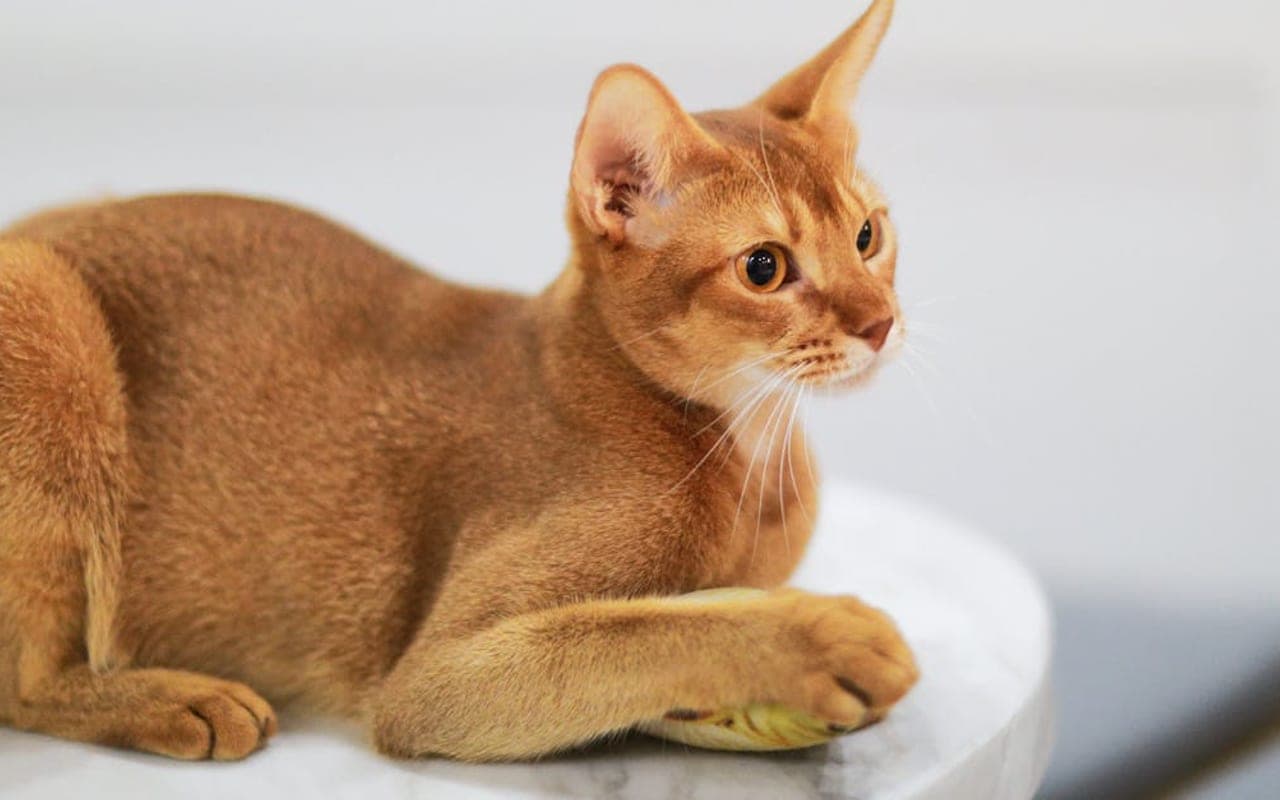
Abyssinian
Also in the Shorthair group, with different care and temperament tradeoffs.
Explore More About Havana Brown
Dive deeper into everything Havana Brown — costs, care, and expert insights.
Considering a dog instead?
Browse Dogs